Action Camera Accessories
Insta360 Bike Mounts and Cameras for Cyclists: A Practical Roundup
A close look at Insta360's bike computer mount and third-person bike tail kit, plus the X4 and Ace Pro cameras they are built around, with the trade-offs worth knowing before you buy.
Introduction
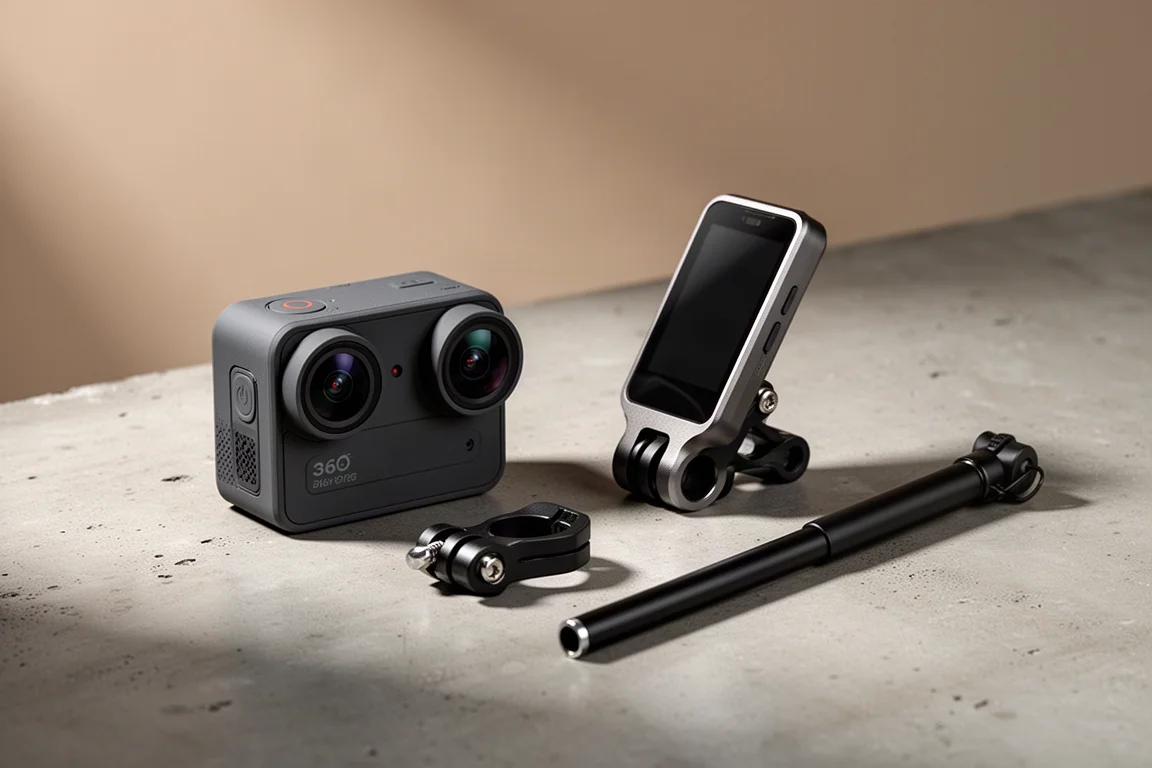
360 cameras have become genuinely useful tools for cyclists. Instead of a single lens, they use two, so you can mount the camera to the bike, your body, or your helmet and decide the framing later in the smartphone app or the desktop software. That flexibility means you can capture what is happening ahead and behind at the same time, which makes producing video for any platform far easier.
The long-standing problem has been mounting the camera safely and securely. Insta360 has now released two bike-specific solutions: a bike computer mount that puts a camera out front, and a third-person bike tail kit that opens up following and fake drone angles. Both are designed around the X4 and Ace Pro cameras.
What These Mounts Solve for Riders
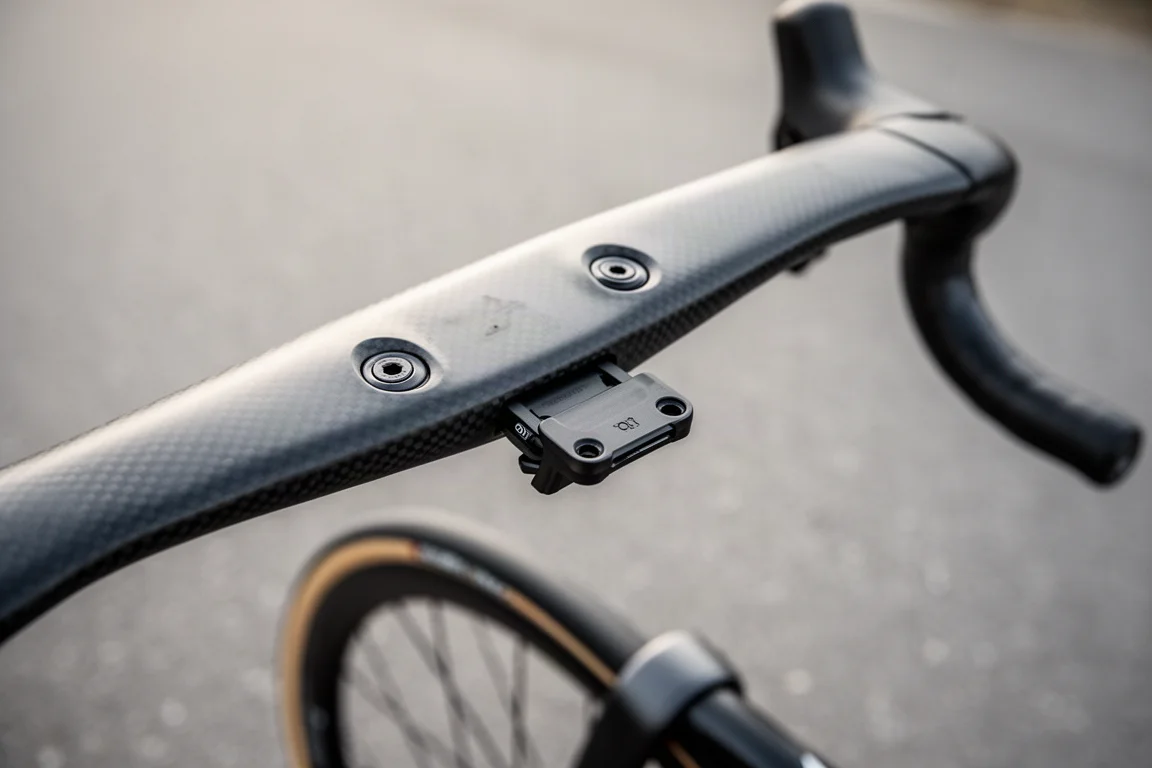
Many high-end race and gravel bikes use a one-piece carbon fibre handlebar. It looks clean and helps aerodynamics, but it leaves almost nowhere to attach a light, a computer, or a camera. A lot of those bars do have two bolts underneath, intended for a mount, and a GoPro-style adapter can make that work reasonably well.
Insta360’s approach builds on that same two-bolt interface but adds camera-specific features. On the saddle side, the tail kit uses the saddle rails and seat post instead, which means it works on bikes that have no usable handlebar mounting points at all.
The two systems cover different jobs. The out-front mount is for the ride you are already doing, with the camera running alongside your computer. The tail kit is for the angles that need a second position, either on your own bike or on a friend’s bike ahead of you.
Insta360 Bike Computer Mount
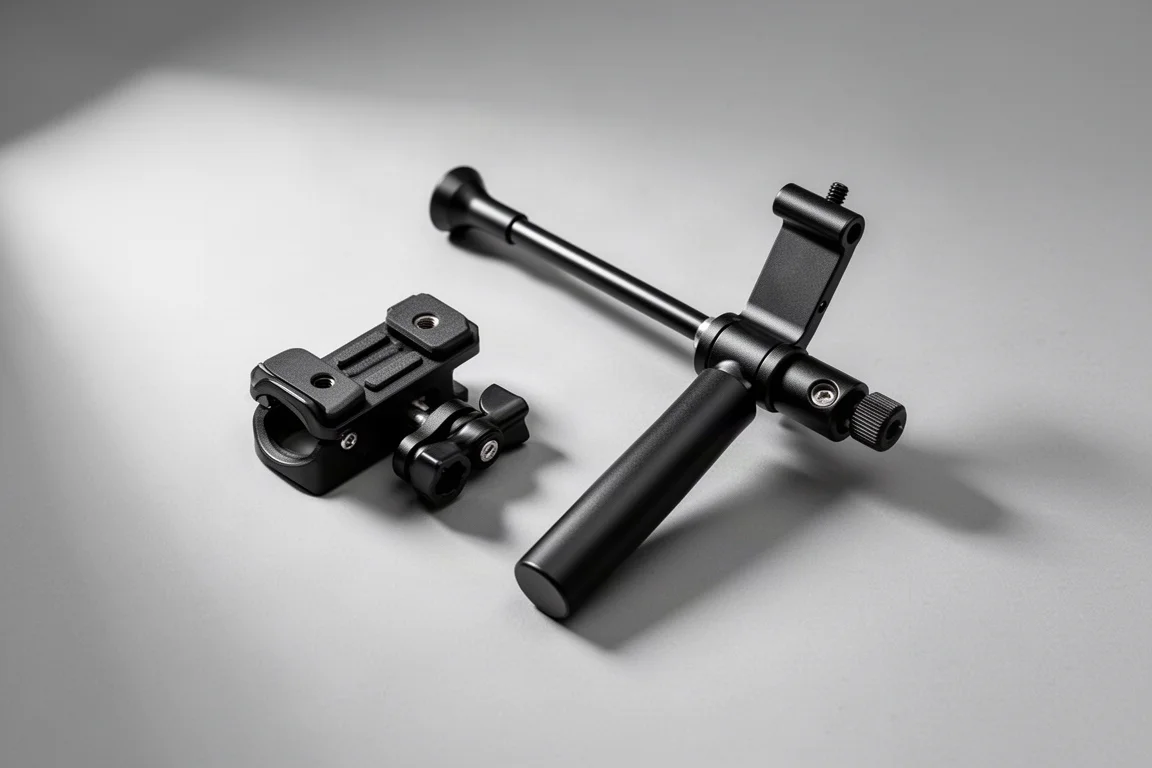
The bike computer mount attaches to the handlebar with two bolts and offers a good range of fore and aft adjustment. A separate two-bolt plate holds a Garmin or Wahoo computer, so you can swap plates if you change head units.
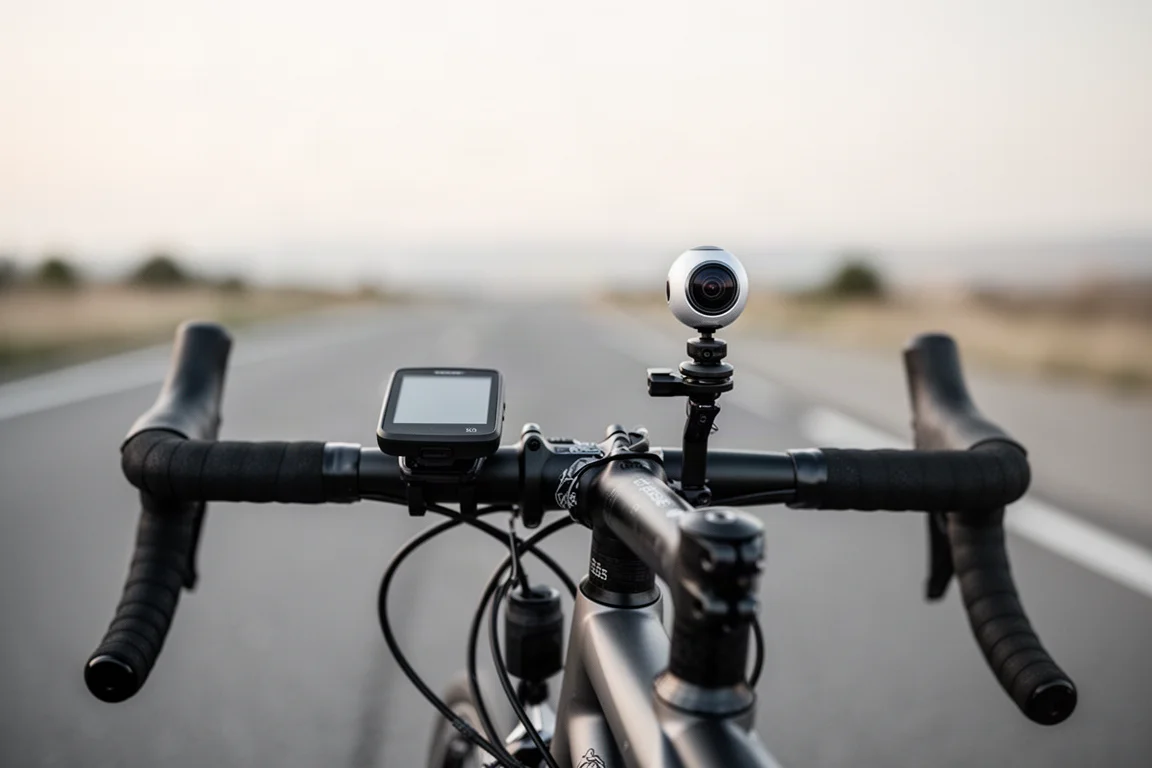
The centrepiece is the camera mount on the front, which the X4 screws onto. A turn dial lets you set the camera angle exactly where you want it, whether that is level, tilted up, or angled to one side. There is also an optional GoPro-style mount underneath, which can carry a second camera or a light bracket for dark commutes, so the same mount can cover an occasional descent or mountain time trial segment and then go back in a pocket.
Build quality is a strong point. It is made from aluminium, feels well made, and has proven durable so far. Despite the X4 being a fairly hefty camera, the setup does not bounce around at normal road speeds of 30 to 45 km/h, even with a large computer such as a Garmin Edge 1050 fitted on top. The company rates it for up to 500 g of weight and speeds up to 60 km/h, and it has held up above 80 km/h in practice.
There are two things to weigh. On rough terrain it can bounce a little, and it is not recommended for bumpy roads, so smooth gravel and dirt roads suit it better than chunky surfaces. It also needs a handlebar with the two-bolt underside pattern. Bikes with a single-bolt proprietary system, such as the latest Canyon Aeroad with its Gear Groove, cannot use it. For those, Insta360 offers a version that bolts to the stem face plate instead, which is worth checking before you order.
Insta360 Third-Person Bike Tail Kit
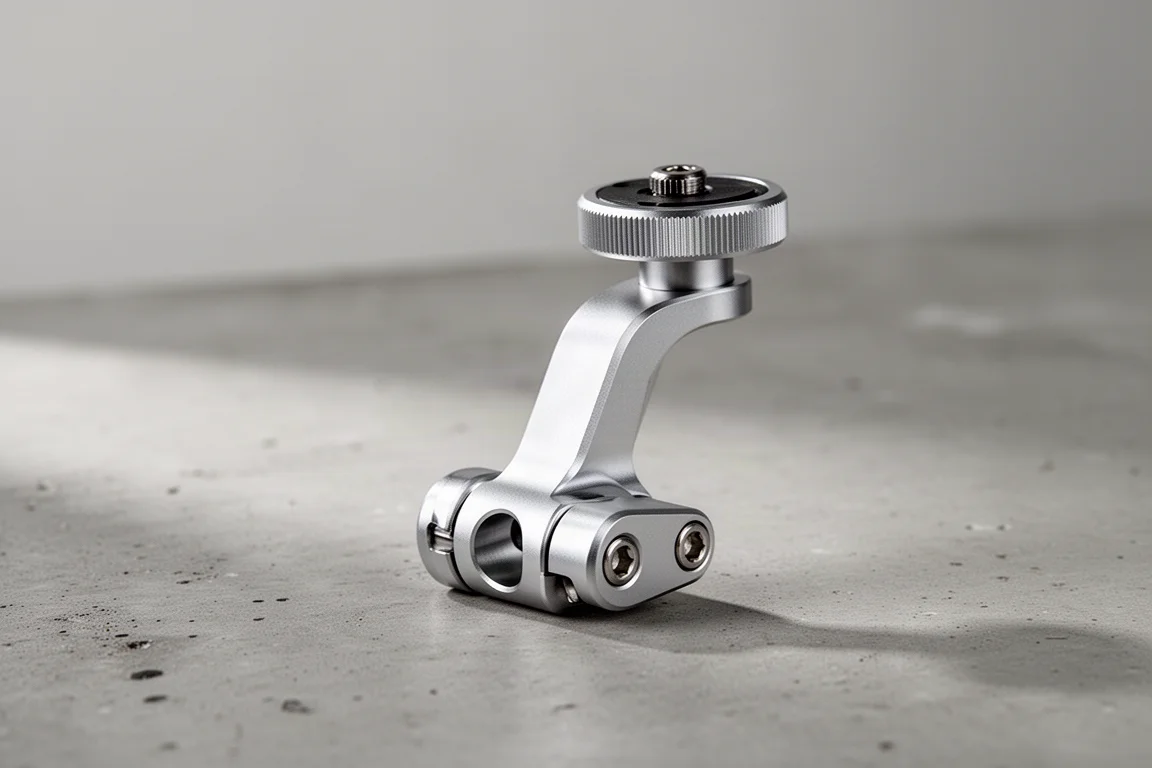
The tail kit comes in two parts. The first is a rail mount that clamps to the saddle rails and holds a camera underneath, so an X4 or an Ace Pro can film from behind the bike. Fitted to a friend’s bike while you follow behind, it produces a tracking angle that shows what you are doing on the bike and how fast you are going.
The obvious drawback is mud. The rear wheel sprays straight at the lens, which is worth planning for on wet or gritty rides. Wind noise is another practical issue with any open camera, and small fluffy wind covers fitted over the three microphones cut it down enough to film without an external microphone.
The second part is a bracket that bolts to the seat post. It braces a selfie stick between the seat post and the saddle rails, and once the stick is fully extended you get a fake drone effect. Drones are impressive but expensive and easy to crash, so this is a simpler way to film yourself. Fitting it takes more work than the out-front mount, but the payoff is an angle that is hard to get any other way.
Insta360 X4
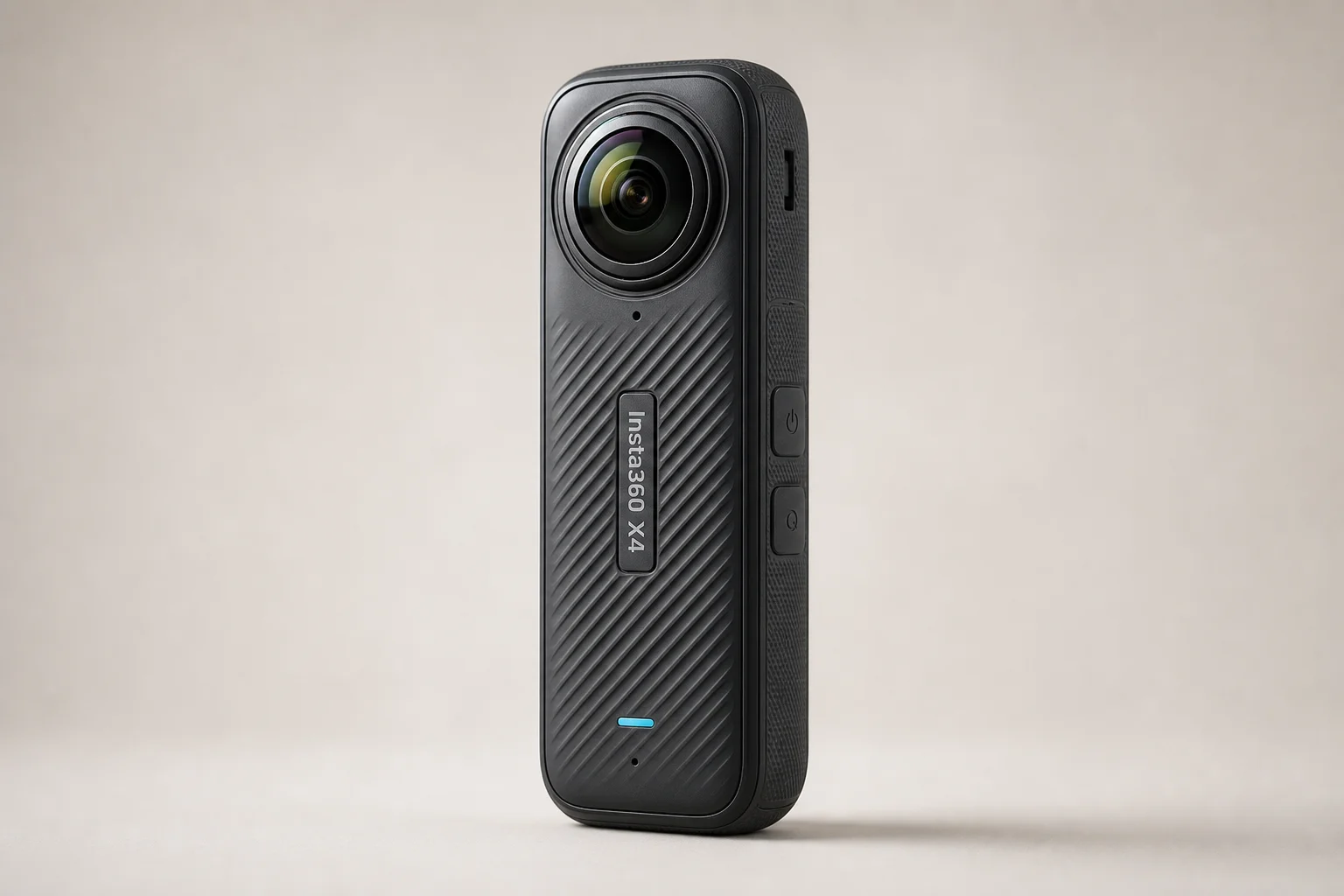
The X4 is the camera both mounts are built around. Its two lenses capture a full sphere, so the composition is decided afterwards rather than at the moment of shooting. That is what makes it so flexible on a bike: you can mount it almost anywhere, ride normally, and reframe later.
It is a fairly hefty camera, which is exactly why the rigidity of the mount matters. A heavy camera and a large computer sharing the same two bolts is a real load, so the aluminium construction and the lack of flex at road speeds are the qualities that make this combination workable.
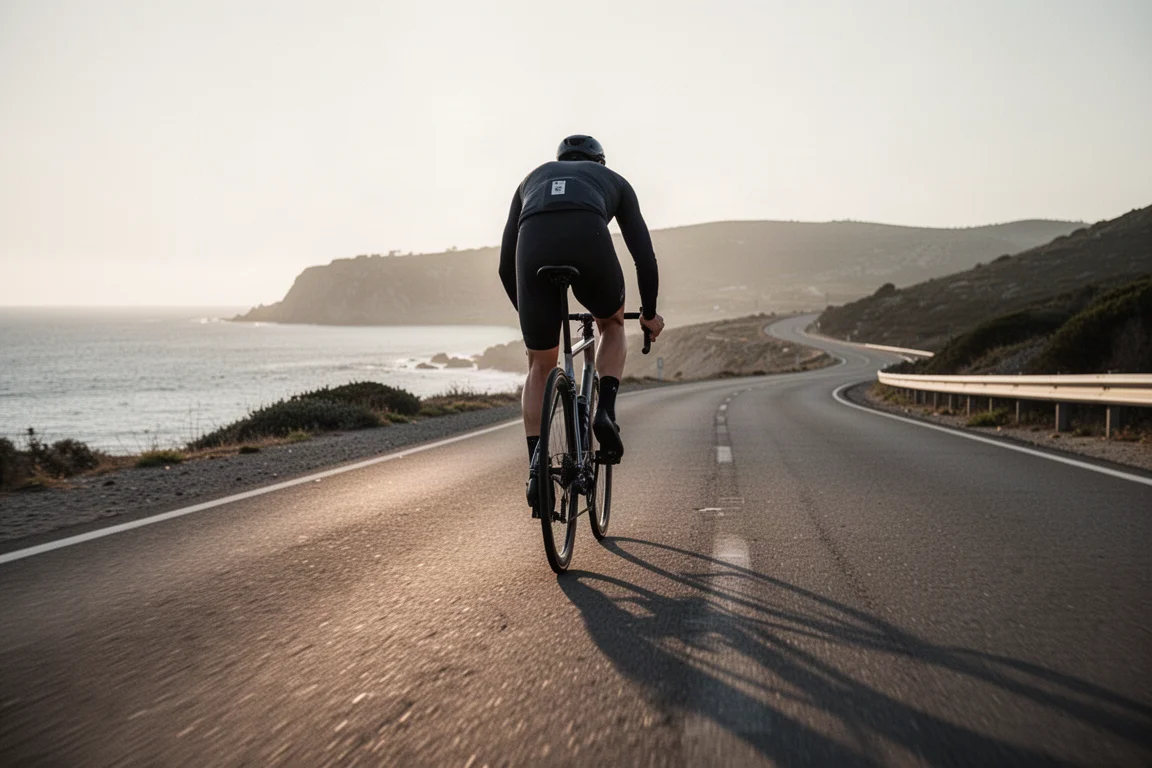
For cyclists who want front and rear coverage from a single device, the X4 removes a lot of guesswork from filming. The trade-off is that framing happens in the app rather than on the bike, which suits riders who are happy to edit afterwards.
Insta360 Ace Pro
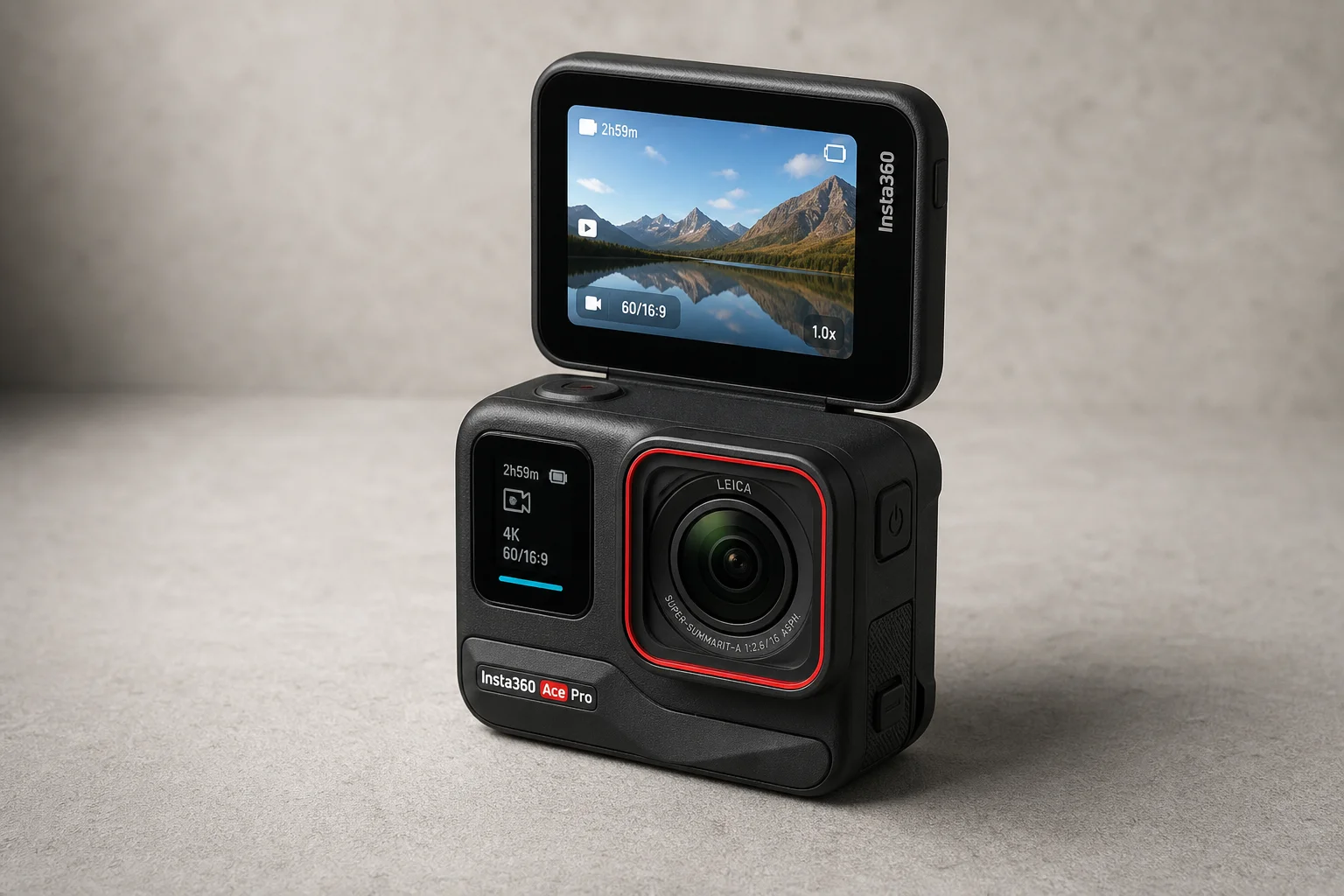
The Ace Pro is the single-lens option in this setup, and it can be used in the same places as the X4. On the tail kit it mounts below the saddle rails, giving the same following angle without the 360 workflow.
That makes it a sensible choice for riders who want a conventional action camera image and do not need to reframe a shot later. It shares the mounting ecosystem, so the tail kit hardware works with it directly.
Overall Buying Advice
Start with the bike, not the camera. If your handlebar has the two-bolt underside pattern, the bike computer mount is the most useful addition, because it puts the camera in a position you use on every ride while keeping your computer where you expect it. If your bar uses a single-bolt system, look at the stem face plate version instead.
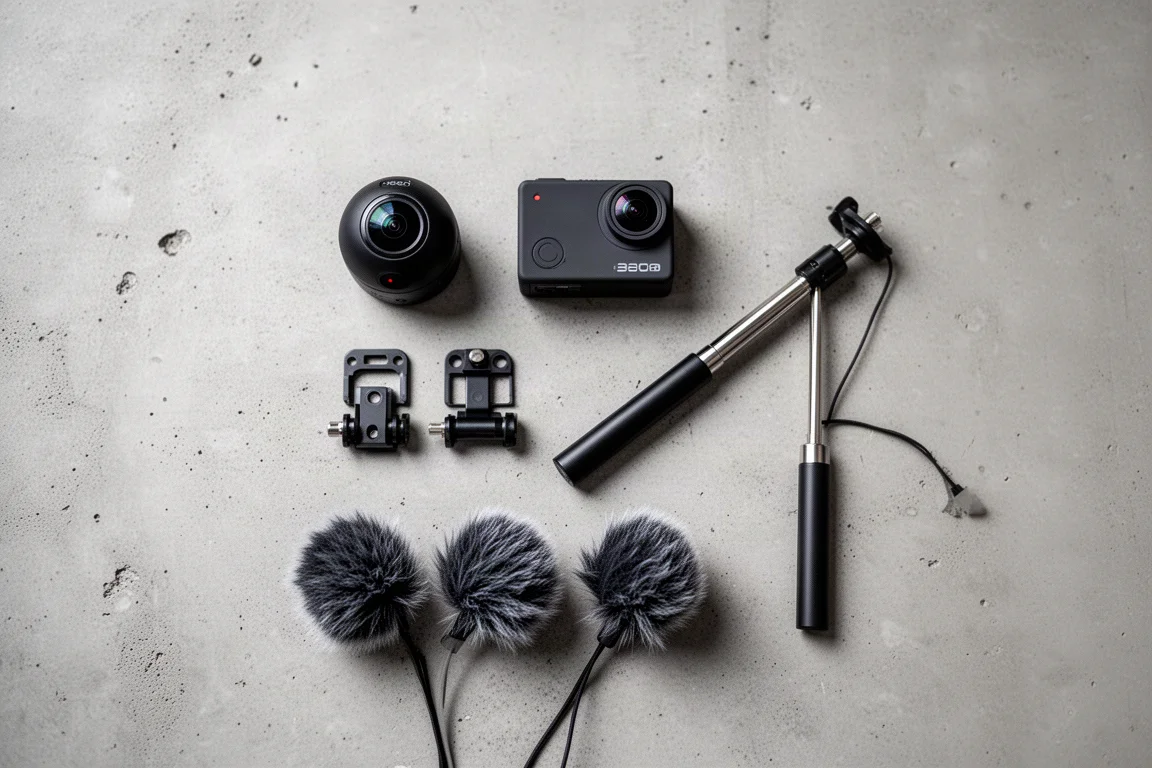
If you want angles that show the bike from behind, the tail kit is the piece to add. It suits riders who film with friends, ride events, or want a following shot without buying a drone. The mud spray and the more involved fitting are the honest costs of that angle.
Conclusion
Insta360’s bike-specific hardware addresses the part of 360 filming that was always awkward. The bike computer mount turns a two-bolt handlebar into a stable platform for a camera and a computer at once, and it holds up at real road speeds, provided you keep it off rough terrain and your bar has the right interface. The third-person tail kit adds angles that are hard to capture any other way, at the cost of a little more setup and some mud on the lens. If you already ride with an X4 or an Ace Pro, both mounts are sensible additions. If you are choosing a camera first, the X4 suits riders who want to decide framing later, while the Ace Pro keeps things simple.
Further reading
Related Reviews
Action Camera Accessories
Action Camera Accessories Guide: 8 Upgrades for the DJI Action 5 Pro
A practical breakdown of eight accessories that expand the DJI Action 5 Pro's capabilities, from stabilization rigs to mounting solutions and audio gear.
Action Camera Accessories
Best GoPro Accessories for Travel: 15 Mounts and Cases That Deliver Real Value
A practical guide to essential GoPro accessories for travel and adventure, from protective cases to extension poles and mounts, tested on location.
Action Camera Accessories
Best Insta360 X5 Mounts and Accessories: 10 Essential Upgrades for 360 Video
A comprehensive guide to the most useful mounts and accessories for the Insta360 X5, from protective gear to specialized filming rigs that unlock creative shot possibilities.