Health & Wellness
InsideTracker: My Three-Month Follow-Up Results and Honest Review
Three months after a first InsideTracker test, a follow-up retest shows what the personalized action plan actually changed, from low ferritin to stubborn triglycerides.
Introduction
Three months ago I ran my first InsideTracker test after years of unexplained fatigue that standard annual blood work never fully explained. This follow-up retest was the real test of whether the personalized plan it generated actually works.
Why I Tested Again After Three Months
The original motivation was simple: I had concerning blood work in the past, and the biomarkers my routine doctor visits measured never felt deep enough for someone training hard. Long bouts of fatigue kept appearing whenever I ramped up mileage for a race or pushed a new strength training block, and it always knocked my training consistency sideways.
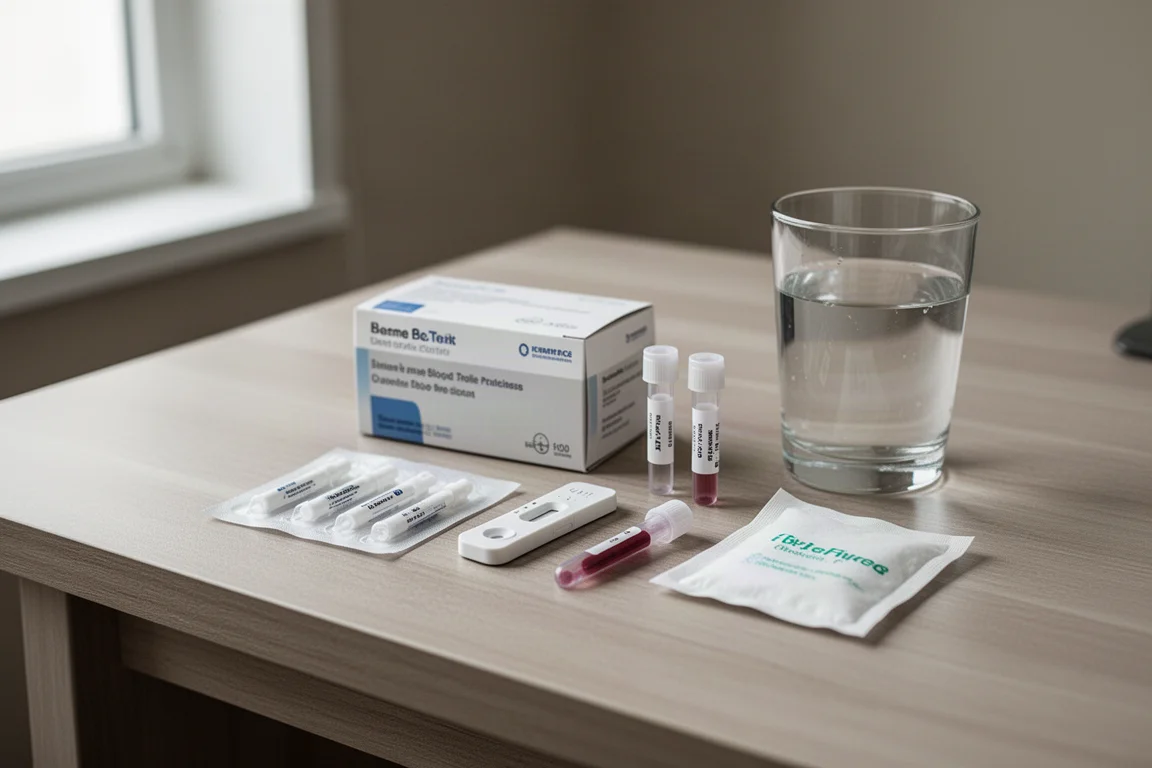
InsideTracker’s plan pointed at iron status first, so the follow-up test day carried some real stakes. Three months of sticking to the recommendations, an iron supplement and a probiotic among the biggest ones, would either show up in the numbers or would not.
The Iron Results: From Six to Sixteen
The headline change was ferritin, the biomarker reflecting the body’s iron storage. My starting ferritin was a 6, and after three months on the plan it rose to a 16. The supplement and the probiotic were the pieces I followed most consistently, and the difference in how I feel is bigger than I expected.
This matters because iron status is not one number. Ferritin reflects storage, there is blood iron itself, and then there is the body’s ability to absorb iron, three factors that ordinary annual checkups often do not break down. For years my routine blood work looked okay in that regard while the fatigue kept coming back.
What Is Ferritin and Why It Matters for Runners
Ferritin is the reflection of your iron storage, and low storage shows up in exactly the ways athletes feel most: fatigue, low motivation, and a drop-off that appears whenever training volume climbs. My own pattern fit perfectly, worse during race build-ups and again when I added more upper body strength work.

The recovery is not instant. At my current pace of improvement I am projected to reach the optimized range by the end of the year, so the road is still being paved. But the trend line finally points the right way, and the recurring training interruptions that inconsistency used to force are easing off.
The Triglyceride Fix I Didn’t Expect
One biomarker I had barely paid attention to was triglycerides, which had previously been high. Being honest with myself, I track everything in MyFitnessPal and knew I was regularly going above my daily fat intake targets, butter and coconut butter included.
InsideTracker’s plan added unprocessed soy products, specifically tofu and tempeh, a few times a week. Unprocessed and fermented soy options tend to be more bioavailable for the body. Three months later my triglycerides came back down into the normal range, with a little more progress still needed before reaching the optimized band.
The Cholesterol Plan: Small Habits, Clear Targets
The one red flag in the new results was total cholesterol, driven mostly by an HDL level that sits low. As someone plant-based who eats no meat, fish, or eggs, I do not get dietary cholesterol from eggs, so the plan focused on raising HDL through what I eat instead.

The new plan includes olive oil and raw garlic, which as an Italian-American is an easy fit, though I did fall off the garlic habit for a while and am now back to cutting a full clove onto my meals. The iron supplement, the probiotic and the tofu routine all continue, so each three-month cycle layers new habits on top of the ones already working.
How the Daily Action Plan Score Keeps You On Track
Beyond the retest itself, the app’s daily action plan is what keeps the whole process honest. Each day you check off the actions you completed, and the app assigns a score that climbs as you hit more of those marks. Mine currently sits at 85.7 and continues to rise.
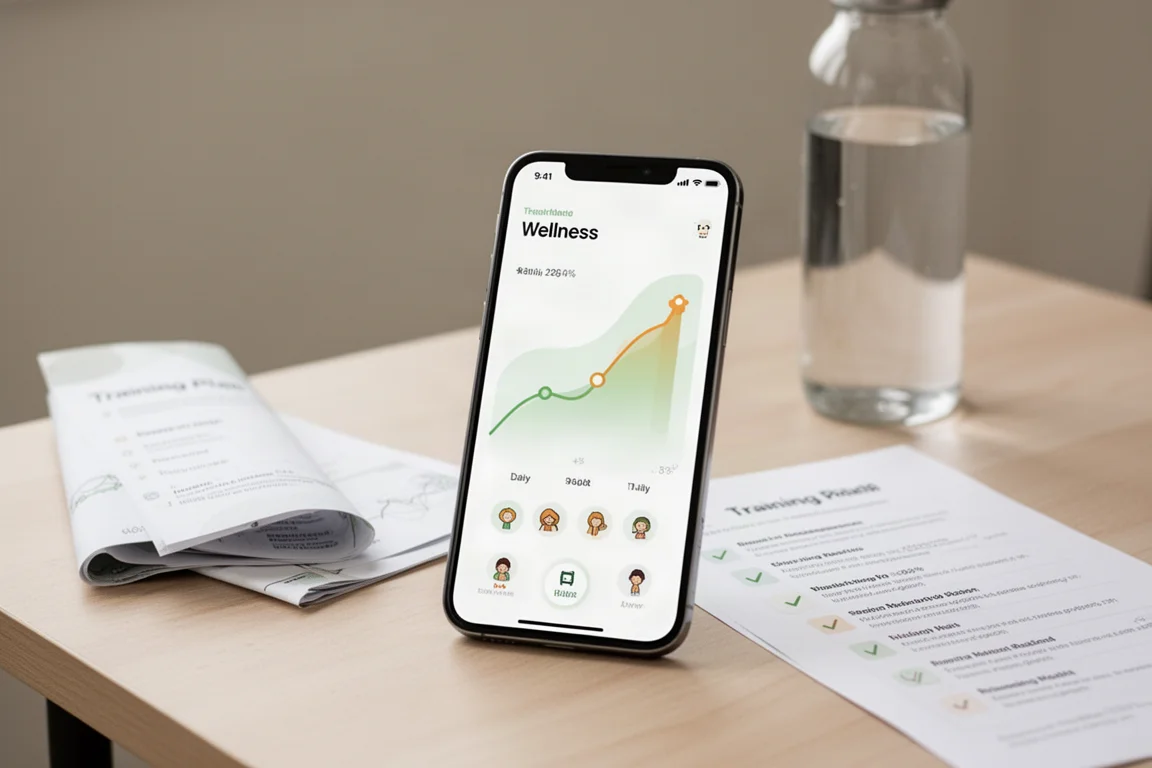
That scoring loop matters more than it sounds. The garlic and olive oil recommendations are heart-health actions I am still building into my routine, and the probiotic is a quiet contributor because a healthy gut microbiome improves how well the body absorbs nutrients from daily food. Seeing the score rise makes the habits easier to repeat.
Buying Advice: Who InsideTracker Makes Sense For
InsideTracker made the difference for me because my routine blood work simply did not include the biomarkers an active lifestyle demands. If you train consistently, whether running, strength training, or climbing, and fatigue keeps interrupting your build-ups despite decent results at the doctor, the deeper biomarker window is the reason to consider it.
You do have to do the work. The results above came from consistently following the plan across three months, not from the test alone. If you are willing to commit to the recommendations and retest, the process has a clear feedback loop. I will keep testing every three months.
Conclusion
Three months in, the numbers back up the plan: ferritin up from 6 to 16, triglycerides back into the normal range, and a daily habit score that keeps climbing. For anyone whose standard blood work has never quite explained their fatigue, this deeper view of biomarkers is worth serious consideration.
Product link
View more details for InsideTracker
This product is mentioned in the review. Check the specifications, options, and compatibility before buying.
View more details for InsideTrackerFurther reading
Related Reviews
Health & Wellness
Daily Health Products for Longevity: A Practical Measurement-Focused Protocol
Eight products and practices that support measurable health outcomes, from air quality monitoring to sleep optimization and nervous system regulation.
Outdoor Lighting
Best Head Torches 2026: 13 Tested Models for Running, Camping, and Work
A comprehensive roundup of 13 head torches tested across comfort, output, battery life, and build quality. Find the right torch for running, hiking, camping, or general use.
Activewear
Best High-Impact Sports Bras for Larger Cup Sizes: 12 Tested Options
A comprehensive review of 12 high-impact sports bras tested for bounce control, comfort, and support for larger cup sizes. Real-world running tests reveal which bras deliver genuine support without sacrificing comfort.