Power Tools
Ingersoll Rand W9691 vs Milwaukee M18 2868-20: Which 1-Inch Cordless Impact Wrench Wins?
Two of the biggest cordless impact wrenches you can buy today go head to head on torque output, nut busting speed, and value.
Introduction
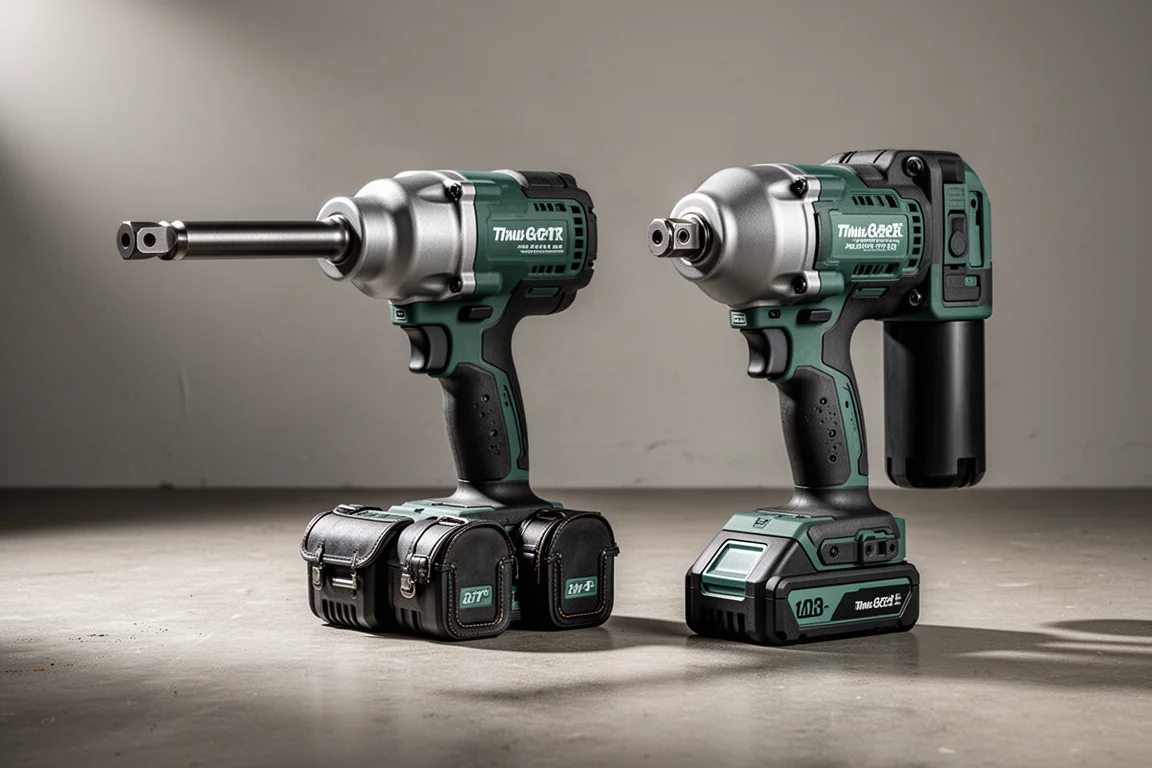
At the very top of the cordless impact wrench market, only a handful of tools genuinely compete. Two of the biggest you can actually buy today are the Ingersoll Rand W9691 Extended Anvil and the Milwaukee M18 2868-20 One-Inch D-Handle. Both are enormous, expensive, and rated far beyond anything a typical DIY user will ever need. This comparison looks at how they stack up on real torque output, nut busting speed, and overall value.
How They Were Tested
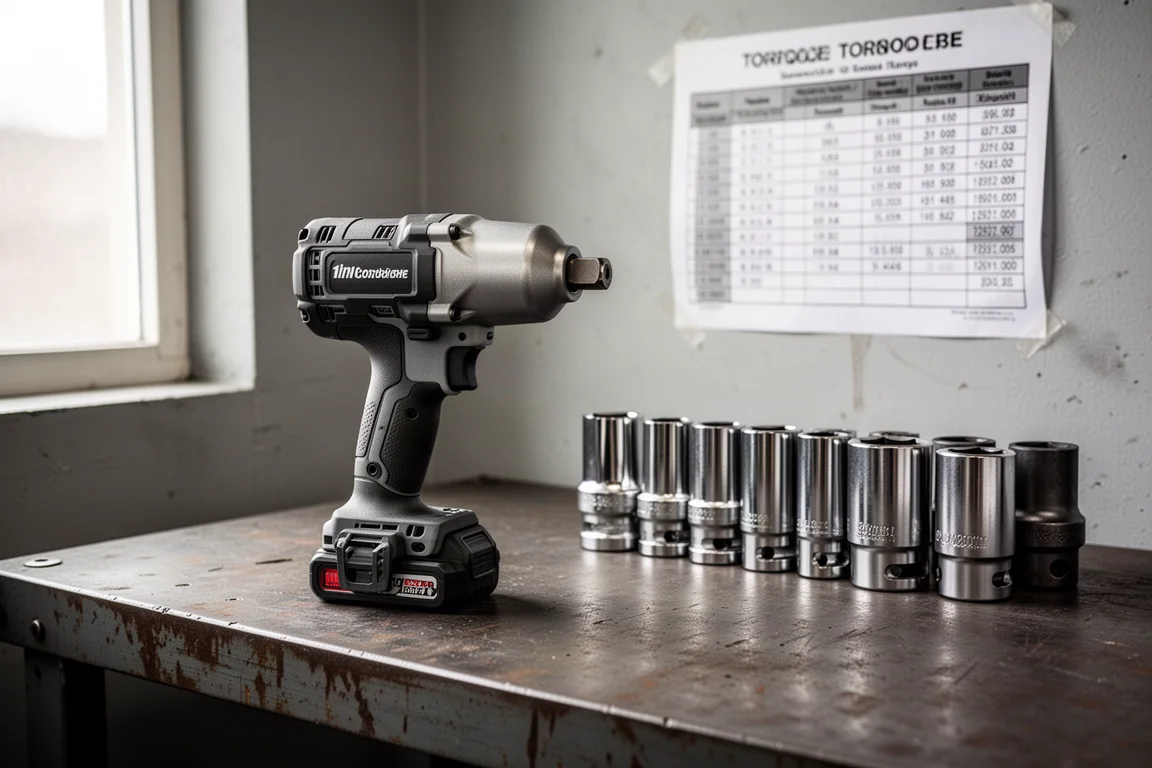
Both wrenches were run through a series of standardized working-torque tests using bolt tension measurement, the long-standing industry approach, plus timed loosening runs on a heavy test rig. Short five-second, ten-second, and fifteen-second best-case runs capture how each tool builds torque under sustained load. It is worth noting that there is no accepted industry standard for nut busting torque, so those figures are most useful for comparing tools against each other rather than against their marketing claims.
Two Heavyweight Contenders
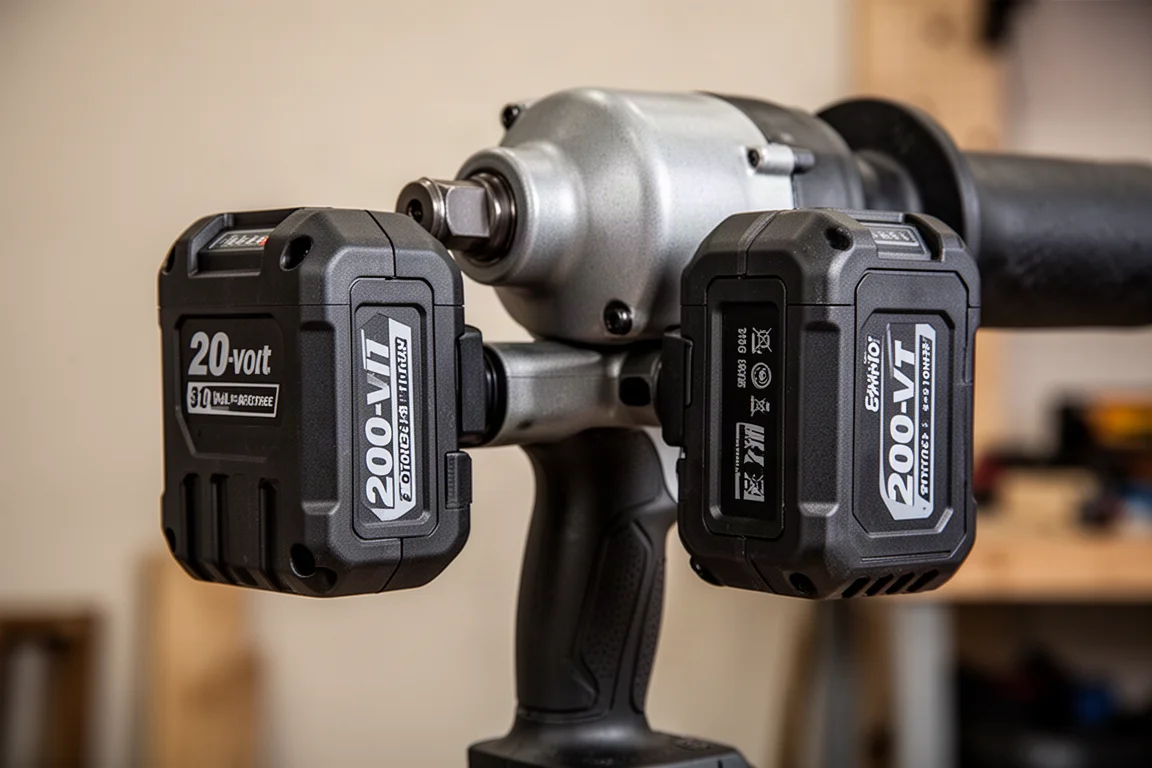
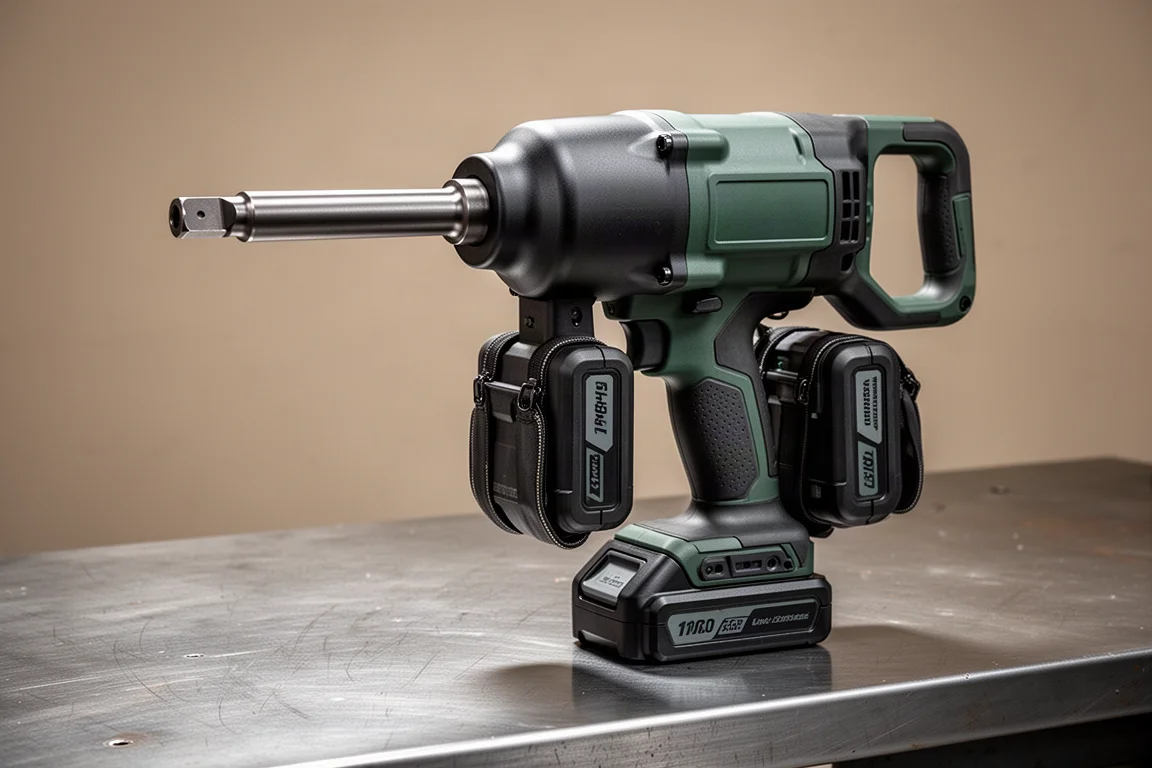
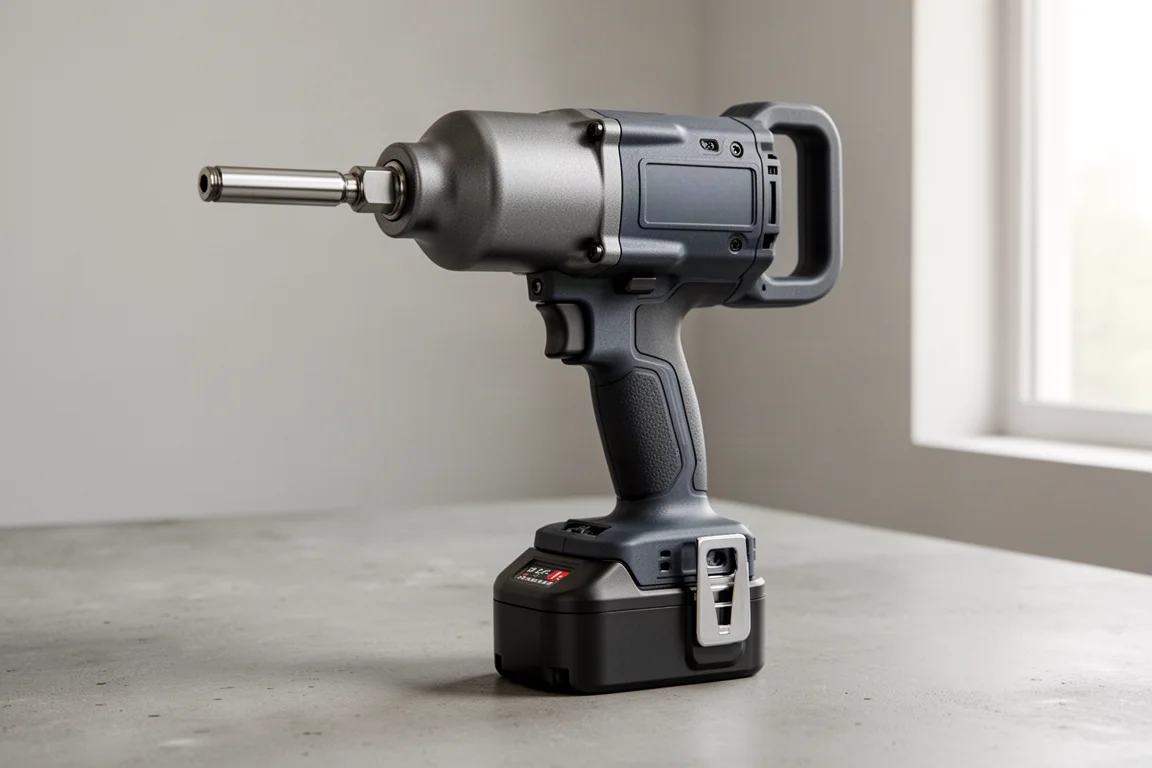
The Ingersoll Rand W9691 is a 29-pound extended-anvil unit advertised at 2,200 ft-lbs of max tightening torque and a headline 3,000 ft-lbs of nut busting torque. It runs on two 20-volt 5Ah batteries used together for a combined 10 amp hours of capacity. The Milwaukee M18 2868-20 D-Handle is rated for 2,000 ft-lbs of nut busting torque with 1,900 ft-lbs of max tightening, and it draws from a single high-capacity 12.0 battery built on 21700 cells.
An extended anvil alone does not appear to reduce power, and the specs between anvil variants are typically identical, so the W9691’s longer reach should not cost you performance.
Ingersoll Rand W9691 Extended Anvil: The New Torque King
On the test rig, the W9691 delivered 1,429 ft-lbs in the ten-second run and peaked at 1,748 ft-lbs in the fifteen-second best-case test, roughly 1,000 ft-lbs above a typical M18 high torque in comparable terms. The Milwaukee comes off the line quicker with higher RPM and more impacts per minute, but once fasteners get tight, the Ingersoll Rand’s sheer force per blow builds a decisive gap. The dual 5Ah saddlebag batteries did not hold it back in testing, despite relying on older 18650 cells.
The W9691 also includes power control modes for snugging up fasteners without over-tightening. Medium mode landed around 360 ft-lbs against a stated 400, and low mode reached about 130 ft-lbs against a 180 target, which is impressively close for a tool this size.
One real annoyance: the left bank of the included dual charger produced repeated errors when both batteries were charged simultaneously. Charging one battery at a time proved far more reliable.
Milwaukee M18 2868-20: A Strong Second That Beat Its Own Numbers
The M18 2868-20 posted 1,223 ft-lbs on the ten-second run and 1,406 ft-lbs in the fifteen-second best-case test, comfortably above its previous scores. That is serious output for a tool rated at 2,000 ft-lbs nut busting, and it confirms the D-Handle as a genuinely high-value performer in the one-inch class. Its quicker RPM and impact rate also make it faster at snugging fasteners up in the early stage of a run.
If the Ingersoll Rand did not exist, the Milwaukee would sit at the top of the cordless pile. It is only outmatched here because the W9691 is simply in another league on brute torque.
Nut Busting: Where the Ingersoll Rand Pulls Away
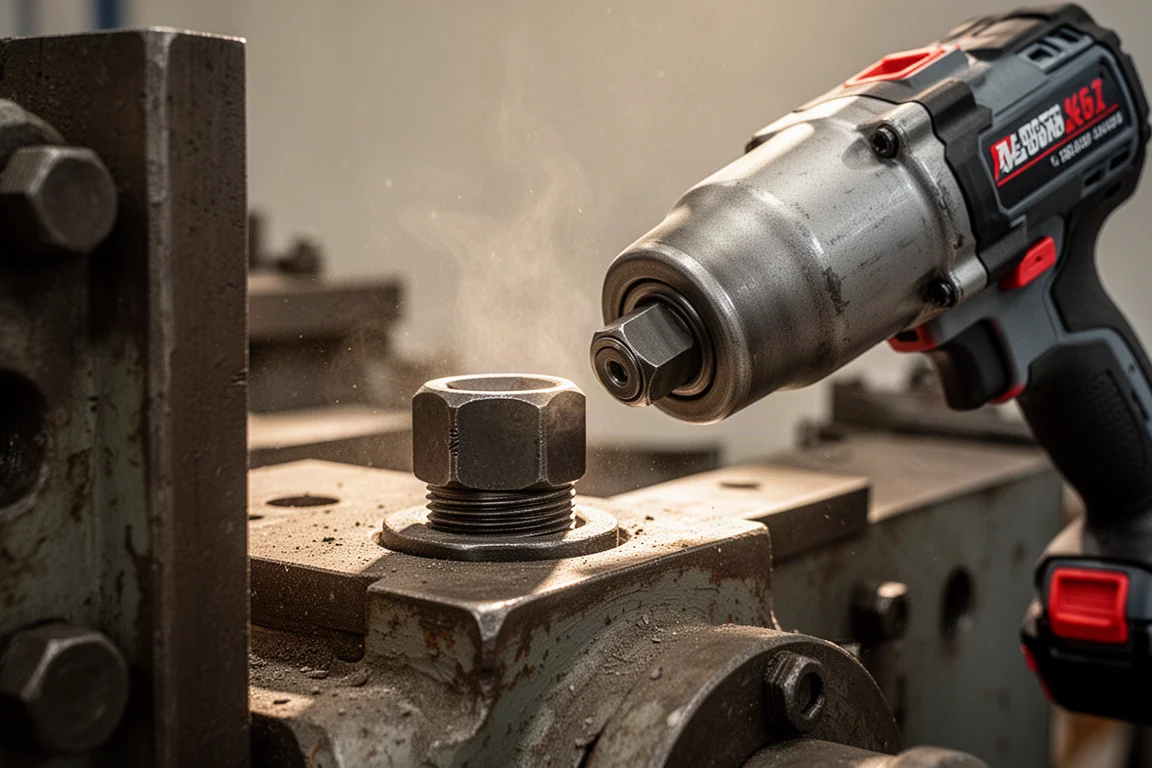
Loosening is always easier than tightening, and both tools removed nuts faster than they could tighten the same torque level. On a fastener near 1,100 ft-lbs, the Milwaukee took 6.2 seconds while the Ingersoll Rand cleared it in 4.4 seconds. At around 1,450 ft-lbs, the Milwaukee needed 11.9 seconds; the Ingersoll Rand did the same job in about 6.2 seconds.
On the tightest fastener the W9691 could produce, roughly 1,720 ft-lbs, the head-to-head loosening race ended at 9.92 seconds for the Ingersoll Rand versus 13.36 seconds for the Milwaukee. The Milwaukee could still remove anything the Ingersoll Rand tightened, but the W9691 simply did it quicker and with a steeper, more aggressive breakaway curve.
Buying Advice: Which One Should You Get?
As kits, the two are close in price. The Milwaukee kit lists at $1,299, while the Ingersoll Rand has been seen around $1,500 and as low as $1,065 at some retailers, with one listing at $1,399 including four batteries and a double charger. Given only $100 to $200 separates them, the Ingersoll Rand’s measured performance advantage is hard to ignore if you need maximum breakaway power. Its main caveat is the finicky dual charger, so plan to charge batteries one at a time.
The Milwaukee remains the smarter pick if you are already invested in the M18 platform, want faster initial snugging speed, or simply do not need the extra 1,000 ft-lbs of measured headroom. Both tools are heavy, punishing beasts that you buy because the job demands them, not because they are pleasant to use all day.
Conclusion
The Ingersoll Rand W9691 Extended Anvil sets a new benchmark for cordless impact wrench torque, out-tightening and out-busting the Milwaukee in every direct comparison while costing only slightly more as a kit. The M18 2868-20 is still an excellent, powerful tool that beat its own ratings on test day. Choose the Ingersoll Rand for maximum nut busting authority, and the Milwaukee for platform value and snappier low-torque work.
Further reading
Related Reviews

Power Tools
Best 1-Inch Pistol Impact Wrenches: Three Heavy-Duty Options Compared
We compare three 1-inch pistol impact wrenches, from a budget-friendly Harbor Freight model to a premium Caterpillar unit, to help you choose the right one.

Power Tools
Best 3/4-Inch Impact Wrenches 2026: Five Contenders Compared
We compare five 3/4-inch impact wrenches across price and performance, from a budget Amazon option to Snap-on's most powerful model yet.

Power Tools
Best Budget Cordless Tools 2026: Walmart Finds That Punch Above Their Price
We tested five cordless tools from Walmart, including a high-torque impact wrench that trades blows with Milwaukee and a $35 duster that outperforms its price class.