Power Tools
Ingersoll Rand W8 191 Review: A One-Handed 3/4-Inch Impact With Big Claims
Ingersoll Rand's W8 191 aims to be the highest-torque pistol impact wrench you can swing one-handed. We dig into the specs, the test numbers, and what you should know before spending serious money.
Introduction
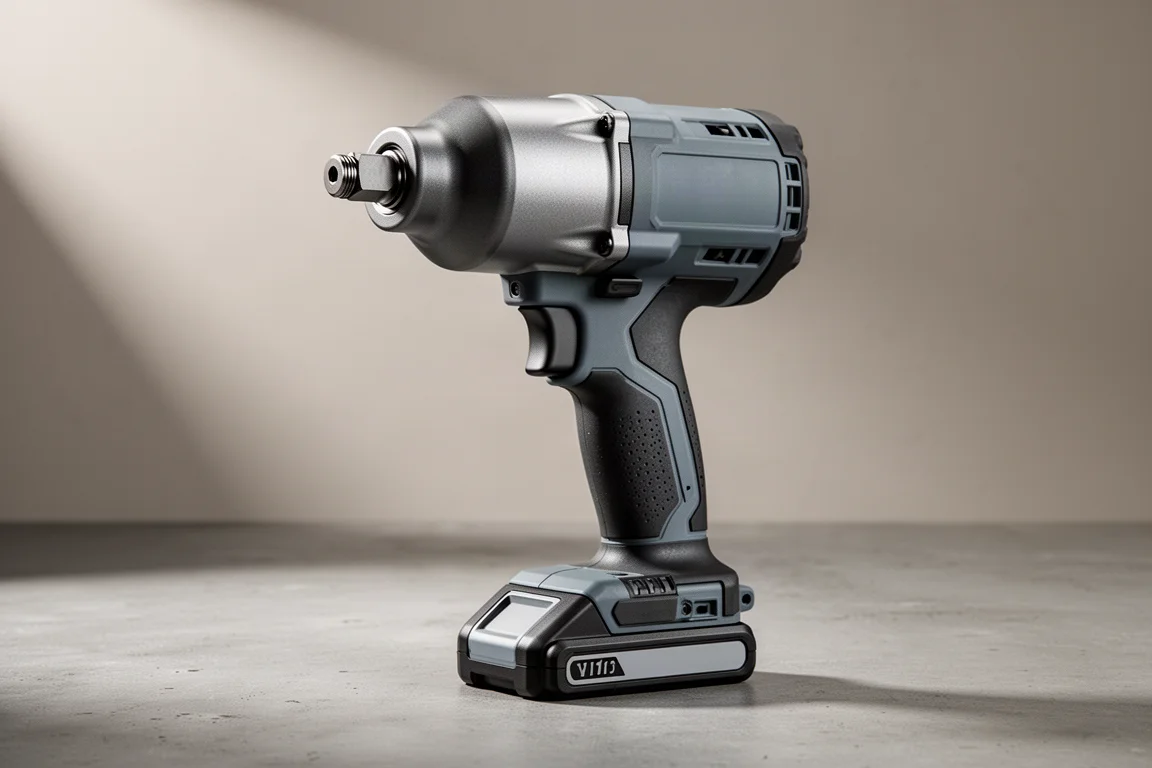
Some tools earn their place on the shelf purely by being fun to hold, and the Ingersoll Rand W8 191 fits that description immediately. It is a pistol-style impact wrench with a genuinely dedicated 3/4-inch chassis, also offered in a 1-inch drive format, with an extended 6-inch anvil option on the 1-inch models. The company positions it as the highest-rated torque impact wrench of its type in the world, advertising a figure of 2,000 ft-lb of bolt breakaway torque across every version of the tool, standard or long anvil alike.
That is a remarkable claim for a one-handed gun, and it is what makes this tool interesting. It also comes at a premium price: around $850 as a kit or roughly $650 bare for the extended-anvil version we looked at, while the standard-length 3/4-inch and 1-inch drive options run in the $590 to $600 range. After digging into the tested numbers and the tool’s internal design, the picture is a little more nuanced than the marketing suggests.
Who This Impact Wrench Is For
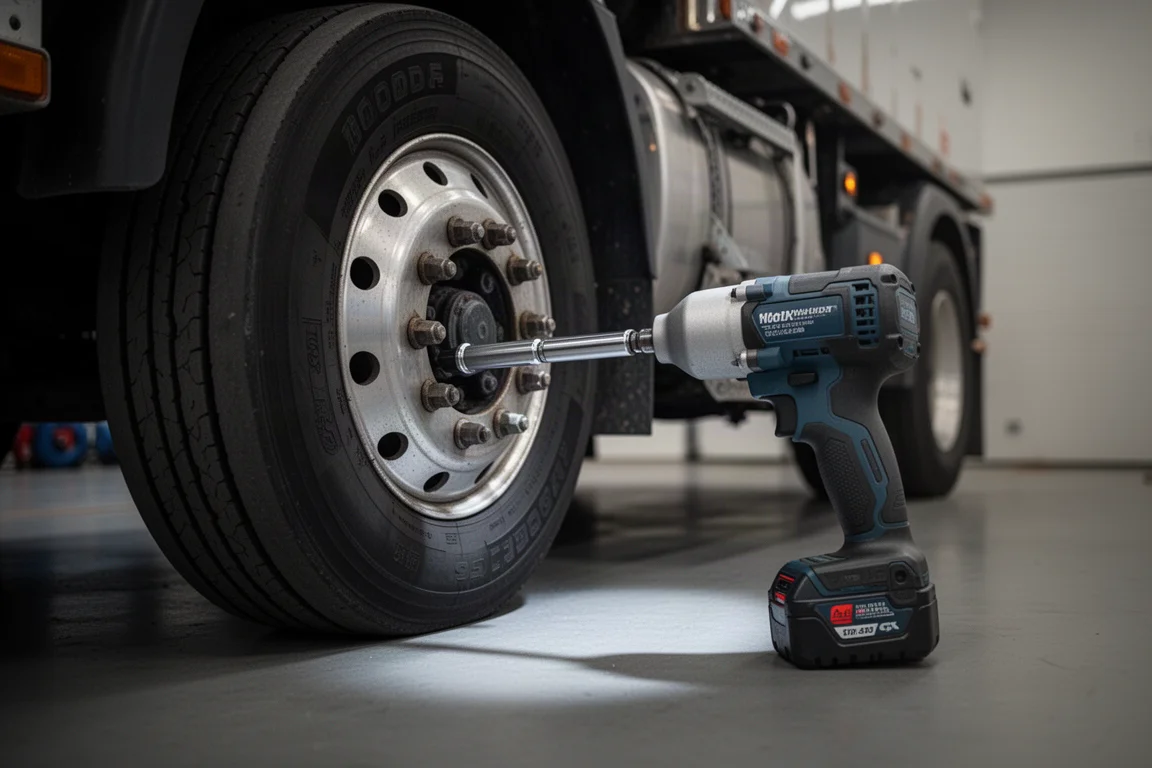
The W8 191 is aimed squarely at heavy equipment, truck, and industrial technicians who need serious breakaway torque without stepping up to a two-handed wheel gun. A key detail matters here: unlike many brands that simply fit a 3/4-inch anvil into a half-inch gun chassis and call it a 3/4-inch tool, Ingersoll Rand built a dedicated 3/4-inch platform. That matters because 3/4-inch sockets tolerate far more torque than half-inch ones, and a true dedicated chassis is built around that reality.
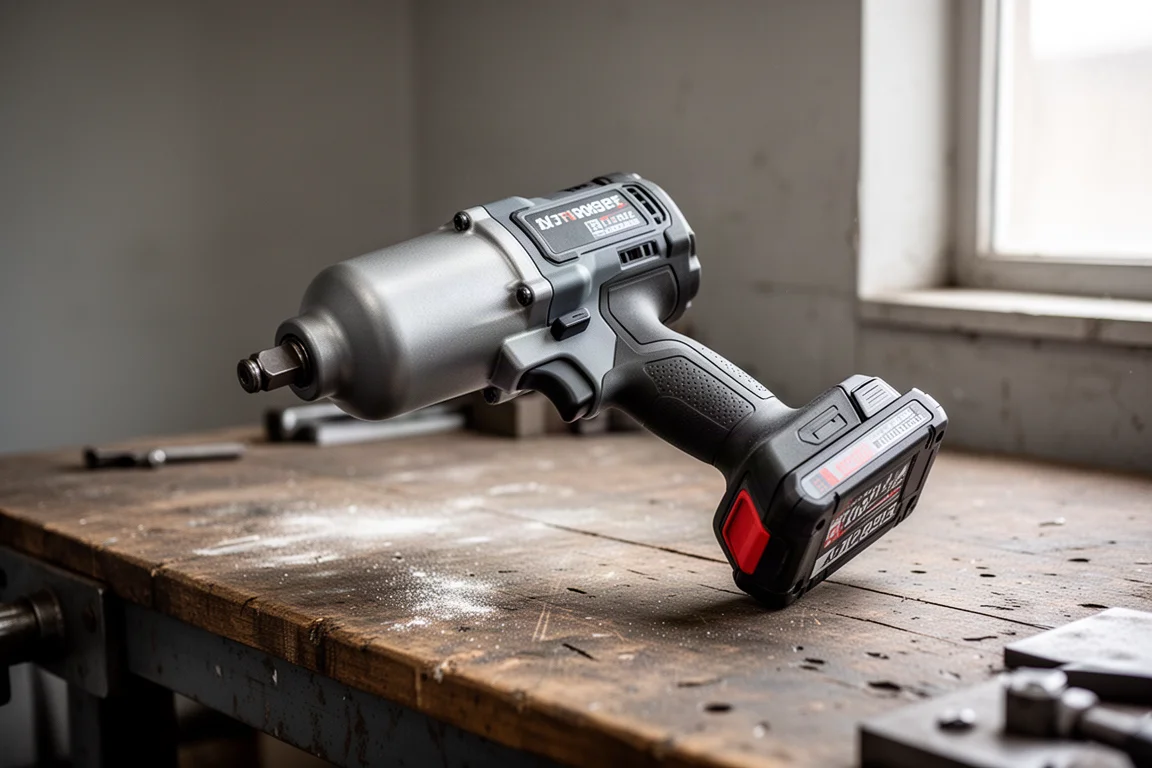
If your daily work involves semi-truck wheels, large agricultural hardware, or stubborn industrial fasteners, and you want to keep one hand free, this tool is designed with exactly that job in mind.
Main Strengths
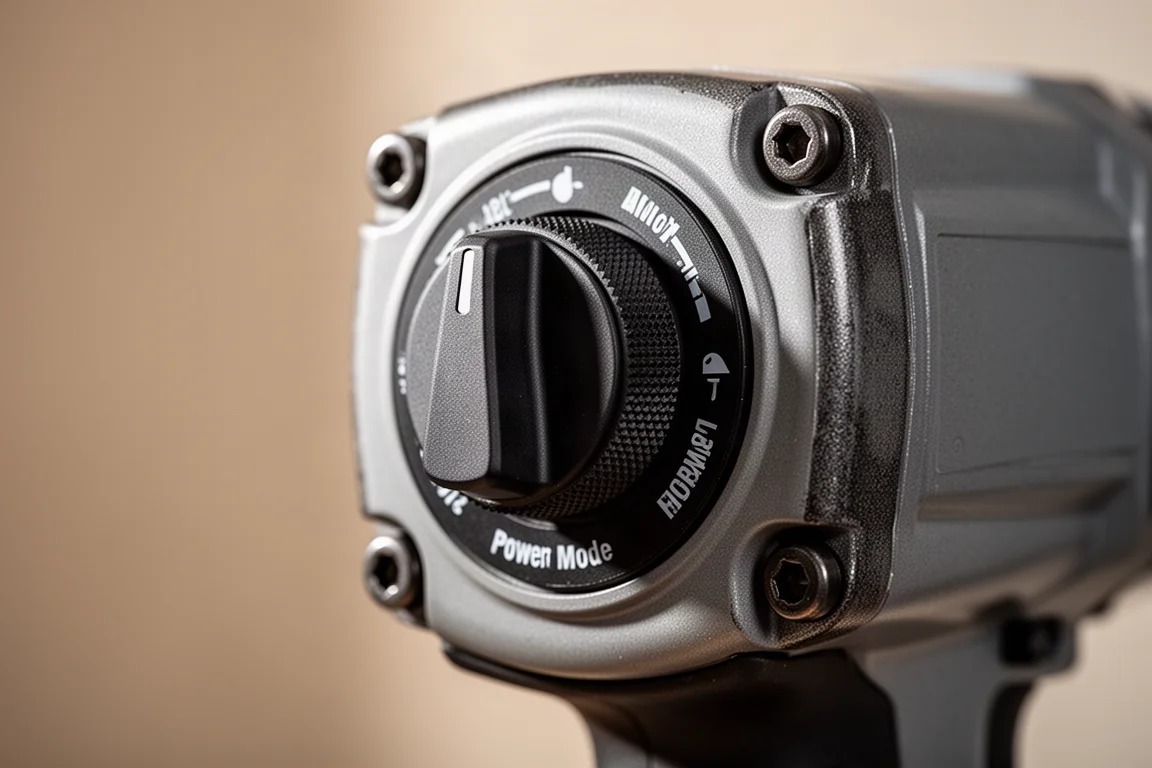
The first thing that stands out in use is the rear-mounted power mode dial. It matches the layout of Ingersoll Rand’s air tools, and being able to click between modes without reorienting the tool is genuinely practical on a job site. The mode spread is sensible too: a half-power mode, a wrench-tight mode intended to sit around 120 ft-lb, and a hand-tight mode that stops when snug. In testing, wrench-tight delivered closer to 60 ft-lb on the first pull with an additional pull adding roughly another 60, while hand-tight stopped in the snug range of roughly 5 to 15 ft-lb, useful for running hardware down before final torquing.
Build quality inside the housing is excellent. The electronics are epoxy-potted into the handle, a durability measure rarely seen on high-torque cordless tools, and the fasteners use custom shouldered bolts that clamp the aluminum housing while threading into the nylon body. The front LED ring, powered by a flat ribbon wire routed where it is unlikely to be pinched, is among the best implementations of a forward work light around. The large in-line motor measures on par with the DeWalt DCF961, and the hammer assembly weighs in at nearly 3 pounds, spinning at around 1,350 RPM with roughly 1,900 impacts per minute.
Things to Consider Before Buying
The tested figures tell a more conservative story than the advertised ones. In forward working torque over five seconds, the tool delivered 716 ft-lb, and in a reverse ten-second maximum torque test it produced 857 ft-lb, with best runs across repeated testing landing in the 900 to 1,150 ft-lb range. Those are strong numbers, but they sit close to what today’s top half-inch-drive tools achieve rather than dramatically above them.
There is also a marketing wrinkle worth knowing: the website advertises only the 2,000 ft-lb bolt breakaway figure, while the manual lists a maximum torque rating of about 1,300 ft-lb, essentially the tightening figure measured in forward and reverse. Against that 1,300 ft-lb rating, the tested results represent roughly 74 to 86 percent of the claimed figure. The tool weighs 8.9 lb with a battery on the short-anvil version, and notably more when a large high-capacity pack is fitted.
Interestingly, when paired with other brands’ high-output battery packs using third-party adapters, results changed considerably. A Milwaukee M18 Forge pack yielded a tested 1,380 ft-lb, and a DeWalt FlexVolt pack reached 1,117 ft-lb, while an aftermarket pack of the same capacity class as Ingersoll Rand’s own made no meaningful difference. That points to the included battery class as a likely bottleneck.
Buying Advice
If you want maximum torque from this tool as delivered, be realistic: with Ingersoll Rand’s current 5Ah-class batteries, it performs like a strong, dedicated 3/4-inch gun rather than a 2,000 ft-lb monster. The claimed breakaway figure, if achieved, would put it ahead of competitors like the Makita 40V 3/4-inch model rated at 1,510 ft-lb and the Milwaukee M18 1-inch pistol rated at 1,800 ft-lb breakaway, but our testing did not reach that territory on stock packs.
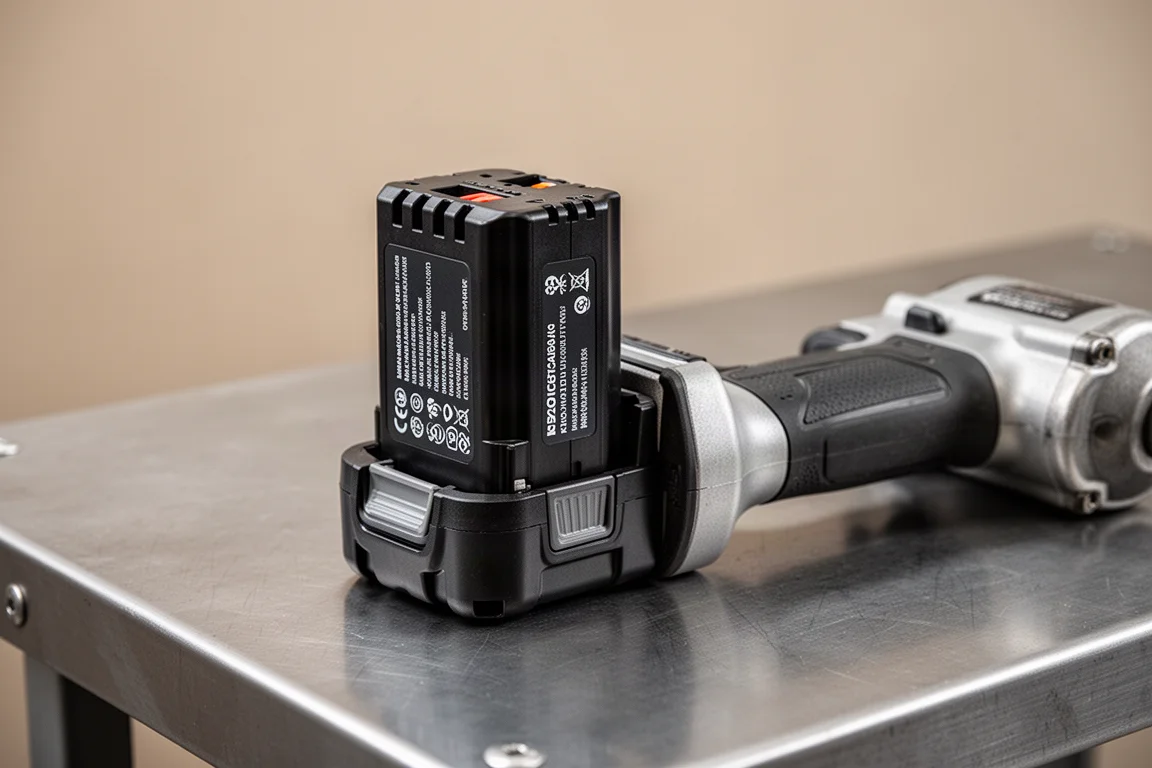
The lighter, cheaper alternative worth weighing is the Milwaukee M18 1-inch pistol with a long anvil, which is already set up for commercial wheel and tire work and, by the same math, gains over 100 ft-lb by not using an impact extension. That said, if Ingersoll Rand releases higher-output battery packs in the future, the W8 191’s internal design suggests it has headroom waiting to be unlocked.
Conclusion
The Ingersoll Rand W8 191 is a beautifully built, dedicated 3/4-inch pistol impact with best-in-class ergonomics, thoughtful engineering, and a durability story few competitors match. Its tested torque is strong but not the headline-grabbing figure its marketing leads with, and its stock batteries appear to leave performance on the table. Buy it for the chassis, the build quality, and the mode dial; just temper your expectations on raw numbers until future battery options arrive.
Product link
View more details for Ingersoll Rand W8 191
This product is mentioned in the review. Check the specifications, options, and compatibility before buying.
View more details for Ingersoll Rand W8 191Further reading
Related Reviews
Power Tools
Best 1-Inch Pistol Impact Wrenches: Three Heavy-Duty Options Compared
We compare three 1-inch pistol impact wrenches, from a budget-friendly Harbor Freight model to a premium Caterpillar unit, to help you choose the right one.
Power Tools
Best 3/4-Inch Impact Wrenches 2026: Five Contenders Compared
We compare five 3/4-inch impact wrenches across price and performance, from a budget Amazon option to Snap-on's most powerful model yet.
Power Tools
Best Budget Cordless Tools 2026: Walmart Finds That Punch Above Their Price
We tested five cordless tools from Walmart, including a high-torque impact wrench that trades blows with Milwaukee and a $35 duster that outperforms its price class.