Food & Drink
Influencer Snacks vs Big Brands: 11 Creator Products Blind Tested
We put influencer-made snacks, drinks, salts, teas and burgers head to head with their big brand rivals to see which ones are actually worth your money.
Introduction
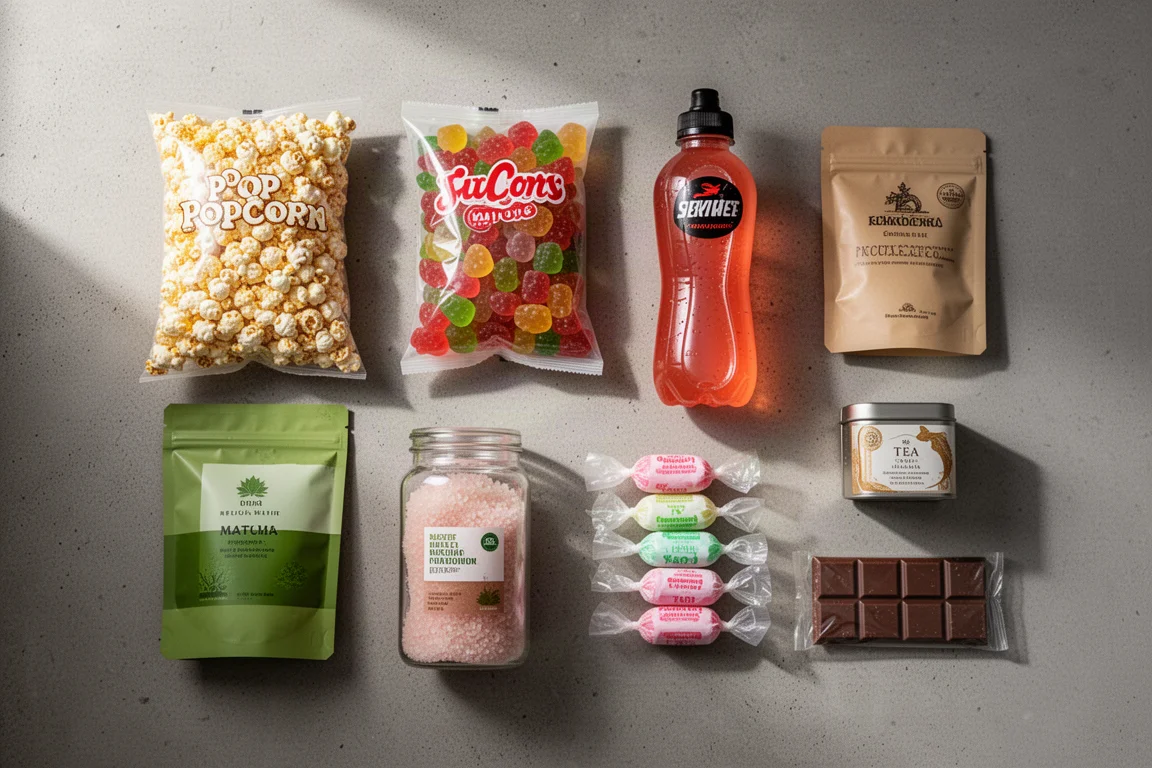
Influencer food products are everywhere now, but a famous name on the packaging does not guarantee a good product. To find out which creator brands actually deliver, we blind taste tested them against the established big name brands they are up against, compared prices and labels, and rated each one honestly. If a score seems low, it is because the comparison is strict: the product has to beat its rival on taste, value and convenience, not just ride a fanbase.
Be Happy Snacks vs Smart Food
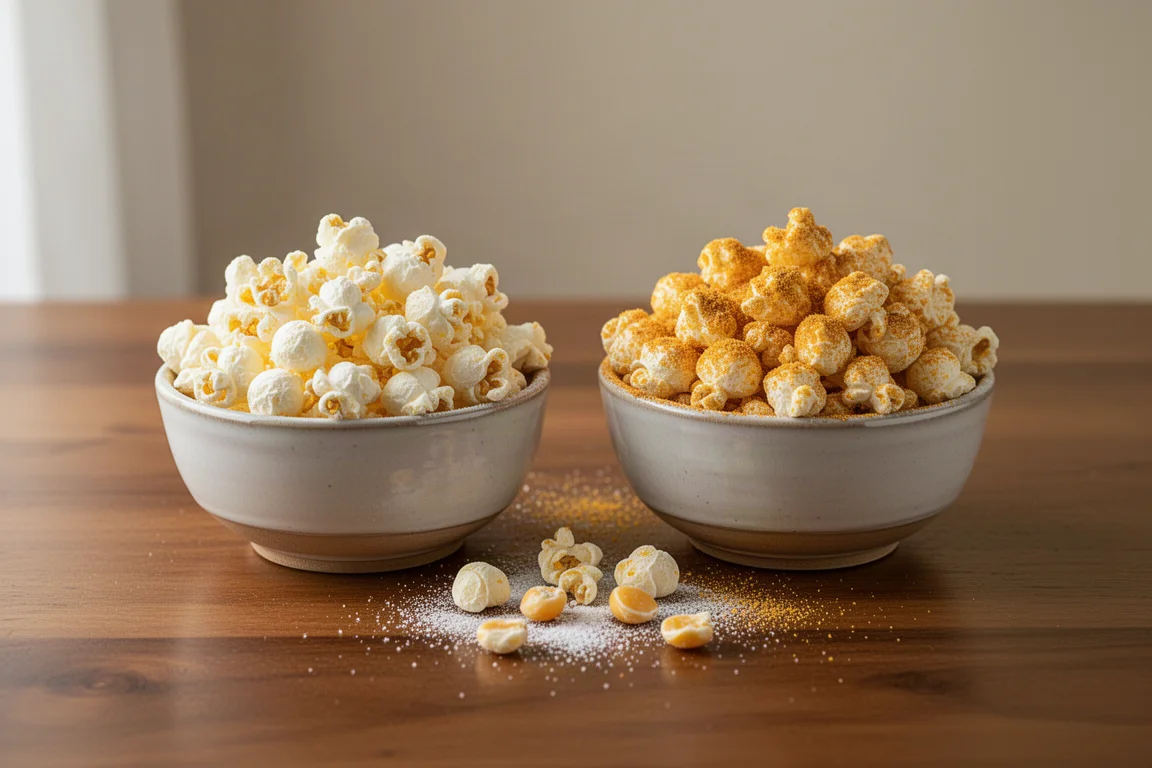
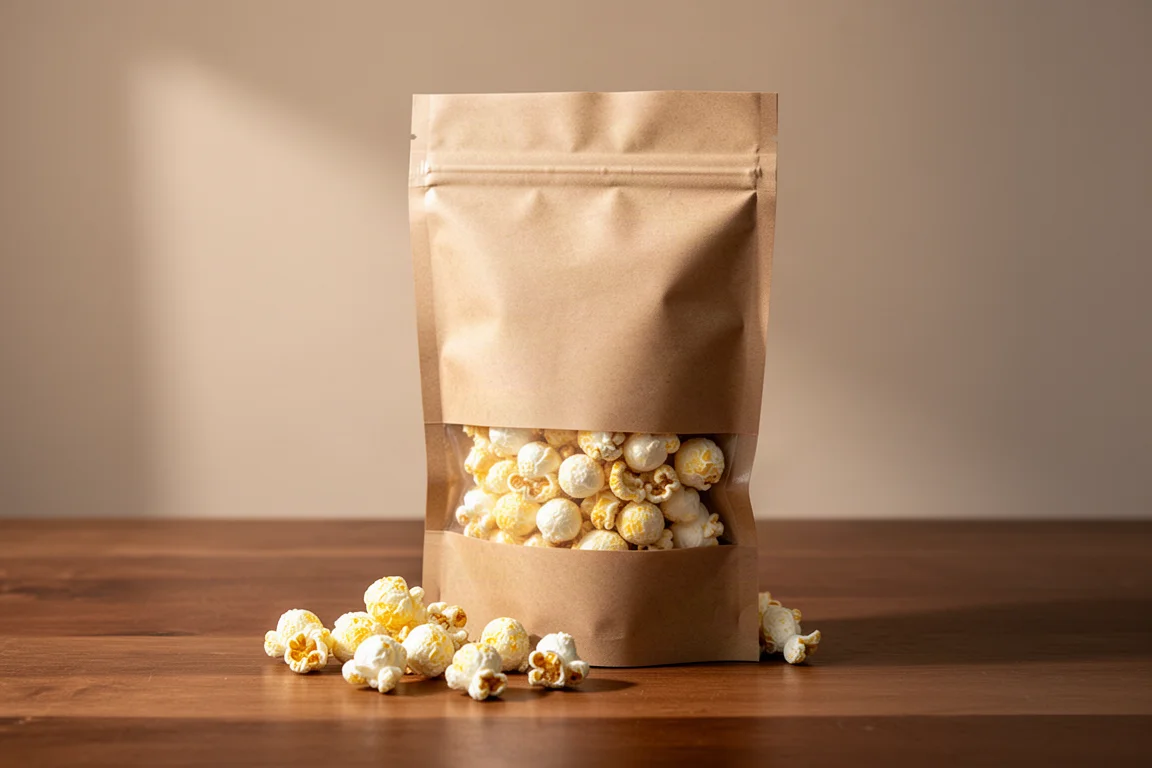
Be Happy Snacks from the Damilio family went up against Smart Food in a white cheddar popcorn showdown. In blind tasting, Smart Food won on flavor: its white cheddar seasoning is bolder, while Be Happy Snacks is more subtle. The surprise came on the nutrition panel, where Be Happy Snacks actually ran slightly higher in calories per gram despite advertising its calorie count on the front of the bag. There is more to a snack than calories, but the positioning does not quite hold up.
The cotton candy flavor popcorn was the bright spot: shockingly low in sugar, with a subtle caramel-like sweetness rather than a hard sugar shell. Even testers who dislike cotton candy found it genuinely pleasant. The bigger problem is habit and convenience. At $5 a bag versus $2.50 for Smart Food, it is twice the price, and it is hard to justify ordering a popcorn online when the grocery store version tastes better and costs less. The final rating landed between 2.5 and 3 out of 5.
Joyride vs SmartSweets
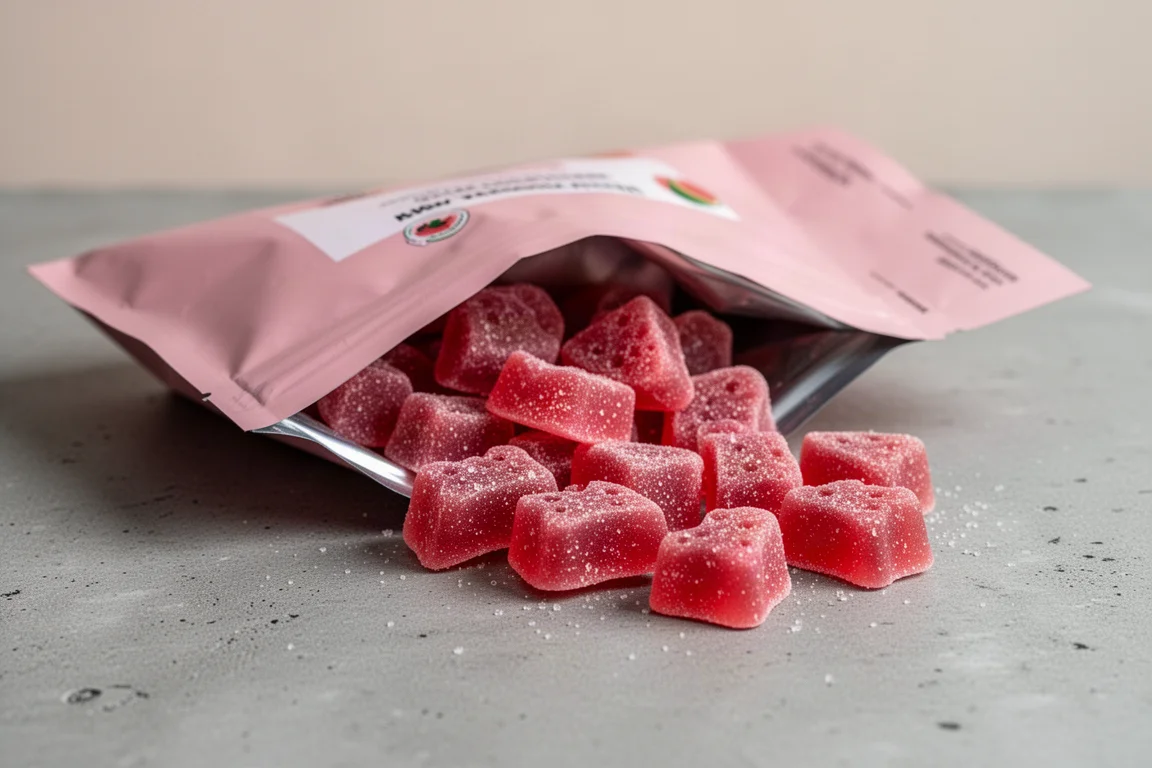
Joyride by Ryan Trahan faced SmartSweets, both marketed as lower-sugar candy alternatives. In the watermelon round, the two split neatly: Joyride was all watermelon with light sourness, while SmartSweets was so sour the watermelon flavor disappeared entirely. Joyride also impressed with its no synthetic colors positioning, something many shoppers care about more than ever.
On paper it is a trade-off: Joyride has roughly twice the sugar of SmartSweets, yet scored higher (72 versus 63 out of 100) on a food scanning app, and both bags cost $5. You get noticeably more candy per bag with Joyride. The sour blue raspberry strips tasted more like a fruit leather than artificial candy, which testers liked. One caveat that follows Joyride around online: plenty of buyers report digestive issues, though in this tasting no such problems appeared. With a 4.5 out of 5 rating, this was one of the strongest products tested.
Prime vs Gatorade
Prime by Logan Paul and KSI took on Gatorade in the sports drink category, specifically the white ice pop style flavors. The headline difference is sugar: Gatorade weighed in at 41 grams per serving while Prime has around 2, leaning on artificial sweeteners instead. Testers found Prime heavy on artificial flavor and somewhat watered down, while the berry freeze variant was the most palatable, almost like a snow cone.
At $3 versus $3.29 for Gatorade, Prime undercuts its rival slightly and is available nearly everywhere, from convenience stores to Walmart, which partly explains its market success. It is banned in some schools and has been the subject of class action discussions, so it remains a polarizing product. As a drink, it earned a 2 out of 5 here, though shoppers specifically seeking very low sugar may feel differently.

Osmo Salts vs Windsor Salt
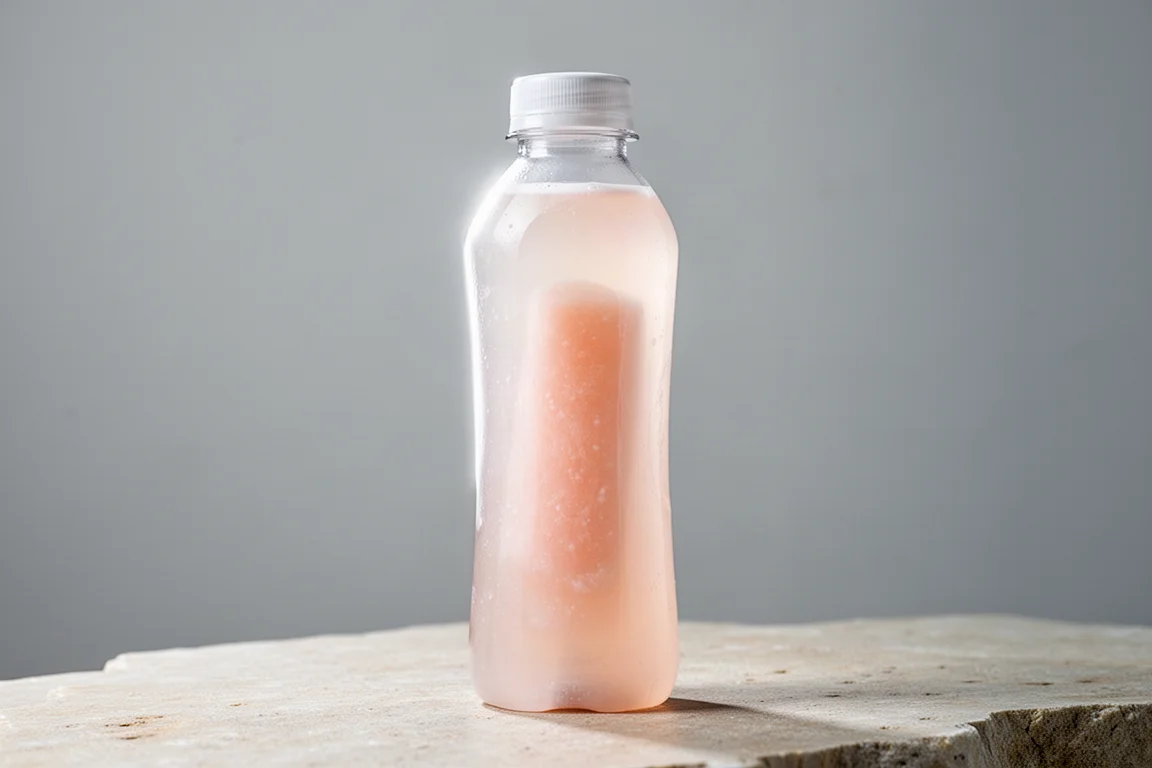
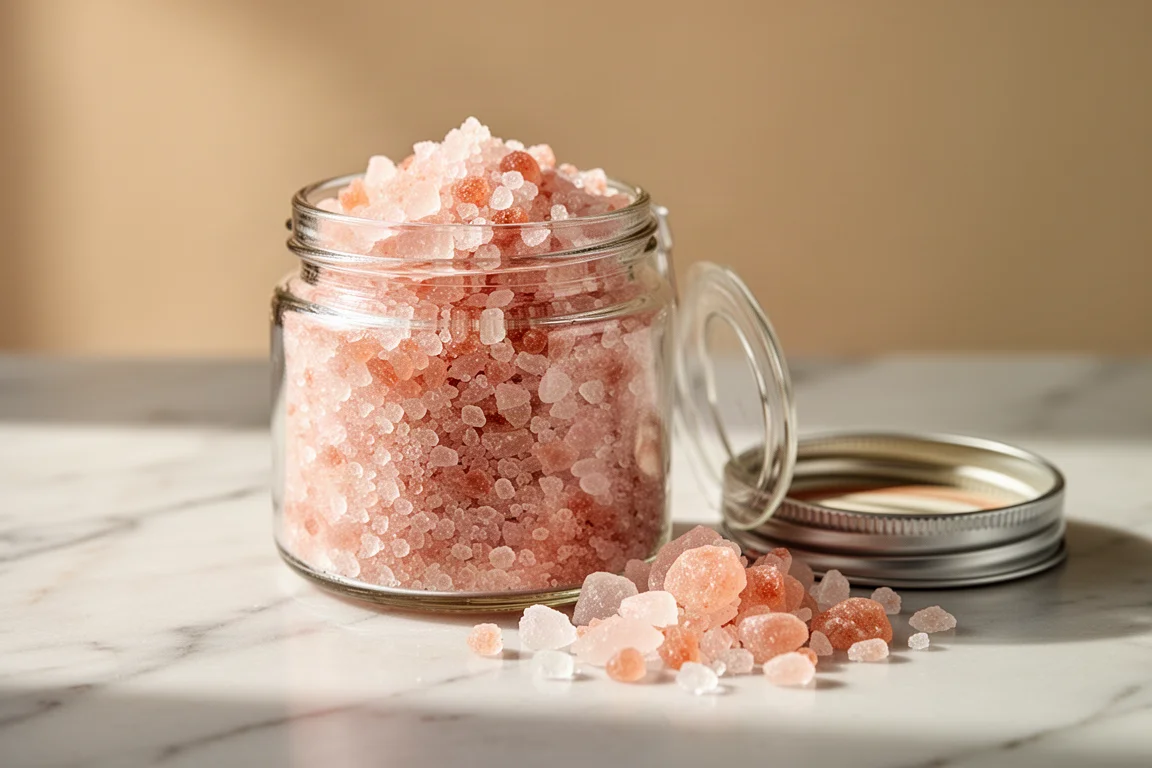
Osmo Salts by Nick DiGiovanni went up against Windsor Salt, and the plain pink Himalayan salts are essentially the same thing: both taste identical, and the premium pink salt trend has its own nutritional caveats, since it lacks the potassium iodide added to regular table salt. At $12.99 versus $4.29, buying the plain Osmo salt online makes little sense.
The specialty flavors are where Osmo earns its money. The hickory blend reads as a hint of barbecue, the four cheese salt genuinely tastes like specialty popcorn shop seasoning, and the caramel pumpkin spice is a well-made sweet option for people who like sweet popcorn. There is no real direct competitor for these flavors on regular store shelves, which makes the line feel genuinely unique rather than just influencer repackaging. It is expensive, but the price reflects a luxury specialty item. This was the top product of the entire test: 5 out of 5.
Chamberlain Coffee vs David’s Tea
Chamberlain Coffee by Emma Chamberlain was tested against David’s Tea, starting with matcha. The matcha tasting favored David’s Tea: Chamberlain’s version tasted watery and milky, and at $29.95 versus $13.99, with roughly half the volume, it is a hard sell. The large container also looks misleading since the matcha fills only part of it, and the suggested serving count does not come with a scoop.
The brand’s real strength is coffee. The cold brew bags come in genuinely fun flavors like vanilla cake batter and brown sugar, though in testing the vanilla read as basic vanilla and the cake batter did not land. The early bird light roast ground coffee tasted close to everyday coffee with cream, and the unusual flavor variety (including hazelnut and caramel) is appealing. The overall rating was 3.5 out of 5: likeable variety and packaging, held back by the matcha pricing.


Hot Ones Pringles vs Flamin’ Hot Doritos
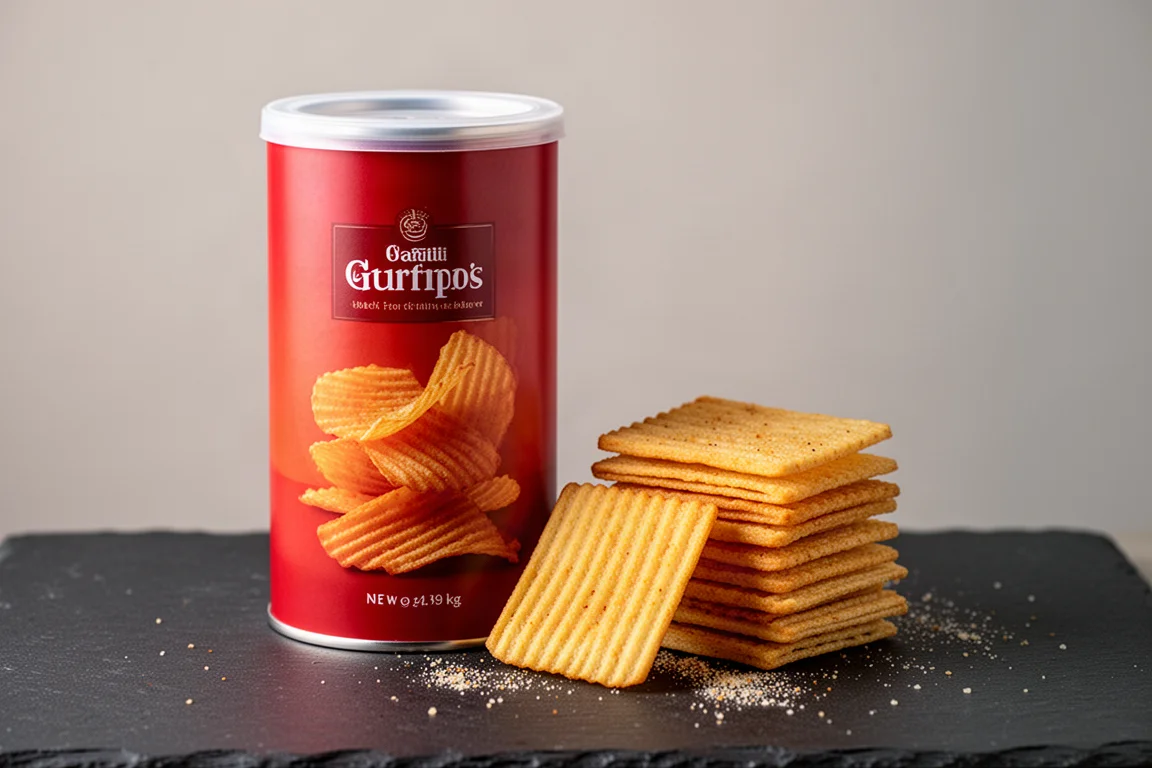
This limited-time Pringles collaboration with Hot Ones went up against Flamin’ Hot Doritos, and the Doritos won for a clear reason: they deliver cheesy Dorito flavor plus heat, while the Pringles taste like regular Pringles with sneaky, creeping heat and less supporting flavor. The Pringles variety pack included a Rojo, a barbecue-like barbacoa with no heat, and a verde that smelled the hottest of the bunch.
At $4 versus $4.49 for the Doritos, the two are closely priced. This is a fun, interesting collaboration, but it only makes sense for people who genuinely enjoy spicy chips. For this tester, whose lips and tongue were on fire, the rating was 1.5 out of 5, though a committed spicy chip fan could easily rate it far higher.
OneUp Candy by FaZe Rug vs Weirdly Delicious
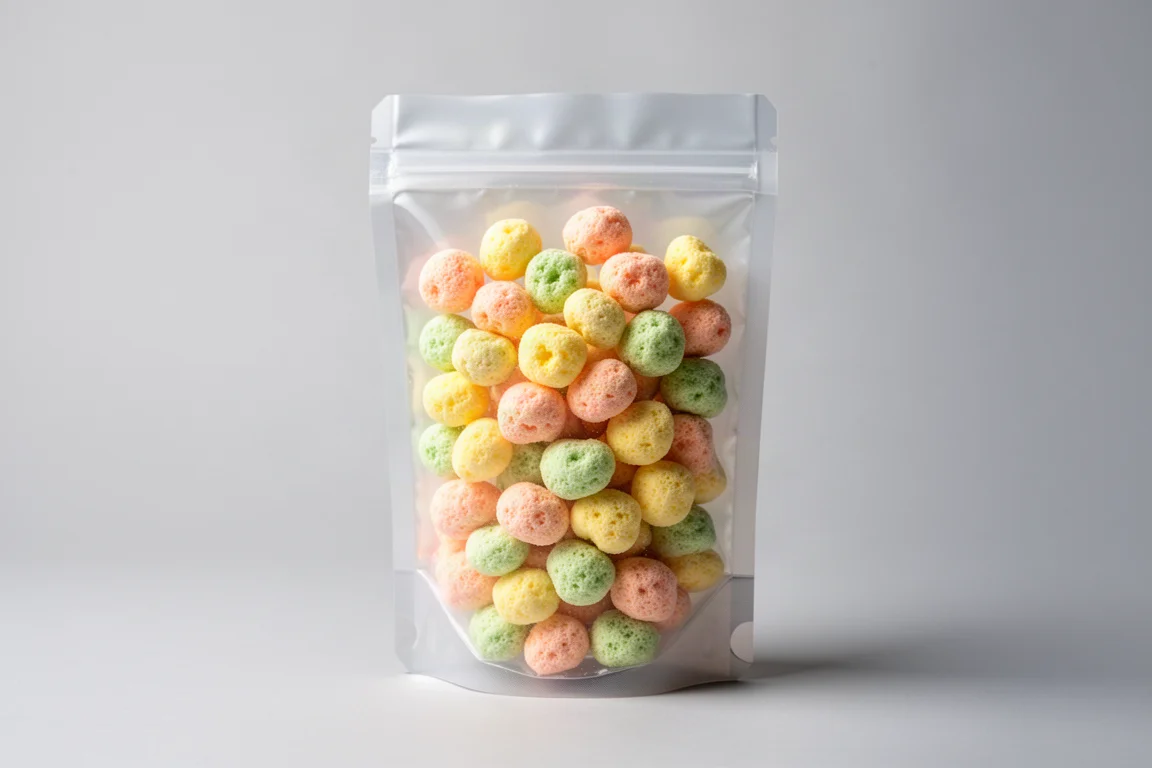
OneUp Candy by FaZe Rug went up against Weirdly Delicious in the freeze-dried candy category, a niche that is surprisingly hard to find in regular grocery stores. The peach puffs favored the competitor, which had a stronger peach flavor, but OneUp’s sour worms were the favorite of the whole tasting, and the lemon drops kept a fun layered texture on top.
At $5 a bag versus $7.99 for Weirdly Delicious, OneUp is well priced for a specialty item, and the playful packaging is exactly the kind a child would pick. The rating came in at 4 out of 5: fun, different, good value, with the only real caveat being that freeze-dried texture can be overwhelming for some people.
Matt’s Taffy vs Taffy Town
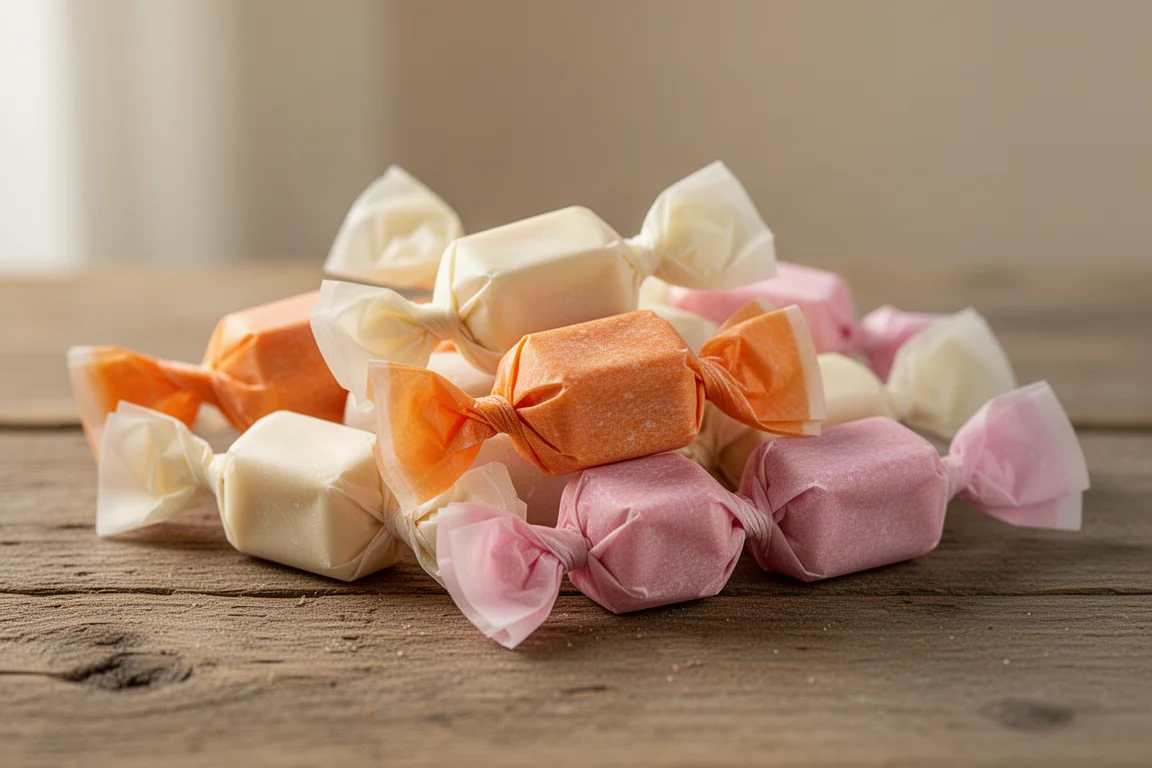
Matt’s Taffy from Matt’s Off-Road Recovery faced Taffy Town, and this one came with complications. The packaging lists banana, tangerine, caramel swirl and raspberry lemonade, but testers also encountered a cinnamon heart flavor that appears nowhere on the label, and a Taffy Town pamphlet inside the bag suggests the taffy may have been sourced from an existing taffy shop rather than made in-house.
Flavor-wise, Matt’s Taffy was good, with a better depth than a straight artificial banana note, and the banana had a pleasant caramelly quality. The problem is value: at $21 versus $19.83, you get noticeably less taffy for a similar price, plus mislabeled flavors and clumped pieces. That drags a promising product down to roughly 2.5 out of 5.
KBSD and Co Tea vs Tetley
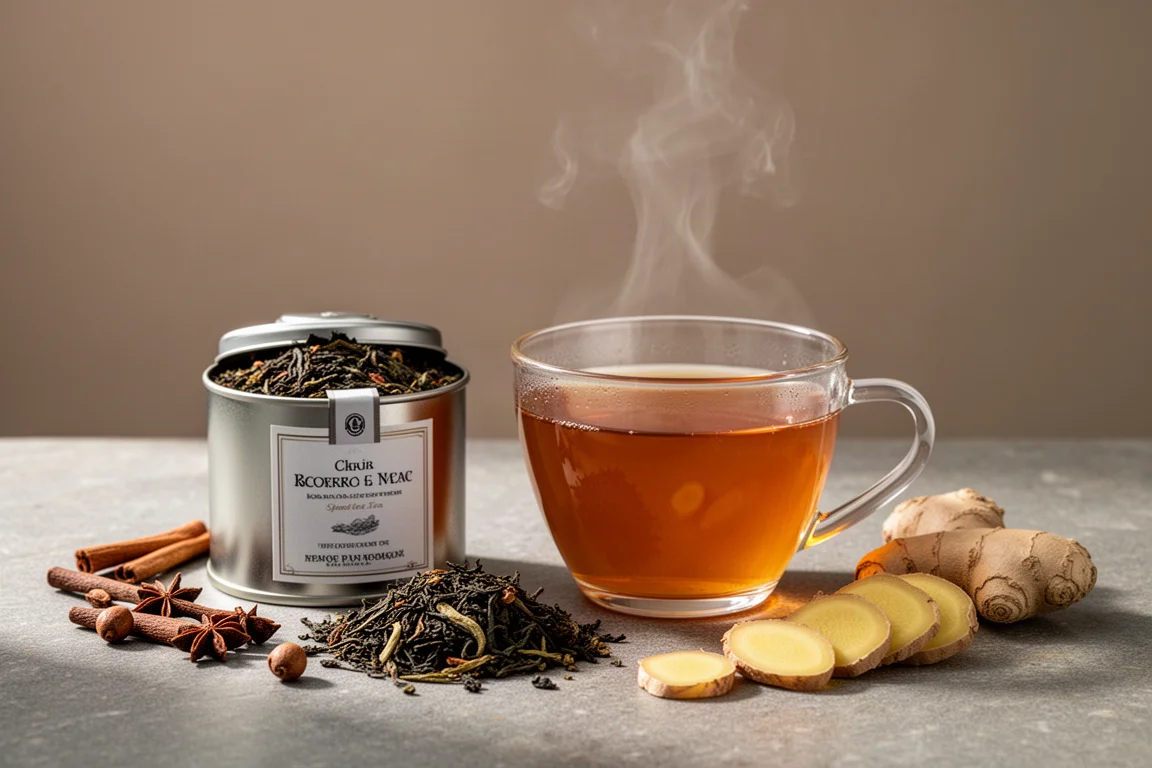
KBSD and Co by the Vlog Brothers went up against Tetley in a chai comparison. Blind, the two teas were close, but Tetley read as single-note and watery while KBSD’s chai had a deeper flavor profile. The value gap is steep though: $18 for six tea bags versus $3.99 for 20 Tetley bags. Better, yes, but not three or four times better.
The broader range is where KBSD shines. The golden fire ginger was the favorite, with a lemon-forward blend that tasted like lemongrass, and the moonlit mint delivered strong, clean peppermint. This is premium tea that genuinely tastes higher quality, but the price holds it back. Final rating: 4 out of 5.
Feastables vs Hershey’s and Lindor
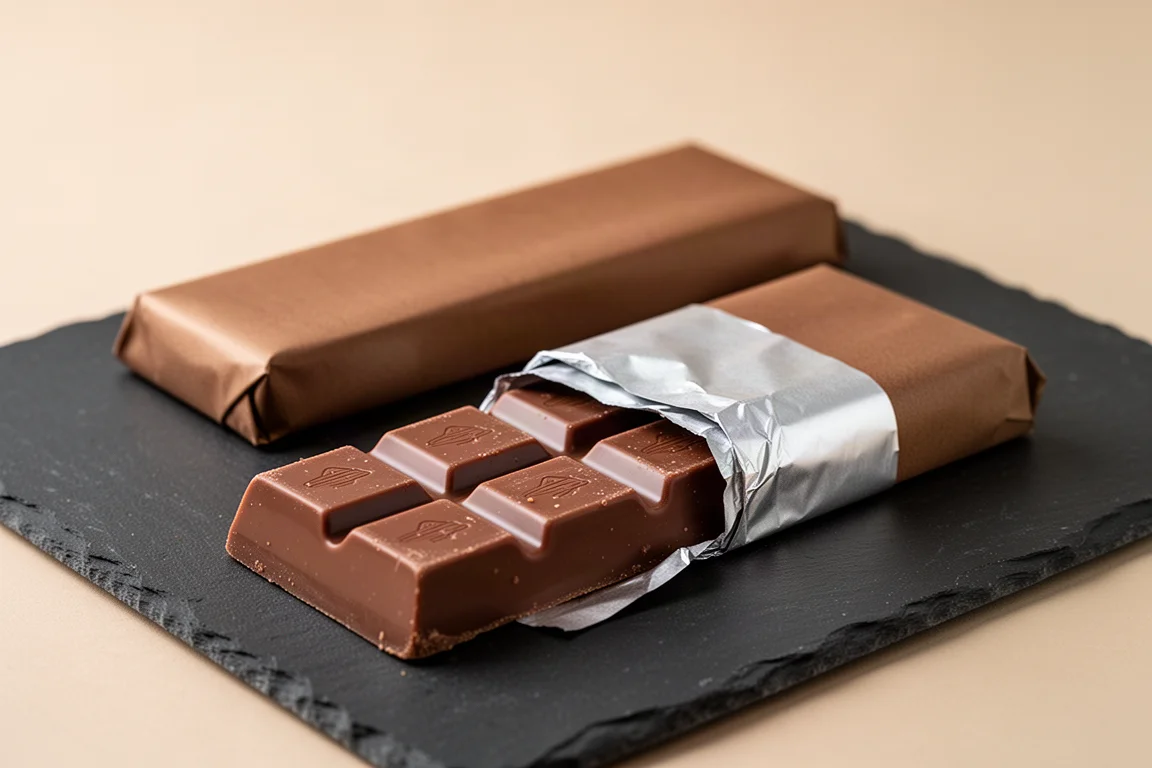
Feastables by MrBeast claims to be better than Hershey’s ten times over, so it was tested against both Hershey’s and Lindor, with Lindor representing the higher-quality chocolate camp. In blind tasting, Hershey’s actually came first, Lindor second and Feastables last, which shocked a tester who normally loves Lindor. The honest takeaway: all three are good chocolate with no huge differences, though Feastables seemed to have slightly less chocolatey flavor, and on a second pass Lindor’s creamy richness started winning people over.
The Reese’s-style peanut butter bar was the standout of the Feastables line, delivering more peanut butter and chocolate with sweetness coming last, versus the very sweet original. Feastables cost $2.99 versus $2.19 for Hershey’s and $6.29 for Lindor. What genuinely earns credit is the transparent emphasis on ethically sourced cocoa, which is not a small thing in this industry. The rating settled at 3.5 out of 5.
MrBeast Burger vs A&W
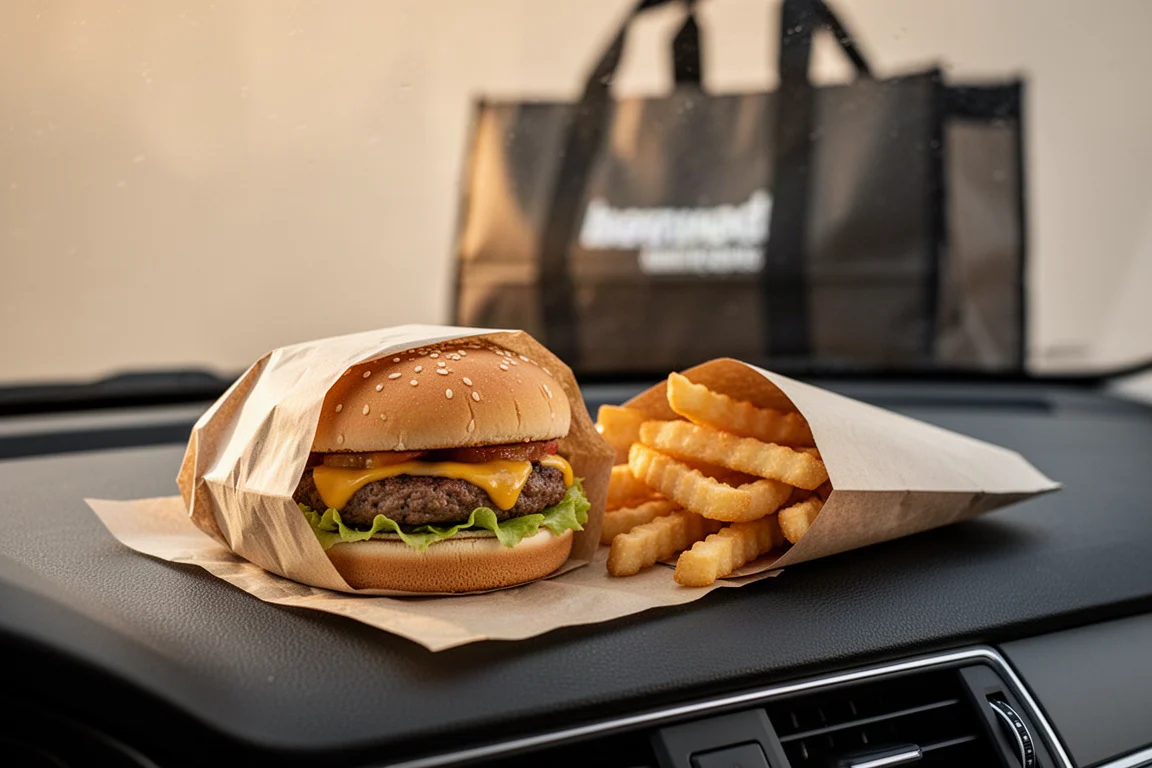
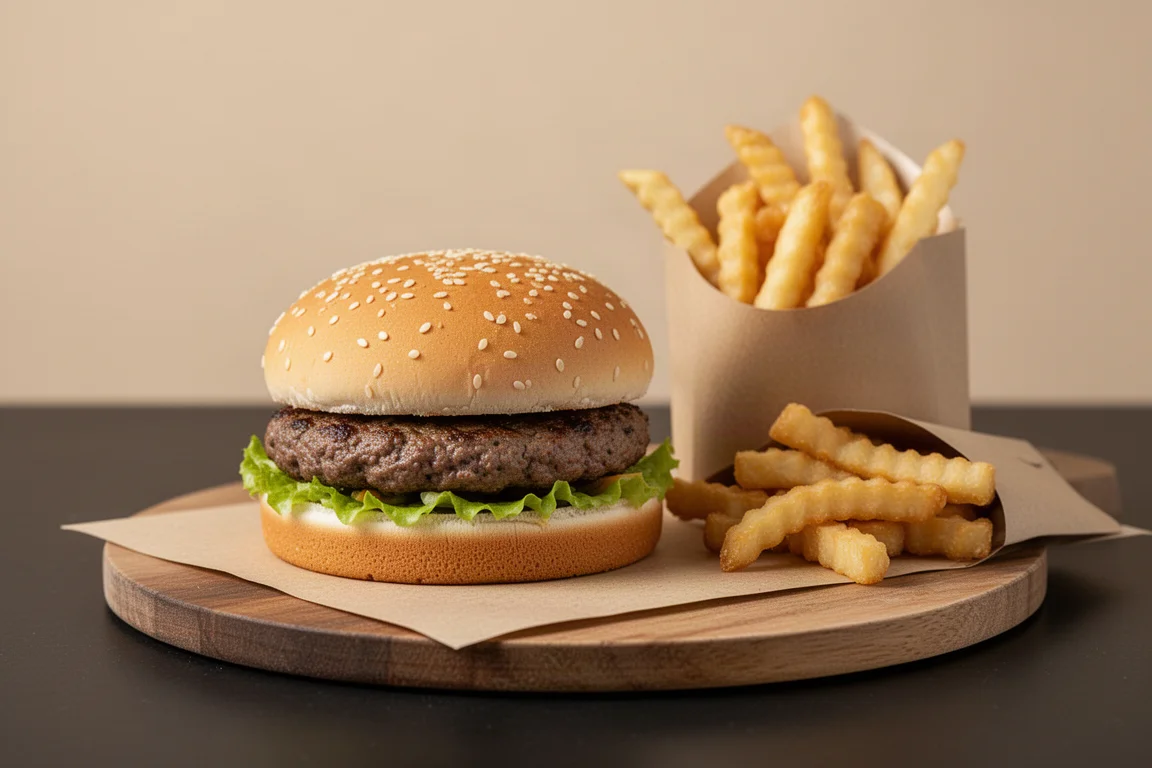
MrBeast Burger operates as a ghost restaurant, meaning it is cooked inside other burger restaurants and delivered rather than picked up fresh. Against an A&W combo, the burgers tasted remarkably similar, both very plain hamburgers, with MrBeast Burger possibly having a touch more flavor. The crinkle-cut fries were heavily seasoned and divisive, and arriving soggy and cold did not help. The single chocolate chip cookie was the biggest disappointment: dry, overbaked and flour-heavy, with no balance of butter, vanilla or chocolate, despite the menu imagery suggesting multiple cookies.
Pricing came in at $19.59 for the combo versus $16.99 at A&W, about $3 more, which would be easy to overlook if the food justified it. The packaging is genuinely fun and very on-brand, but the food inside does not match the energy outside. The rating: 2 out of 5, low side of average for fast food, sold mainly on the strength of a very large fanbase.
Overall Buying Advice
Across the whole test, a pattern emerged: the best influencer products are the ones where the creator built something that does not already exist on store shelves. Osmo’s specialty salt flavors, Joyride’s flavorful lower-sugar candy, and KBSD’s unique tea blends all offered something their big brand rivals could not. Products that simply repackage a commodity, like plain pink salt or a basic hamburger, struggle to justify a premium over the established alternative.
The top three products of the test were Osmo Salts, Joyride candies, and KBSD and Co tea. All three are more expensive than their rivals, but all three delivered flavors worth paying for and are the ones most likely to be ordered again. If you are buying influencer products as gifts or out of curiosity, start there.
Conclusion
A famous name can get a product into your cart, but only flavor, value and convenience keep it there. In this comparison, most influencer snacks were competent rather than exceptional, a few were genuinely disappointing, and a small group proved that creator brands can beat the big names when they bring something truly new to the table. Check the price, read the label, and buy the product, not the personality.
Further reading
Related Reviews
Food & Drink
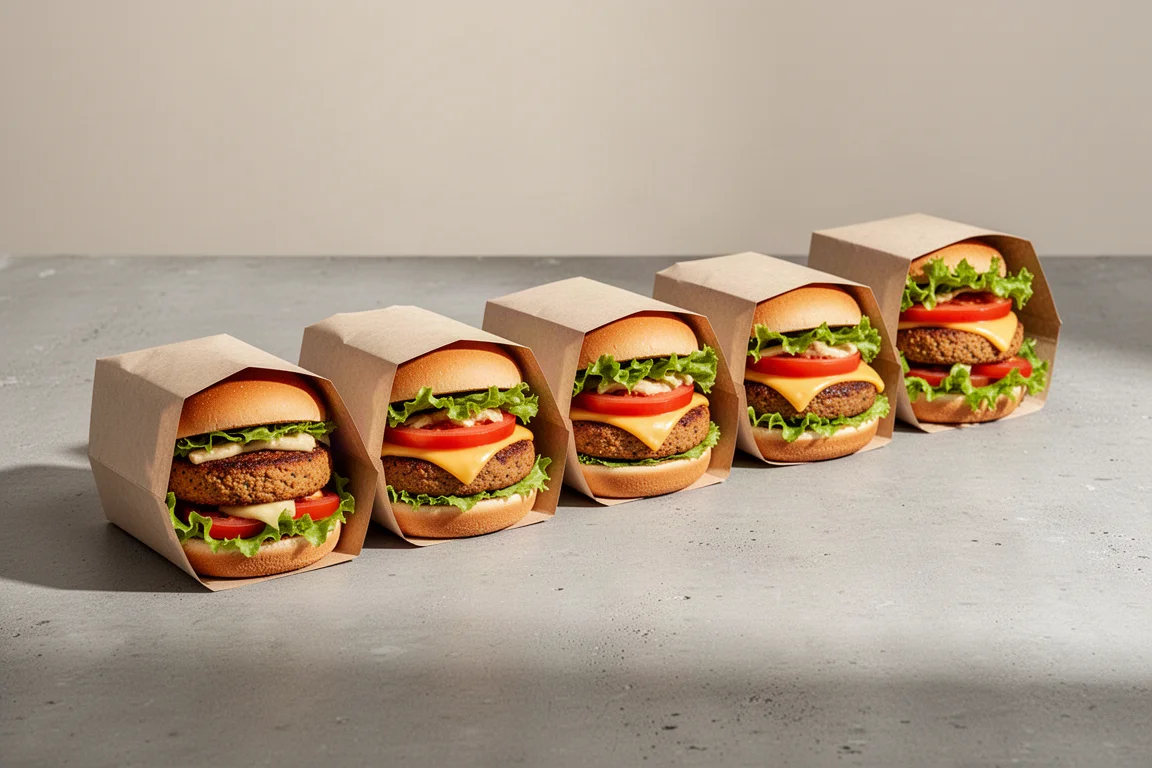
Best Plant-Based Burgers From Major Chains: Six Options Rated
Six plant-based burgers from KFC, Leon, McDonald's, Burger King, Shake Shack, and Honest Burgers put to the taste test to see which fast-food options are actually worth ordering.
Food & Drink
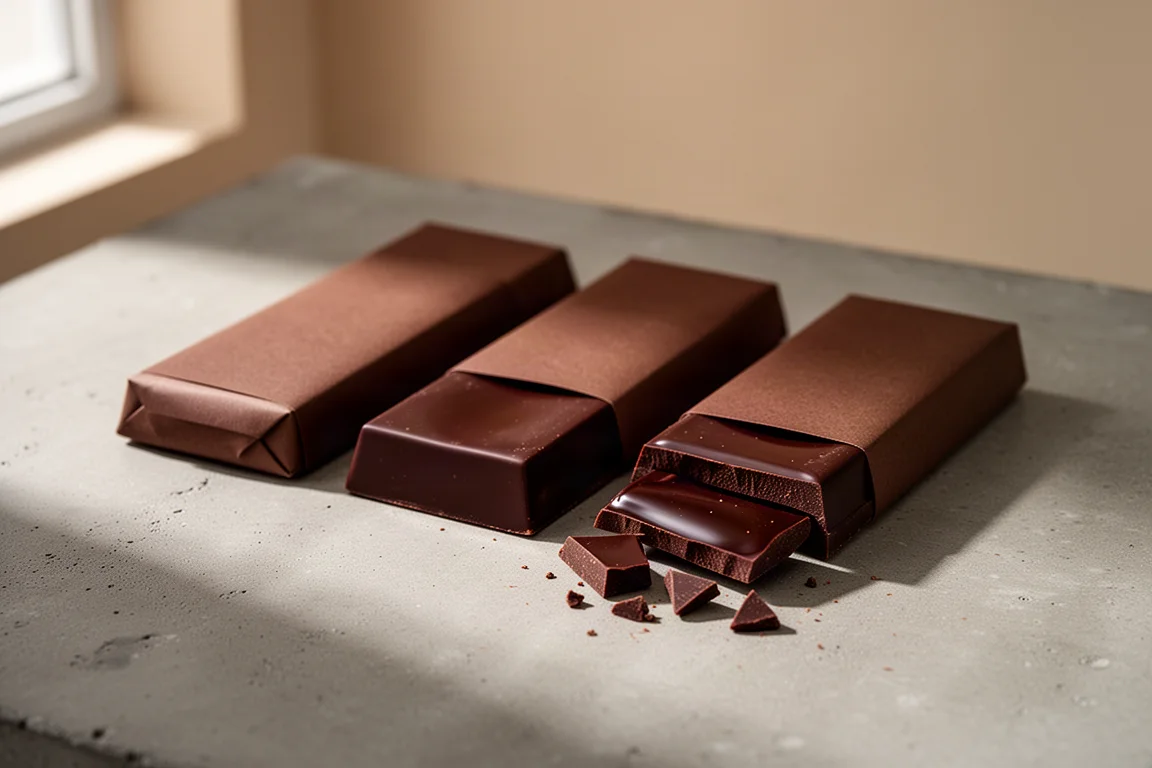
Best Dark Chocolate for Less Sugar: Four Picks From 60% to 90%
Four dark chocolates that deliver more cacao and less sugar, from an everyday baking bar to an intense 90% pick.
Food & Drink
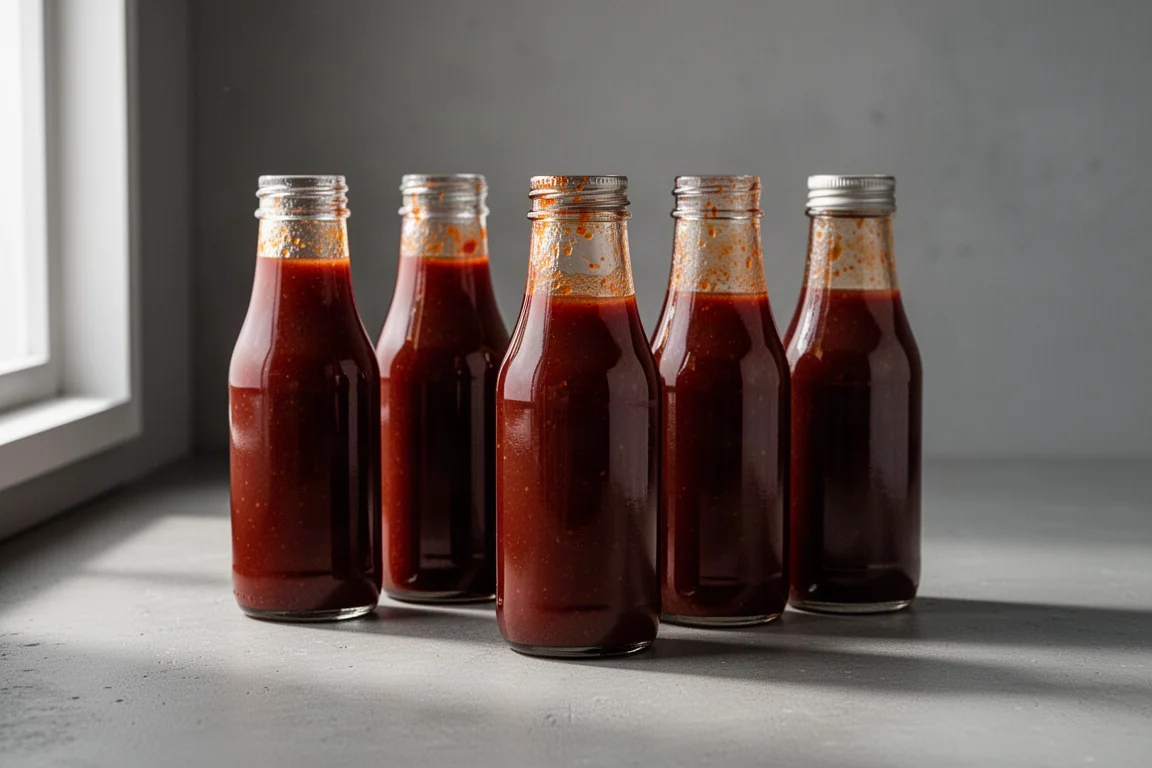
Four Kansas City Barbecue Sauces Worth a Spot on Your Table
We compare four very different Kansas City style barbecue sauces, from a classic sweet supermarket staple to three landmark restaurant sauces you can order online.