Running Gear
Five Popular Running Products Tested: What's Worth Your Money
We spent our own money on five heavily promoted running products, from CBD balm to bone conduction headphones, and rated each one honestly.
Introduction
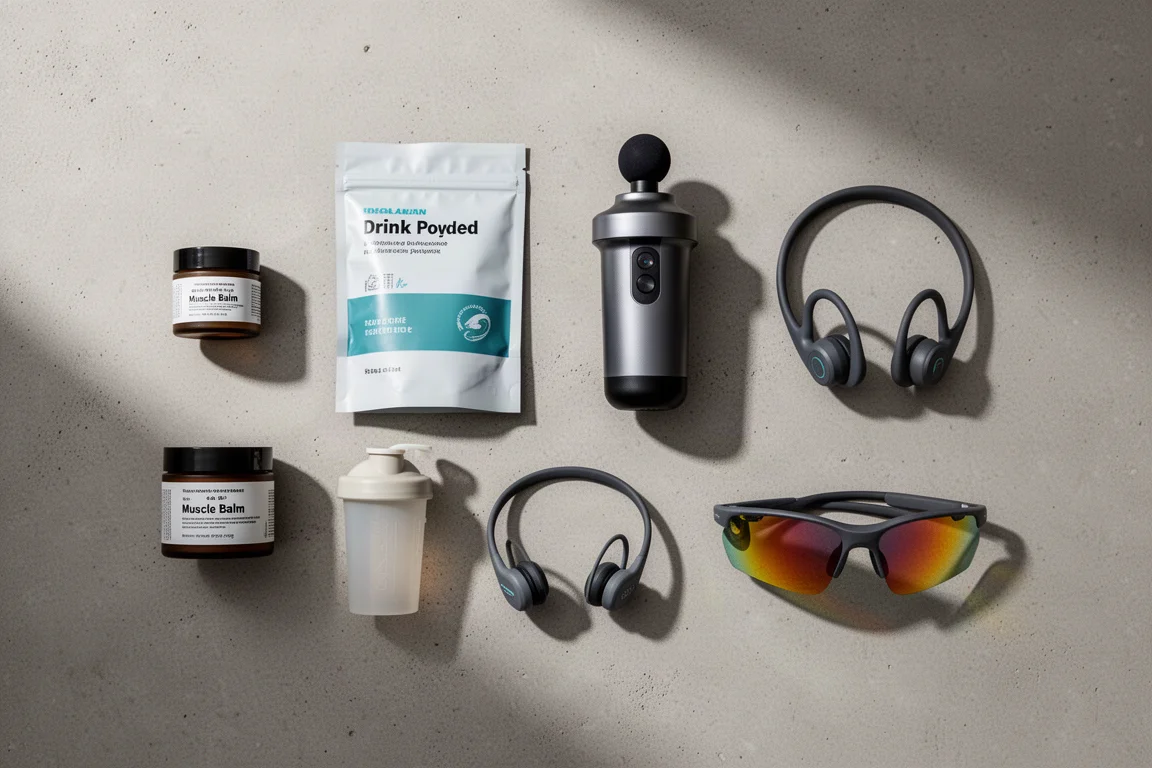
Influencer-promoted running products promise a lot, and with discount codes flying around it can be hard to tell what is genuinely useful and what is just clever marketing. To find out, we spent well over £700 of our own money over three months testing five of the most heavily promoted products in this space: a CBD muscle balm, a magnesium sleep and recovery powder, a compact massage gun, bone conduction headphones, and a pair of running sunglasses. Everything was bought the same way any regular shopper would, with no free samples, so the whole buying experience counts too. Here is the honest verdict on each one, along with what we would buy instead if the price gives you pause.
Pure Sport CBD Muscle Balm
This muscle balm is aimed at tired and aching muscles and is infused with 1,000 mg of CBD, plus magnesium and arnica. It has been around long enough to build a following, and several jars have been purchased over the past couple of years at £40 each, adding up to around £210 spent with the brand in total.
The likes are easy to list. It encourages a good routine of looking after your body, doing some self massage and working through little aches and pains. It is Informed Sport certified, so you can trust what is in it, and customer support was good when contacted. It smells and feels pleasant on the skin, the ingredients seem genuinely high quality, and for the amount of CBD you get it is reasonably potent. If you want to try this type of product, it is a solid premium option.
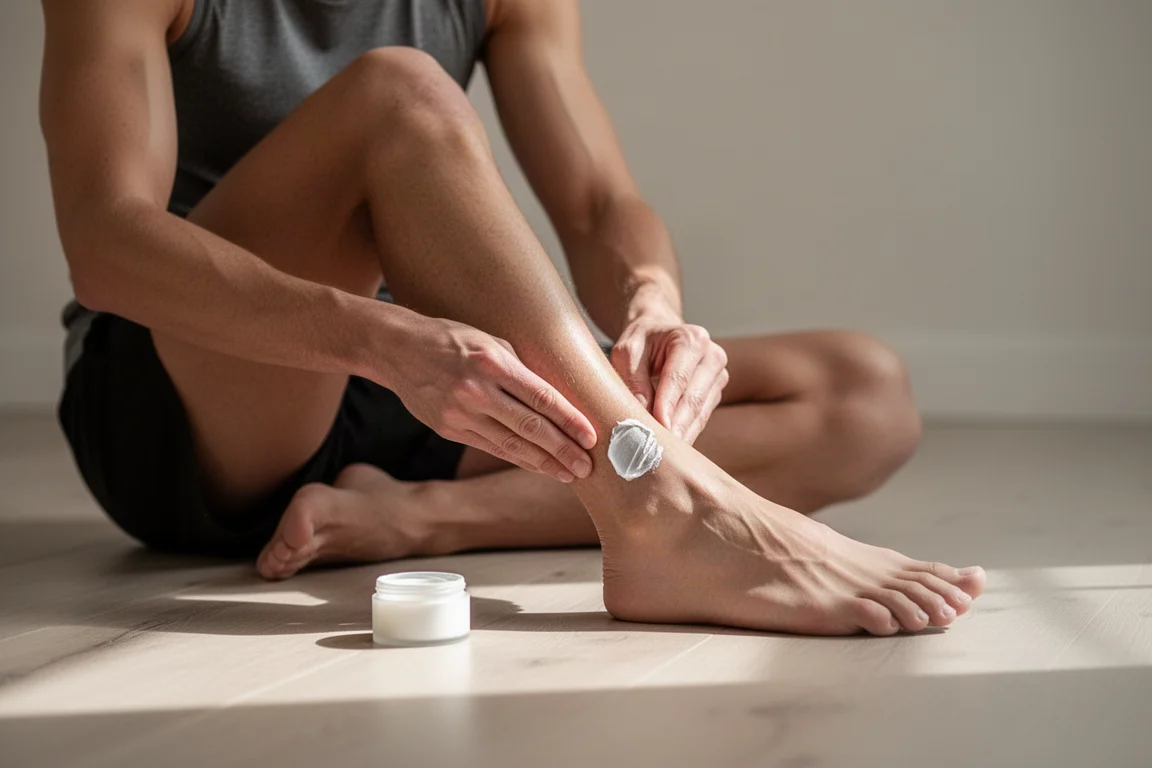
The dislikes are just as clear. It is very expensive, and part of that price is clearly marketing. The perceived benefits feel minimal: the relief likely came from the massage itself rather than the balm, and a similar result could probably be achieved with almost any muscle balm. For a real injury like a rolled ankle, an ice pack is still the better call. Cheaper alternatives exist, including a CBD balm from Holland & Barrett (though less potent and without the arnica and magnesium) and a Neil’s Yard arnica option without CBD that costs considerably less. Rating: 3 out of 5. Worth trying if you have the cash, but learn proper self massage technique first. Simply rubbing it on and expecting to feel better by morning will not work.
Pillar Performance Triple Magnesium Powder
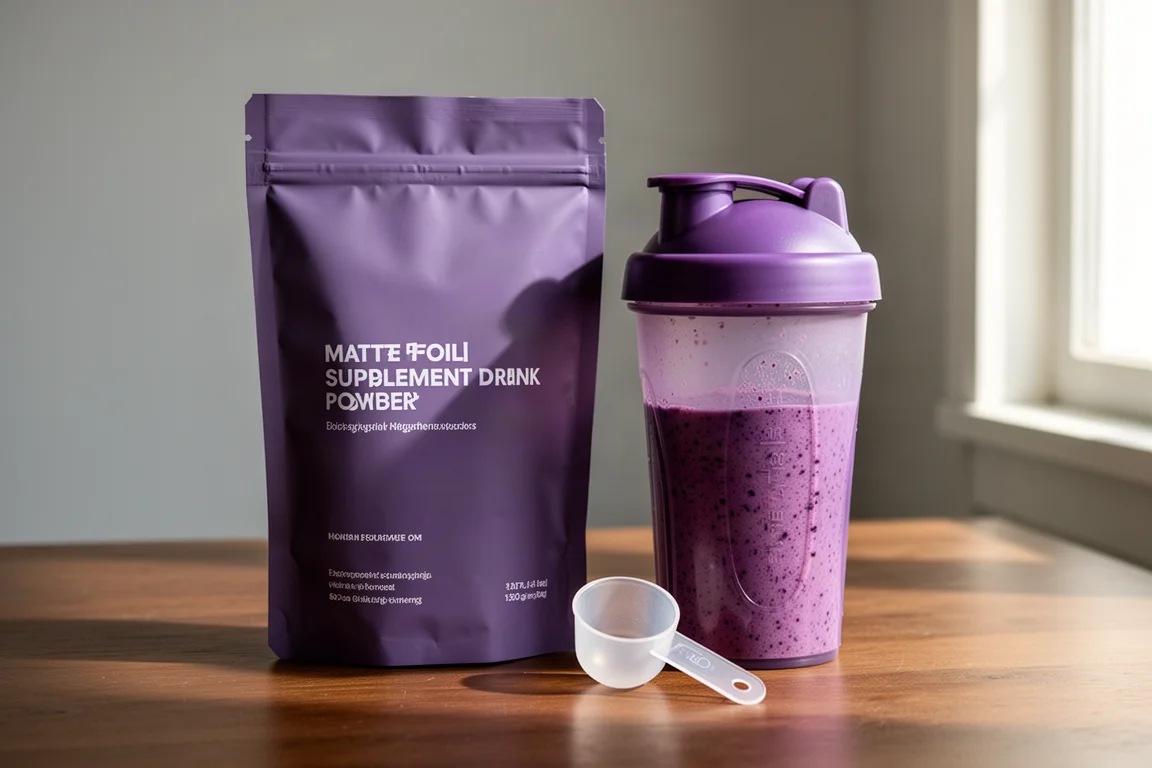
This is a magnesium drink powder, mixed as one scoop into 250 ml of water, ideally drunk about 30 minutes before bed. It is positioned around supporting muscle function, reducing tiredness and fatigue, and helping you sleep and recover better. It comes from an Australian brand that sponsors a number of Australian athletes, is available in berry and pineapple flavors, in powder and capsule form, and costs £45 per pack with 40 servings.
The positives: it mixes really easily with no lumps, and it uses magnesium glycinate, which is regarded as one of the better forms for tired muscles. Most importantly, sleep quality genuinely improved. Falling asleep initially was not any faster, but getting back to sleep after waking in the night was noticeably easier, and recovery felt better overall, with no injuries over the months of use. Some rather peculiar dreams came along with it too.
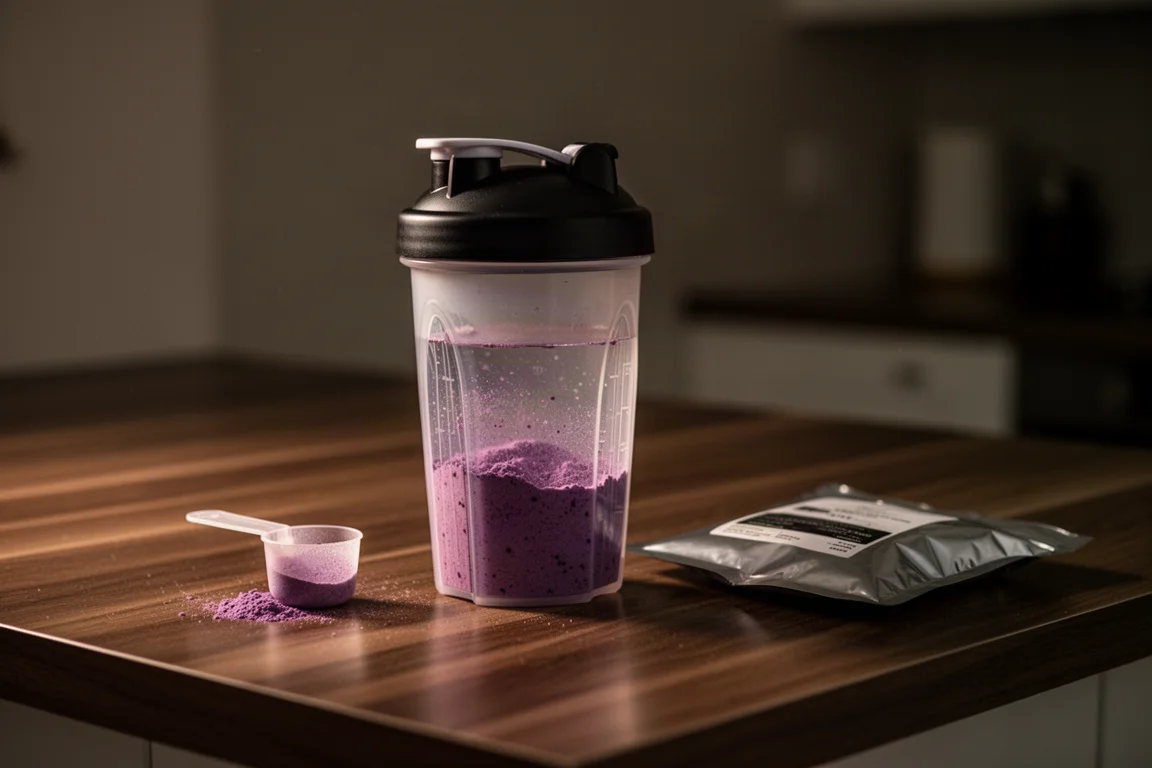
The negatives: it is on the expensive side, the berry flavor is extremely sweet and artificial, tasting almost like a children’s sweet, and it did nothing to help falling asleep faster in the first place. A capsule alternative is available from Pure Sport, which also adds beetroot. Rating: 4 out of 5. It will be kept on hand for hard training blocks rather than year-round use, purely on cost.
Theragun Mini (Version 2)
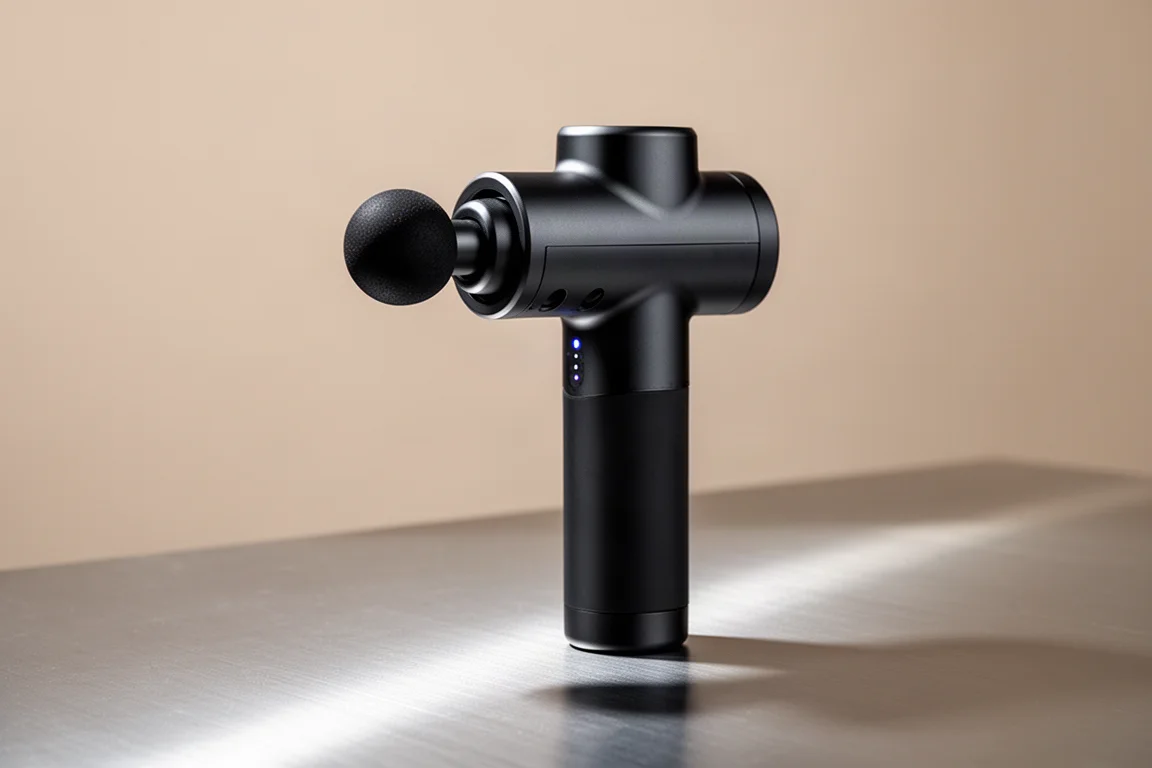
Massage guns have become the foam roller of the modern athlete over the past five to ten years, and Theragun is the go-to brand sponsoring plenty of high-profile teams and athletes. The Mini (Version 2) has an RRP of £175, though this one was picked up on eBay for £125. The package includes the device, a USB-C cable, and three snap-on attachment heads. It runs at three speeds, indicated by side LEDs, with 12 mm of amplitude.
The standout feature is actually not the device itself but the companion app. It syncs over Bluetooth and guides you through videos showing how much pressure to use and where to place the device for your specific problem areas, which addresses the biggest issue most people have with massage guns: simply not knowing how to use them safely. The app is worth using even if you own a different brand. USB-C charging makes travel easy, it has passed through hand luggage security with no issues, and battery life delivers around two hours of use, roughly ten days to two weeks of sessions. It is surprisingly powerful for its size, plenty for the vast majority of runners, and it genuinely helped sort out tight hip flexors caused by long car drives.
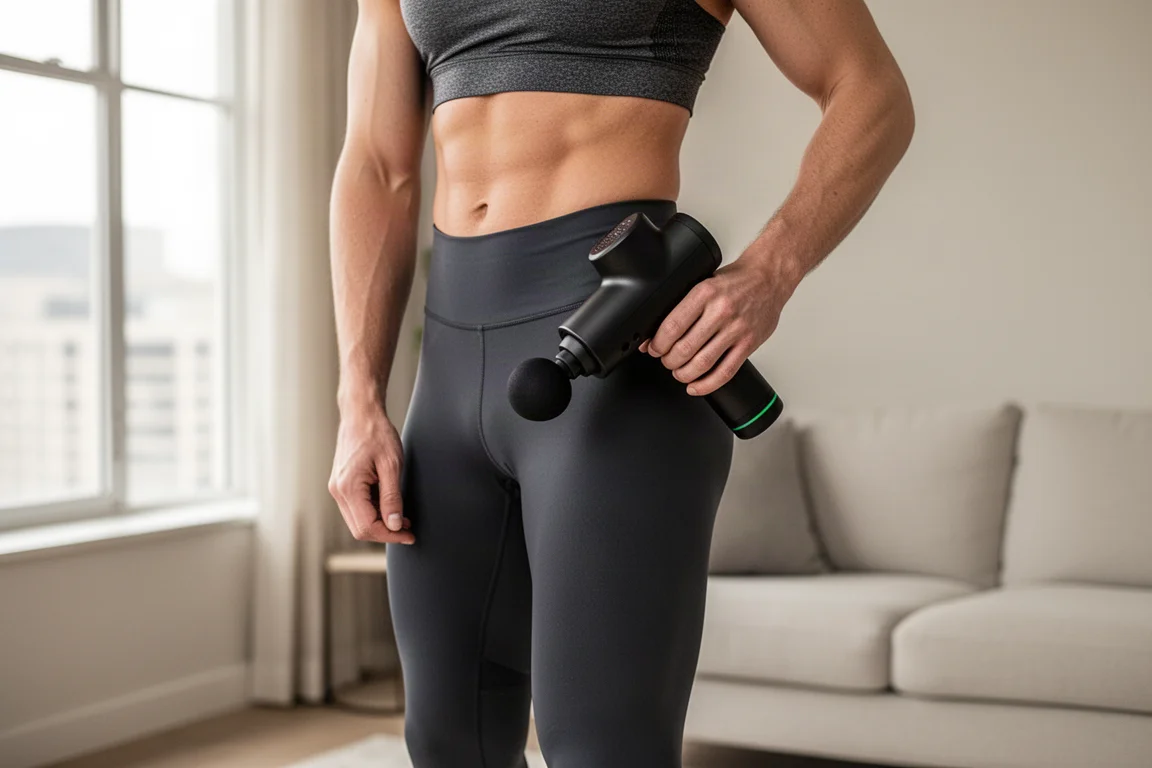
On the downside, no charging plug is included, the grip shape limits how much pressure you can apply compared to a conventional massage gun, and the full RRP is steep. Alternatives include the Bob and Brad massage gun, a good old foam roller, or better yet, regular sessions with a human massage therapist, which will help far more than any device. Rating: 4.5 out of 5. This one travels everywhere and is genuinely recommended.
Shokz OpenRun Pro
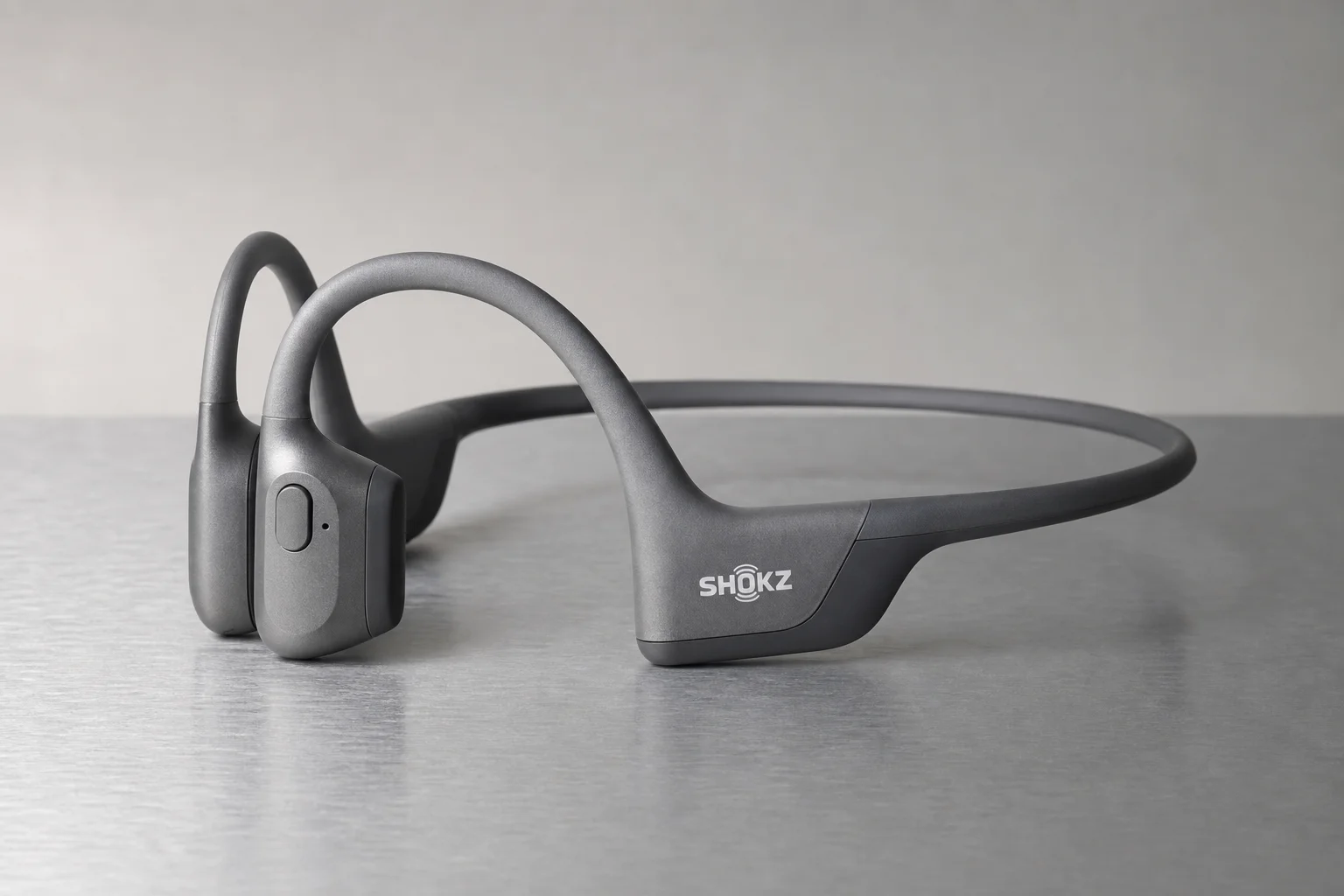
Formerly known as AfterShokz, Shokz makes bone conduction headphones for active people. They sit on the side of your head and convert sound into mechanical vibrations transmitted through the skin and temporal bone to your inner ear. The OpenRun Pro cost £60 and come with a charging cable and a travel case, with two headband sizes included.
The sound quality for podcasts, audiobooks and spoken word is pretty good, and the safety benefit is real: with nothing in your ears you can hear traffic, other people and cyclists around you. That is also why they are allowed in most UK races even when regular headphones are banned, though you should always check with the race organizer. They connect to phones and watches alike, so you can leave the phone at home and pair them with a Garmin. They are comfortable enough to wear all day, the battery lasts around 10 hours, charging goes from zero to 60% in about 20 minutes, and build quality is superb: heavy rain has never been a problem across three pairs.

The downsides: music quality, especially bass, is not great even on the Pro version, so audiophiles should look elsewhere. In genuinely noisy urban environments you cannot hear much through them, phones warn about high listening volume since you tend to run them near 80%, and they do not fit under a beanie in winter. If you are in the market, consider saving money with the standard OpenRun: it is cheaper, has a better waterproof rating, and on a run the difference is hard to notice. The brand’s refurb section also offers hefty discounts. Rating: 4.5 out of 5, used on every single run.
SunGod Running Sunglasses
SunGod is a British brand that sponsors plenty of pros and influencers, offering heavily customizable sunglasses. These were £30, come with a case and three interchangeable nose pieces so you can tune the fit, and the frame can be specced with recycled material at no extra cost.
The fit is the headline: they do not move or bounce at all, even mid-run in summer heat and sweat, and at just 26 g they are extremely lightweight. They block stray light completely around the face, and the yellow-tinted lens tested handled both low light and bright sun well, letting you run from shade into light and back without ever lifting them. No fogging issues appeared, and the brand offers a lifetime guarantee with reportedly positive experiences from other owners online. They also pair comfortably with bone conduction headphones.
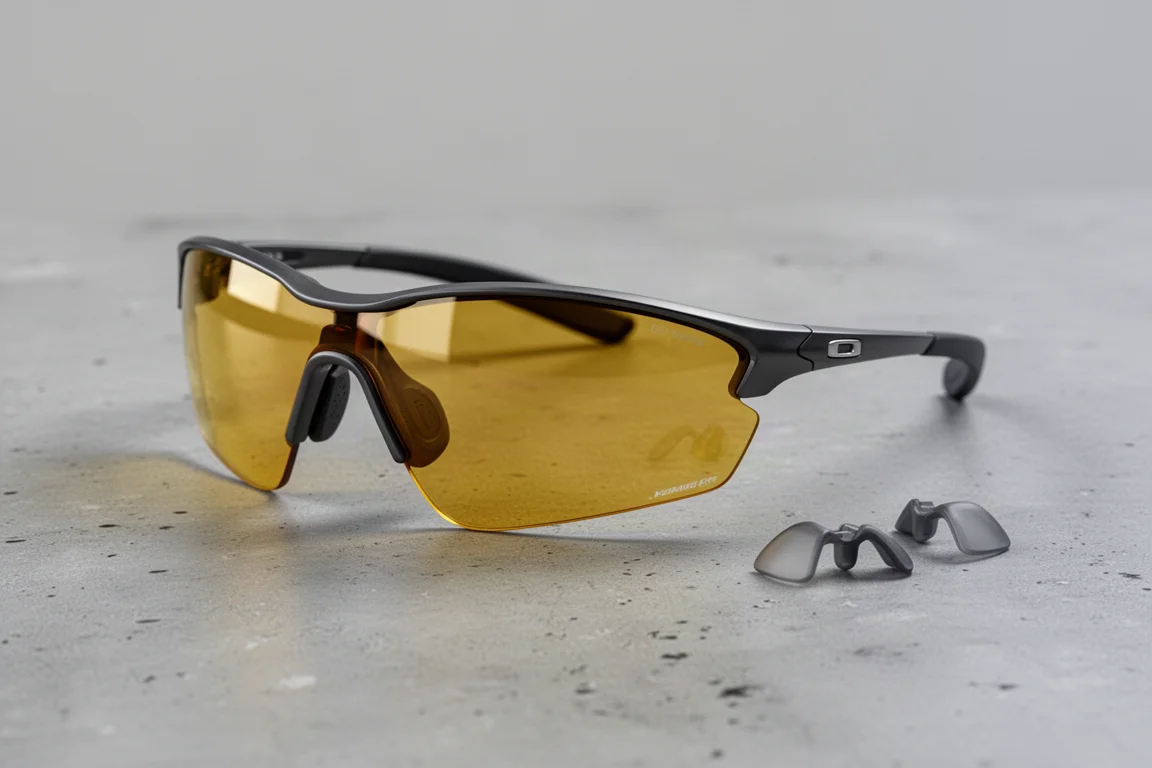
The frustrations were mostly service related: a weekend buy-one-get-one-free offer expired mid-checkout and support would not honor it, a next-day delivery order arrived a day late and missed a trip, and some customization options were unavailable at the time of ordering. Alternatives include Goodr, much cheaper but prone to scratching badly, and Oakley, which has a strong track record. Rating: 4 out of 5. Hard to fault as sunglasses, though the style may not be for everyone.
Overall Buying Advice
The pattern across these five products is clear: the best value came from items that solve a concrete problem, like the Theragun Mini for travel-friendly muscle relief and the Shokz OpenRun Pro for safe running audio, while the most heavily hyped products, like the CBD balm, delivered the least measurable benefit for the money. Before buying anything promoted with a discount code, ask whether it addresses a problem you actually have, and check whether a cheaper alternative does 90% of the job. For sleep and recovery, the magnesium powder is the one worth budgeting for during hard training blocks, and a good massage therapist will always beat any gadget.
Conclusion
Not everything the algorithm pushes is a waste of money, but not everything lives up to the hype either. The Theragun Mini and Shokz OpenRun Pro earned their ratings through everyday usefulness, the magnesium powder delivered on sleep and recovery, and the SunGod sunglasses impressed on fit and quality despite service stumbles. The CBD balm, meanwhile, is a premium product whose benefits likely come from the massage ritual more than the balm itself. Buy for your actual needs, not for the promo code.
Further reading
Related Reviews
Running Gear
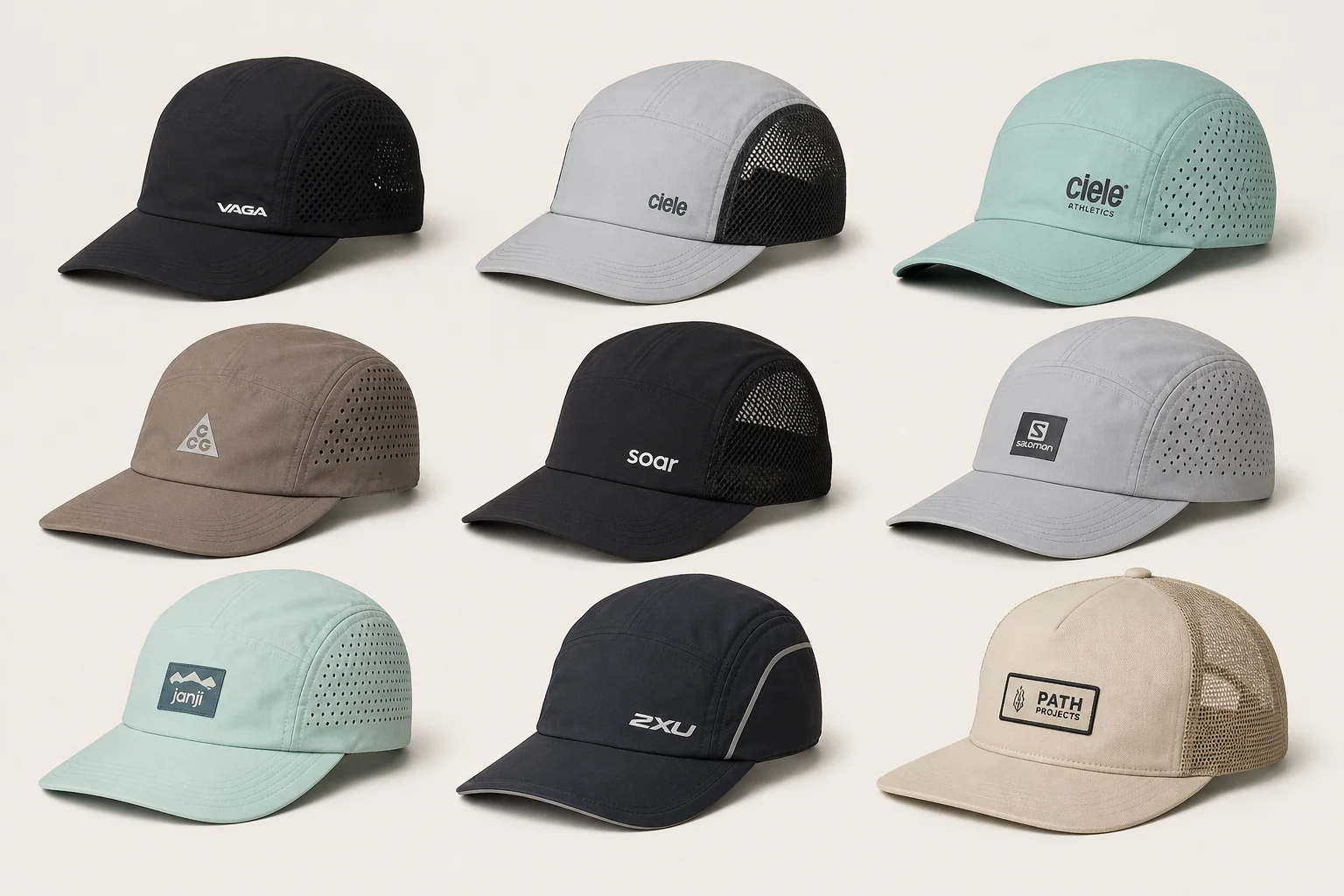
Best Running Caps 2026: Nine Tested Options for Summer and Winter
A comprehensive guide to nine running caps tested across different conditions, from lightweight summer options to waterproof winter choices.
Running Gear
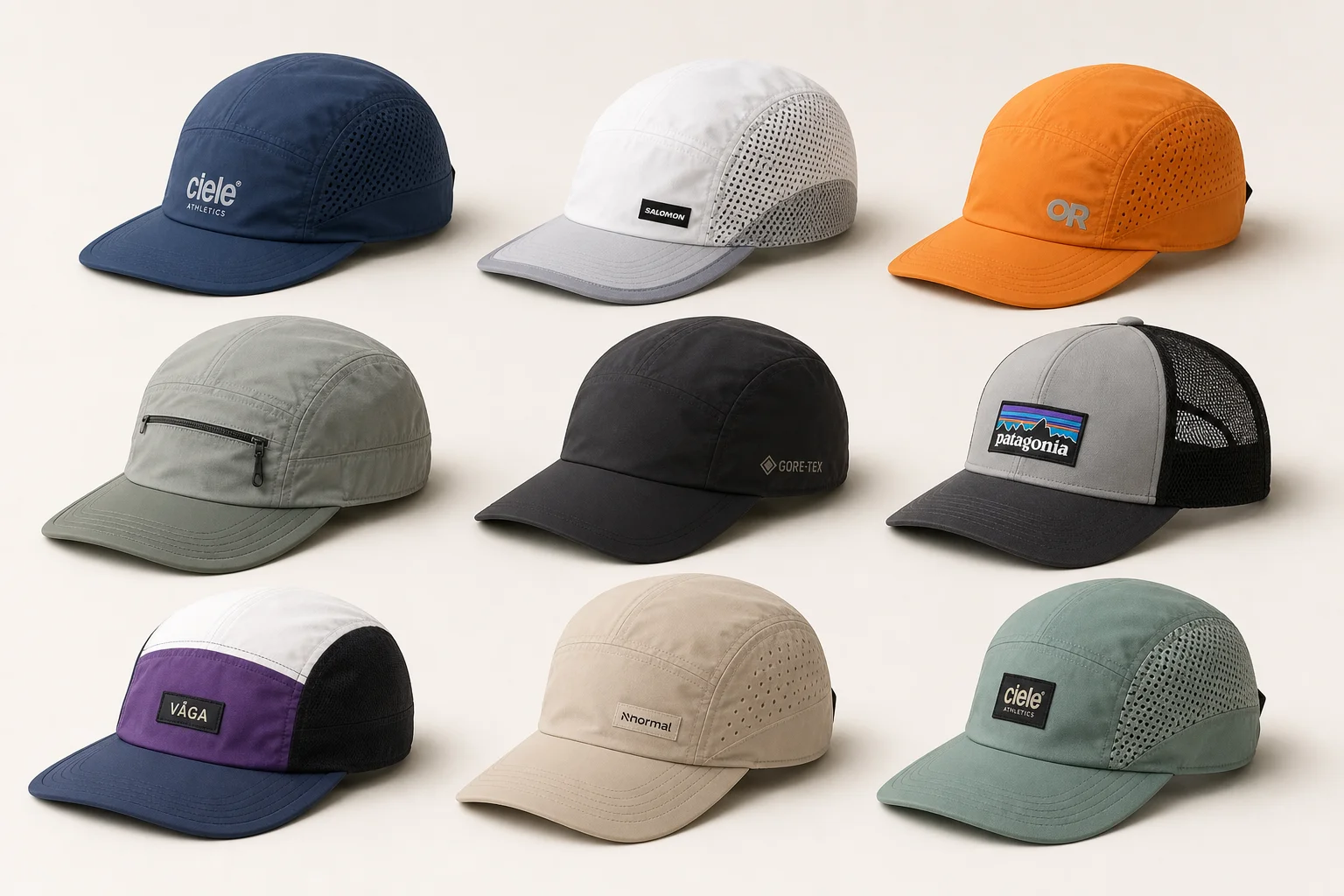
Best Running Caps: A Guide to Summer and Winter Options
A comprehensive review of nine running caps for different conditions, styles, and preferences, from lightweight summer options to waterproof winter choices.
Running Gear
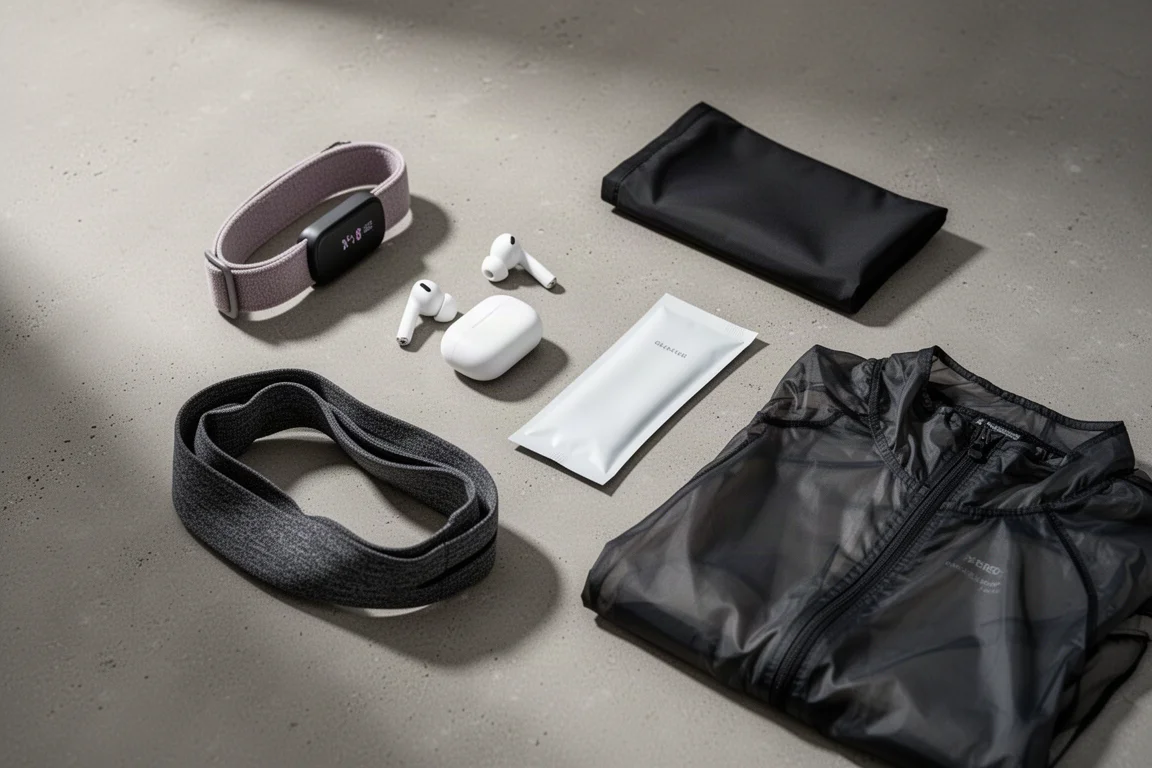
Best Running Gear 2026: Five Picks That Earn Their Place
Five running upgrades covering heart rate, audio, fuelling, carrying and weather protection, with the trade-offs worth knowing before you buy.