Workshop Tools
Inertia Torque L1000 Review: A Purpose-Built Impact Torque Tester for Serious Shops
A hydraulic impact torque tester from the team behind Skidmore Wilhelm, with ±1% rated accuracy, a 1,000 ft-lb ceiling, and forward and reverse testing in one unit.
Introduction
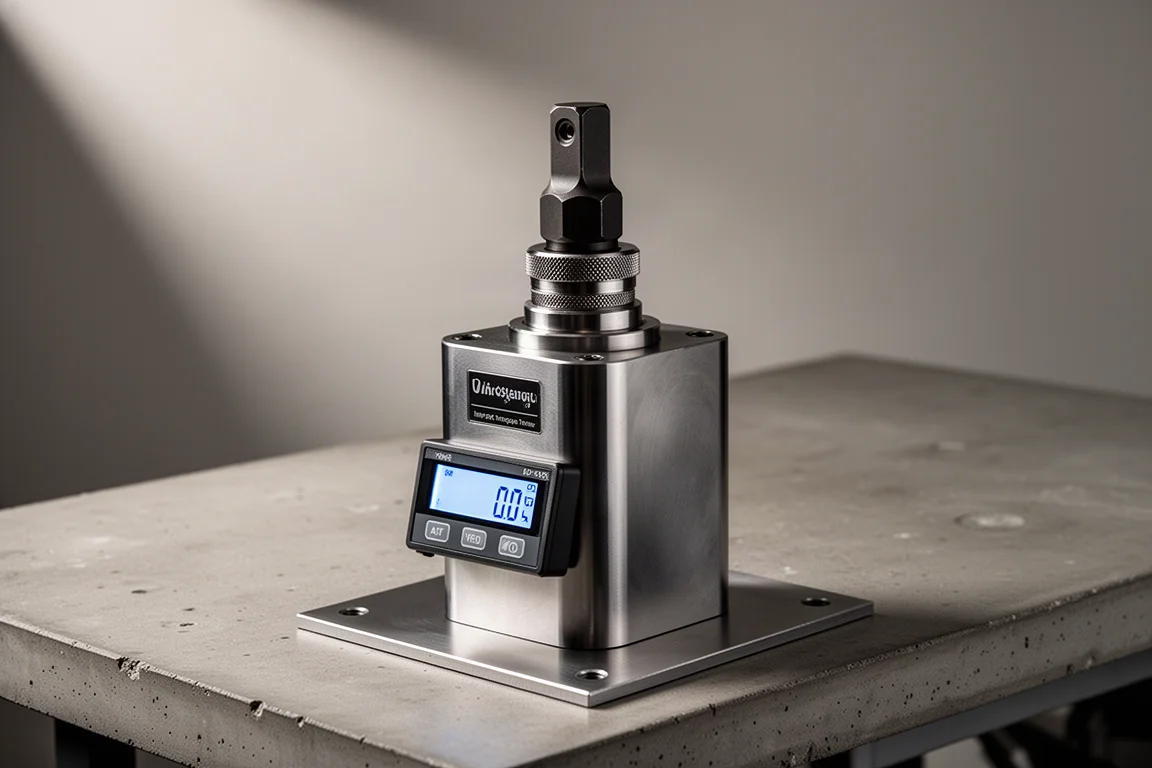
Testing the actual torque output of an impact wrench has always been awkward. Most shops either rely on bolt-based setups or simply trust the manufacturer’s number on the box. The Inertia Torque L1000 sets out to fix that. It is a purpose-built impact torque tester, developed by people attached to Skidmore Wilhelm, a company known for high-end torque testing tools, and it is changing how some shops verify their impact tools.
This piece takes a close look at how the L1000 works, what it costs, and who should realistically buy one.
Who This Product Is For
The L1000 is aimed squarely at shops and serious tool users who need to verify impact wrench output, not static torque. If you run a fleet of cordless impact wrenches, service tools for a living, or simply want to know whether your 1,200 ft-lb wrench actually delivers what the label claims, this is the kind of instrument built for that job.
Because it is calibrated specifically for fast, high-impact torque rather than slow static torque, it is not a substitute for a standard torque wrench benchmark. It is designed to answer a different question: how much torque does your impact tool really deliver.
What the L1000 Actually Does
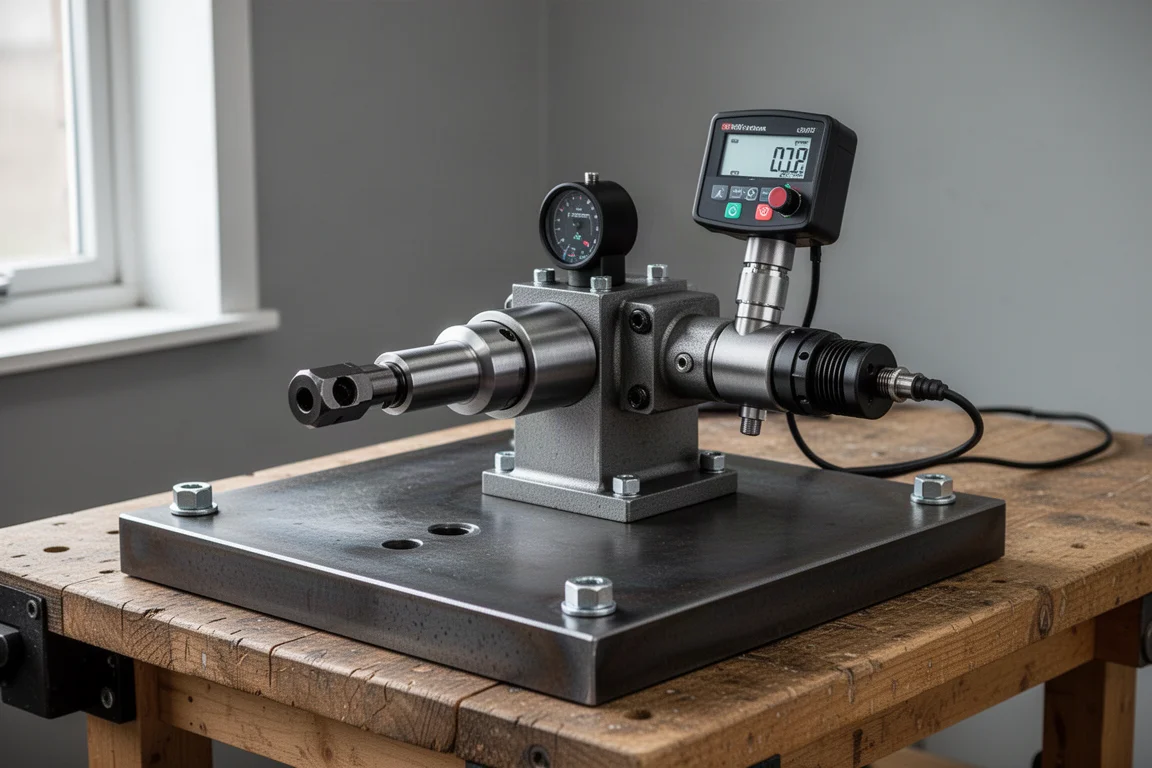
Instead of using a bolt-based system, the tester houses a small hydraulic mechanism with a couple of pistons. Torque from the impact tool drives the hydraulics, and the pressure is sent up to a gauge that reports what the tool is actually delivering. You connect straight into a drive adapter, so there is no bolt, no nut, and no guesswork about friction.
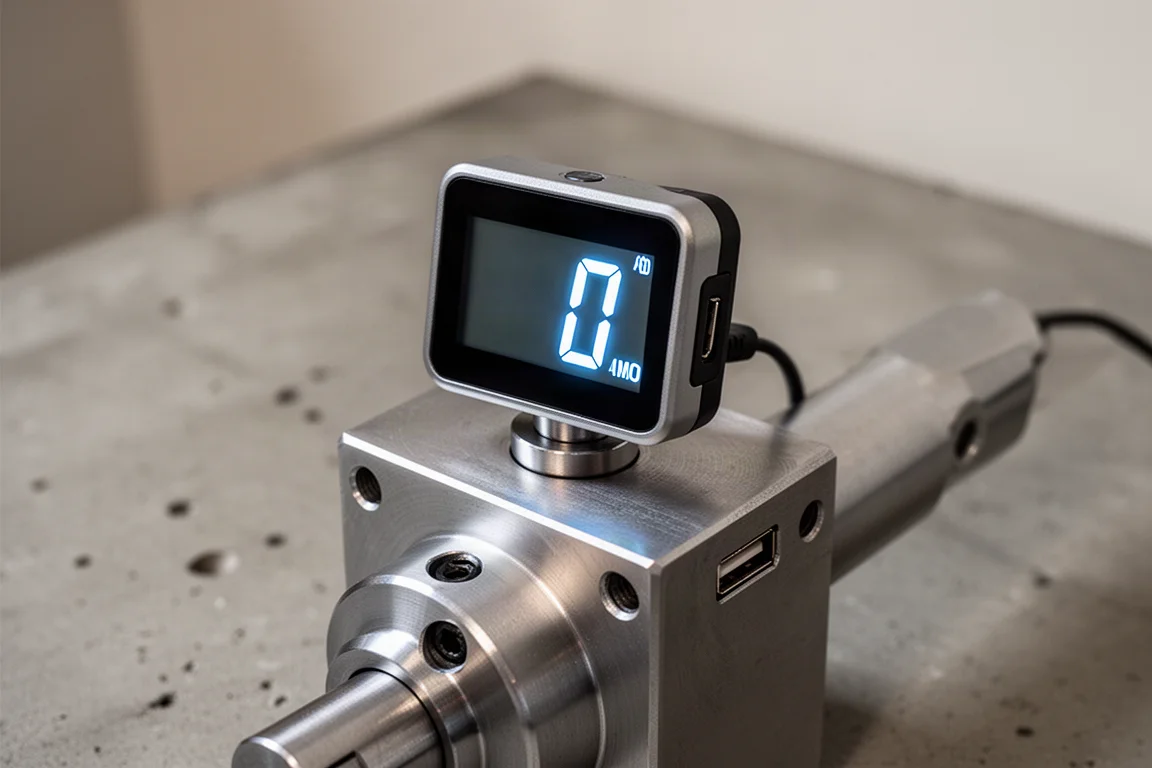
The digital gauge is USB rechargeable, backlit for easy reading, and includes a zeroing function plus a calibration date reminder. The standard gauge is analog, which means estimating within a few foot-pounds; the digital unit is far more precise and is the option we would recommend.
Drive Adapters and Swapping Them Out
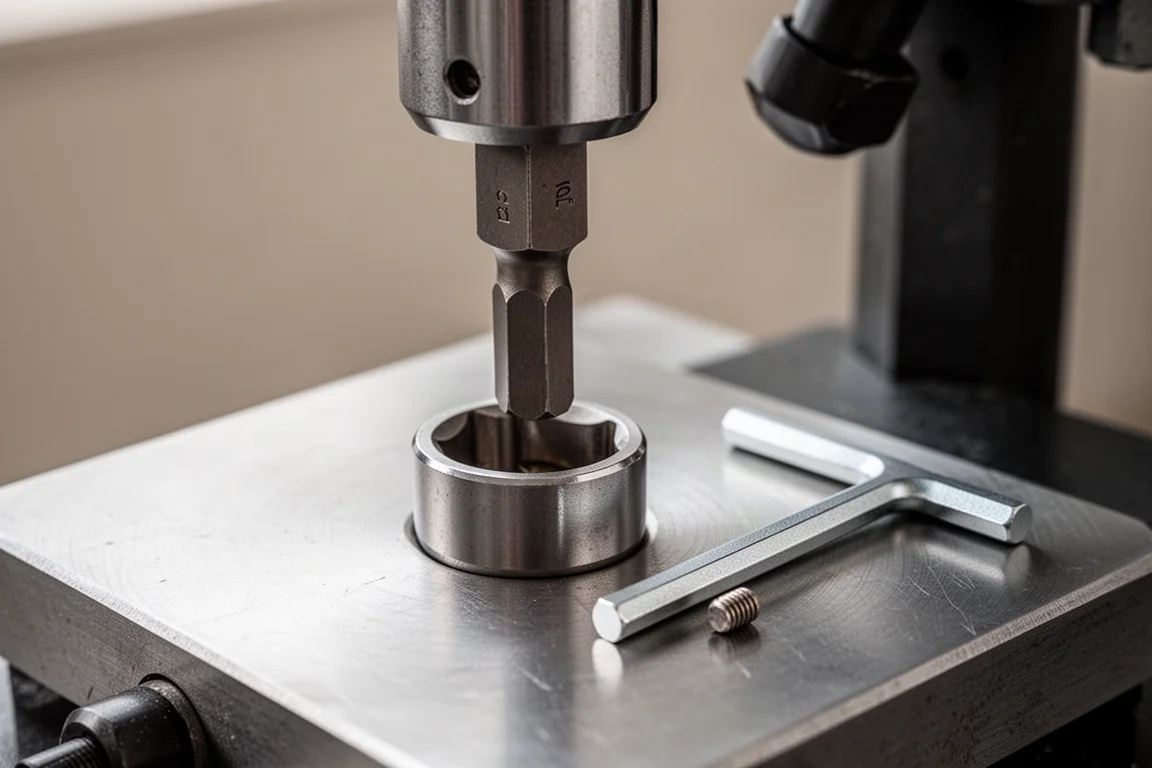
Three drive adapters are available: half inch, three eighths inch, and three quarter inch. The half-inch unit was installed for testing. Swapping takes a four-millimeter hex wrench: loosen the set screw, align the adapter with the alignment mark, slide it in, and retighten.
Two practical notes. First, the set screw feels deliberately sticky, and it is obvious when the adapter properly seats, so keep turning until you feel it. Second, do not use a power tool on that set screw. It is very easy to over-torque, and this is a precision instrument you paid good money for.
There is no one-inch adapter option, and that comes down to the L1000’s 1,000 ft-lb rated ceiling.
Testing Workflow: Forward and Reverse
The most stable testing protocol found during use is simple: hit the impact in four or five-second bursts with three seconds of rest in between, four times total, and read the stable peak at the top of the fourth burst. Safety glasses and hearing protection are a must, both for the operator and anyone nearby.
Before each run, zero the gauge. One genuinely useful capability: the L1000 reads torque in reverse as well as forward, so you can verify a tool in both directions. In forward testing, a Hilti SIW 622 from the Nuron series in high mode topped out around 232 ft-lb. Flipped to reverse with the same procedure, the same tool read slightly higher, around 246 to 247 ft-lb. After reverse testing, a few quick reverse bursts loosen the mechanism so it can be returned to zero by hand.
Accuracy: Rated Spec vs Real-World Use
The rated accuracy is plus or minus one percent, which is strong for this category. But real-world comparisons against a standard torque wrench tell a more nuanced story. Reading 100 ft-lb on a static torque wrench benchmarked closer to 85 or 86 ft-lb on the L1000. That is not a defect: slow static torque and fast impact torque read very differently, and the L1000 is calibrated specifically for impact tools.
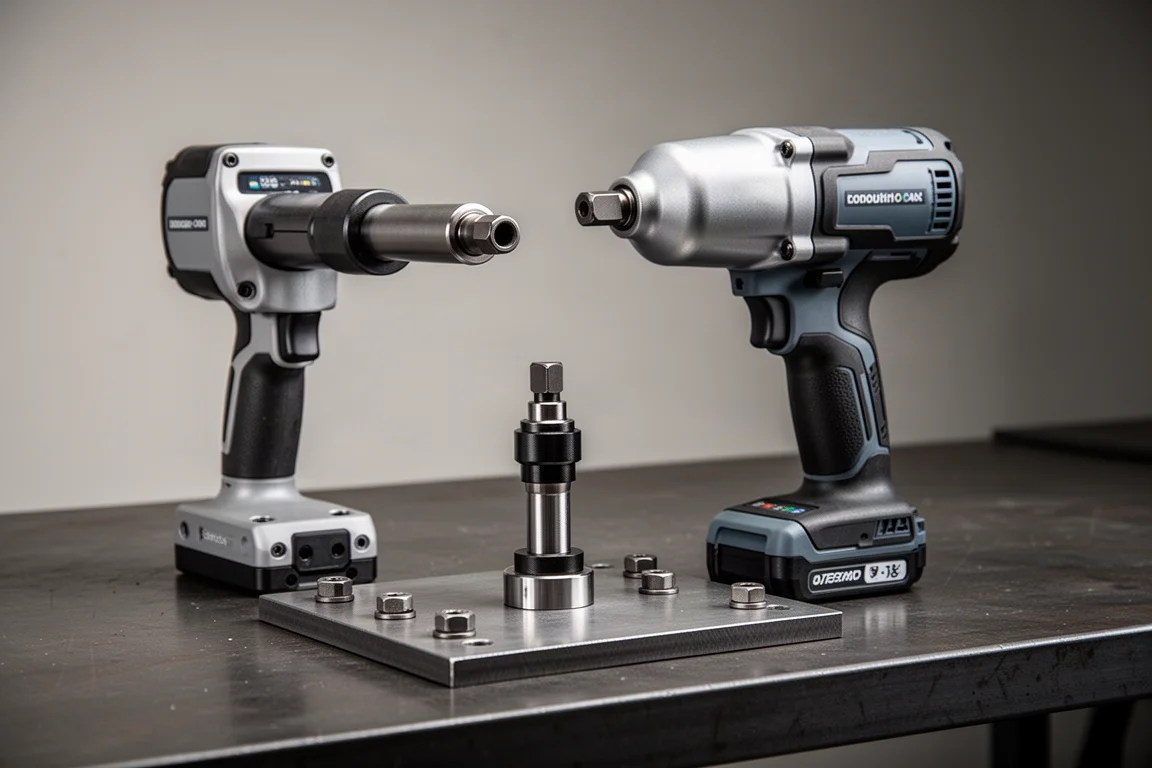
Also keep the upper limit in mind. The unit is rated to 1,000 ft-lb, and most impact tools tested delivered between 65 and 85 percent of their manufacturer-rated torque. So a 1,200 ft-lb impact wrench may actually read somewhat below 1,000 ft-lb on the tester. Accuracy is only guaranteed within that 1,000 ft-lb range, which is exactly what the L1000 name refers to.
Setup and Stability
Mounting matters. The tester should be attached to something solid, and the optional steel plate sold by Inertia Torque is worth getting if you need to install onto wood. It gives the tester a stable, solid platform so the surface underneath is not absorbing the torque you are trying to measure.
Calibration, Maintenance, and Long-Term Ownership
This is a precision instrument and it needs annual calibration. The process is straightforward: send it back to Inertia Torque once a year. At the same time they perform maintenance, checking the grease and inspecting for any worn parts that need replacing. Calibration costs 100 dollars and takes two to three days to turn around.
The one real downside is weight. This is a heavy product, so shipping it back will cost you a bit at the post office.
Pricing and Where to Buy
The basic unit with the standard gauge is 1,250. The recommended digital gauge package is 1,500. Additional adapters are 125 dollars each, and the steel mounting plate is 200. If you want everything in one package: 18.25 hundred (1,825) with the standard gauge, or 2,075 for the setup shown here with the digital gauge and all three adapters.
The L1000 is sold exclusively direct from Inertia Torque’s own site, so that is the only place to order it.
Conclusion
The Inertia Torque L1000 is a credible, purpose-built answer to a problem most shops have ignored: verifying what impact wrenches actually deliver. With a ±1% rated accuracy, forward and reverse testing, easy adapter swaps, and a sensible annual calibration program, it earns its place in a serious workshop. The 1,000 ft-lb ceiling and the cost of shipping a heavy unit back for calibration are the main trade-offs, but for anyone who depends on accurate impact torque, this is an easy recommendation.
Product link
View more details for Inertia Torque L1000
This product is mentioned in the review. Check the specifications, options, and compatibility before buying.
View more details for Inertia Torque L1000Further reading
Related Reviews

Workshop Tools
Best Drill Tap Sets 2026: Top Picks Tested for Speed and Strength
We tested 17 drill tap sets to find the fastest drilling, strongest threading, and most durable options for your workshop.

Workshop Tools
Cool Shop Tools 2026: Five Clever Upgrades Worth a Closer Look
A practical look at five workshop tools that solve real problems, from smarter drill bits to a safer table saw guard.

Workshop Tools
Cool Tools for the Workshop: Five Smart Upgrades Worth Trying
A practical look at five workshop tools that make measuring, drilling, marking, and sawing easier, from a clever square to a top-tier bandsaw fence.