Power Tools
Impact Wrench Drive Adapters: How Much Torque Do You Actually Lose?
Test data from a full year of impact wrench runs shows what square drive adapters really cost you in torque, and where they hold up fine.
Introduction
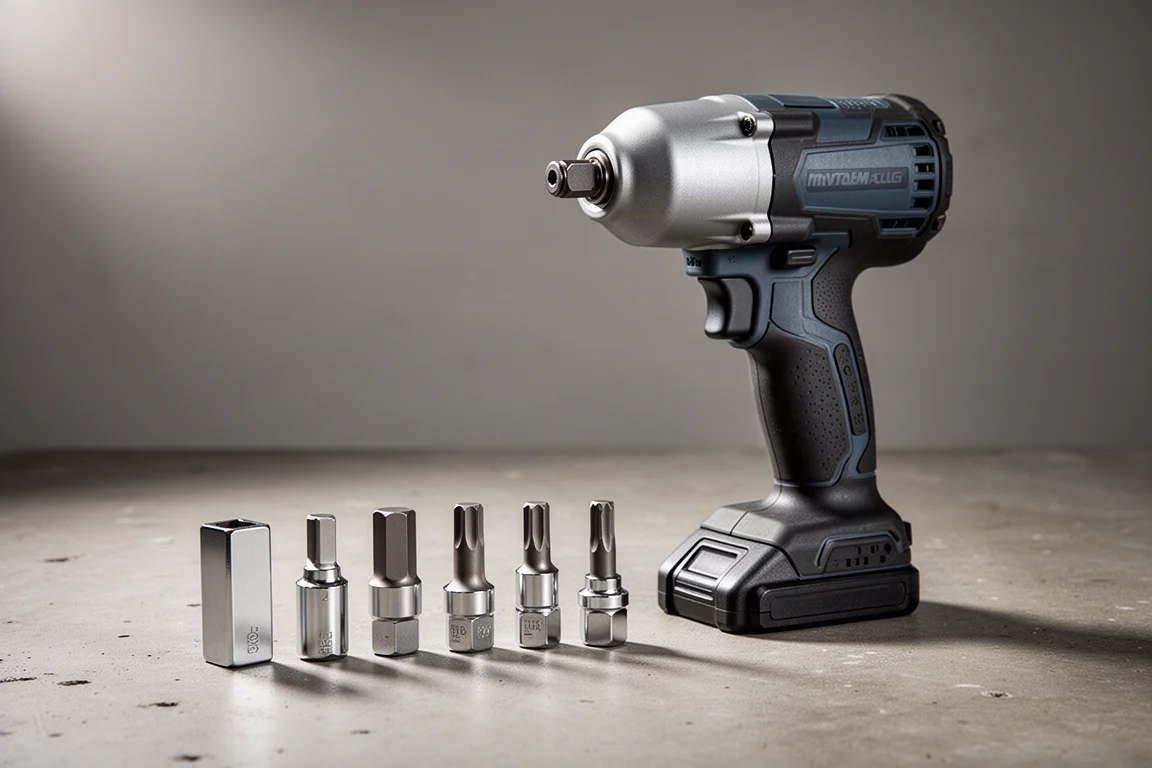
If you have ever needed to run a socket that only exists in a different drive size than your impact wrench, you have probably reached for a square drive adapter. The question is simple: how much torque, if any, do you give up by doing that?
After a full year of periodic testing across multiple brands of corded, cordless, and pneumatic impact wrenches, the answer is now backed by hard numbers. The short version: adapters always cost you something, and in the worst cases they cost you a lot, or break entirely.
Why Adapters Enter the Picture
The scenario is familiar. You have a large impact wrench and need to use a smaller drive socket, or you have a smaller impact wrench and need to run a larger specialty socket that nobody makes for your drive size. So you snap on an adapter and hope for the best.
Two questions matter here. First, can the adapter actually get the job done? Second, would an impact wrench with the correct drive size have done it better? The data below addresses both, with representative results from a wide range of tools.
Going Down in Drive Size: Half-Inch to Three-Eighths
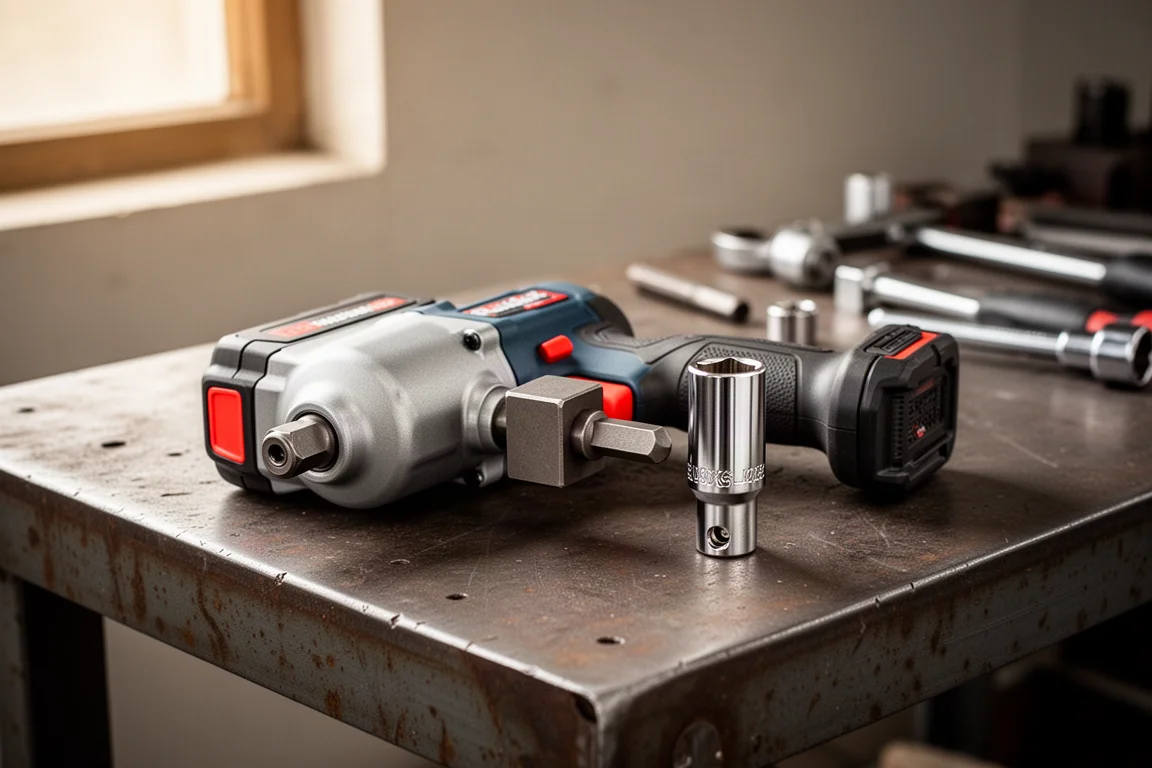
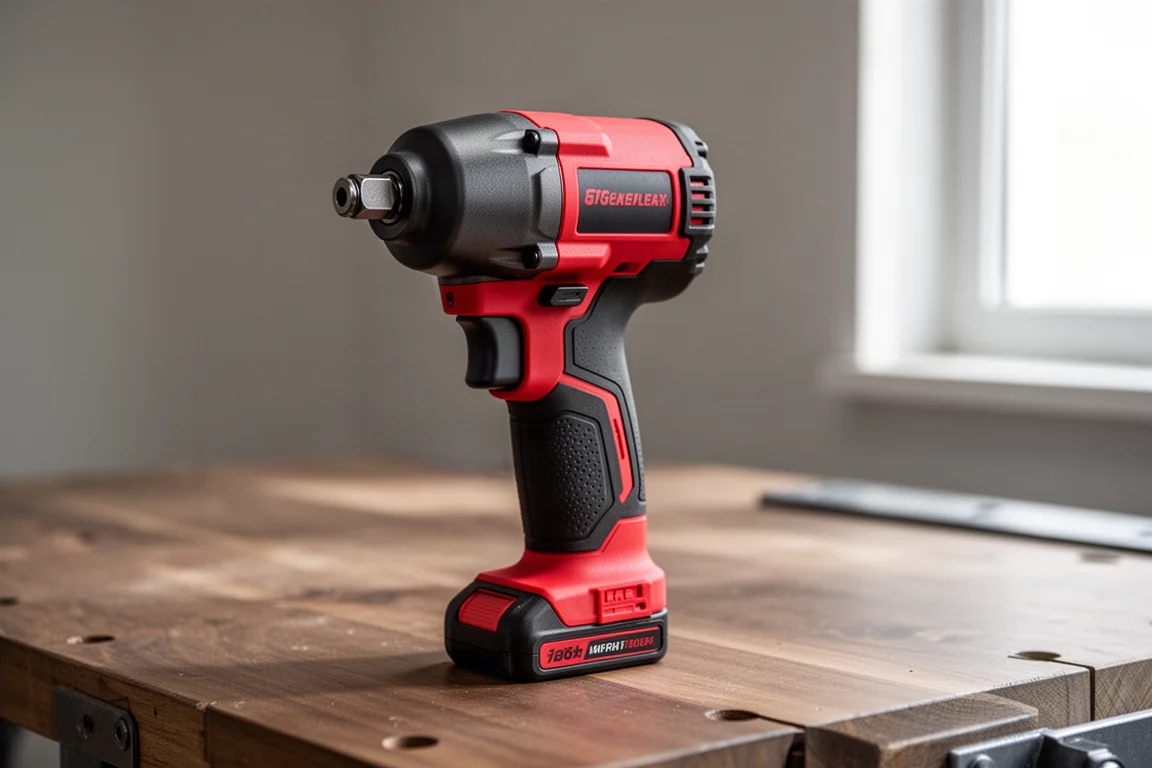
Starting with a Milwaukee 3/8-inch mid-torque, which produced a baseline of 479 ft-lbs, one of the most powerful outputs seen in that class. Fitting a 3/8-inch to half-inch Harbor Freight Pittsburgh impact adapter dropped the output to 349 ft-lbs, a loss of about 27 percent.
That is a huge drop, and smaller 3/8-inch drive impacts tested with the same setup showed losses of around 20 percent or higher. In practical terms, it is like turning a $230 mid-torque into a $110 budget model.
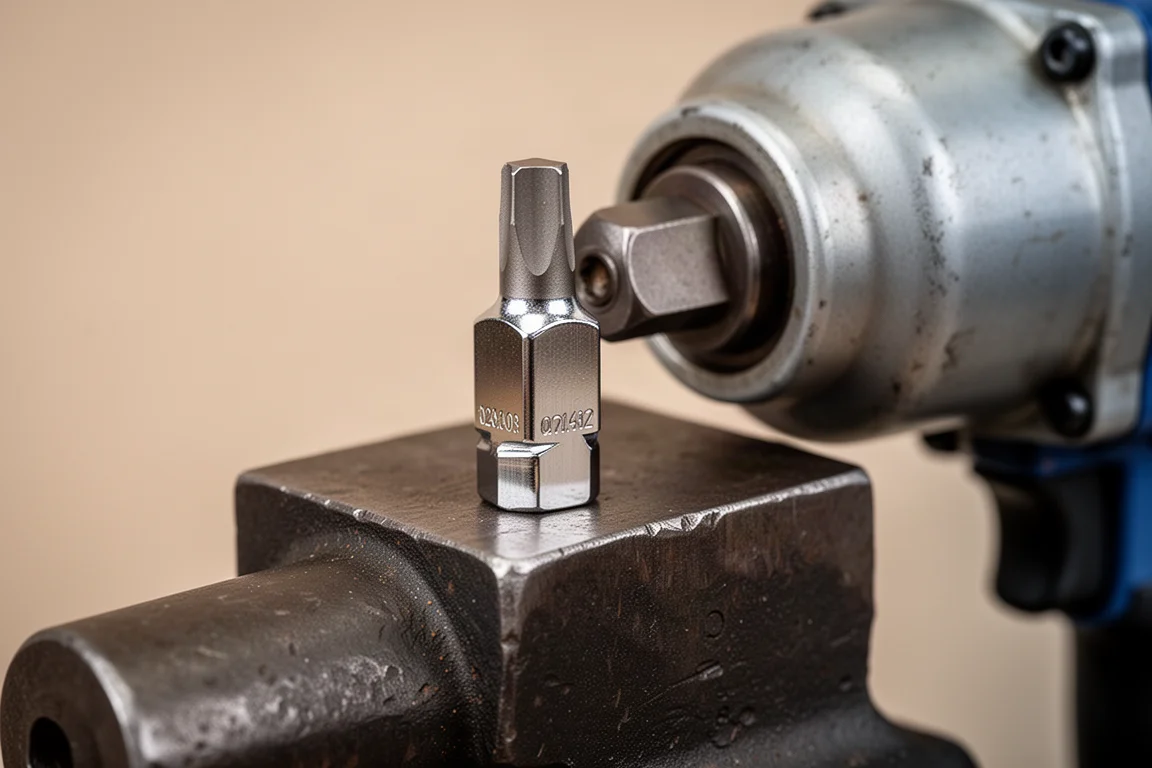
Running the same class in reverse tells an equally interesting story. The Milwaukee 2962-20 half-inch mid-torque, fitted with a half-inch to 3/8-inch adapter, managed just 258 ft-lbs. Here the problem is not efficiency but survival: half-inch to 3/8-inch adapters of every brand tested tend to fail between roughly 170 and 210 ft-lbs by hand torque, or 240 to 350 ft-lbs with an impact wrench. Some survive, one exceptional run reached 419 ft-lbs from a 451 baseline, but it is a luck-of-the-draw situation across chromoly, CRV, and premium-brand adapters alike.
Going Up in Drive Size: Half-Inch to Three-Quarter
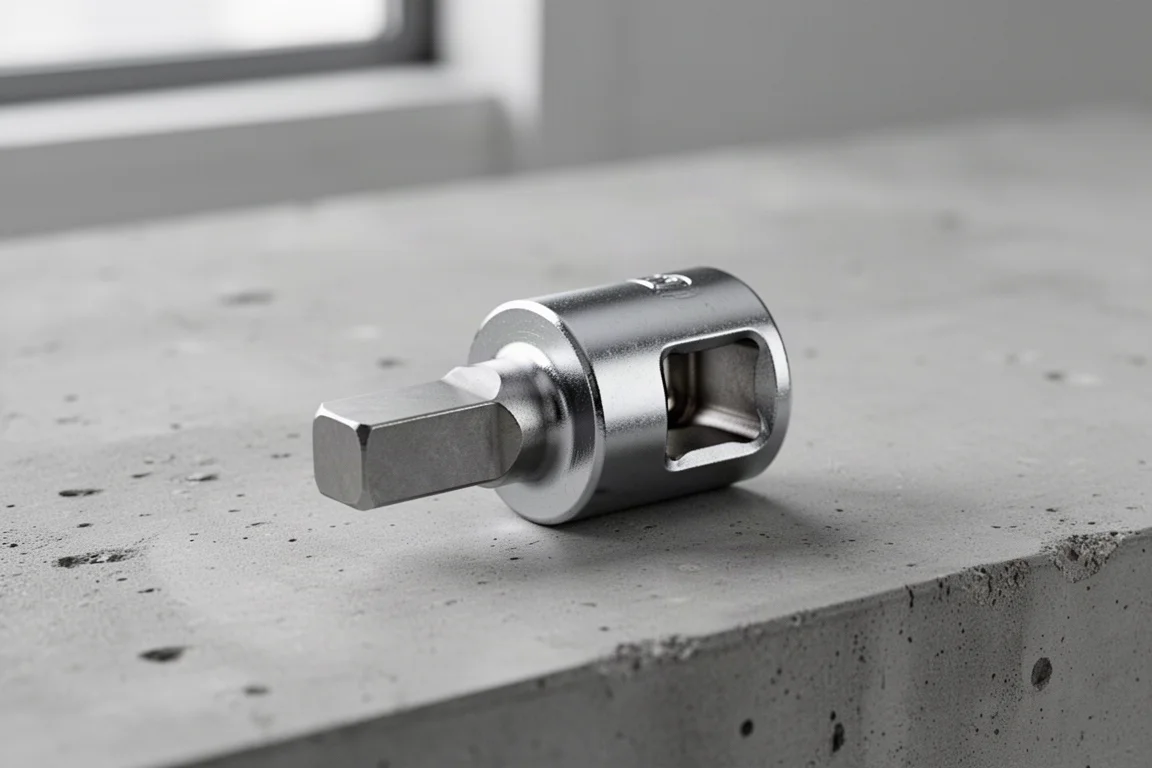
Adapting upward from half-inch to 3/4-inch drive told a different story. The half-inch Milwaukee produced 421 ft-lbs with the adapter, only about 7 percent below its unadapted output, and the adapter survived repeated runs. Many large 3/4-inch sockets have no half-inch equivalent, so this is one of the more legitimate adapter use cases. The losses are noticeable but not criminal, and you may not even feel them in use.
A Quick Note on Three-Quarter Inch Air Guns
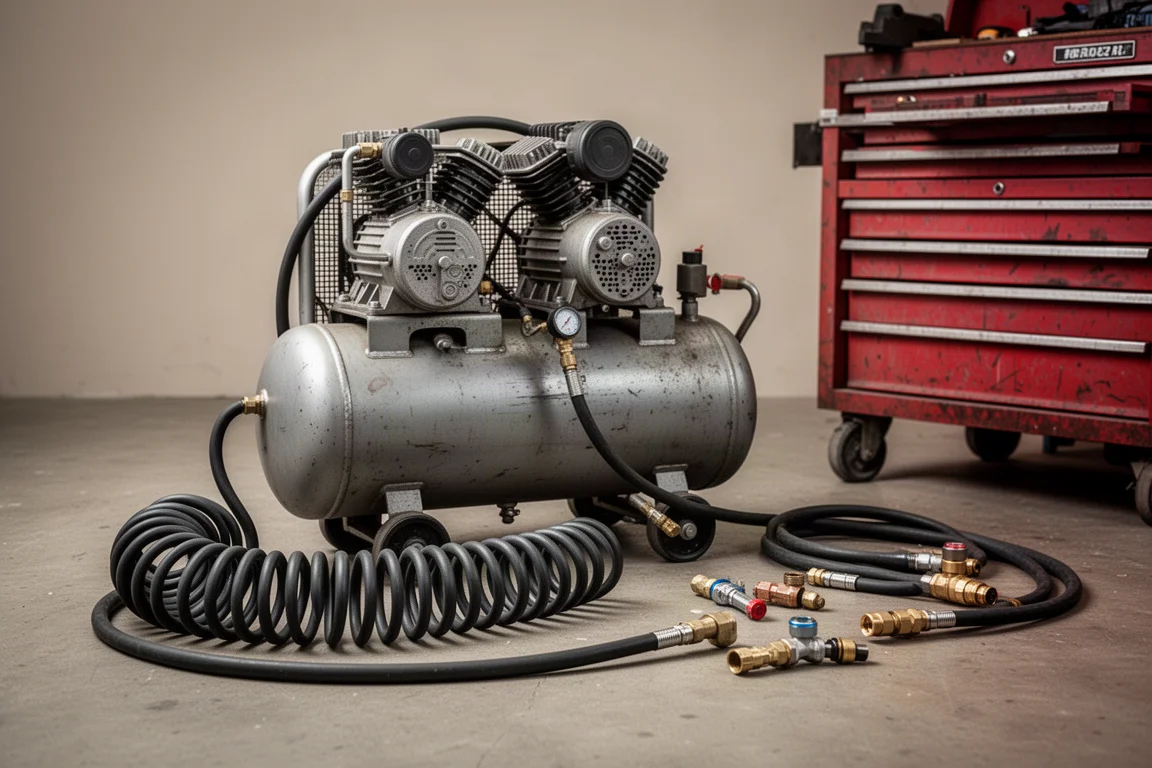
Testing also covered 3/4-inch pneumatic impact wrenches, and the results carry a caveat. Even with a serious shop compressor, large-diameter hard-piped airlines, and no fittings between the regulator and the gun, maintaining the manufacturer-specified 90 psi dynamic running pressure proved impossible. A 3/4-inch air gun managed 760 ft-lbs in a ten-second test, which is respectable but well short of what the spec pressure should deliver.
This is why many shops never see the advertised numbers from 3/4-inch air guns. It also highlights where 3/4-inch cordless tools shine: no air hose, no pressure drop, no compromise.
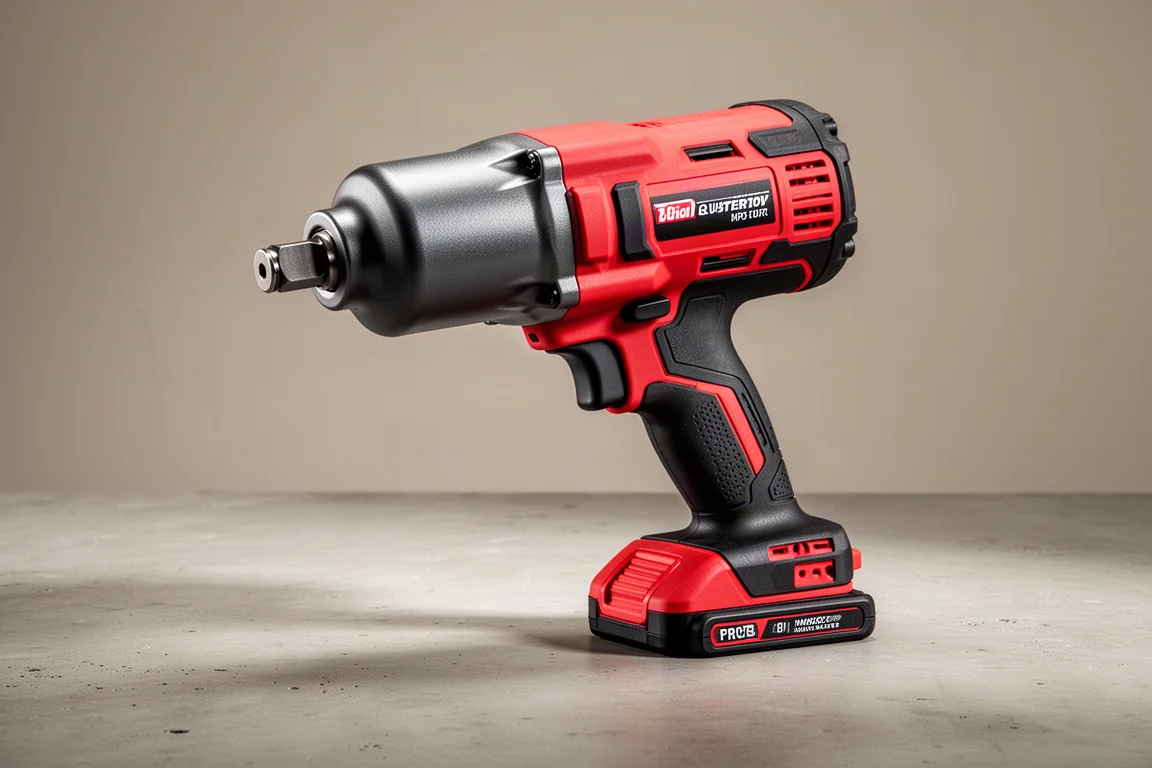
The Milwaukee 2864-20 3/4-inch cordless produced 742 ft-lbs in standard form. With a half-inch reducer adapter fitted, it dropped to 602 ft-lbs, a 19 percent loss. That is more than expected at this size, but the adapter itself held up reliably across multiple projects. Part of the loss appears to come from added vibration, a precession-like wobble at high speed that the larger anvil normally prevents, which likely makes the hammer assembly work less efficiently.
One-Inch Impacts and Two-Step Step-Downs
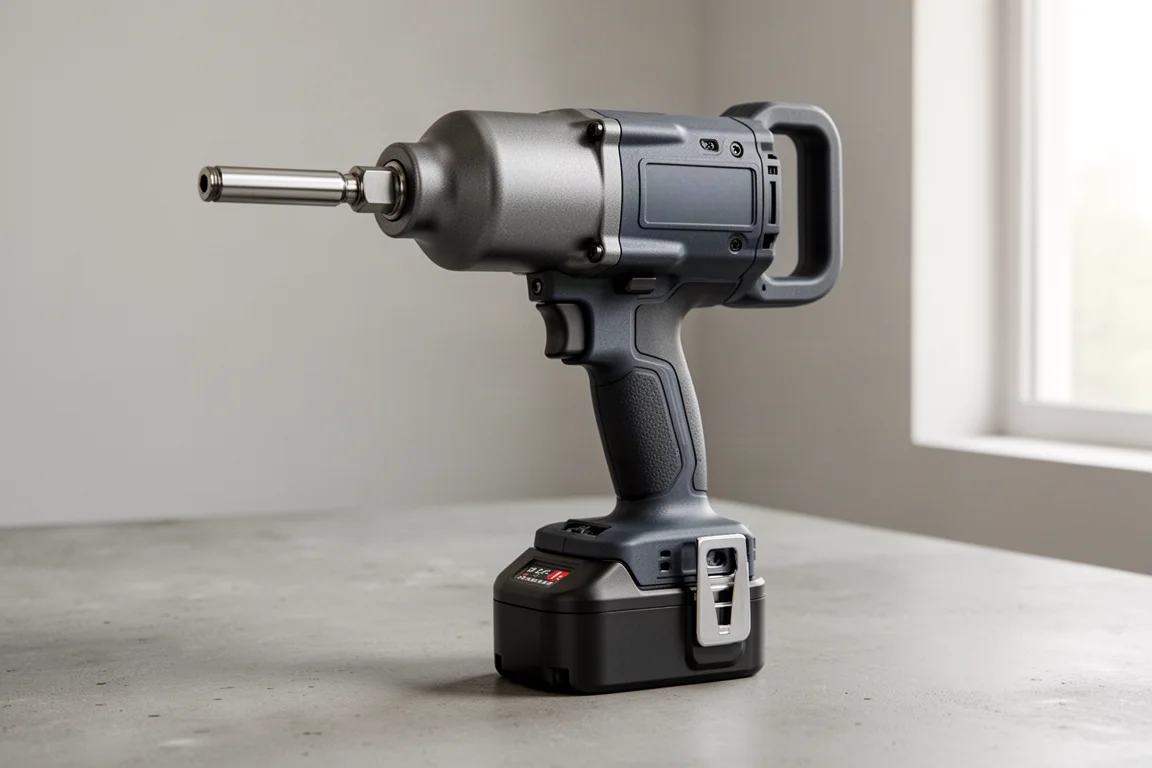
At the top of the range, the Milwaukee 2868-20 one-inch D-handle, run with an HD 12.0 battery, was tested with a one-inch to 3/4-inch adapter. Its working torque dropped to 684 ft-lbs, a 20 percent loss. The gun felt the same in use, but the power was simply not translating efficiently.
The real desperation move is a one-inch to half-inch adapter, a two-size step down. Output fell to 587 ft-lbs, roughly 100 ft-lbs below the 3/4-inch reducer and a full 32 percent loss. It survived three runs, but at this end of the spectrum every use deserves a heavy dose of crossed fingers and a face shield.
Should You Buy the Right Drive Size Instead?
Across four Milwaukee impact wrenches and three classes of tools, the pattern is clear: adapters always cost torque, ranging from a tolerable 7 percent on upward adapters to 32 percent on aggressive step-downs. Similar losses appeared with 3 to 8 inch impact extensions as well.
The practical takeaway: if your gun wobbles and bucks noticeably with an adapter fitted, expect to lose even more than these numbers suggest. When a specific large socket matters regularly, buying the correct drive size tool is almost always the better investment.
Conclusion
Impact adapters are not useless, but they are never free. Half-inch to 3/4-inch reducers deliver respectable results and good durability. Half-inch to 3/8-inch adapters are a gamble on both torque and survival, and extreme multi-size step-downs should be reserved for genuine emergencies. Match the drive size to the job whenever you can, and treat adapters as a stopgap rather than a solution.
Further reading
Related Reviews
Power Tools
Best 1-Inch Pistol Impact Wrenches: Three Heavy-Duty Options Compared
We compare three 1-inch pistol impact wrenches, from a budget-friendly Harbor Freight model to a premium Caterpillar unit, to help you choose the right one.
Power Tools
Best 3/4-Inch Impact Wrenches 2026: Five Contenders Compared
We compare five 3/4-inch impact wrenches across price and performance, from a budget Amazon option to Snap-on's most powerful model yet.
Power Tools
Best Budget Cordless Tools 2026: Walmart Finds That Punch Above Their Price
We tested five cordless tools from Walmart, including a high-torque impact wrench that trades blows with Milwaukee and a $35 duster that outperforms its price class.