Hand Tools
Impact Poly vs Snap-on Dead Blow Hammers: A Hands-On Comparison
Two dead blow hammers we keep reaching for, with real weight measurements, head comparisons, and notes on temperature range and design.
Introduction
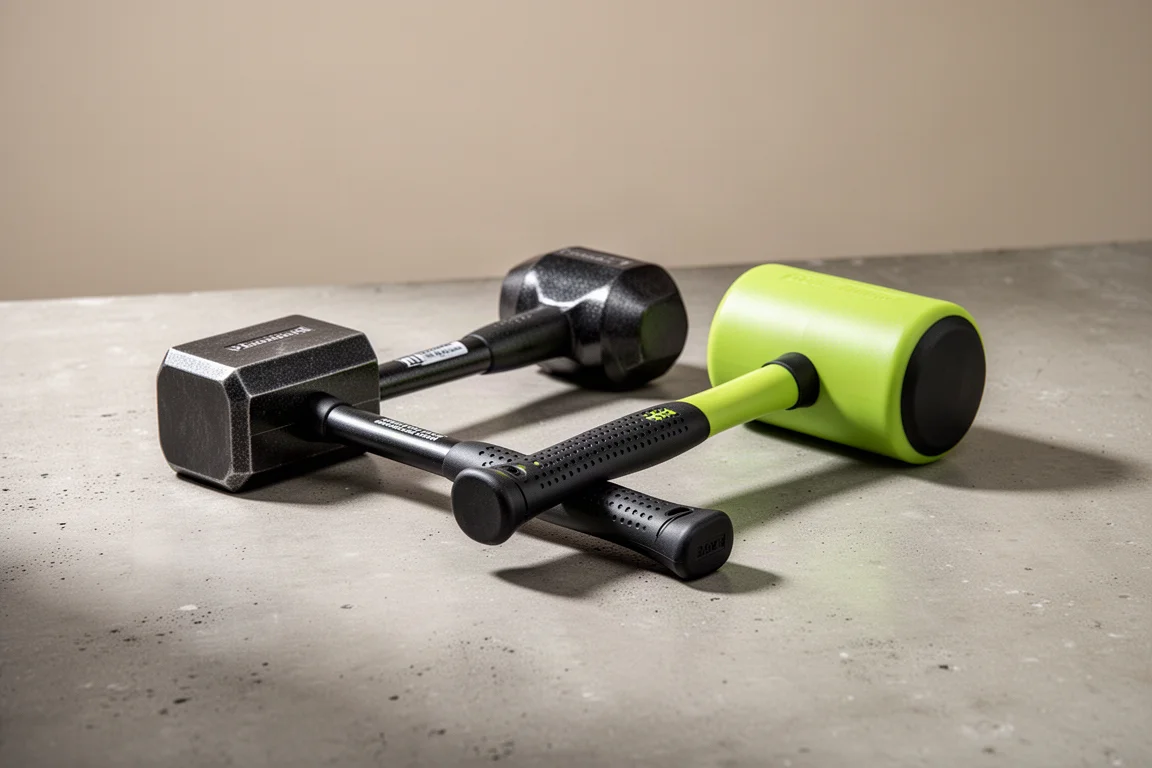
Some tools earn their place on the bench simply because you keep grabbing them. That is exactly what happened with two dead blow hammers here: the Impact Poly Hammer from Saskatoon, Canada, and a Snap-on dead blow. Both are hot cast or molded polyurethane designs with heavy steel cores, and both have proven themselves across woodworking, mechanical work, and antique furniture restoration.
Why These Two Hammers Stand Out
Impact Poly Hammers is a Canadian company out of Saskatoon that focuses its hammer business on dead blows cast in hot polyurethane with heavy steel inside. That construction approach matters. Many companies making plastic or polyurethane hammers rely on injection molding, which is a different process and, in practice, a different feel.
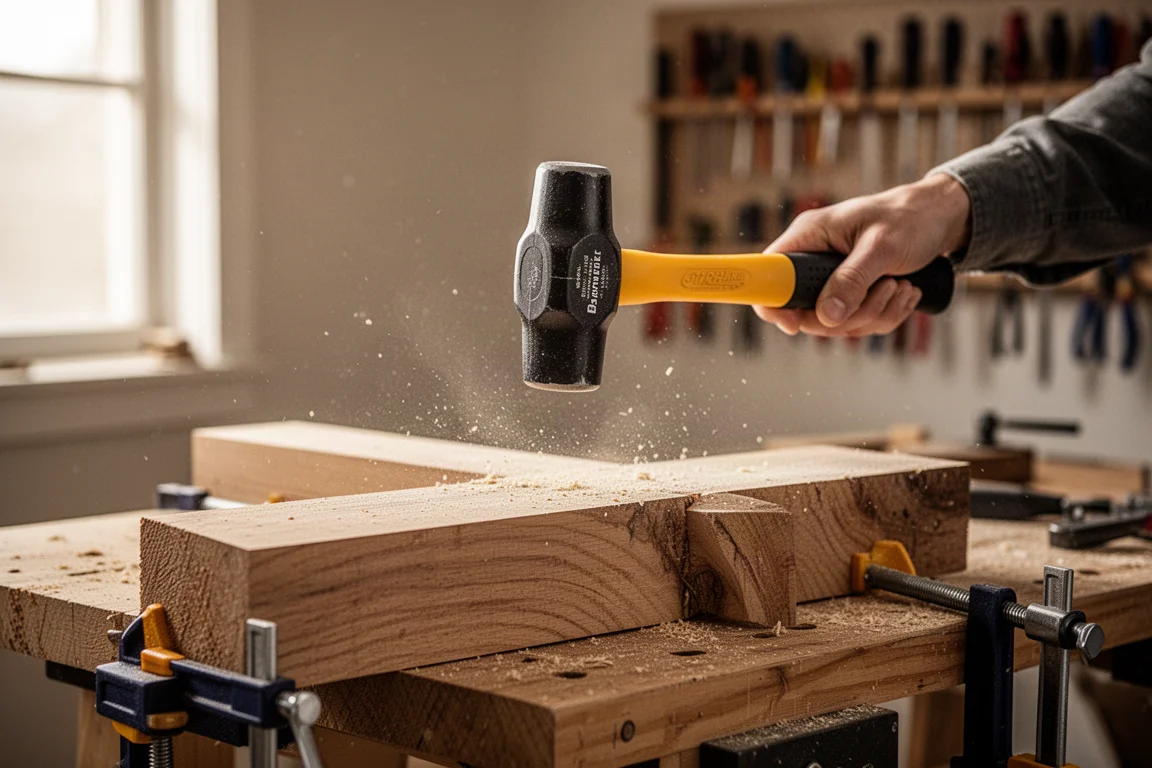
The material also deadens the strike noticeably, which is exactly what you want when seating parts or working on softer materials. Snap-on, meanwhile, is well known for its dead blows, so pairing the two makes for an honest comparison.
Impact Poly Hammer: The Woodworker’s Choice
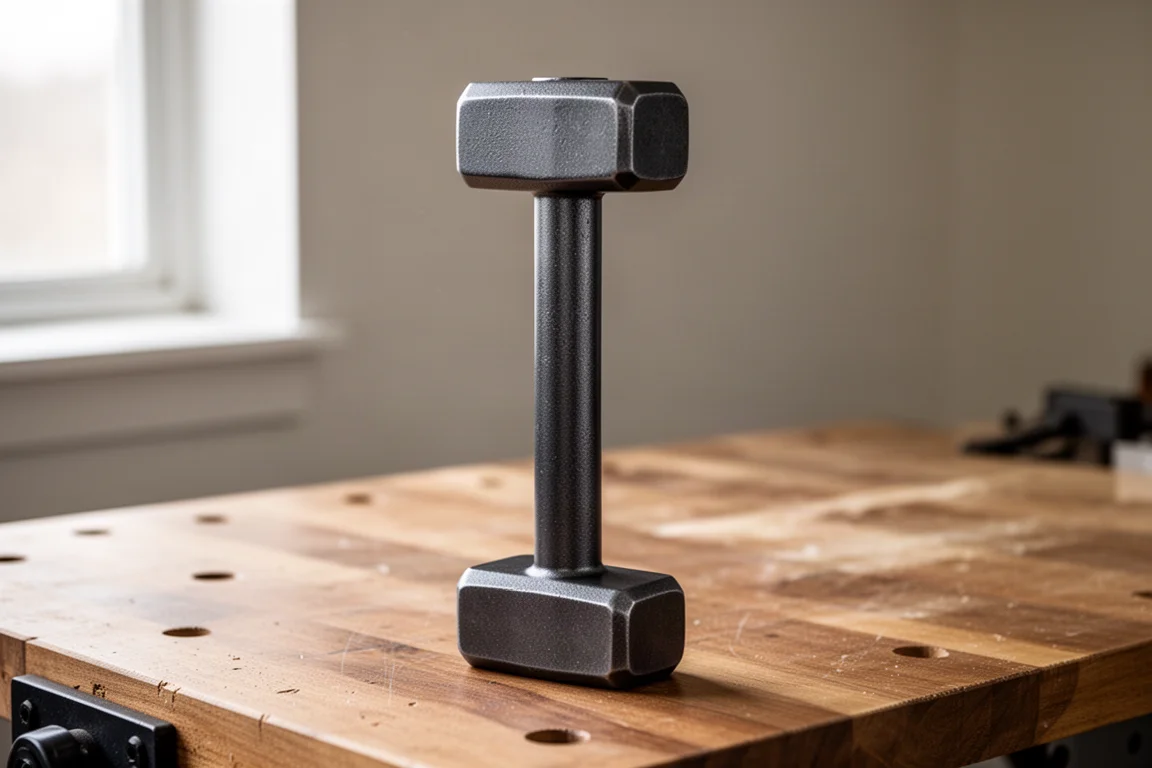
The Impact Poly Hammer with the classic square head is the one that comes out for woodworking and antique furniture restoration. There is something appealing about a vintage-style square head on a modern polyurethane tool. It is non-marring, elegantly simple, and essentially a block on a stick, which is where the hammer started. The square head makes it easy to place force precisely, and when you need bulk impact, there is plenty of strong force behind it. The larger face has even been used on occasion, and the flat spot on the design lets the hammer stand upright when set down.
Snap-on Dead Blow: The Mechanical Workhorse
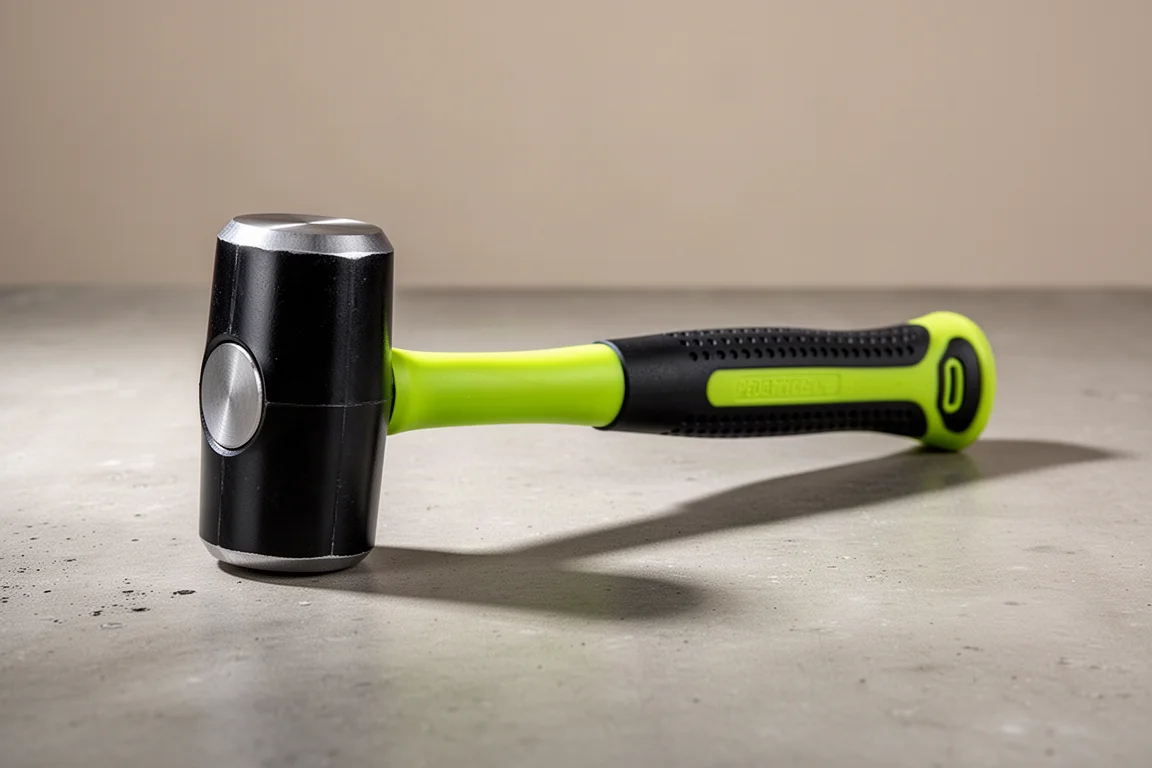
The Snap-on is the hammer grabbed more often for mechanical applications. It feels good in the hand and delivers the kind of strike force you want when working on metal assemblies and general shop tasks. One caveat worth knowing: Snap-on dead blows can melt under extreme heat, and that damage is not covered. On the other end of the thermometer, one of these lives out in the garage and has proven good down to about minus 30, Fahrenheit or Celsius, where the distinction stops mattering. It is genuinely cold, so care with any plastic tool at that temperature is wise, but for working in the garage on really cold days the design holds up.
The Weight Question: What the Scale Says
Here is where it gets interesting. The Impact Poly is labeled a 14 oz dead blow, and the Snap-on comes in two sizes: a 20 oz and a 10 oz. On the scale, the 14 oz Impact Poly actually weighed about 19.5 oz. The 20 oz Snap-on came in at 17.2 oz, a little on the light side for its label, while the 10 oz Snap-on registered 11 oz, close to its rating.
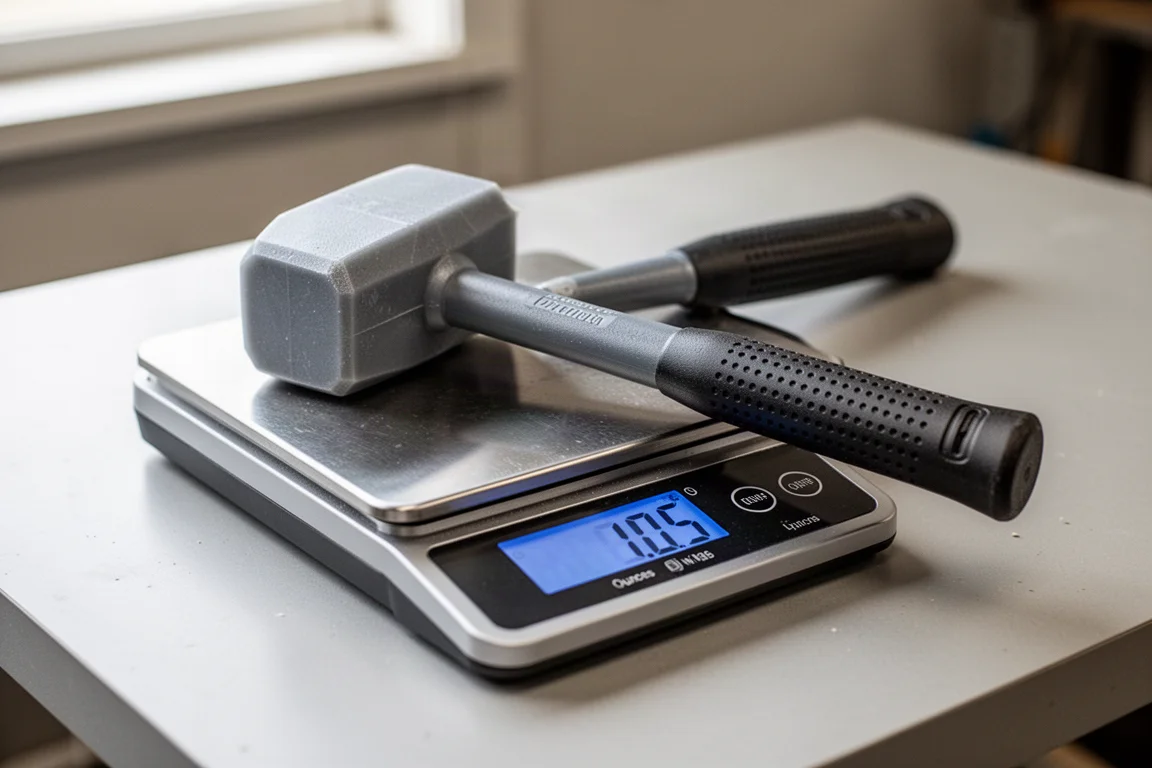
But total weight only tells part of the story, so a breakdown between head and handle seemed worthwhile, accounting for handle length. With the head centered on the scale and a level used to balance the hammer evenly, the Impact Poly head weighed roughly 13.8 oz, remarkably close to its 14 oz label. The 20 oz Snap-on head came in around 13.7 oz, almost identical to the Impact Poly despite the very different head ratings. The small 10 oz Snap-on head measured 8.2 oz, coming in under its stated figure.
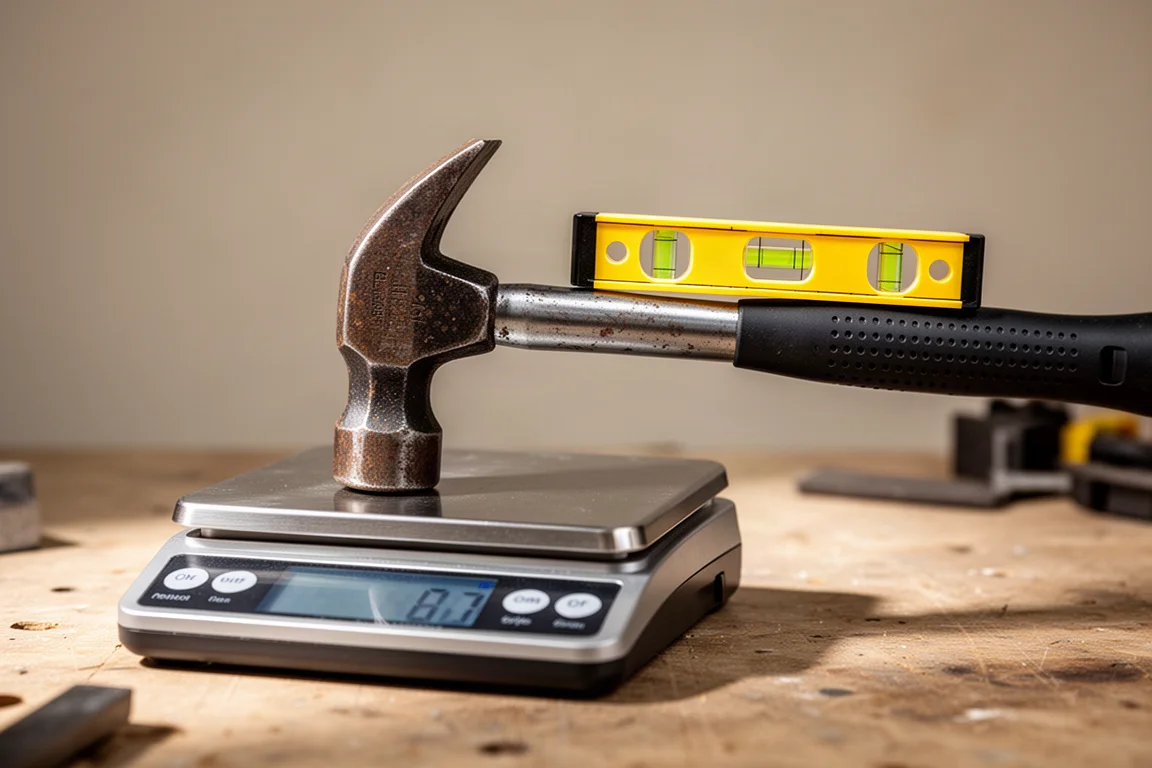
So the two 20 oz and 14 oz hammers have nearly identical heads; the difference is mostly in how each company reports weight. Whether that matters depends on what you want, since what counts in use is the feel and the amount of strike force you actually generate.
Cold Weather and Everyday Practicality
Beyond the numbers, both hammers have settled into clear roles. The smaller Impact Poly travels in kits and has proven an outstanding hammer on the go, while the square head version is the go-to in the shop for anything wooden. It simply feels good in the hand, the square head makes force placement easy, and there is real bulk impact available when needed. The flat spot that lets it stand upright is a small but appreciated touch, and a magnet can even help keep it upright on a steel surface.
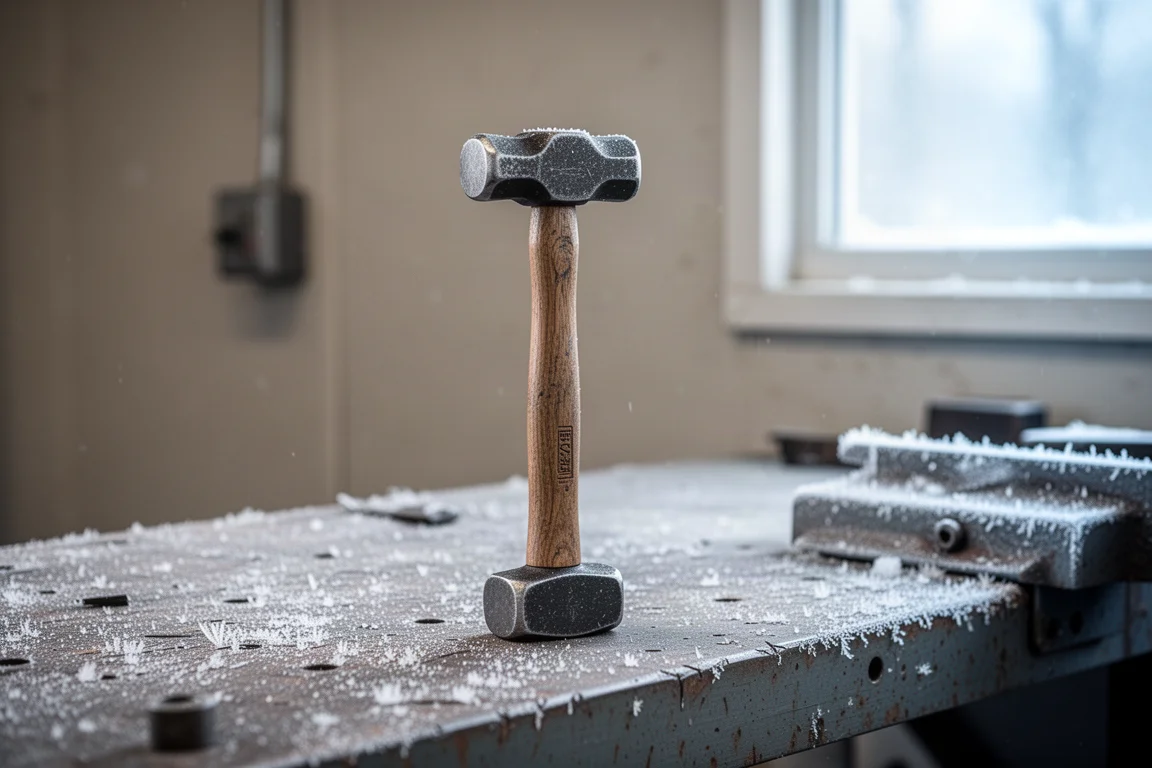
The temperature tolerance is worth repeating for anyone who keeps tools in an unheated garage: the Impact Poly has been good down to about minus 30, which covers the coldest mornings most people will ever work through. Just handle any plastic tool gently at that kind of temperature.
Conclusion
Both hammers earn their spots. The Impact Poly Hammer stands out for woodworking, antique restoration, and anyone who appreciates a classic square head on a modern non-marring tool, with head weight that matches its label almost exactly. The Snap-on dead blow is the natural pick for mechanical work, with a proven temperature range and a trusted name behind it, though its head rating runs a little optimistic and extreme heat can damage it uncovered. If you have a favorite dead blow or know more about how these hammers are actually measured, the labels clearly do not tell the whole story.
Further reading
Related Reviews
Hand Tools
Best Diagonal Cutters 2026: 16 Pliers Tested for Cutting Power and Durability
We put 16 diagonal cutters through nail, screw, drill bit, and hex key tests to find the best value picks for your toolbox.
Hand Tools
Best Hex L Key Sets 2026: Nine Sets Tested for Real-World Torque
Nine hex L key sets from budget to premium, tested for torque, fit, and durability. See which sets deliver real performance and which ones to skip.
Hand Tools
Best Locking Pliers 2026: Top Picks Tested for Grip and Durability
We tested 18 brands of 10-inch locking pliers for grip strength, jaw bite, build quality, and ease of release to find the best options for tough jobs.