Flashlights
Imalent MS18 vs Imalent MS03: Testing the World's Brightest Flashlight Claims
We put the 100,000-lumen Imalent MS18 and the 13,000-lumen MS03 EDC light through real output testing, heat checks, and durability tests to see if their bold claims hold up.
Introduction
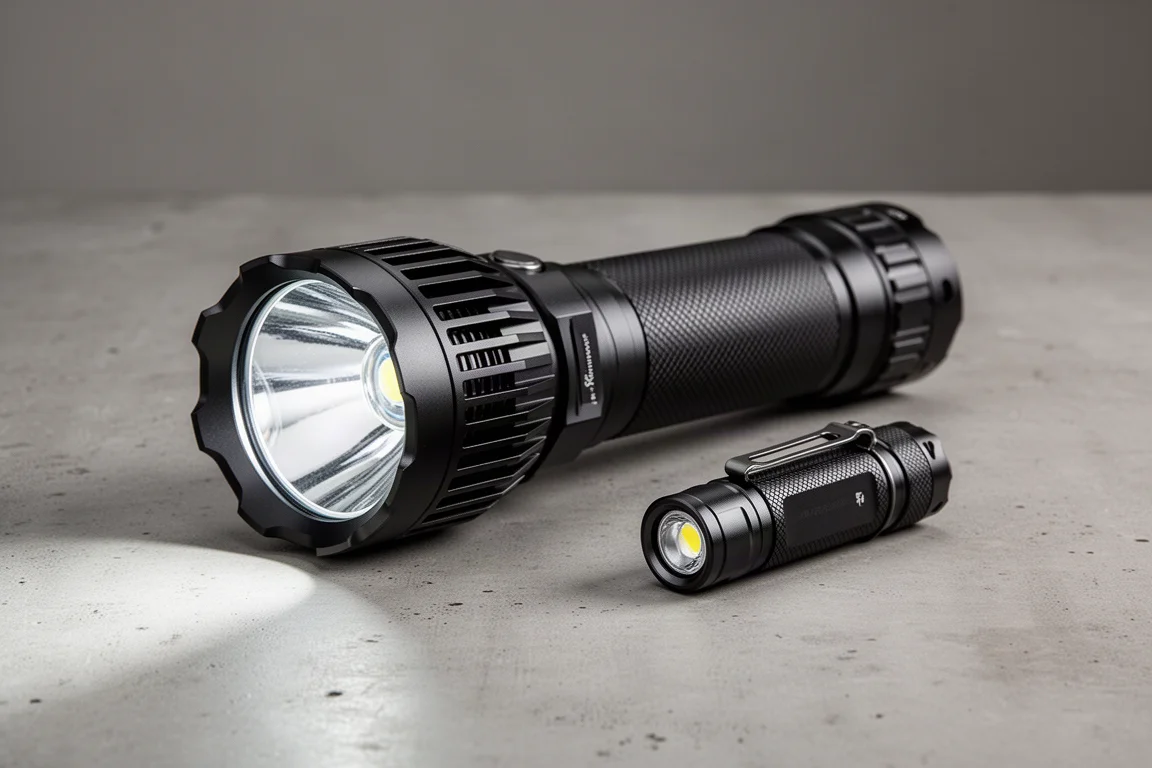
During earlier lumen-claim testing of budget no-name flashlights, one question kept coming up: what about a light that actually delivers on its sky-high numbers instead of faking them? That question led to two Imalent models. The Imalent MS18 is sold as the world’s brightest flashlight with a 100,000-lumen rating, and the Imalent MS03 claims to be the world’s brightest EDC, or everyday carry, light at 13,000 lumens. Both were tested for real output, heat, and durability. Here is how they performed.
Evaluation Criteria
Testing used a calibrated home-built light integration sphere, cross-checked against real lab measurements. Output was measured at the first second of activation, through the ANSI 30-second rating mark, and beyond. Heat, voltage sag, build quality, and durability also factored into the verdicts.
The Big One: Imalent MS18
The MS18 looks the part compared to the $40 and $50 lights it was measured against, and it should at its usual price of around $670 to $700. It carries a digital readout showing mode and lumen levels, and a removable battery tube measured at 16 volts, essentially two packs of four 21700 cells inside.
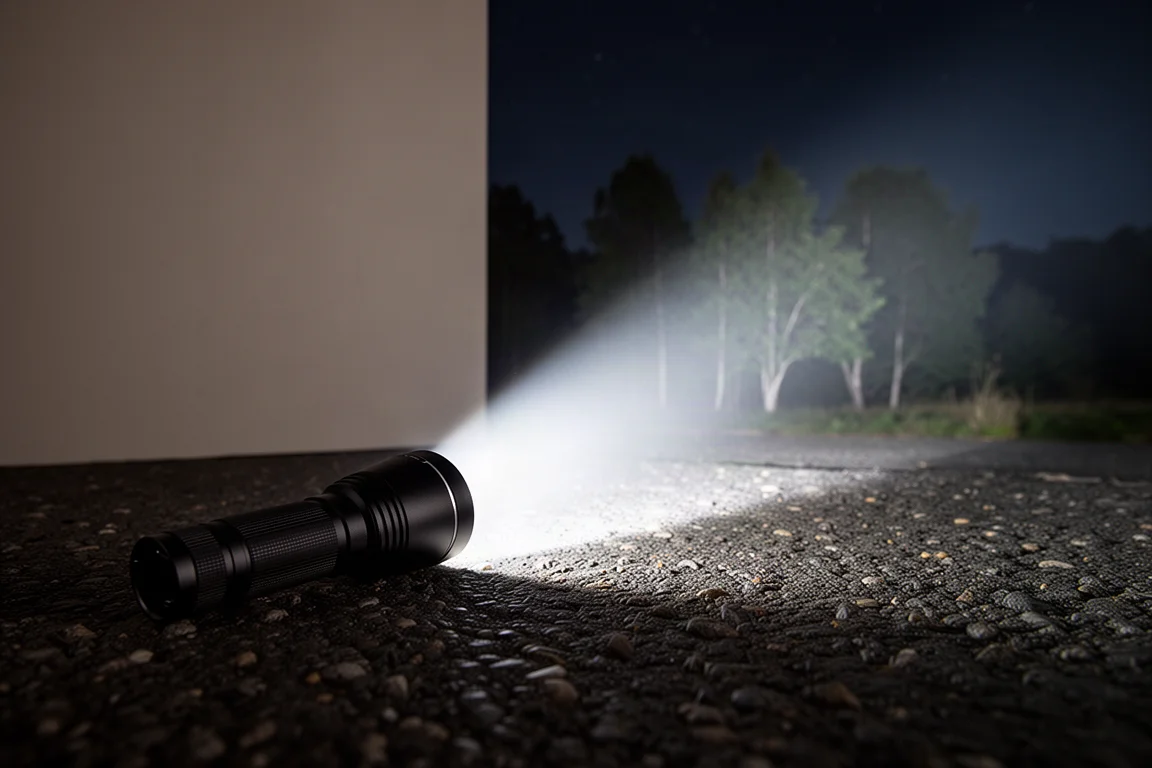
In the sphere, it peaked at 108,000 lumens on activation, then dropped below 100,000 within six seconds. At 30 seconds it read roughly 70,000 to 74,000 lumens, close to the rated maximum of its LED chips once voltage sag and heat set in.
How 18 Cree Chips Handle Heat
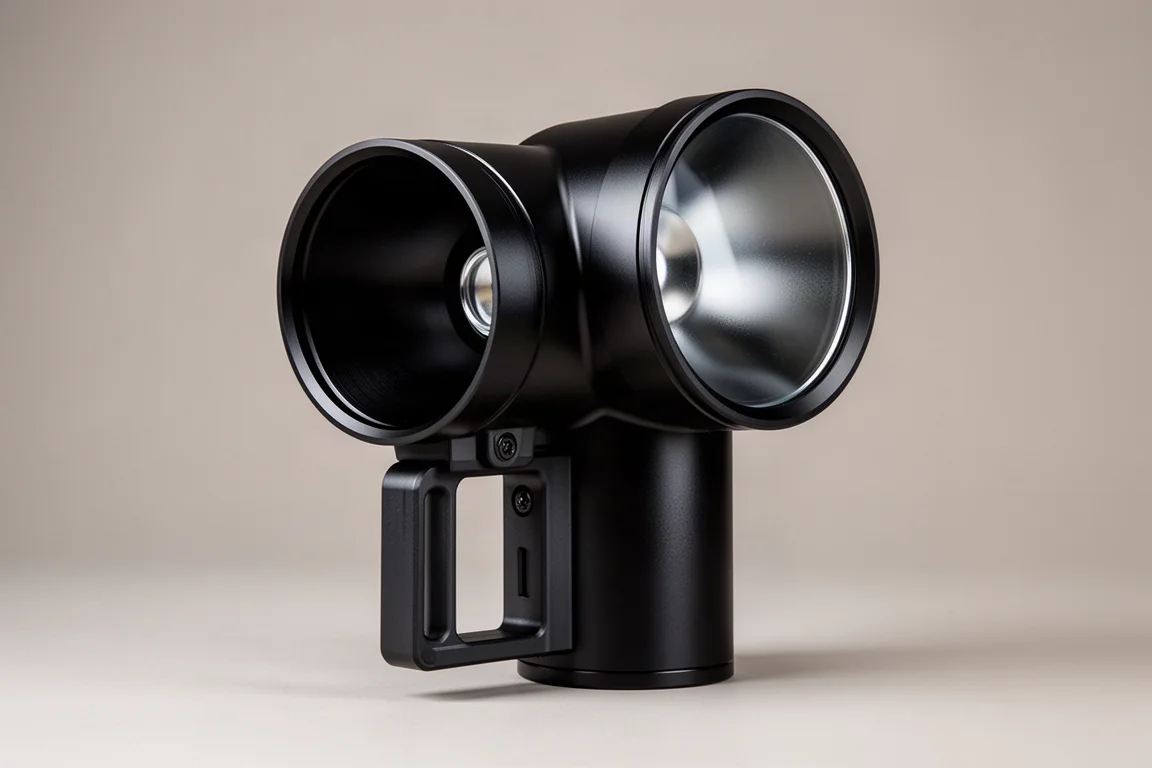
The MS18 uses 18 genuine Cree XHP70.2 high-power chips, which pull a massive amount of current and generate serious heat. Because of that, the light includes its own finned heat sink, heat tubes, and an integrated fan to push air through the housing.
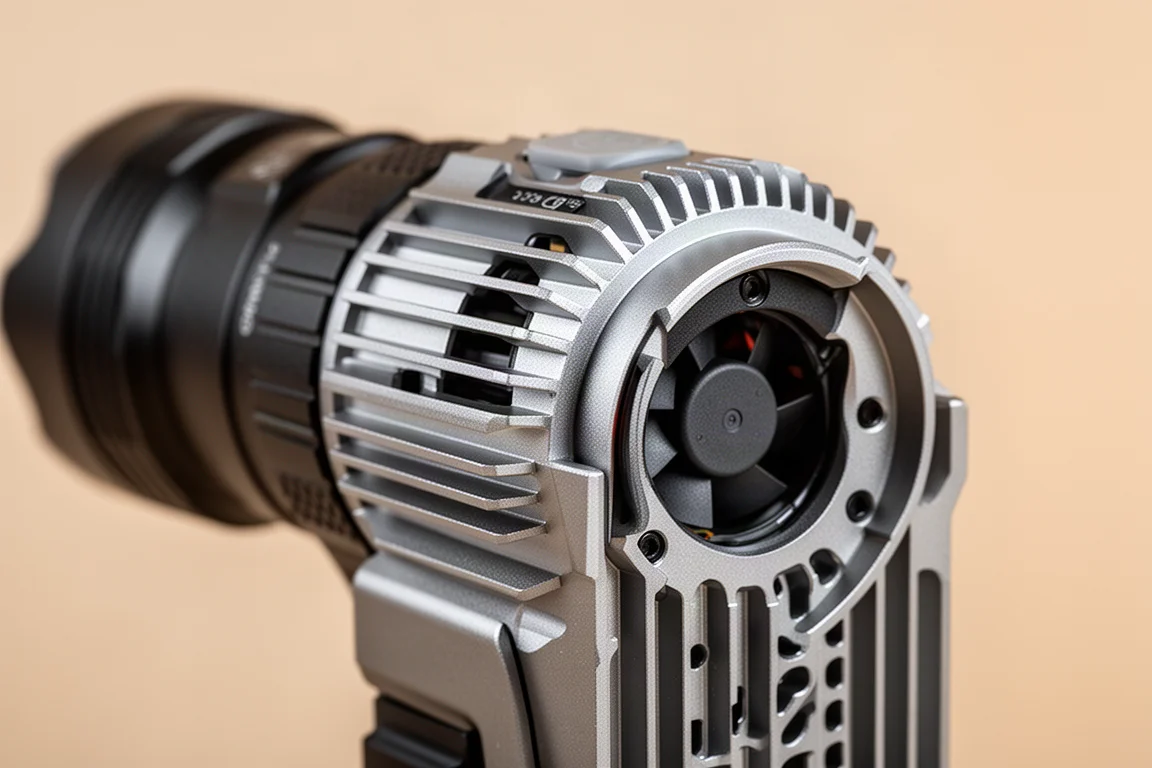
Even with the fan at full blast, the light climbed past 160 degrees Fahrenheit after running at maximum for a few minutes, and the pack voltage sagged from full charge down to 15.4 volts. Managing heat is simply part of owning a light like this.
The Pocket Rocket: Imalent MS03
The MS03 runs on a single removable 21700 cell, recharges over USB-C, and claims 13,000 lumens, far beyond the usual 1,000 to 1,500-lumen EDC class. It costs about $130, which makes it expensive for the category, though high-output lights in this class commonly cost similar amounts for fewer lumens.
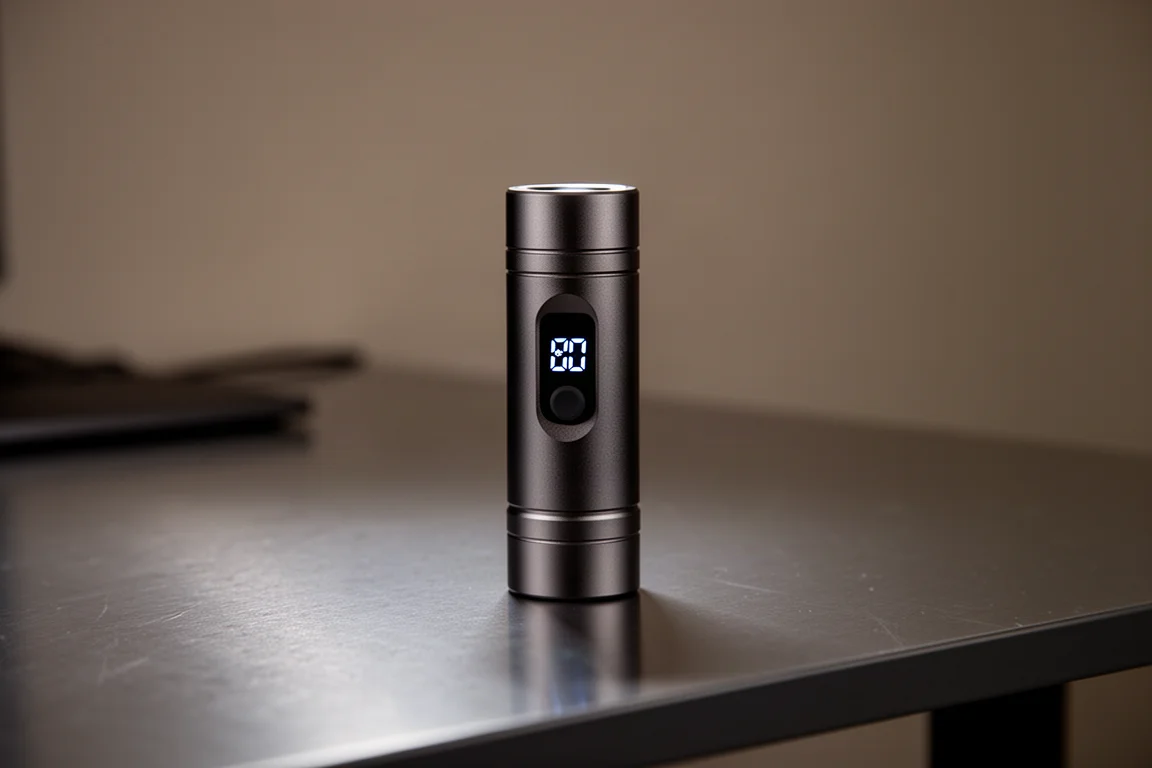
Its measured output was genuinely impressive: 12,200 lumens out of the gate, holding in the 11,000-lumen range for another 10 to 12 seconds, then settling near 10,000 before dropping to around 7,300 at the 30-second mark.
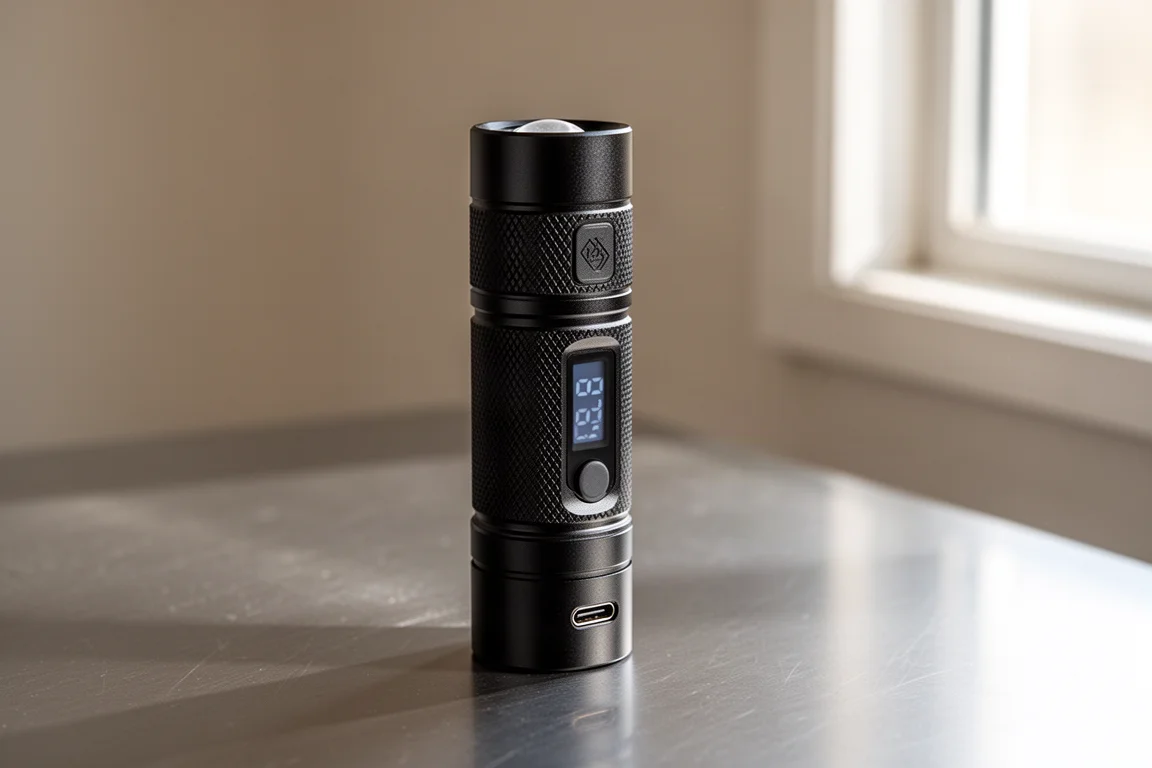
The MS03: Great Output, Real Trade-offs
Despite the strong numbers, the MS03 became too hot to hold comfortably in under a minute, with heavy thermal throttling clearly at work. A wet rag wrapped around the body did not help, since the heat builds inside at the chip and board level.
Durability testing was less flattering still. After a couple of drops from 6 feet, the light popped apart, placing it in the bottom 25 percent of lights tested in this category, including budget Amazon lights. It earns points for output in short bursts, but it is not a top recommendation overall.
Could the MS18 Be Made Even Brighter?
One experiment pushed the MS18 further. A Milwaukee HD12.0 battery pack was rebuilt with high-discharge Molicel P42A 21700 cells in a 16-volt configuration, wired through eight-gauge leads directly to the light, and paired with external turbo fans and an 80-mm computer fan for extra cooling.
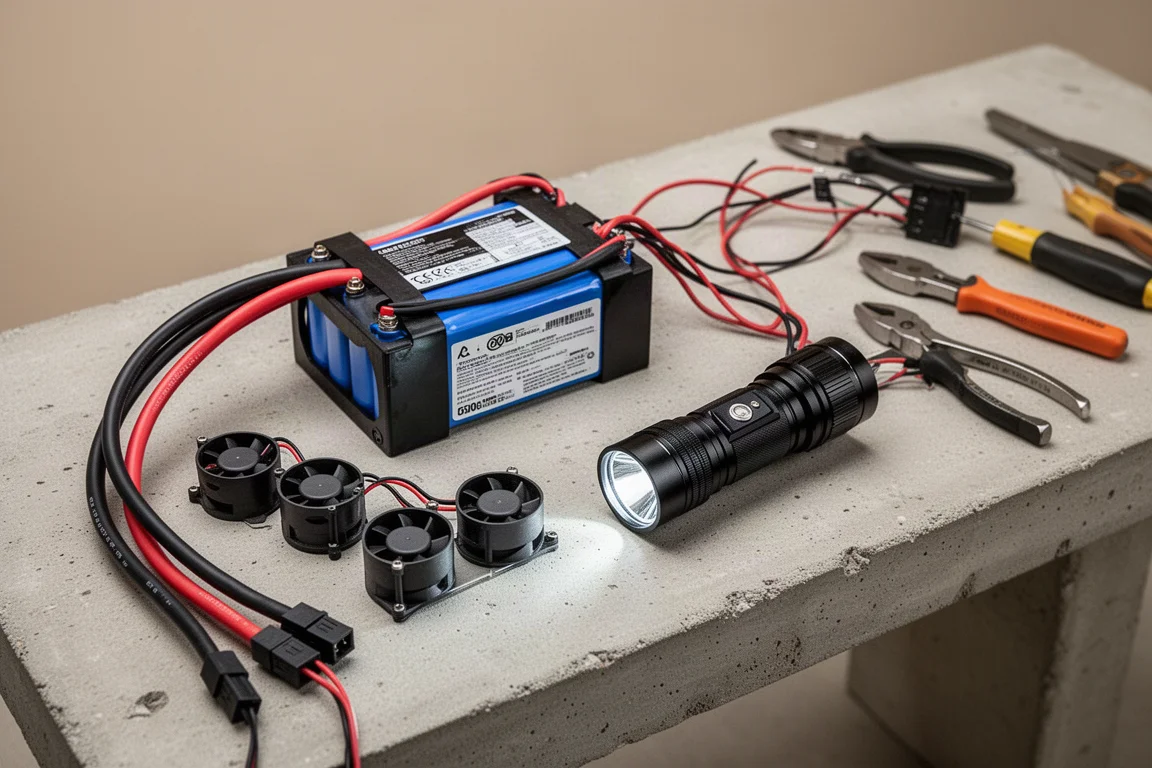
The modified setup raised the peak to around 113,000 lumens and slowed the drop considerably: roughly 97,000 lumens at 30 seconds, with lower temperatures and less voltage sag. However, the full parts total came to about $1,087, so for most buyers the stock MS18 remains the smarter choice, especially since spare battery packs are available for it.
Conclusion
The Imalent MS18 backs up its world’s-brightest claim with a measured 108,000-lumen peak and useful extras like a removable pack, making it the clear pick if extreme output is the goal. The MS03 delivers real 12,000-lumen bursts in a pocketable body, but its heat management and drop-test durability hold it back. If brightness per dollar matters, the MS18 is the one worth stretching for.
Further reading
Related Reviews
Flashlights
Best Flashlights 2026: Brightness, Battery, and Value Compared
We tested 18 flashlights across a wide price range to find the best performers in brightness, battery life, and durability.
Flashlights
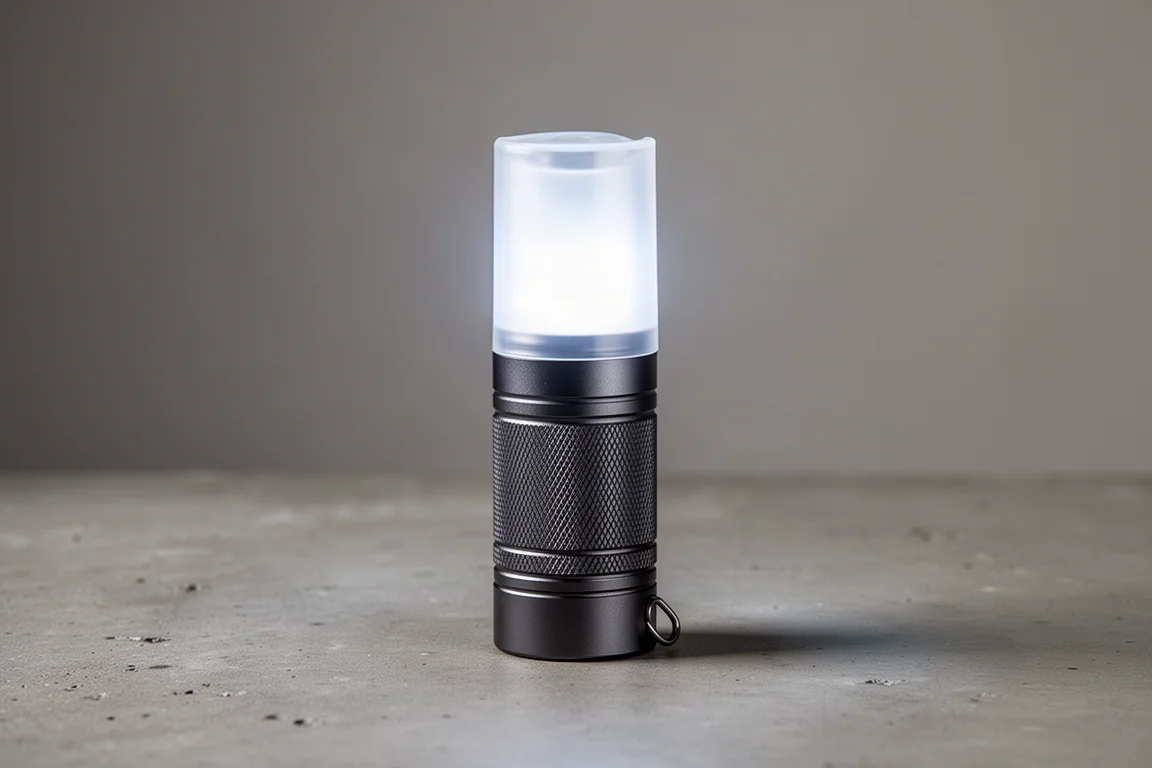
Nitecore LA10 Review: A Tiny 2-in-1 Lantern That Nails the Basics
The Nitecore LA10 pairs a pocket-sized lantern with a single AA battery, a magnetic tail cap and a five-year warranty. Here is where it shines and where it struggles.
Flashlights
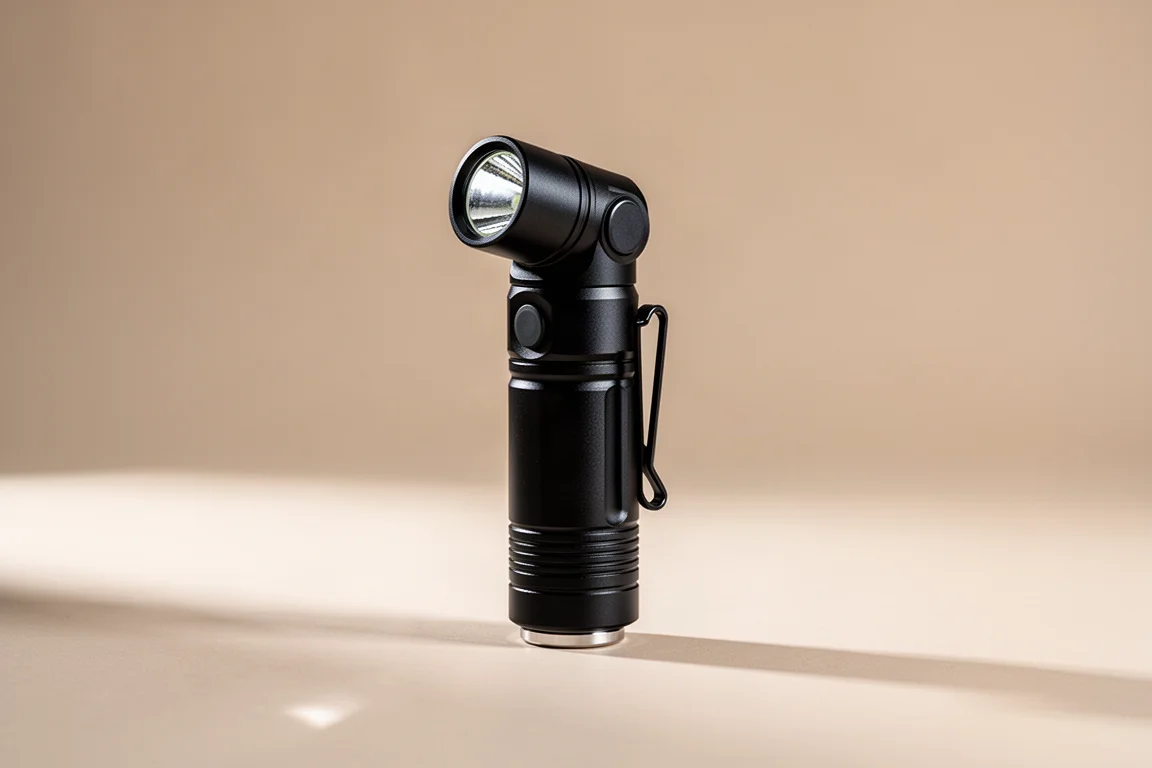
Wuben G5 Review: A Compact Everyday Carry Flashlight
The Wuben G5 is a small, rechargeable flashlight with a pivoting head, magnetic base, and color modes. Here is how it performs as an everyday carry light.