Hand Tools
Ideal 35038 8-Inch Long Nose Pliers: A Closer Look at the USA-Made and Import Versions
The Ideal 35038 long nose pliers ship in two versions under the same part number. Here is what separates them, and why that difference exists at all.
Introduction
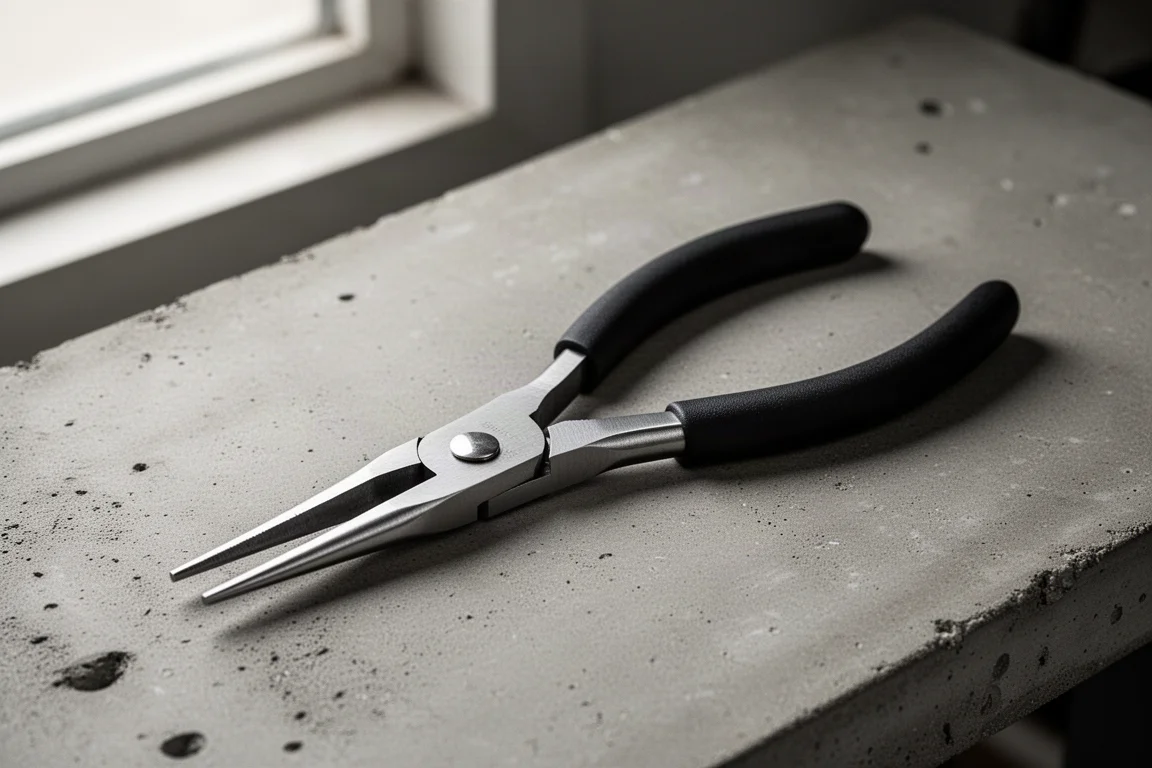
Few tool comparisons are as interesting as two products that carry the same part number but come from different factories. That is exactly the situation with the Ideal 35038 8-inch long nose pliers. On the shelf, one pair carries “Made in USA” branding with a flag mark, while the other is stamped Made in China on the reverse. They look nearly identical, they share the same part number, and in many stores they sold at the same price. Digging into what separates them, and why both exist, tells a useful story for anyone who cares about hand tools.
Two Versions, One Part Number
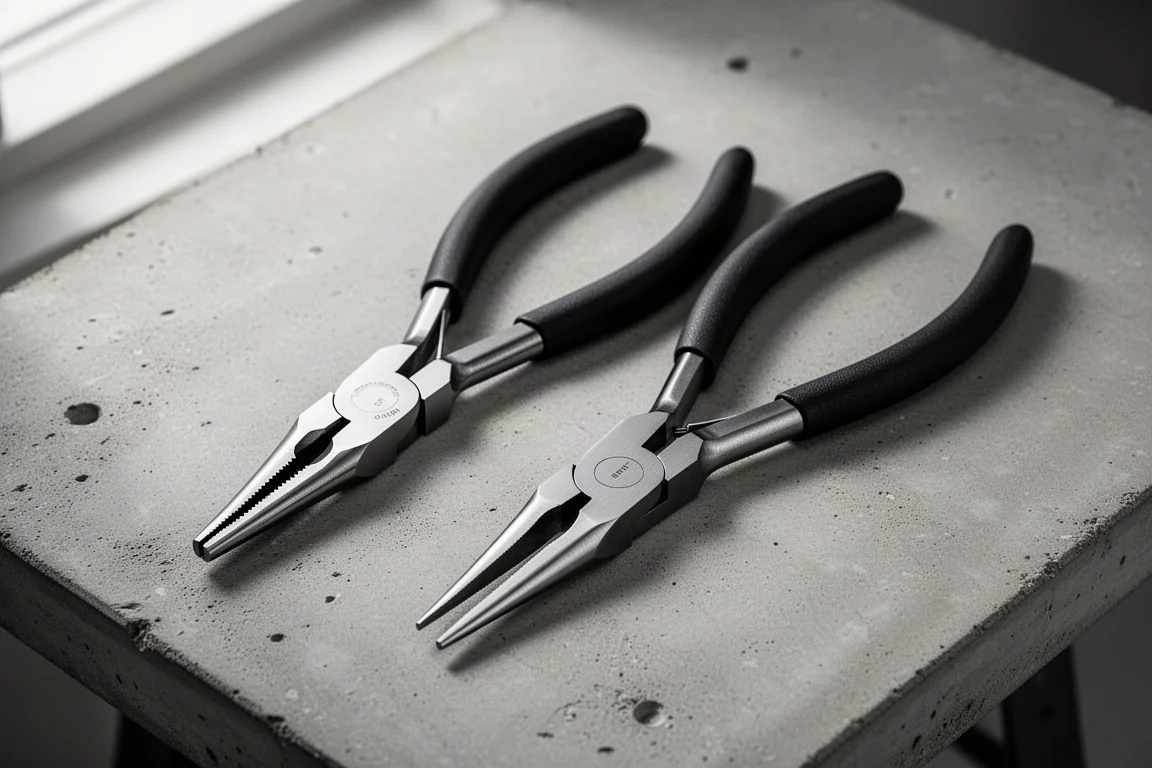
The two versions of the Ideal 35038 are easy to tell apart once you know where to look. The USA-made pair carries the flag branding and the “Made in USA Quality” marking. The import pair lacks that branding and, when flipped over, is marked Made in China near the base of the jaw. Look closely at the part numbers and you will find subtle suffixes like 35038B and 35038BA, small designations that hint at different production runs.
This is not a unique situation in the tool world. Similar pairs of near-identical water pump pliers have appeared under the same part number, one domestic and one imported, sometimes even at the same retail price. In one documented case, the price parity existed only because the USA-made stock was being cleared out at a reduced price to match the imported version. Normally the domestic version ran about five dollars more.
Build and Finish Details
Set the two pairs side by side and the differences are subtle but real. The USA-made version has a slightly finer tip profile, and the jaws appear to close a bit better at the very point. The finish work differs too: the design of the steel surfaces shows slightly different machining and grinding choices between the two factories.
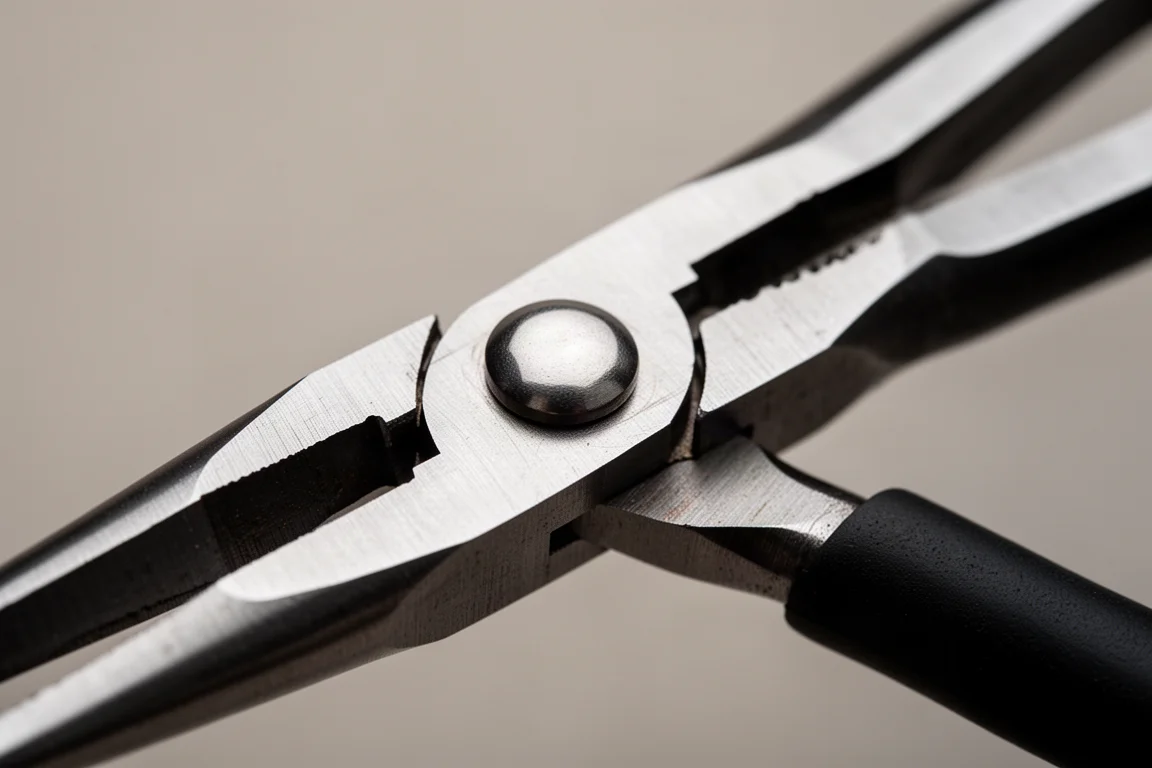
The most noticeable structural difference is the pivot rivet. The imported version uses a noticeably larger rivet, and that rivet sits higher up on the tool, which could translate into slightly different leverage characteristics. Both pairs feel similarly solid in hand, with no real play at the joint, and any weight difference between them is hard to detect. Neither pair had cut anything before inspection, so the cutting edges arrived clean and untouched on both.
Why Manufacturing One Tool Is Hard
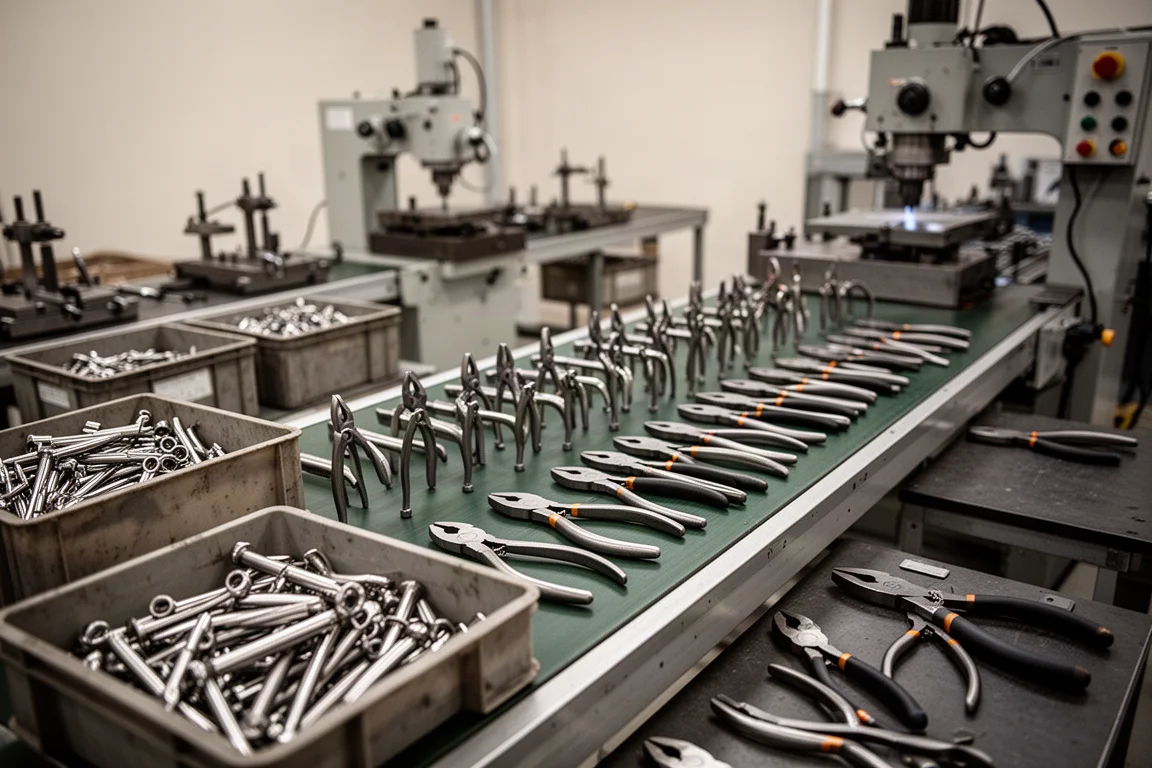
The existence of two versions of the same pliers raises an obvious question: why not just make everything domestically? The answer comes down to economics. Producing a single tool type requires dedicated machines, floor space, operators, raw materials, and packaging. Every one of those costs ties directly to that one product, and the manufacturer has to sell enough units to make the whole setup worthwhile.
For a niche tool like an 8-inch long nose plier, that math gets brutal. The United States represents roughly four to five percent of the world’s population, so the pool of domestic buyers for a specialized plier like this is small to begin with. Long nose pliers are a far more competitive category, with established brands from the US, Germany, Japan, and overseas all fighting for the same shelf space. A manufacturer needs significant market share to spread those fixed costs across enough volume to turn a profit rather than a loss.
That said, some manufacturers are taking the long view. Domestic production of certain tool lines has been paused rather than abandoned, with plans to bring manufacturing back for these and other tools as conditions allow. Picking up a USA-made example today may mean grabbing one of a shrinking supply of an outlier, rather than the start of a stable long-term supply.
Availability and Price Context
Retail availability shapes the picture too. Consider a chain with around 1,700 stores, each stocking perhaps five pairs on hand. That works out to just under 10,000 pairs in circulation at retail, and the real question is how many of those sell per month at a typical store. Low volumes like that make it very hard to justify expensive domestic production and supply chains, especially for a tool backed by a lifetime warranty that buyers purchase once rather than repeatedly.
The realistic price gap between the two versions was around five dollars, which is a modest premium for domestic manufacturing. When the USA-made stock was being sold down, retailers sometimes matched the prices, which made the decision even easier for shoppers. Once that domestic stock is gone, the import version is what remains on the shelf.
Who Should Buy These
The Ideal 35038 is not a tool most people own, and that is part of its appeal. Anyone shopping this size class is likely already weighing the well-known German water pump pliers and their smaller siblings, so adding a dedicated long nose plier means it is filling a specific gap rather than replacing a general-purpose tool. If you reach for long nose pliers regularly for electrical work, fine gripping, or wire positioning, a well-made 8-inch pair earns its place in the drawer.
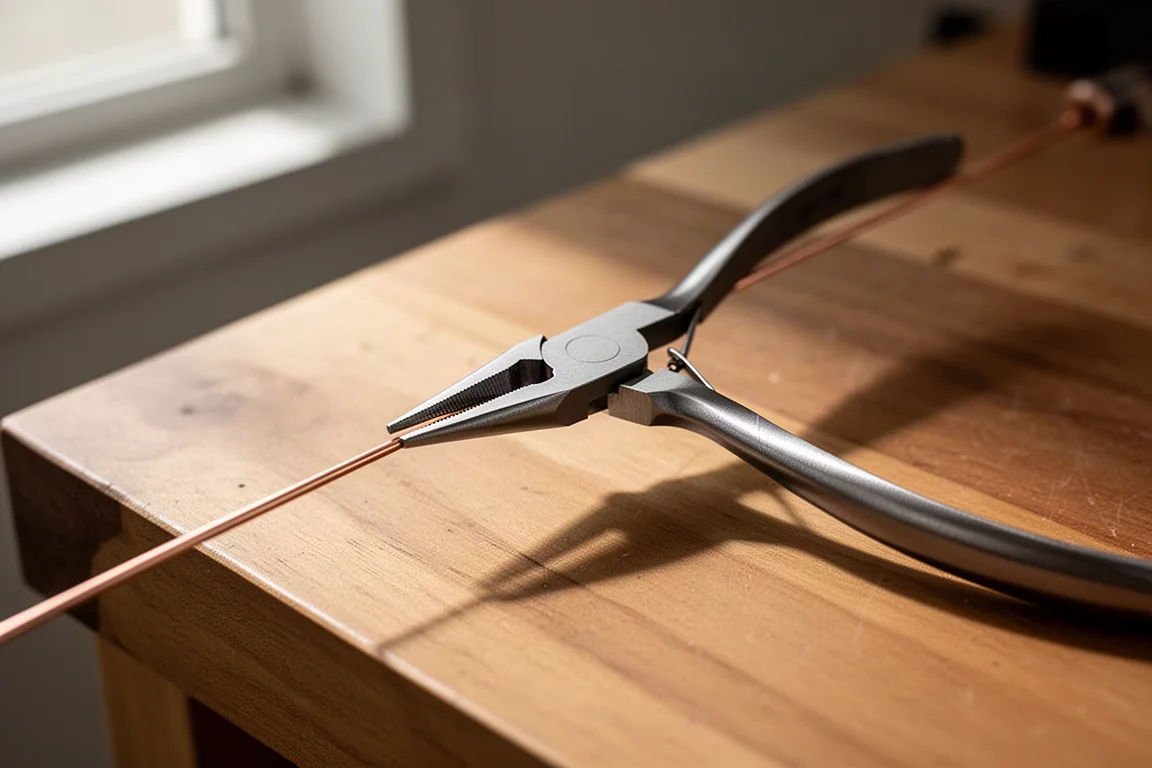
The choice between versions comes down to what matters to you. Both are solid tools with tight rivets and clean cutting edges. The USA-made pair offers a slightly finer tip and domestic provenance for a small premium, when you can find it. The import version is the one you will most likely encounter going forward, and it performs the same core job well. Either way, being able to walk into a local store and pick up a quality plier like this on a whim is worth appreciating, because in many countries that option simply does not exist.
Conclusion
The Ideal 35038 8-inch long nose pliers exist in two near-identical forms, and the differences between them are honest but minor: a finer tip, different finish work, and a larger pivot rivet on the imported version. The bigger story is why both exist at all. Niche tools live or die on volume, and domestic manufacturing of a specialized plier is a difficult economic proposition. If you find the USA-made version in stock, it is a small piece of toolmaking history worth the few extra dollars. If not, the import version will serve the same fine-gripping work just fine.
Product link
View more details for Ideal 35038 8-Inch Long Nose Pliers
This product is mentioned in the review. Check the specifications, options, and compatibility before buying.
View more details for Ideal 35038 8-Inch Long Nose PliersFurther reading
Related Reviews
Hand Tools
Best Diagonal Cutters 2026: 16 Pliers Tested for Cutting Power and Durability
We put 16 diagonal cutters through nail, screw, drill bit, and hex key tests to find the best value picks for your toolbox.
Hand Tools
Best Hex L Key Sets 2026: Nine Sets Tested for Real-World Torque
Nine hex L key sets from budget to premium, tested for torque, fit, and durability. See which sets deliver real performance and which ones to skip.
Hand Tools
Best Locking Pliers 2026: Top Picks Tested for Grip and Durability
We tested 18 brands of 10-inch locking pliers for grip strength, jaw bite, build quality, and ease of release to find the best options for tough jobs.