Food & Snacks
Iconic Food Dupes Tested: Which Copycats Are Worth Your Money
Seven iconic snacks and drinks go head to head with their budget-friendly Indian dupes on taste, texture, packaging and price.
Introduction
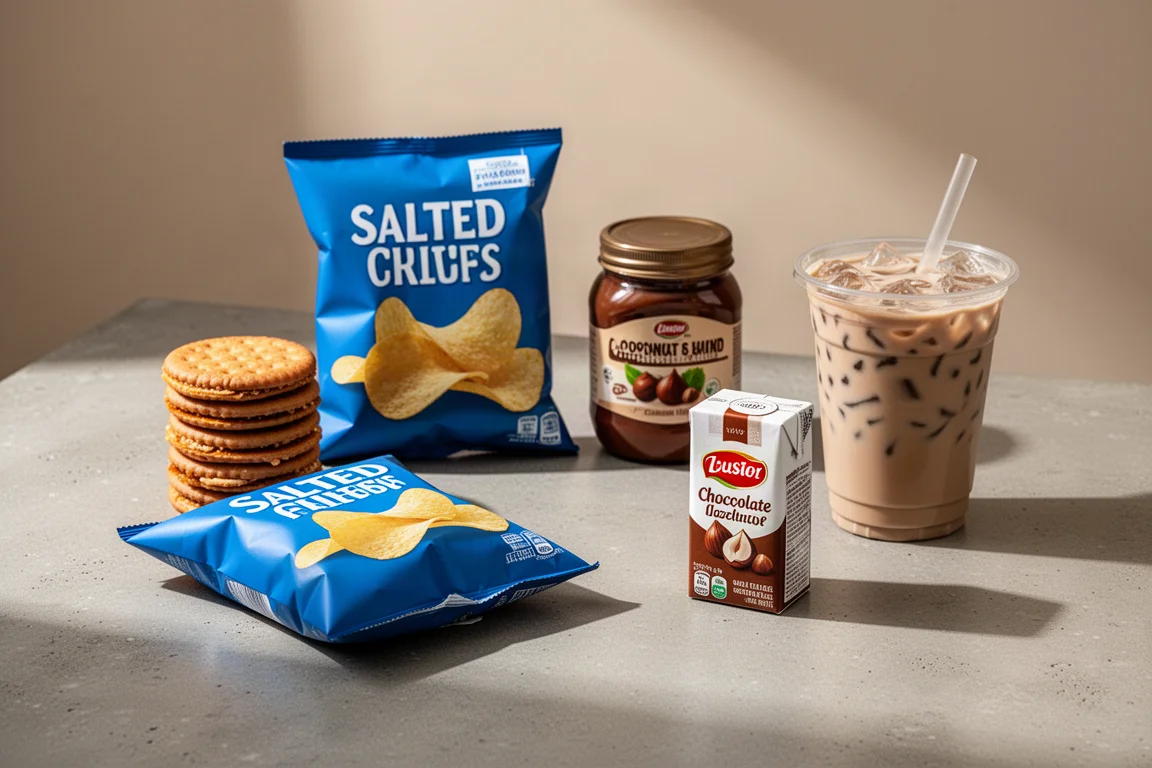
Every iconic food brand eventually gets a cheaper lookalike. We lined up seven of the most famous originals against their Indian dupes and judged each pair purely on taste and price. Some copies turned out to be genuinely impressive, others were blanks dressed up in familiar packaging. Here is how the rounds played out.
Biscoff vs Biskot: The Caramel Biscuit Round
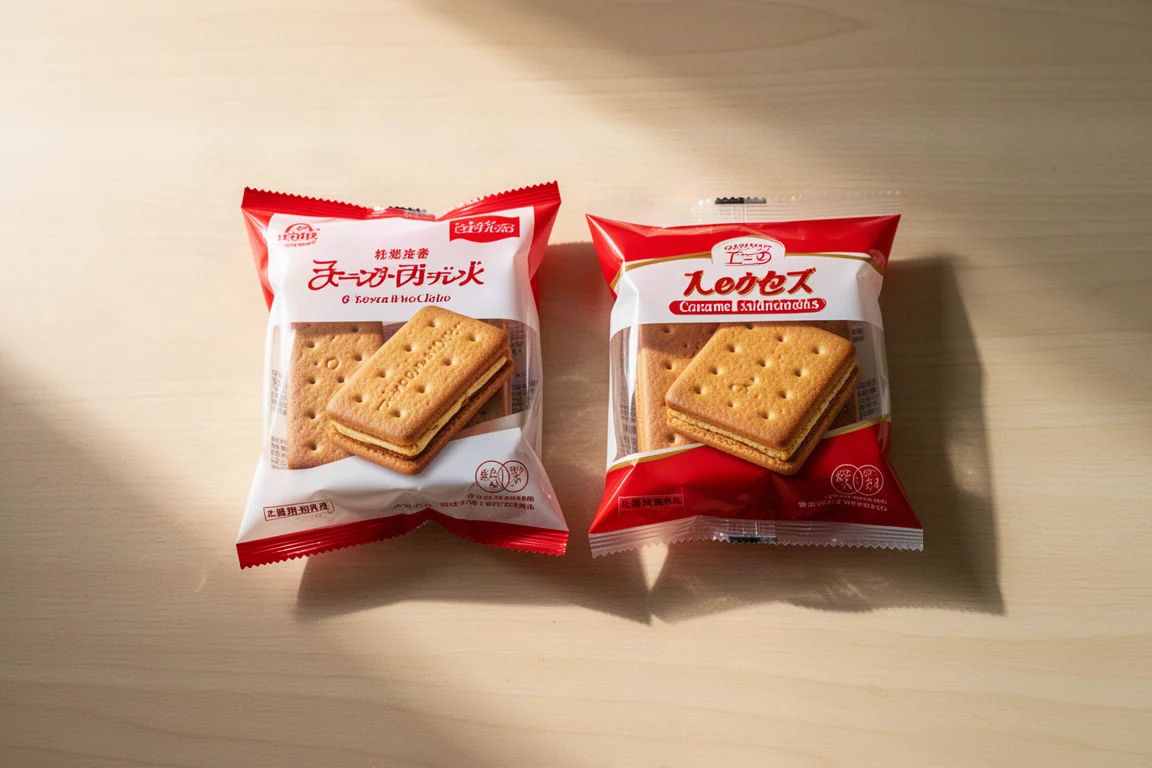
Biscoff, the European caramelised biscuit that is now widely available in India, has long been a favourite for eating straight and for using in desserts and food balls. Biskot copies the assignment almost perfectly, right down to the red and white color scheme and a very similar typeface. In fact, the dupe’s packaging arguably looks a touch more polished.
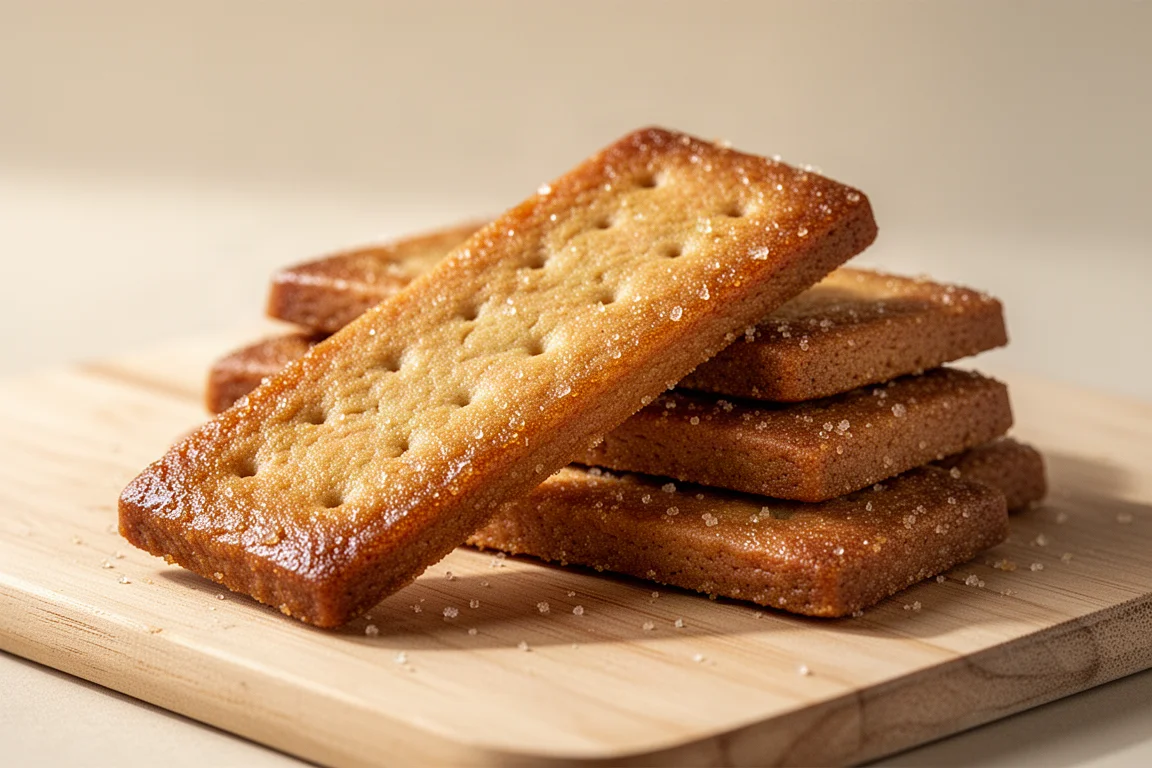
In the taste test, Biskot delivers a remarkably similar experience with a slightly stronger cinnamon kick, though the biscuit itself is thinner than the original. On a per-gram basis it costs noticeably less than Biscoff and should be easier to find. As much as the original is loved, this dupe is a clear win for everyday snacking.
Frooti vs Fresca Mango: The Tetra Pack Round
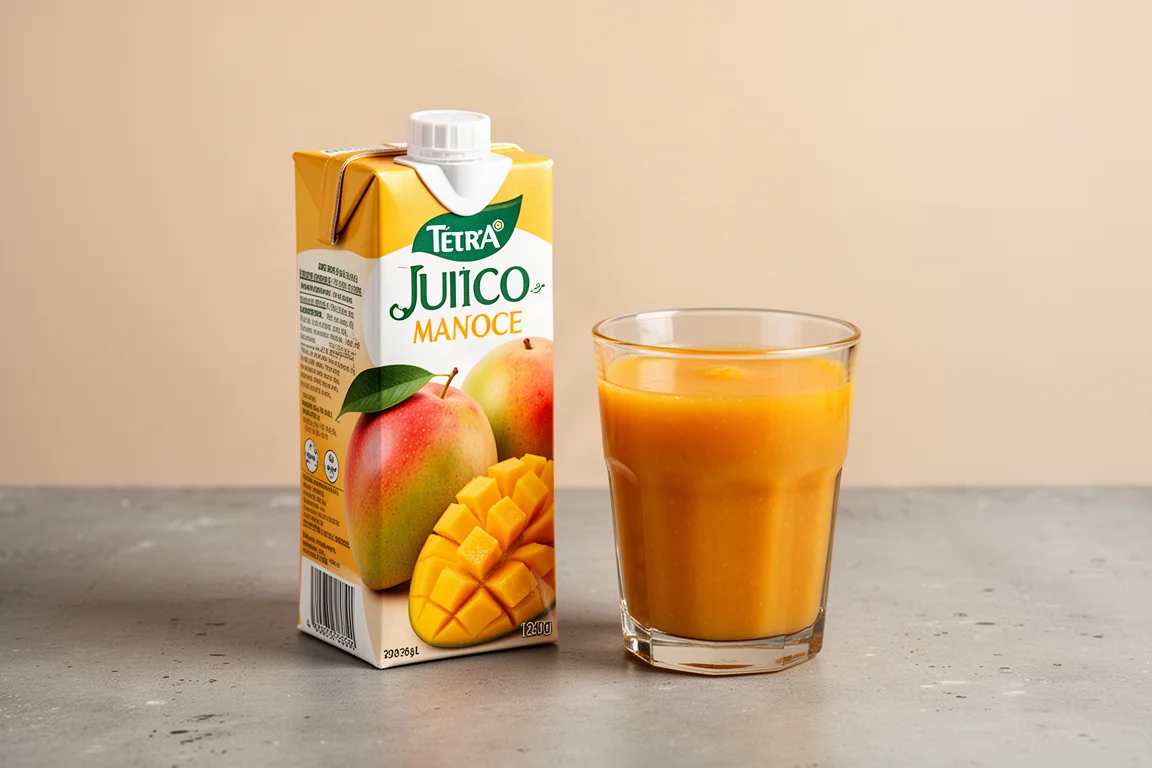
Frooti is pure childhood nostalgia in a tetra pack, and it is also the cheaper of the two. Fresca Mango, the dupe, is essentially an orange-toned mango drink with a noticeably artificial aroma that recalls old-school summer squash concentrates rather than fresh mango.
Frooti wins on texture, being thicker, and on flavor, which still delivers that familiar mango-cream sweetness. Fresca Mango earns a flat miss here. This round goes to the original by a very good margin.
Subway Veggie Delite vs Sub Boy Fresh & Tasty
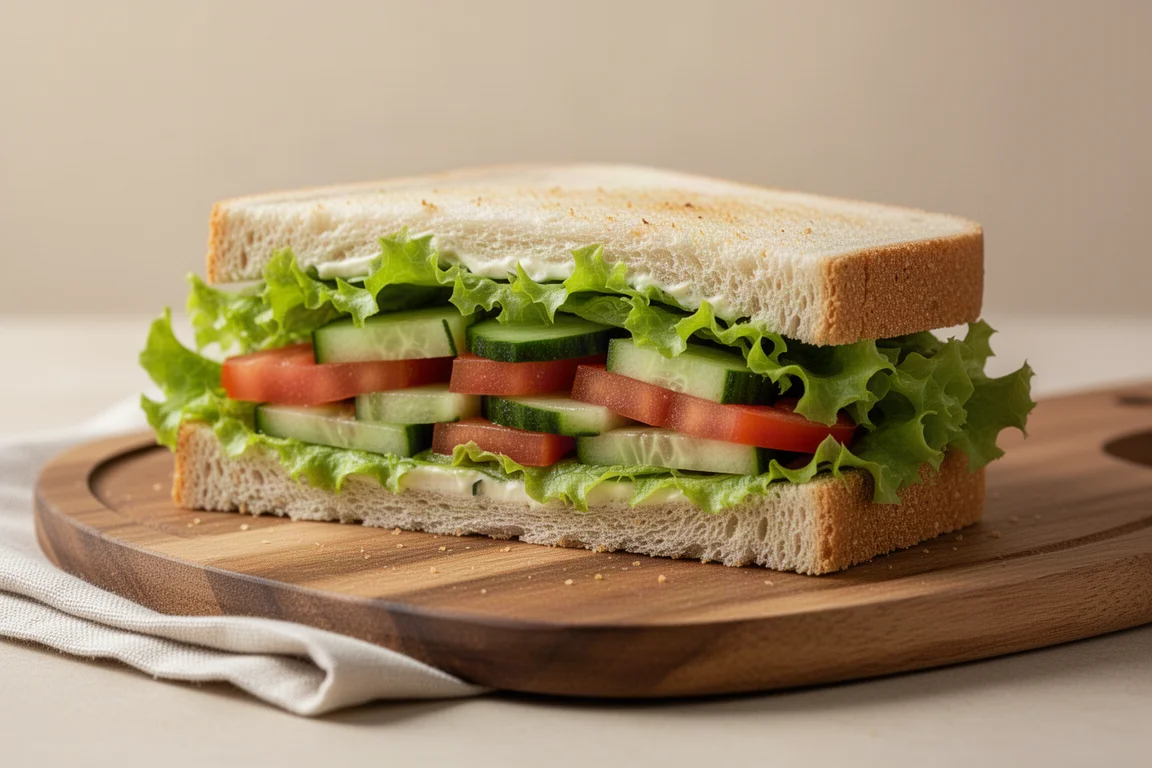
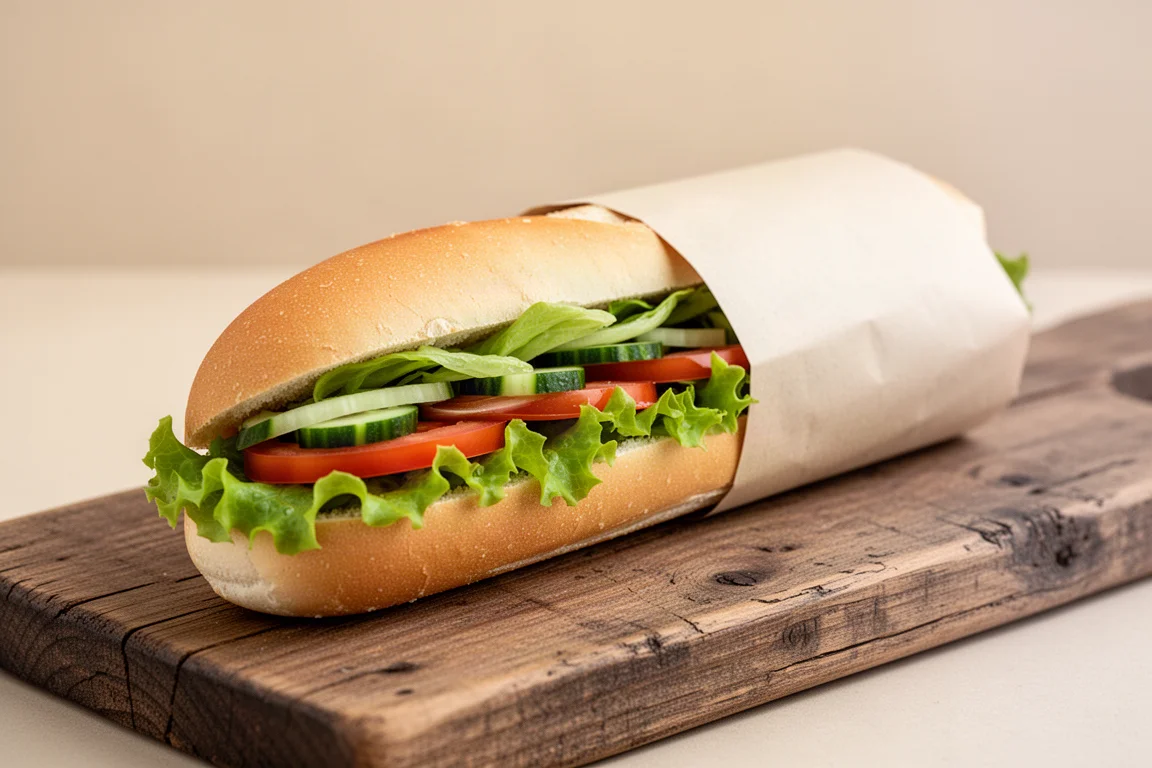
The dupe brand here borrows the same green color scheme and similar lettering, and the two sandwiches look extremely alike. Subway is the cheaper option, while Sub Boy costs more but presents itself as fresher, with a filling that leans heavier on lettuce.
Tasting them back to back, Subway delivers a nice saucy, soft bite. Sub Boy is equally saucy but its vegetables have better crunch and feel fresher. That said, most people would not normally trust a near-identical brand with an unfamiliar name, so this one is only for the adventurous: the dupe is genuinely slightly better in this round.
Oreo vs Sunfeast Sandwich Cream: The Blue Biscuit Round
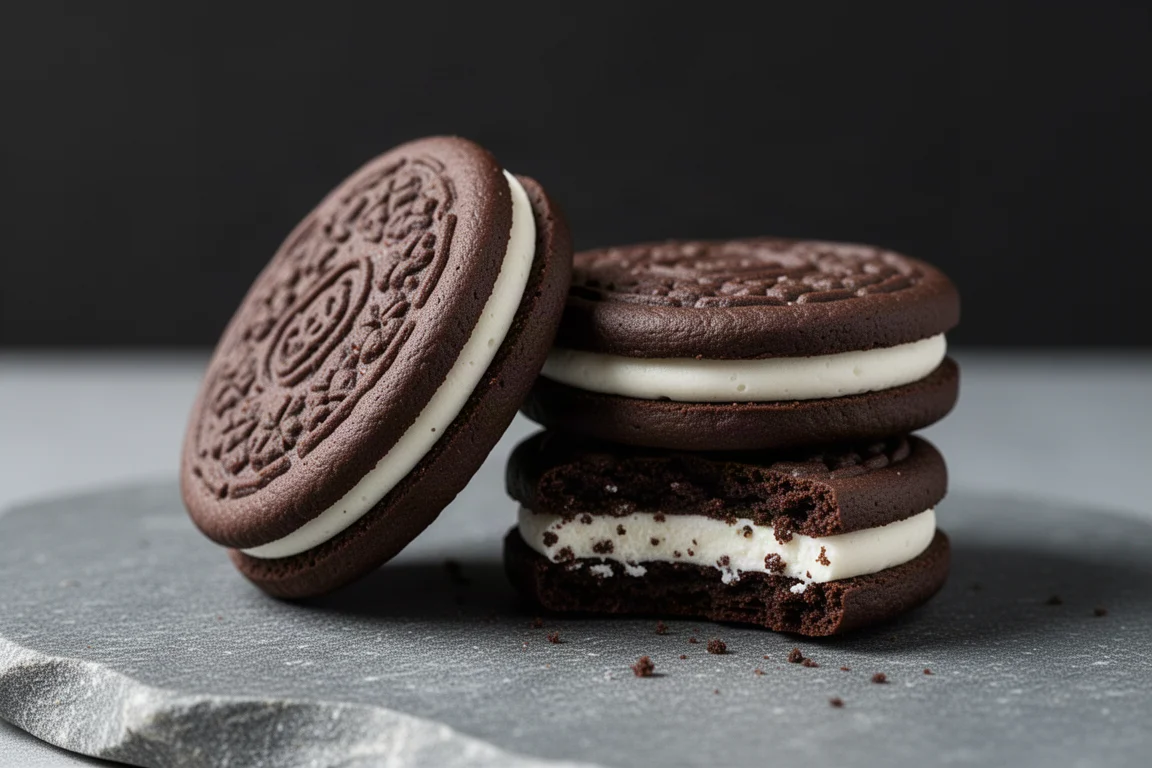
Both are blue-packaged black sandwich biscuits with white cream and a design on top, and Sunfeast even adds a touch of gold to its packaging to look more premium. Inside, the experience is strikingly close. The Sunfeast version carries a hint of vanilla essence, that familiar childhood milk-biscuit aroma, and is somewhat crunchier.
The original Oreo still edges it, and it is also slightly cheaper than the Sunfeast pack. The dupe lands somewhere in between a hit and a miss: an okay copy rather than a great one.
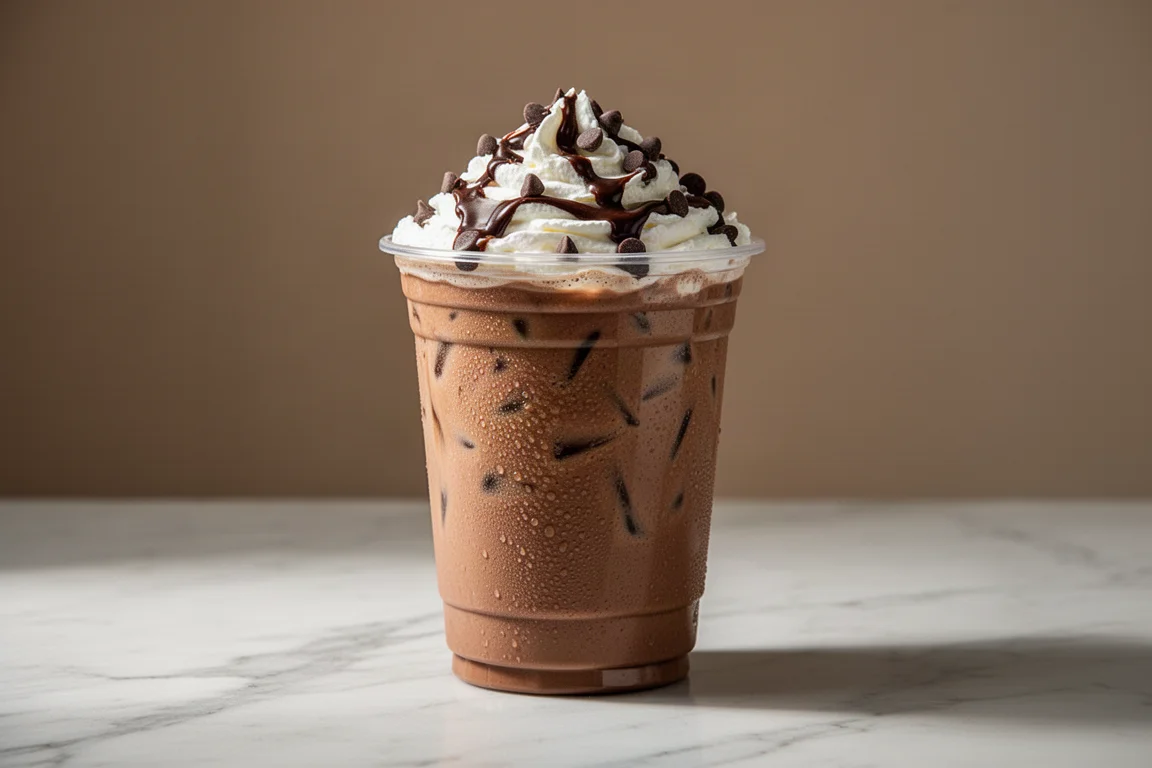
Starbucks Java Chip Frappuccino vs the Budget Copy
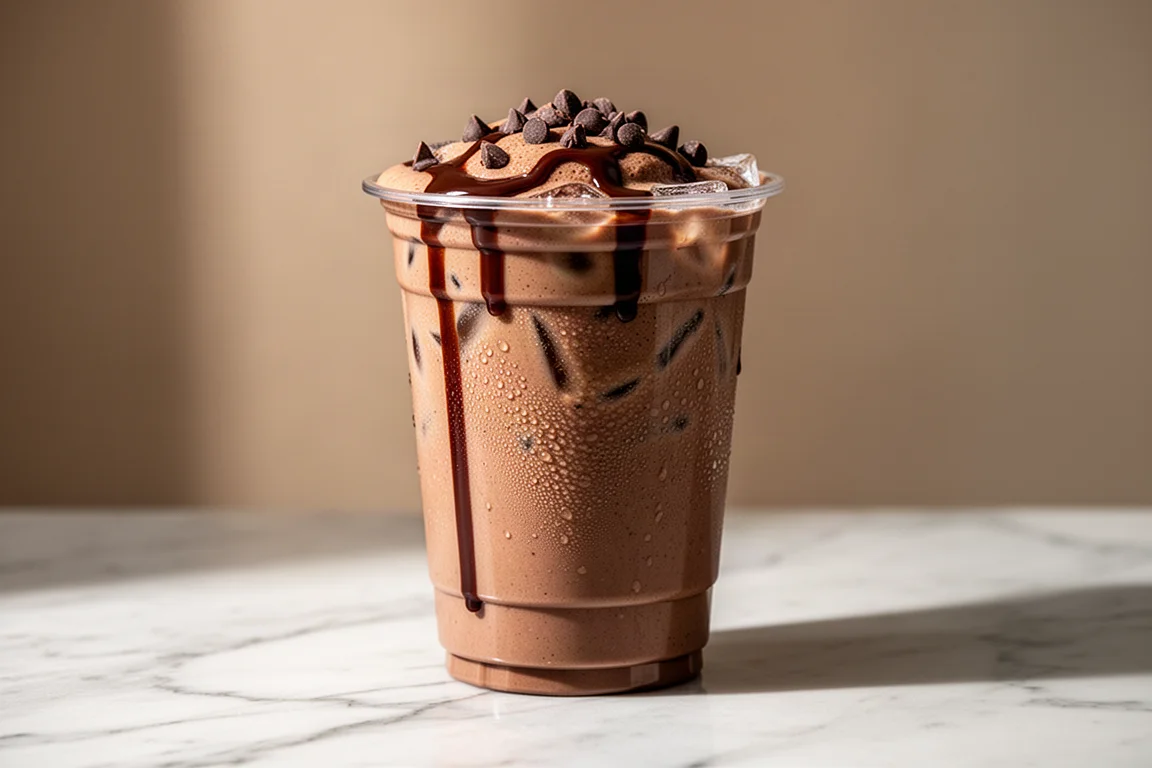
This round was the biggest packaging mismatch of the lot: the original looks premium, while the dupe arrived in a plain plastic bag wrapped in cling film from a small drinks house. On price, though, the copy is dramatically cheaper.
Looks aside, the dupe resembles muddy, dirty roadside snow with a watery chocolate drizzle and cheap-looking chocolate chips. It has essentially no flavor at all. The original has a lovely texture and is nicely chocolatey; even if Java Chip is slightly overrated and expensive, it still delivers real flavor. If you are going to spend the calories, spend them on the drink that actually tastes like something.
Nutella vs Nutrilite Choco Spread
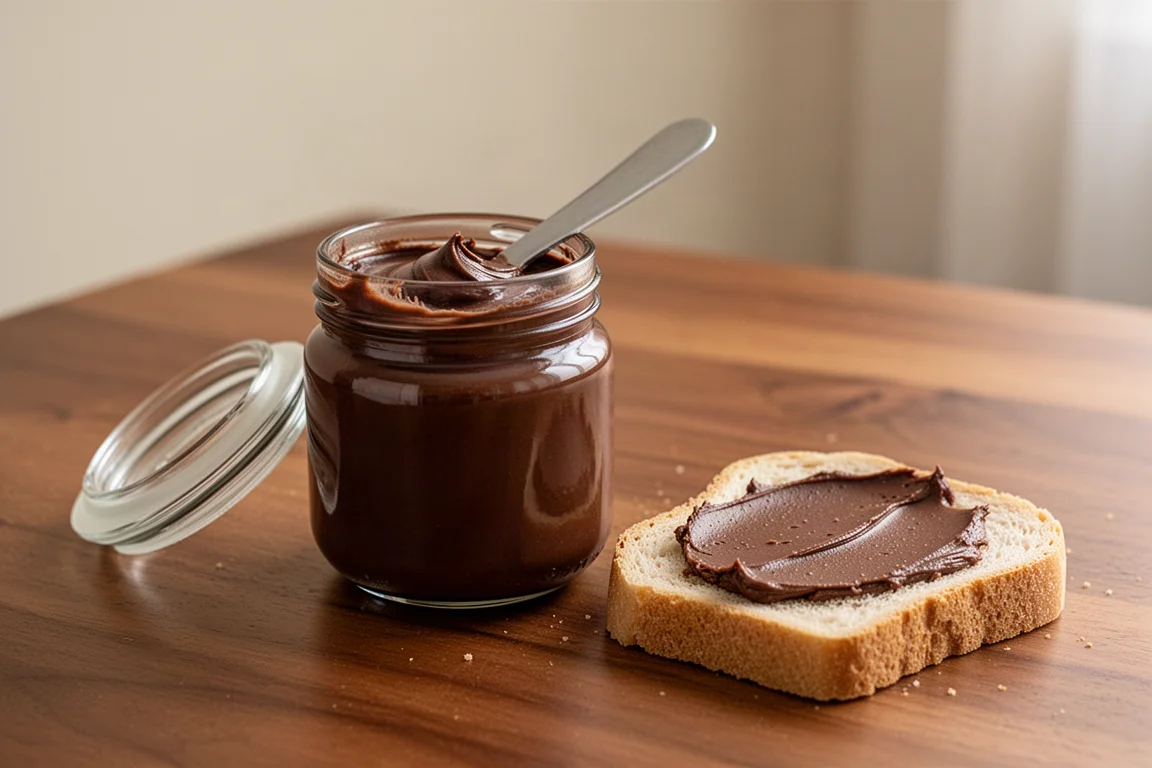
Nutella is iconic for a reason: it is one of the first brands in the category, so widely known that chocolate hazelnut spread and Nutella have become the same phrase. The dupe here is Nutrilite’s choco spread. Nutella costs more, partly justified by its nice, reusable jar. Nutrilite wins on ingredients, though, with no sugar in the list while hazelnut remains the first ingredient in Nutella.
In the taste test the two look similar, but Nutrilite spreads slightly less easily and tastes noticeably more chocolatey. Given that it contains no sugar, it is a genuinely strong alternative and an easy recommendation for anyone cutting added sugar.
Lay’s Salted vs Haldiram’s Salted Chips
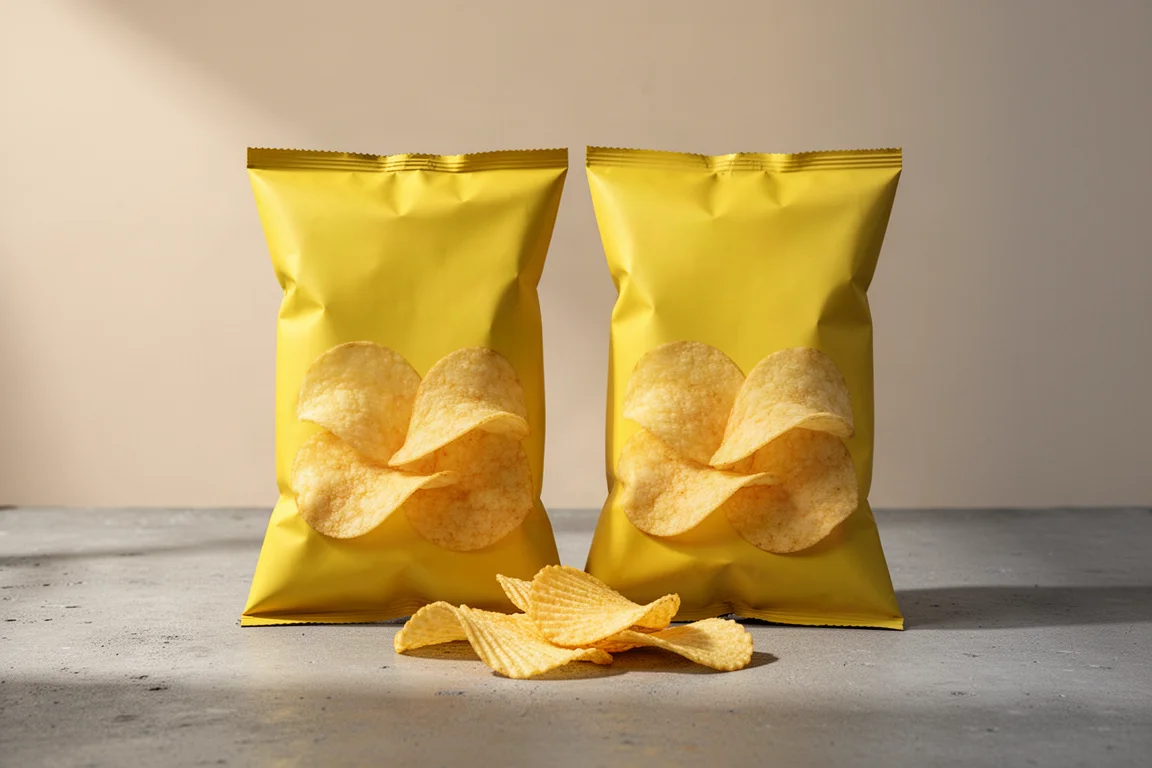
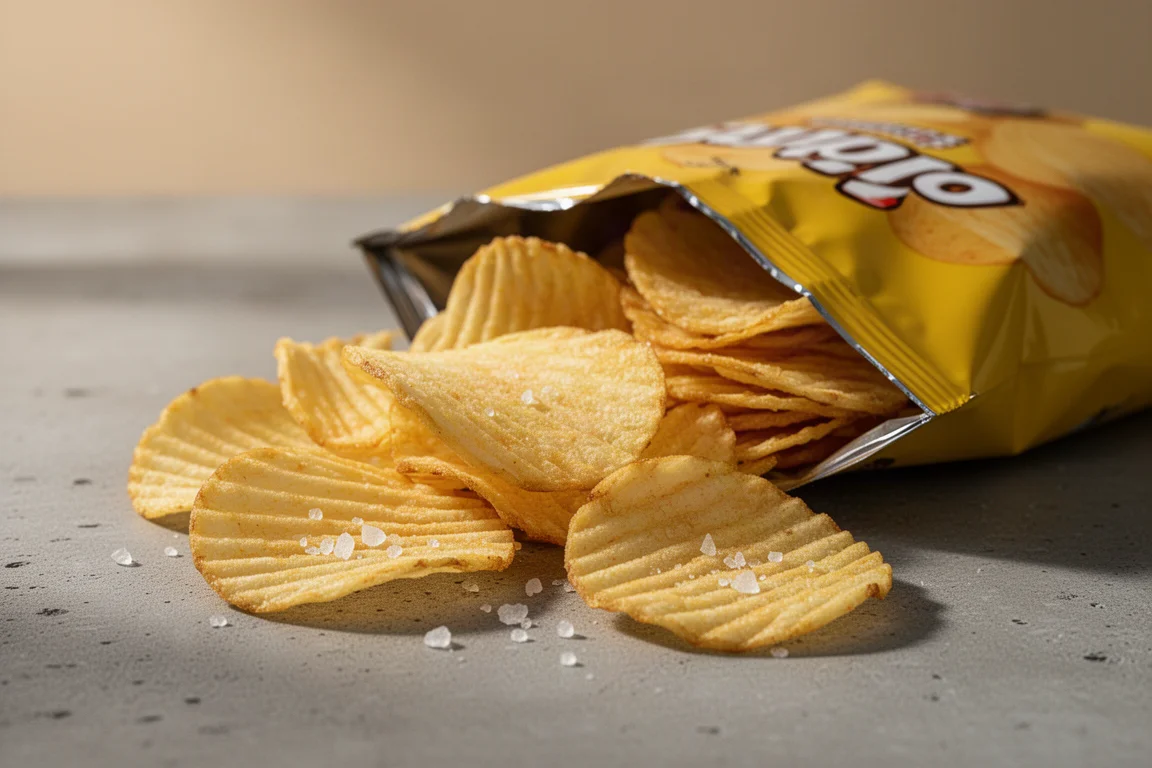
The packaging, branding and color scheme here are so similar that it is easy to grab the wrong packet on a shelf, and prices are almost identical. The classic crinkled Lay’s chip holds salt well, while Haldiram’s flatter chip looks plainer but also grips seasoning nicely.
Tasted blind, the difference is small: Lay’s chips are slightly thicker and feel saltier because the salt sticks better, while Haldiram’s are thinner and a touch less salty. Both taste good, so this dupe is a fair success. Most people will still reach for Lay’s out of nostalgia and for that signature crinkle.
Overall Buying Advice
The pattern across these rounds is clear. Dupes shine when the original’s appeal comes from a simple, well-executed flavor, as with the caramel biscuits and the no-sugar choco spread. They fall flat when the original’s quality comes from texture and ingredient balance, as with the frappuccino and the mango drink. Before buying a copycat, check the ingredient list, compare per-gram pricing rather than sticker price, and be skeptical of near-identical packaging that promises more than it delivers.
Conclusion
Testing these seven pairs showed that some homegrown dupes genuinely deserve the money, while others are best skipped no matter how convincing the wrapper looks. The caramel biscuit dupe, the no-sugar chocolate spread and the salted chips all held their own, while the mango drink and the budget frappuccino were clear misses. Half the battle is knowing which is which, and now you do.
Further reading
Related Reviews
Food & Snacks
Best Teriyaki Beef Jerky: Five Brands Taste-Tested on a Montana Road Trip
Five teriyaki jerky brands tried back to back, with clear winners on teriyaki flavor, beefiness, and texture.
Food & Snacks
Jeff's Famous Jerky Gone Wild Review: A Game-Meat Variety Pack for Road Trips
Elk, venison, buffalo, teriyaki beef sticks, and more in one wild-game jerky sampler. Here is how each one tasted on a long road trip.
Food & Snacks
Jeff's Famous Jerky Review: Homemade-Style Jerky for the Road
Six flavors of Jeff's Famous Jerky tasted on a long road trip through Montana, from old-fashioned original to a surprisingly fiery habanero.