Watches
Iconic Dive Watches: The Timepieces That Shaped an Industry
From the Rolex Submariner to the Seiko Prospex, these are the dive watches that defined a category built for pressure, legibility, and survival.
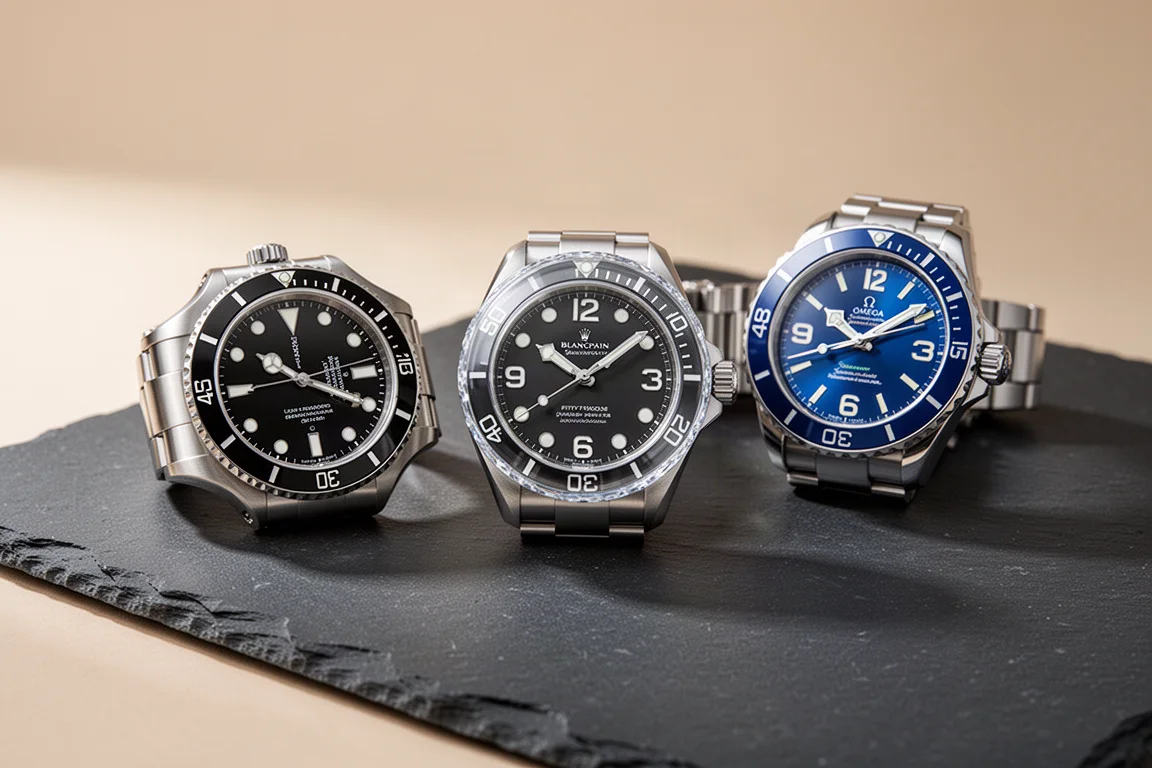
Introduction
Before the dive watch became a luxury staple, it was built for one of the harshest environments on Earth. The ocean didn’t just test these watches; it shaped them. From the first waterproof cases of the 1920s to the record-breaking depths achieved in the 21st century, dive watches represent a unique blend of engineering, survival, and style.
This guide explores the most important timepieces in this popular category, highlighting the models that changed everything and the practical considerations for buyers today.
What Makes a Dive Watch
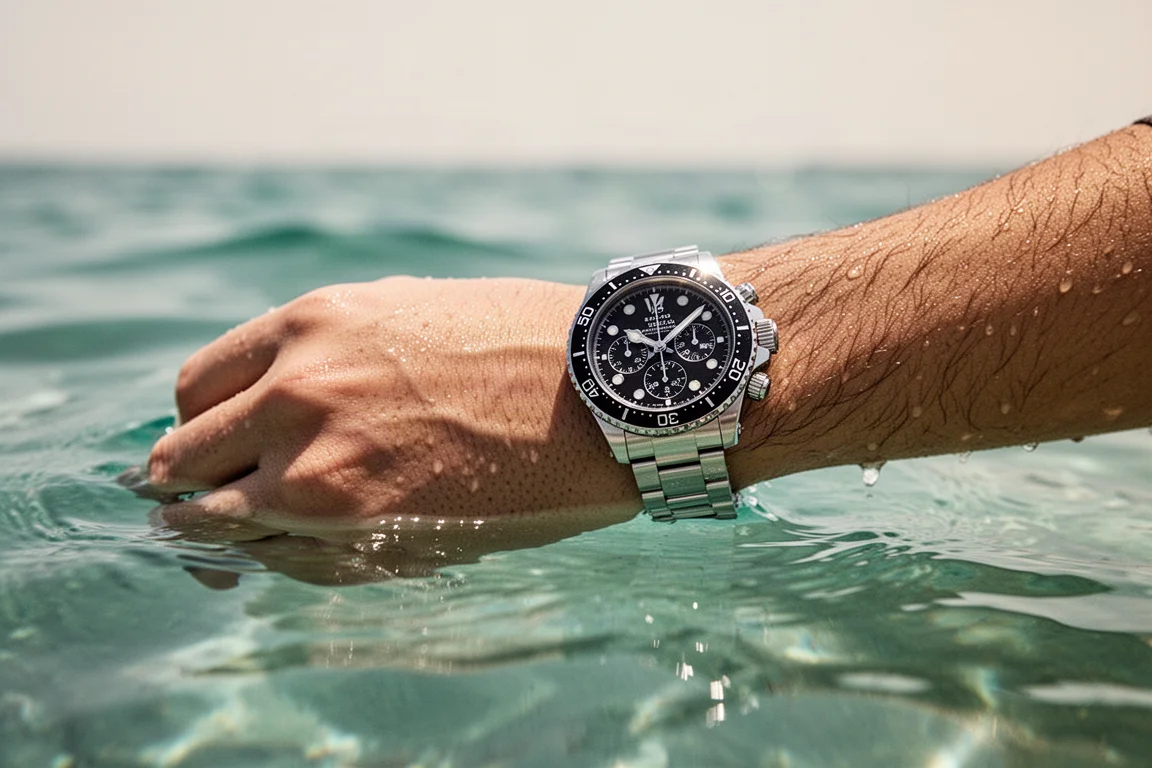
A dive watch is built to withstand water pressure, to be seen easily underwater, and to keep the wearer alive when exploring the depths. All dive watches share some identifying elements: a dive scale on the bezel, large readable hands and indexes, screw-down crowns for waterproof cases, extreme waterproofness in the case design, and extreme legibility in the dial design. Most are built to be extremely robust in any kind of condition.
The essential component of seafaring navigation in the 18th century was determining longitude. British carpenter John Harrison addressed this with his marine chronometers, which enabled users to compare Greenwich Mean Time with the position of celestial bodies. These were mounted on gimbals so they could be used on the deck of a ship, unaffected by rolling waves.
Waterproof watches as we know them today began with Hans Wilsdorf, who founded Rolex and introduced the first Oyster case in 1926. The case consisted of two shells that clamped tightly shut, forming a hermetic seal protecting the movement from water penetration with the aid of a rubber gasket and a screw-down connection. In 1931, Wilsdorf equipped the Oyster case with the self-winding perpetual movement, minimizing the need for winding and ensuring water had even less access to the case.
The Rolex Submariner
The Rolex Submariner was the first watch tested to a water resistance of a full 100 meters, or about 330 feet. It not only set a new record for underwater toughness, it established a distinctive look that is today considered quintessential dive watch design. The first one, reference 6204, was 37 mm in diameter with a plain black dial, no date, and an inverted triangle at 12 to mark the hours. The movement was automatic, and the bezel was marked in 10-minute increments.
The Submariner began evolving almost immediately, with the next edition adding the famous Mercedes handset and increasing water resistance to 200 meters just a year after the first model’s release. The watch reached a new level of awareness and stylish cool when it was worn by Sean Connery in the earliest James Bond movies, the first of which was in 1962. Connery’s preferred watch, the reference 6538 Big Crown version, is still known as the James Bond Rolex and one of the most collectible vintage Rolexes.
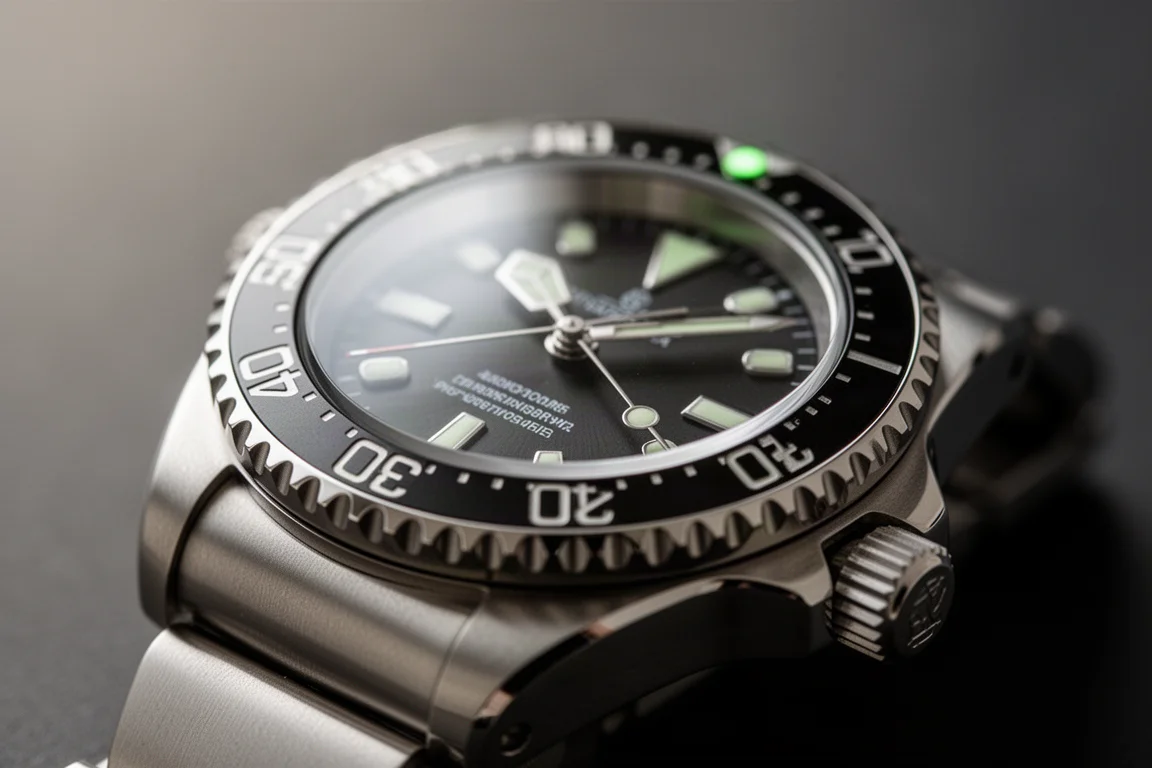
In 2003, 50 years after the dive watch genre was born, Rolex released the anniversary edition now famously nicknamed Kermit. Reference 16610LV featured a bright green diver’s bezel insert matched with the traditional black dial. After the Kermit was discontinued in 2010, Rolex followed it up with even greener versions nicknamed the Hulk and the Starbucks. All of these are among the most coveted versions of one of the most consistently coveted watch models of all time.

The Blancpain Fifty Fathoms
Blancpain, founded in 1735, was one of the oldest watch brands in existence and had never really been known for sport watches. During the 1950s, the company was run by Jean-Jacques Fiechter, an avid scuba diver with a relationship with the French Navy. The watch that Fiechter and his team developed was a breakthrough with lots of firsts for the dive watch category: a 42-mm case, big for the era, a black dial with high-contrast luminous-coated numerals, and water resistance to 91.45 meters, also known as 50 fathoms.
The most important and influential feature of the Fifty Fathoms, one that’s almost universally adopted by dive watches today, was its dive scale bezel that turned in one direction rather than both. This was a safety feature: the scale was set to calculate how much oxygen a diver had in the tank, and any accidental jarring of the bezel in the wrong direction could reset the scale with an inaccurate reading, which could be hazardous or even fatal.
Cousteau famously wore the Fifty Fathoms in his award-winning movie The Silent World, and actor Lloyd Bridges wore it on the TV series Sea Hunt, cementing its cultural presence. After hibernating since the early 1980s, Blancpain launched a limited edition for the 50th anniversary in 2003, combining the vintage look dial of the 1953 original with 300-meter water resistance and a sapphire insert for the dive scale bezel. The 150 pieces quickly sold out, and a full-scale revival followed in 2008, led by a huge 45 mm automatic with a new in-house movement.

The Omega Seamaster Diver 300
Omega, founded in 1848, took the bold step of applying waterproof technology to a dress watch in 1948. This was the first watch called an Omega Seamaster, with the added benefit that it was more waterproof than your average gent’s dress watch, thanks to a rubber O-ring gasket technology developed with wartime submarines in mind.
The Seamaster Professional 300 debuted in 1957 as part of the famous Master Trilogy, which consisted of the Seamaster, the Speedmaster, and the Railmaster. The Seamaster, reference CK 2913, was styled specifically for divers and tested to 200 meters of water resistance, though Omega boldly called it 300 because it was convinced it was even tougher.
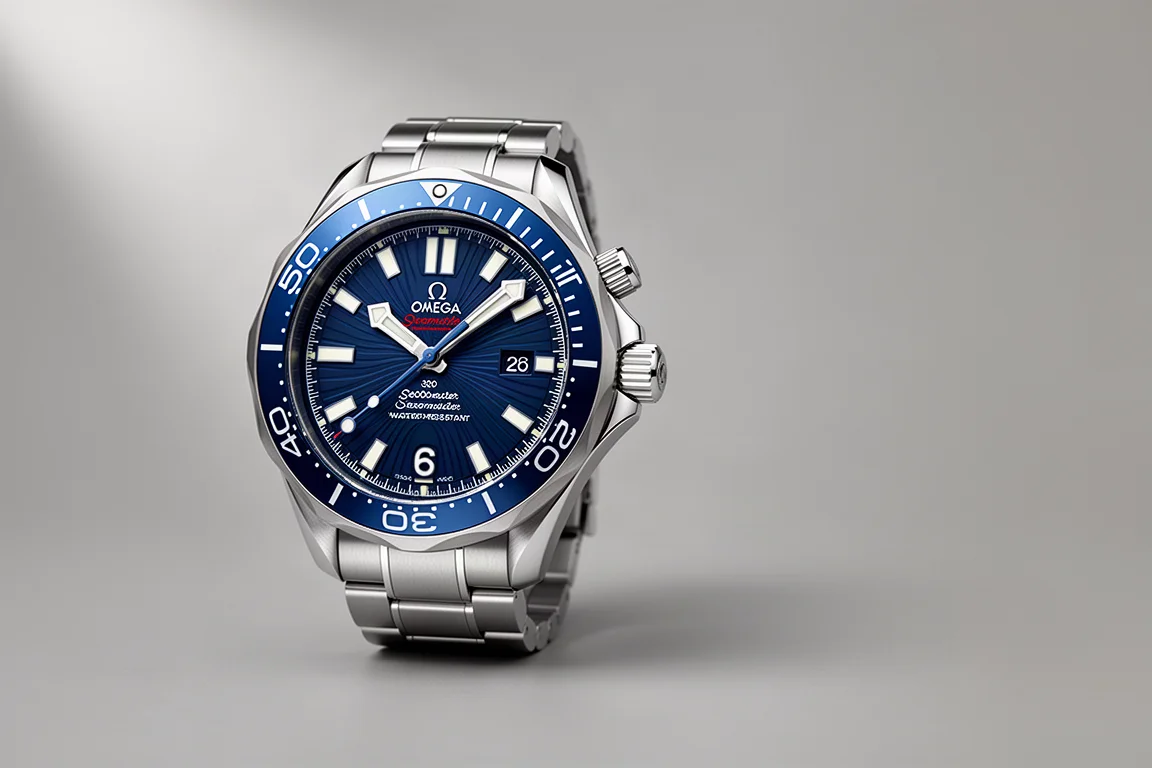
In 1993, the Seamaster received a major facelift, adding a blue diver’s bezel with a scalloped edge, skeletonized hands, a five-link bracelet, and an engraved wave pattern on the dial. It was also water resistant to 300 meters. When Pierce Brosnan became the latest actor to play James Bond in 1995’s GoldenEye, he ushered in a long-standing tradition of equipping 007 with an Omega Seamaster on his wrist.
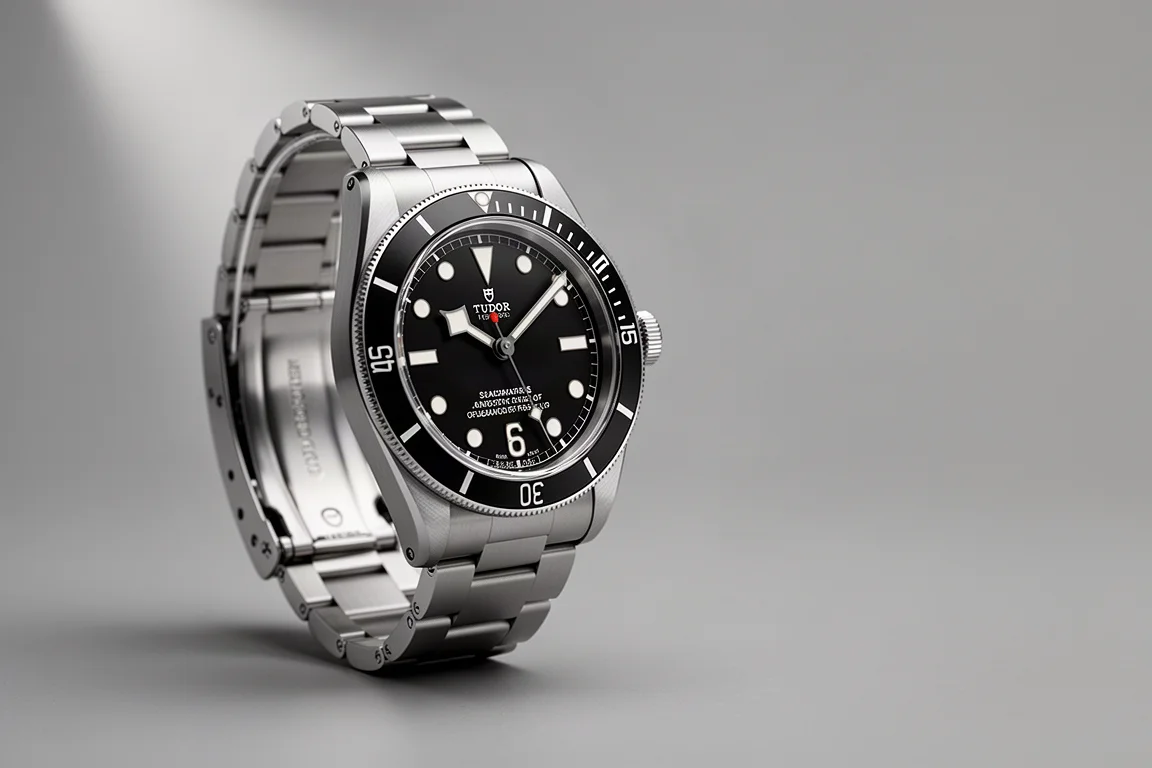
The Tudor Black Bay
Tudor was quietly making its own version of the Submariner, the Oyster Prince Submariner, and supplying those watches to French combat divers and special forces. Tudor’s Submariner was a more accessible version price-wise, which made it a great choice for military buyers. While it took definite stylistic cues from Rolex’s more luxurious version, it developed several design elements of its own that decades later would be wildly popular with a civilian watch-buying public.
Tudor returned to the US market in 2013 and introduced the Black Bay. Originally sized at 41 mm and now available in a variety of sizes, the Black Bay hit the sweet spot for many enthusiasts, not just for its price but also for its design. It’s an elegantly melded hodgepodge of elements from several generations of the Oyster Prince Submariner, including the so-called snowflake hour hand from a famous 1969 model, the engraved Tudor rose emblem on the crown, and a crown derived from the 1958 Big Crown model.
Black Bays increased in desirability as they evolved to include Tudor’s own in-house movements and popular complications like a chronograph and a GMT.
The Seiko Prospex SRPE93
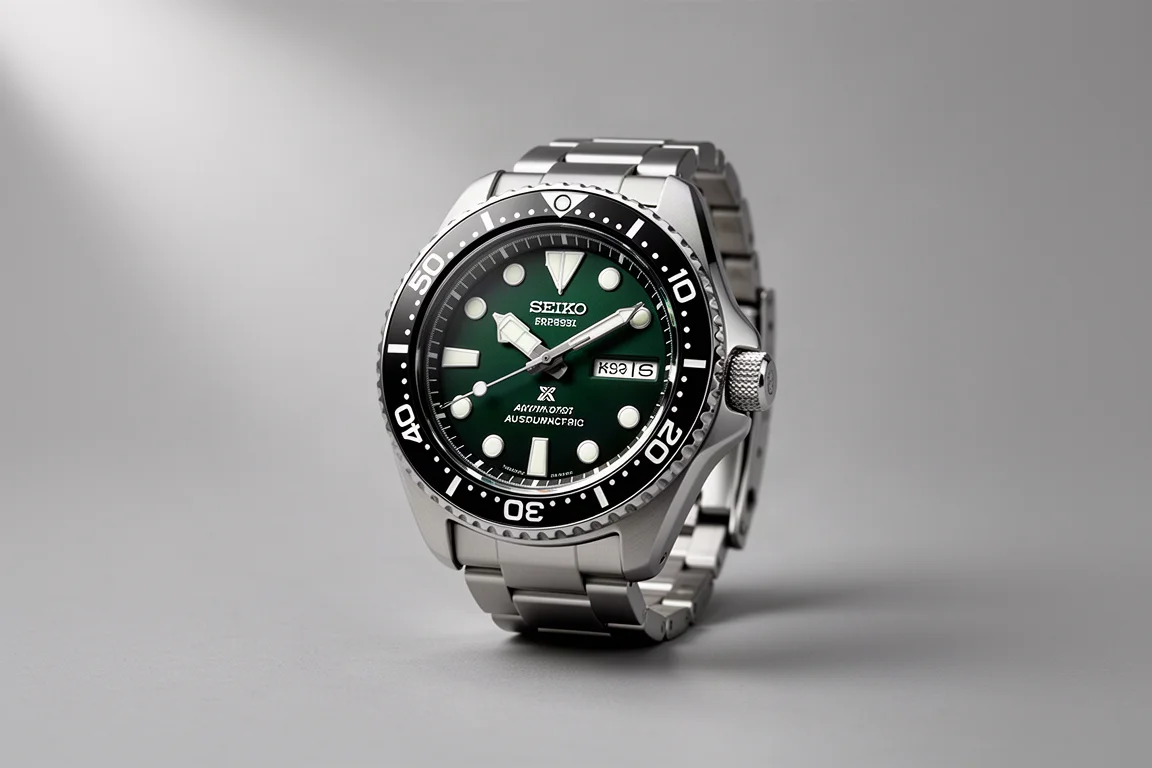
Japan’s watchmaking tradition goes back to the late 1800s, but the first dedicated dive watch from Japan didn’t arrive until 1965. It was Seiko, the nation’s oldest watchmaker, that made the 62MAS with a steel case, an automatic movement, and 150 meters of water resistance. This kicked off a long tradition of Seiko dive watches that would really kick into gear in the 1970s.
The 1970s were big for Seiko dive watches, with some of the brand’s most unusual and historic models debuting. The reference 6105, nicknamed the Captain Willard, came out in 1970 but became famous in 1979 when the character played by Martin Sheen wore it in the Vietnam War movie Apocalypse Now. In 1975 came the so-called grandfather tuna, reference 6159-7010, with a titanium case and a ceramic coated outer shroud that protected it from intense water pressures.
Seiko launched another unusually shaped dive watch with another now legendary nickname, the turtle. The name was a reference to the cushion-shaped case that looked like a turtle from above. The modern version of this classic 70s turtle is the Prospex automatic diver SRPE93, continuing Seiko’s tradition of affordable divers.
The Citizen Aqualand
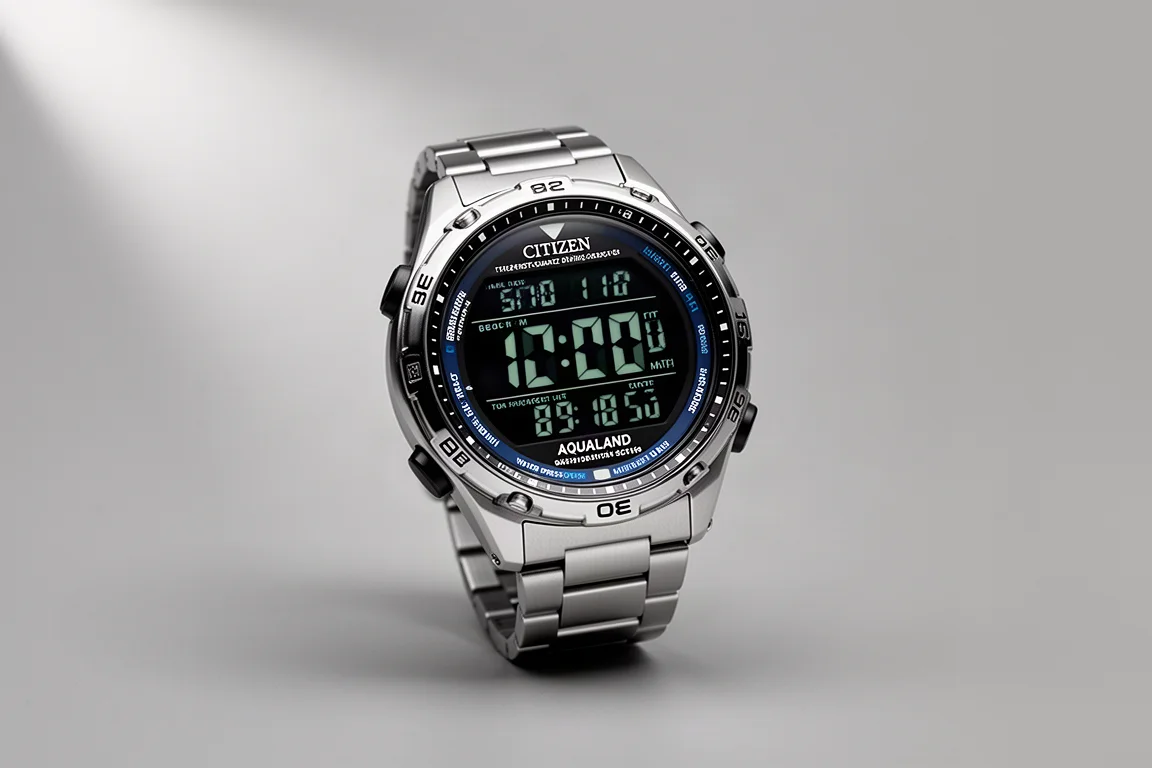
Citizen introduced Japan’s first waterproof watch, the Parawater, in 1959 and was already making some impressive dive watches in the early 1980s. In 1985, Citizen introduced the Aqualand, the first quartz diving watch with a digital depth gauge, featuring a water pressure sensor that could measure depths and display them on an LCD screen.
The Aqualand represented a significant technological leap in the dive watch category, embracing the quartz revolution that really came into high gear in the 1980s. While traditional mechanical dive watches were increasingly being pushed from necessary tools to something else, Citizen embraced new technologies in its dive watch development.
The Breitling Superocean
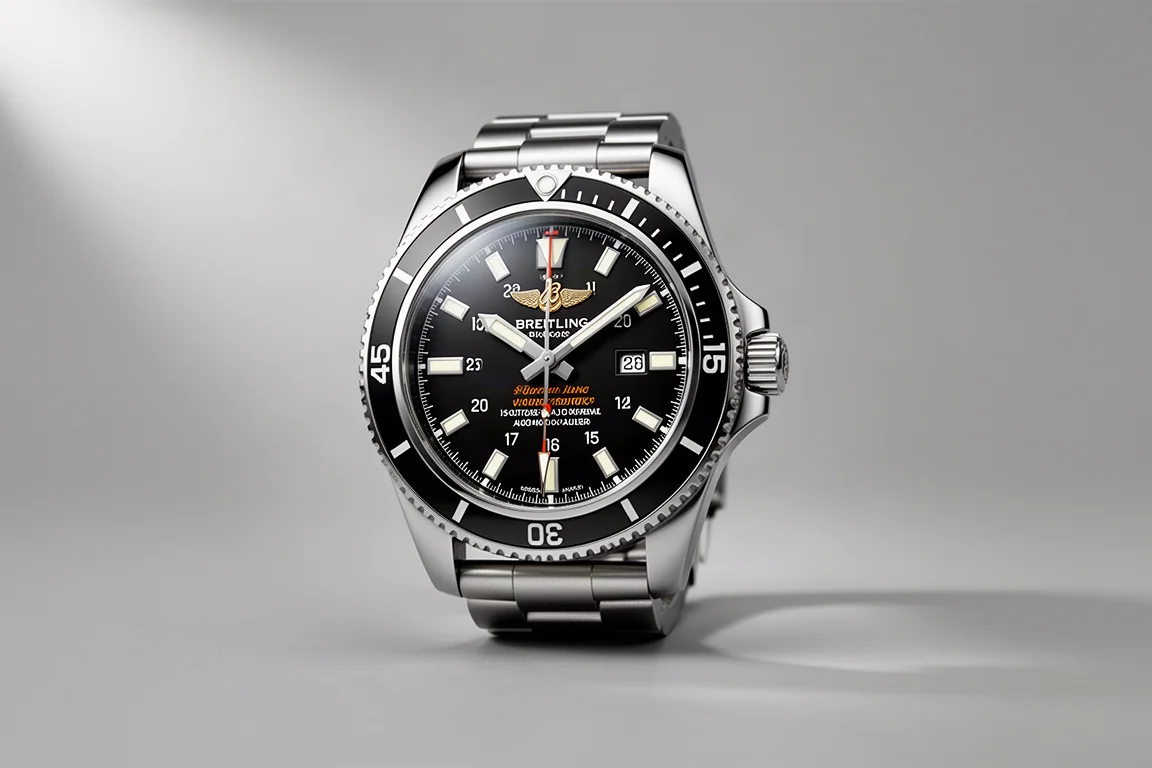
Breitling, a brand more known for chronographs and pilot’s watches, dipped its toe in the water in 1957 with the first Superocean watch, reference 1004, and also with one of the first diver chronographs, the reference 807. Both watches featured a rotating bezel with a concave design that made them easier to manipulate with diver’s gloves, and both were water resistant to 200 meters.
In 1964, Breitling improved upon its Superocean model with a large, luminous central minutes hand for the chronograph instead of a central seconds hand. The hand made a complete rotation around a 60-minute scale once per hour, making it easy to read how many minutes were recorded underwater. The slow-moving hand gave this model, reference 2005, the nickname Slow Motion.
The spirit of that design lives on in the most recent redesign of the Breitling Superocean, introduced in 2022. These watches are basically three-handed divers watches that revived the vintage elements that made the original such a cult classic, including the hand style, large chunky indexes, and the rotating coin-edge bezel. The modern version is outfitted with a Breitling in-house automatic caliber and is built to be water resistant to 200 meters.
The Oris Aquis Depth Gauge
Favre-Leuba made what’s believed to be the first diving watch with a mechanical depth gauge that could alert a diver to how deep he was underwater. This mechanism actually needed to let water seep into the case through a tiny inlet. The increasing water pressure activated a lever that moved a hand along a scale on the dial to record the depth.
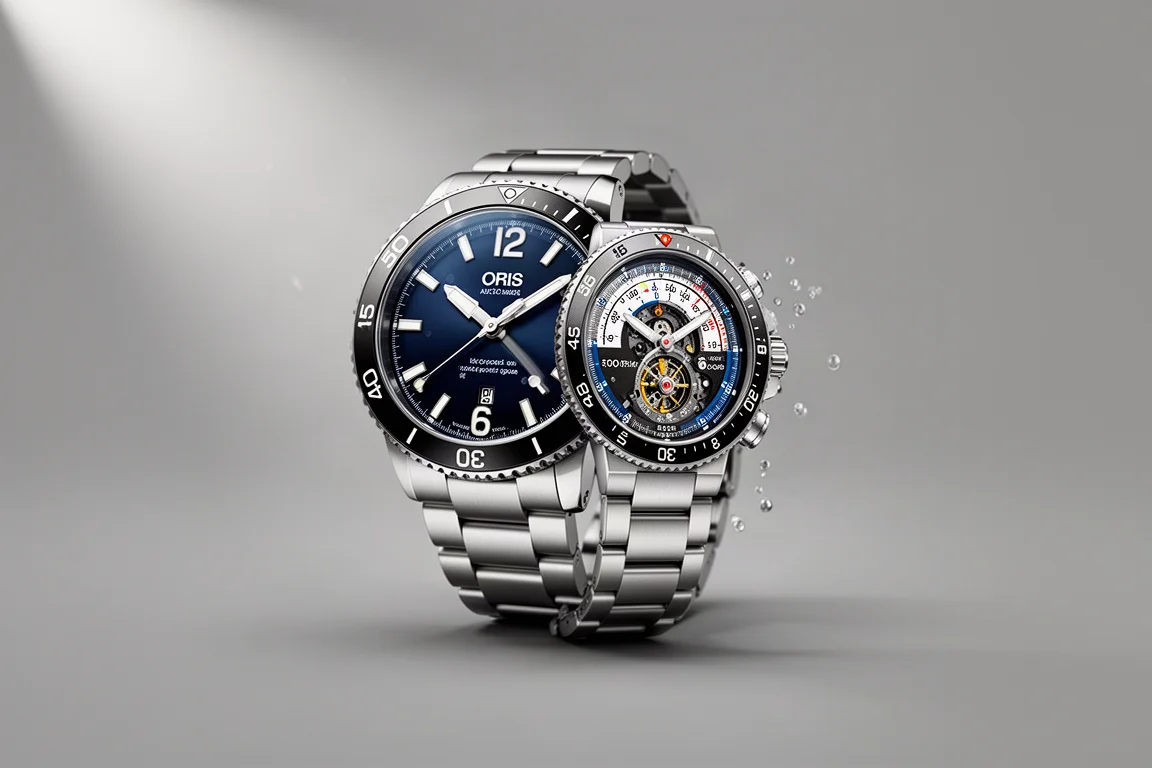
One of the few watchmakers that still uses this technology is Oris in its Aquis Depth Gauge. This is a robust beast of a watch rated to 500 meters, with a patented system that allows water to penetrate through a channel in the extra-thick crystal, sending the water to a chamber and compressing the air to activate the scale.
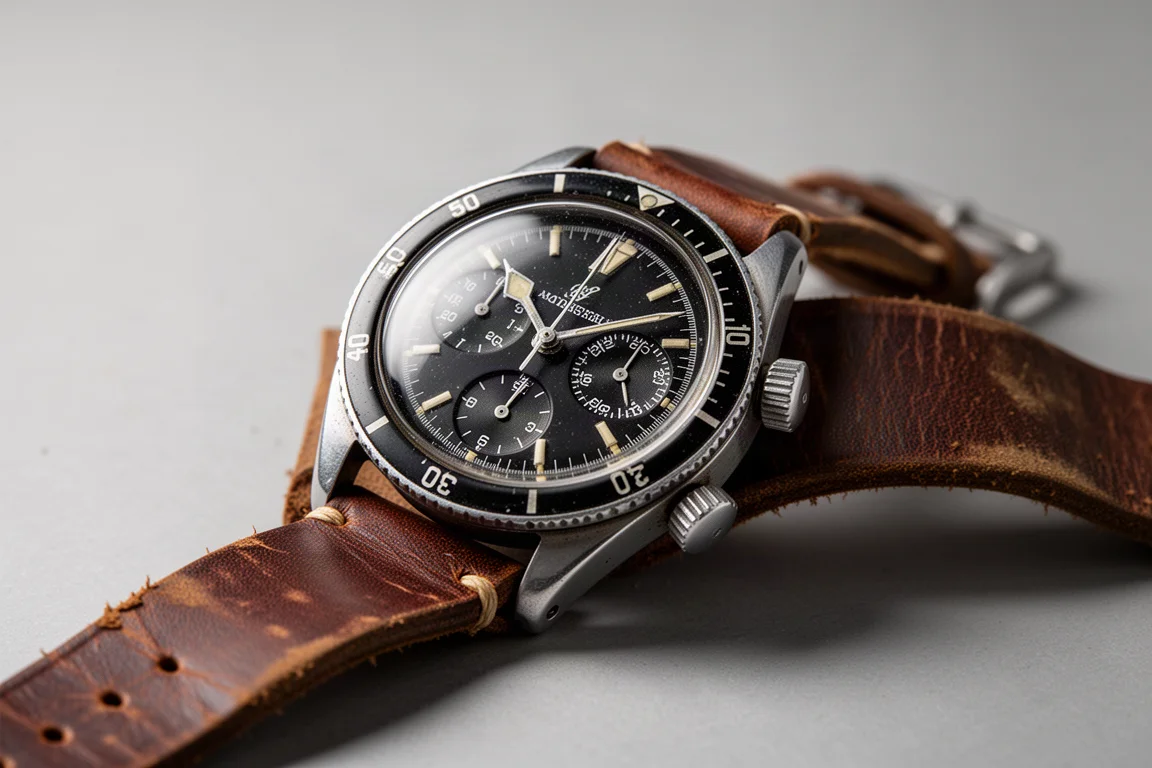
It’s not the most wearable watch for many, certainly not the most wearable size, thickness, or weight, but as a dive tool, there’s really very little like it out there now.
The Longines Legend Diver
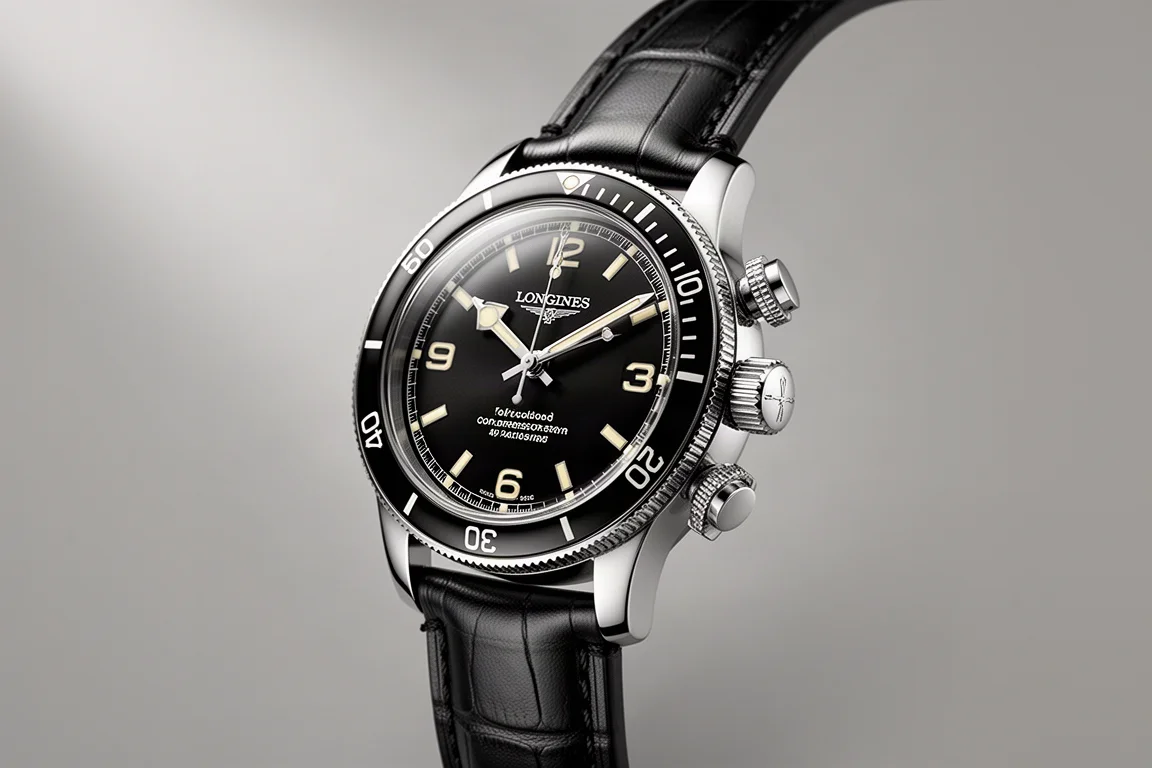
The compressor case design was patented by Swiss case maker Ervin Piquerez and used by a handful of clients, including Jaeger-LeCoultre, Enicar, and Longines. Instead of a rotating exterior bezel with a dive scale, these watches had that scale on a movable ring on the dial’s flange. These inner bezels moved in both directions, operated by an extra crown on the outside, and could lock in place when that crown was screwed in.
The case itself was differently designed, with a spring mechanism that compressed the case back tighter into the O-ring gasket as water pressure increased. Essentially, the deeper you dove, the more watertight the case became.
Few watches actually use the compressor case anymore, but some still use that classic inner bezel design, like the modern version of the Longines Legend Diver, which is one of the brand’s most popular vintage style dive watches. The Milanese bracelet version is rather new to the market and does away with the big outer rotating bezel with the dive scale, instead using that old-school compressor style inner bezel that you can activate with an extra crown on the side of the case.
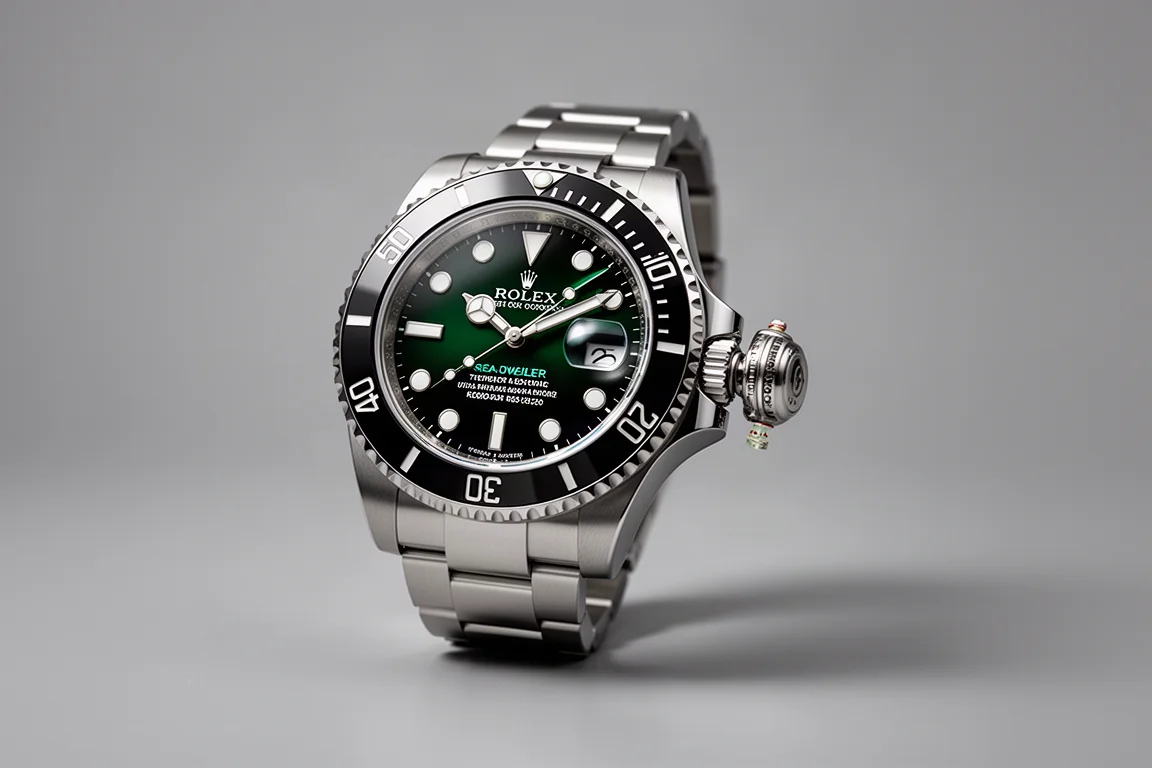
The Rolex Sea-Dweller
While the Submariner continued to grow as a coveted luxury item, Rolex was ready to take the next step in record-breaking water resistance. The first Sea-Dweller, reference 1665, was nearly identical to the Submariner in design but boosted the case’s water resistance to a punishing 500 meters.
The next version in 1969 added another new feature for its intended audience: saturation divers who worked for long periods inside a pressurized diving bell deep underwater, breathing a mixture of oxygen, hydrogen, and helium. The case had a built-in helium release valve, which could expel the built-up helium atoms inside the watch that could penetrate it and make its crystal pop free of the case.
The most famous collectible Sea-Dweller is the reference 16660 from 1978, which ushered in the even more extreme water resistance level that the watch boasts today: 1,220 meters or 4,000 feet. The Sea-Dweller, the ultimate tool watch at the time, would remain in the collection to this day and be executed in nearly as many luxurious versions as the Submariner.
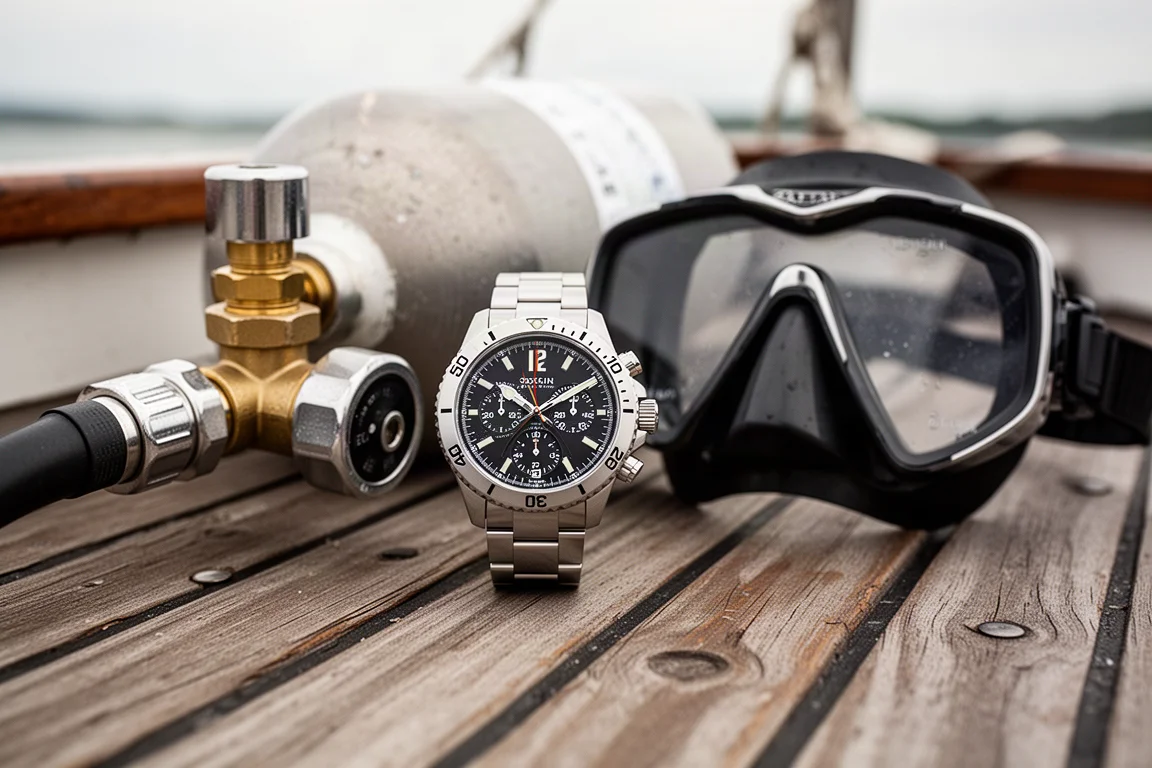
The fact that it was the first to include the helium escape valve in the side of the case really makes it an important piece of dive watch history. It’s somewhat thick, as it would have to be to be water resistant to over 1,200 meters, but it’s really a watch that feels good on the wrist.
Buying Advice
Today, the watch industry offers a full gamut of dive watches that bring both style and toughness to the table. For a thousand dollars and under, there are a wide range of options. Seiko continues its tradition of affordable divers like the Prospex automatic diver SRPE93, the modern version of the classic 70s turtle. Citizen of Japan also has dozens at this approachable price range, both automatic and Eco-Drive.
Moving up to $5,000 as a price ceiling, there are still a lot of options, including the still fan-favorite Doxa Sub 300 range, the core Oris Aquis Date models, and the vintage-inspired compressor style Longines Legend Diver. Other Swiss brands available in this range include Tag Heuer with its Aquaracer, and from Germany, Sinn makes a number of models with that brand’s proprietary waterproofing technology and steel hardening process.
Of course, for some enthusiasts, only the blue-chip brands will do: the Rolex Submariner and Sea-Dweller, the Omega Seamaster Diver and Planet Ocean, the Panerai Submersible series, and the Breitling Superocean. Tudor, while still a bit above the $5,000 ceiling, belongs in this group too, with numerous versions of the Black Bay and the Pelagos.
Conclusion
As we finally surface from this deep dive into this fascinating and endlessly evolving category of timepieces, it’s clear that dive watches, even the vast majority of luxuriously designed models that never see moisture more challenging than a rainstorm, are as relevant to the public and to culture as they ever were. Despite their undeniable elevation from tools to style objects, dive watches are still built to challenge the depths.
Further reading
Related Reviews

Watches
Best Moonphase Watches 2026: From Budget to High-End
A curated look at some of the most compelling moonphase watches across the market, from an affordable Casio to a spectacular Arnold & Son.

Watches
Best Tissot Watches 2026: The Models Collectors Voted For
A look at the Tissot models that stood out in a collector-driven tournament, from the PRX Titanium 38 mm to the Heritage 1938.

Watches
Best Watches Under $500 in 2026: A Brand-by-Brand Guide
A practical guide to the best watches around the $500 mark in 2026, covering mainstream Swiss and Japanese brands plus a few standout microbrands.