Hand Tools
Icon Gen 2, Snap-On, and KTC Nepros 3/8 Ratchets: What Extended Testing Revealed
Multiple examples of three popular 3/8 ratchets were broken in, back-drag tested, and pushed to destruction. Here is what the extra data shows.
Introduction
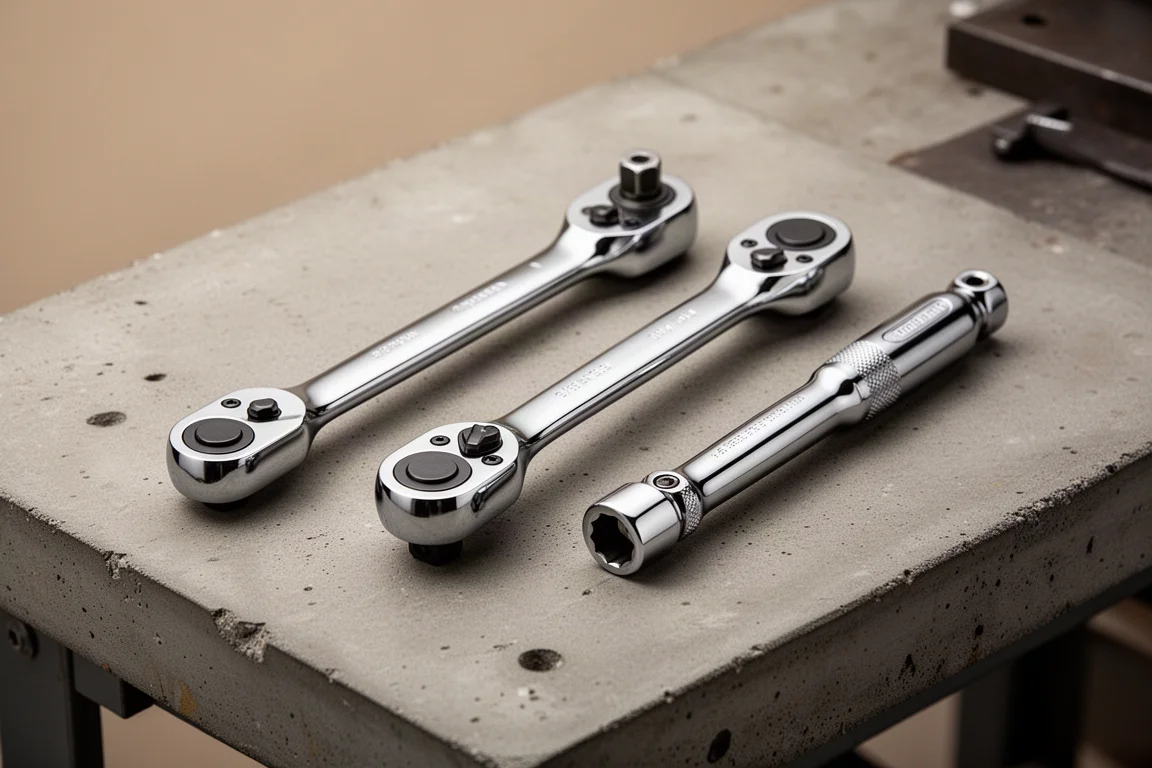
A 3/8 ratchet is one of those tools most people buy once and expect to keep for life, so it makes sense to ask how consistent any given model really is. Multiple examples of three popular ratchets were purchased, broken in, back-drag tested, and then pushed to their breaking point on a torque rig to see how much unit-to-unit variation exists within the same product.
The results are interesting, especially for the Icon Gen 2, which delivered a wider spread than most tool categories typically show.
Why Buy Ten of the Same Tool
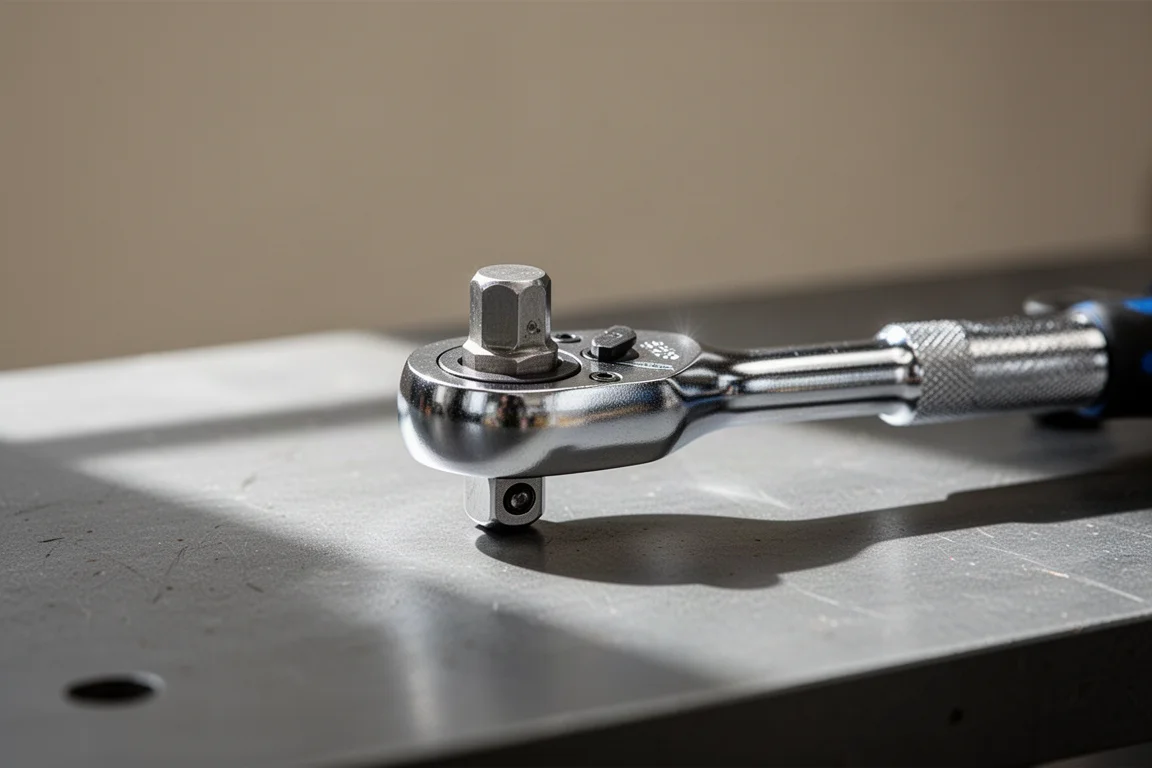
A common criticism of tool testing is that buying a single example of a product can be luck of the draw. That critique is fair, and for new products there is a real question about consistency: retailers like Harbor Freight are known for sometimes sourcing the same item from multiple factories, which can affect quality control from one purchase to the next.
The extra examples in this comparison were bought specifically to answer that concern. Not every tool justifies this kind of investment, but ratchets that test unusually well, or Harbor Freight items that stand out, are good candidates for repeat sampling.
How the Testing Worked
Every ratchet was first broken in, then measured for back drag after that process. Lower back drag is better, and across the larger sample the numbers averaged out to a solid four, which matched the Snap-On. That was a direction most observers did not expect going in.
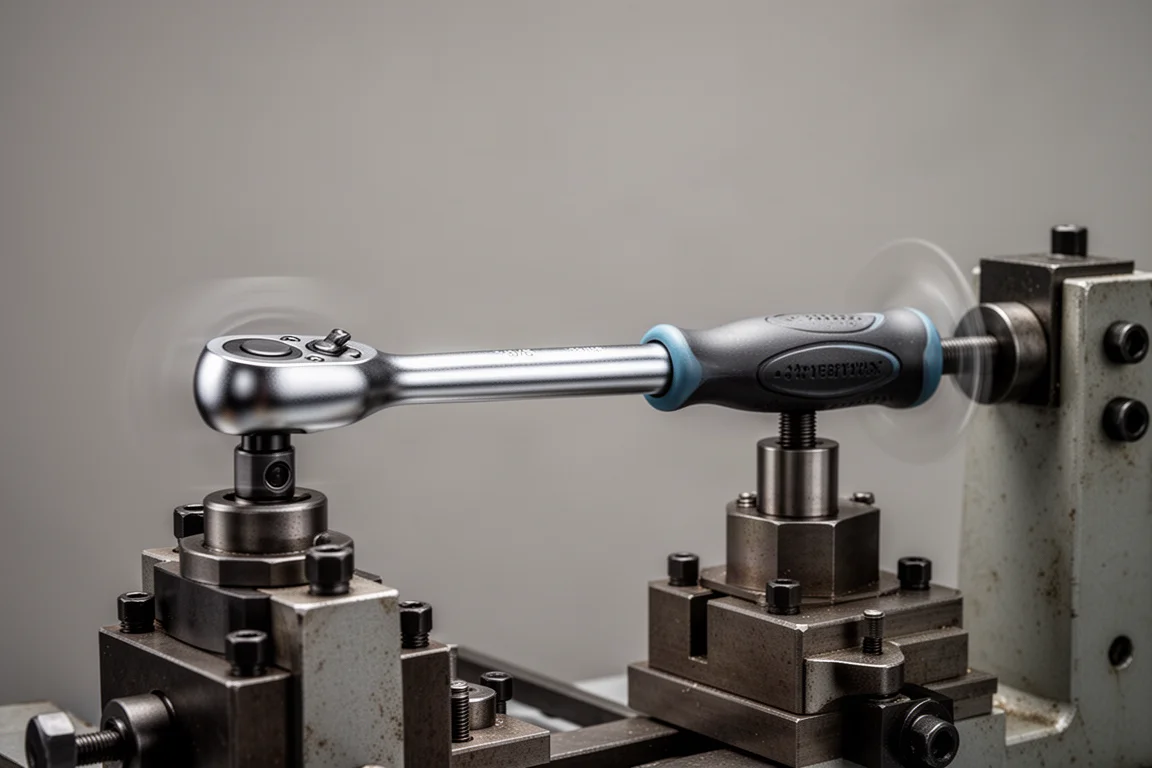
From there, each ratchet was loaded to destruction on a torque rig. Breaking square drive ratchets is admittedly an imperfect metric, since it is partly luck of the draw related to the jaws, but it remains one useful piece of data. For comparison, the Snap-On Dual 80 mechanism is rated for around 250 ft-lbs, which puts the results in context.
Icon Gen 2 3/8 Ratchet
The Icon Gen 2 put up an impressive headline figure: one example reached 310 ft-lb (419.7 Nm), well above the Snap-On. But the spread across the sample was the real story. One unit hit 394.2 Nm, another dropped to 246 ft-lb, and a later example climbed back into the upper range. The tenth ratchet managed 240 ft-lb, confirming the variation was not a fluke.
The internals of all the tested units looked identical, and hardness readings were consistent and appropriate for the part, with the highest-scoring drive coming in at 54.9 HRC. That suggests the hardening itself was done as intended, and the torque gap appears to come down to defects or quality control rather than batch treatment. With a lifetime warranty that can be honored over the counter at Harbor Freight, an unlucky unit is at least easy to swap.
Snap-On 3/8 Ratchet
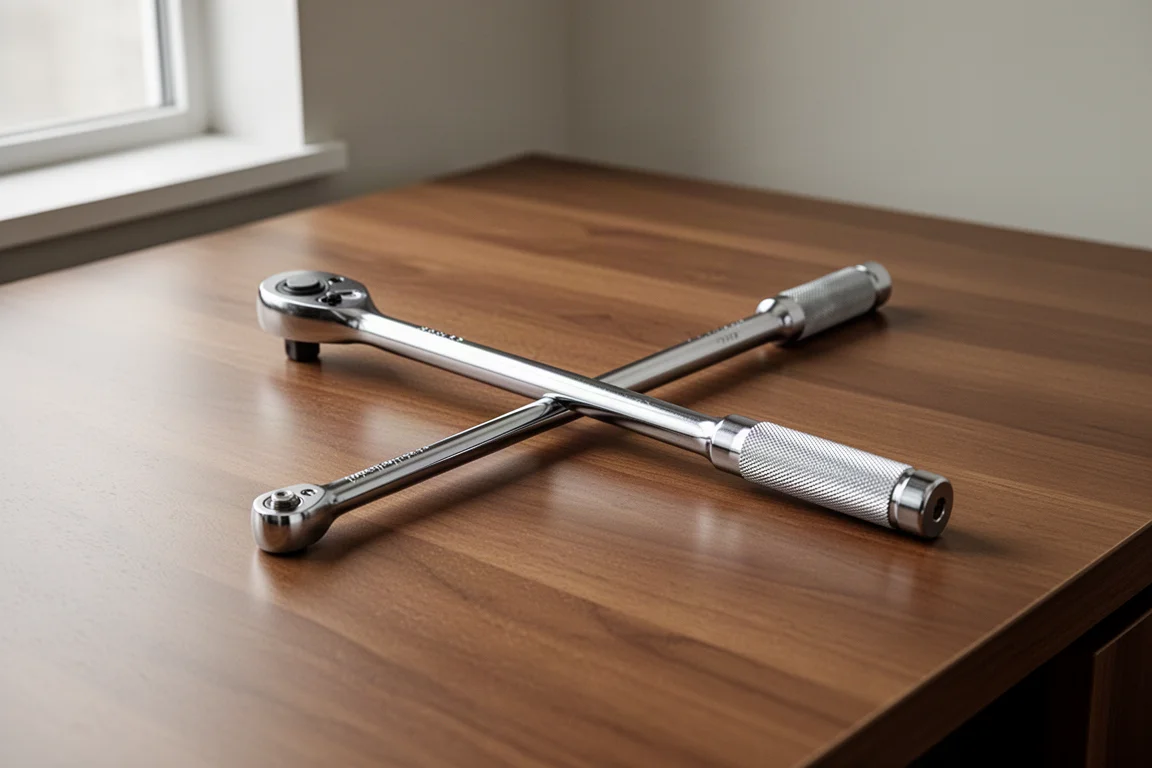
The Snap-On fixed head remains the benchmark, and the extended testing reinforced why. Across the examples tested, results clustered more consistently, with units landing around and above the mechanism’s rated 250 ft-lb capacity, including 255 ft-lb and 258 ft-lb on extra-long examples with less leverage.
The mechanism itself is decades into production, and it shows. It ratchets more quietly and, more importantly, is produced more consistently. Even after updating the scores with new back-drag and average torque data, the ranking did not reorder: the Snap-On fixed head stayed on top. It costs considerably more, and it arguably should be this dialed, but the price is part of what you are evaluating.
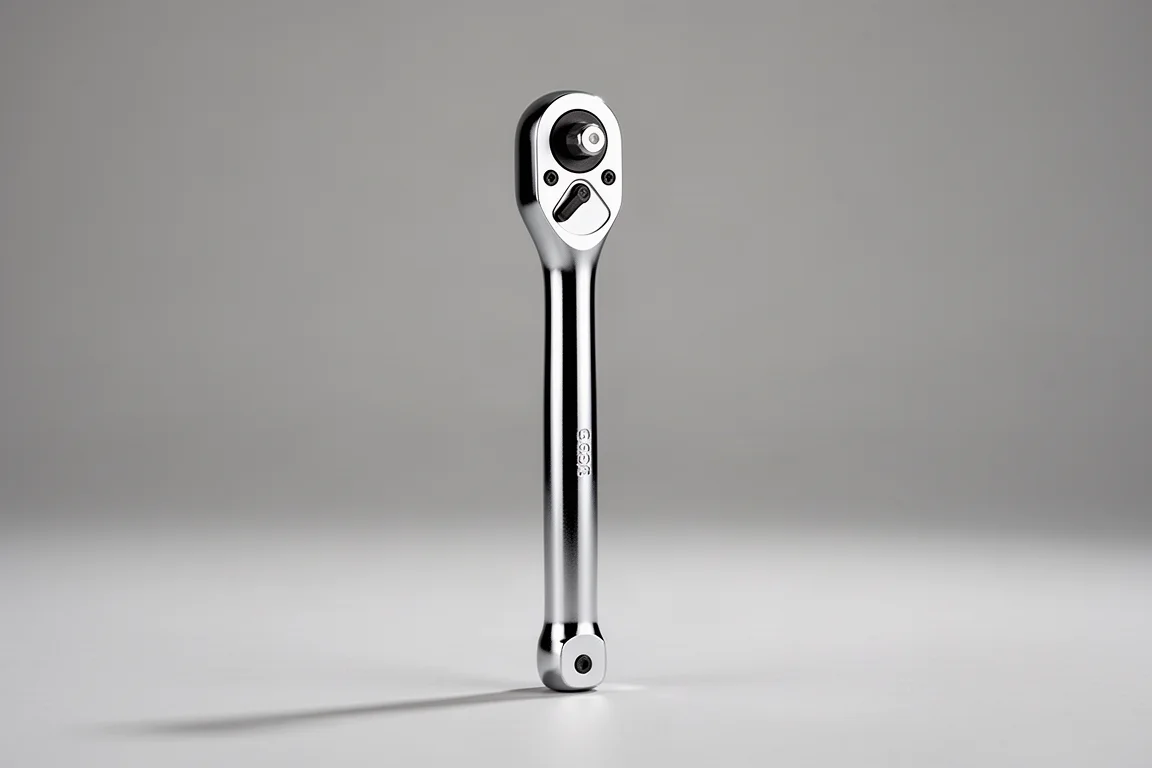
Flex Heads and Final Rankings
In the flex-head category, the KTC Nepros took first place and remains the practical recommendation for buyers with the budget for it. Just behind, the Icon and Snap-On flex heads tied at 2.75 points a piece, so both remain strong options depending on what matters most to you: supporting a retail store and its employees versus a dealer and a factory.
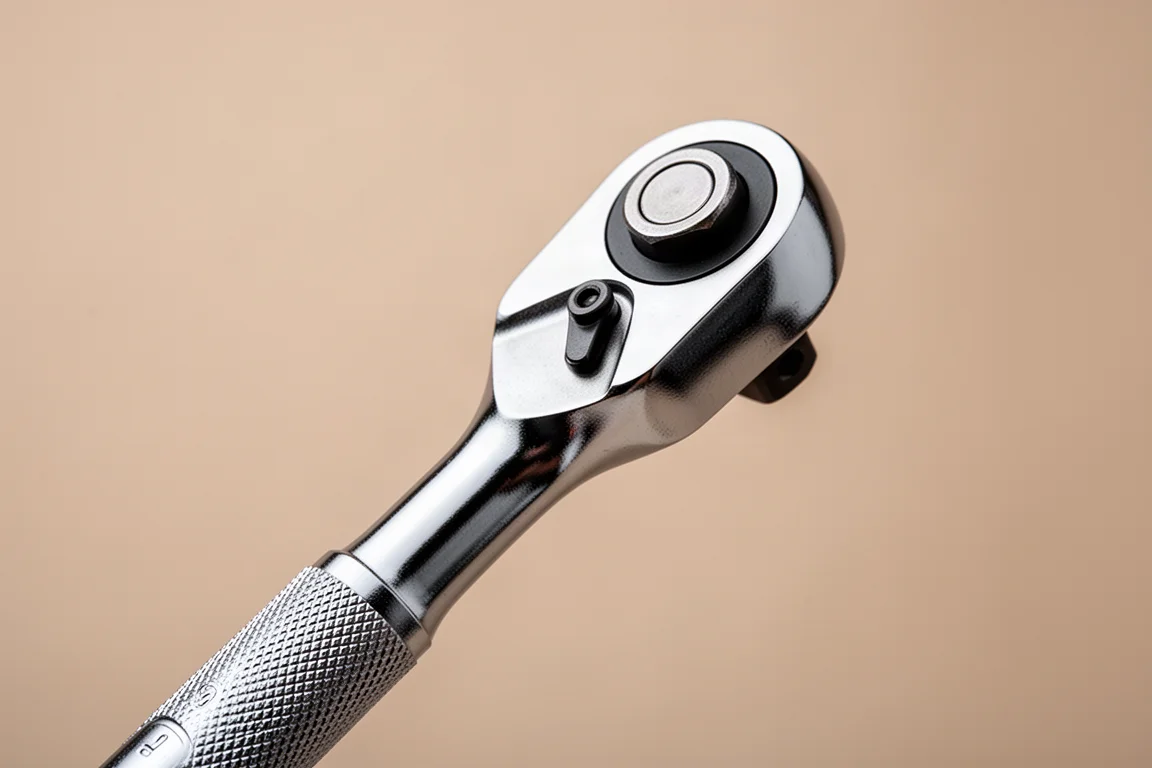
Which One Should You Buy
The honest takeaway is that this category is in a rising-tide moment. There are more good options available today than ever before, whether you want the lowest price or the most refined mechanism.
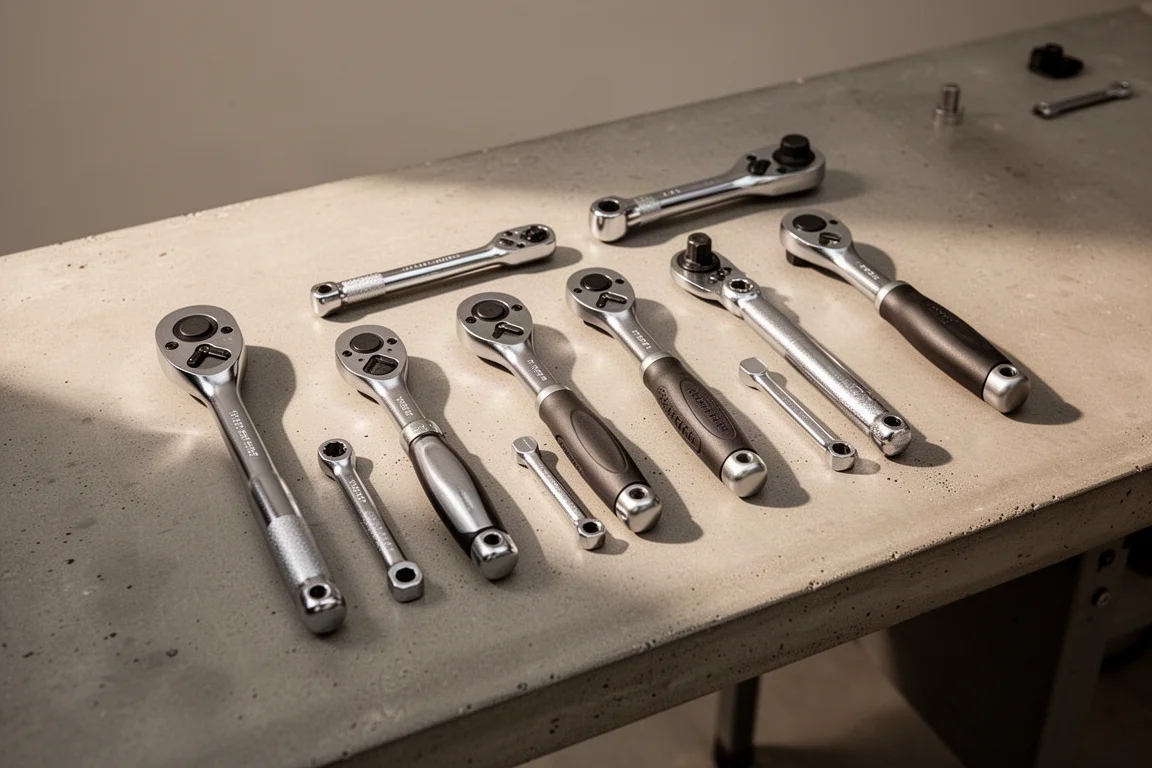
If consistency is your priority and budget is flexible, the KTC Nepros flex head or the Snap-On fixed head are the safer bets. The Icon Gen 2 offers remarkable performance for the money, with the caveat that a given unit may need a warranty swap to land in the same range. Either way, the buyer wins.
Conclusion
Extended testing confirmed what the earlier data hinted at: the Icon Gen 2 is excellent value with real unit-to-unit variation, the Snap-On is the consistency benchmark, and the KTC Nepros flex head is the top flex-head pick. All three are strong tools; the right choice comes down to how much you value consistency of feel, quieter operation, and price.
Further reading
Related Reviews
Hand Tools
Best Diagonal Cutters 2026: 16 Pliers Tested for Cutting Power and Durability
We put 16 diagonal cutters through nail, screw, drill bit, and hex key tests to find the best value picks for your toolbox.
Hand Tools
Best Hex L Key Sets 2026: Nine Sets Tested for Real-World Torque
Nine hex L key sets from budget to premium, tested for torque, fit, and durability. See which sets deliver real performance and which ones to skip.
Hand Tools
Best Locking Pliers 2026: Top Picks Tested for Grip and Durability
We tested 18 brands of 10-inch locking pliers for grip strength, jaw bite, build quality, and ease of release to find the best options for tough jobs.