Hand Tools
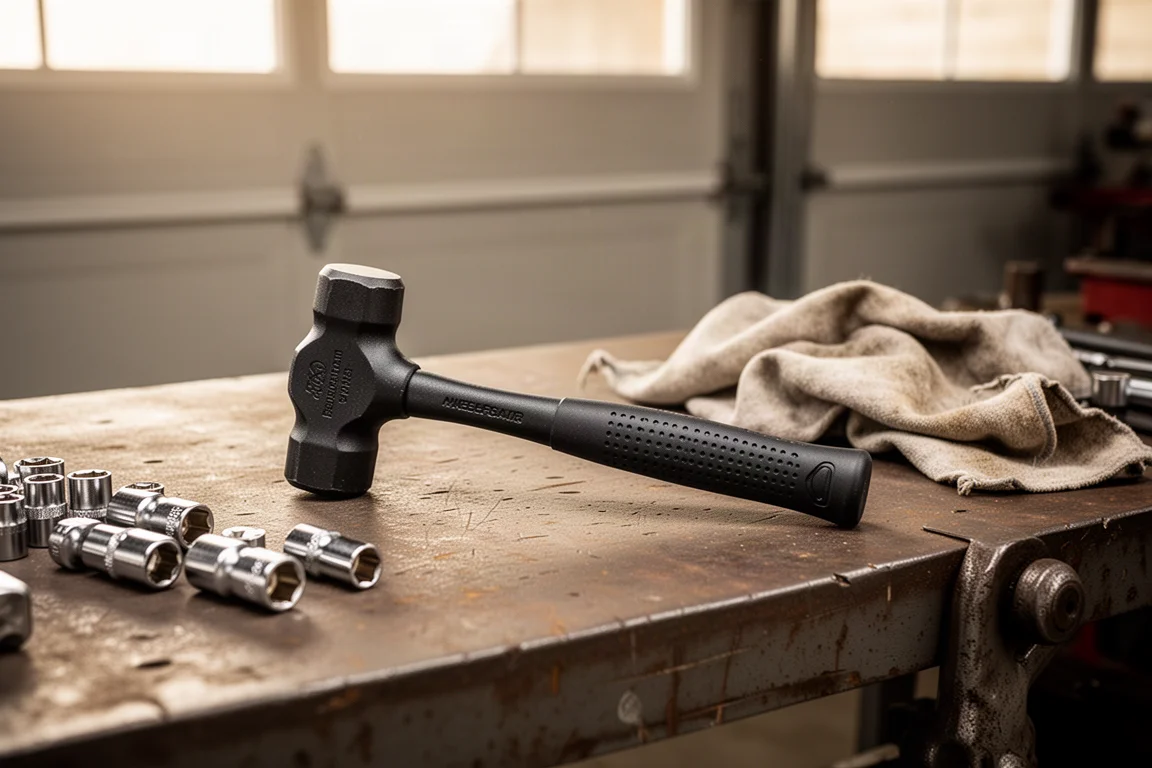
Icon 32 oz Dead Blow Ballpeen Hammer vs Snap-On 40 oz Dead Blow Hammer: Which One Deserves Your Money?
We weighed, measured, and compared two dead blow hammers side by side. The results challenge a few assumptions about head weight, total weight, and whether the premium price tag is worth it.
Introduction
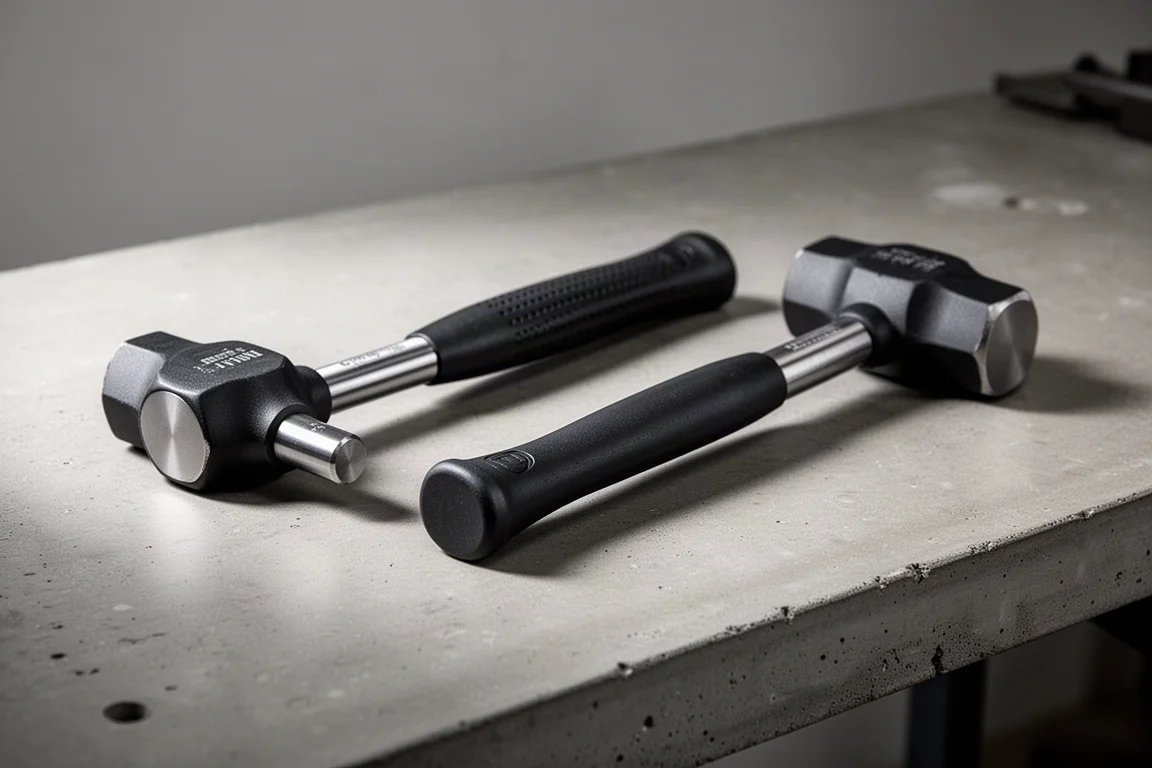
Harbor Freight’s spring sale made one thing clear: the Icon 32 oz Dead Blow Ballpeen Hammer has gotten seriously good. Priced at $35 during a 35% discount from its regular $55, it goes head to head with a Snap-On 40 oz Dead Blow Hammer that costs around $170 on the truck. That is a massive price gap for two hammers that look almost identical.
We put both through simple but telling tests: total weight, head weight, magnet behavior along the steel shank, and a basic swing comparison. The results were genuinely surprising, and they say a lot about how each company builds and sells its tools.
Weight and Balance: The Numbers Do Not Add Up
Here is where the “dead blow math” gets interesting. The Icon is sold as a 32 oz hammer, and the Snap-On as a 40 oz. You would expect the bigger number to be the heavier tool. It is not.
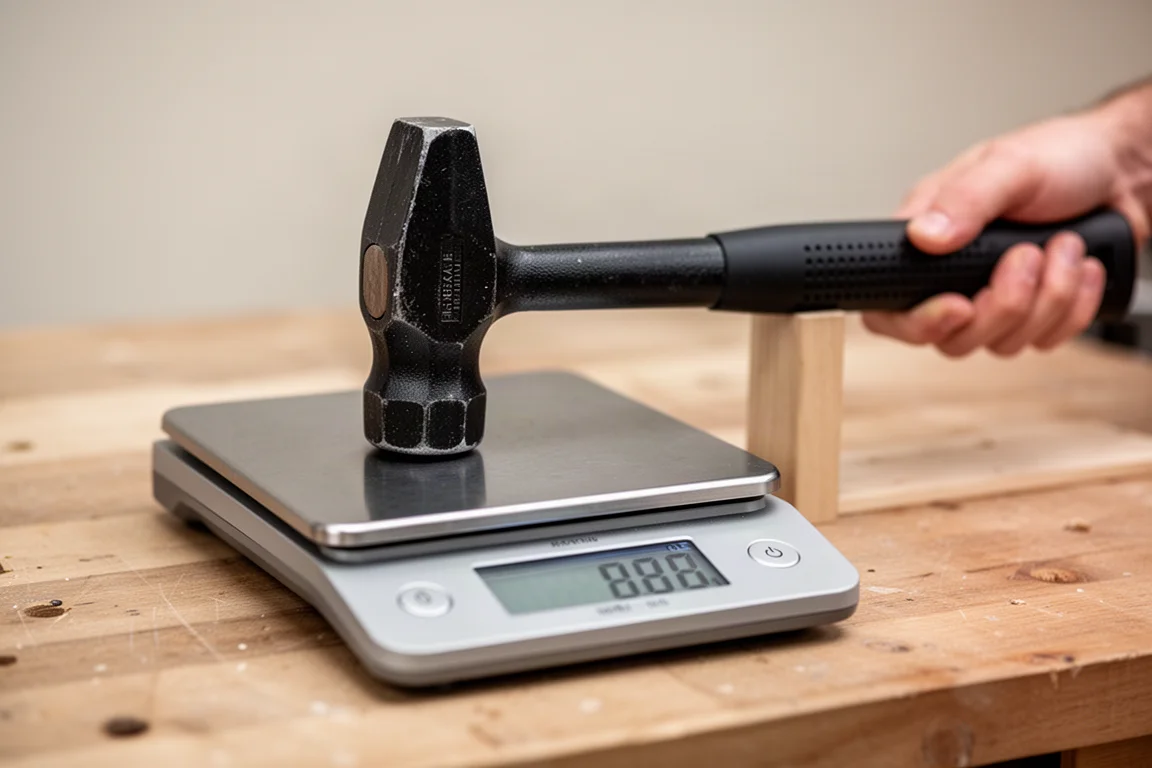
Measured on a scale, the 32 oz Icon weighs 55 oz in total, while the 40 oz Snap-On comes in at 46 oz. The supposedly lighter hammer is actually 9 oz heavier than the one billed as heavier.
Head weight tells an even stranger story. With the handle held level, the Icon’s head measures about 43 to 45 oz, and the Snap-On’s head measures almost exactly 40 oz as advertised. So where does the Icon’s “32 oz” rating come from? It is hard to say. What matters in practice is that the Icon felt noticeably heavier in the hand, while the Snap-On felt lighter and more nimble despite its larger head rating.
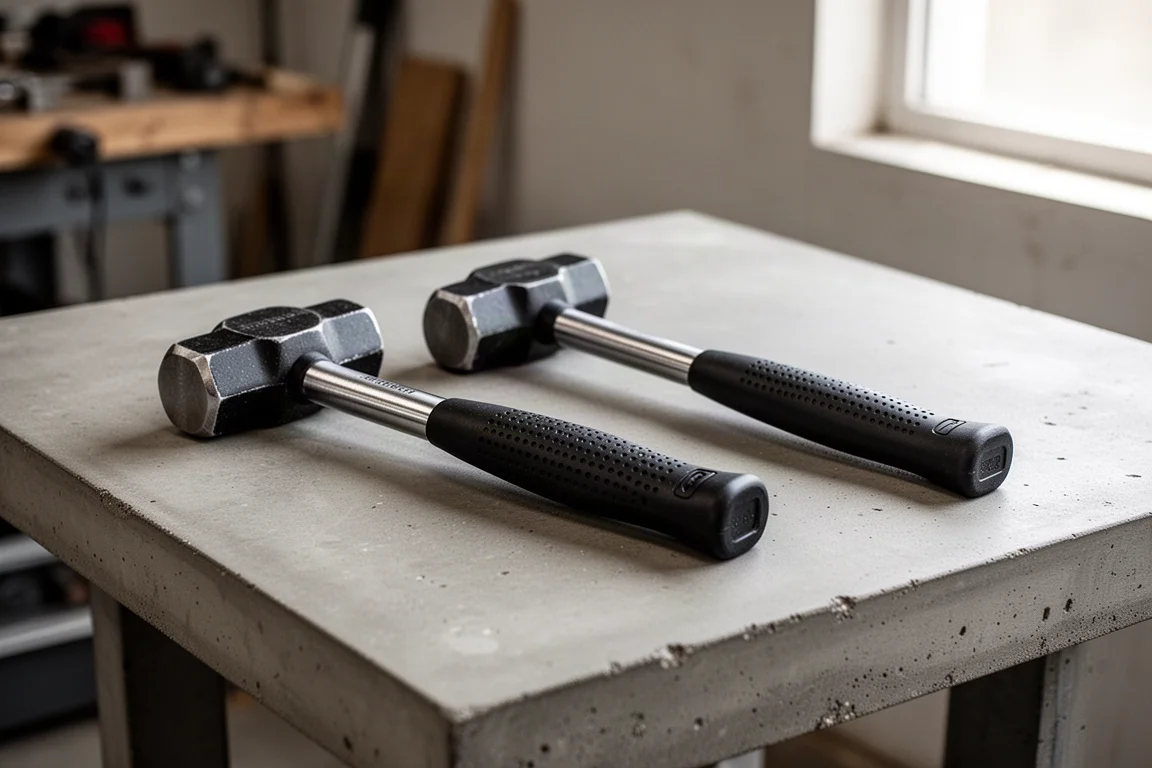
Both hammers use a solid steel shank running from the head through the handle, which Harbor Freight describes as a solid steel shank extending from the head through the handle. One difference showed up with a magnet: the Snap-On held the magnet a little more firmly along its shaft, suggesting a slightly different steel composition. The Icon still attracted it, but not quite as strongly.
Dead Blow Performance
In terms of the actual dead blow effect, the two are remarkably close. Tapping them against an anvil and pushing objects across a bench produced nearly identical reactions. The internal shot, the loose material inside the head that creates the dead blow effect, sounds louder and “sandier” in the Icon, which may indicate a larger shot fill or a smaller shot capsule. The pitch, however, sounds about the same.
Head dimensions are also almost exact between the two, regardless of the weight difference. If you put the two heads side by side, it is genuinely difficult to tell them apart.
One honest caveat: the Icon is the harsher hammer of the two. With metal running all the way through the handle, taps are definitely not muted. The Snap-On, which appears to use a fiberglass shaft inside its solid polyurethane body, absorbs more of the strike.
Feel, Finish, and Handle Design
This is where preferences split. The Snap-On handle is the clear favorite for swinging: it is flexible, and you can actually see it bow back and forth on video mid-swing. Apparently that flex is desirable for people who swing bigger hammers regularly.
The Icon has a shorter, heavier handle. The finish work on the current version is noticeably better than earlier Icon hammers of the same type, with a more grippy surface instead of the hard plasticky feel some of them had. It simply feels more professional than it used to.
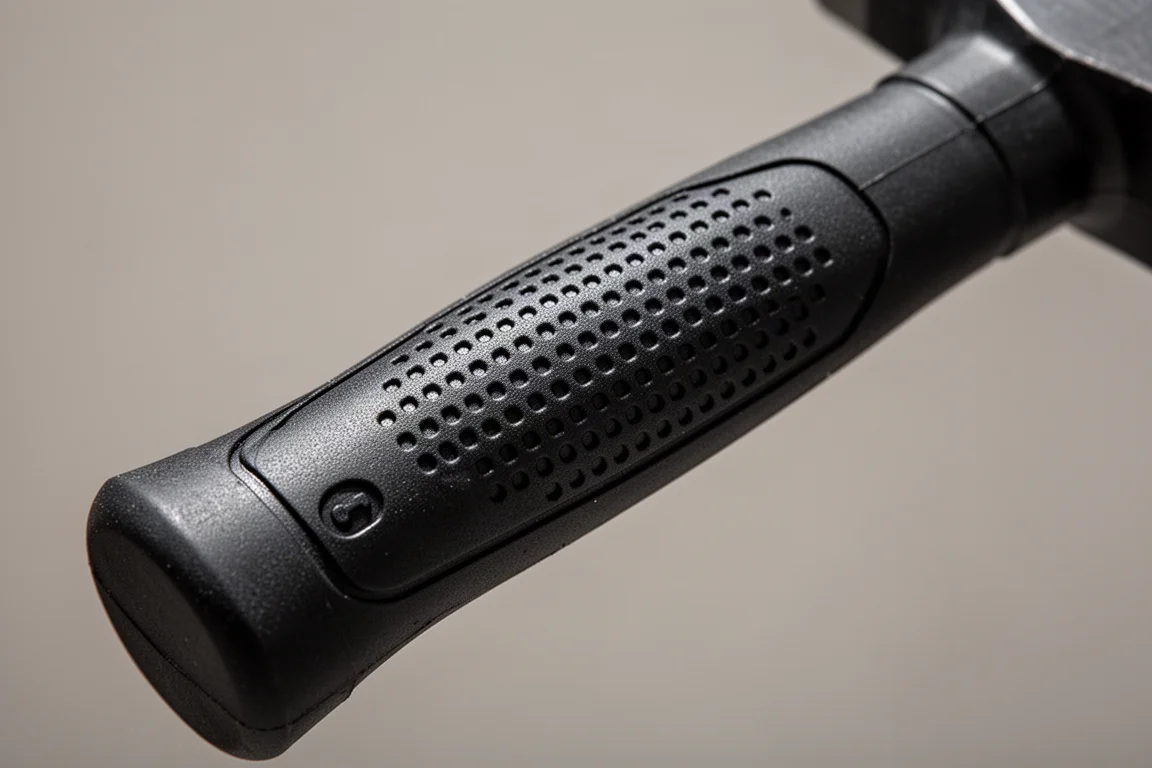
The edge finishing is not always perfect, and some moulding edges can look a little rough up close. But for a garage hammer, that is a small complaint.
It is also worth noting how each company seems to update its products. The current Icon feels like a small but continuous improvement over previous versions, almost like each batch is the latest revision. Snap-On, by contrast, appears to run large production runs and sit on warehouse stock for years, so what you buy may be an older design.
Which Hammer Should You Buy?
If you want a dedicated garage hammer that can live outside a locked tool box, the Icon is an easy call. At $35 on sale versus $170 for the Snap-On, the value is hard to argue with. The original appeal here was practical: nobody wants to leave an expensive Snap-On hammer in an open garage where it might get borrowed, left out, or stolen.
If you swing hammers hard all day and value that flexible Snap-On handle feel, the premium tool still has something to offer. The steel composition may also be slightly better, judging by the magnet test.
The honest conclusion: for most people doing general shop and garage work, the Icon hammers are simply killing it right now. The price difference buys you a better handle feel and a US-made tool, but not a dramatic performance advantage. If you can catch the Icon on sale, it is one of the best value dead blow hammers available.
Conclusion
Both hammers deliver a very similar dead blow performance with nearly identical head dimensions. The Icon weighs more in total despite its smaller advertised rating, feels harsher on strikes, and costs a fraction of the Snap-On. The Snap-On counters with a more flexible, better-loved handle and softer feel. For $35 versus $170, most buyers will be very happy with the Icon.
Product link
View more details for Icon 32 oz Dead Blow Ballpeen Hammer (HDBP32000)
This product is mentioned in the review. Check the specifications, options, and compatibility before buying.
View more details for Icon 32 oz Dead Blow Ballpeen Hammer (HDBP32000)Further reading
Related Reviews
Hand Tools
Best Diagonal Cutters 2026: 16 Pliers Tested for Cutting Power and Durability
We put 16 diagonal cutters through nail, screw, drill bit, and hex key tests to find the best value picks for your toolbox.
Hand Tools
Best Hex L Key Sets 2026: Nine Sets Tested for Real-World Torque
Nine hex L key sets from budget to premium, tested for torque, fit, and durability. See which sets deliver real performance and which ones to skip.
Hand Tools
Best Locking Pliers 2026: Top Picks Tested for Grip and Durability
We tested 18 brands of 10-inch locking pliers for grip strength, jaw bite, build quality, and ease of release to find the best options for tough jobs.