Hand Tools
Icon PWC-9 Wire Stripper vs Snap-On: A Close Comparison
A detailed look at the new Icon wire stripper, cutter and crimper and how it stacks up against the Snap-On version it closely resembles.
Introduction
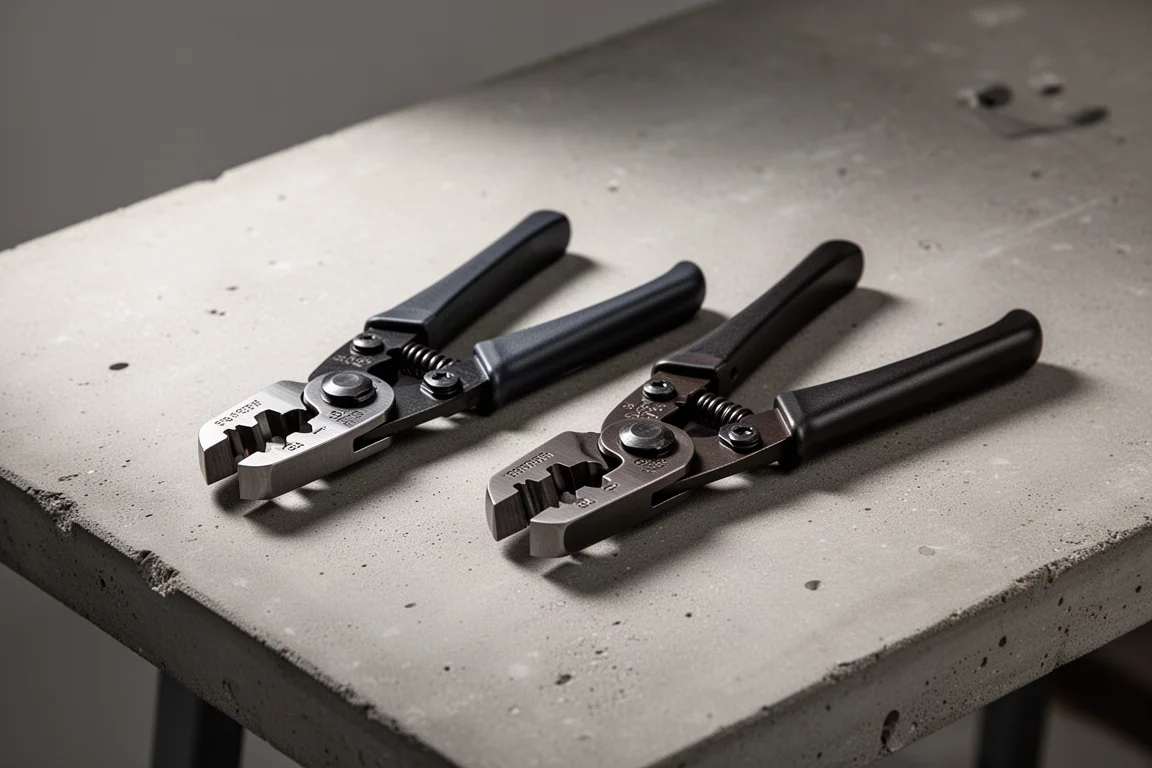
Harbor Freight’s Icon line has built a reputation for producing tools that look strikingly similar to well-known premium brands, and its latest release continues that pattern. The new Icon wire stripper, cutter and crimper, model PWC-9 (item 7400), arrives with a design that mirrors the Snap-On version almost line for line. This comparison looks at how the two actually differ, where the Icon holds up, and what to check before choosing either one.
Unboxing and First Impressions
Out of the box, the Icon is noticeably well greased, with visible layers of protective lubricant inside the joint. That is consistent with other Icon tools that ship with a generous coating for the journey. It is manufactured in Taiwan and designed by Icon Tools.
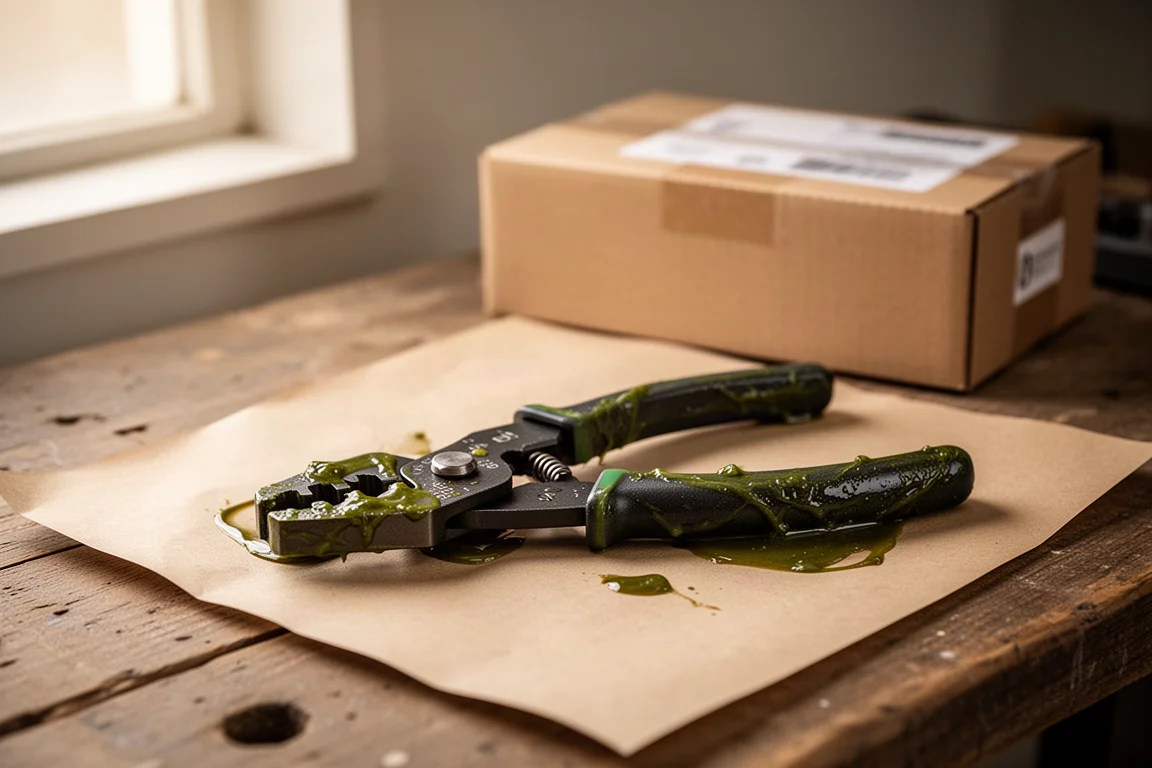
Two details stand out right away: the Icon has a stronger spring and slightly different spring geometry, and it sits a millimeter or two taller than the Snap-On. The Icon also uses a clearer and slightly larger font on its markings, which is genuinely useful for readability in a dim workshop.
Design and Build Differences
Lined up side by side, the differences are small but real. The Snap-On body looks a touch thicker down low. The crimpers differ as well: the Snap-On’s compression crimper is more subdued compared to the more aggressive pattern on the Icon. Both use a hex or Torx hex drive bolt at the center of the spring loading mechanism.
The tips tell their own story. The Icon’s tips are offset just a hair and do not move easily, while the Snap-On’s line up straight. When the jaws close, the Snap-On shows a slight overbite, while the Icon has a slightly crooked bite. Neither is perfect, though the Icon’s closure is arguably the more forgiving of the two when grabbing small items, and the jaw-top closure on the Icon looks a little less symmetrical than expected.
The Locking Mechanism Question
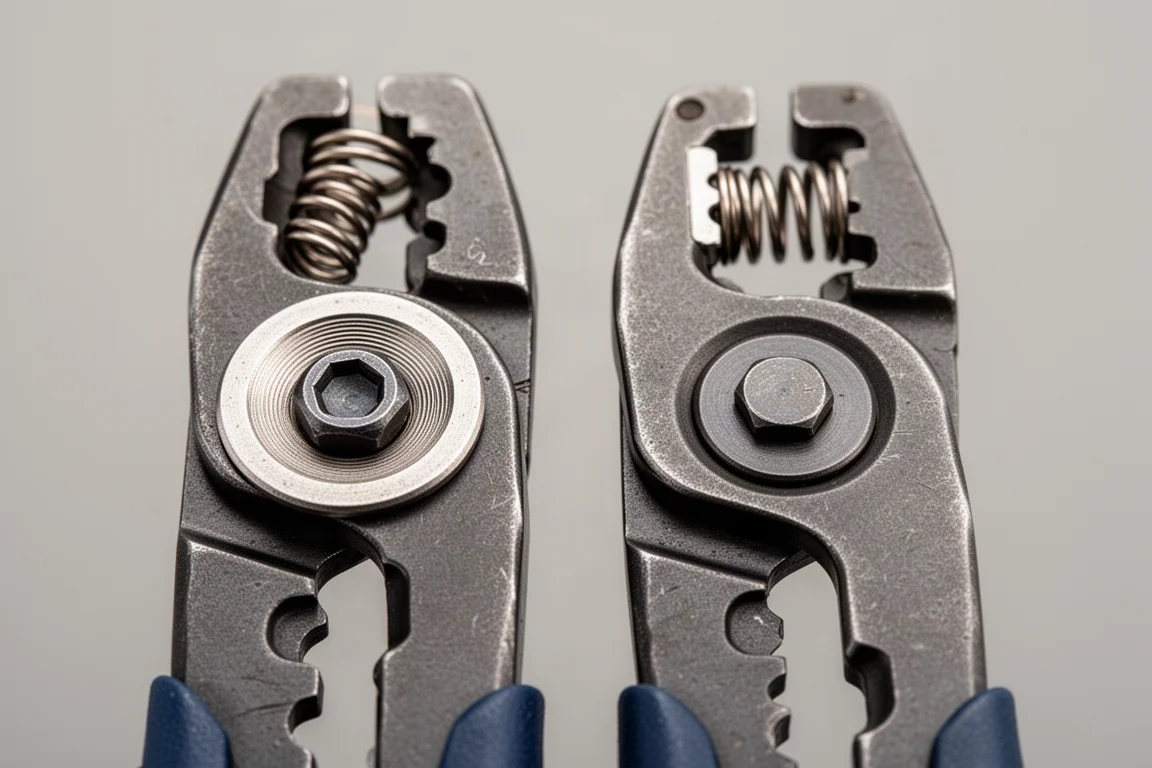
The Snap-On design has had a known issue. Earlier versions used a ball-and-bolt arrangement that did not hold well: the pliers would pop open when set down, and the bolt could eventually unscrew entirely. A replacement pair showed the same behavior, and the consensus was that it was simply a flawed design that does not sell in large numbers.
The interesting part is how the Icon handles it. The Snap-On uses a small washer to provide resistance, and its surface shows some grinding that appears to give it actual friction. The Icon looks much like the older Snap-On design with no recess, so its lock initially seems like it would slide too easily and let the momentum of the heavy lock flip the pliers open. In testing, though, the Icon held. When both locks were pushed fully open, the Icon drifted down just a hair, not enough to release the hook. It is close enough to work.
How They Perform on Wire
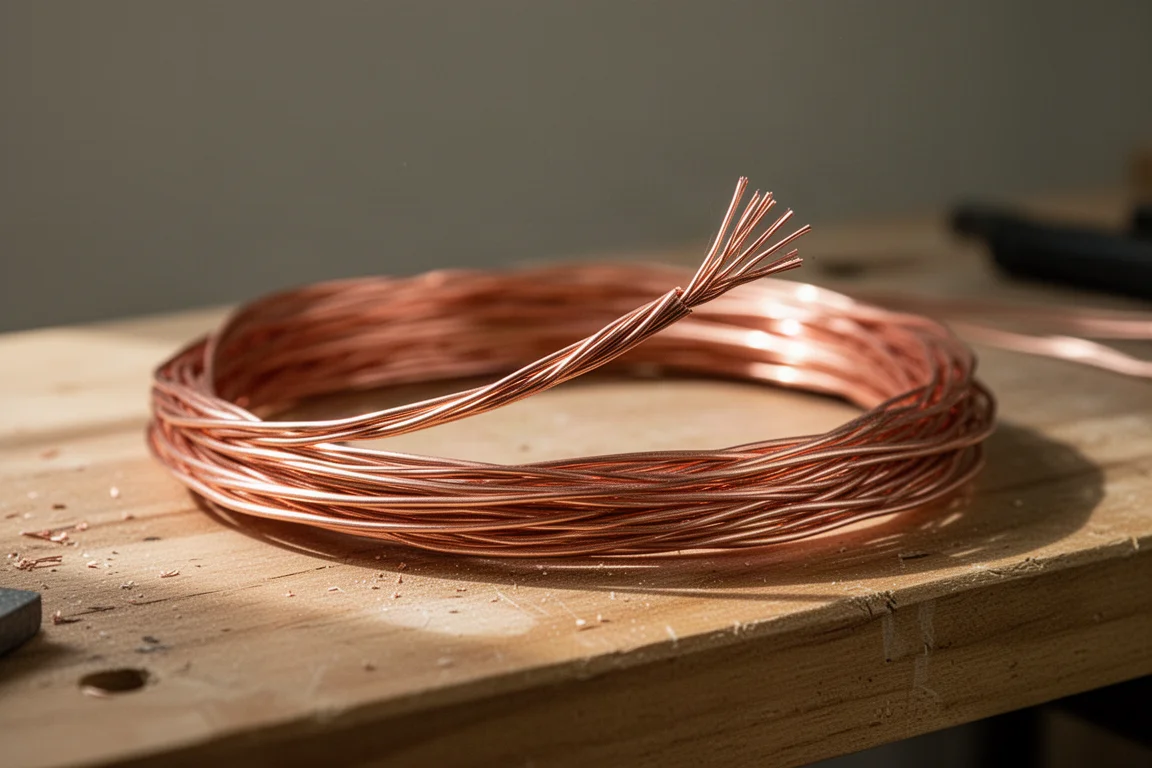
Cutting is smooth and complete on both. Testing a larger stranded wire at the bottom, middle, and top of the jaw on each tool showed both working well, with the Icon feeling slightly sticky at first from its fresh grease coating before settling in.
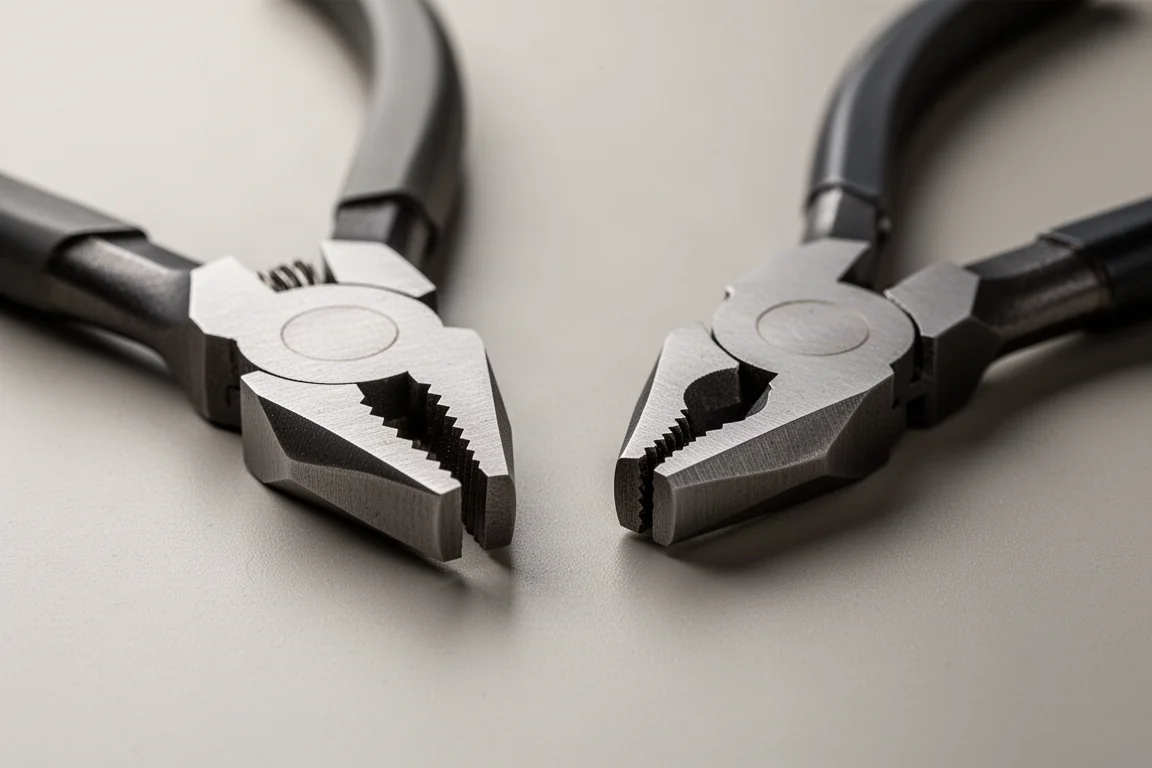
Stripping is where both shine. The Icon produced clean strips with no visible scoring on the strands. The Snap-On required slightly more of a tug on the wire, but both performed well overall.
Crimping and Cutting
The screw-cutting sections line up the same on both tools, so there is effectively no difference there. For crimping insulated and bare terminals, both offer marked sections, and the difference comes down to the more aggressive compression pattern on the Icon versus the more subdued Snap-On crimper. For the previous Snap-On generation, the price was around thirty-two dollars as recalled, so expectations should be set accordingly at either price point.
Buying Advice
The Icon PWC-9 performs well across cutting, stripping, and crimping, and its lock appears to have addressed the failure mode that plagued the earlier Snap-On design. The minor drawbacks are the slightly offset tips, the asymmetrical jaw closure, and the sticky fresh grease. If the size and style of plier suit your work, the Icon is easy to recommend without hesitation. The Snap-On remains a fine tool, but its lock design history and higher price make the Icon the stronger value pick for most buyers.
Conclusion
The Icon PWC-9 lands remarkably close to the Snap-On in performance, with small ergonomic differences on both sides. Icon appears to be dialing the design in, and for wire stripping and crimping work it holds its own against the more expensive original.
Product link
View more details for Icon PWC-9 Wire Stripper Cutter and Crimper
This product is mentioned in the review. Check the specifications, options, and compatibility before buying.
View more details for Icon PWC-9 Wire Stripper Cutter and CrimperFurther reading
Related Reviews
Hand Tools
Best Diagonal Cutters 2026: 16 Pliers Tested for Cutting Power and Durability
We put 16 diagonal cutters through nail, screw, drill bit, and hex key tests to find the best value picks for your toolbox.
Hand Tools
Best Hex L Key Sets 2026: Nine Sets Tested for Real-World Torque
Nine hex L key sets from budget to premium, tested for torque, fit, and durability. See which sets deliver real performance and which ones to skip.
Hand Tools
Best Locking Pliers 2026: Top Picks Tested for Grip and Durability
We tested 18 brands of 10-inch locking pliers for grip strength, jaw bite, build quality, and ease of release to find the best options for tough jobs.