Hand Tools
Icon Generation 2 1/4-inch Extra-Long Ratchet: A Strong Design Tripped Up by One Bad Seal
We put the Icon Generation 2 extra-long 1/4-inch ratchet to work, then tore one down after it locked up completely. The verdict: solid hardware, one notable manufacturing flaw, and an easy warranty fix.
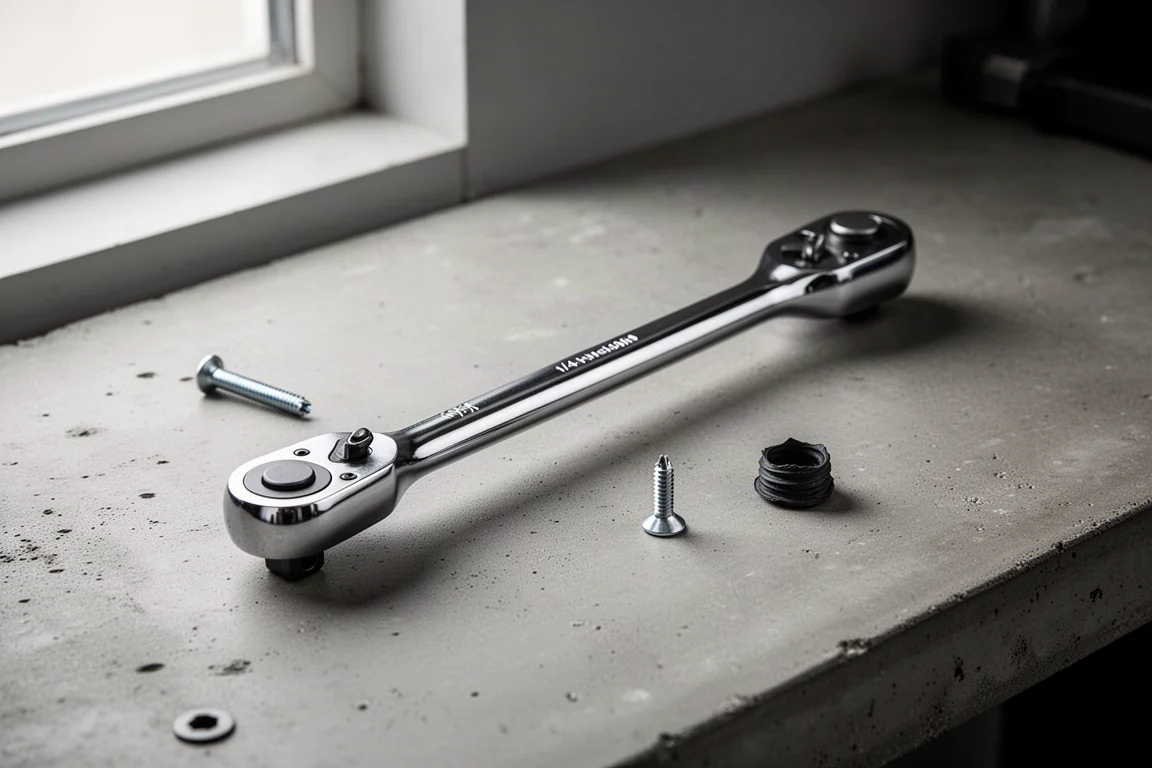
Introduction
The Icon Generation 2 lineup has been rolling out gradually, and the extra-long 1/4-inch drive ratchet is one of the more interesting additions. It promises the kind of slim, long-reach design that serious tool users appreciate, at a price well below the big-name truck brands. But an early unit we tested locked up so badly it would not spin at all, which gave us a perfect excuse to tear one down and find out exactly what went wrong.
First Impressions
Out of the package, the extra-long ratchet looks and feels the part: a slim handle, a low-profile head, and a reach that genuinely changes how you work in tight spots. It pairs nicely with extra-long sockets, which sound like a gimmick but are surprisingly functional for reaching fasteners in recessed or awkward locations. The direction selector on the healthy unit moves smoothly and the back drag is light enough that a torque test registers nothing where it should not.
The packaging, however, deserves a mention for the wrong reasons. The ratchet does not sit flush in its blister tray, the package is bulky relative to the tool, and the plastic carries no resin identification code, so it is effectively destined for landfill rather than easy recycling. Loss prevention does not explain it either, given the package is roughly the size of a cell phone. It is a small gripe about an otherwise well-made tool, but worth knowing before you buy.
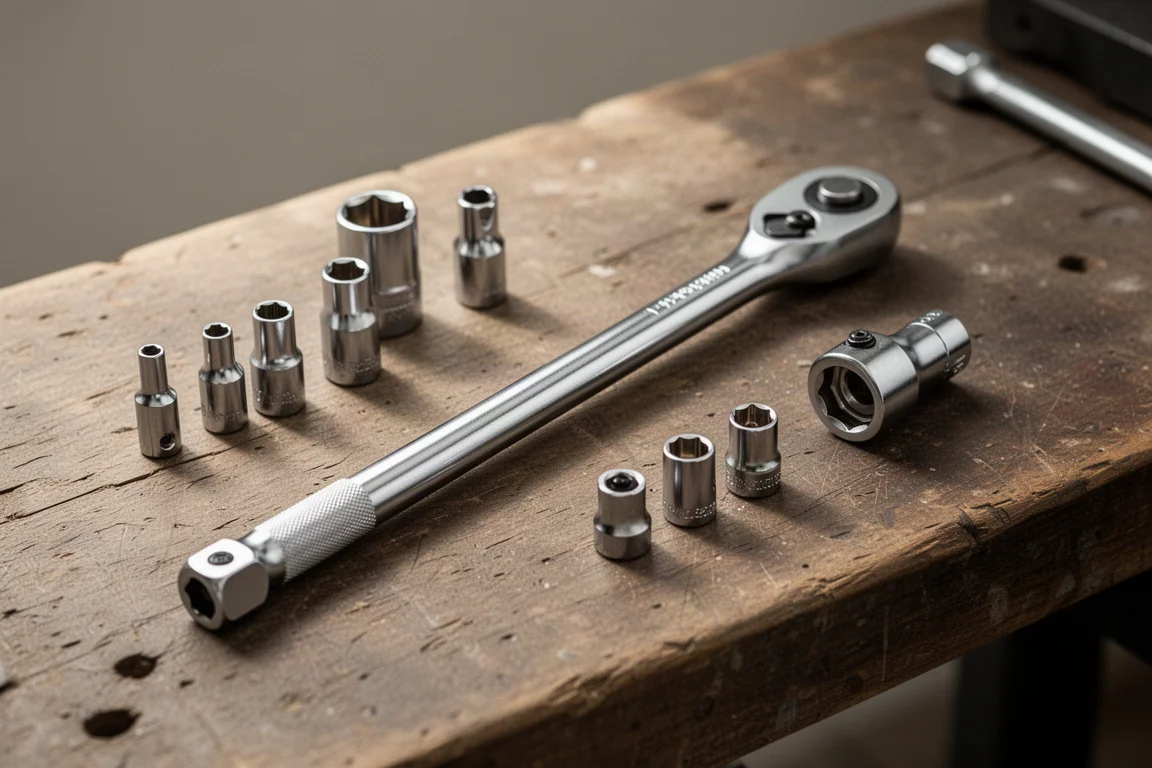
The Locked-Up Ratchet Problem
Not every example on the shelf behaves the way it should. One extra-long 1/4-inch ratchet was completely locked up, stiff in both directions, with no free spin whatsoever. We connected a torque wrench through an adapter to quantify it: with a healthy unit set to the off direction, the wrench registered nothing, as expected. The locked-up unit kept climbing, hitting roughly 17 Nm without ever showing a clean free-spin direction.
Curiously, the direction selector on the faulty unit still moved back and forth, unlike most locked ratchets where the switch freezes entirely. It just was not smooth, hinting that something inside had gone wrong rather than the mechanism simply seizing in one direction.
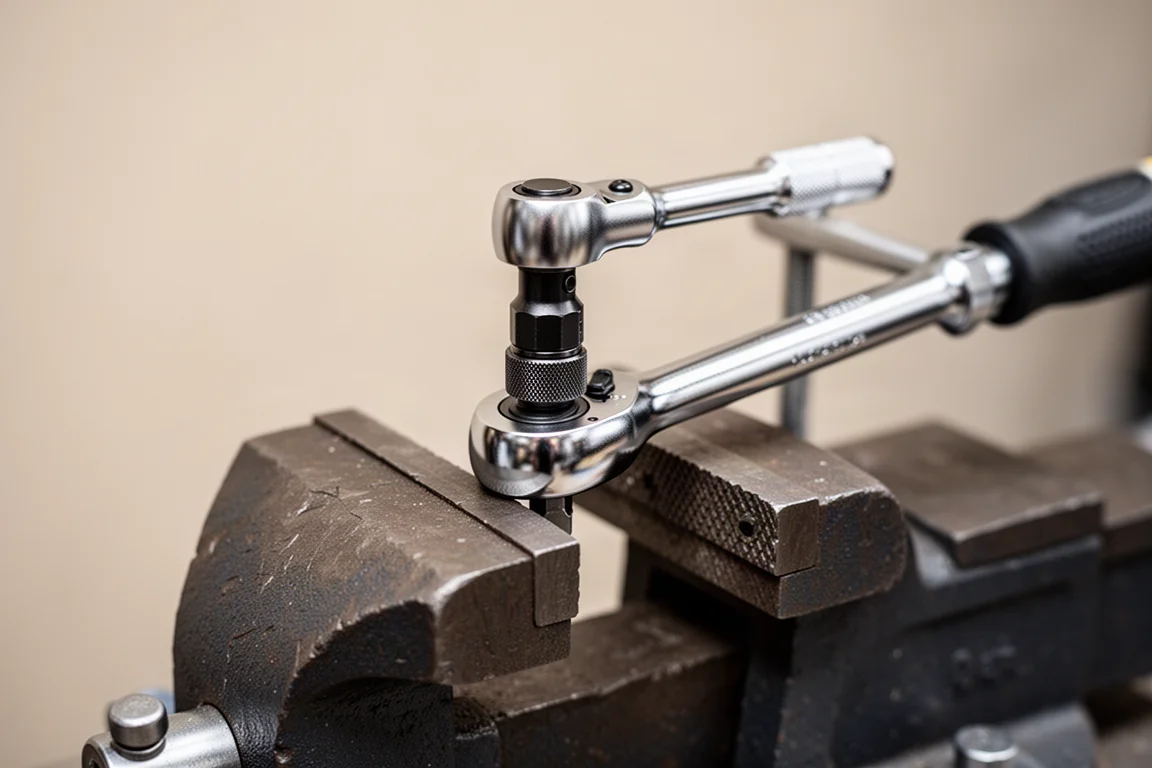
Tearing It Down
Opening the ratchet requires removing two small Torx screws, which are held with some kind of thread locker. Once the cover plate comes off, the internals look conventional and clean, with only modest lubrication, neither dry nor drenched.
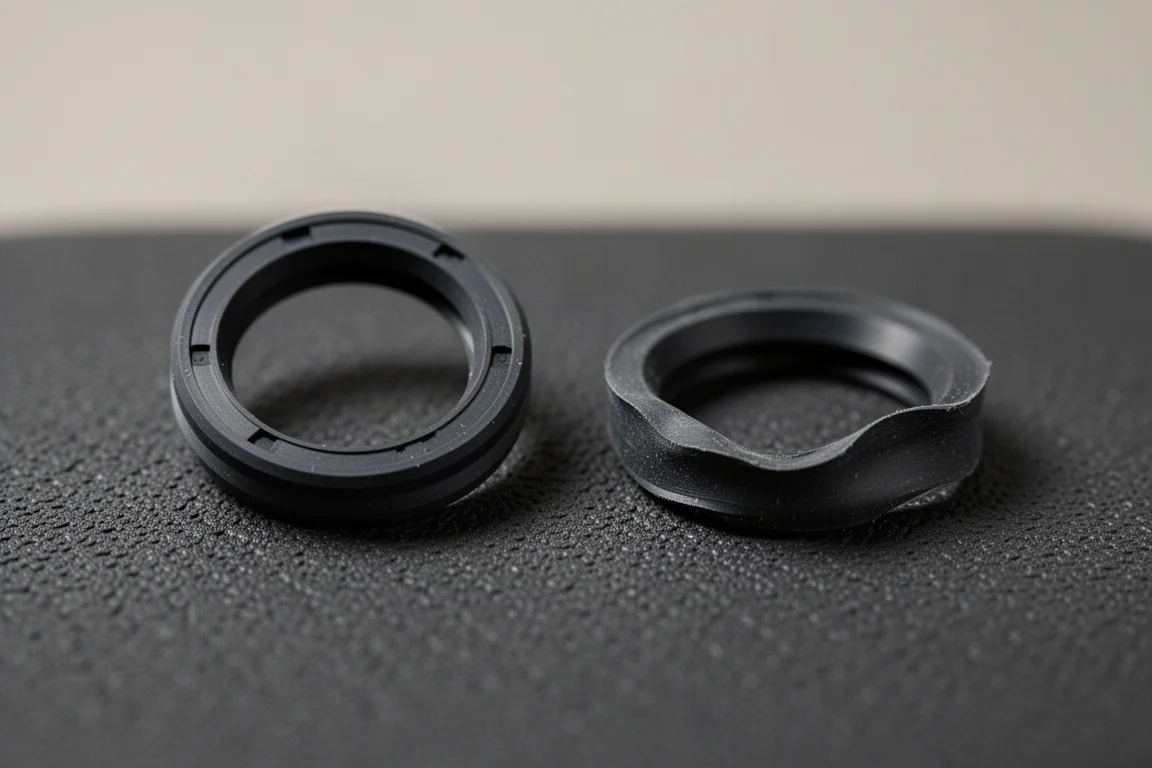
Inside the faulty unit, the mystery was immediately visible: a seal that had been smashed flat during assembly. Instead of seating properly in its groove, it had been crushed onto the mechanism, and the misalignment only tightened as the tool was used. It apparently slipped past quality control because the damage took some use to fully manifest as binding.
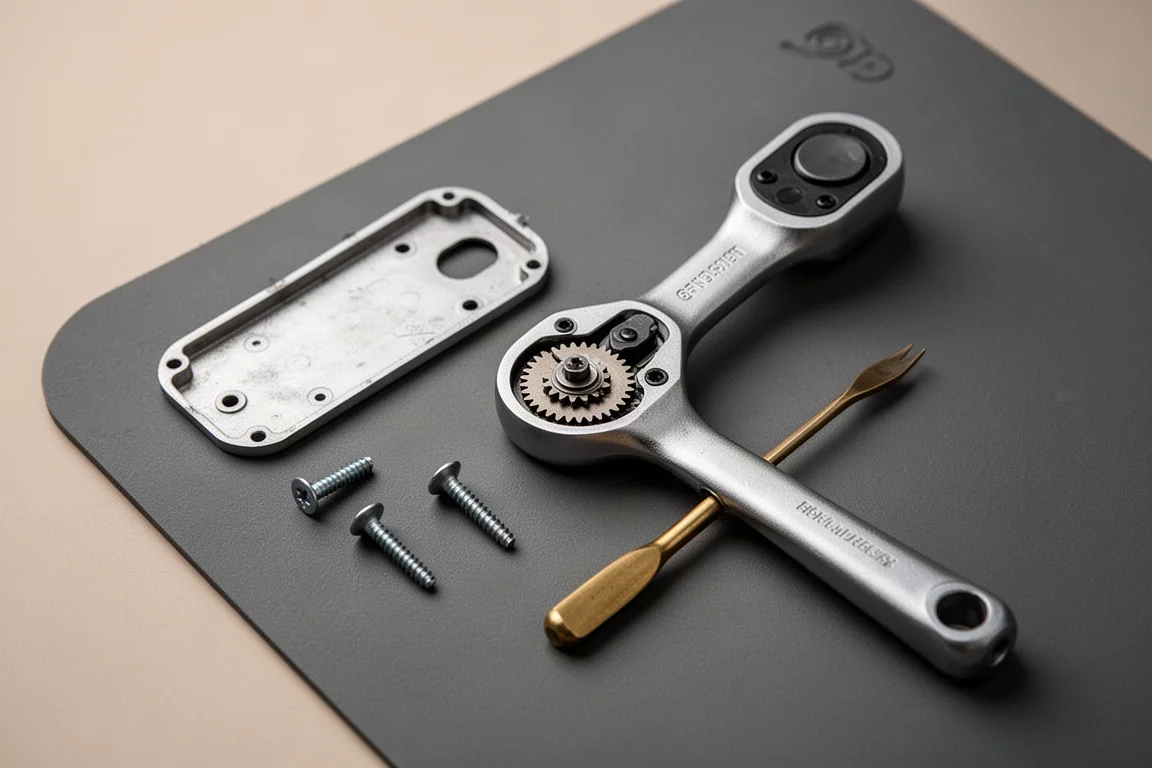
The Culprit: A Crushed Seal
Comparing the two units made the diagnosis clear. The healthy ratchet has a properly seated seal; the faulty one had a seal mashed during manufacture, presumably from being assembled a little too quickly on the line. Seals can break or come apart, but seeing one compressed this badly, and producing this much resistance, was unusual. The surprising part is just how much force the crushed seal generated: enough to make the ratchet feel welded solid under a 17 Nm pull.
Things to Consider Before Buying
This is a case of one bad unit rather than a design failure. The Generation 2 ratchet’s geometry, finish, and smooth action on the healthy example all hold up well, and the teardown shows straightforward, serviceable internals. The realistic risk is a quality-control miss, and the practical safeguard is the generous warranty that covers repair or replacement without much hassle. If your unit spins freely and the selector feels crisp, you have a good one.
Buying Advice
Inspect the tool before you leave with it if you can: work the direction selector, spin the head both ways, and confirm it free-wheels with almost no drag. If it ever does lock up, the warranty swap is painless. Given the performance of the healthy unit, we would not let one crushed seal discourage you from the whole Generation 2 line.
Conclusion
The Icon Generation 2 extra-long 1/4-inch ratchet is a genuinely well-designed tool undermined, in the one bad example we saw, by a seal crushed during assembly. Buy with confidence, but check the action in hand and keep the warranty option in your back pocket.
Product link
View more details for Icon Generation 2 1/4-inch Extra-Long Ratchet
This product is mentioned in the review. Check the specifications, options, and compatibility before buying.
View more details for Icon Generation 2 1/4-inch Extra-Long RatchetFurther reading
Related Reviews
Hand Tools
Best Diagonal Cutters 2026: 16 Pliers Tested for Cutting Power and Durability
We put 16 diagonal cutters through nail, screw, drill bit, and hex key tests to find the best value picks for your toolbox.
Hand Tools
Best Hex L Key Sets 2026: Nine Sets Tested for Real-World Torque
Nine hex L key sets from budget to premium, tested for torque, fit, and durability. See which sets deliver real performance and which ones to skip.
Hand Tools
Best Locking Pliers 2026: Top Picks Tested for Grip and Durability
We tested 18 brands of 10-inch locking pliers for grip strength, jaw bite, build quality, and ease of release to find the best options for tough jobs.