Hand Tools
Icon G2 1/4-Inch Ratchets: Three Compact Sizes Worth a Look
A hands-on look at the new Icon G2 1/4-inch ratchet lineup, including the 6.5-inch standard, the 4-5/8-inch short, and the surprisingly tiny 2-5/8-inch stubby.
Introduction
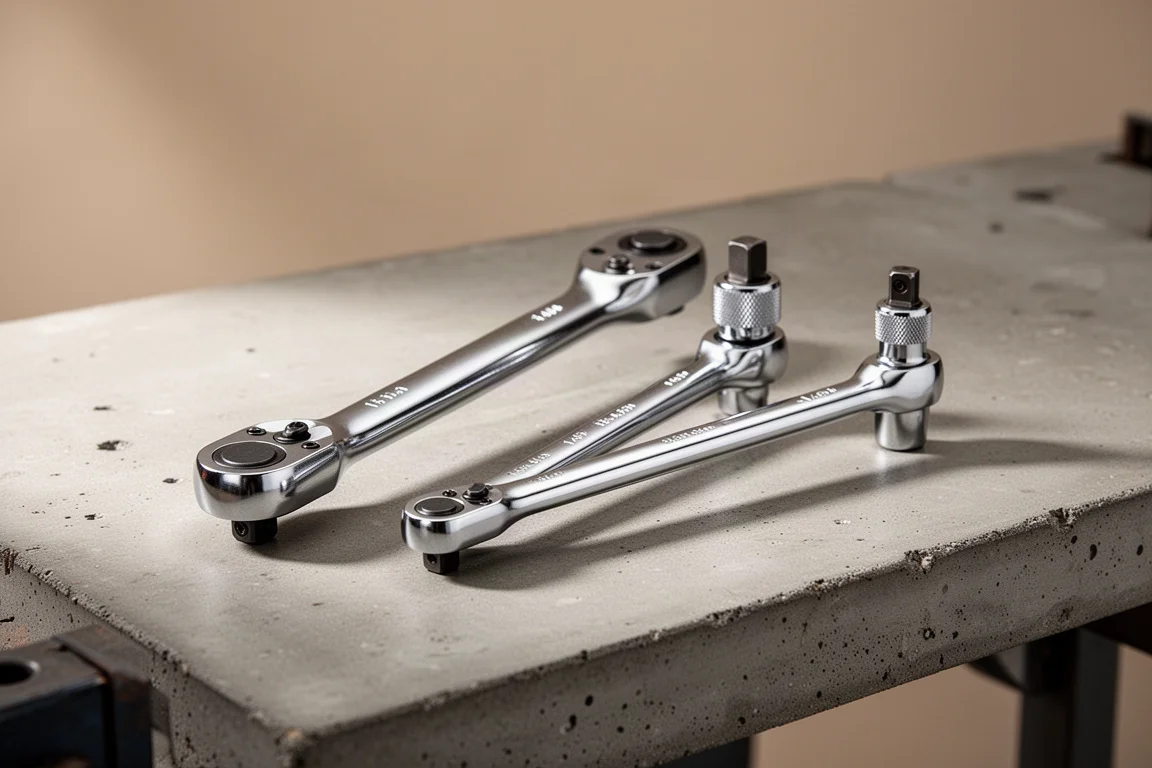
Icon’s G2 lineup keeps expanding, and the latest batch brings three 1/4-inch drive ratchets aimed at different working situations: a full-size 6.5-inch standard, a 4-5/8-inch short, and a 2-5/8-inch stubby. Inside, they share the same design as the earlier G2 releases, so this is less about reinvention and more about giving buyers more size options. Here is how each one stacks up and who it actually makes sense for.
Why the 1/4-Inch Drive Size Deserves More Attention
Quarter-inch drive tools often get overlooked because 3/8-inch is the size most people reach for first. But 1/4-inch drive ratchets are affordable, highly maneuverable, and ideal for smaller fasteners and tight interior work. Icon clearly knows its audience here: across the G2 and earlier drops, the brand now offers 1/4-inch ratchets in a wide range of lengths, from extra-long handles down to this new ultra-short stubby. If you like having the right tool for the exact clearance you are working with, that variety is genuinely useful.
Icon G2 6.5-Inch 1/4-Inch Drive Ratchet
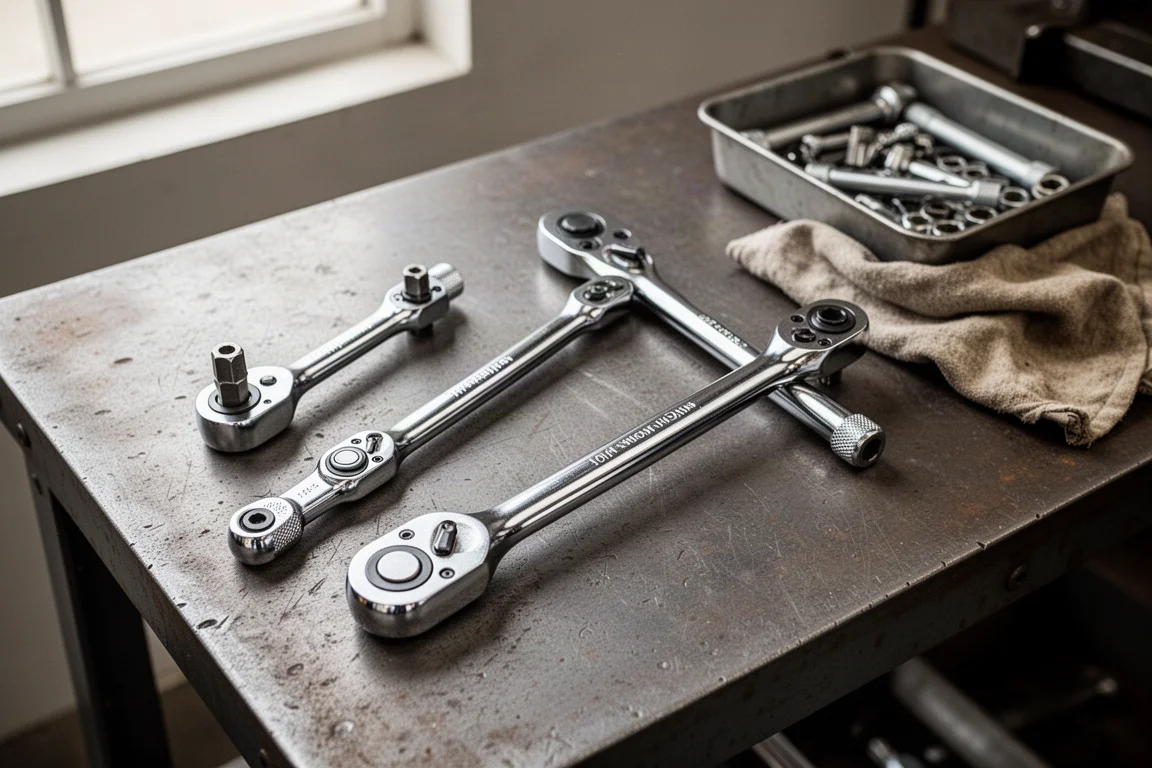
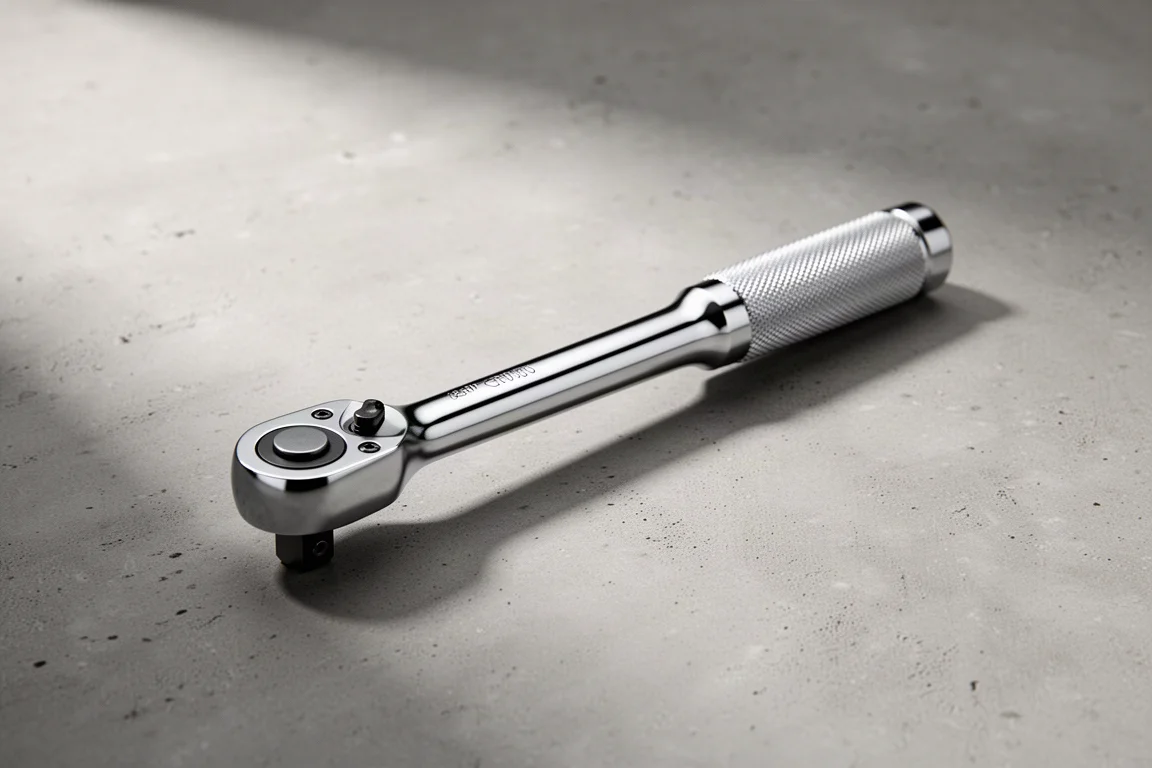
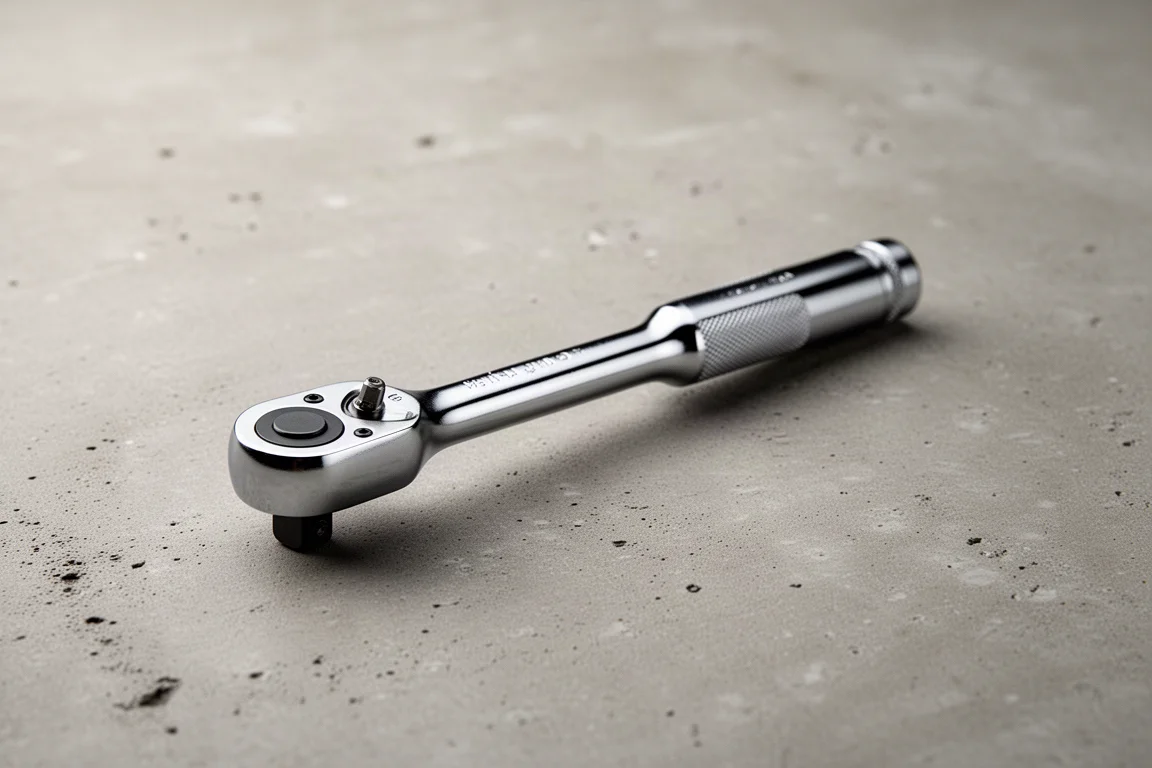
The 6.5-inch standard ratchet is the workhorse of the three. It is the familiar default length for 1/4-inch drive work, light in the hand and easy to maneuver. Out of the box, it has a noticeable amount of back drag, which is common for this series. The good news is that these ratchets loosen up fairly quickly with regular use, roughly within a few weeks. Since the heads are sealed but accessible via two screws, they can also be opened up and lubricated if you would rather speed that along.
Icon G2 2-5/8-Inch Stubby Ratchet
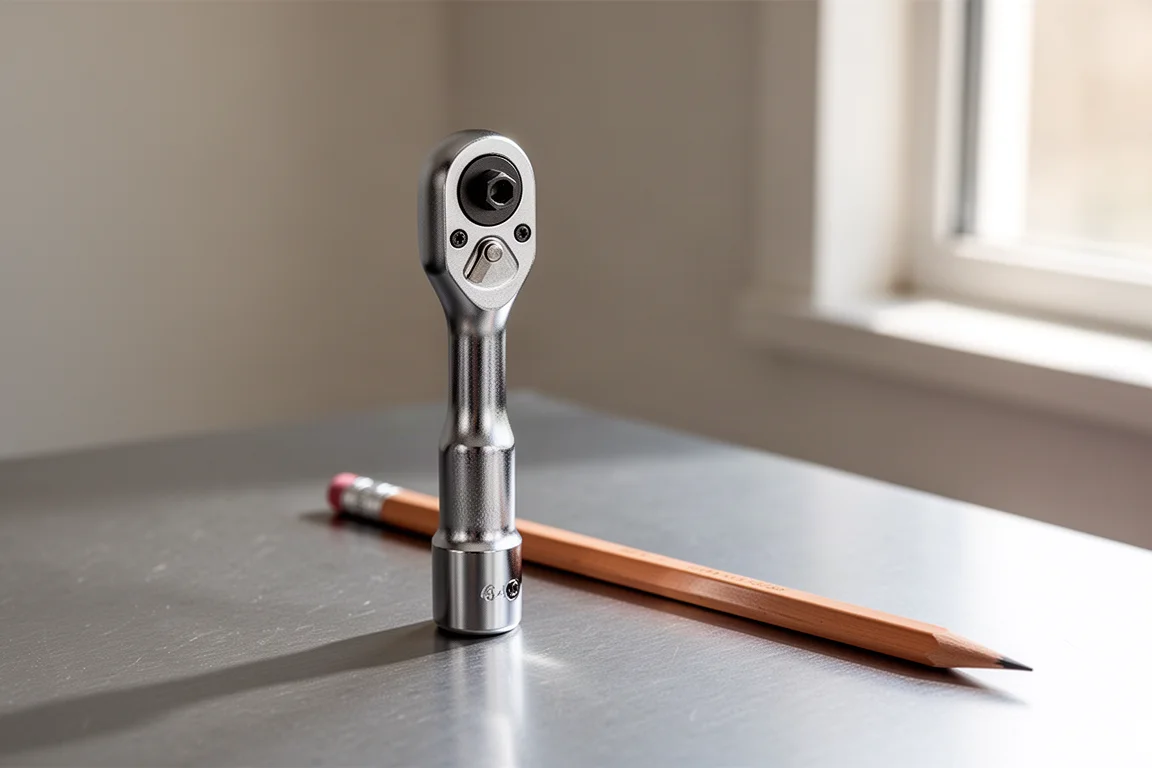
This is the one that surprises people. At 2-5/8 inches, the stubby is almost hilariously tiny, fitting entirely in the palm of a hand. That size makes it a fast favorite for deep tight spots: dashboard work, interior panels, and any clearance so narrow that even a short ratchet will not fit. It is a niche tool, but when you need one, nothing else substitutes.
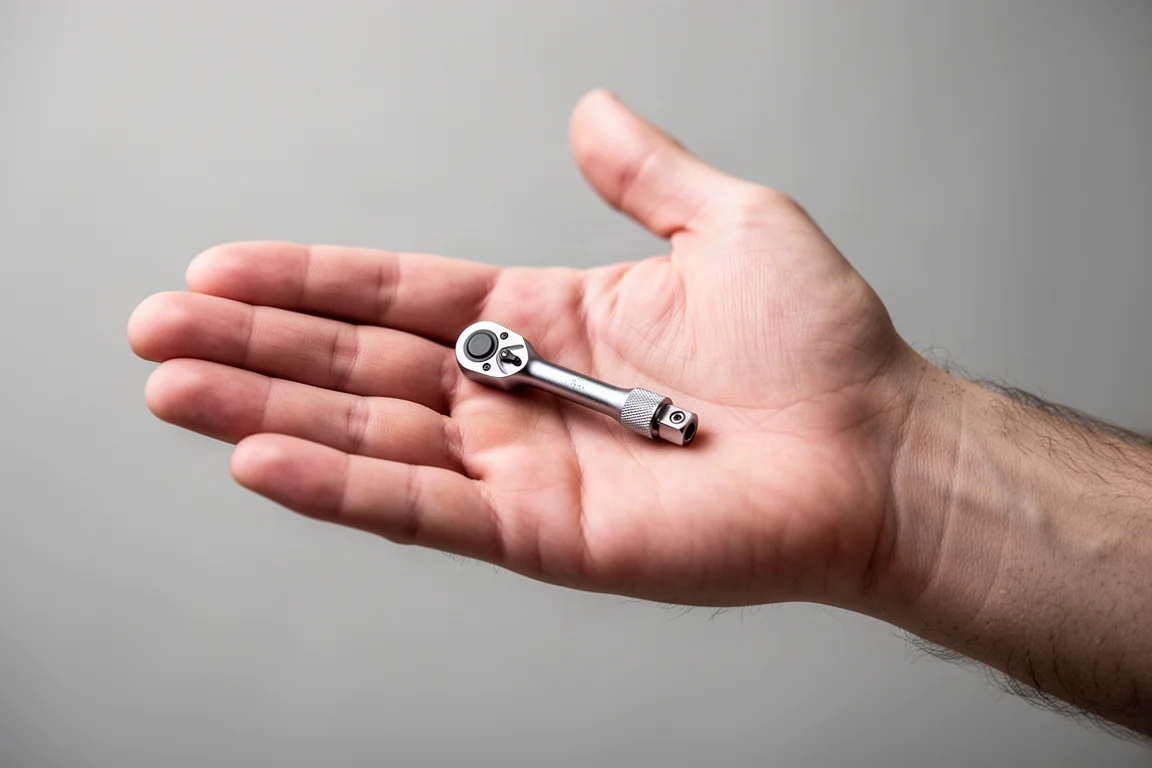
One consideration: with no grip and its short length, it can get slippery if your hands are sweaty while reaching far into a confined area. A small wrap of electrical tape around the handle is an easy DIY fix if you want a little extra purchase.
Icon G2 4-5/8-Inch Short Ratchet
The 4-5/8-inch short ratchet is the middle ground between the stubby and the full-size standard. It reaches into tight areas without being as cramped as the stubby, while still giving you a bit more swing arc and leverage than the tiny option. For anyone who wants one compact 1/4-inch ratchet that handles most tight-space jobs without feeling undersized, this is arguably the most versatile pick of the three.
Back Drag Out of the Box: What to Expect
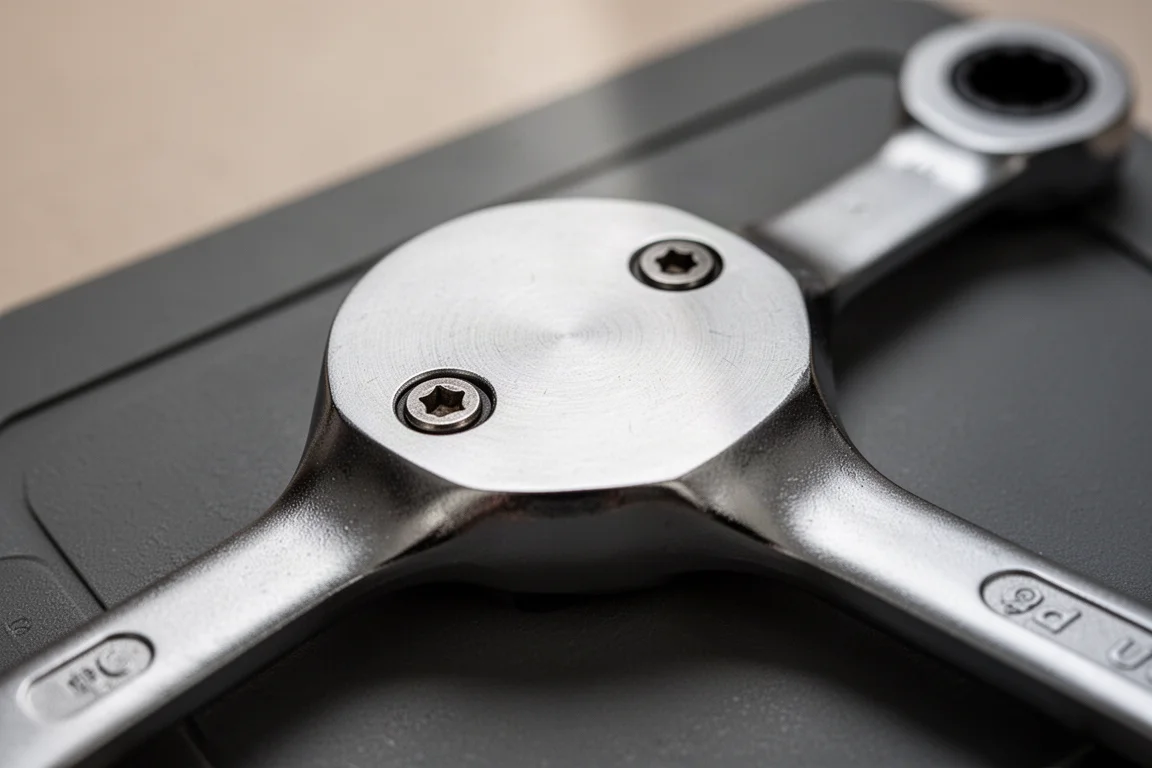
All three ratchets share the same internal design as the earlier G2 release, with no changes to the ratcheting mechanism, paws, or gearing. That means the same characteristic: a good amount of back drag when new. The heads are sealed, but the two screws on the back plate let you open them up for lubrication if desired. Some users soak new ratchets in ATF to smooth them out, though simply using them for a few weeks achieves similar results.
Choosing the Right Grip: Bare Metal vs Cushioned Handle
Icon offers most of these ratchets either bare metal or with a cushioned grip, and neither choice is wrong. A bare metal handle is much easier to wipe clean, which matters if you are working in oily or fluid-soaked environments like ATF or brake fluid. A cushioned grip, on the other hand, gives a more secure hold when breaking loose stubborn or broken bolts, and it is a more comfortable option for frequent mechanical work. Ideally, having both versions covers every situation.

Buying Advice
If you only buy one, the 4-5/8-inch short ratchet is the most broadly useful of the three, offering a balance of clearance and control. Choose the 6.5-inch standard if you want the everyday default length, and add the 2-5/8-inch stubby if you regularly work in dashboards or other extremely tight spaces. One gap in the current lineup worth noting: there are still no new swivel head options in this 1/4-inch drop, which is a shame since swivel heads are among the most-used ratchets for many users. Hopefully those arrive in a future release.
Conclusion
The G2 1/4-inch ratchet drop is less about new internals and more about choice, and that is exactly what makes it appealing. With identical mechanisms across all three lengths, you can pick the size that fits your workspace without worrying about performance differences. Whether you need a full-size daily driver, a compact middle ground, or an ultra-short problem solver, this lineup has a sensible option at each length.
Further reading
Related Reviews
Hand Tools
Best Diagonal Cutters 2026: 16 Pliers Tested for Cutting Power and Durability
We put 16 diagonal cutters through nail, screw, drill bit, and hex key tests to find the best value picks for your toolbox.
Hand Tools
Best Hex L Key Sets 2026: Nine Sets Tested for Real-World Torque
Nine hex L key sets from budget to premium, tested for torque, fit, and durability. See which sets deliver real performance and which ones to skip.
Hand Tools
Best Locking Pliers 2026: Top Picks Tested for Grip and Durability
We tested 18 brands of 10-inch locking pliers for grip strength, jaw bite, build quality, and ease of release to find the best options for tough jobs.