Backpacking Backpacks
Hyperlite Mountain Gear 40L Backpacks Compared: Southwest, Windrider, and Junction
A practical comparison of the Hyperlite Mountain Gear Southwest, Windrider, and Junction 40L packs, covering materials, capacity, comfort, and the conditions each version suits.
Introduction
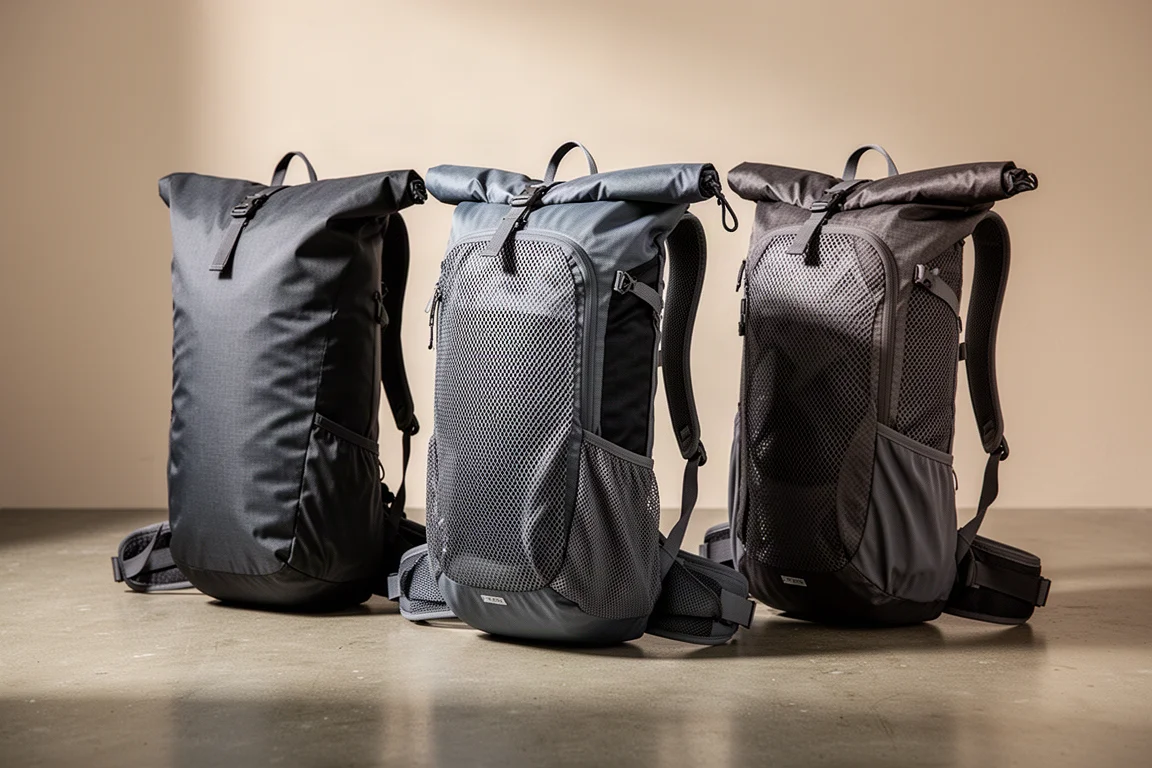
Hyperlite Mountain Gear offers the same core 40 liter backpack in three exterior builds: the Southwest, the Windrider, and the Junction. The internal design is shared, and the differences sit almost entirely on the outside, where the material and pocket construction change to suit different environments. On the brand’s own site, the 40 liter models are listed as the 3400 series, and the same packs are also available as 4400 series versions with 55 liters of internal capacity.
That matters, because the choice between these three is not really about performance. It is about where you hike and what you want the outside of the pack to do for you.
What All Three Hyperlite Mountain Gear 40L Packs Share
All three versions carry 40 liters internally, plus roughly 9.8 liters of external volume once the back pocket, water bottle sleeves, and hip belt pouches are counted. That puts usable capacity close to 50 liters in a pack that weighs about two pounds.
The body fabric is Dyneema, a very strong and fully waterproof material originally developed for sailboat sails. Its combination of low weight and high strength is the reason it has spread quickly through backpacking gear, and it is the foundation of this whole family of packs.
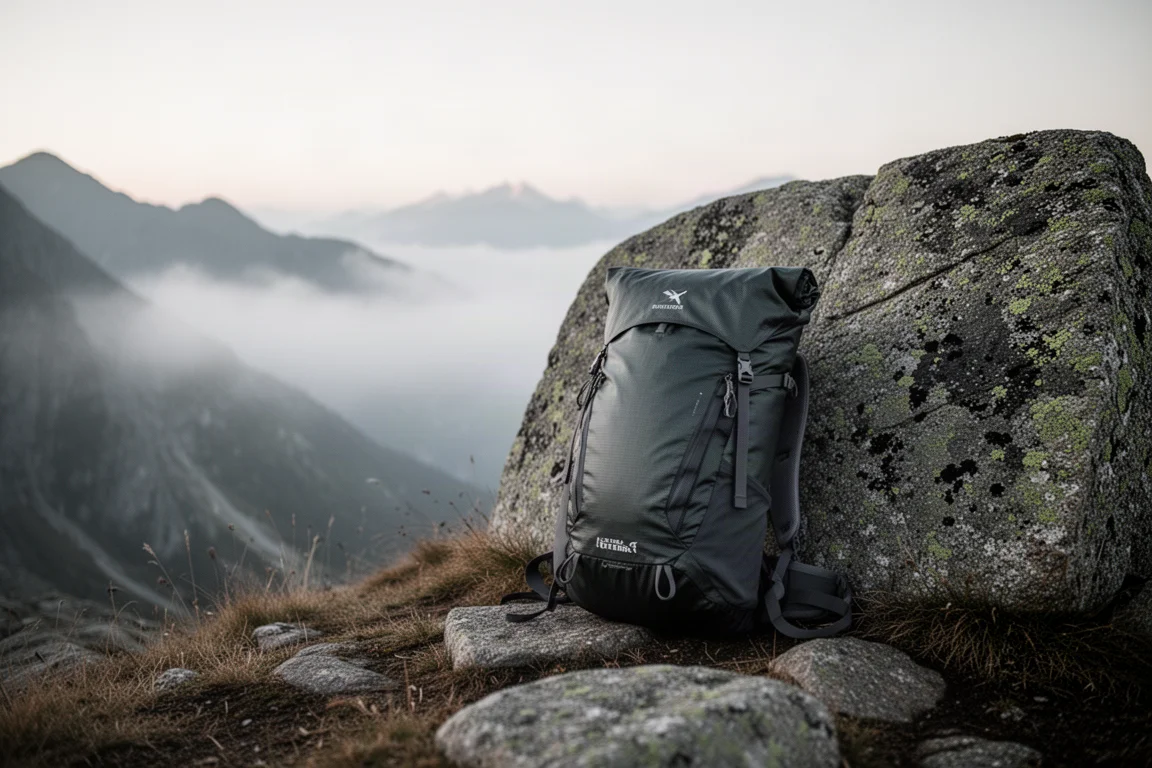
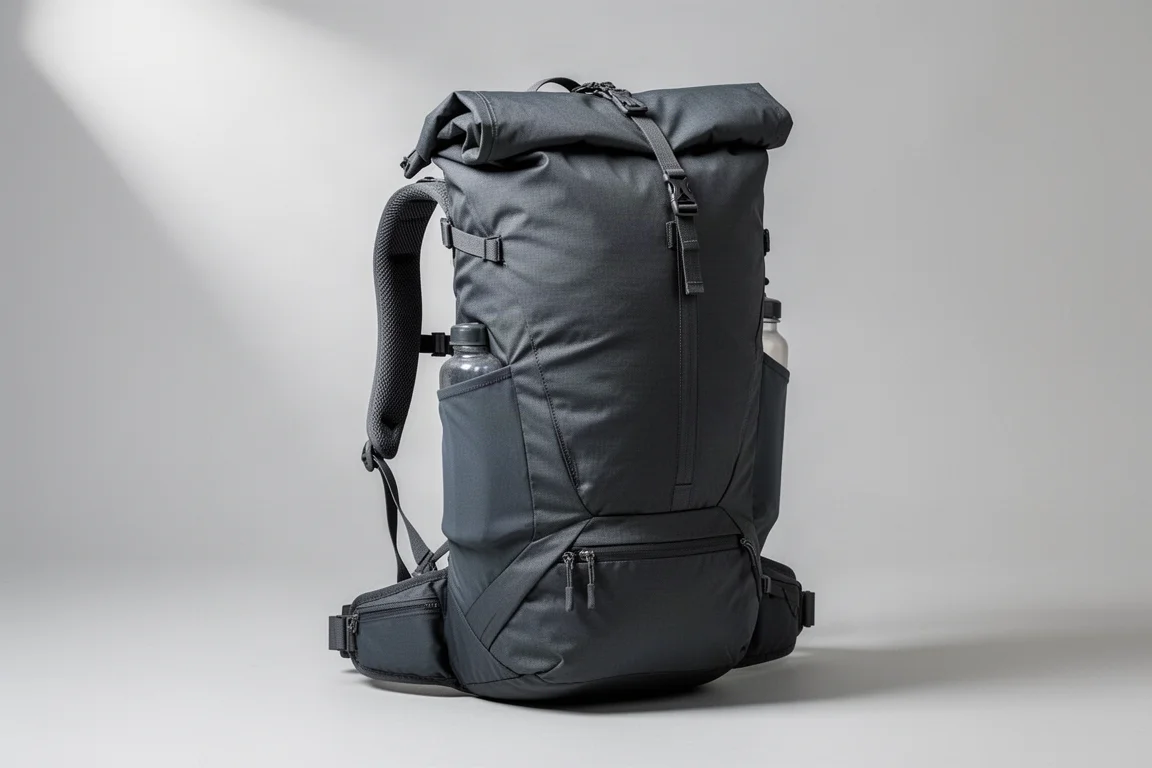
The layout is deliberately minimal. There is no internal compartment system, no lid pocket, and no array of organizers. The pack is essentially one large roll-top bag with a mesh or solid back pocket, side water bottle sleeves, and two hip belt pouches. The hip belt pouches are permanently attached rather than sold as add-ons, and they close with waterproof zippers, which makes them a reasonable place for a phone, a headlamp, or a battery bank. Because they are attached, they can be opened and closed with one hand while walking.
One design decision worth understanding is the absence of load bearing straps. The pack is rated for up to 40 pounds, and the padding in the shoulder straps and hip belt, along with a weight distribution approach that works from the inside out, is intended to make those straps unnecessary. Hyperlite also sells a pod system of Dyneema bags shaped to fit inside the pack, which helps spread weight more evenly. The pods are optional and expensive, and the pack works perfectly well without them.
Southwest 40L: Built for Abrasive Terrain
The Southwest is the solid version. Its exterior uses a tough, non-mesh material throughout, which makes it the natural pick for abrasive ground: sandstone, granite, sand, and rocky scrambles where the outside of a pack takes constant contact. Nothing on the exterior is exposed netting, so there is less to catch and less to worry about when the pack is set down on rough surfaces.
That same solid build suits winter trips, where a pack is often dropped straight into snow. The larger 55 liter Southwest illustrates the idea well: enough internal room for bulky cold weather gear, with an exterior that does not mind what it is resting on.
Windrider 40L: Built for Wet Conditions
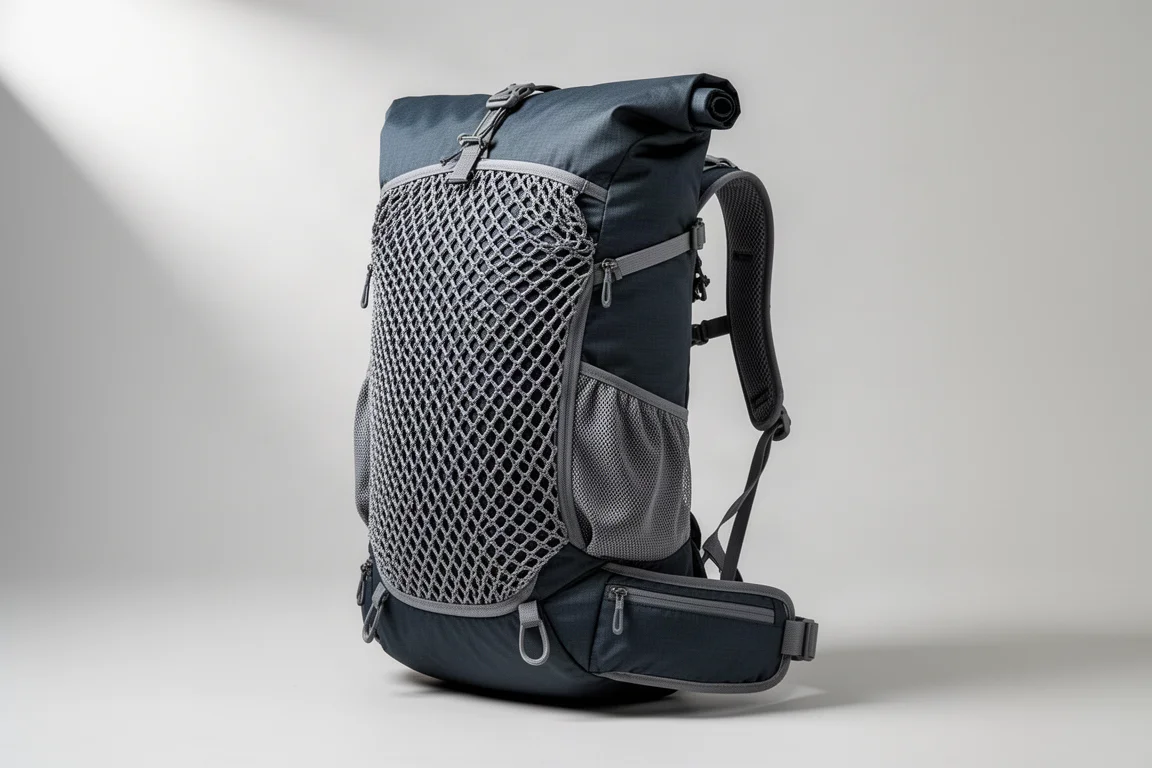
The Windrider is the mesh version. Its back pocket and side pockets are netted, and the design is aimed at damp environments: rainforest, highlands, and exposed ridgelines where rain is a regular part of the day. The point of the mesh is drying. A dew soaked ground cloth, a pair of socks, or a wet shell can be stuffed into the back pocket and given a chance to dry while you walk.
The trade-offs are practical. The netting is not stretchy, so there is a firm limit to how much the back pocket will accept. The mesh openings are also fairly large, which means small items can poke through, and poles or bottles slid into mesh side pockets tend to catch on the netting when they are pulled in and out. Durability has not been the issue: the netting holds up well in use.
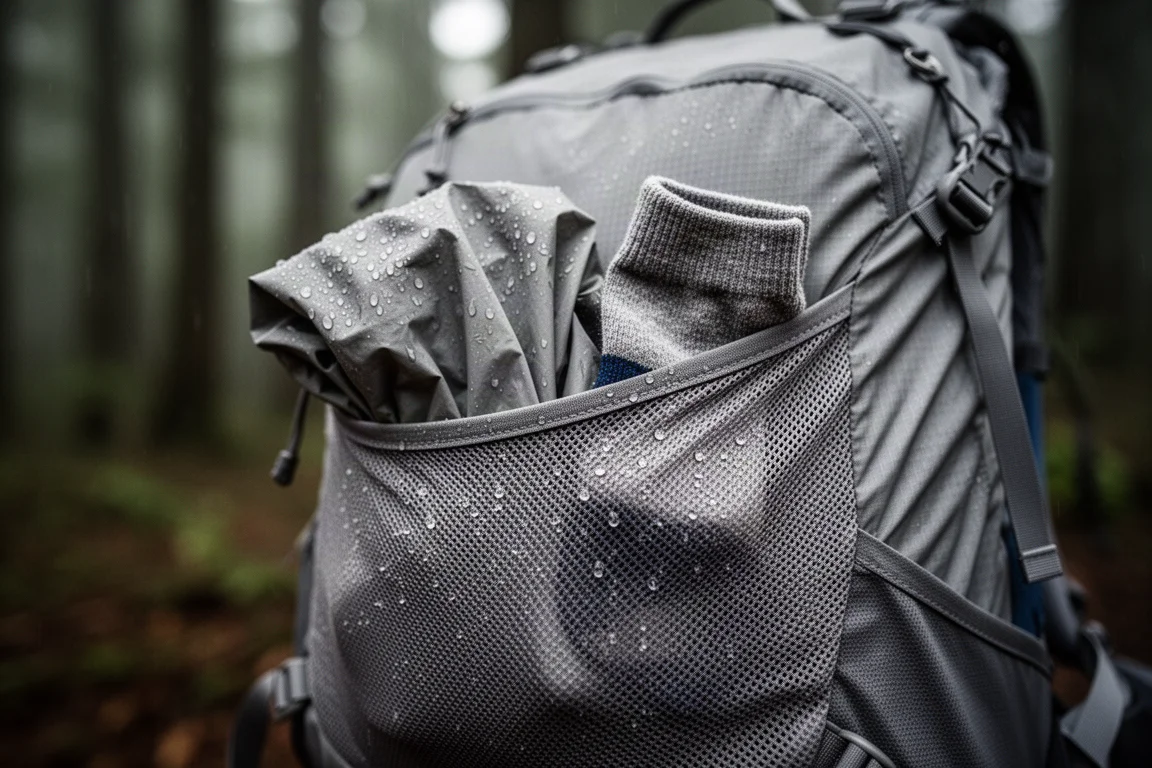
The mesh does have one clear advantage beyond drying. Because the back pocket is see-through, you can identify what is inside without digging, which matters when you need a first aid kit quickly.
Junction 40L: The Balanced All-Rounder
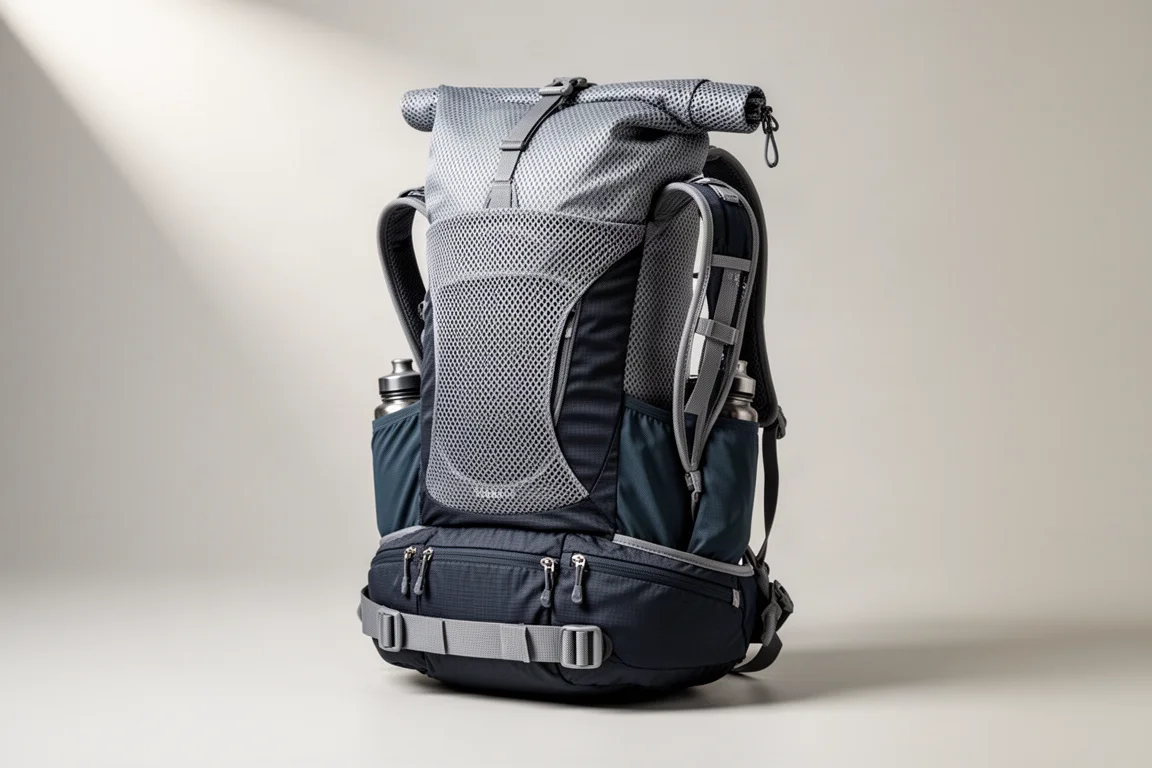
The Junction splits the difference, and for many hikers it will be the most livable of the three. It pairs a mesh back panel with solid water bottle pockets, which solves the most common annoyance of the fully netted version. Water bottles, trekking poles, and camera tripods slide in and out of the solid side pockets without snagging.
At the same time, the mesh back panel still lets you see what is stored behind you and still gives damp gear somewhere to breathe. It is the version that keeps the drying benefit while removing most of the friction, which is why it tends to be the easiest recommendation of the three.
Weight, Load Capacity, and Comfort
At roughly two pounds, all three versions carry far more than their weight suggests. Hyperlite rates the load capacity at 40 pounds. In practice, comfort holds up to around 35 pounds, and beyond that the weight starts to press on the shoulders and collarbones. That is still a wide range for a pack this light, and it matters if you carry camera gear, a tripod, or a drone in addition to your camping kit.
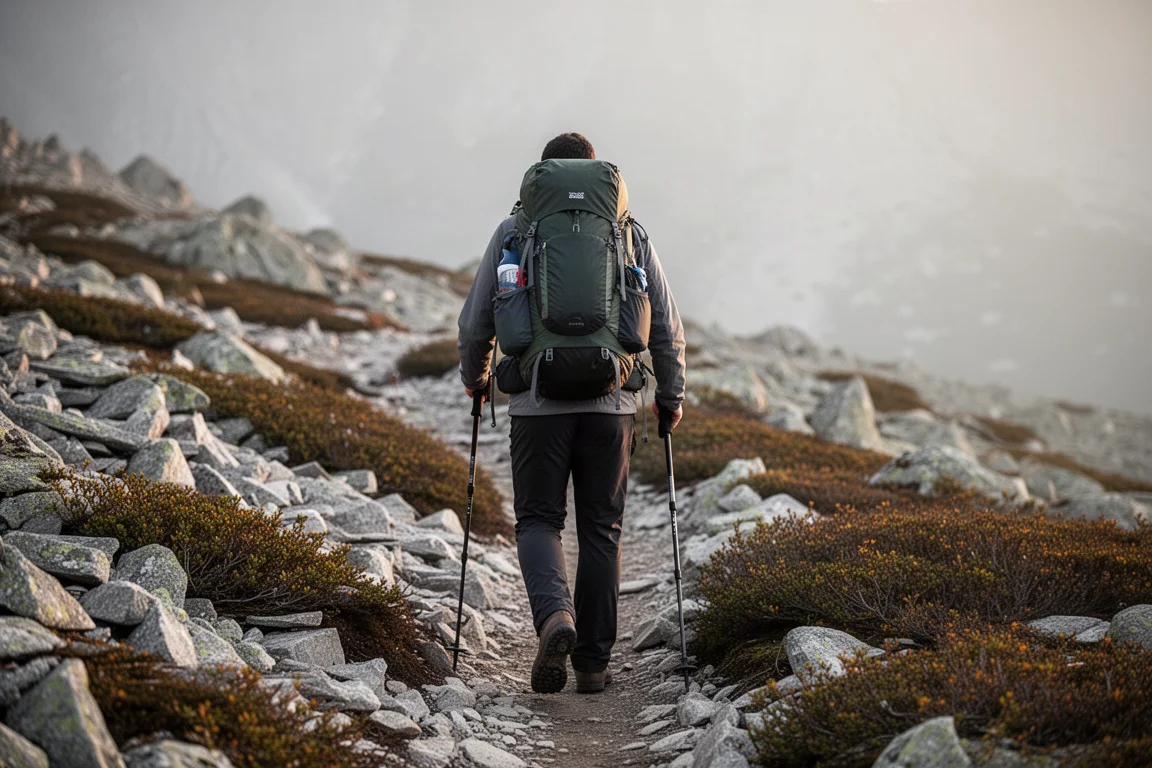
The pack is, if anything, overbuilt for its category: heavily padded, strongly sewn, and reinforced in the places that take stress. Failures are rare, and the fabric is durable enough that the main threat is abrasion against rock rather than ordinary trail use. Dyneema will eventually wear through if it is rubbed against sandstone like sandpaper, but that is a hazard of the terrain rather than a flaw in the construction.
Waterproof Fabric, Not a Waterproof Pack
Dyneema is fully waterproof, but the finished backpack is not. The seams are not taped, and the top of the pack where the shoulder straps attach is a known entry point for water. In sustained rain, moisture will find its way inside.
The fix is straightforward: use a pack liner or a dry bag for anything that must stay dry, particularly a sleeping bag. Treat the waterproof fabric as a second layer of protection rather than the only one.
Buying Advice
These packs are premium, and the price reflects it. The 40 liter version runs about $320 at retail, which is a lot to spend on a backpack. For a brand new backpacker watching the budget, a pack like the Granite Gear Crown 2 60 costs under $200 and does a genuinely good job.
If you already know you will be backpacking several times a year, or if you want a comfortable pack for long day hikes, the value proposition changes. The low weight, the high load ceiling, and the simple, durable design make it a pack that can serve for years across a wide range of trips. It is also worth considering the 55 liter version: it adds only a couple of ounces and gives you room for the trips where you need to carry more.
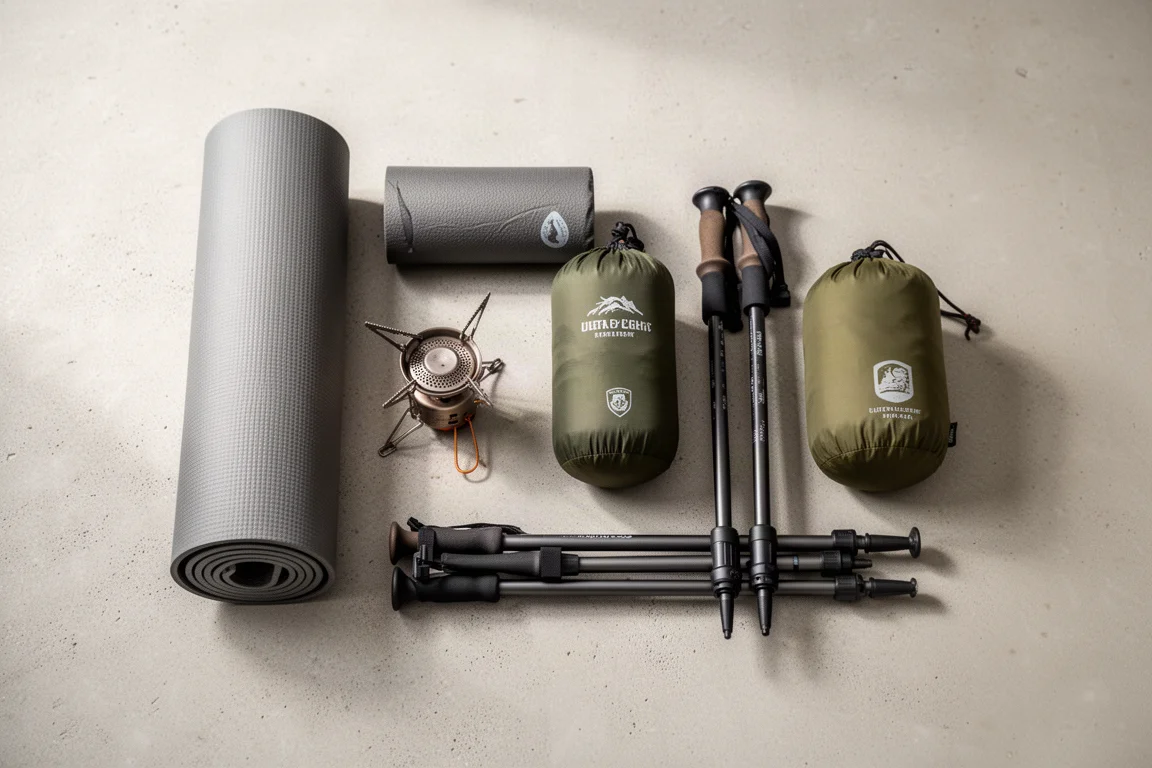
Choosing between the three versions comes down to one question. If you hike in abrasive, rocky, or sandy terrain, or you want a winter pack you can set down anywhere, choose the Southwest. If you hike in wet, humid conditions and want gear to dry on the move, choose the Windrider. If you want the drying capability of mesh without the snagging, choose the Junction.
Conclusion
All three packs share the same 40 liter core, the same Dyneema construction, and the same minimal, load-focused layout. The only real decision is the exterior. The Southwest protects, the Windrider dries, and the Junction balances the two, which is why it is the version most hikers will be happiest with over the long run.
Further reading
Related Reviews
Backpacking Backpacks
Osprey Unlimited Anti-Gravity 64L Review: Premium Ventilation at a Premium Price
A long-term look at Osprey's most advanced backpacking pack, covering its standout ventilation, its premium build, and the trade-offs behind its price.
Backpacking Backpacks
Big Agnes Sweetwater 43 Review: A Lightweight Pack That Rewards Careful Fitting
A 43-liter top-loading backpack with three torso sizes and adjustable shoulder strap slots, built for weekend loads up to a stated 30 lb limit.
Backpacking Backpacks
High Gear Tibet 55+ Backpack Review: A Budget Load Carrier With an Adjustable Back
A 55 litre backpacking pack with an adjustable back system, a separate sleeping bag compartment, and an integrated rain cover, all at a budget price point.