Power Tools
Hydraulic Impact Driver Comparison: Milwaukee M18 Surge Gen 2 vs DeWalt DCF870 vs Hyper Tough
Three quiet hydraulic impact drivers tested for torque, driving speed, and noise, including a $65 budget surprise.
Introduction
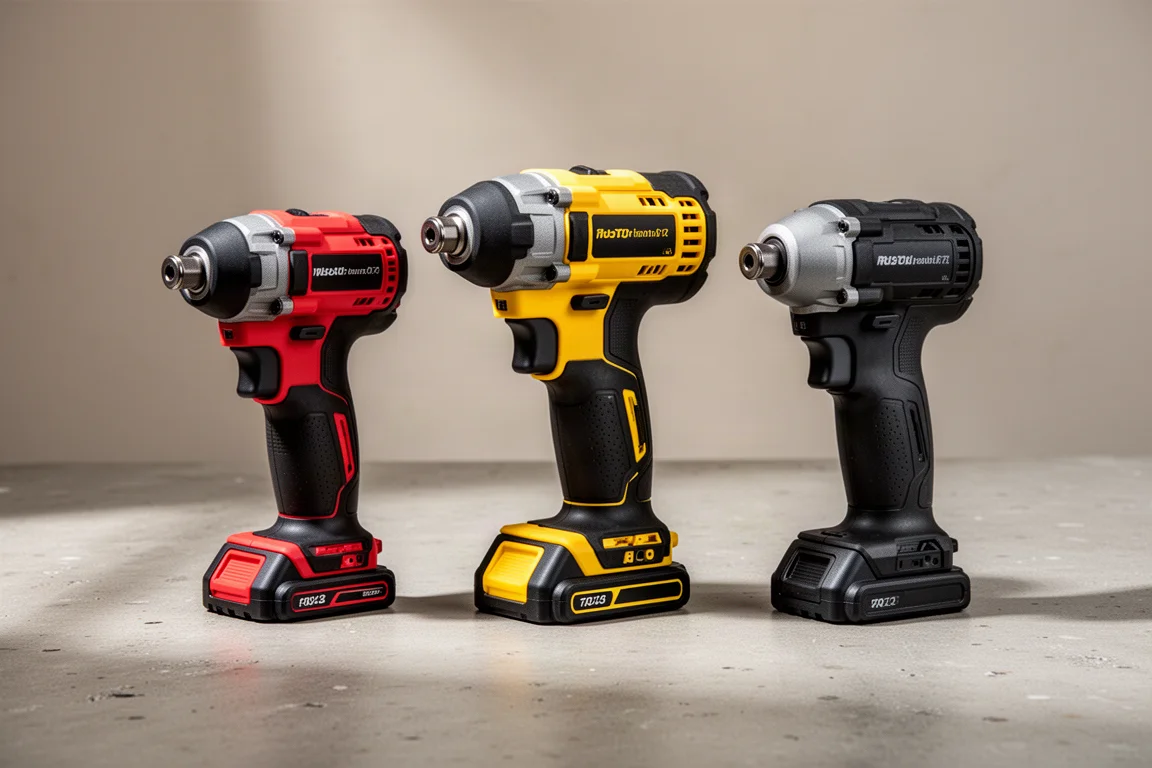
Hydraulic impact drivers trade raw hammer noise for oil-impulse quiet, and right now there are three interesting options at very different prices. Milwaukee just launched its M18 Surge Gen 2 (model 2761) at $199, DeWalt’s DCF870 is its latest hydraulic entry, and Hyper Tough quietly debuted a brushless hydraulic model for just $65. We compared all three on torque, driving speed, and sound, plus the small driving quirks that matter when you actually use these tools indoors.
Why Hydraulic Impact Drivers Exist
These tools exist to be less ear-piercing than traditional impact drivers. That can be welcome around the house, around kids, or on job sites close to businesses and customers. Instead of clattering hammers, they drive fasteners using fluid oil impulses. Nobody buys them primarily for torque claims, but the specs still matter: the new Milwaukee claims 1,000 in-lb versus 500 in-lb for the Gen 1 Surge it replaces.
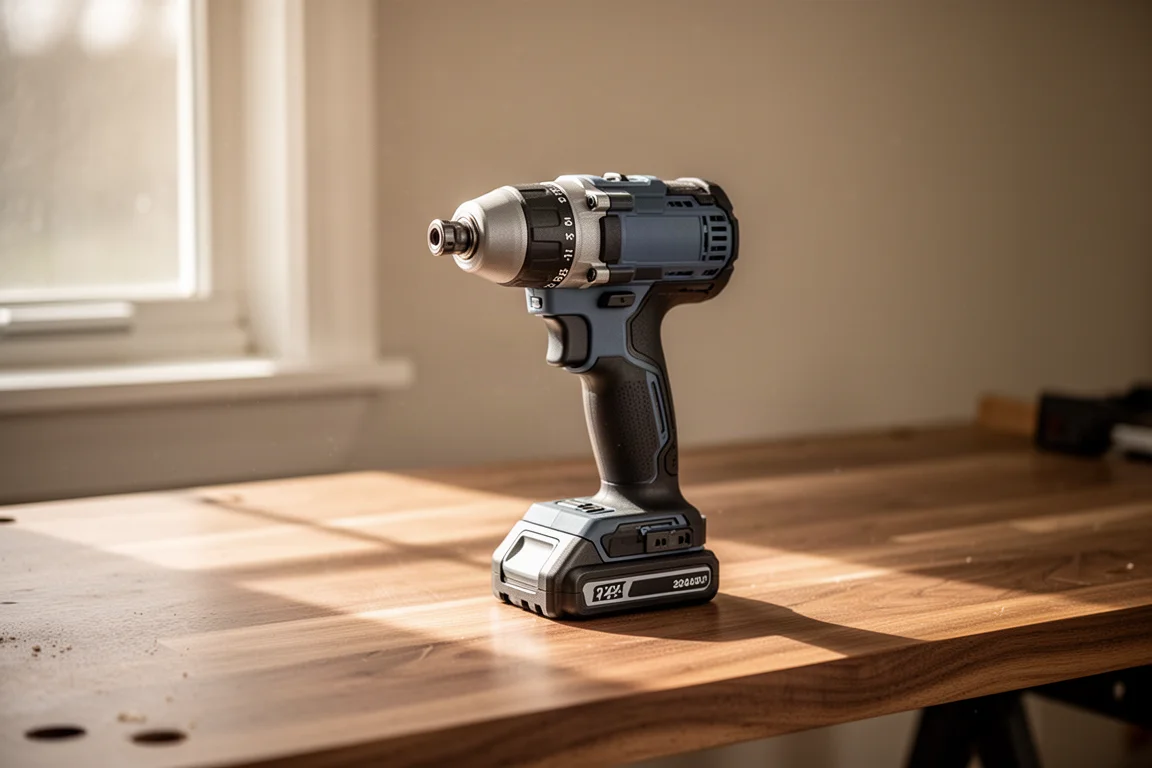
Size is another selling point. The Gen 2 Surge measures 4.3 inches, down from 5 inches flat on the Gen 1, making it Milwaukee’s shortest M18 Fuel impact driver of any type. The Hyper Tough is a bit longer at just over 4.7 inches, but still shorter than the Gen 1.
Torque and Reverse Performance
In working torque tested 5 seconds in forward, the Gen 2 Surge produced 53 ft-lbs, a little over a 35% increase over Gen 1, but well short of its own 83 ft-lb claim figure and not up to the DeWalt’s level. The Hyper Tough managed 35 ft-lbs, close to the original Surge despite costing far less. In 10-second reverse testing, the Hyper Tough hit 43 ft-lbs and the Gen 2 reached 61 ft-lbs, unable to take advantage even where the DeWalt is typically weaker.
In 10-second max torque forward, the Hyper Tough topped out at 55 ft-lbs, essentially matching the most the Gen 1 Milwaukee could do, which is genuinely impressive for the price. The Gen 2 maintained its 35-40% forward advantage over Gen 1 but couldn’t close the gap to the DeWalt, which remains a bruiser. Notably, batteries barely change results on any of these tools: the Hyper Tough gained only slightly (55 to 59 ft-lbs) with a larger cross-brand pack, and the others stayed flat. Smaller batteries work just fine.
Driving Speed
On a nylon nut driving test representing moderate resistance, the Gen 2 Surge was a big improvement over Gen 1 but still trailed the DCF870 in driving speed. The surprise was the Hyper Tough at 13.9 seconds, far closer than expected given its advertised 4,100 blows per minute; its blows simply seem more impactful. The Milwaukee counters with a massive 6,300 impacts per minute, which helps it drive fast when speed matters more than raw torque.
Noise: The Whole Point
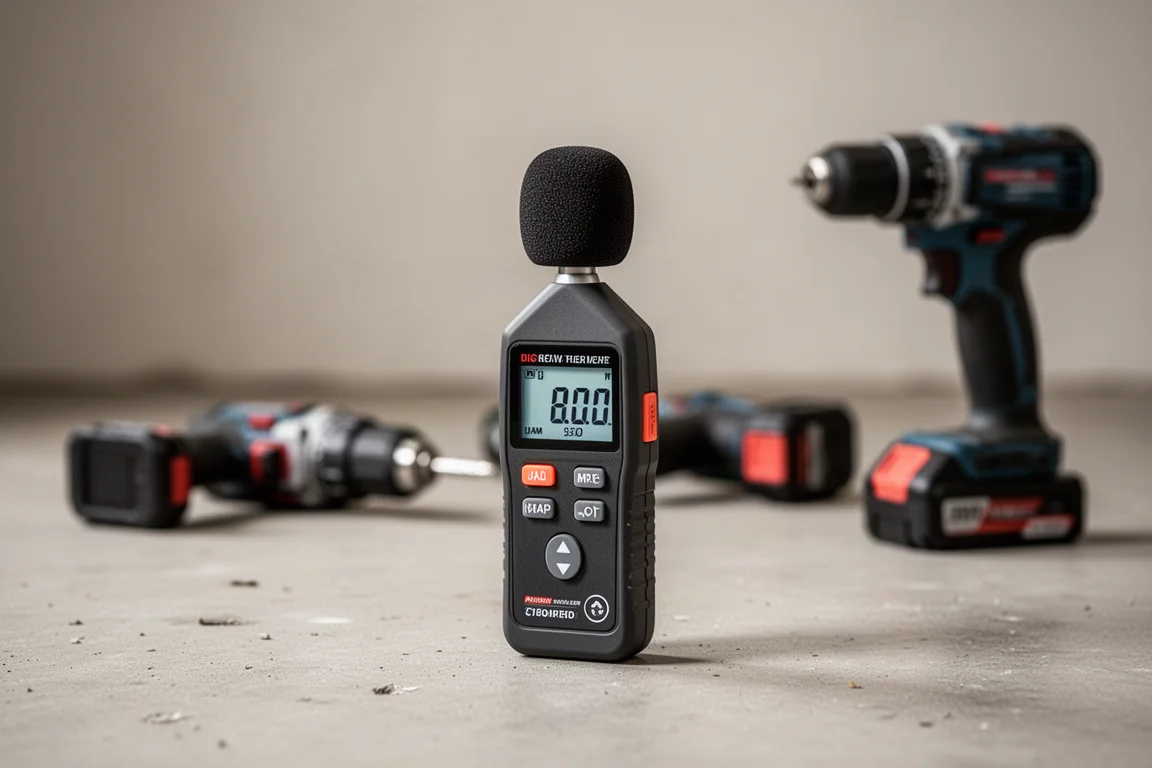
Traditional impact drivers measure around 98 to 101 dB at 1 meter. All three hydraulic tools land near 92.3 to 92.7 dB averaged over 5 seconds: the DeWalt at 92.6, the Gen 2 Surge at 92.7, and the Hyper Tough at 92.3 with a slightly more pleasant, thud-like pitch, matching the Gen 1 Surge. Because decibels are logarithmic, the real-world difference versus a traditional driver is larger than the numbers suggest.
Fine Work and Trigger Resolution
This is where the tools genuinely diverge. The DeWalt impacts on almost everything from the moment you pull the trigger, using large hits that make it poorly suited to delicate interior work; for finish tasks, its resolution just is not fine. The Gen 2 Surge does this well: it screws fasteners in and seats them with small, individual impacts, giving more trigger control and resolution, so your finger decides how much happens. It can install light switch covers without hammering screws against brittle plastic.
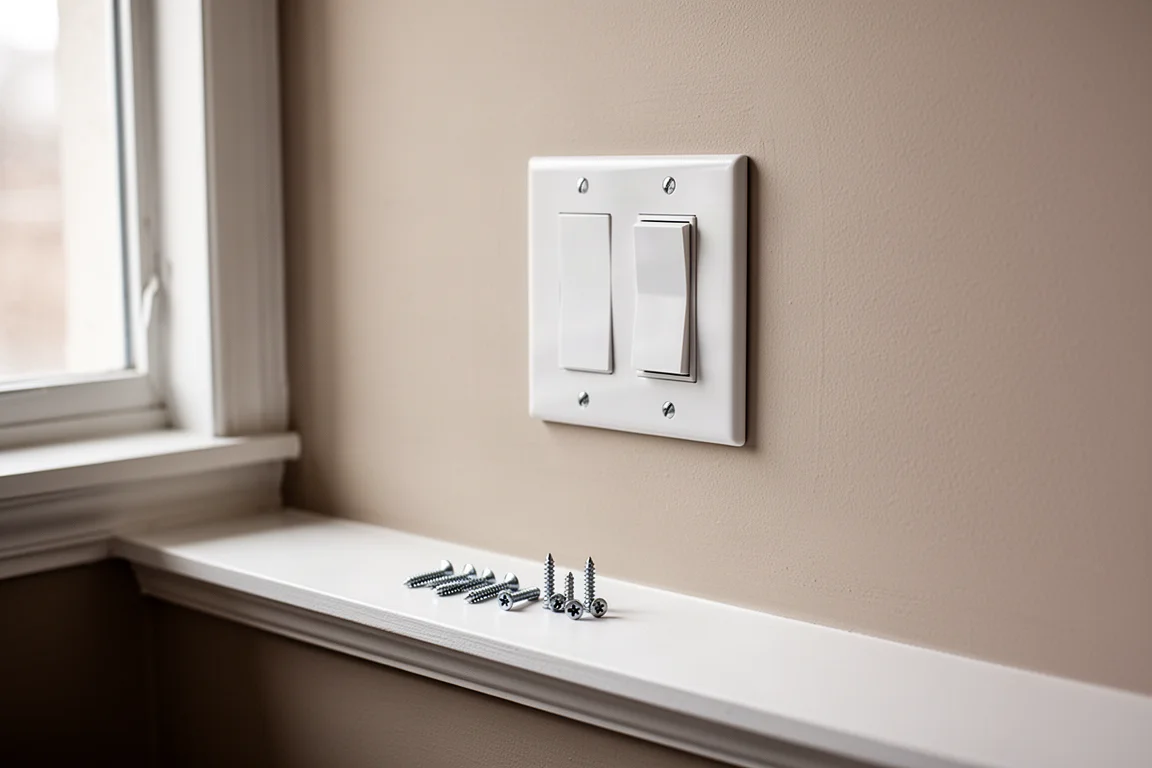
The Hyper Tough has quirks. Its collet floats and wobbles noticeably in use, it can stall out briefly mid-run, and it sometimes shimmies or even starts reversing screws while still set to forward and your finger on the trigger, mainly when driving lightly. It behaves more like the DeWalt in impacting early.
Buying Advice
By the measurable numbers, the Gen 2 Milwaukee (145.1 points) barely edges the Hyper Tough (144.5) overall, with the DeWalt still well clear in the top spot. But the recommendations differ by use case:
- Hyper Tough: performance equal to or better than the original M18 Surge for a third of the price. If you want a quiet impact driver for about $60, this is the low-risk, wallet-friendly pick.
- DeWalt DCF870: the hydraulic that comes closest to replacing a traditional impact driver. If you do not own an impact driver or want to replace an old one, this can do nearly everything you do now, quieter.
- Milwaukee M18 Surge Gen 2: a strong addition if you already own a good powerful impact driver. It excels at the finish work and small fasteners where a hydraulic shines, though it will not replace your daily driver.
Conclusion
All three hydraulic impact drivers deliver roughly the same quietness, but they suit different buyers: the DeWalt for near-traditional power, the new Milwaukee for fine trigger control as a companion tool, and the Hyper Tough as an astonishingly cheap entry point. Match the tool to the work you actually do, and any of the three can earn its place.
Product link
View more details for Milwaukee M18 Surge Gen 2 (2761)
This product is mentioned in the review. Check the specifications, options, and compatibility before buying.
View more details for Milwaukee M18 Surge Gen 2 (2761)Further reading
Related Reviews

Power Tools
Best 1-Inch Pistol Impact Wrenches: Three Heavy-Duty Options Compared
We compare three 1-inch pistol impact wrenches, from a budget-friendly Harbor Freight model to a premium Caterpillar unit, to help you choose the right one.

Power Tools
Best 3/4-Inch Impact Wrenches 2026: Five Contenders Compared
We compare five 3/4-inch impact wrenches across price and performance, from a budget Amazon option to Snap-on's most powerful model yet.

Power Tools
Best Budget Cordless Tools 2026: Walmart Finds That Punch Above Their Price
We tested five cordless tools from Walmart, including a high-torque impact wrench that trades blows with Milwaukee and a $35 duster that outperforms its price class.