Hand Tools
Hyde Removal and Scraping Tool Review: Capable Blade, Questionable Handle
A stainless scraping and removal tool with handy dual pull edges, undercut by a rivet retention problem and a slippery handle.
Introduction
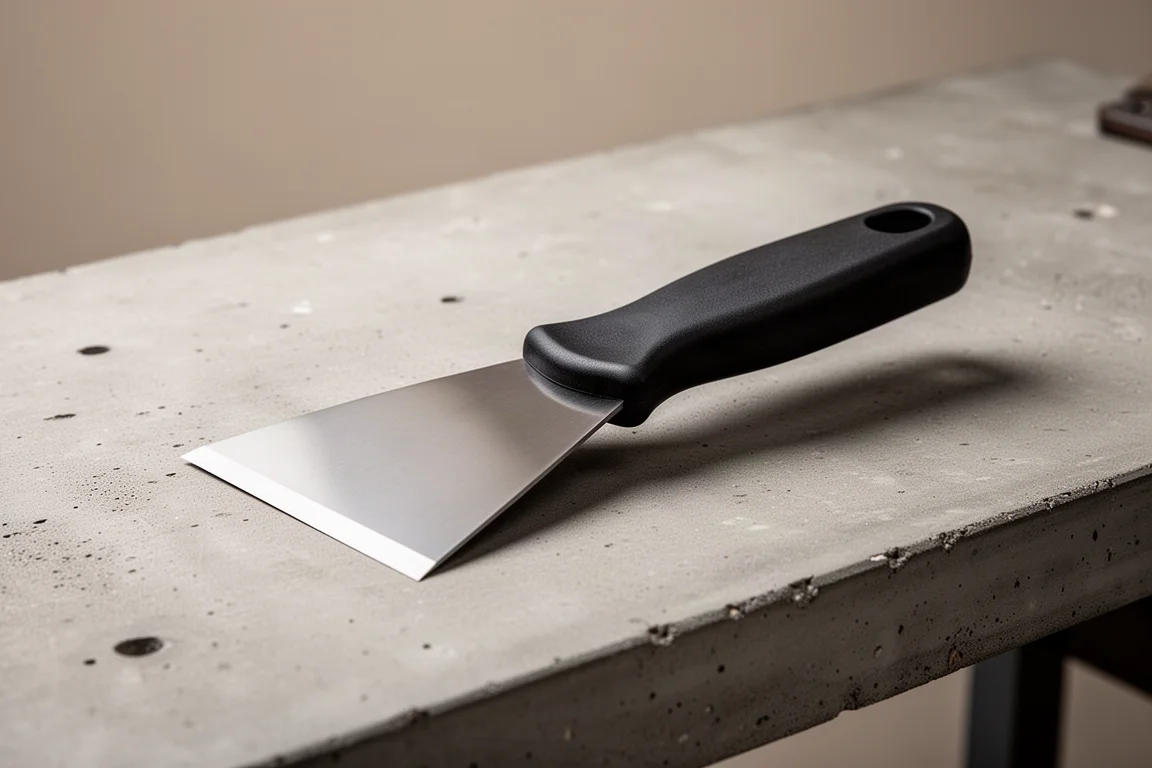
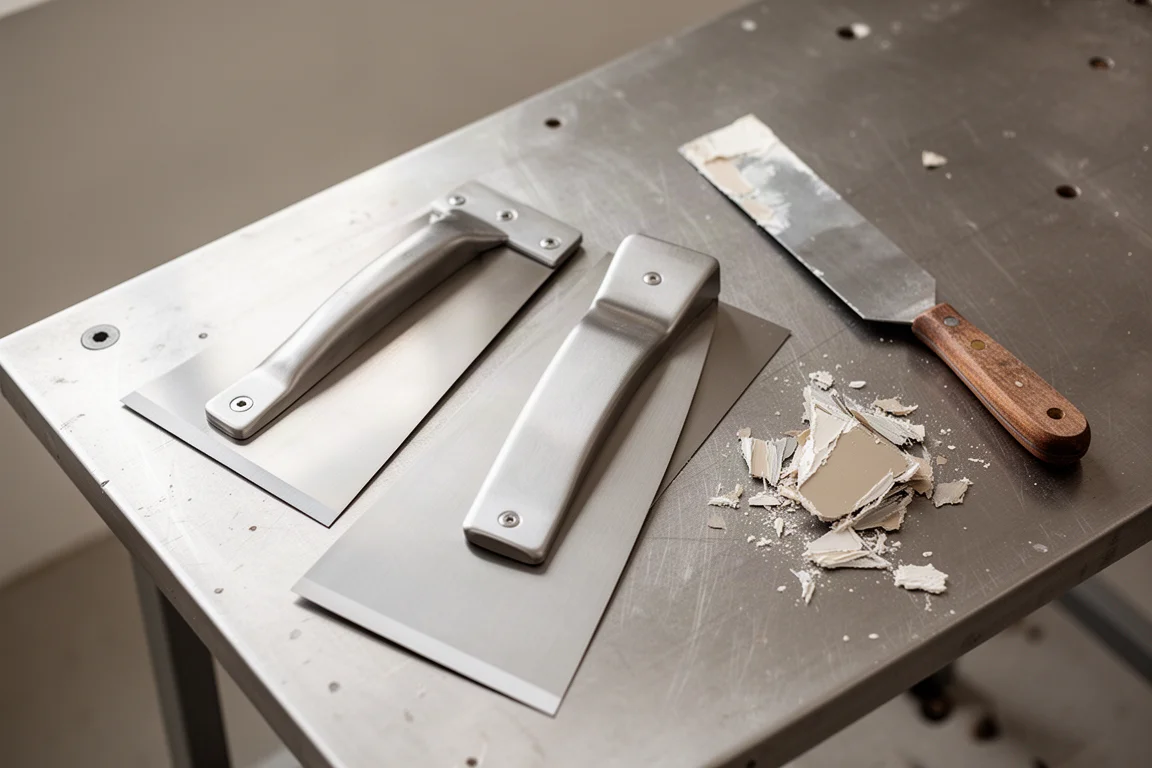
The Hyde removal and scraping tool promises a lot in a single blade: pulling edges on both the left and right sides, a pushing face, and a wide angled scraping front end. At around ten dollars, it is an inexpensive way to tackle caulk, paint, and stuck-on residue, at least on paper. After putting it through its paces alongside a Lyle scraper, the picture is mixed.
What the Hyde Tool Gets Right
The blade design is genuinely thoughtful. You get pulling and drawing edges on both sides, not just one, which makes it easy to keep working when the angle changes. Stick the thin edge into a seam and slide, and it handles caulk removal and paint scraping with very little fuss. That dual-sided pull capability is the feature worth buying this tool for.
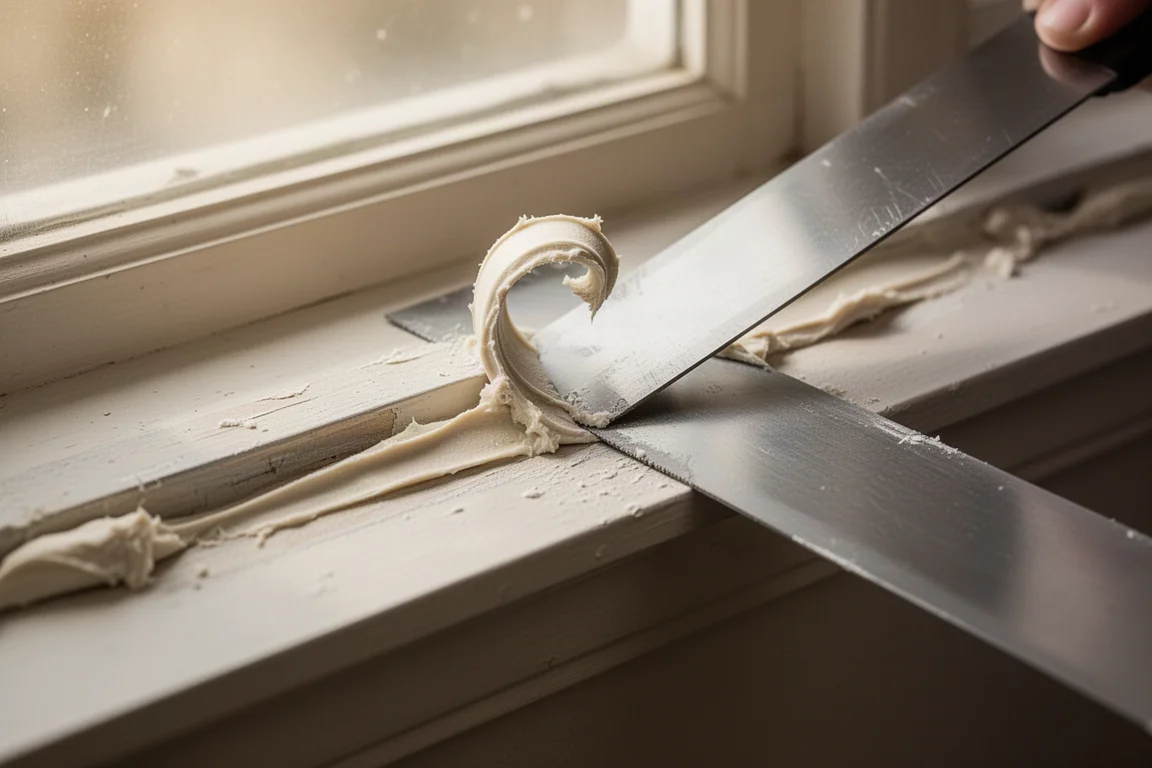
The scraping front end is another highlight. It is a fairly stout inch and a half wide, larger than comparable Snap-on blades, with a useful built-in angle. There is very little bending under load, so the blade feels confident when you lean into a stubborn spot.
The Handle Problem
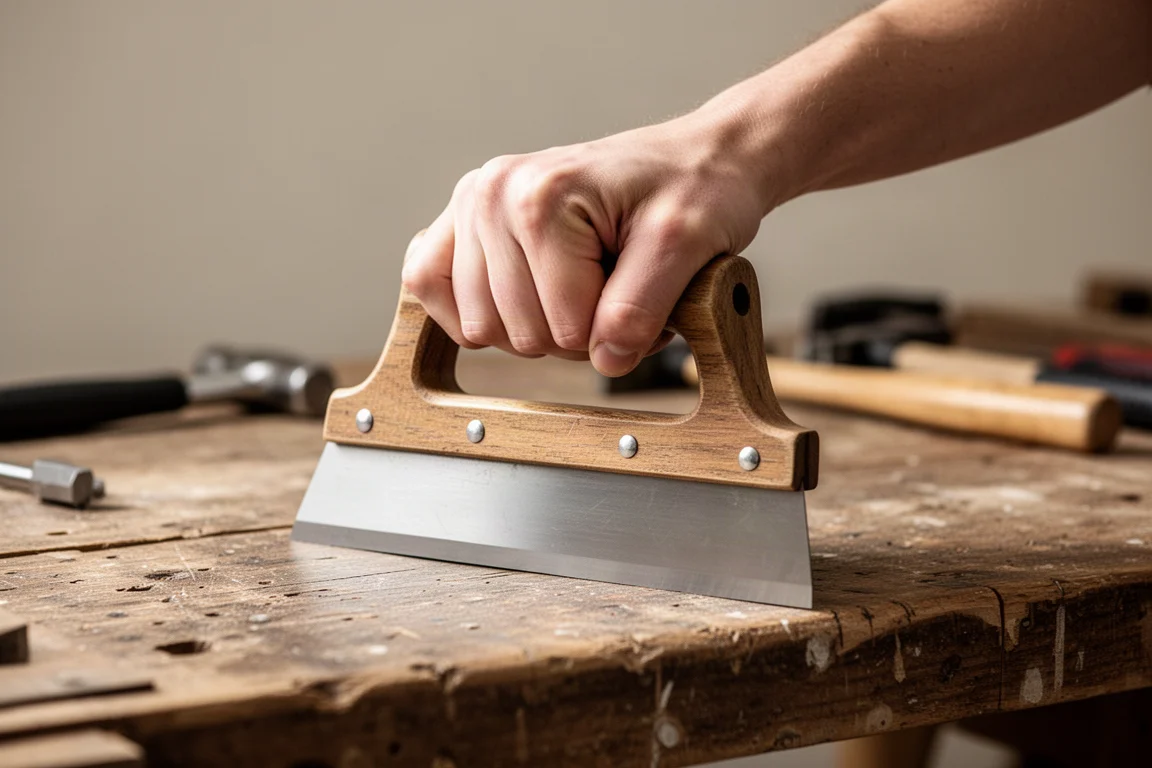
This is where things get less comfortable. The handle is a plastic molded shell that the blade slides into and is riveted in place. There are a couple of jimping points, but they are more theater than function: the grip is slippery, and you end up choking all the way up on the handle just to get a solid hold. Because this is as much a pull tool as a push tool, and the two large pulling faces invite real pressure, a weak grip matters.
The Lyle scraper, which uses a similar metal thickness, shows how much better this can be done. Its handle feels noticeably better in the hand, and it even has a striking cap. Its textured surface is still on the slippery side, but it is clearly the stronger ergonomic design of the two.
The Rivet Issue
The real concern is the rivet. During testing, the rivet worked loose and could be pulled out by hand. It is not a screw; it is supposed to lock the blade into the handle. Once it came free, the blade could not be pulled out either, suggesting it may be glued or melted in place, but the retention method no longer looked trustworthy.
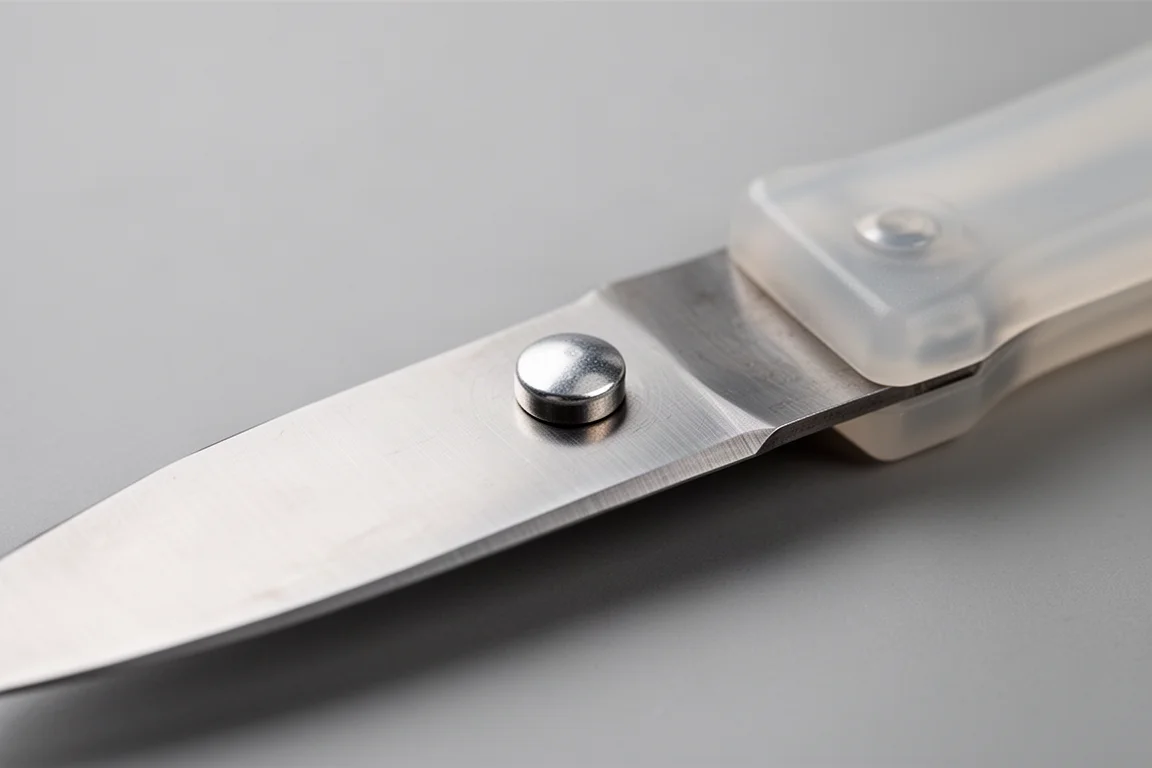
That matters because of how this tool is used. The big pulling faces let you apply serious force, and a blade that is only loosely held in the handle is a genuine worry. For a ten dollar tool made in China, expectations should be modest, but the Hyde brand carries a reputation, and this one falls short of it.
Buying Advice
If you mainly need a push-style scraper for light caulk and paint work, the Hyde still delivers good value: the blade geometry, dual pull edges, and wide scraping face are all well executed. But if you plan to pull hard on the blade, the handle and rivet retention are hard to overlook until the design is improved.
For most buyers, the Lyle scraper is the safer pick of the two. Similar blade thickness, a better handle, and a striking cap make it the more complete tool, even if the grip still is not perfect.
Conclusion
The Hyde removal and scraping tool gets the blade right and the handle wrong. The dual pulling edges and stout scraping front end are excellent for caulk and paint removal, but a rivet that pulls free and a slippery grip undermine confidence under load. The Lyle scraper offers a better handle and a striking cap, making it the more dependable choice until Hyde revises the design.
Product link
View more details for Hyde Removal and Scraping Tool
This product is mentioned in the review. Check the specifications, options, and compatibility before buying.
View more details for Hyde Removal and Scraping ToolFurther reading
Related Reviews
Hand Tools
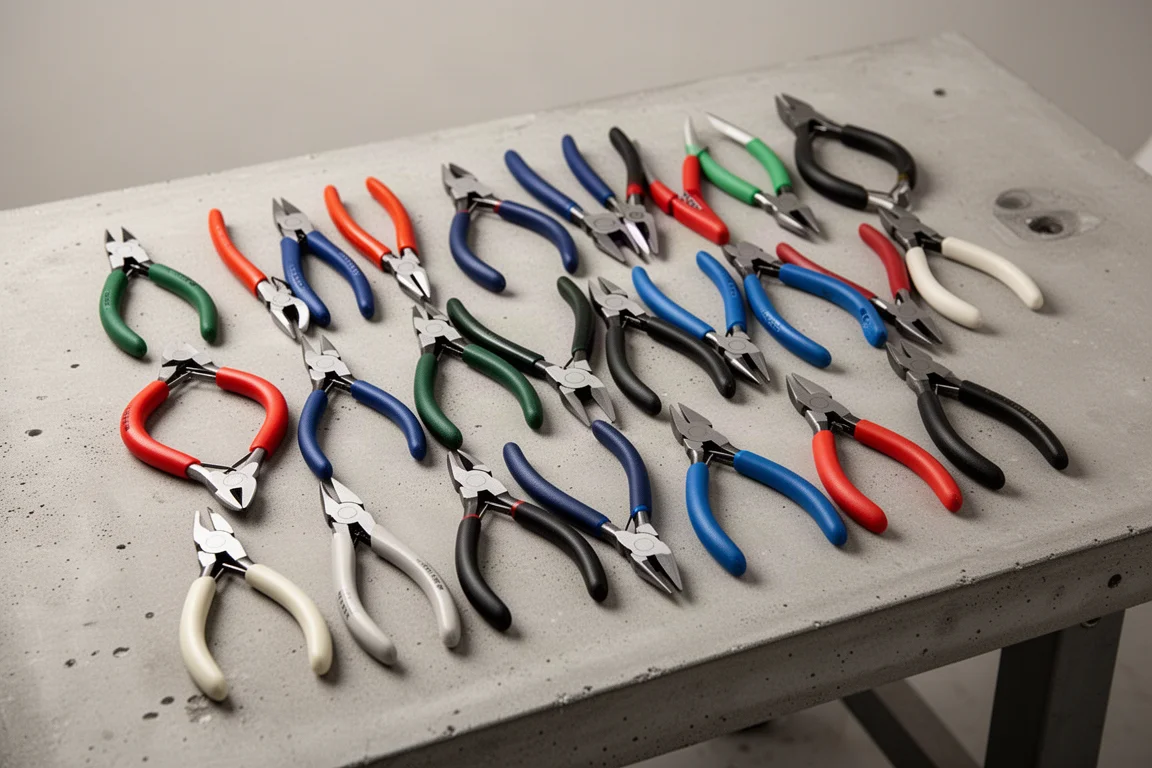
Best Diagonal Cutters 2026: 16 Pliers Tested for Cutting Power and Durability
We put 16 diagonal cutters through nail, screw, drill bit, and hex key tests to find the best value picks for your toolbox.
Hand Tools
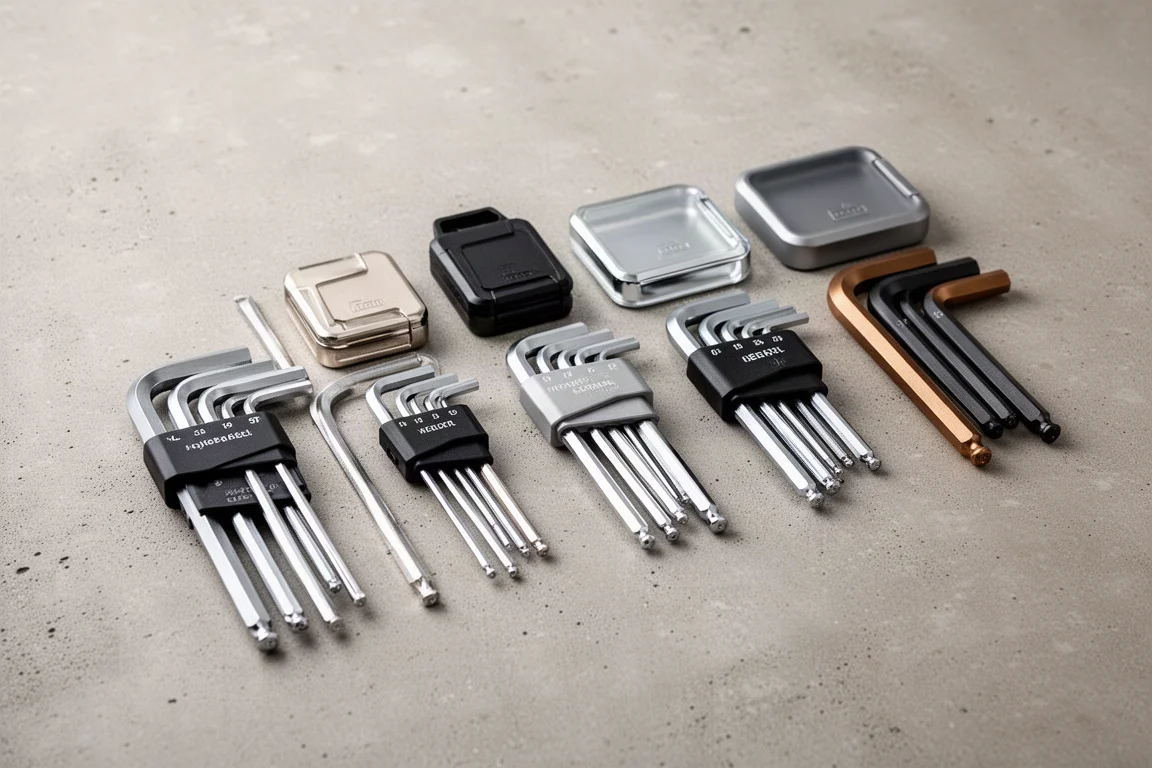
Best Hex L Key Sets 2026: Nine Sets Tested for Real-World Torque
Nine hex L key sets from budget to premium, tested for torque, fit, and durability. See which sets deliver real performance and which ones to skip.
Hand Tools
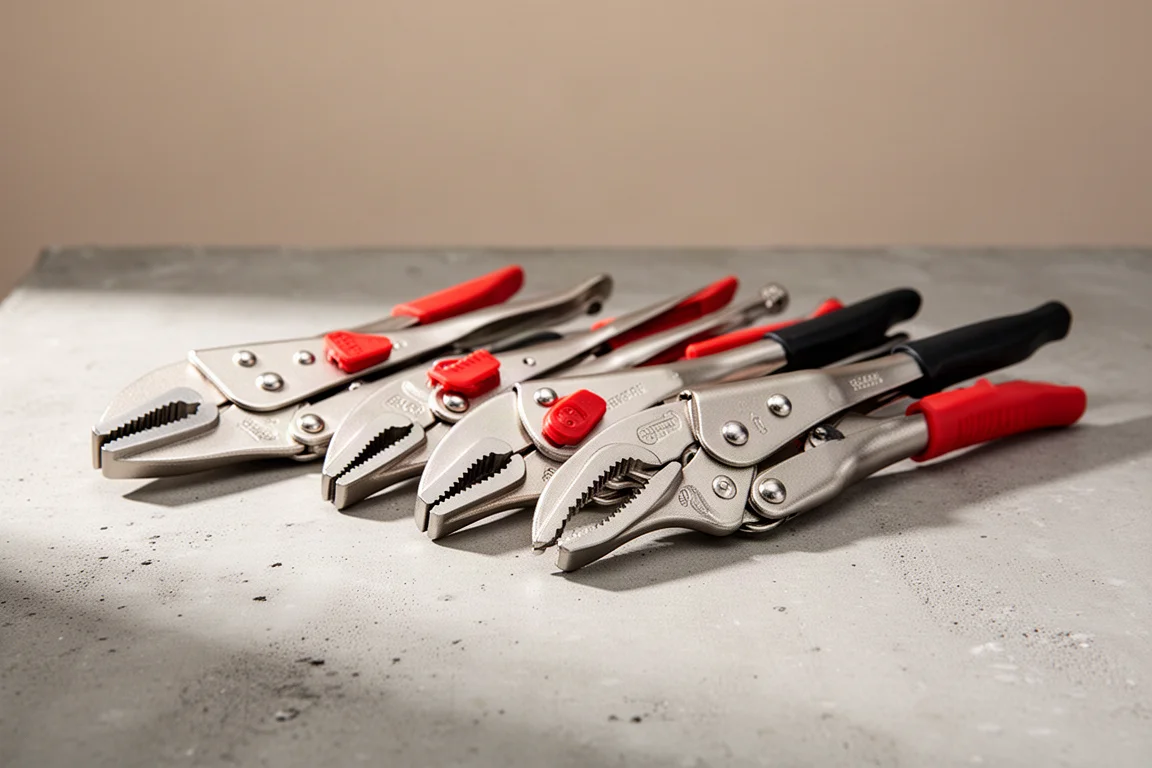
Best Locking Pliers 2026: Top Picks Tested for Grip and Durability
We tested 18 brands of 10-inch locking pliers for grip strength, jaw bite, build quality, and ease of release to find the best options for tough jobs.