Smartwatches
Huawei Watch GT 3 First Look: A Nicer Display, New Running Features, and One Catch
The GT 3 brings a sharper screen, dual-band GPS, and upgraded heart rate sensing, but the price has climbed and external sensor support is still missing.
Introduction
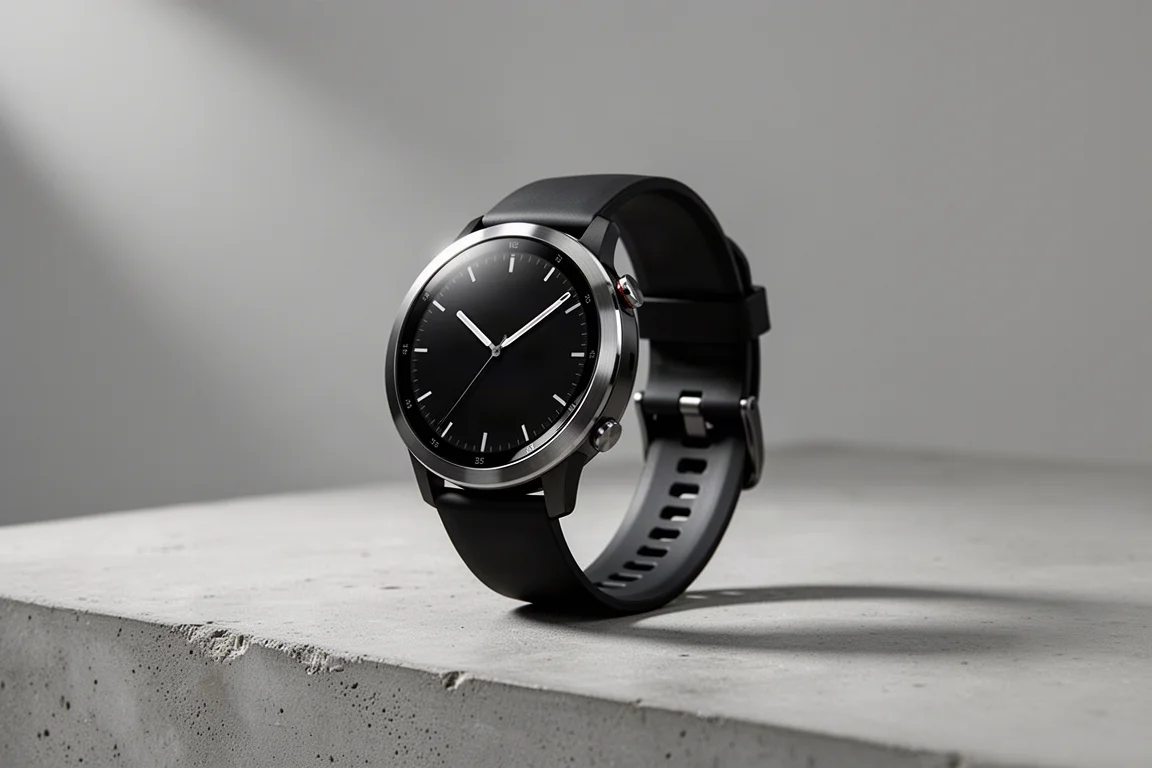
The Huawei Watch GT 3 slots into the same formula the GT series has built its reputation on: a handsome watch, long battery life, and a growing set of running tools. After some brief hands-on time with the device at its launch event, here are the details that matter, and the caveats worth knowing before you commit.
The headline changes sit in three areas: a bigger, sharper display, a fuller version of Huawei’s own software, and a wave of new running and training features. One of those areas comes with a genuine trade-off for runners, and there’s also a price jump to factor in.
Design and Display Upgrades
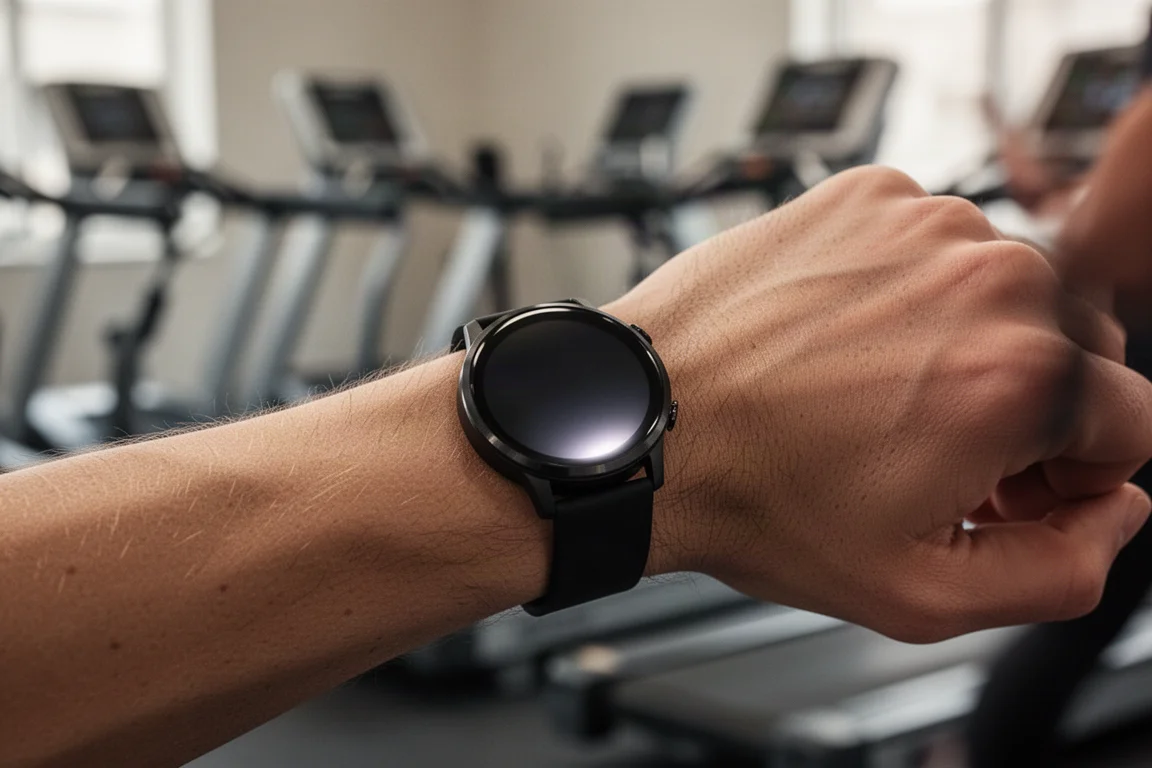
The GT 3 arrives in the same two case sizes as the GT 2: 42mm and 46mm. The notable change is on the front, where both sizes get a larger, higher resolution display. The watches have picked up a little weight compared with their predecessors, though in side-by-side comparisons with the GT 2 Pro and GT 2e it was not something that stood out on the wrist.
The screen itself looks genuinely good, and that was one of the strongest immediate impressions from hands-on time. If you spend long stretches glancing at maps, metrics, or notifications mid-run, that improvement is not cosmetic only.
Software: A Fuller Harmony OS Experience
Where things have moved forward most is software. The GT 3 borrows features from the more premium Huawei Watch 3, including a rotating crown with haptic feedback and a fuller version of Harmony OS. You get the refreshed UI with a chessboard-style app grid, plus access to Huawei’s App Gallery for downloading third-party apps.
That shift makes the GT 3 feel closer to a full smartwatch rather than a pure fitness tracker with a pretty face. The companion app used during early testing was a beta version of Huawei Health, with the watch not going on sale until November, so expect the finished experience to be polished further before retail units ship.
Running Features and Training Tools
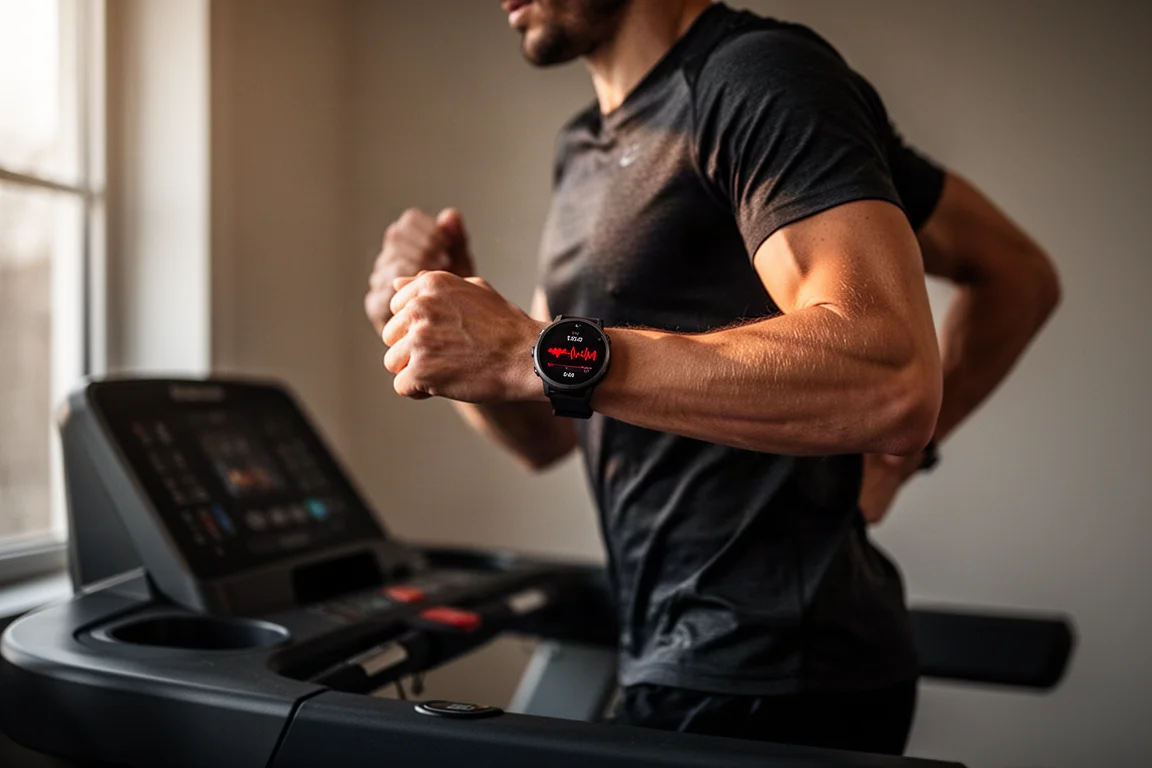
This is where Huawei has put most of its effort. The TruSeen biometric sensor has been upgraded to improve heart rate accuracy, with Huawei claiming 96% accuracy compared with a Polar H10 chest strap. The case design has also been tweaked to mould better to the wrist, which should help accuracy on the move.
On a short indoor run, heart rate readings held up well against a chest strap, tracking within a beat or two at sustained effort. That is a promising early sign, though outdoor running, where more of these features come into play, still needed a proper test.
New training features are also on the way: training plans built around specific distances, progress tracking with an AI coach, a running index that scores training intensity, plus training effect and recovery insights. These will roll out at a later date, so their real value only becomes clear over weeks and months of use rather than a single run.

Dual-Band GPS and Navigation
Another significant addition is dual-band satellite support, a feature previously reserved for the Huawei Watch 3 Pro and seen on watches like the Coros Vertix 2. The GT 3 can talk to the five key satellite systems and is designed to improve anti-interference performance, which should mean more reliable pace and distance in tricky environments like cities or tree cover.
Navigation features cover the basics, including route back and route sharing. It is not a full mapping package, but it covers what most recreational runners actually need.
Battery Life and Everyday Use
Battery life is essentially unchanged: up to 14 days for the 46mm version and up to 7 days for the 42mm, dropping to 8 and 7 days respectively under heavy usage. Those are strong numbers for a watch with this feature set, and they remain one of the GT series’ biggest selling points over many rivals.
One limitation carried over from the GT 2 is worth flagging: as far as understood, you still cannot pair external sensors such as a chest strap. For serious runners who rely on external heart rate monitors, that remains a genuine drawback with the watch and the platform.
Price and Availability
The price has moved up. The GT 2 launched at around £170 to £199 depending on size, and the GT 3 launches higher than that. Huawei has historically dropped its prices fairly quickly after launch, so waiting may be rewarded, though that is not guaranteed. It is also worth watching whether a more affordable GT 3e follows, as the GT 2e offered a solid package of running features and great battery life at a friendlier price.
Buying Advice
If heart rate accuracy from the wrist, dual-band GPS, and structured training plans matter to you, the GT 3 is shaping up to be one of the more compelling options in this space. The display and software make it a nicer daily companion too. Hold off if you need external sensor support, or if the higher launch price is a barrier and you can afford to wait for inevitable price movement.
Conclusion
There is not yet enough running time to call the GT 3 a massive leap, but the ingredients are there: a nicer display, the same dependable battery life, and a suite of running features that could make it a genuinely strong option for runners. The missing external sensor support and the higher price are the two things to weigh carefully before buying.
Product link
View more details for Huawei Watch GT 3
This product is mentioned in the review. Check the specifications, options, and compatibility before buying.
View more details for Huawei Watch GT 3Further reading
Related Reviews
Smartwatches
Best Budget Smartwatches 2026: Five Affordable Options That Actually Work
Five budget smartwatches tested for real daily use. From entry-level options to premium features at fraction of the cost, here's what actually delivers.
Smartwatches
Best Smartwatches on AliExpress 2026: Five Practical Options for Different Needs
Five smartwatches with strong customer feedback and competitive pricing, each suited to different priorities: premium design, battery life, outdoor durability, advanced health tracking, and sports versatility.
Smartwatches
Best Smartwatches Under $300: 9 Practical Options for Every Need
A curated selection of nine smartwatches under $300, each excelling in health tracking, durability, battery life, or fitness features. Find the right match for your lifestyle.