Training Tech
HRV for Training App Review: A $10 Readiness Tool That Replaces Expensive Hardware
A one-off-payment app built by a leading HRV scientist that guides daily training decisions using your phone's camera, with optional support for popular wearables.
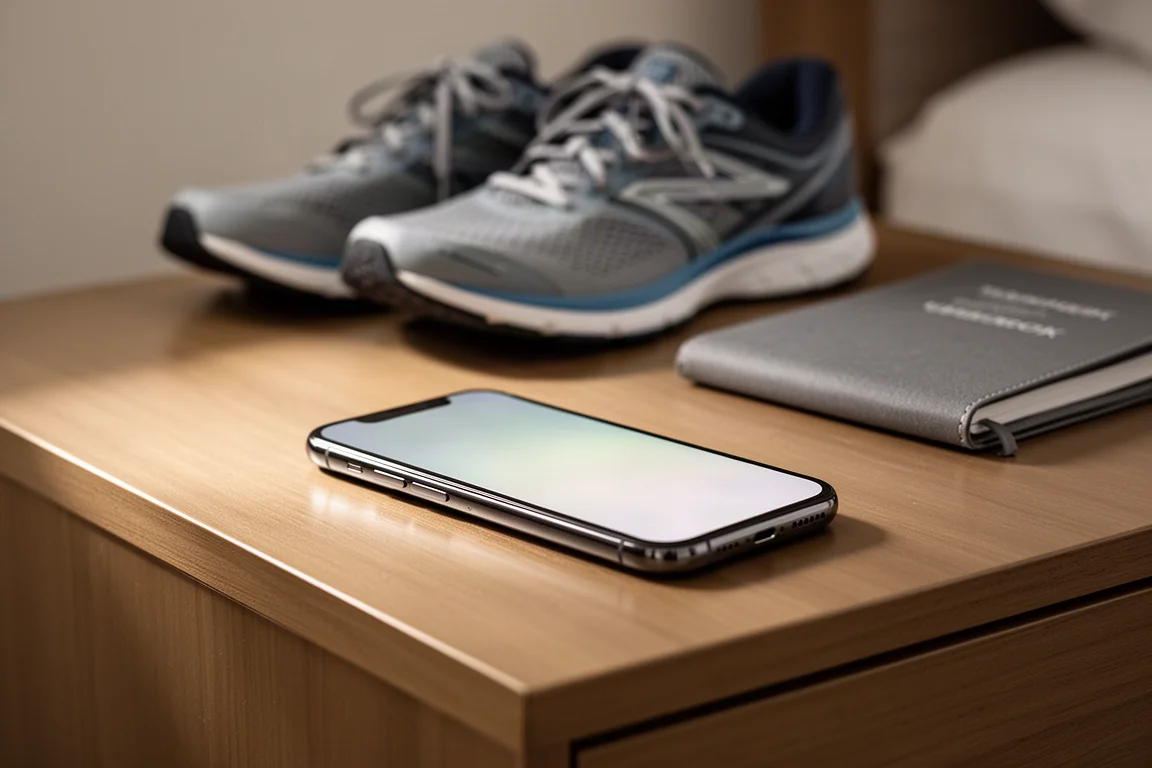
Introduction
Readiness has become the new buzz metric. You will find it, labeled something slightly different each time, on Polar watches, Garmin watches, the Oura Ring, the Whoop strap and plenty of newer running wearables. The idea is simple: a score that tells you whether to push hard in training today or back off and rest.
Most of these devices bundle heart rate, heart rate variability (HRV) and sleep tracking into a single readiness number. There is, however, a standalone app that does this job for a one-off payment of 8.99 GBP in the UK or 9.99 USD in the US, with no wearable required. It is called HRV for Training, and for many runners it could genuinely change how training and even daily recovery decisions get made.
Who This Product Is For
HRV for Training suits runners and athletes who want recovery guidance without committing to expensive hardware or another subscription. If your main reason for considering something like Whoop is knowing whether to train hard or rest, this app covers that same need for a fraction of the cost.
It also suits people who want to understand their body’s response to everything, not just workouts. HRV reflects how well you are coping with training stress, but also sleep quality, work stress, family life, alcohol and travel. If you like the idea of connecting your lifestyle to your training decisions, this is very much your territory.
What Readiness Scores Actually Measure
Heart rate variability is a strong indicator of how well your body is responding to running stress and everything else in your life. Poor sleep, work pressure, travel and illness all become visible through HRV.
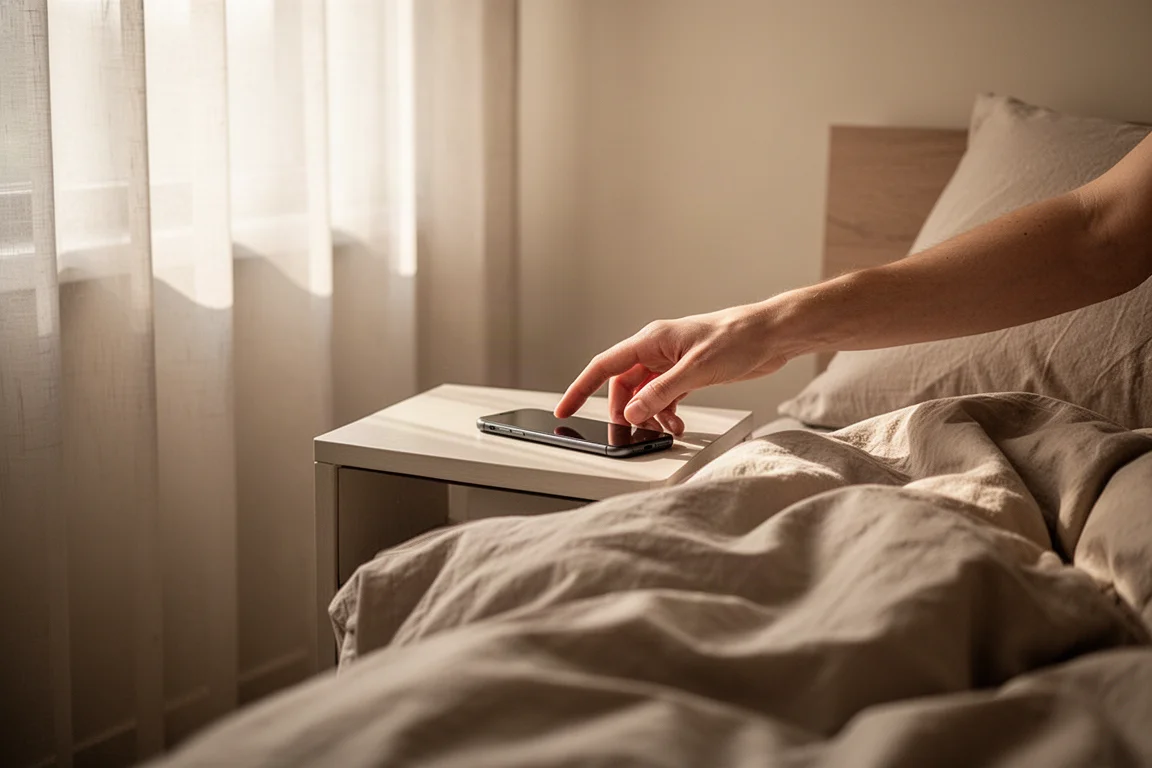
The complication is that every wearable measures it differently. Some take readings in the morning, some measure overnight, some use an orthostatic test with a chest strap like Polar’s. Most then blend the HRV number with sleep tracking and other factors into one readiness score. The problem with that approach is that HRV is already your body’s physiological signal for how well you coped with all of that other stuff. In other words, HRV really is the metric that matters most.
How the HRV for Training App Works
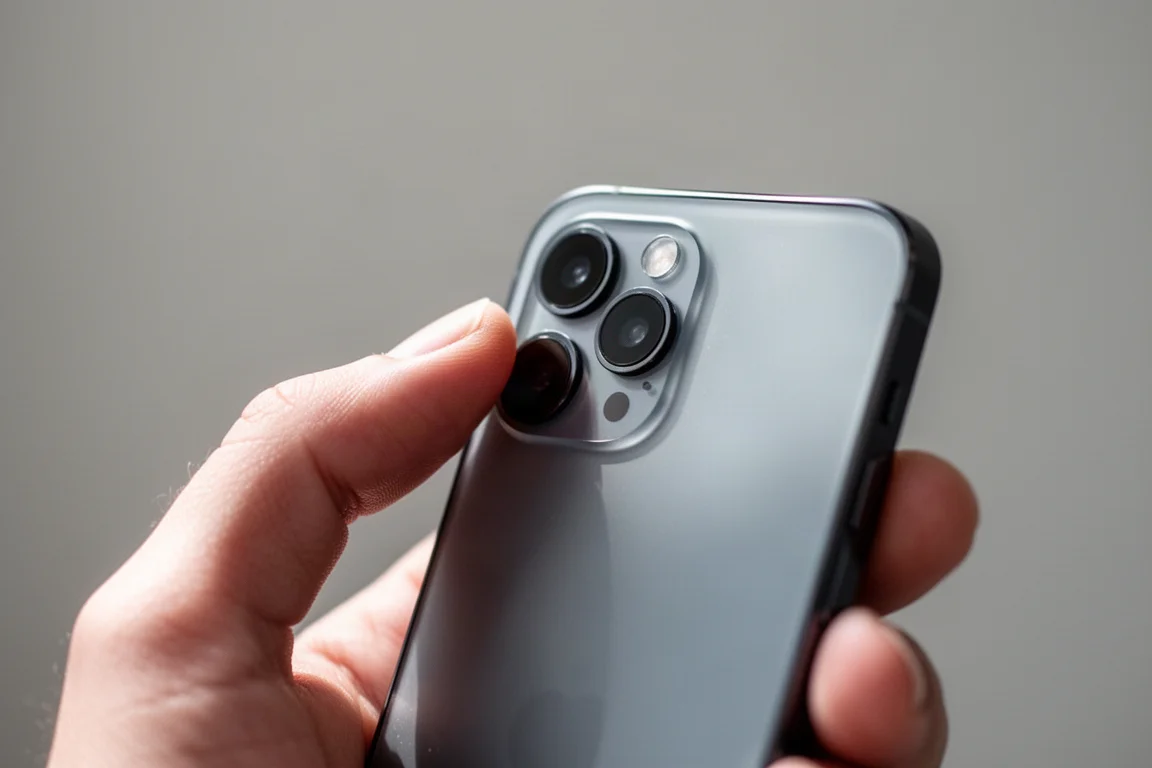
The app was created by Marco Altini, one of the world’s leading experts on the science of heart rate variability, and himself a runner training for ultras who experiments constantly with the method. By placing your finger over your phone’s camera, the app takes PPG readings, detecting changes in blood volume during each heart cycle, much like the optical sensor in a running watch.
A consistent daily test, taken when you first wake up, establishes your HRV baseline. Subsequent readings then track whether your HRV is rising or falling, your personal HRV range, and your resting heart rate trends. From there you get simple daily guidance: proceed as planned, or consider resting if your body shows signs of irregular strain.
Each test is followed by a short questionnaire that ties the reading to real life. It covers how you feel, how hard you trained yesterday, your rate of perceived exertion, alcohol, muscle soreness, sleep quality, routine and travel. That context is what makes the number meaningful, and it is a step many wearables skip entirely. Over longer periods, tagged icons let you spot patterns, such as what happened to your HRV after alcohol or travel.
You are not locked into the phone camera. The app works with the Oura Ring, Apple Watch and Bluetooth chest straps, and supports orthostatic tests similar to Polar’s recovery method. Workout data pulls in automatically from Strava, TrainingPeaks, TrainerOne (TrainerRoad-compatible workflows aside) and Apple Health. The app also estimates VO2 max with a stated confidence level, and estimates lactate threshold, giving you a pace you should be able to hold for seven to nine minutes.
Things to Consider Before Buying
The main trade-off is that this is not a workout tracker. It will not log your runs or replace your sports watch. What it does is show how your body responded to yesterday’s training, which arguably matters more for the recovery side. Compared with something like the Whoop strap, the display is noticeably simpler and easier to interpret.
One thoughtful touch: you can switch off the morning score entirely. If you have a race that day and slept badly, you can still record the test and keep the data, but avoid starting the race with a negative number in your head. The app is also regularly updated as the underlying science evolves.
Accuracy and Real-World Testing
Reliability is the fair question here. Side by side, wearables frequently disagree; one says go hard, another says rest. HRV for Training is scientifically validated, and its creator only opens the app to devices he considers accurate enough, which is why Oura, Apple Watch and specific chest straps are supported. According to the research, camera-based readings are as accurate as, or more accurate than, many wrist-based optical sensors.
In real-world use, the readings matched how each day actually felt. During a week of COVID, HRV dropped sharply and then recovered in a wave as the body got over the infection. Heavy training blocks and early-morning travel with double run days showed the same alignment: on the genuinely rough days, the app recommended extra recovery. After one night of drinking too much, the app picked it up immediately and advised against training, which was absolutely the right call.

That alignment with lived experience is the strongest argument for the app. It does not just hand you a number; it makes you think about what yesterday looked like and how you feel right now, which builds real awareness of how lifestyle habits shape your training.
Buying Advice
For anyone deciding between this and dedicated recovery hardware, the value case is straightforward. Oura and Whoop require a meaningful hardware investment, and Whoop in particular has moved to a subscription that costs more per month than this app’s entire one-off price. HRV for Training is available on both iOS and Android, takes under two minutes each morning, and requires nothing worn in bed.
It delivers simplicity and depth in one package: a 15-second morning readout if that is all you want, plus comparative and trend tables for diving much deeper into how sleep, alcohol and stress affect your HRV.
Should You Buy HRV for Training?
If you want clear daily guidance on how hard to train, built on validated science, without buying another device or paying a subscription, this app is an absolute bargain at under 10 dollars or pounds. The one-minute camera test is more convenient than strapping on a cold chest strap or putting on smart apparel just to lie back down. Signal quality is even checked after each reading, so you know when to redo the test.
The combination of a one-off price, a credible scientific foundation, simple readouts and genuine depth makes this one of the easiest recommendations in training tech.
Conclusion
HRV for Training proves that meaningful recovery guidance does not require a 300-dollar ring or a monthly subscription. It replaces complex readiness scores with the metric that matters most, adds real-world context through a short questionnaire, and left a lasting impression as a simple, evolving tool that has become part of a daily training routine. For runners serious about managing training intensity, it is well worth a look.
Product link
View more details for HRV for Training
This product is mentioned in the review. Check the specifications, options, and compatibility before buying.
View more details for HRV for TrainingFurther reading
Related Reviews
Recovery Equipment
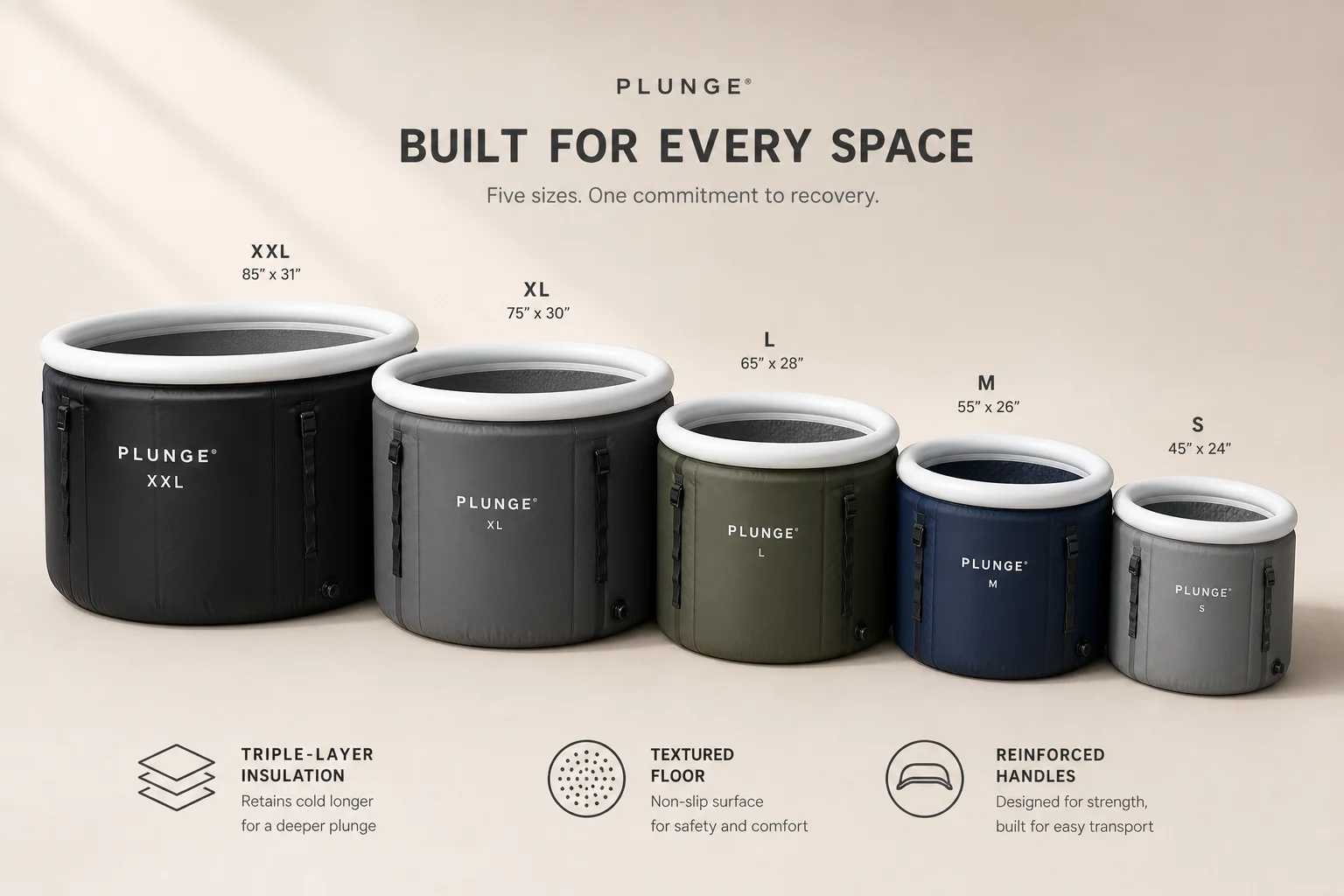
Best Cold Plunge Tubs 2026: Five Options Ranked by Performance and Value
A breakdown of five cold plunge tubs from budget-friendly to premium, with clear strengths and trade-offs to help you choose the right recovery tool.
Outdoor Lighting
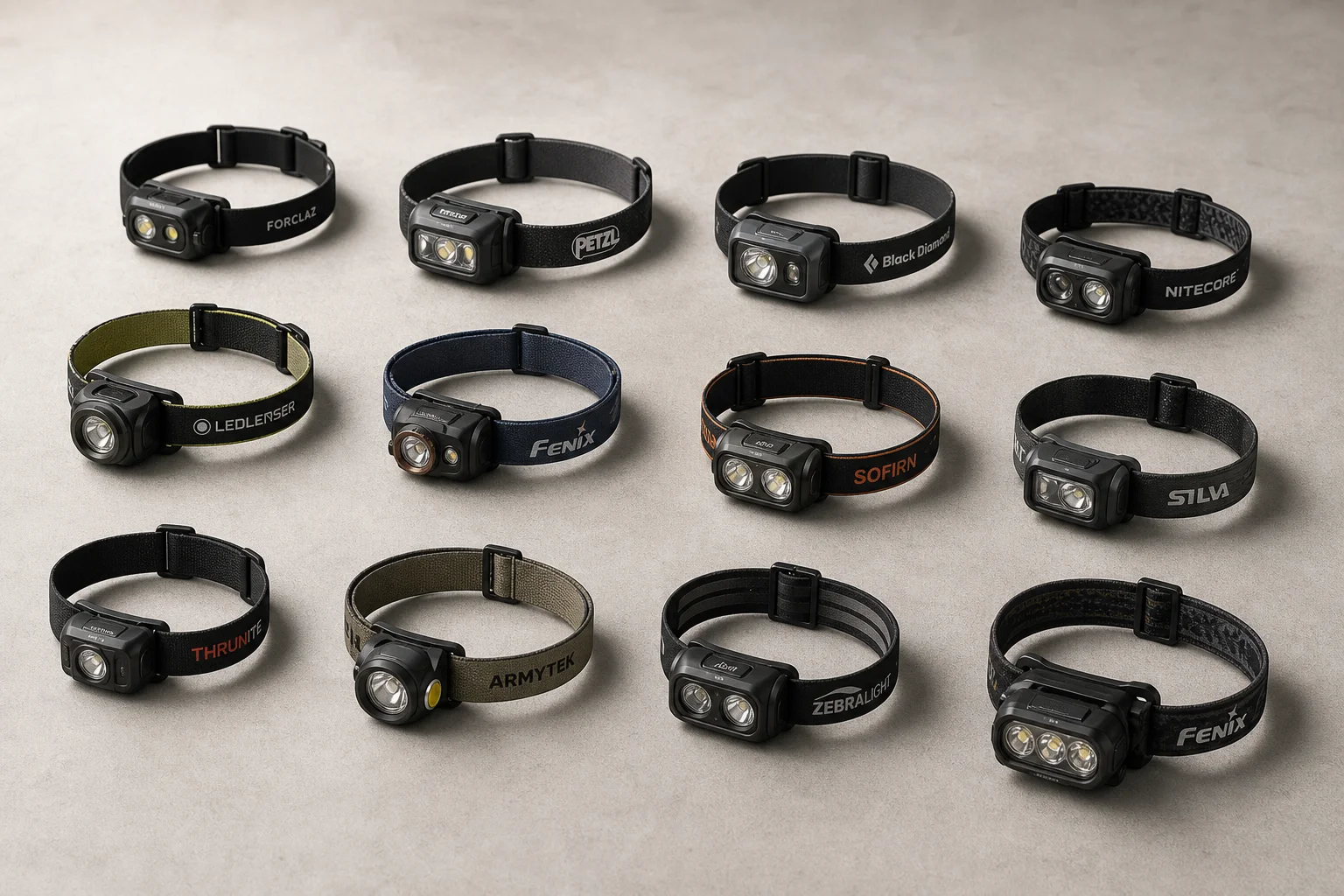
Best Head Torches 2026: 13 Tested Models for Running, Camping, and Work
A comprehensive roundup of 13 head torches tested across comfort, output, battery life, and build quality. Find the right torch for running, hiking, camping, or general use.
Activewear
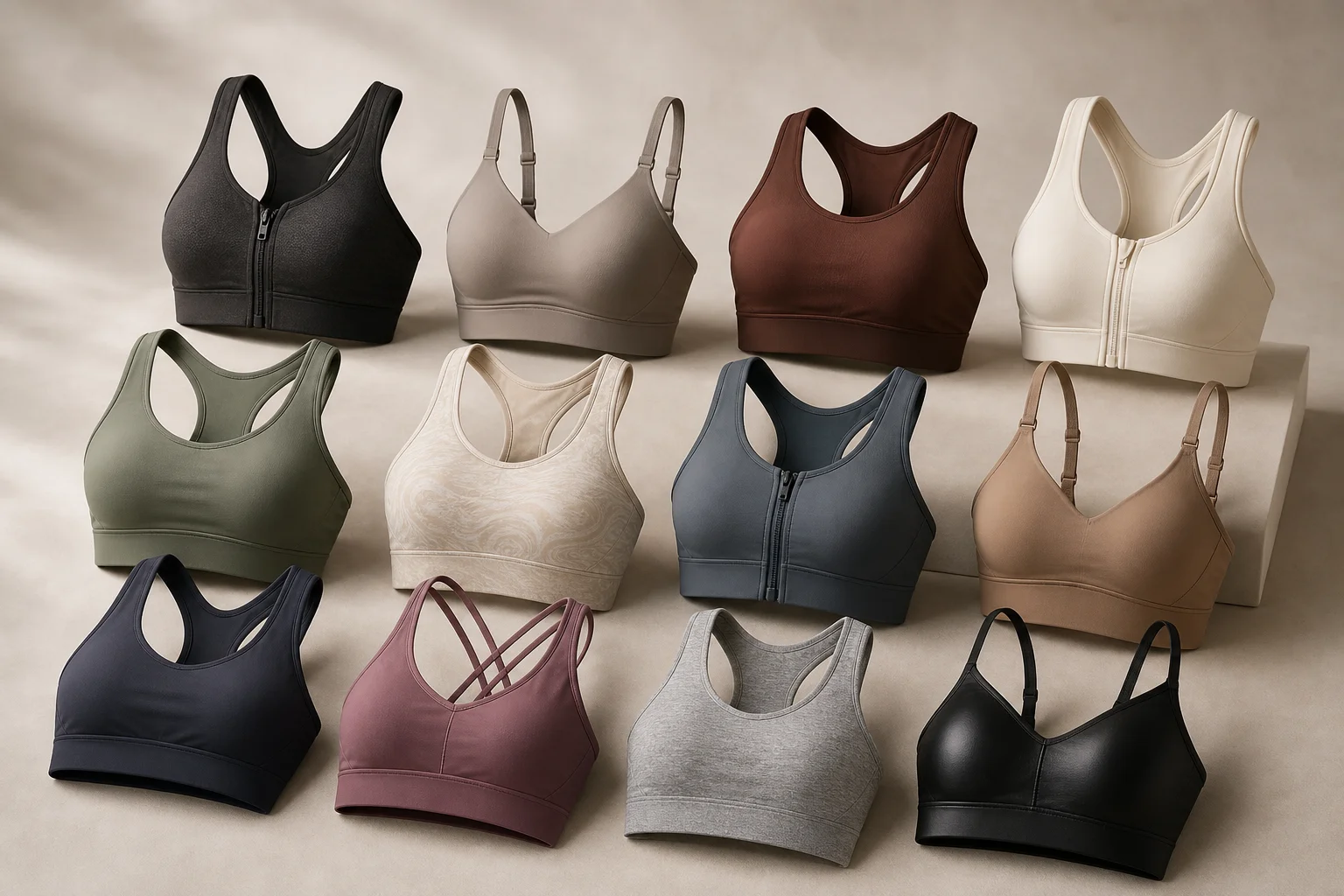
Best High-Impact Sports Bras for Larger Cup Sizes: 12 Tested Options
A comprehensive review of 12 high-impact sports bras tested for bounce control, comfort, and support for larger cup sizes. Real-world running tests reveal which bras deliver genuine support without sacrificing comfort.