Drones
HOVERAir X1 Review: The Pocket Selfie Drone That Survives Its Own Crashes
A hands-on review of the HOVERAir X1 after roughly 130 flights: brilliant tracking, no obstacle avoidance, and a durability story that might surprise you.
Introduction
The HOVERAir X1 has become something of a social media favorite, and it is easy to see why: a palm-sized drone that launches from your hand, follows you automatically, and needs no controller or phone. But plenty of coverage around this drone reads more like marketing than testing, so this review takes a longer, more practical look.
The perspective here comes from extended real-world use: roughly four months of ownership and about 130 flights across running, cycling, hiking, and even some ambitious ski attempts. That includes crashes. Lots of them. If you are trying to decide whether this drone deserves a place in your bag, the details below should help.
Who This Product Is For
The HOVERAir X1 is built for one job: capturing hands-free footage of you (or your friends and family) doing something. If you want easy shots of yourself running, hiking, walking, or casually riding a bike, it is by far the simplest drone to use. It costs around $350 for the base unit and roughly $400 for the combo pack with an extra battery and a faster charging hub, and it is almost perpetually on sale with frequent coupon discounts on Amazon.
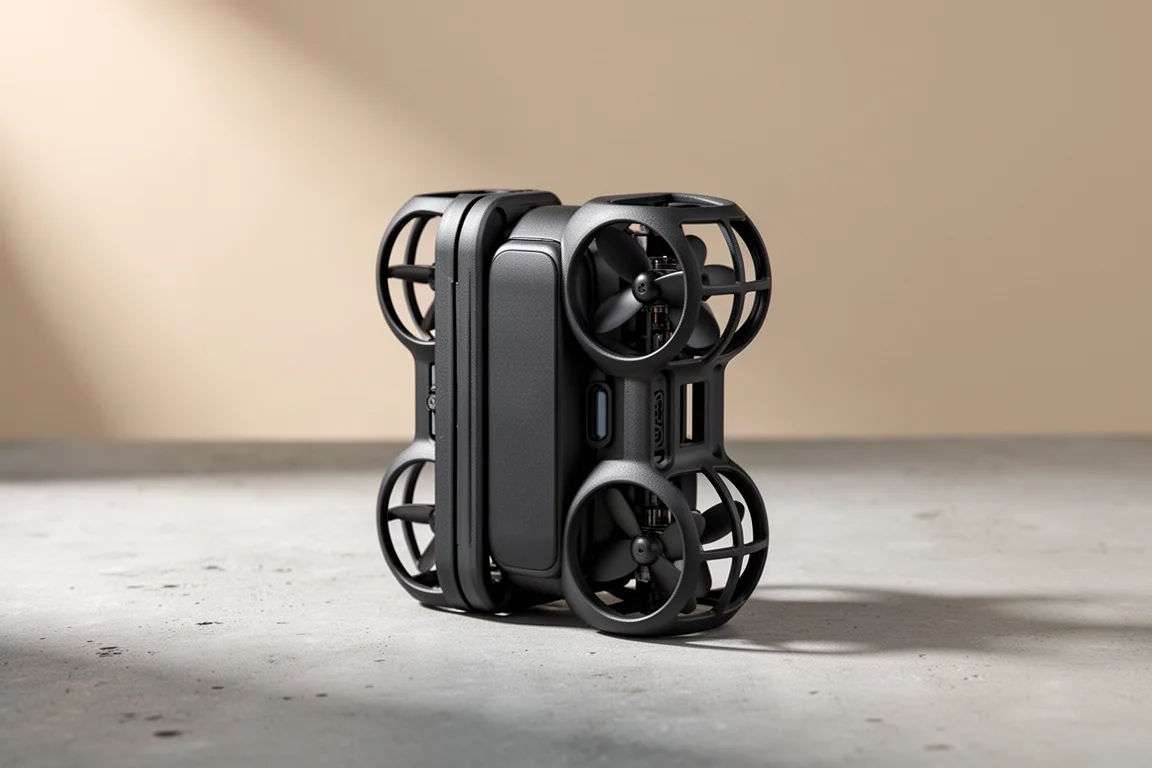
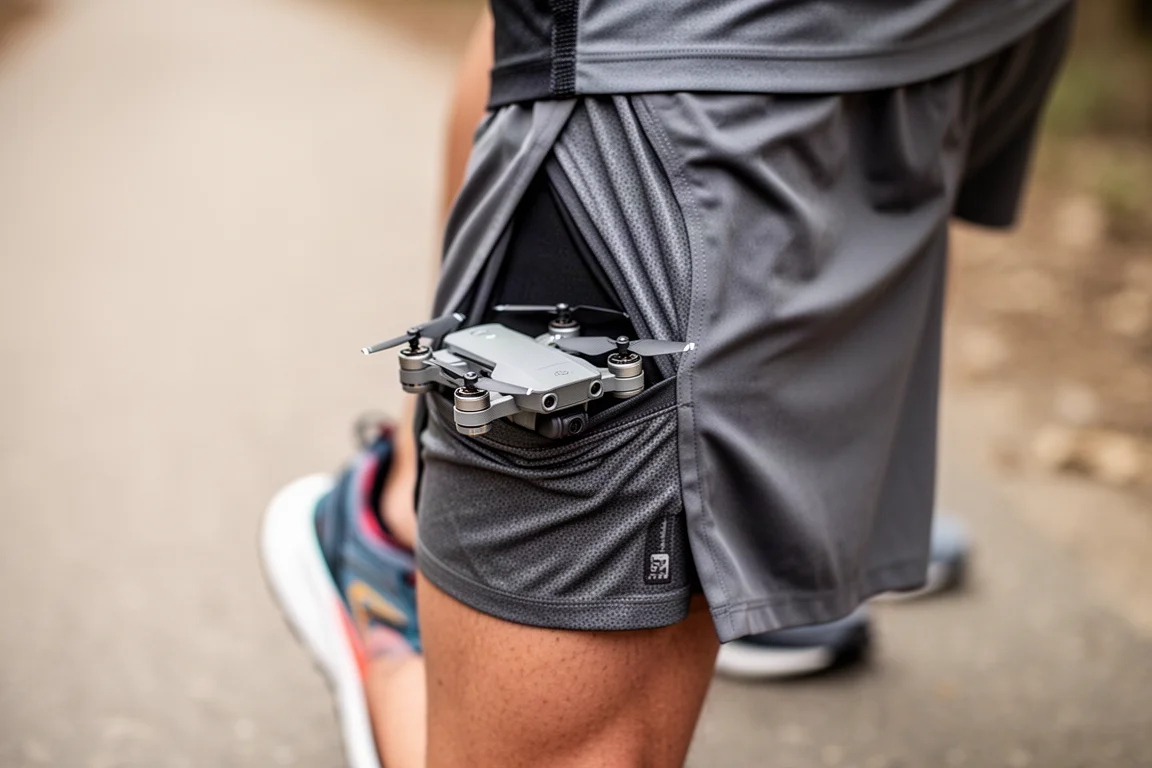
At a spec weight of 125g (measured closer to 128-129g), it is about half the weight of a DJI Mini-class drone and lighter than most GoPros. It folds like a small book and genuinely fits in a pocket of running shorts. Everything happens from the drone itself: you hold it in your palm, tap the power button, cycle through modes with a second button, and it takes off two to three seconds later. A front LED turns from green to red once it is tracking you. There is no phone required for normal flights, which makes it approachable even for kids and non-technical family members.
Main Strengths
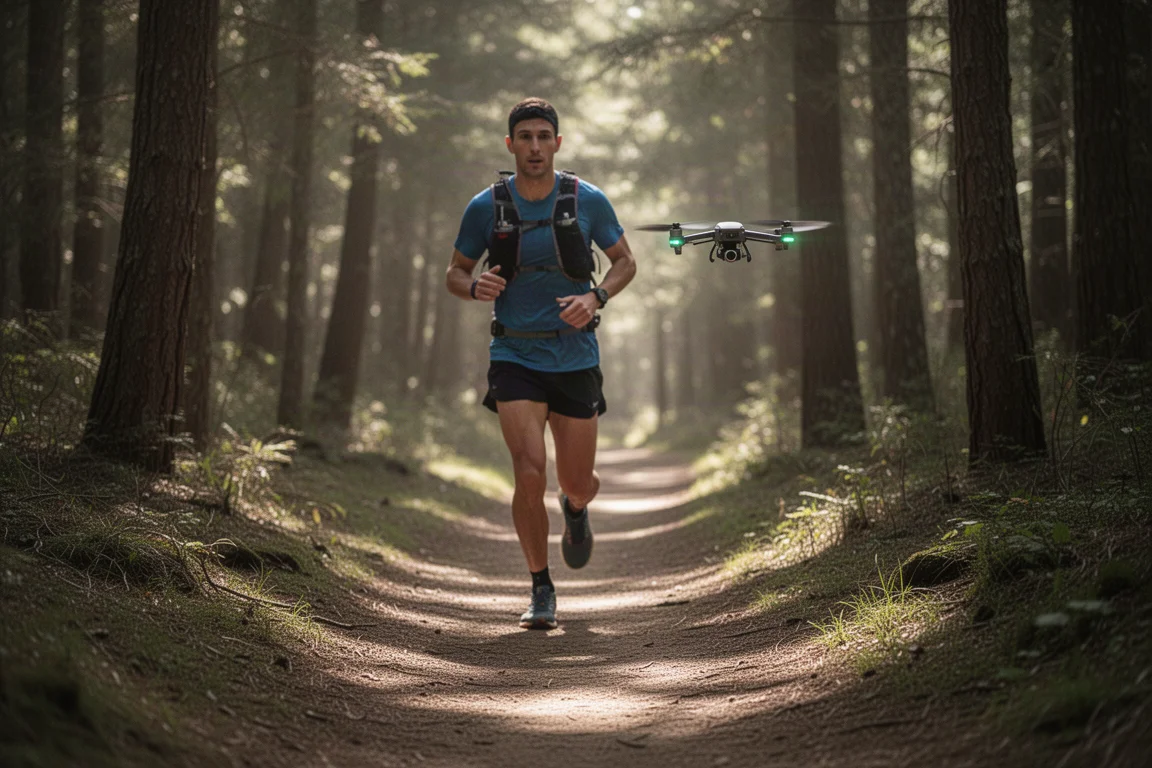
Tracking is the headline feature, and it is astonishingly good. The core following mode keeps the drone behind you and is very difficult to lose, whether you are running, cycling at moderate effort, or anything in between. Dolly track keeps it in front of you for a classic cinematic look, and side track follows you from the side. If the front or side modes struggle to keep up, the drone simply swings behind you and continues tracking, which is the smart fallback most drone makers use.
The six onboard modes include hover, zoom out, follow, orbit, bird’s eye, and a custom slot, with additional modes like snapshot, dolly track, side track, smart control, and manual control available through the companion app. Smart control lets you gesture with your arms to steer, orbit, or push the drone away, which is genuinely fun, though it only works while you stay in place. Through the app you can fine-tune distance (close, standard, far), altitude, duration, and video orientation for each mode.
Durability is the quiet surprise. There is no obstacle avoidance on this drone at all; it will happily follow you straight into a tree. But the flexible plastic prop cage is designed to absorb impacts, with sections that unclip on hard hits and click back into place in about five seconds. Out of roughly 130 flights, around 30 to 40 ended in crashes, and the drone is still fully intact. Landing is just as easy as takeoff: stop, hold out your hand, and it settles onto your palm.
Footage quality is more than good enough for social media. The gimbal keeps scenes level and smooth even in windy conditions, and low-light sunset shots look solid. You get 2.7K at 30fps or 1080p at 60fps, with vertical video capped at 1080p. There is 32GB of built-in storage, which holds roughly 45 minutes of 2.7K footage at around 700MB per minute. Batteries last about 10 to 12 minutes of real-world flight, but spare batteries weigh only about 43g, so carrying one is effortless.
Things to Consider Before Buying
The biggest limitation for sports use is speed. Maximum speed is 17.6 mph (25 km/h). Walking, hiking, and running are fine. Flat or uphill mountain biking is generally fine too, though hard accelerations will stretch the tracking distance before the drone catches back up. Road cycling is trickier: easy pedaling looks great, but hard efforts will outpace it, and when the drone hits its limit it stops and eventually lands wherever it is, which could be a road.
Skiing is where it falls apart. The maximum ascent and descent rate is 1.5 m/s, so even moderate skiing outruns it. If you lose it on a slope, you are hiking uphill through snow to retrieve it. Do not buy this drone for downhill skiing; cross-country skiing is more realistic.
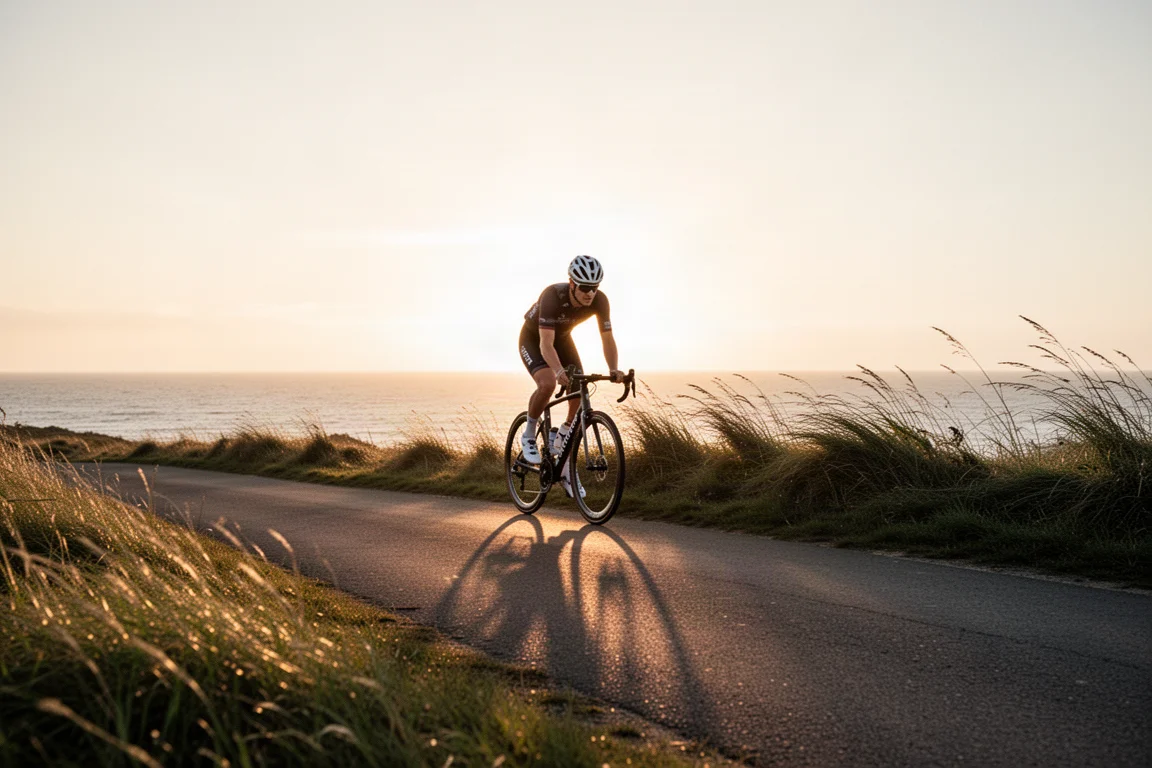
Wind resistance is rated around 17.7 mph (29 km/h). It handles modest wind surprisingly well and produces lovely sunset shots in breezy coastal conditions, but in genuinely strong wind it will refuse to stay airborne. There is also no GPS, which means no return-to-home. If the drone loses track of you for any reason, it simply stops and lands right there. That makes flying over water a bad idea: if tracking breaks, it will land on the spot.
Manual control exists via the app over Wi-Fi, but it is painfully slow and limited to roughly 30 to 50 meters of range. It works in a pinch for a quick establishing shot above the trees, but this is not a drone for sweeping scenic footage or long-distance flying. Finally, spare parts are a weak spot: there is no obvious way to buy an extra cage, props, or motors directly, other than contacting support.
Buying Advice
For most people, the combo pack is the smarter buy. The extra battery effectively doubles your usable flight time, and since each flight typically runs two to three minutes rather than a full 10 to 12, batteries swap in seconds and charge in about 35 minutes in the hub (or 55 minutes in the drone over USB-C).
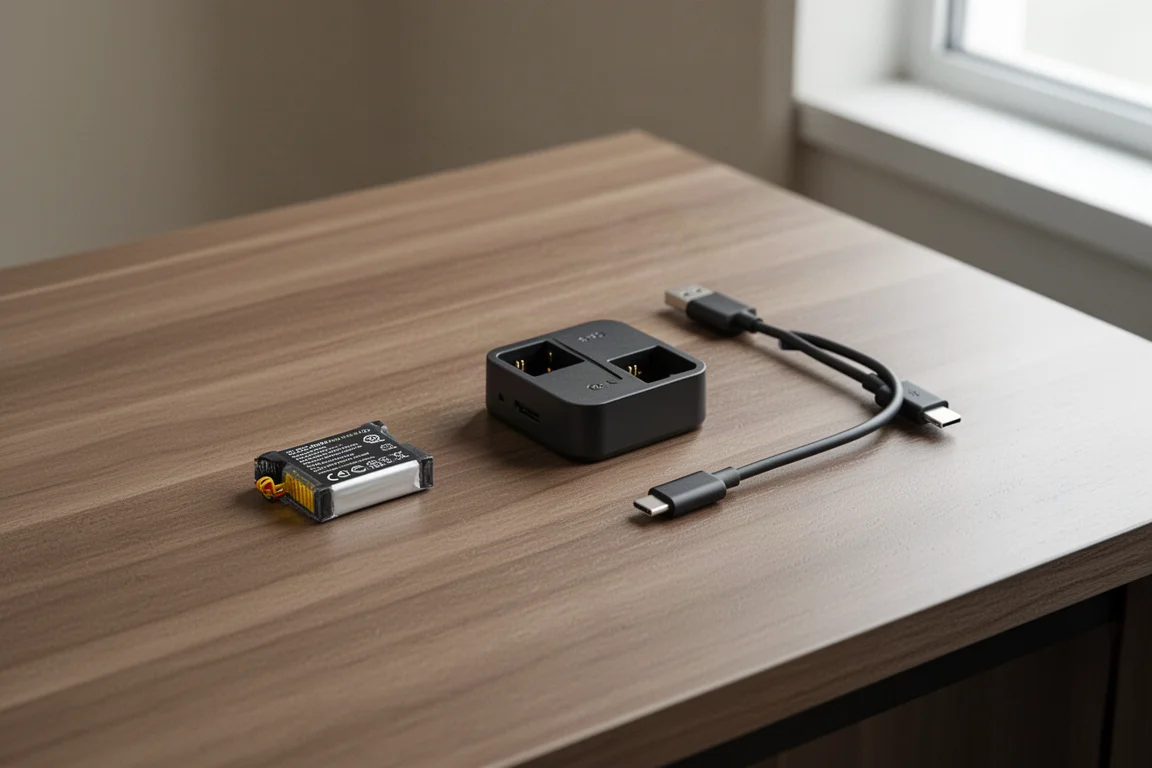
If your goal is hands-free footage of people in motion, this is the easiest drone on the market to use and the hardest to break. If your goal is epic scenery, long-range shots, or fast-action tracking, this is not the tool for that job, and a traditional camera drone will serve you better. Treat the X1 as a complementary pocket camera drone rather than a replacement, and it delivers exactly what it promises.
Conclusion
After 130 flights, the HOVERAir X1 has earned a permanent spot as the go-to drone for running and casual tracking. It is light enough to take everywhere, simple enough for anyone in the family to fly, and durable enough to shrug off repeated crashes. The lack of obstacle avoidance sounds like a dealbreaker but turns out to be part of its charm given how crash-tolerant it is. For social-first self-filming, it is one of the most practical drones you can buy.
Product link
View more details for HOVERAir X1
This product is mentioned in the review. Check the specifications, options, and compatibility before buying.
View more details for HOVERAir X1Further reading
Related Reviews
Drones
Best Budget Camera Drones Under 3000: Five Practical Options for Video and Photography
Five affordable camera drones with HD video capability and stable flight performance, each suited to different needs and budgets.
Drones
Best Budget Drones Under $200: Five Practical Options for 2026
Five budget-friendly drones with GPS, 4K cameras, and FPV capabilities. Real strengths and trade-offs to consider before buying.
Drones
Best Drone Cameras Under $500: Five Options for Different Needs
A practical guide to five drones under $500, covering portability, flight time, camera quality, and key features to help you choose.