Drones
Hover X1 ProMax Review: A Lightweight Drone for Filming Electric Skateboarding
The Hover X1 ProMax is a compact, foldable drone that makes solo electric skateboarding footage easy to capture, with a few tracking limitations worth knowing.
Introduction
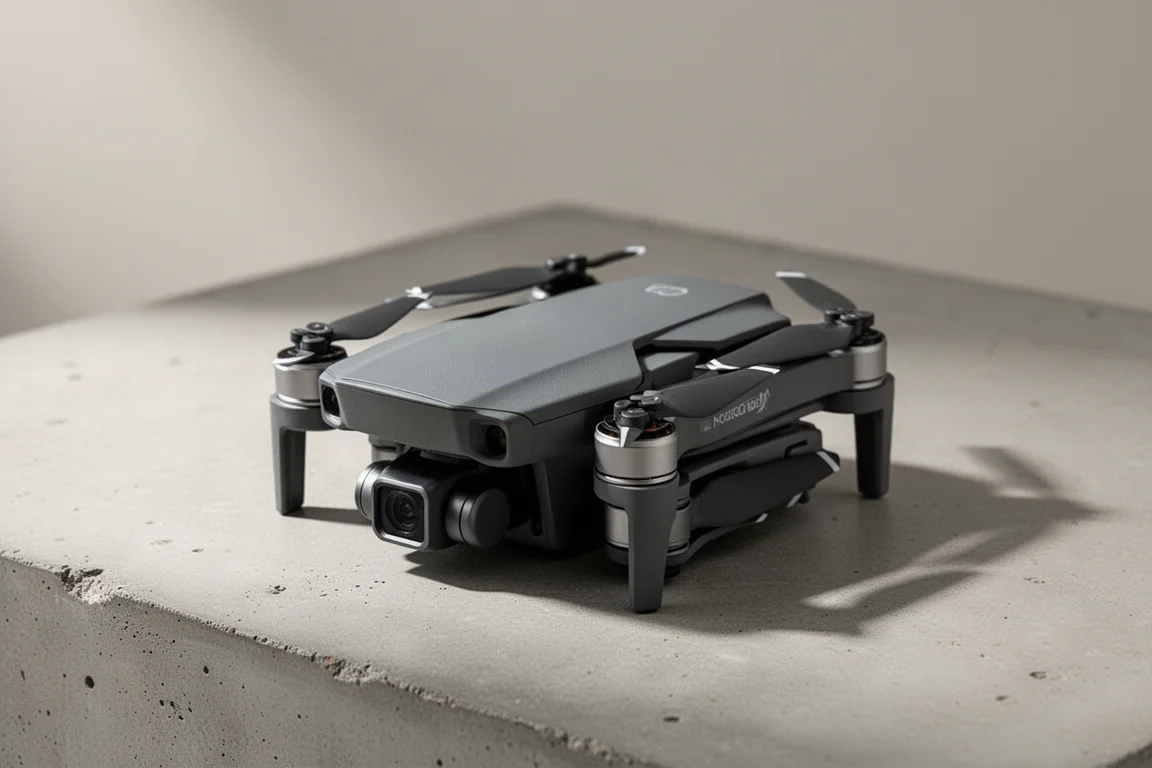
Filming electric skateboarding by yourself usually means carrying extra gear, finding a second person to operate a camera, or settling for static shots. A drone that can track you automatically solves that problem, but only if it is small enough to carry without changing how you ride. The Hover X1 ProMax is designed around that exact use case: a highly portable drone with multiple tracking modes that can keep up with the speed of an electric skateboard.
This review focuses specifically on using the Hover X1 ProMax for filming electric skateboarding content. It covers what works well, the limitations that riders should know about, and whether this drone makes sense as a solo filming tool.
Portability and Build
Portability is the main reason this drone works for solo electric skateboarding. Everything you carry needs to fit in a messenger bag, because wearing a backpack while riding changes the whole feel of the ride. The Hover X1 ProMax folds down to roughly the size of a peanut butter and jelly sandwich, and with a battery installed it weighs exactly 194g. That is lighter than an Insta360 X5, which makes it easy to justify carrying on every ride.
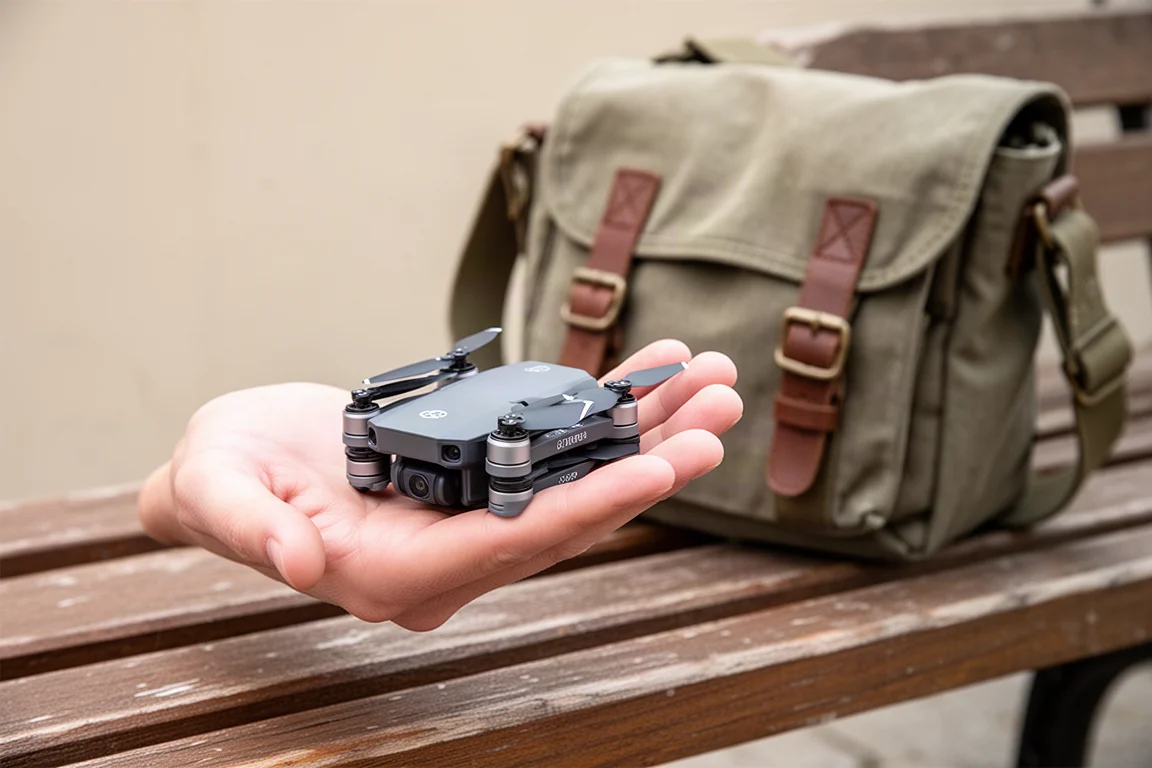
The build quality has held up well in real-world use. The propeller cages are flexible, which helps absorb impact when the drone bumps into trees or buildings. Even after several crashes, the drone continues to work perfectly, with only some scuff marks as evidence of the impacts. A simple sleeve protects the lens and gimbal when the drone is packed away, so there is no need for a bulky hard case.
Image Quality
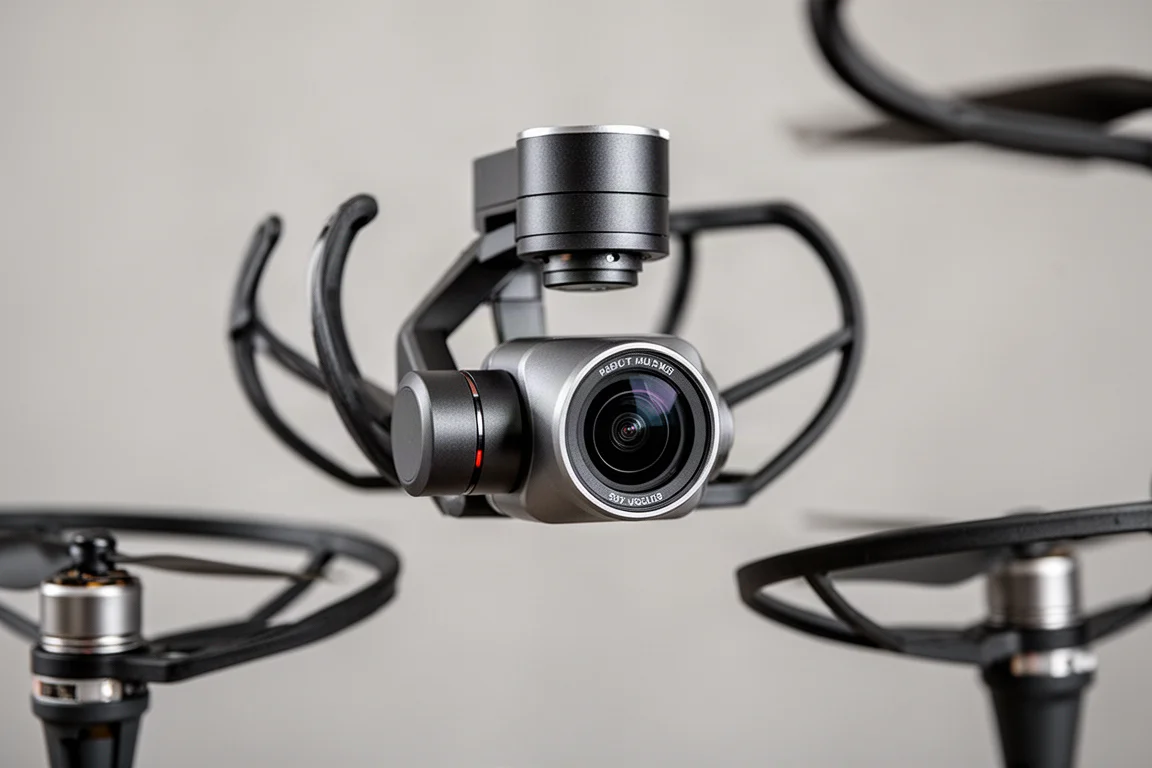
The Hover X1 ProMax records 8K video with 10-bit HDR at 160 Mbps, but it is still a small camera with a small sensor and lens. Expecting DSLR-level image quality would be unrealistic. For most riders, the footage quality is comparable to what a modern smartphone produces, which is more than enough for social media content and personal projects.
The image quality is actually better than expected for a drone this light. While it is possible to nitpick the differences between this camera and other small cameras, the practical difference is minimal. What matters more is that the footage looks clean, stable, and usable straight out of the drone.
Tracking Performance
The tracking system is impressive in open areas with few people around. Optical tracking works reliably most of the time, and it performs just as well as tracking with the Beacon accessory. In practice, the optical tracking is good enough that connecting the Beacon is often unnecessary.
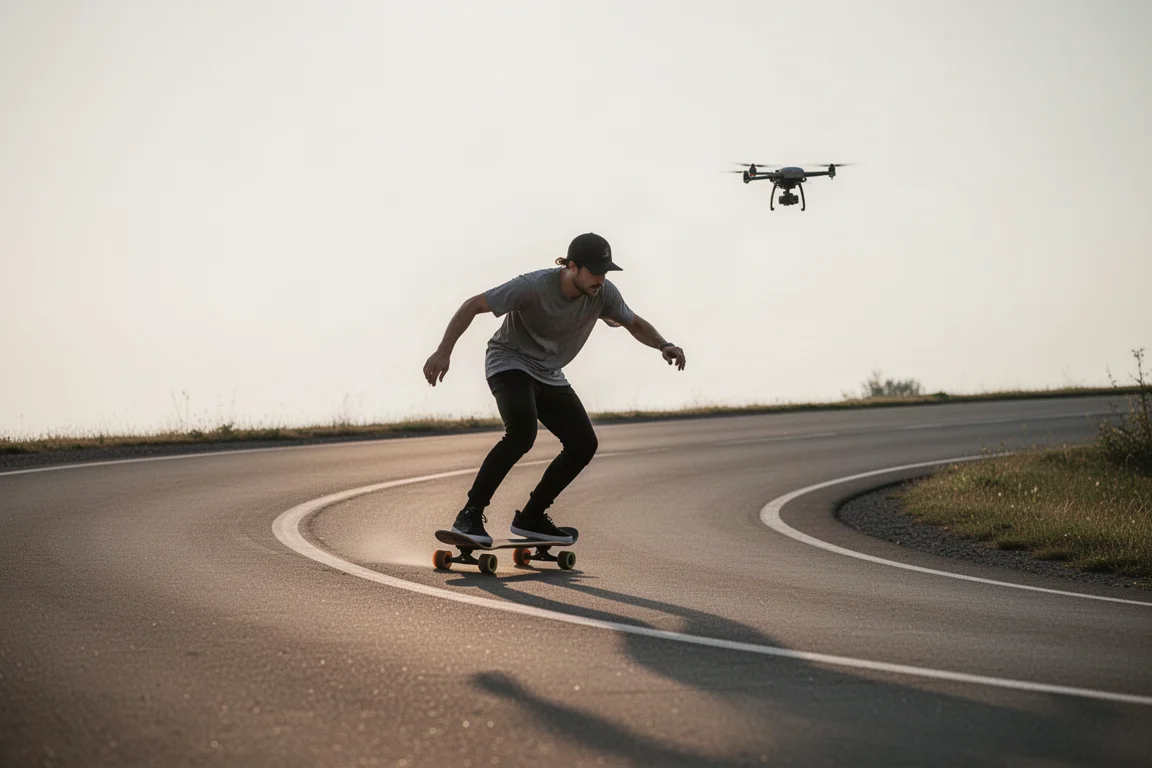
There are two limitations specific to electric skateboarding. First, the composition framing cannot be angled lower. The drone keeps most of the body in frame, especially the upper body, but the skateboard often ends up at the edge of the frame or completely out of it. This is a problem when the subject of the content is the skateboard itself. Setting the drone to far distance and high altitude will always show the board, but that is not the kind of shot you want for every clip.
Second, carving causes the drone to sway back and forth as it tries to predict the rider’s direction. This happens in every flight mode, including Follow, Cycling, and Ski modes. On a wide horizontal display the swaying is tolerable, but on a vertical phone screen, carving footage with autonomous tracking is essentially unwatchable. For carving clips, an action camera on a selfie stick still works better unless a second person is manually flying the drone.
The Beacon and Accessories
The Beacon is more than a simple tracking accessory. It has a real-time display showing what the drone sees, and it can function as a one-handed motion controller or a two-handed controller with or without a connected phone. It is genuinely useful for manual control and for CoPilot mode, which mixes automatic and manual control.
For solo electric skateboarding, the Beacon is rarely needed because optical tracking already works well. The Beacon’s built-in microphone is not recommended for riding footage, as the audio quality is poor. Hover also offers a PowerCase that protects the drone and recharges it, along with other accessories like ND filters.
Convenience in Daily Use
Convenience is the main reason to choose this drone. It fits easily in a messenger bag and even in most pockets. Starting a recording takes seconds: turn on the drone, select the shot type directly on the drone, and press the button. No phone or remote is required. The drone takes off, starts recording, and when it lands back on your hand, it stops recording.
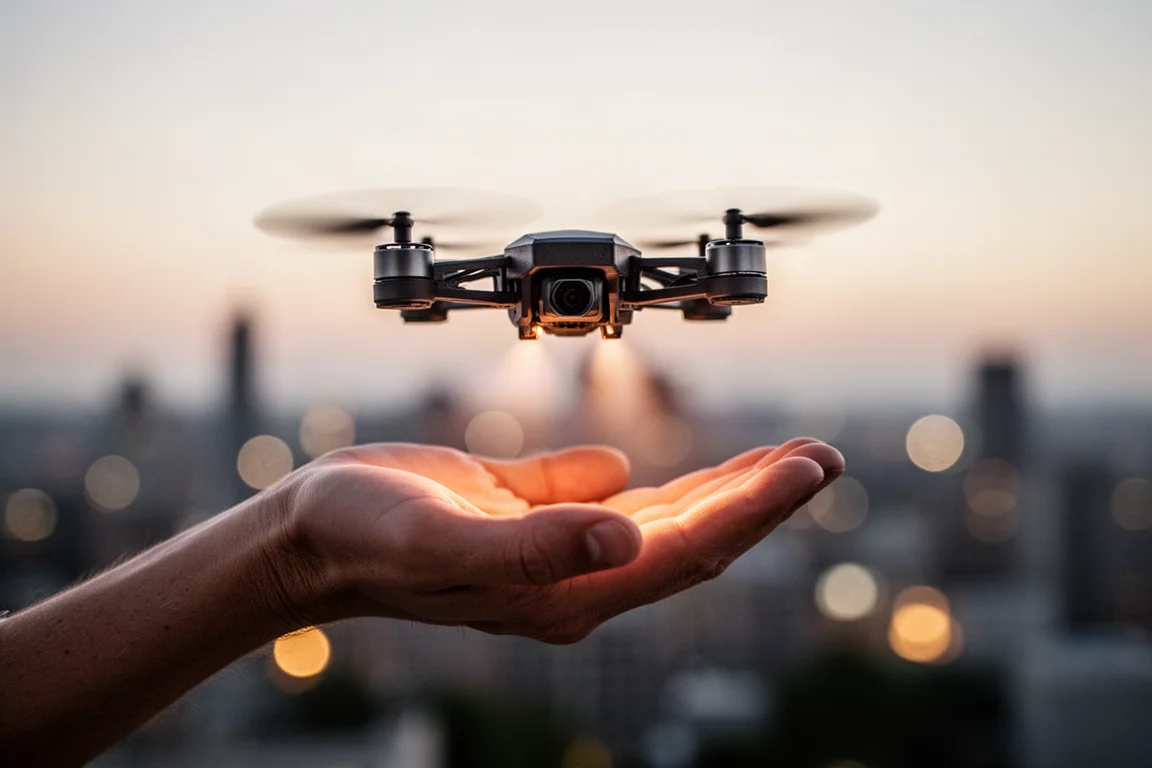
The built-in 64 GB of storage is another convenience. The drone does have a MicroSD card slot, but the internal storage is more than enough for a full day of shooting. For drone footage alone, filling 64 GB in a single session is unlikely.
The design philosophy mirrors that of a lightweight electric skateboard: neither tries to have the longest range or highest top speed, but both are designed to be genuinely fun to use without the inconvenience of larger, heavier gear.
Buying Advice
The Hover X1 ProMax is best suited for riders who film themselves and want a drone that disappears into a bag until it is needed. It delivers reliable tracking in open areas, solid image quality for social media, and a level of convenience that makes it easy to use every ride.
Riders who primarily film carving footage should keep expectations realistic. The autonomous tracking struggles with the side-to-side motion of carving, and the framing tends to cut off the skateboard. For those shots, an action camera on a selfie stick remains the better tool.
If your priority is a portable, self-filming drone for general electric skateboarding content, the Hover X1 ProMax is a strong choice. If carving footage is your main focus, consider whether the tracking limitations will frustrate you before committing.
Conclusion
The Hover X1 ProMax succeeds at its core purpose: making solo electric skateboarding footage easy to capture. It is light enough to carry everywhere, simple enough to use without a phone, and durable enough to survive the occasional crash. The tracking limitations with carving and low-angle framing are real, but they do not diminish the overall value for riders who want a convenient, self-filming drone.
Product link
View more details for Hover X1 ProMax
This product is mentioned in the review. Check the specifications, options, and compatibility before buying.
View more details for Hover X1 ProMaxFurther reading
Related Reviews
Drones
Best Budget Camera Drones Under 3000: Five Practical Options for Video and Photography
Five affordable camera drones with HD video capability and stable flight performance, each suited to different needs and budgets.
Drones
Best Budget Drones Under $200: Five Practical Options for 2026
Five budget-friendly drones with GPS, 4K cameras, and FPV capabilities. Real strengths and trade-offs to consider before buying.
Drones
Best Drone Cameras Under $500: Five Options for Different Needs
A practical guide to five drones under $500, covering portability, flight time, camera quality, and key features to help you choose.