Telescopes
HOROX 70mm Refractor Telescope Review: A $100 Entry Into Astronomy
A budget 70mm refractor with a smartphone camera adapter and backpack that works best as a moon telescope, with a few trade-offs to know before buying.
Introduction
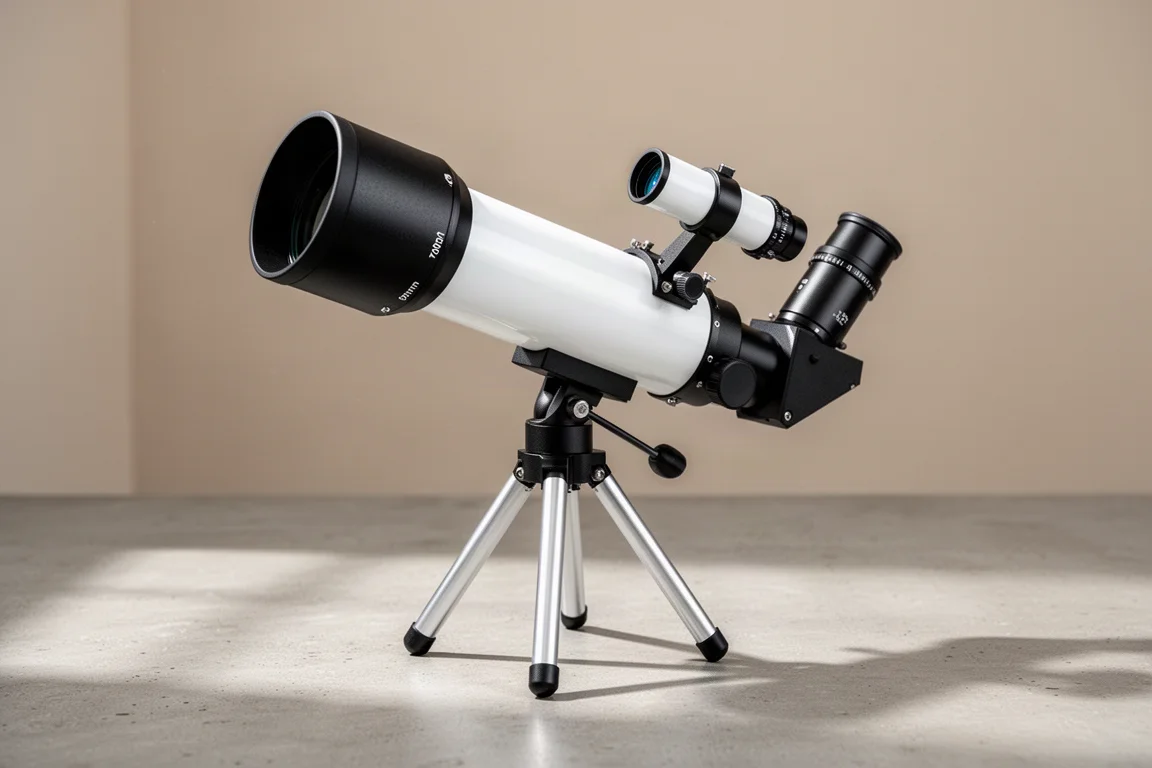
The sub-$100 telescope market on Amazon is crowded, and almost all of the options are short focal length refractors bundled with introductory eyepieces. The HOROX 70mm refractor enters that same space, but it arrives with a few extras that make it more interesting than the average starter scope: an image-erecting diagonal, a purpose-built smartphone camera adapter, and a proper backpack for carrying the whole kit.
We spent time setting it up, pointing it at the Moon and planets, and testing the smartphone adapter. Here is how it all shakes out.
What’s in the Box
For a $100 telescope, the box is surprisingly heavy. Inside you get the 400mm focal length, 70mm aperture optical tube, an aluminum tripod, two Kellner eyepieces (20mm and 9mm), an image-erecting diagonal, a 5x24 straight-through viewfinder, a smartphone camera adapter, and a fitted backpack with small pockets designed specifically for this telescope. The backpack is genuinely handy and makes the whole kit portable in a way that most budget scopes are not.
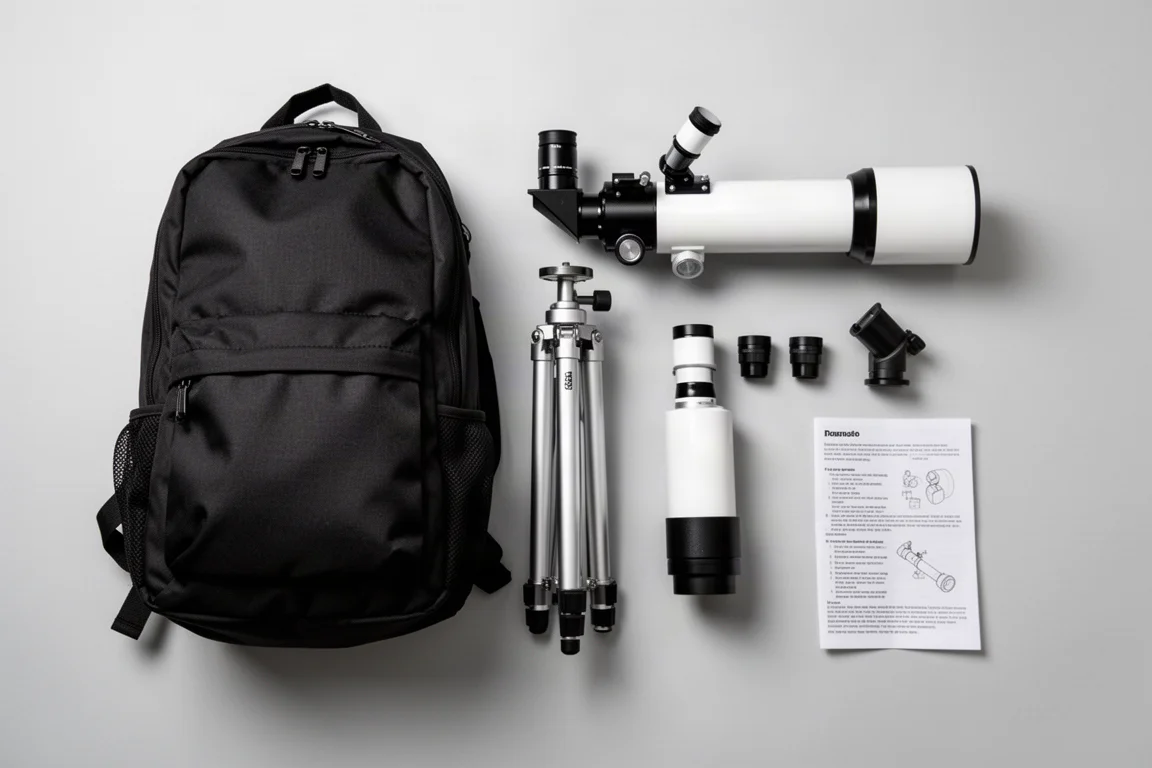
The optical tube itself has a couple of thoughtful touches. The lens cap includes a built-in aperture mask, which reduces the light gathering area so the full Moon does not blow out your night vision. The focuser is a standard rack-and-pinion design with a lock screw, so once you nail focus you can lock it in place.
Setup and Build Quality
Assembly is straightforward: tripod first, then the optical tube threads onto the mount, which resembles a Vixen-style dovetail. The tripod is mostly aluminum rather than the plastic you might expect at this price, includes a bubble level, and moves in simple alt-azimuth fashion (up, down, left, right). It extends to a decent height, though most adults will find themselves stooping slightly to reach the eyepiece even with everything fully extended.
The included eyepieces are Kellner designs, which is standard for introductory telescopes. The 20mm serves as the low-magnification eyepiece (about 20x with the 400mm focal length) and the 9mm delivers roughly 44x. Both use standard 1.25-inch barrels, so you can buy other eyepieces later and they will fit.
The image-erecting diagonal is a genuinely nice inclusion. Traditional telescope diagonals flip images upside down or left to right, which makes tracking moving objects awkward. This one corrects the image so it appears right side up, like binoculars. It also means the HOROX can double as a spotting scope for terrestrial viewing, bird watching included.
Smartphone Photography: The Best and Worst of It
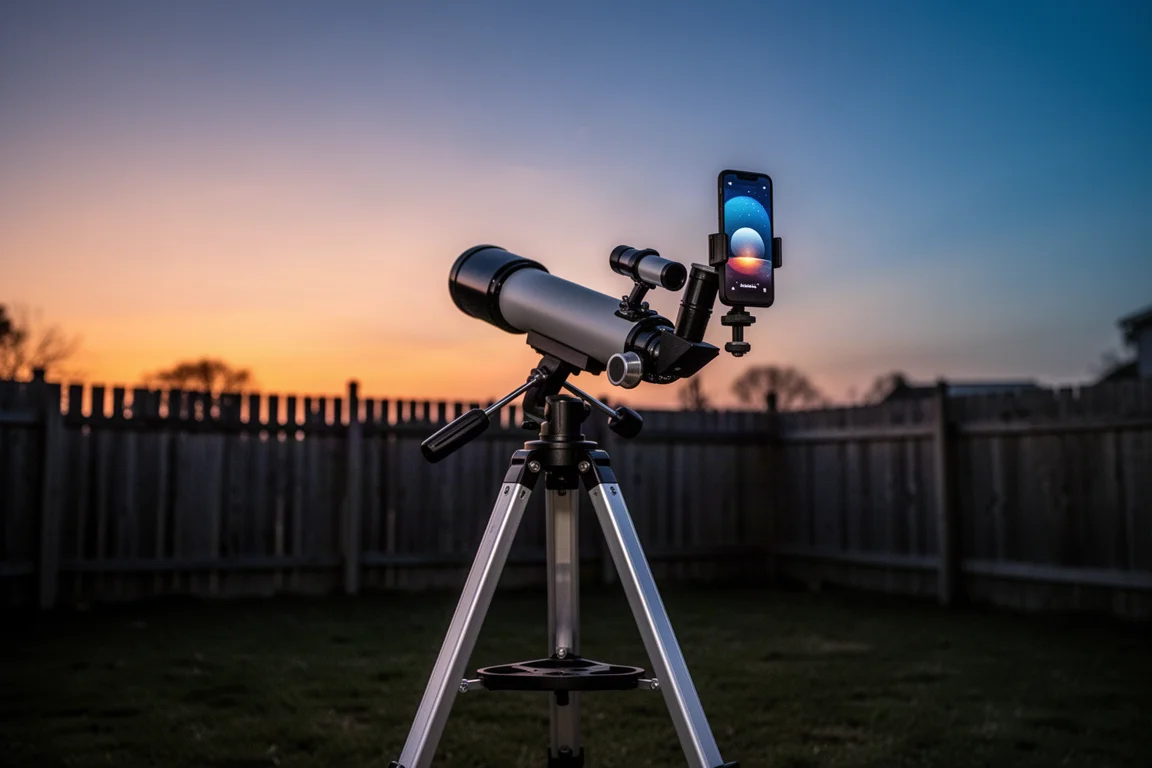
The included camera adapter is the standout accessory here. It is spring-loaded, adjustable, and marked specifically for the K20mm and K9mm eyepieces, which makes it one of the easier smartphone adapters to set up. Clamp your phone in, align the hole over the camera, slide in the 20mm eyepiece, and tighten everything down.
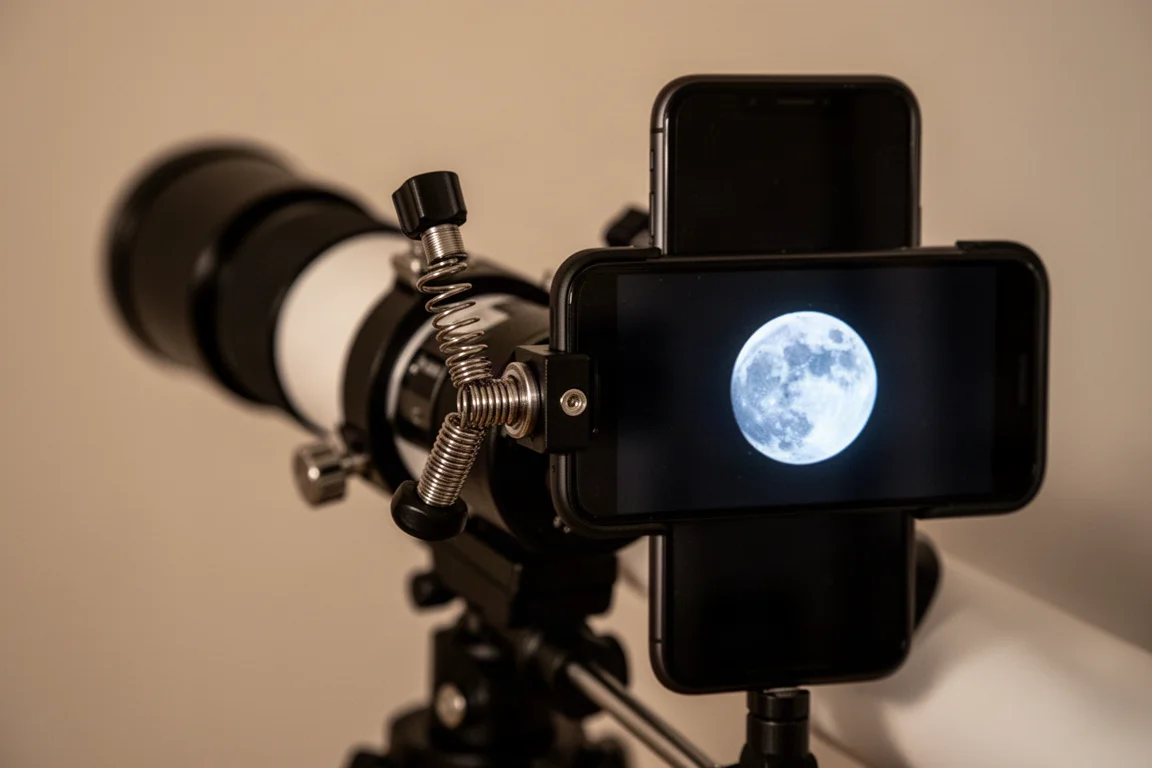
The good news: video of the Moon through the 20mm eyepiece came out surprisingly well, with less chromatic aberration than expected. Even at the higher 9mm magnification, only a little color fringing appeared around the edges of the Moon.
The bad news is the physics. A loaded phone is much heavier than the telescope itself, and with everything extended the whole system becomes a bit bendy. You have to aim slightly ahead of your target and wait for the flex to settle, which can be frustrating. Never leave the telescope unattended with a phone attached, either; a strong breeze can tip the whole thing over, and you do not want to lose a $100 telescope and a thousand-dollar phone in one gust.
How It Performs Under the Stars
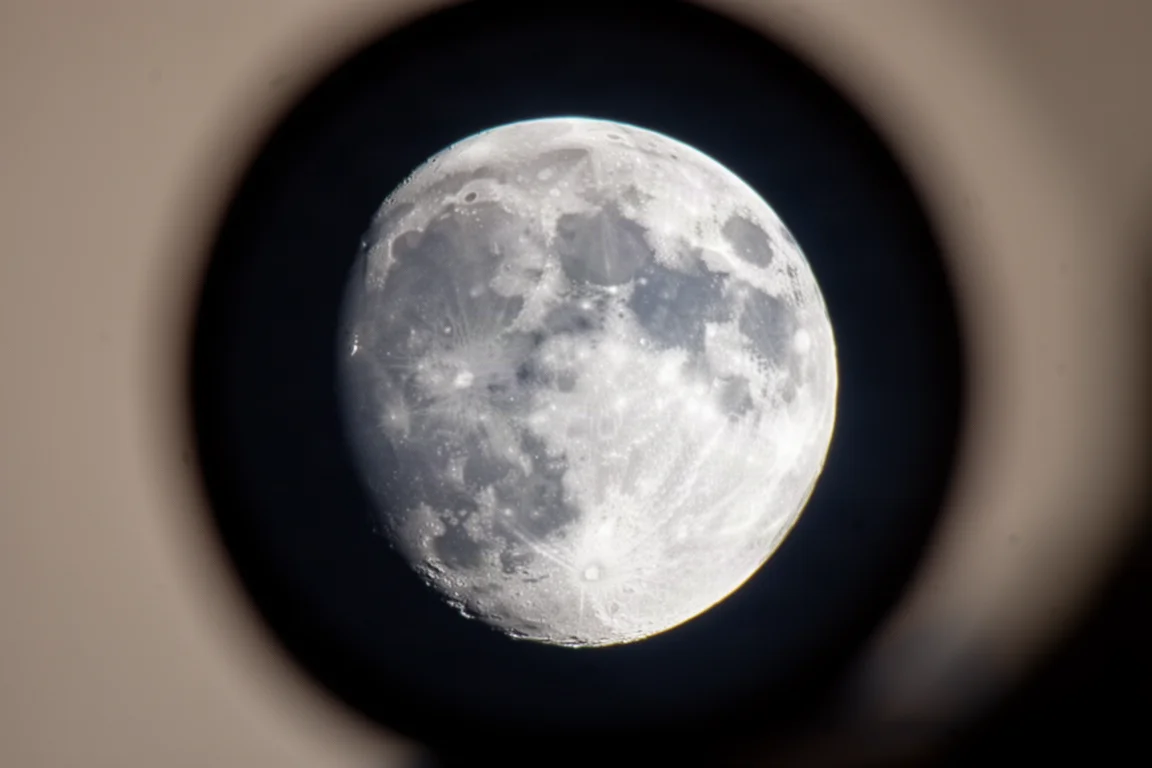
If we had to sum this telescope up in one phrase, it would be this: it works well as a Moon observation telescope, especially at medium magnifications. Chromatic aberration, the blue fringing that plagues cheap short refractors, was pleasantly minimal.
On Jupiter, the four Galilean moons showed up clearly as tiny dots, and Jupiter’s disc was visible as a small circle with some horizontal flaring. The cloud bands, however, were too small to resolve. The Orion Nebula was also visible even under city light pollution, though too dim to photograph. One tip: look at the Orion Nebula before the Moon, because lunar brightness will temporarily ruin your night vision.
Stars are not always perfectly sharp across the field of view; sharpness depends somewhat on where the star sits in the eyepiece. And on planets in general, you will get the gist of the planet but no surface detail. The magnification and lens quality simply are not there for that.
Two wishes would improve the package: a red dot viewfinder instead of the basic 5x24 straight-through finder, and an accessory tray on the tripod. The encouraging part is that the viewfinder holes match standard studs, so an inexpensive aftermarket red dot finder can be added easily.
Who This Telescope Is For
If you already own an expensive telescope, this is not made for you. The ideal audience is a parent who wants to give kids a taste of astronomy without breaking the budget, or anyone curious about the hobby who wants a low-risk starting point.
The competition is worth a glance: a similarly sized Celestron model runs about ten dollars more but does not include a camera adapter, instead bundling astronomy software. At this price point, the camera adapter is likely the more fun inclusion. Both models ship essentially the same Kellner eyepieces, and the Celestron’s noticeably shorter dew shield seems less effective. Neither feels like a clear step up in build quality.
A serious safety note that applies to any telescope: never let children use it during the day or when the Sun is up. Aiming any telescope or binoculars at the Sun causes permanent blindness. This applies to adults too.
Buying Advice
Buy the HOROX if you want an affordable, portable introduction to the Moon, a few bright planets, and smartphone astrophotography, and you understand its limits. It is at its best as a Moon telescope at medium magnifications, and the erecting diagonal makes it a serviceable daytime spotting scope.
Skip it if you expect planetary surface detail or razor-sharp stars. For that, you need a longer telescope or a considerably larger budget. If kids move on to bigger scopes later, the eyepieces and camera adapter can carry over, or the whole kit can be handed down to a younger sibling.
Conclusion
The HOROX 70mm refractor is a competent budget starter telescope that punches a little above its price thanks to the image-erecting diagonal, the genuinely easy smartphone adapter, and the included backpack. It will not replace a serious instrument, but as a first taste of astronomy for a young observer, it makes a sensible, low-risk choice.
Product link
View more details for HOROX 70mm Refractor Telescope
This product is mentioned in the review. Check the specifications, options, and compatibility before buying.
View more details for HOROX 70mm Refractor TelescopeFurther reading
Related Reviews

Telescopes
Sightron SJ75 UF and Sky-Watcher HS125: Two Telescopes Worth Watching
A look at two notable telescopes from a recent camera and optics expo: a sharp new astrograph from Sightron Japan and a compact fast reflector from Sky-Watcher.

Telescopes
SV503 102ED Review: A Budget 102mm Refractor That Surprises
The SV503 102ED is an affordable 102mm doublet refractor that delivers surprisingly decent star shapes and a smooth focuser, despite some chromatic aberration and light falloff.

Telescopes
SVBony MK127 Review: A Compact Maksutov-Cassegrain That Surprises
The SVBony MK127 is a 127mm Maksutov-Cassegrain telescope with a unique 0.65x reducer, making it a versatile option for visual astronomy and even some deep-sky imaging.