Home Theater Seating
Home Theater Seating Alternatives: Sectionals, Sofas, and Chairs That Keep Your Sound Stage Intact
Traditional theater chairs are not the only route to a comfortable media room. These sectionals, sofas, and lounge chairs keep the sound stage clear and the room livable.
Introduction
Home theater design has borrowed heavily from commercial cinemas, and for a long time that made sense. It is worth asking whether it still does. Plenty of people have stopped going to the movies altogether, citing higher ticket prices, a subpar picture, bad sound, other moviegoers, and comfort. If you are putting together a media room or a dedicated theater, copying an experience you have already walked away from is a strange place to start.
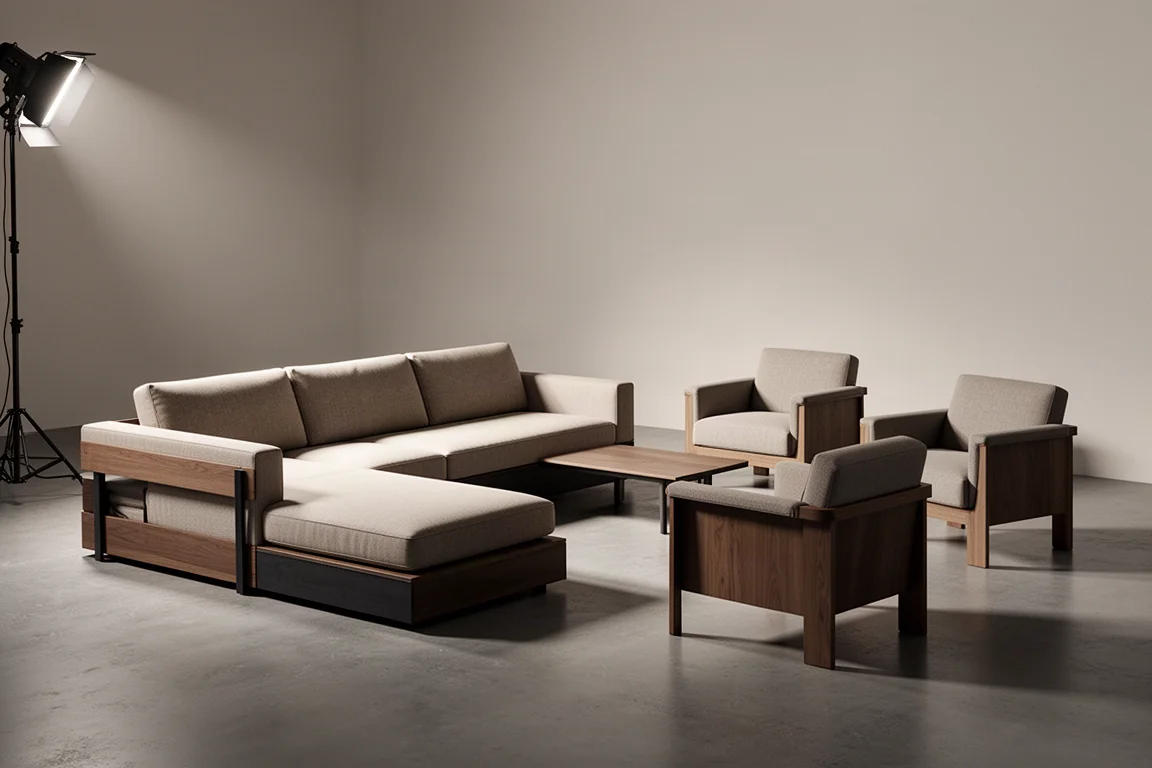
This guide focuses on one part of that equation: comfort. Specifically, the seating. Traditional theater chairs have real appeal, but they are a dated idea for a home, they are expensive, and in some rooms they work against the audio you paid for. The alternatives below cover sectionals, sofas, lounge chairs, and one budget-friendly theater seat, with notes on what each does well and what to check before you buy.
Why Traditional Theater Seating Falls Short
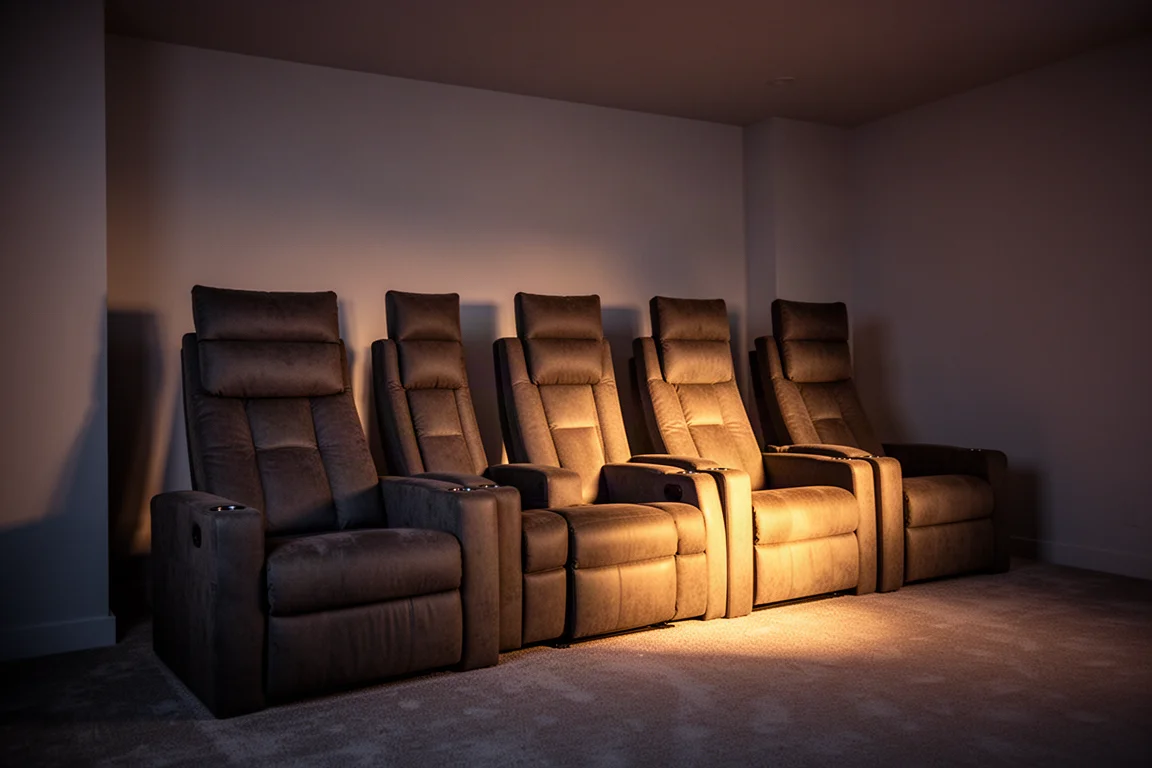
The appeal of a big, plush theater chair is easy to understand. The problem is the high back. It puts a large cushion directly behind your ears, and in many rooms the chair ends up pushed right up against a wall. That combination can flatten your sound stage, and depending on the density and width of the cushion, it can even change the tone of what you are hearing.
Try it yourself. Turn the volume up on whatever you are listening to, cup your hands behind your ears while the audio plays, and listen to how much the sound changes. Spend an evening with a thick pillow behind your head and the difference is hard to miss. This is why back height matters as much as cushion softness when you are choosing seating for a room built around sound.
There is a second issue, which is versatility. Theater chairs are good at one thing, watching movies, and as the listening test above suggests, they may not even be the best at that. You end up with a piece of furniture that serves a single purpose and only really belongs in one type of room. They are not exactly conversation starters in a living room either.
Then there is price. High-back, LED-lit reclining theater chairs are widely available, and most start around $1,600 for a pair. Add a few creature comforts and the price climbs quickly. If you need to seat more than two people, plan on spending close to $4,000 or more.
If theater chairs are non-negotiable for you, there is one rule worth following: avoid high backs and headrests. You want your shoulders and neck supported, but you do not want anything behind or surrounding your ears.
Sectionals That Work in a Media Room
Sectionals are a strong fit for a home theater. They are flexible, comfortable, and they accommodate multiple seating arrangements and people of all sizes. Not everyone has a dedicated theater room either, so if your theater doubles as your living room, a sectional is one of the few seating choices that works in both roles.
Jane 6 Sectional
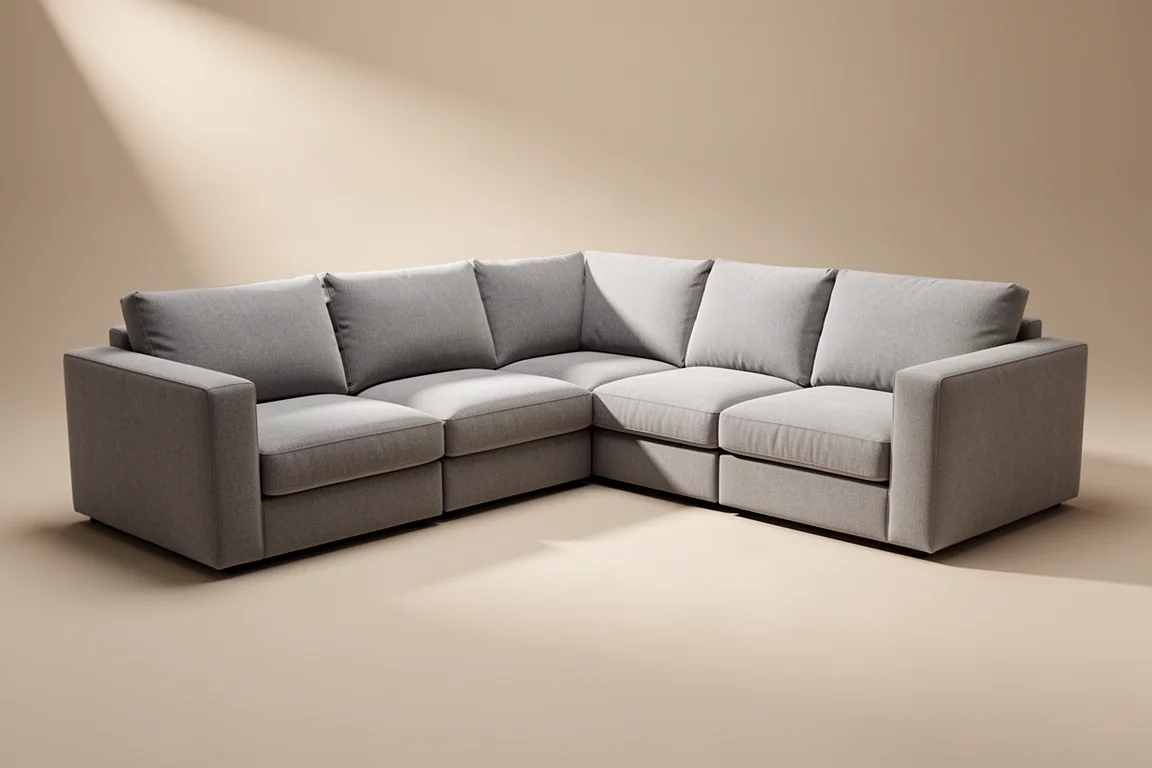
The Jane 6 is modular, and that is the whole point. You can break the chain down into individual chairs, or keep it together as one large family lounger. Because it does not use separate seat cushions, it is easier to clean and feels more supportive than a conventional cushion-on-frame design. It also stays low enough that it will not wreck a Dolby Atmos setup.
Scilar Sectional
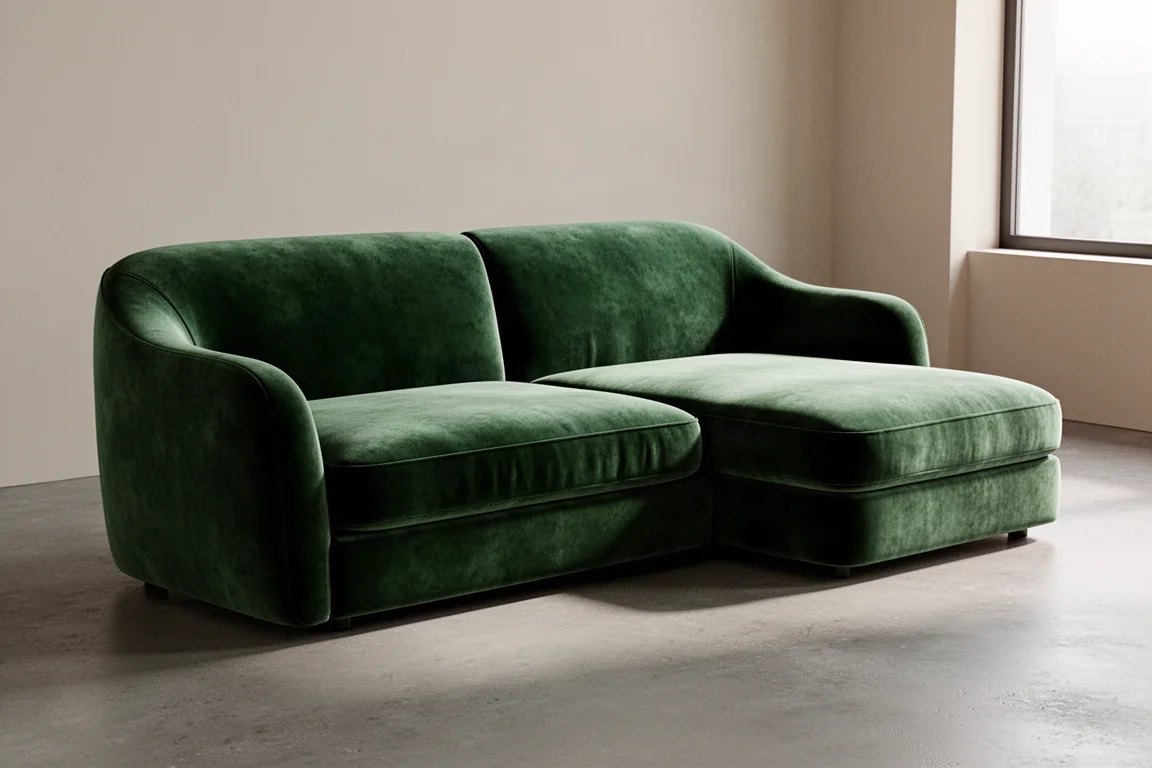
The Scilar is a style-first sectional with designer looks at a less intimidating price. It can be configured any number of ways, and it comes in several fabric options. The velvet finishes are the ones to look at if you are building a dedicated theater and want an old Hollywood feel.
Kelston Sectional
The Kelston is arguably the most media-room-specific sectional here. Lift the back cushions and it goes from a standard couch to something much closer to traditional theater seating. Because it can be configured however you want, you can enjoy the theater-chair experience without leaving the rest of the household to live with a row of airplane seats.
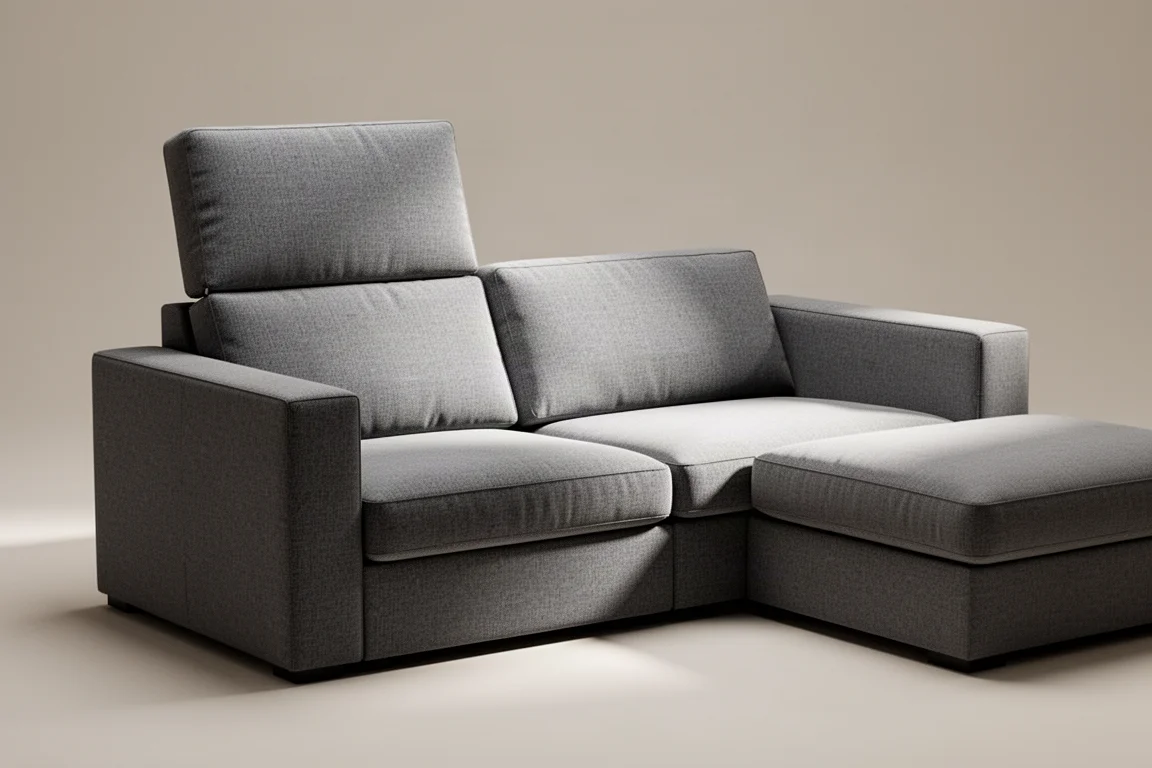
Pavia Sectional
The Pavia is one of the most versatile options on this list. It suits a wide range of decor styles and looks equally at home in a living room or a dedicated theater. It is essentially two sofas built around bench-style cushions, and at under $1,200 it is genuinely affordable for a sectional. The clever part is that you can separate the two halves into a stadium-style arrangement in a dedicated room, which effectively gives you two rows of seating for one price.
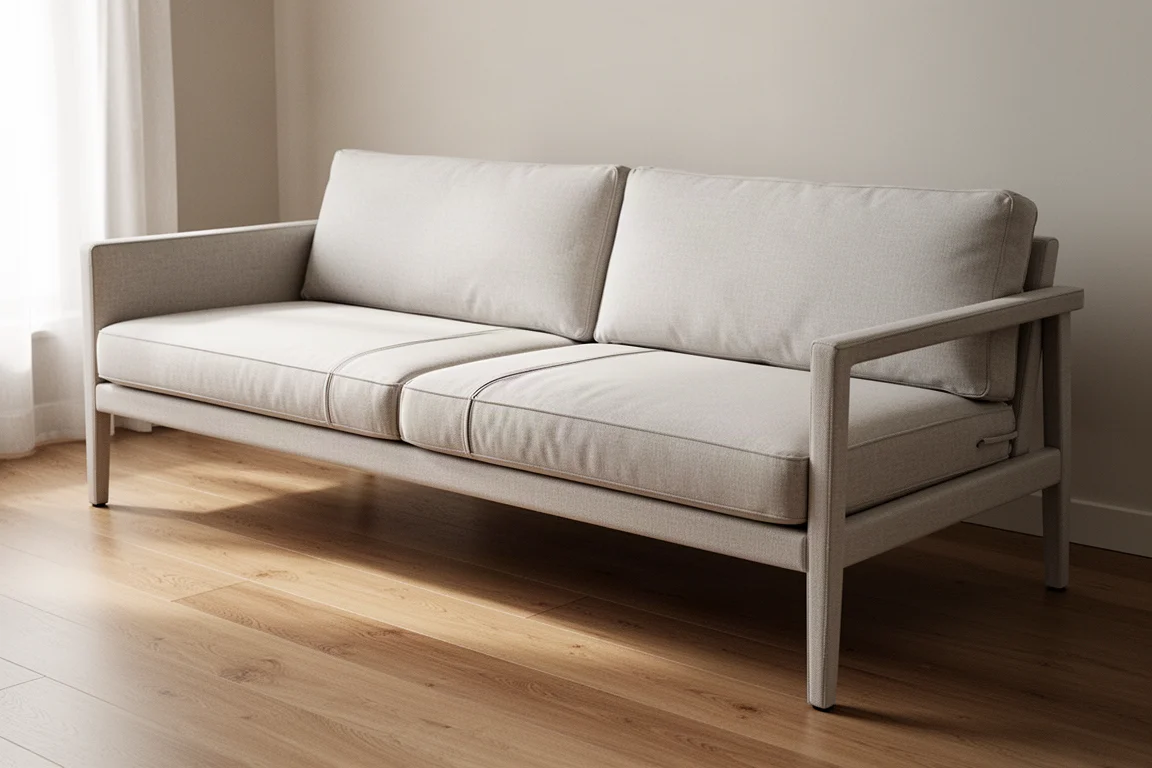
Raventhin Sectional
If your taste leans traditional, the Raventhin is a four to five seat sectional available in two leather fabrics. It is not as flexible as the modular options above, but it looks right at home in almost any living or media room without breaking the bank.
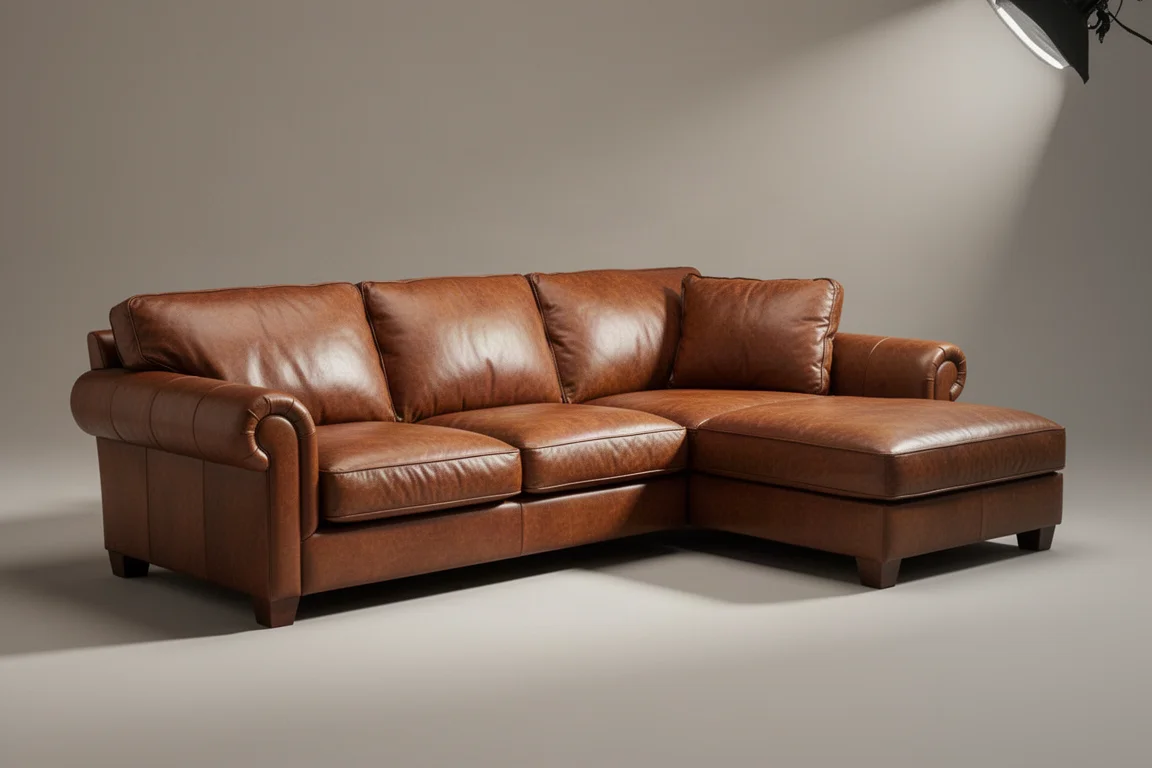
Carmel U-Shaped Sectional
The Carmel is a statement-making U-shaped sectional from Pottery Barn, and it is expensive. You do get what you pay for. In its widest configuration it seats more than six people, and it is deep enough to sink into while still supporting your legs, so you do not need a recliner-style footrest. There are two chaise loungers, one off each side, for stretching out. The back is supportive without being too tall, so it does not destroy your sound stage, and the overall effect is a casual vibe that suits a media room or a home theater.
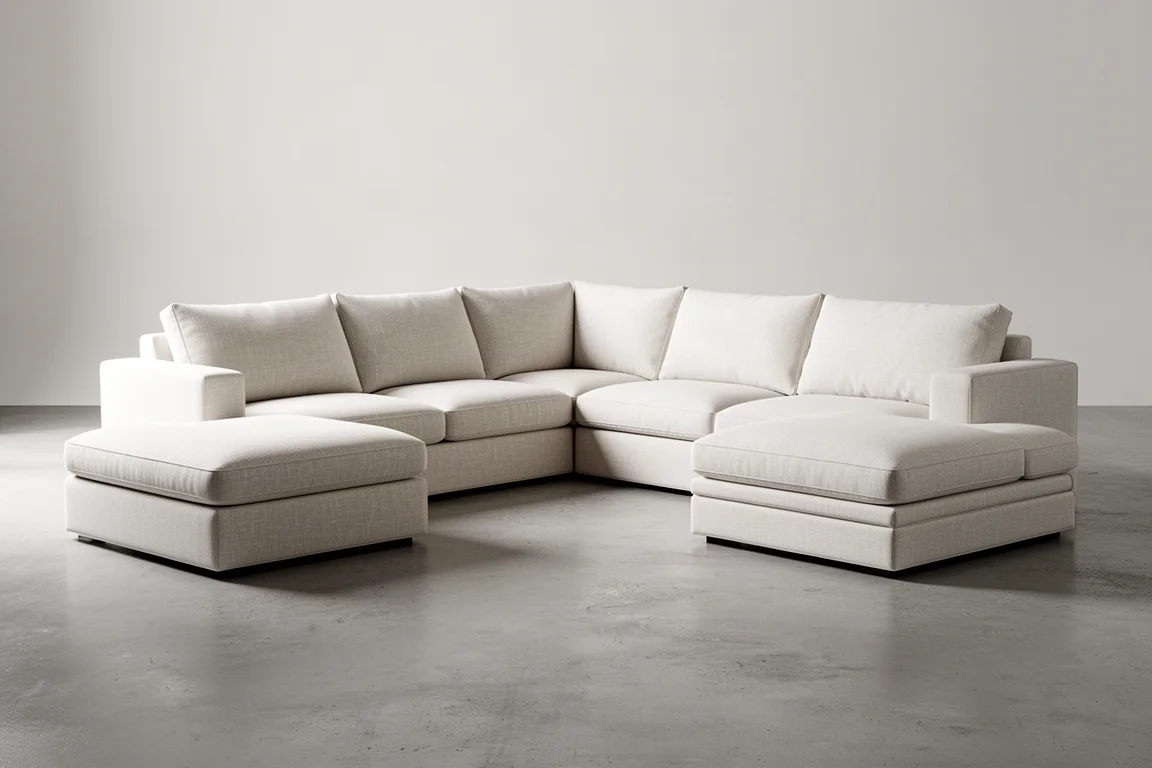
Sofas That Keep Your Sound Stage Intact
If there is no room for a sectional, or your dedicated room already has risers for stadium-style seating, a sofa is a fantastic alternative to traditional theater seats. The important thing is that the sofa is comfortable yet supportive. Very deep, very soft designs, such as the Cloud from Restoration Hardware, can be genuinely difficult to get up from, and they rarely look as good at home as they do in a showroom. A longer three or four seat sofa is usually the better bet, because the extra length gives you more room to get properly comfortable, and the more comfortable the seating is, the more you will actually use the room.
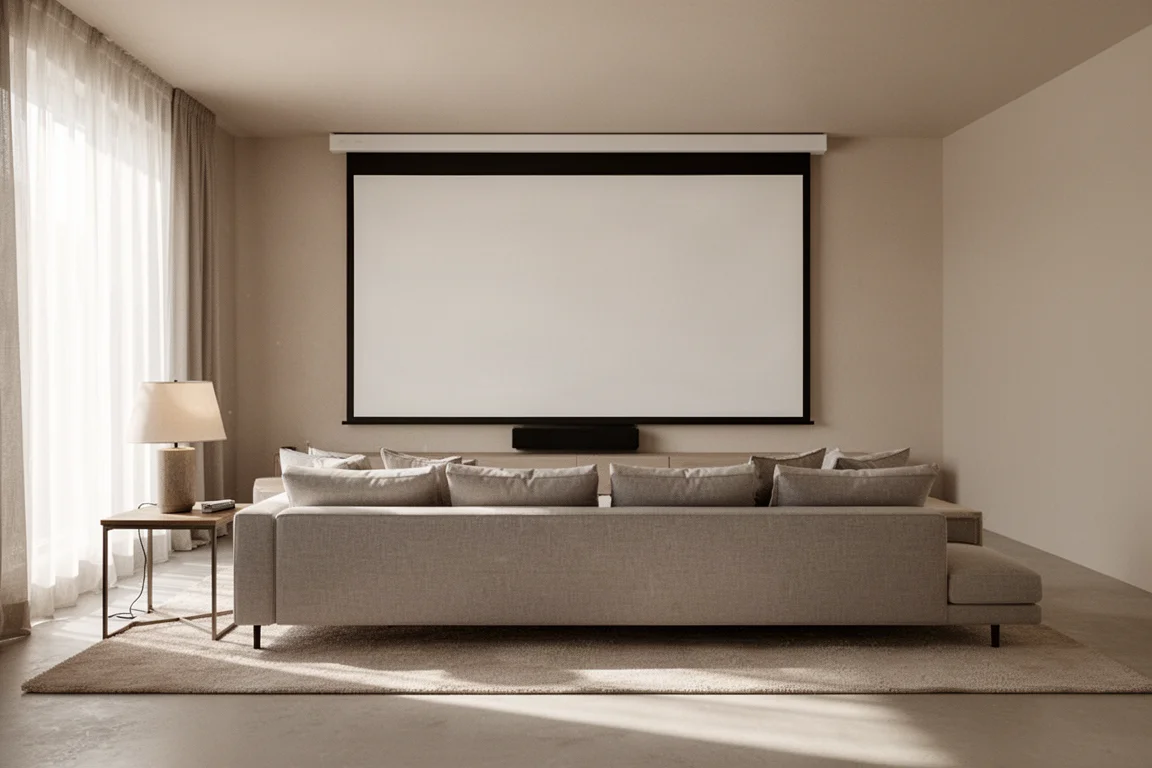
Back height is worth checking on any sofa you consider. You want support that rests below the ears rather than around them, which keeps the surround channels clear and keeps dialogue anchored to the screen.
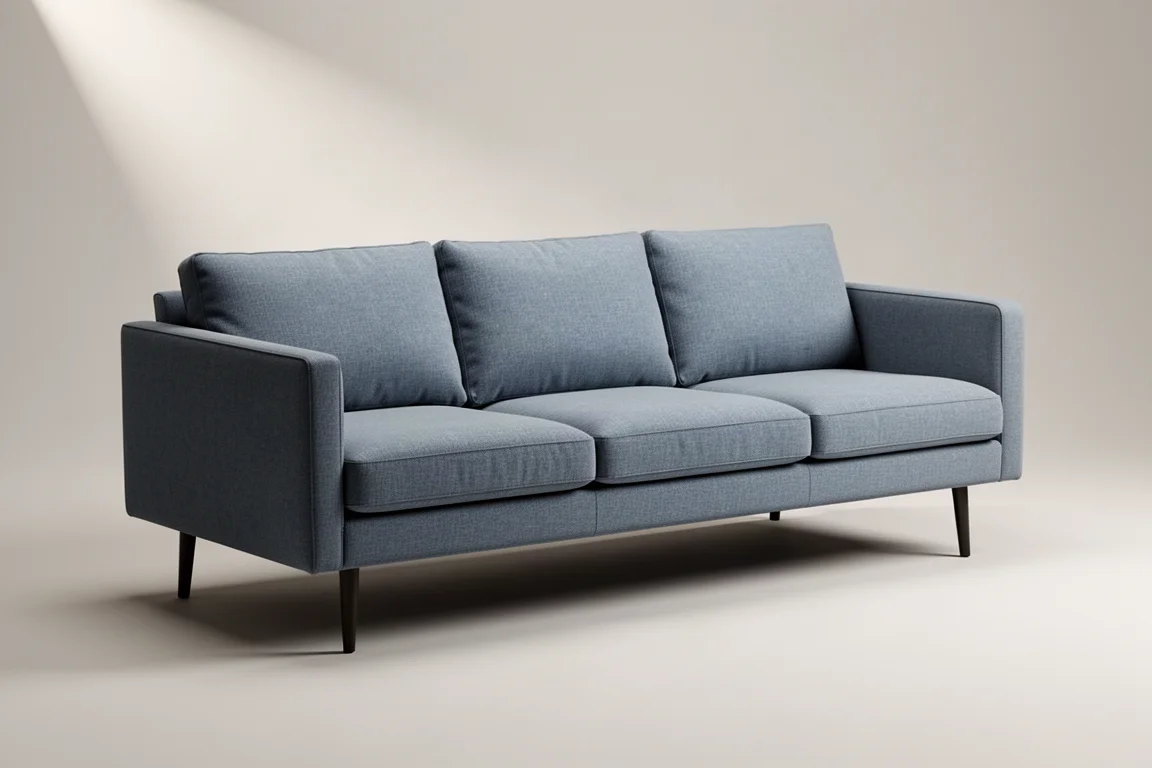
Mina Sofa
The Mina is a dead ringer for the high-end theater sofas you see in expensive houses. It comes in a variety of fabrics and colors, and its low profile means it will not wreck your sound stage. It works in any size space, whether that is a smaller living and media room or a row of seating in front of a very big screen on risers. The Mina gives off a casual vibe that makes movie watching feel less like an appointment and more like an escape.
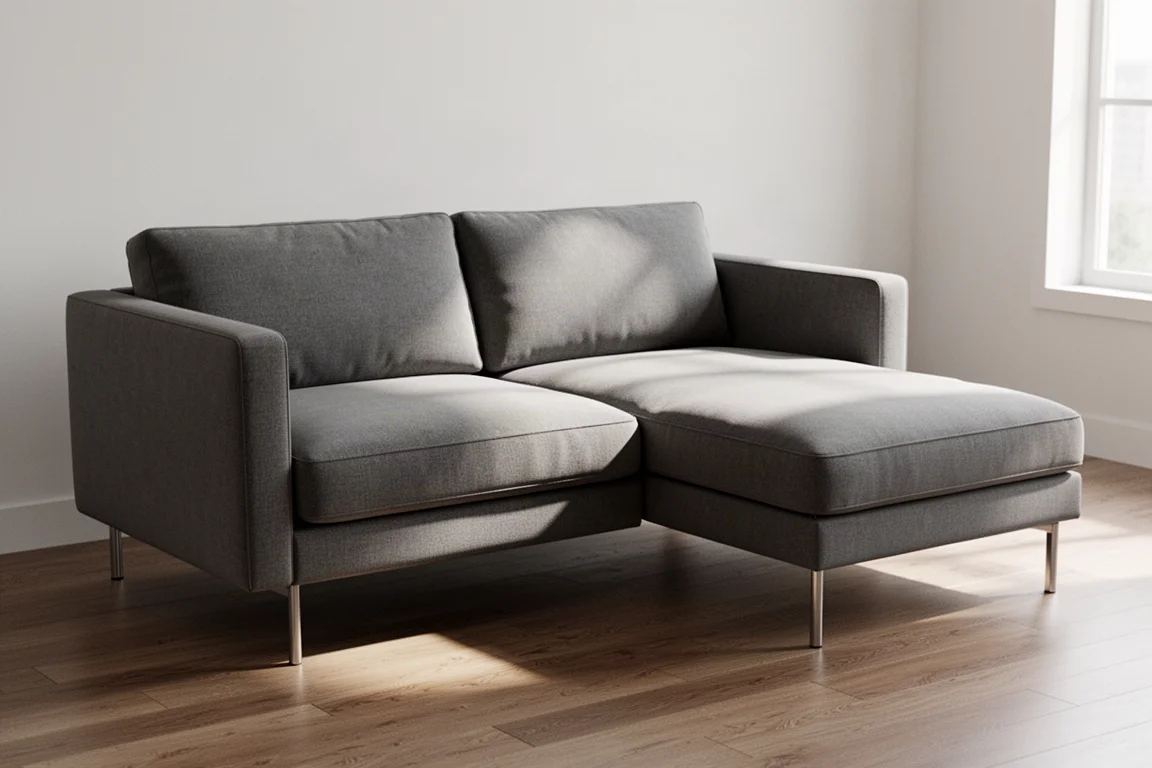
Fayette Sofa
The Fayette is what most people picture when they hear the phrase modern day sofa. Think of it as the black suit of your living room: you can dress it up or dress it down, rearrange the space around it, and it still works. The chaise lounger on one side adds welcome room for movie marathons. If the cost feels high, the Miller 2 from AllModern is a more affordable alternative.
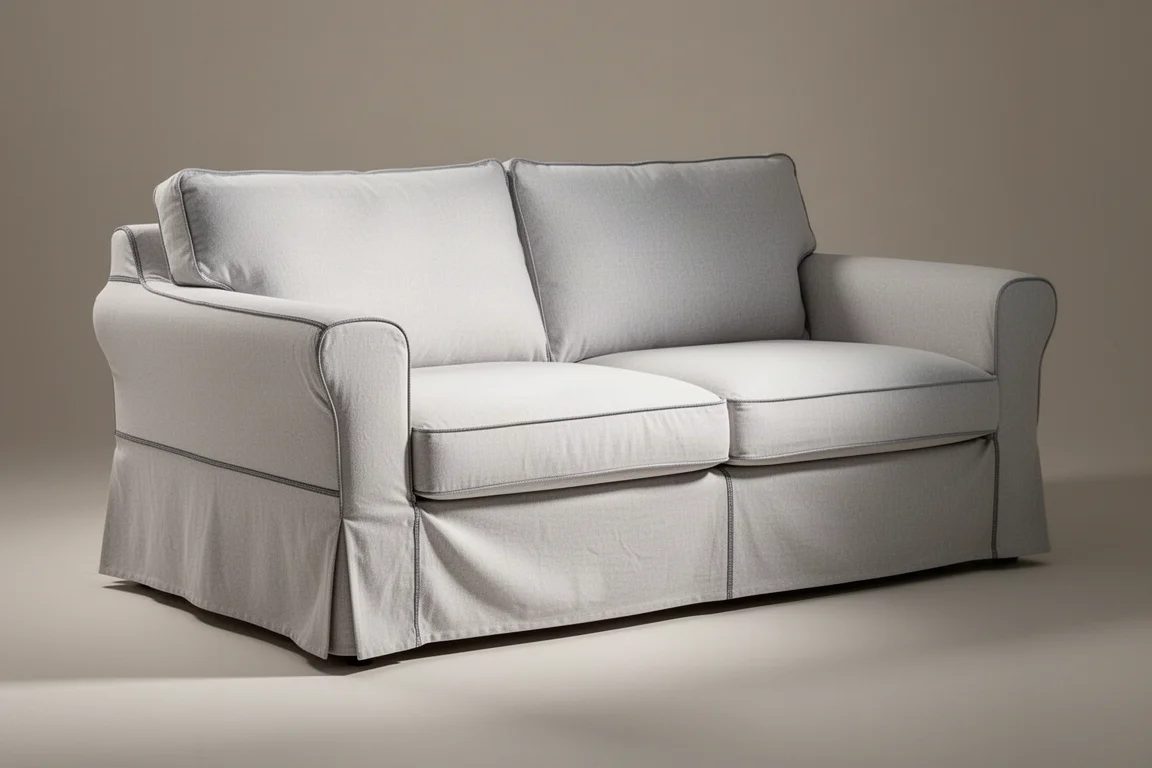
Remy Sofa
The Remy is unusually customizable. It can be put together or pulled apart depending on your layout, and it uses a slipcover design, which makes it easy to clean or to change the look entirely without buying all new furniture. It is a firmer sofa, so it should hold up well over time, and you can make it your own with pillows and throws.
Lounge and Armchairs for a Screening Room Feel
If you are a stickler for tradition and want a movie-going experience that feels closer to a commercial theater, minus the commercial part, a few lounge chairs or armchairs will get you there.
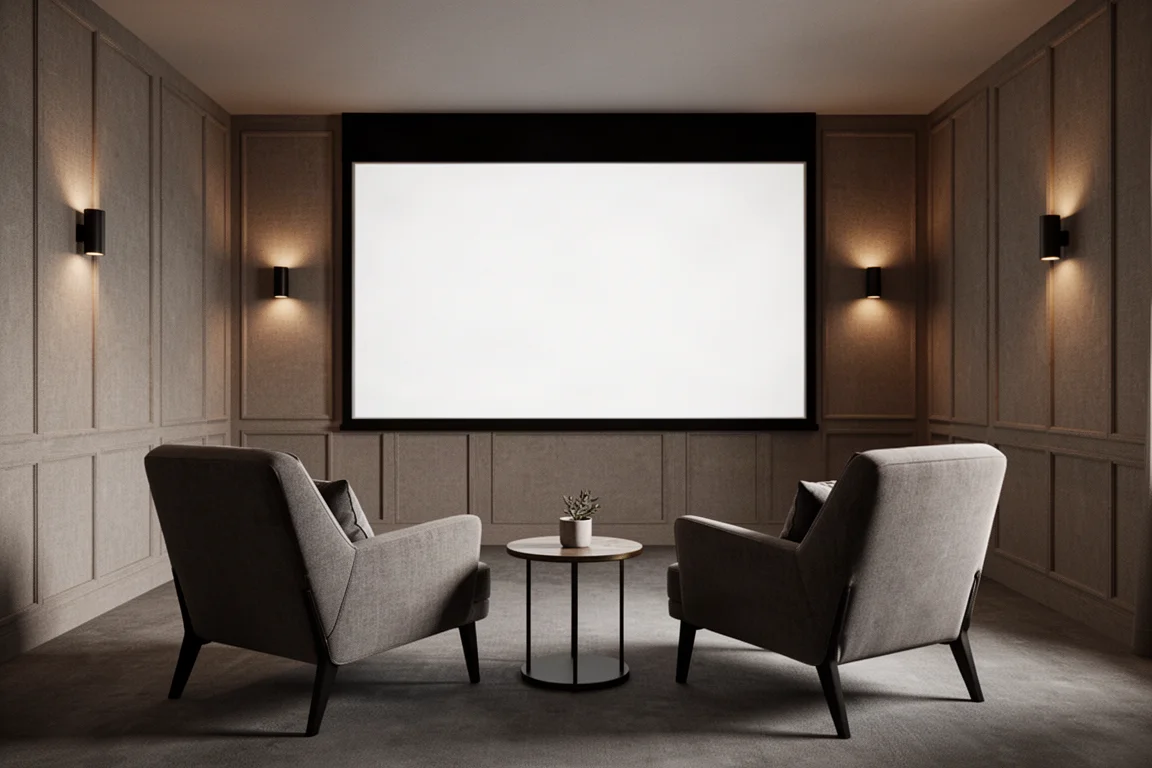
Armchairs also solve a layout problem. They can sit closer to the screen than a big sofa can, which is useful in a dedicated room where the front row would otherwise be empty floor space. Pairing them with a sofa further back gives the room more of a screening room look.
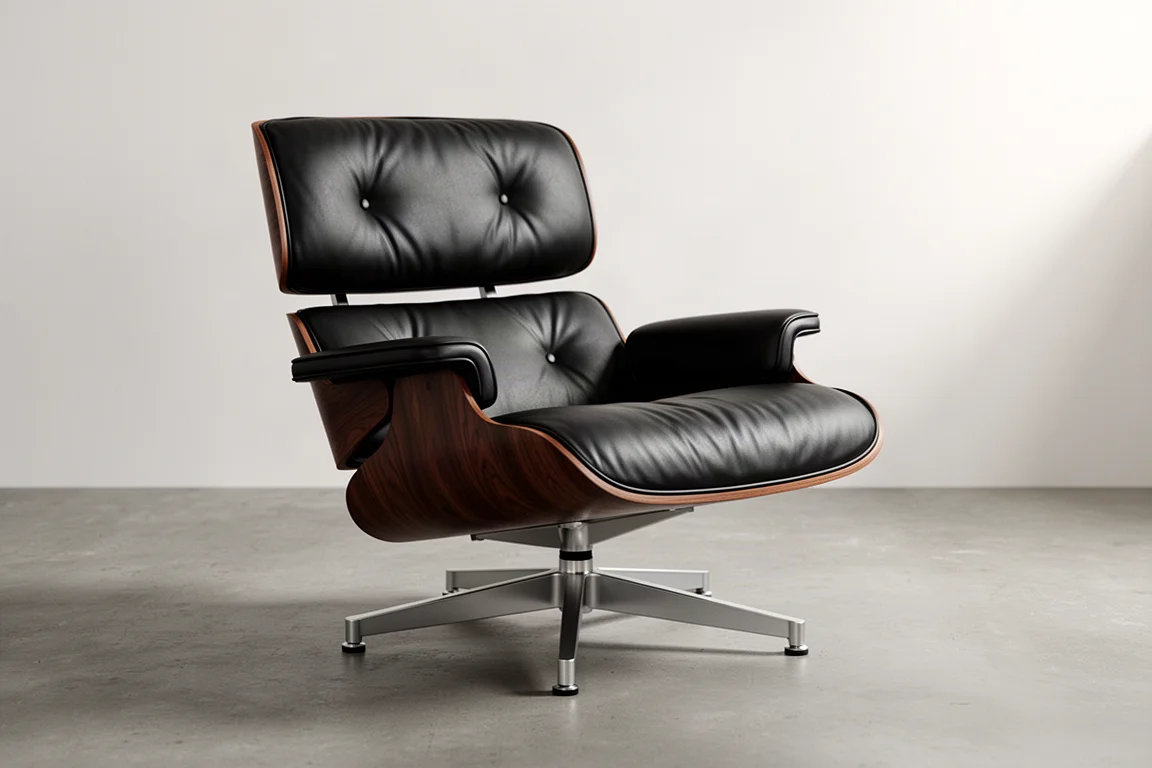
Eames Lounge Chair
The Eames lounge chair is a timeless design, but the version you buy matters more than most people expect. The original standard backrest height is 31.5 inches, which puts the back support just below the ears and makes the chair well suited to hi-fi and home theater use. A tall version reaches 33.25 inches. That does not sound like a big difference, but it is: unless you are well over six feet tall, the tall edition turns the Eames lounger into one of the worst chairs you can buy for critical listening or movies. Knockoffs and differently specced versions can vary as well.
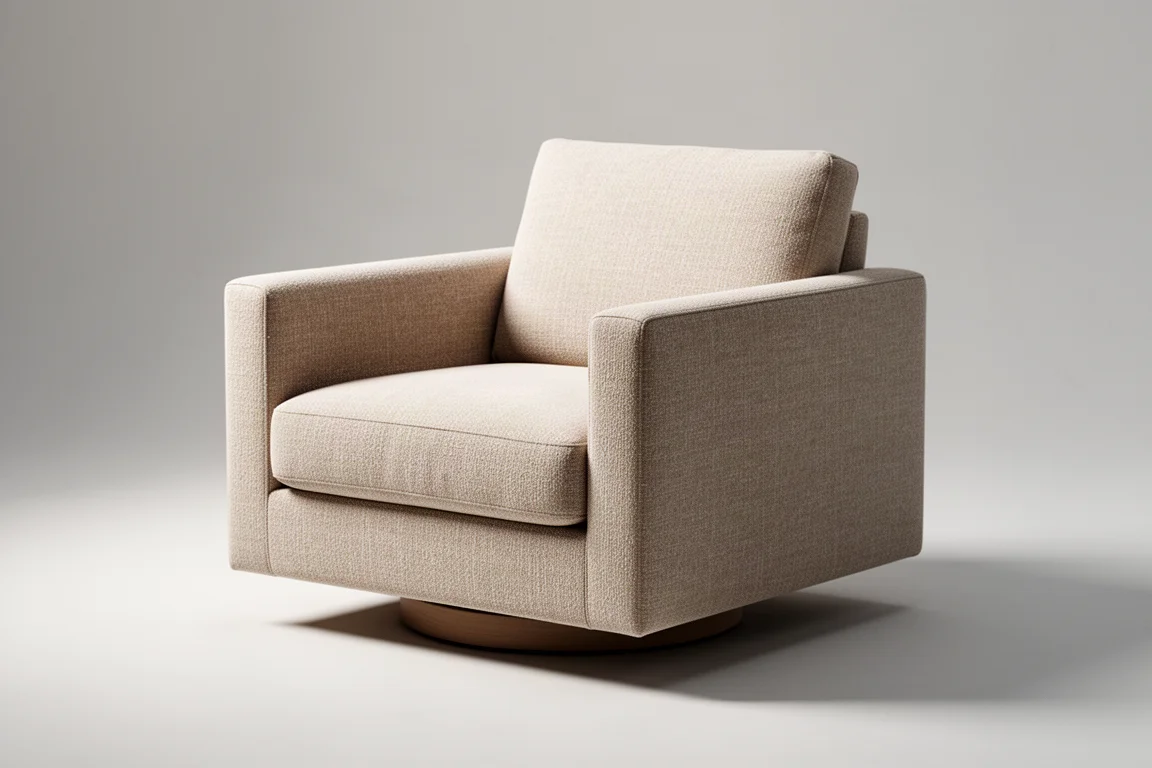
Marin Swivel Chair
The Marin is a timeless square-arm design, and the swivel base is what makes it interesting. It creates a more casual atmosphere and encourages conversation during intermissions, which is a nice quality in a room that is not always dark. It works in a dedicated theater or a living room.
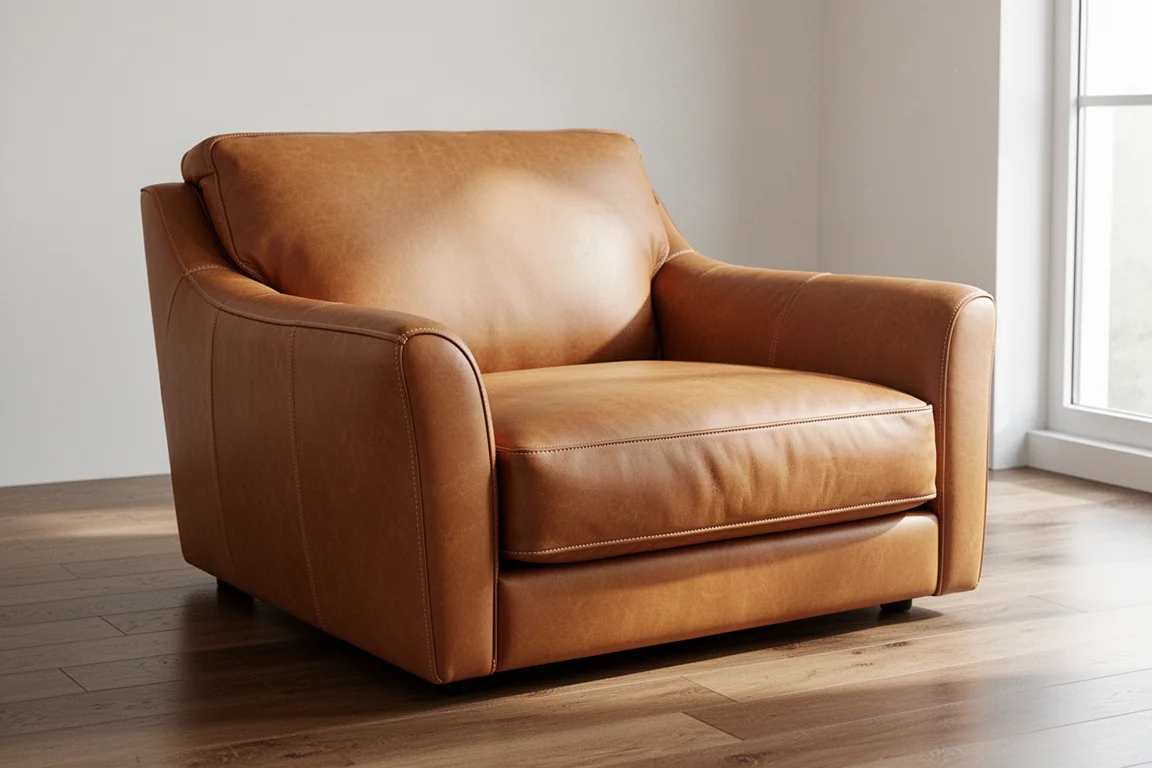
Harmony Chair
The Harmony is large enough for two kids to sit side by side, or for holding someone close when the movie gets a little too scary. It is comfortable for a critical listening session and equally comfortable for full lounge mode. Like the rest of this group, it can be customized to fit almost any decor, including fabrics or leathers that are easier to clean.
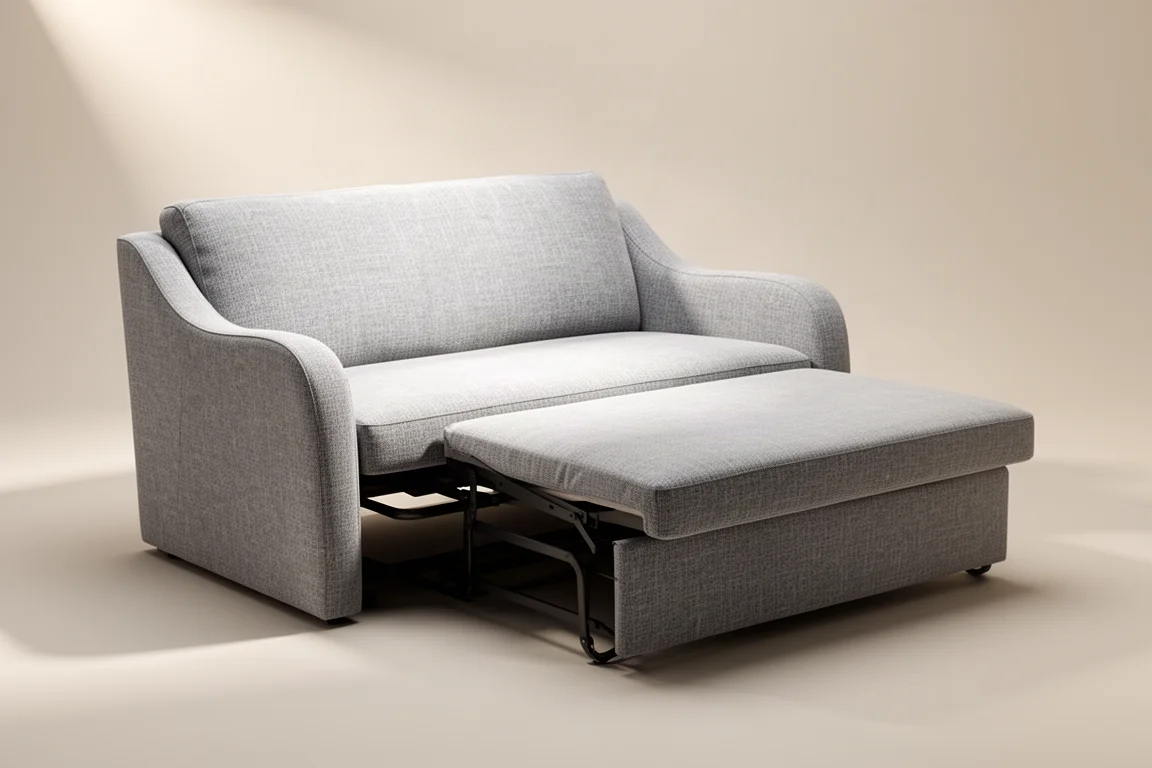
Haven Sofa Sleeper
The Haven looks very similar to the Harmony, and the difference is function: it pulls out into a sofa sleeper. If your house is usually ground zero for neighborhood sleepovers, that extra capability may be worth the investment.
A Budget-Friendly Theater Seating Option
If you still want traditional theater seating, it is worth looking for something that does not look like a retirement center and does not cost a fortune. There is a middle path between a row of plush recliners and a full rethinking of the room.
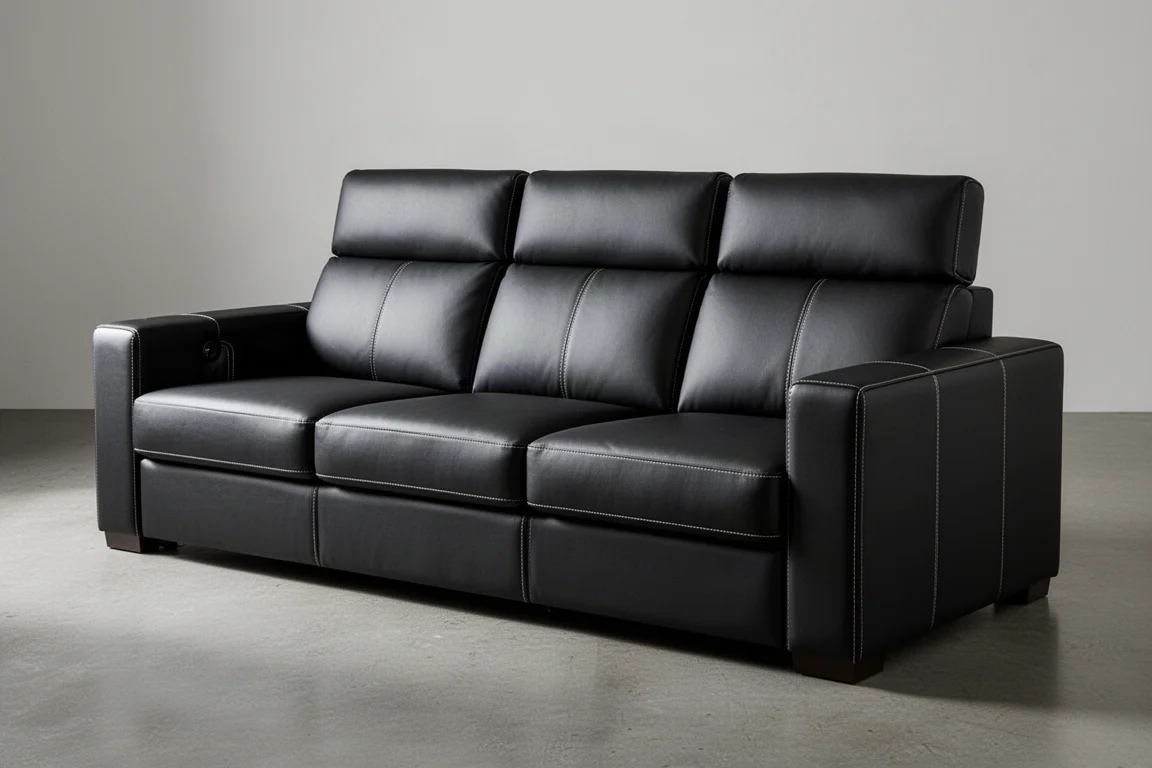
Wade Logan 77 Home Theater Sofa
The Wade Logan 77 is that middle path. At $689 it gives you three seats, and it does not take away from the sound side of movie watching. It also ranks among the more stylish theater seats available, which matters in a room you have to look at every day.
Planning Rows, Risers, and Layout
Seating choice and room layout go together. If your dedicated room already has risers for stadium-style seating, sofas are a natural fit for the rows. One or two sofas on a riser, paired with matching armchairs closer to the screen, gives a dedicated theater more of a screening room look.
A two-piece sectional adds another option. Separating the halves into a stadium-style arrangement effectively creates two rows of seating from a single piece of furniture, which is a useful trick in a room where the screen sits at one end and the floor is flat.
It is also worth thinking about what happens when the screen is off. A sectional, a sofa, or a pair of armchairs that works as everyday living room furniture keeps the room usable and keeps the seating from becoming a single-purpose purchase.
Buying Advice: Matching Seating to Your Room
Start with how the room is used. A dedicated theater gives you more freedom: you can separate a sectional into rows, place sofas on risers, and lean into a specific look such as velvet upholstery. A living room that doubles as a media room pushes you toward pieces that work in both roles, which is where modular sectionals, low-profile sofas, and slipcovered designs earn their place.

Next, check the back height. Whatever you buy, you want support for your shoulders and neck, but nothing behind or around your ears. This single detail does more for the listening experience than most upgrades people consider.
Then think about configuration and upkeep. Modular pieces can be rearranged or broken into individual chairs. Bench-style cushions and cushion-free designs are easier to keep clean. Slipcovers let you change the look without replacing the furniture. Leather and easy-care fabrics are worth considering in a room that gets heavy daily use.
Finally, set a budget you are comfortable with and work from there. The range here is wide, from a three-seat theater sofa at $689 to a large U-shaped sectional that costs considerably more, with several strong options in between. The right answer depends on the room and the way you watch, not on the label.
Conclusion
There is no rule that says a home theater has to look like one. You are not designing your kitchen to look like a cinema lobby, and the seating does not have to imitate an experience you stopped paying for. The best part of a home theater is that it is in your home, which means the seating can be comfortable, supportive of your audio, and genuinely pleasant to live with. Pick the option that matches your room, your layout, and the way you actually watch, and the room will get used far more often.
Further reading
Related Reviews
Home Theater Seating
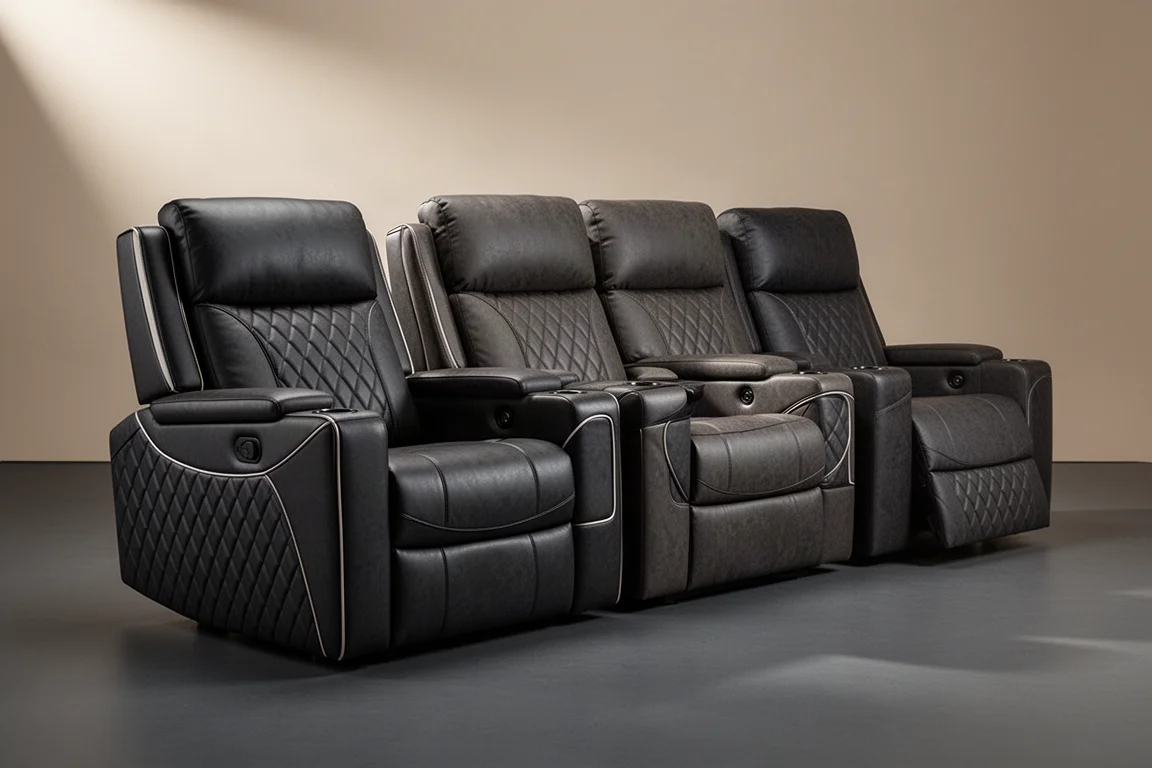
Audio Advice Revelation Home Theater Chair Review: Motorized Comfort for Long Movie Nights
A practical look at the Audio Advice Revelation, a fully motorized home theater chair with an articulating headrest, adjustable lumbar support, dimmable lighting, and a no-slip swivel tray table.
Home Theater Seating
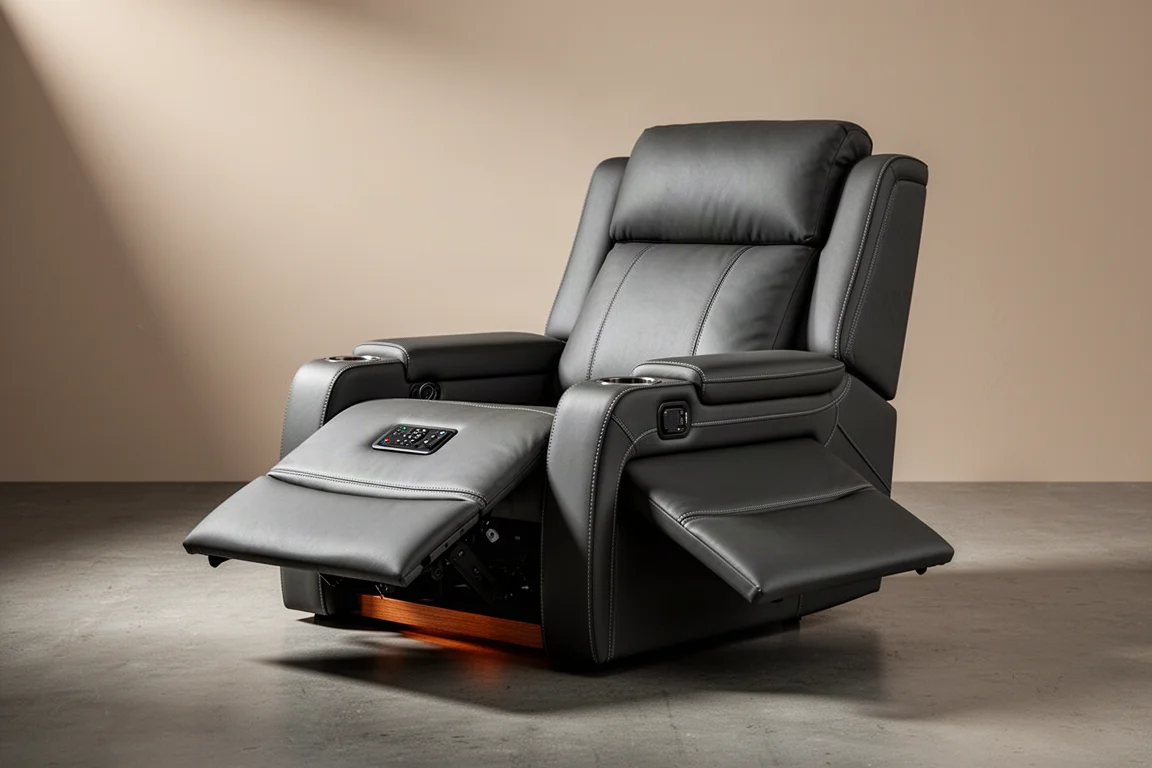
Audio Advice Revelation Luxury Review: Home Theater Seating With 2.5 Inches of Wall Clearance
A practical look at the Audio Advice Revelation Luxury home theater chair, from its short-clearance recline geometry and motorized lumbar support to the heat, massage, and tray table details worth checking before you buy.
Home Theater Seating
Audio Advice Theater Chairs Review: Vegan Leather Seating Built for Home Cinemas
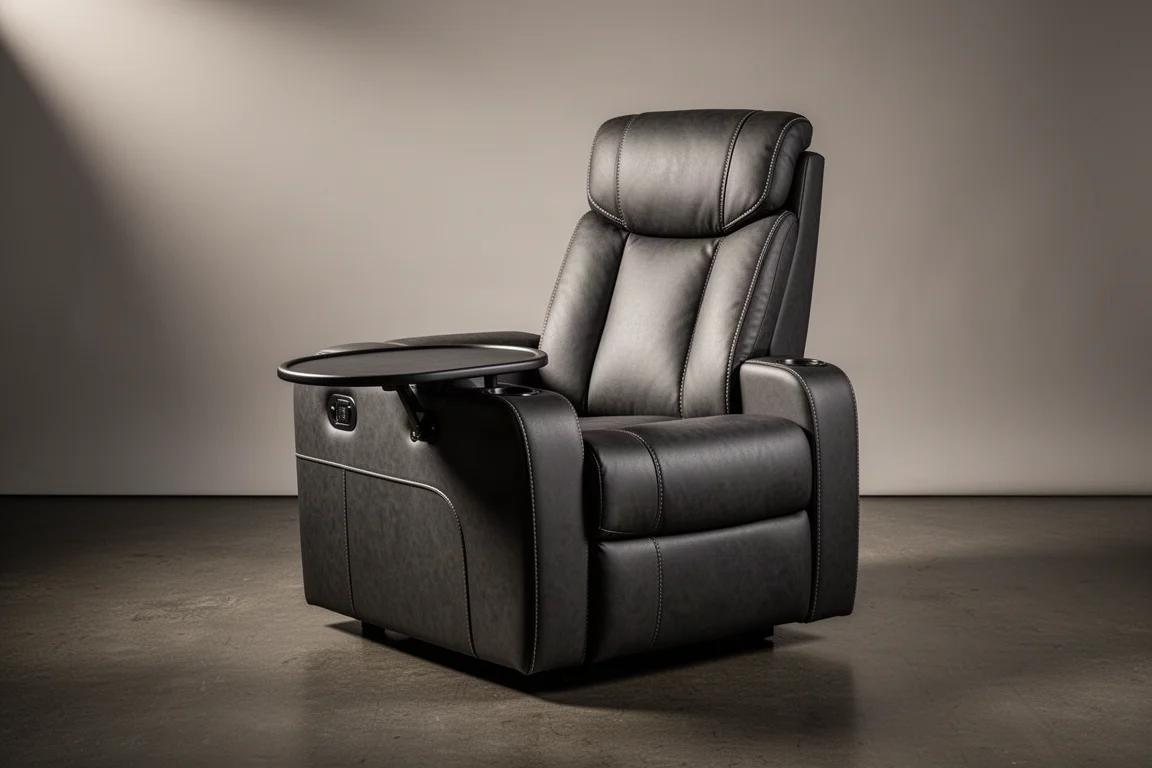
A close look at Audio Advice theater chairs, from vegan leather upholstery and an integrated tray table to the zippered food catcher and cupholder-mounted controls.