Power Tools
Ryobi vs Ridgid vs Makita vs DeWalt vs Milwaukee: The Drill Shootout
Five of the most common cordless drills, put through lag bolts, a truck pull, concrete mixing, drop tests, water and a freezer to find the best all-round buy.
Introduction
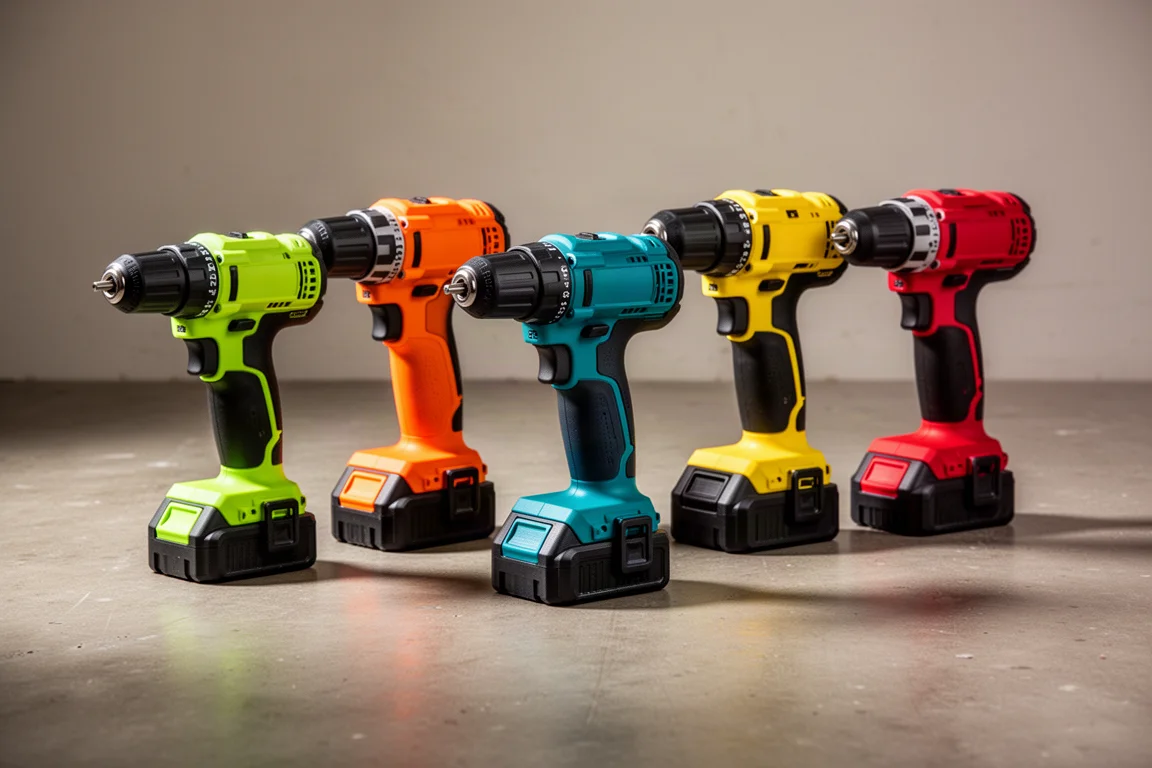
Choosing a cordless drill usually comes down to brand loyalty and a spec sheet. This shootout takes a different route: five popular drills from Home Depot were run through a series of deliberately unscientific but revealing tests, including driving giant lag bolts, pulling a truck, mixing a full bag of concrete, surviving drops from up to 18 feet, running underwater, and being frozen in blocks of ice. Every drill was tested at full charge on the lowest clutch setting where relevant, and each test produced a winner. The brand with the most wins overall takes the crown.
One note on fairness: all drills ran a 4 amp hour battery except the Milwaukee, which ran a 3 amp hour pack because that was what was available.
Test 1: Driving Large Lag Bolts
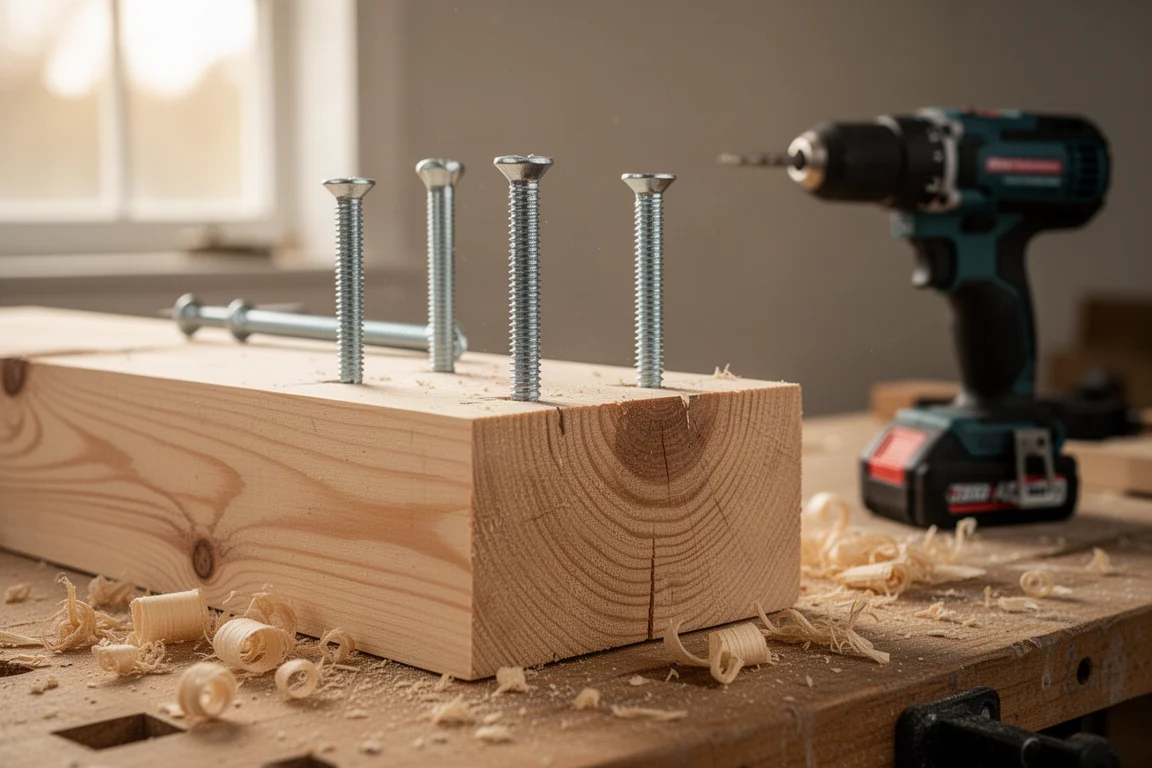
The first test measured how quickly each drill could sink lag bolts into timber. On the 3-inch lag the results spread widely: the DeWalt was the clear winner at 2.18 seconds, well ahead of the Ridgid at 3.2 seconds, the Milwaukee at 3.6 seconds, the Makita at 3.79 seconds, and the Ryobi at 4.28 seconds.
Moving to an 8-inch lag, none of the drills managed a full sink, but the Milwaukee reached the deepest point. A revised setup confirmed the Ryobi could dig deeper than the rest, and the Milwaukee edged it out by a hair. On the enormous 24-inch lag bolt the Ryobi again died at nearly the same depth, and the Milwaukee once more stopped slightly taller. If raw driving speed on big fasteners is your priority, the DeWalt stands out; for depth and persistence on oversized hardware, the Milwaukee takes the win.
Test 2: The Truck Pull
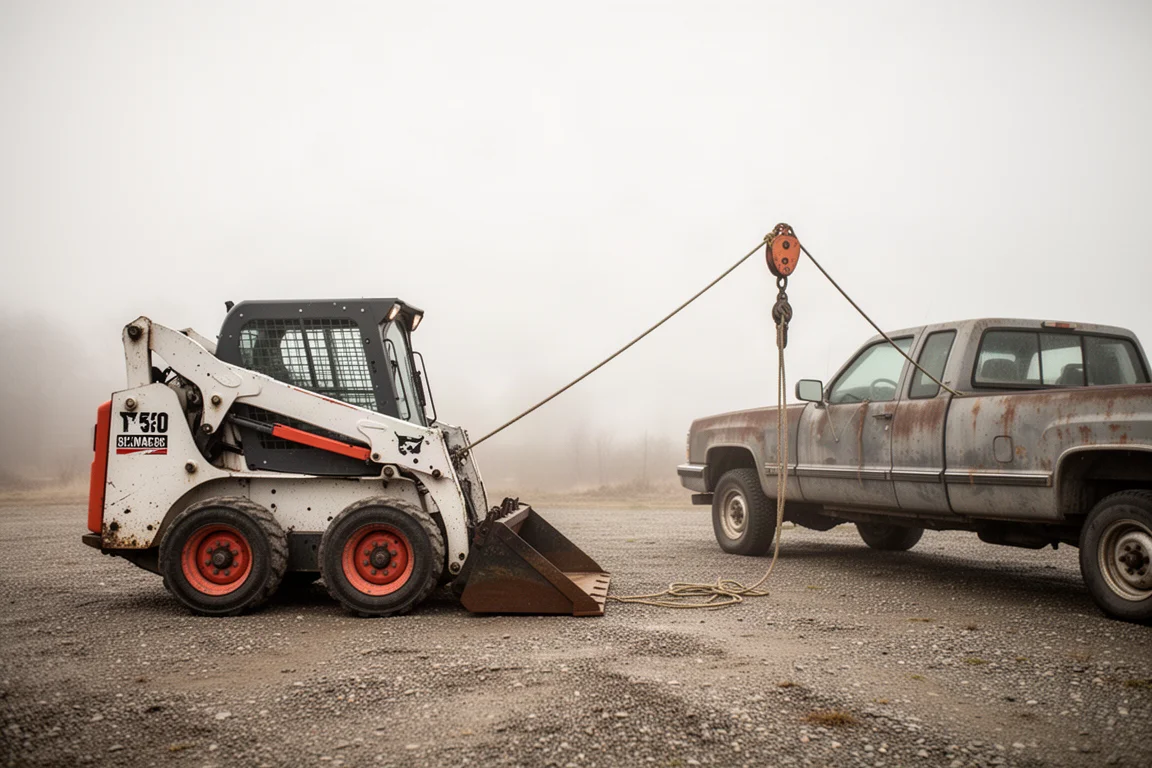
Each drill was rigged to a pulley system mounted on a skid-steer to drag a pickup truck 10 feet, timed from chalk line to chalk line. The DeWalt dominated here with 6.45 seconds, roughly two seconds faster than the Ryobi’s 8.51 seconds. The Ridgid and Milwaukee both managed 8.66 seconds, while the Makita struggled at 10.83 seconds. The DeWalt’s torque advantage was obvious, spinning hard enough that holding the drill became the real challenge.
Test 3: The Cement Mixing Test
Mixing a full bag of concrete for 90 straight seconds is not something you should do with a drill, which is exactly why it made the list. Temperature after the run decided the winner. The Makita stayed coolest at around 65 to 68 degrees and took the win, with the DeWalt close behind at 74.5 degrees. The Ridgid ran at 71.8, the Ryobi hit 96.1, and the Milwaukee tripped its own safety circuit and was disqualified from the mixing test entirely. The Makita proved the most heat-tolerant under sustained load even though it had not won anything before this point.
Test 4: The Drop Test
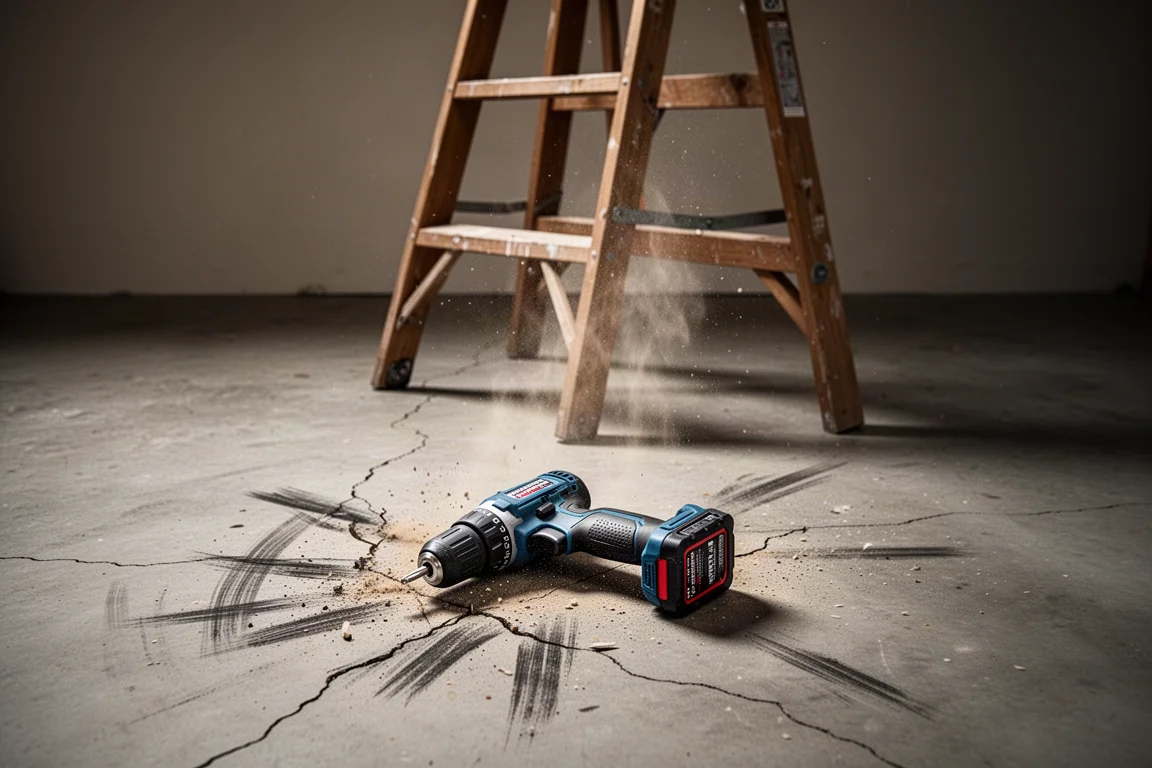
Drops from 6, 12, and 18 feet onto concrete separated the field. Everything survived the first round. At 12 feet, the DeWalt’s housing cracked, the only failure of that round. At 18 feet, the Ridgid broke apart completely, losing battery retention and becoming the only drill that could not finish the test. The Ryobi survived all three heights essentially scratch-free, the Makita survived in a banged-up state, and the Milwaukee survived with only minor battery-related complaints. A final check had every surviving drill driving a 3-inch screw, and all of them still could.
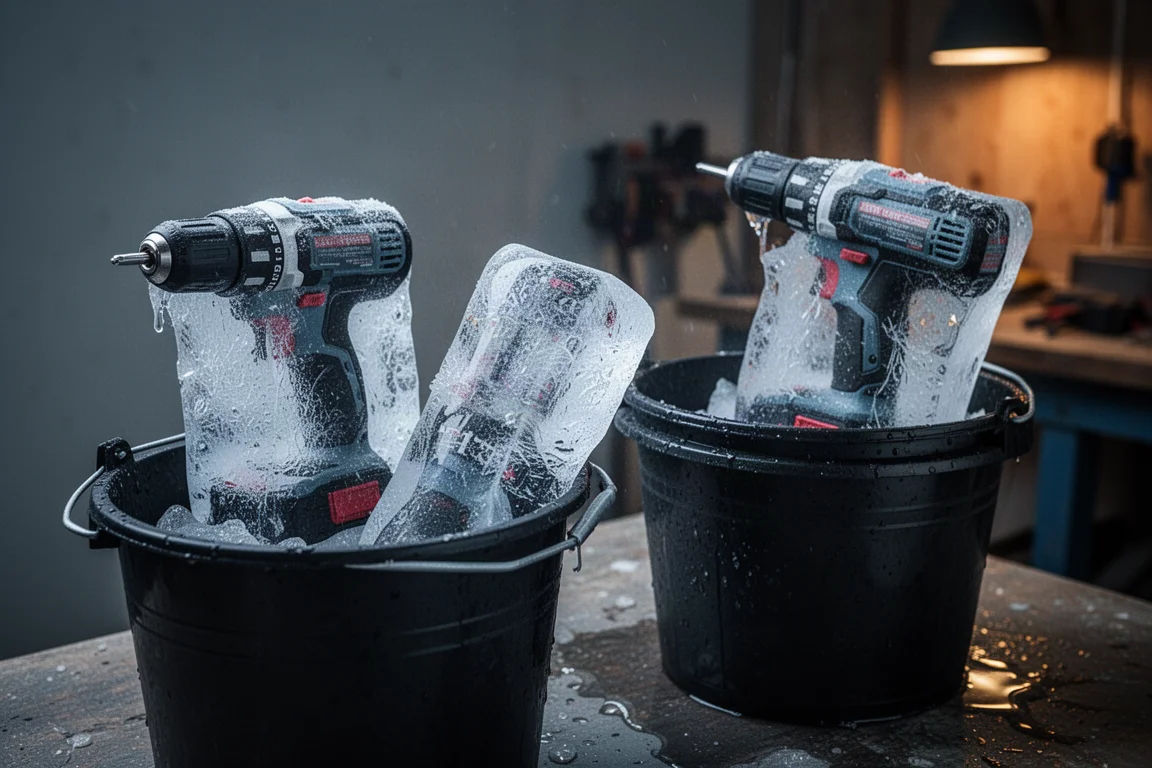
Test 5: The Freezer Test
After running underwater, the Makita, Ryobi, and Milwaukee moved on to the final challenge: being frozen solid in blocks of ice for 48 hours, then thawed and tested. The freezing process destroyed the Makita internally. The Ryobi and Milwaukee both ran again after thawing, which made this a two-point challenge and effectively decided the overall event. The Milwaukee took the win, though the budget-priced Ryobi matched it through nearly every single challenge and delivered durability far beyond what its price suggests.
Overall Buying Advice
With the most wins across all tests, the Milwaukee earns the overall crown, and it survived everything from concrete to ice. The DeWalt is the standout for raw power, dominating both the lag bolt and truck pull tests. The Ryobi is the value story of the shootout, surviving every drop and the freezer at a much lower price point. The Makita runs cool under sustained load but struggled in several events and did not survive the freeze. The Ridgid finished near the bottom after its 18-foot drop failure. Pick the Milwaukee if durability is everything, the DeWalt for power, and the Ryobi if budget matters most.
Conclusion
Across lag bolts, a truck pull, concrete mixing, drops, water, and ice, the Milwaukee proved the toughest overall, the DeWalt the most powerful, and the Ryobi the best surprise for the money. Match the drill to what actually broke in these tests and you will buy with far more confidence.
Product link
View more details for Ryobi Cordless Drill
This product is mentioned in the review. Check the specifications, options, and compatibility before buying.
View more details for Ryobi Cordless DrillFurther reading
Related Reviews
Power Tools
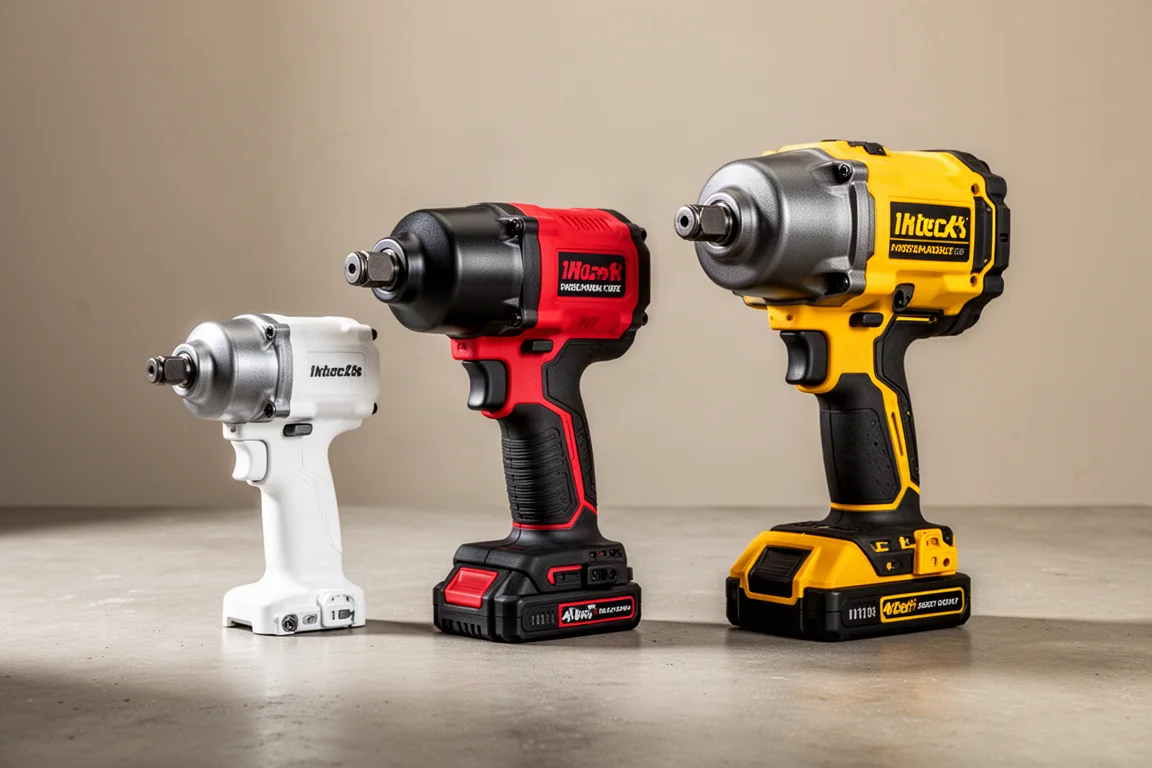
Best 1-Inch Pistol Impact Wrenches: Three Heavy-Duty Options Compared
We compare three 1-inch pistol impact wrenches, from a budget-friendly Harbor Freight model to a premium Caterpillar unit, to help you choose the right one.
Power Tools
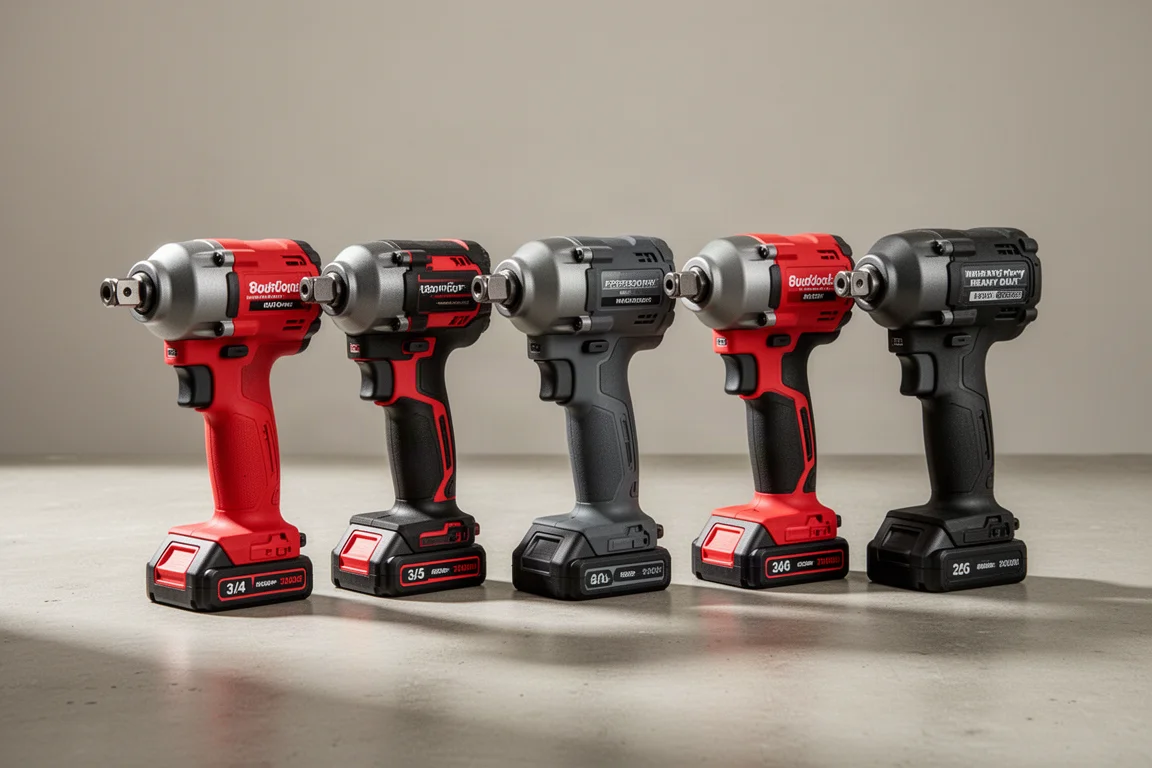
Best 3/4-Inch Impact Wrenches 2026: Five Contenders Compared
We compare five 3/4-inch impact wrenches across price and performance, from a budget Amazon option to Snap-on's most powerful model yet.
Power Tools
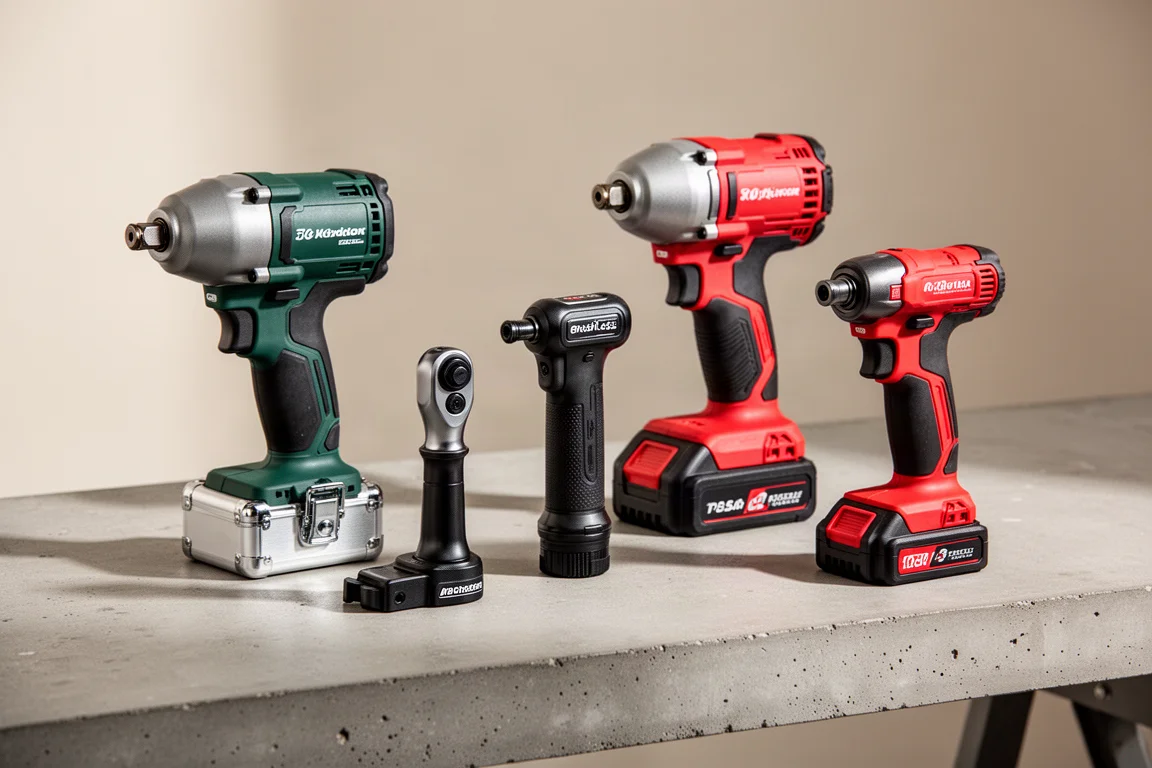
Best Budget Cordless Tools 2026: Walmart Finds That Punch Above Their Price
We tested five cordless tools from Walmart, including a high-torque impact wrench that trades blows with Milwaukee and a $35 duster that outperforms its price class.