Coffee Equipment
Home Coffee Roasting for Beginners: Budget-Friendly Methods and Affordable Equipment
Learn how to roast coffee at home using affordable equipment like popcorn poppers, plus an overview of entry-level and advanced roasting machines for every budget.
Introduction
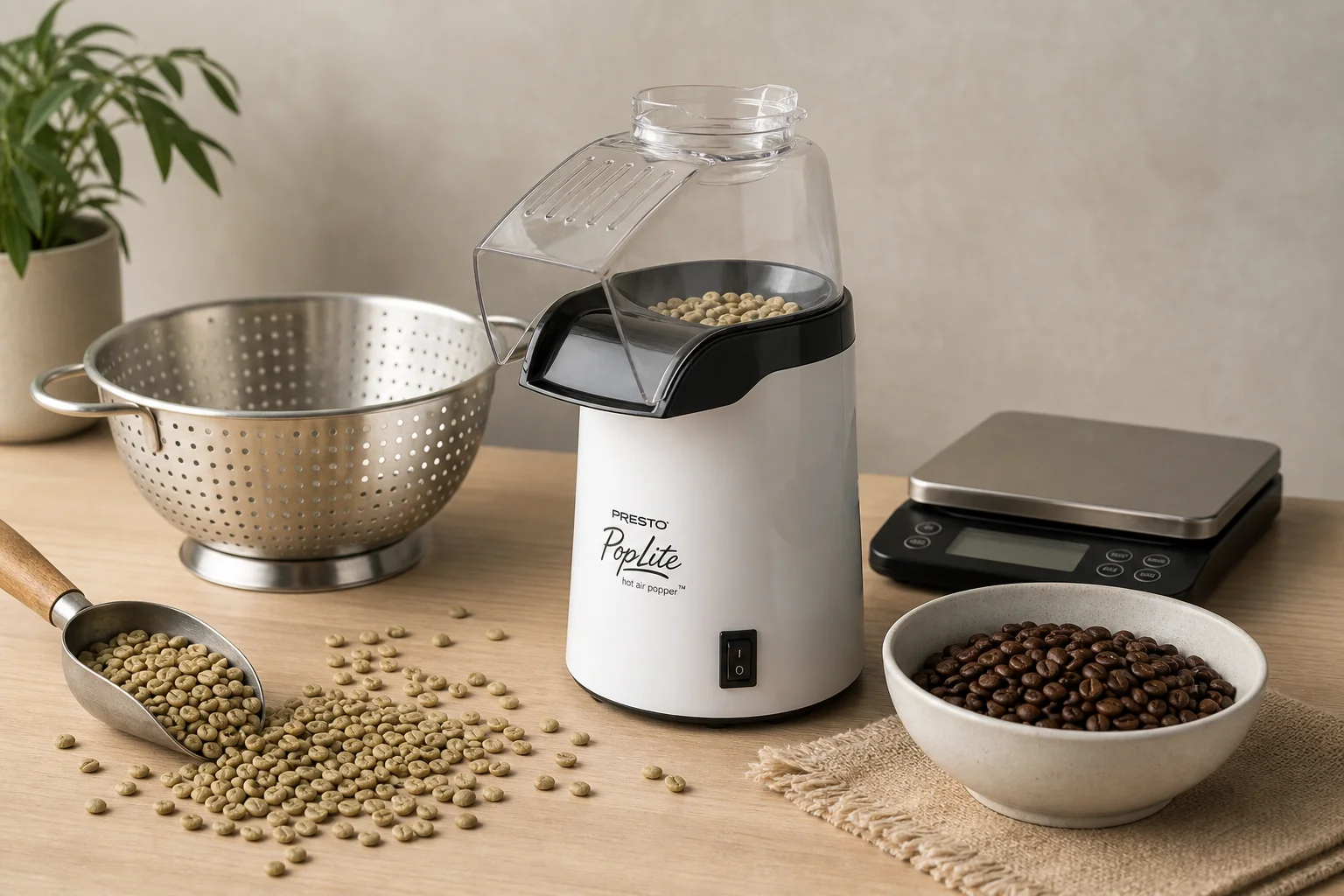
Home coffee roasting doesn’t require expensive equipment or years of experience. With a budget under 20 dollars and basic tools you may already own, you can roast fresh coffee in your own kitchen. This guide walks you through why roasting at home matters, where to source green coffee beans, and which equipment options suit different skill levels and budgets.
Why Roast Coffee at Home
There are four compelling reasons to start roasting coffee yourself.
Learn about coffee in a meaningful way. Roasting pushes you to explore coffee origins, understand the chemistry of the roasting process, and deepen your brewing knowledge.
Always have fresh coffee. Green coffee ages much more slowly than roasted coffee. By roasting small batches at home, you maintain a constant supply of fresh beans.
Roast to your exact taste. Whether you prefer filter or espresso, light or dark, you control the final roast level. Commercial roasters may not always match your preferences.
Save money over time. While initial equipment and small-batch green coffee purchases add up, the cost per kilogram of roasted coffee eventually becomes significantly cheaper than buying from specialty roasters.
Understanding Green Coffee
Green coffee is the raw seed of a coffee cherry, hard and dense before roasting. It has no flavor and cannot be ground or brewed in this state. When a coffee cherry ripens, it is picked, processed, dried, packed, and shipped to roasters worldwide.
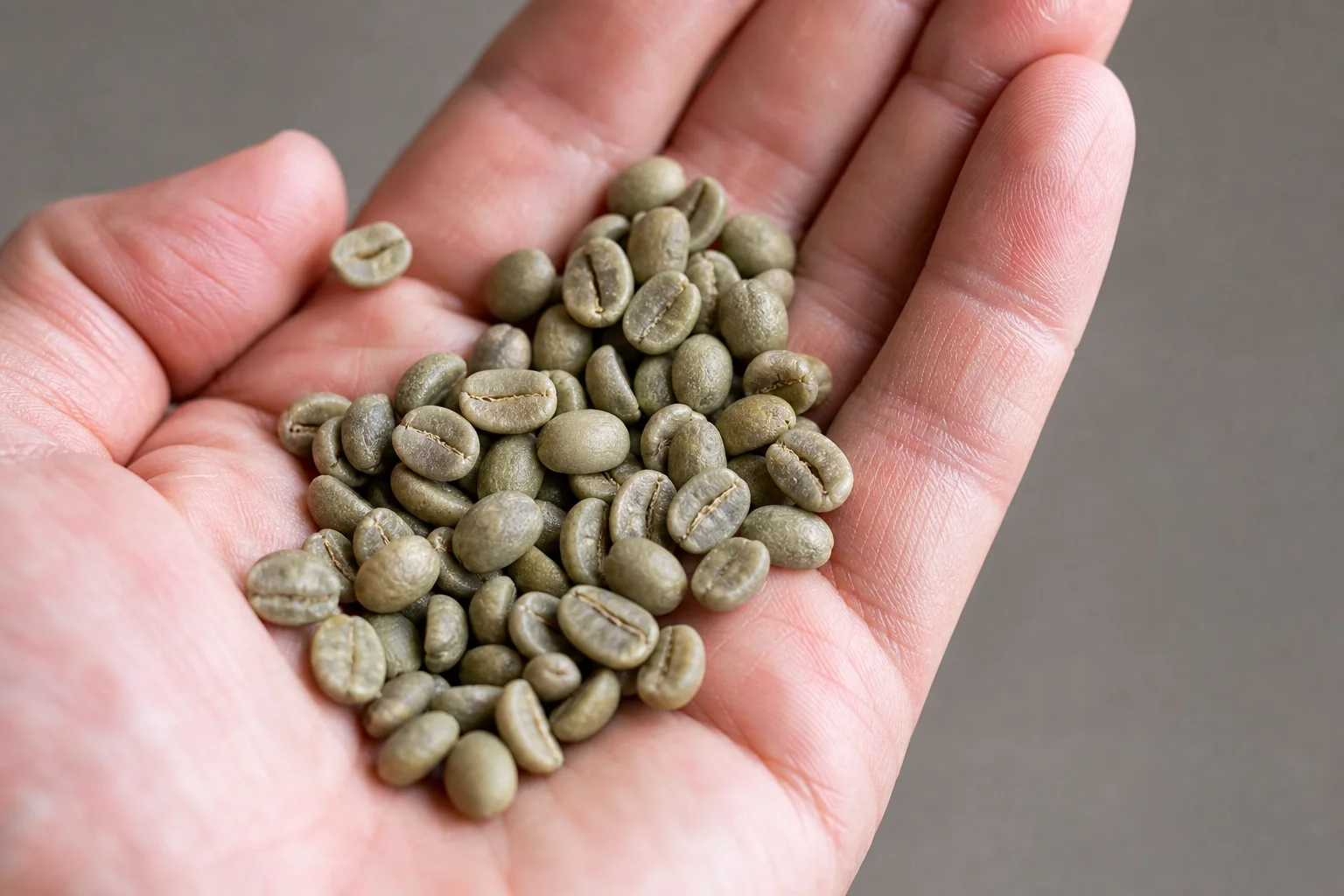
The main challenge for home roasters is that commercial green coffee bags typically contain 20, 50, or 60 kilograms. For someone just starting out, this is impractical. Fortunately, several suppliers now offer small batches of 200 grams, 500 grams, or 1 kilogram.
In the United States, Sweet Maria’s is an excellent source for small-batch green coffee and comprehensive roasting education. They stock over 60 coffees and provide detailed tasting notes and roasting guidance.
In Europe, Caventura in Germany offers starter kits that include a popcorn popper, 250 grams of green coffee, and 100 grams of roasted reference coffee for around 29 euros. Other European options include Hasbean in the UK and Roast Rebels in Germany.
A practical tip: ask your favorite local specialty coffee roaster. Many will sell or donate a sample of their raw beans if you explain your interest in learning. They may also share roasting tips and let you compare your home roast to their commercial version.
Why Choose an Electric Popcorn Popper
Once you have green coffee, you have several roasting options. The cheapest is an oven or stovetop pan, which costs nothing extra but requires constant stirring to prevent uneven roasting or burning. The next tier includes dedicated roasting machines starting around 150 to 200 dollars, scaling up to thousands for advanced equipment.
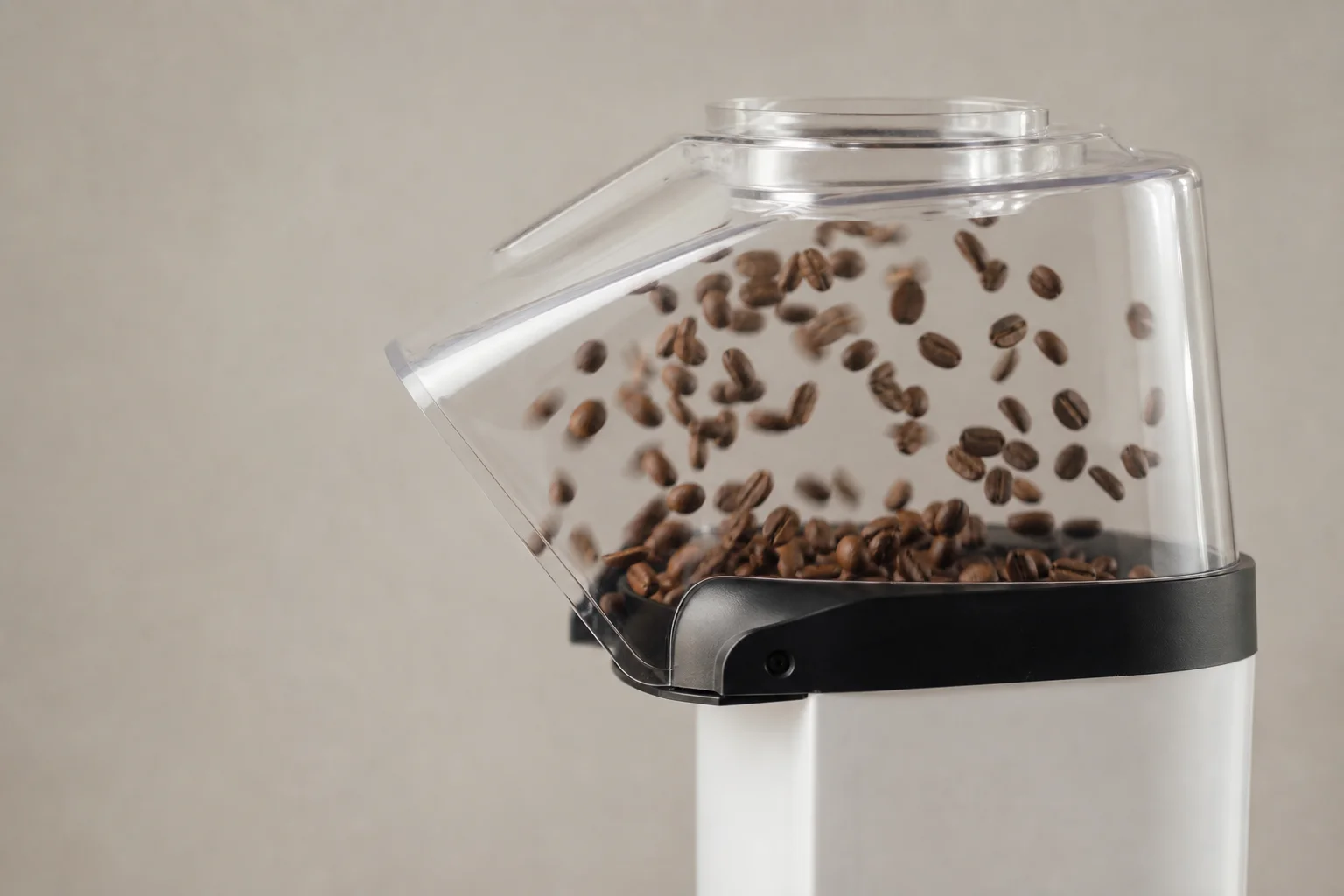
For beginners, an electric popcorn popper offers the best balance of simplicity, cost, and control. The problem with oven roasting is that agitating beans evenly is nearly impossible. Stovetop roasting works better but demands continuous attention and practice to avoid burning.
Stovetop tools like StovePop and Nuvo make the process easier by automating bean agitation, but you still need to keep moving and monitoring throughout the roast.
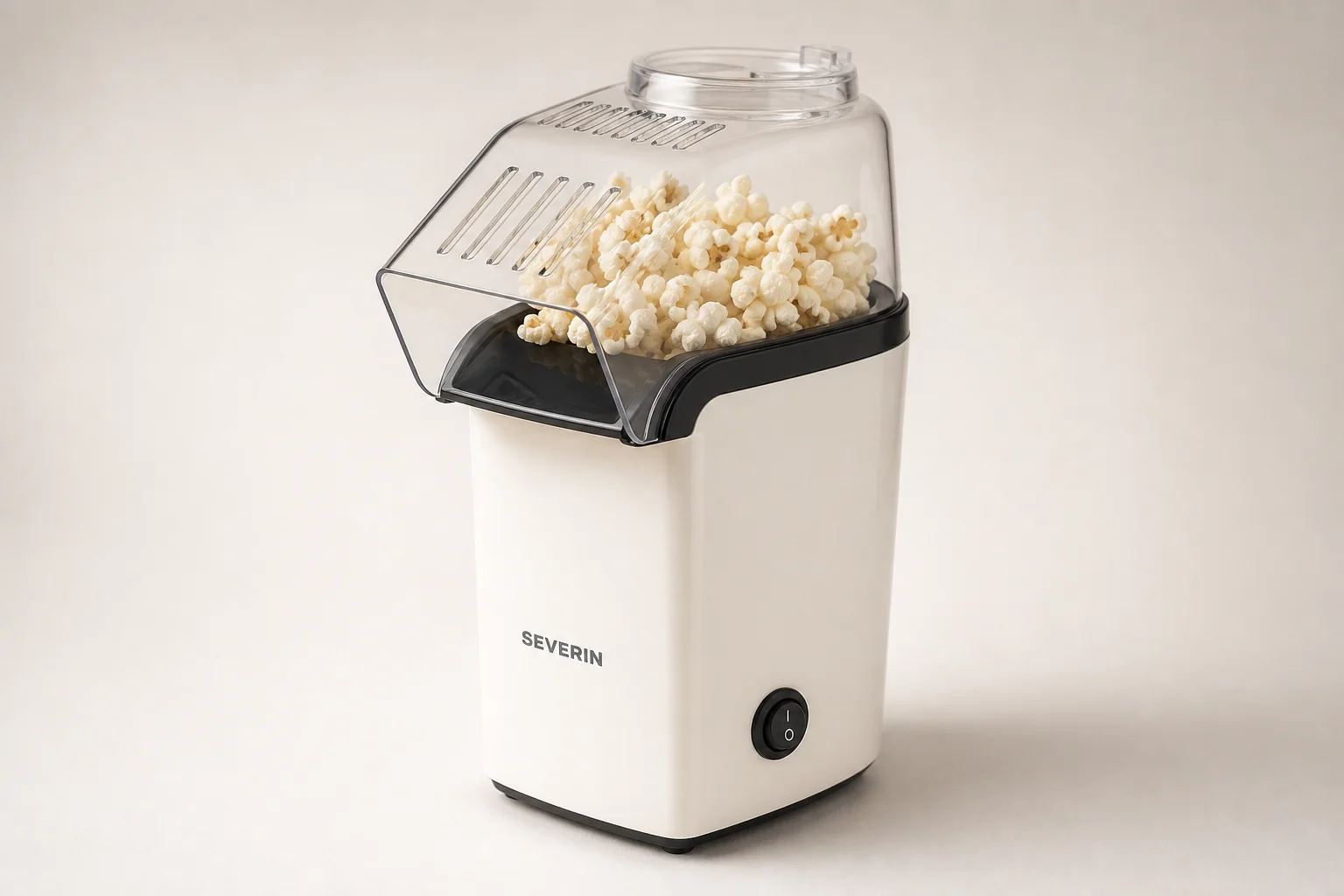
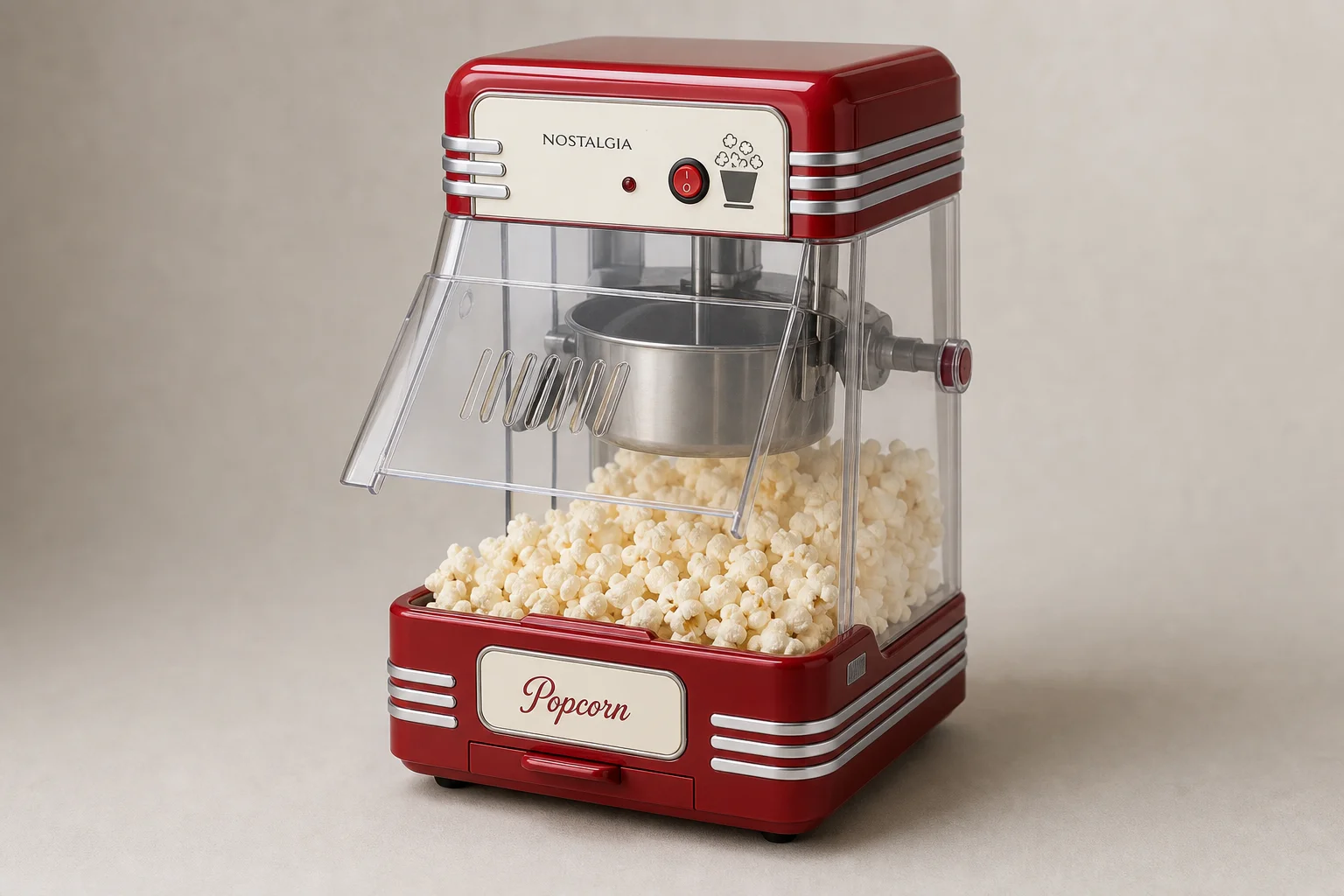
An electric popcorn popper automates the agitation entirely. Hot air keeps beans in constant motion, freeing you to focus on visual cues like color development and listening for the first crack, which signals the start of the roasting development phase. Popular beginner-friendly models include the Severin popcorn popper used in many European home roasting setups and the Nostalgia brand, which is widely available in the United States.
The trade-offs are real: you cannot control temperature or airflow precisely, the process is messy, and batch sizes are small. These limitations are solved by more advanced dedicated roasters, but at significantly higher cost. Starting small and progressing over time is a sensible approach.
The Roasting Process Step by Step
Before roasting, gather these tools: a metal colander to collect chaff and cool beans, a wet towel to manage loose chaff, a scale to measure beans before and after roasting, a timer (your phone works fine), and a bowl or tray for final cooling.
Preheat the popper for about one minute. Weigh approximately 50 grams of green coffee beans, which is optimal for most popcorn poppers. Overloading prevents beans from moving freely inside the chamber.
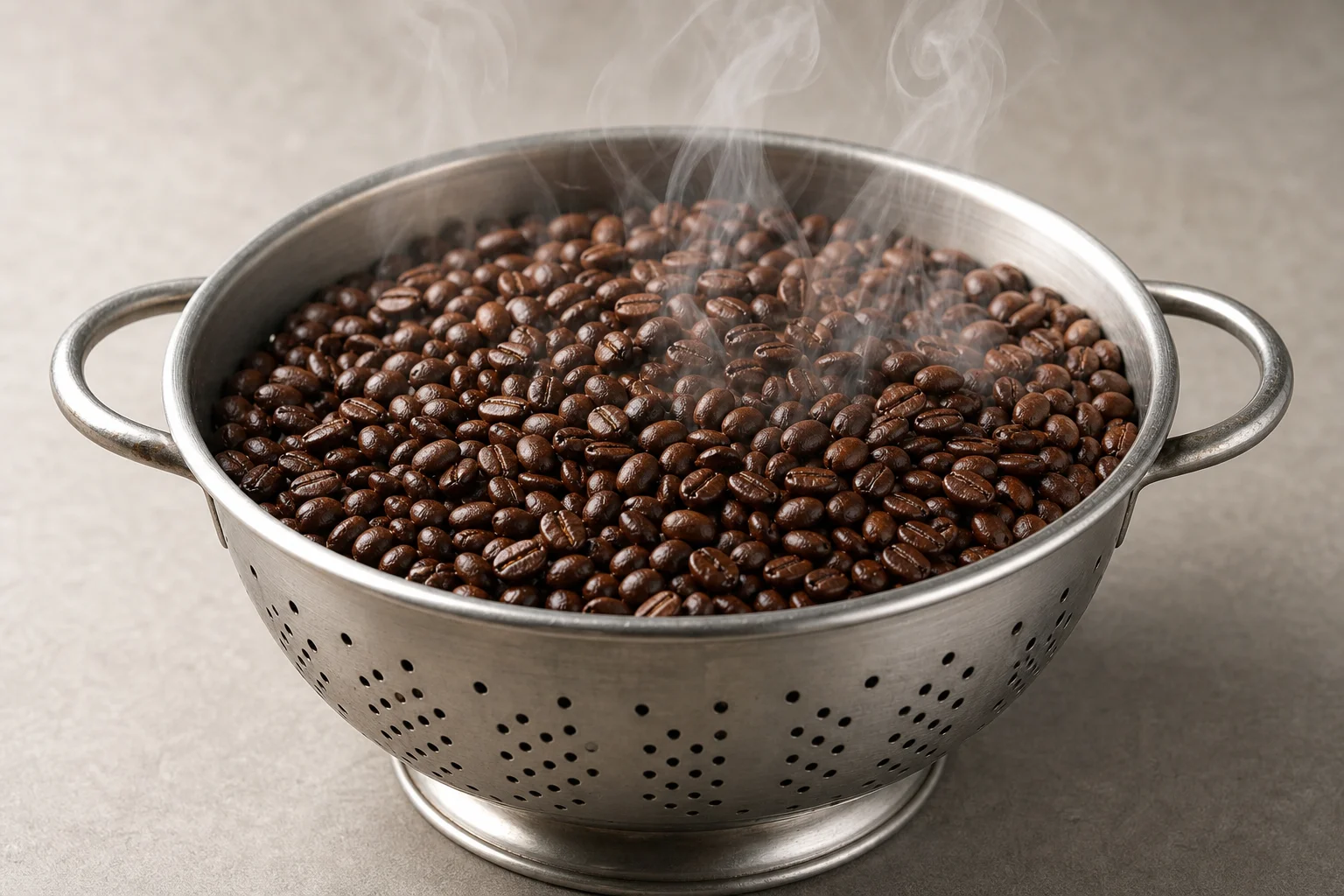
As roasting begins, you will observe a color progression: green to yellow, then to brown. Between two and three minutes, depending on the bean variety, you will hear popping sounds similar to popcorn. This is the first crack, a crucial milestone that signals the beginning of the roasting development phase.
After the first crack, real flavor development begins. Another minute or so of roasting produces a light roast suitable for filter coffee. Use your eyes and developing experience to decide when to stop. The moment you stop the roast, quickly cool the beans in a colander or metal strainer. Hot beans continue to bake and develop unpleasant flavors if left to cool slowly.
Expect a weight loss of 10 to 20 percent during roasting. This comes from water evaporation and some bean loss to chaff and spillage. If you started with 50 grams, expect a final weight around 40 to 45 grams.
If roasting multiple batches, wait five to ten minutes between roasts to let the popper cool slightly. Popcorn poppers are not designed for continuous use and will eventually fail if pushed too hard.
Cooling and Storage
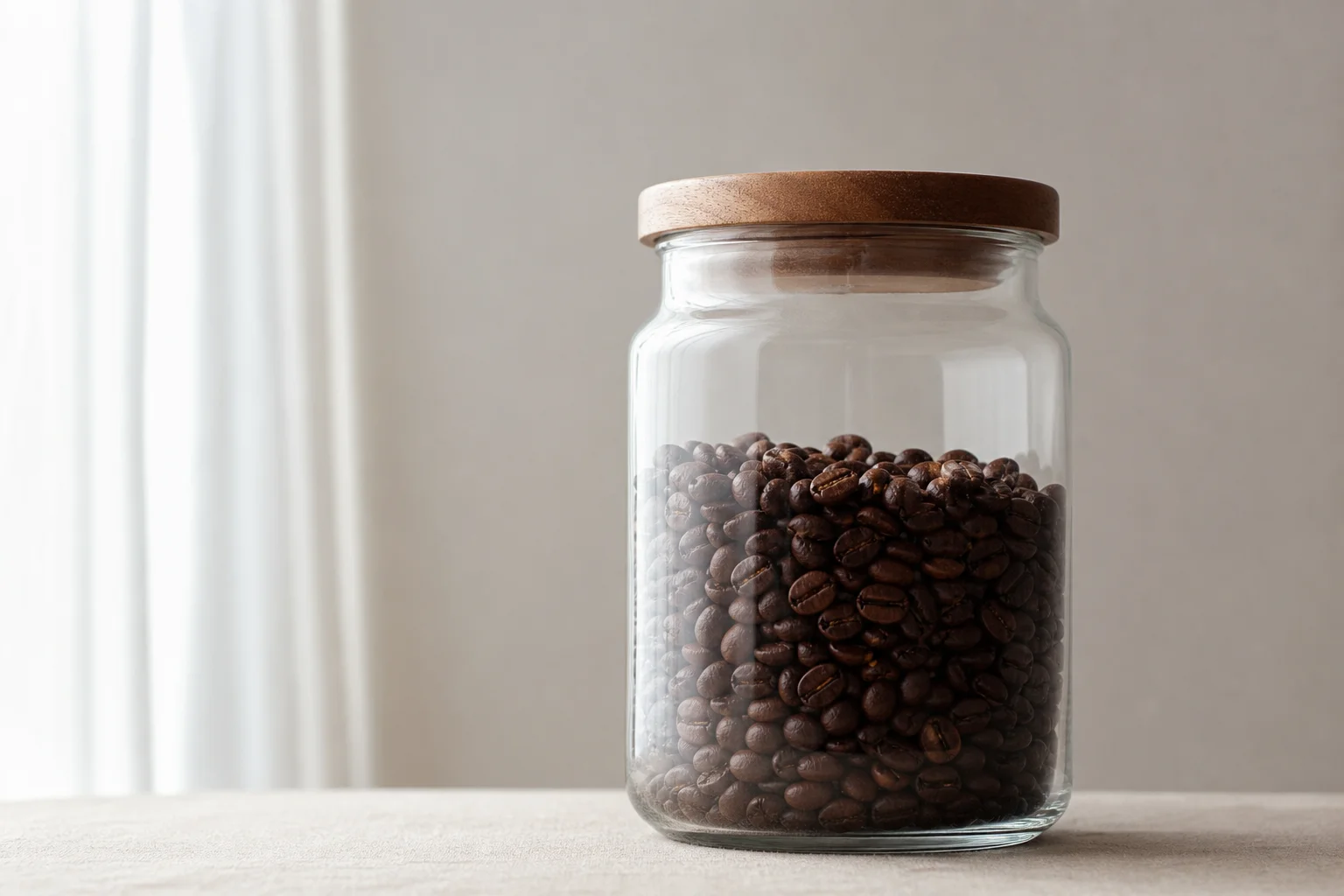
Once roasted, let your coffee cool to room temperature and rest for a few hours before grinding and brewing. This resting period allows flavors to stabilize. Store cooled beans in an airtight container away from direct light and heat.
Advanced Home Coffee Roasters
As you gain confidence and want more control, several dedicated home roasting machines offer greater precision, larger batch sizes, and better temperature management. These machines are more expensive but provide a significant step up in consistency and capability.
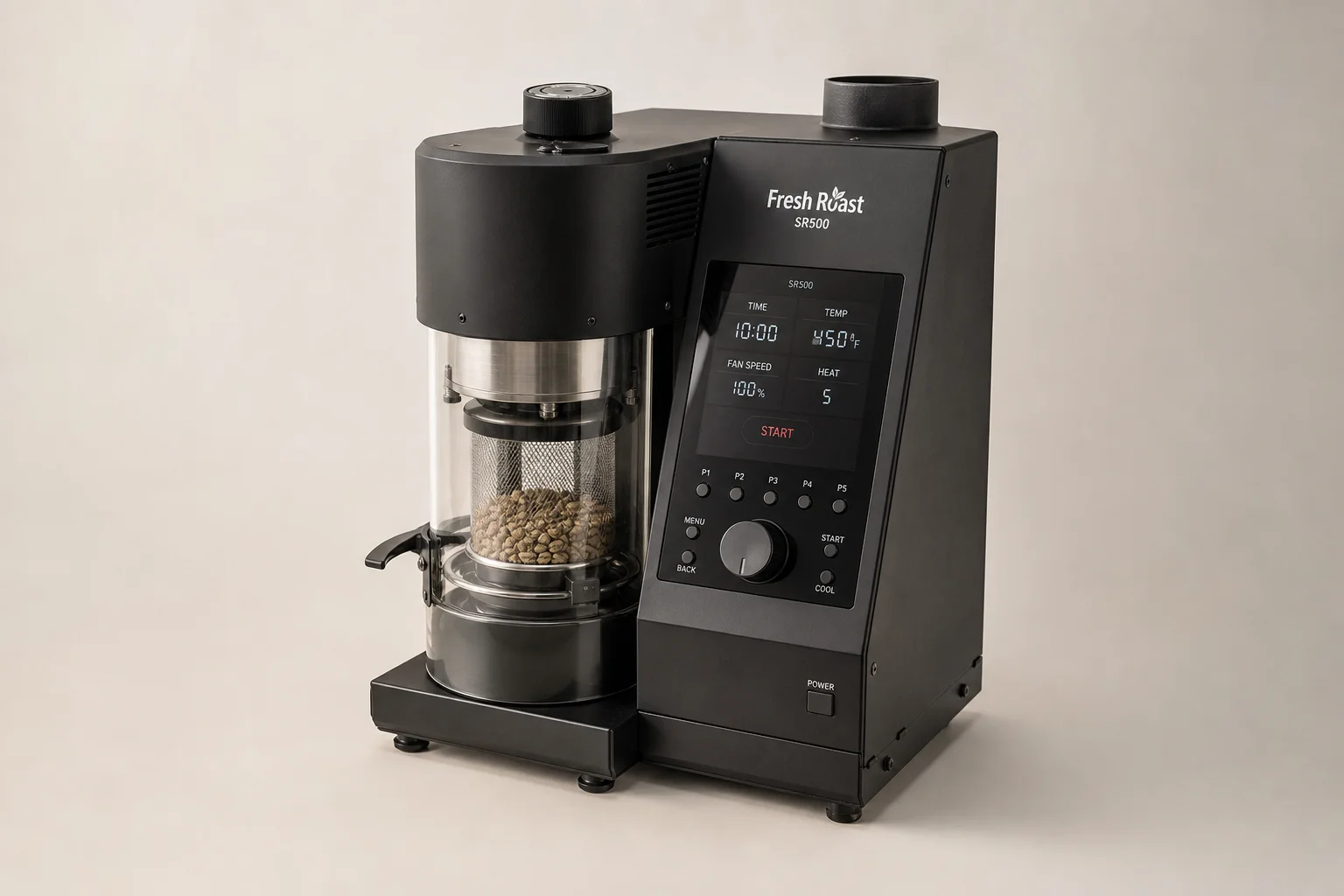
Fresh Roast SR500 is available for approximately 190 USD. It offers more control than a popcorn popper while remaining relatively affordable and compact.
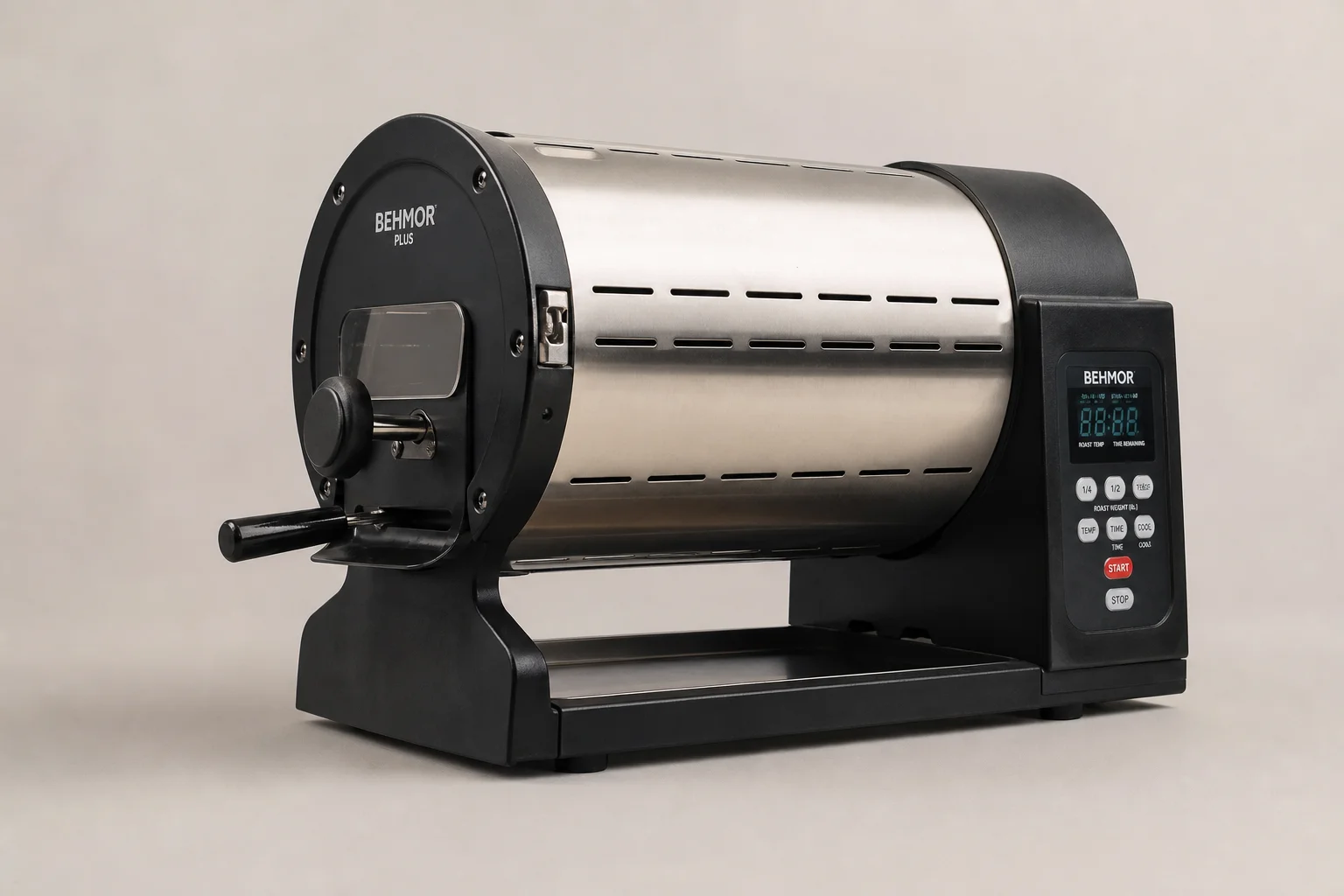
Behmor Plus Roaster costs around 449 USD and provides a larger capacity with improved temperature control and roasting profiles suitable for both filter and espresso roasts.
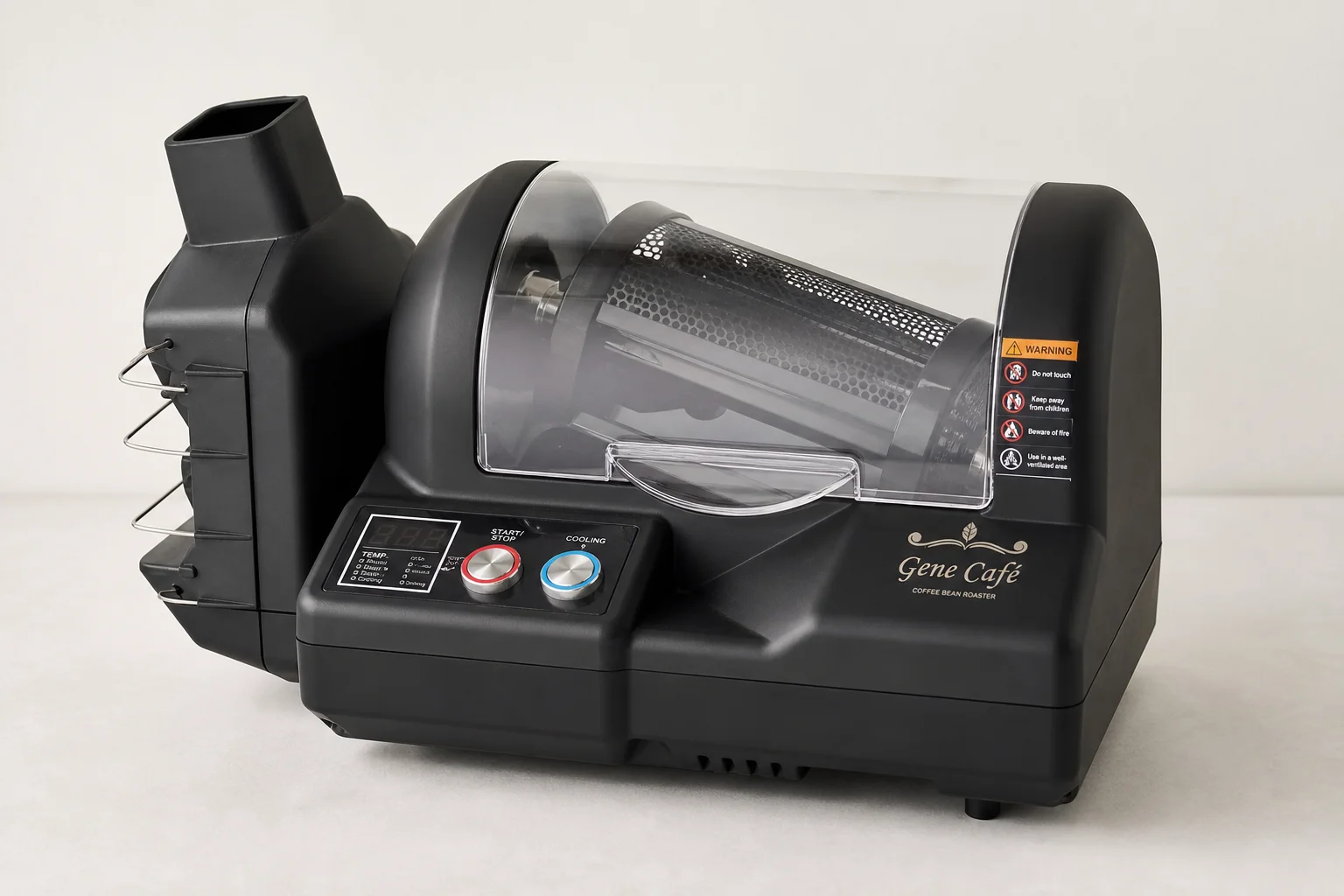
Gene Cafe Roaster is priced at approximately 585 USD and offers a drum-based design with better heat distribution and batch consistency than air-roasting methods.
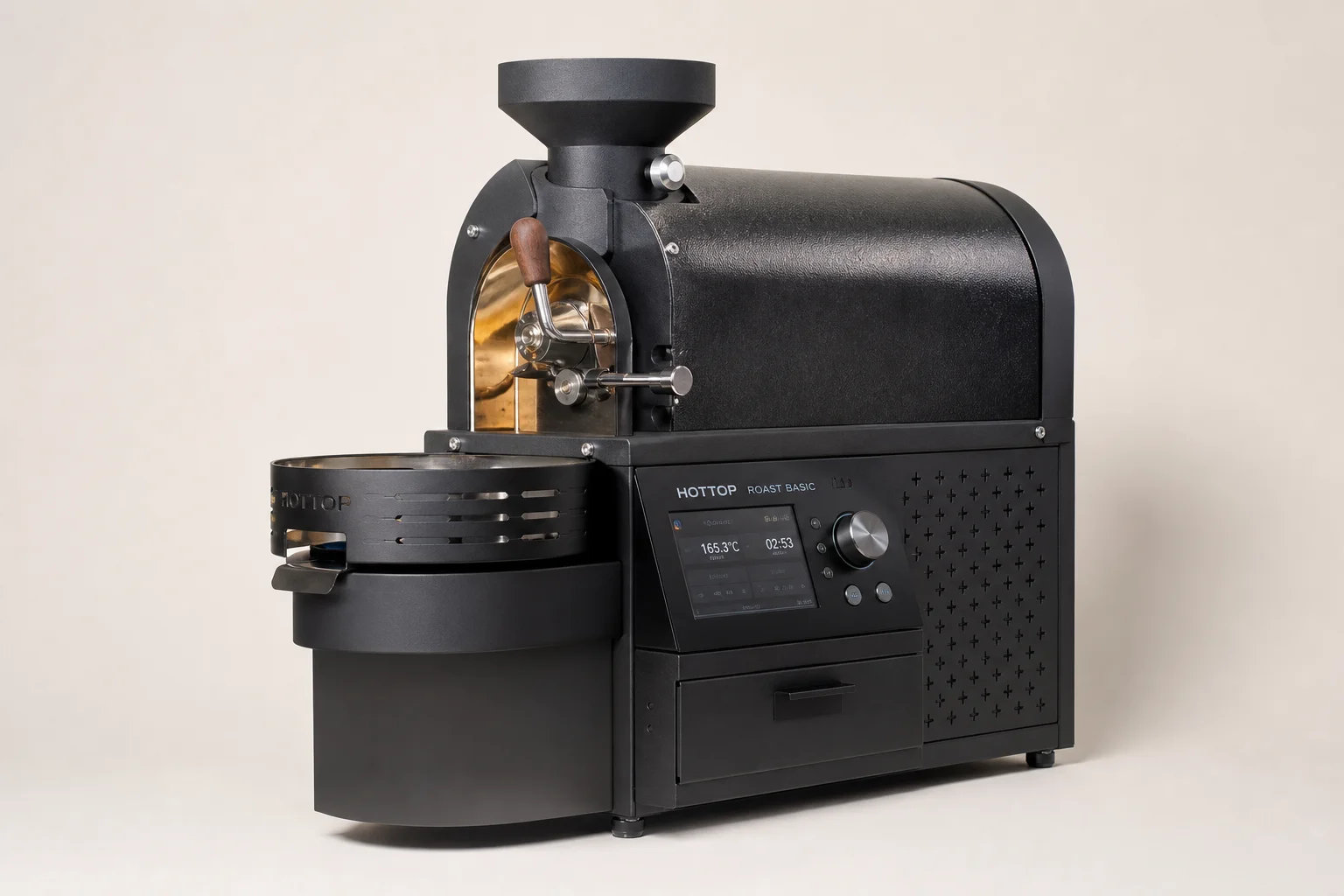
Hottop Roast Basic is a premium option at over 1,000 USD, featuring advanced controls, larger batches, and professional-grade build quality for serious home roasters.
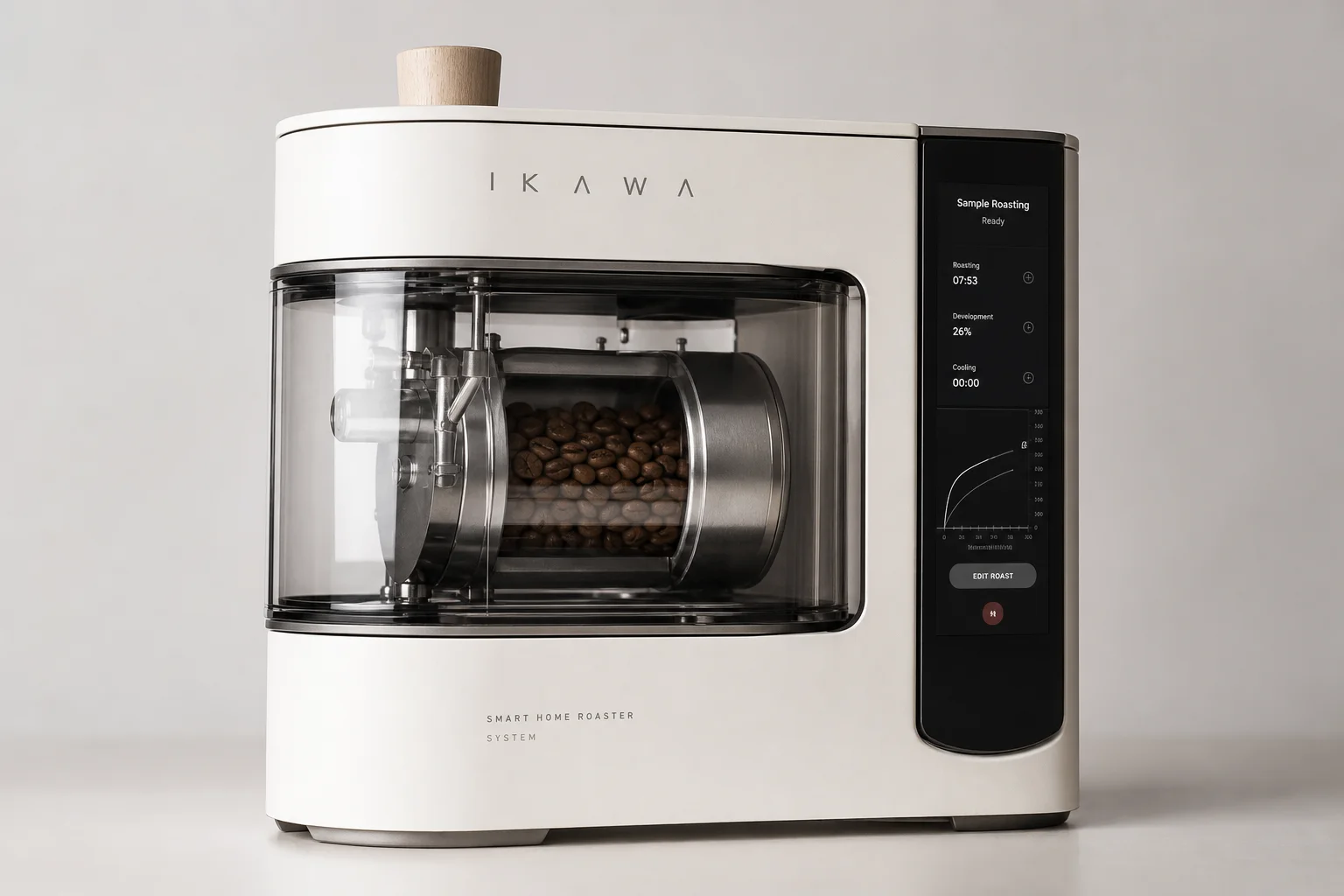
IKAWA Smart Home Coffee Roaster System represents the top tier at 1,250 USD, offering app-based control, precise temperature management, and the ability to save and repeat roasting profiles with high consistency.
Learning Resources
Several online communities and books support home roasters at all levels.
Online forums include the Coffee Roasters Forum on Facebook with over 23,000 members, Home Roasting Talk on Coffeegeek.com with over 67,000 posts, and the Coffee Roasting Subreddit with over 28,000 members.
Recommended books include “The Coffee Roaster’s Companion” by Scott Rao, “Coffee Roasting Made Simple” by Raimond Feil, and “Atlas of Coffee” by James Hoffmann, which covers coffee origins and geography essential for understanding the beans you roast.
Conclusion
Home coffee roasting is accessible to anyone willing to learn. Start with a popcorn popper and small batches of green coffee to build foundational skills and discover whether roasting fits your coffee routine. As your knowledge grows, upgrade to dedicated roasting equipment that offers greater control and consistency. The journey from green bean to your morning cup is rewarding, educational, and increasingly affordable as you progress.
Further reading
Related Reviews
Coffee Equipment
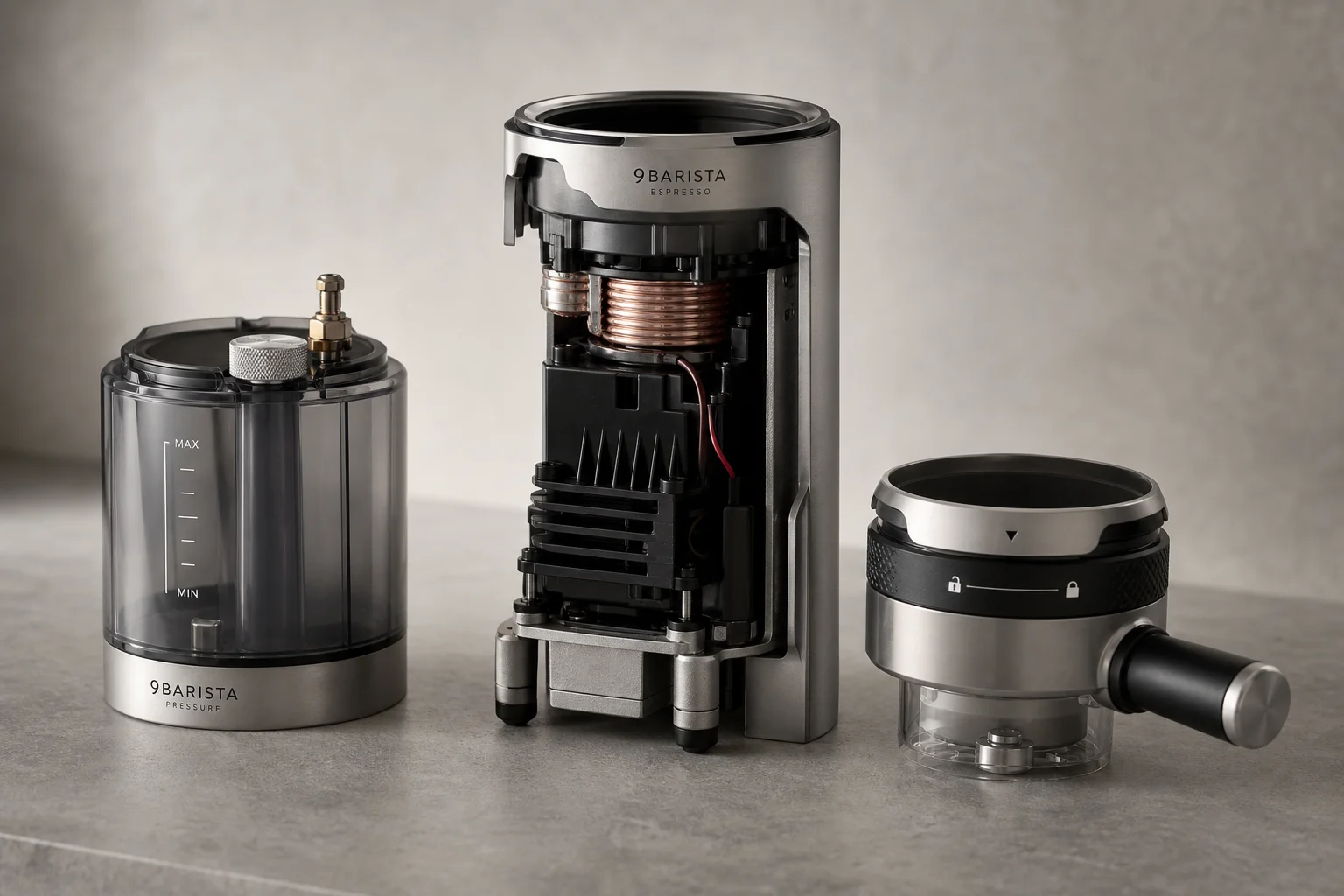
9Barista Espresso Machine Review: Stovetop Espresso for Single-Cup Enthusiasts
A cleverly engineered stovetop espresso maker that generates nine bars of pressure without electricity. Excellent coffee quality, but requires patience and suits solo drinkers only.
Coffee Equipment
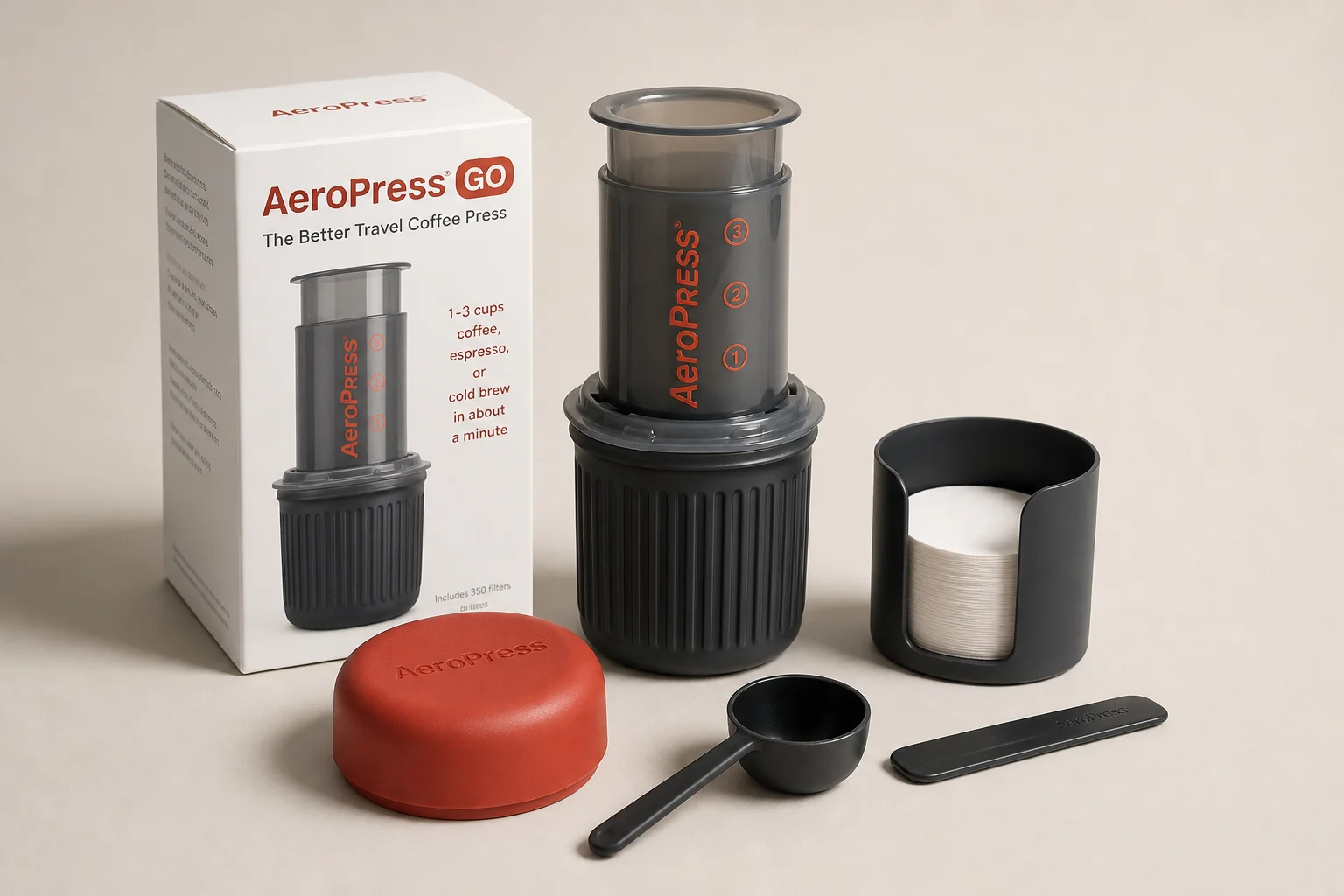
Aeropress Go Review: A Compact Travel Brewer That Solves One Specific Problem
The Aeropress Go shrinks the original design and adds an integrated cup, but it may not address the travel challenges most coffee enthusiasts actually face.
Coffee Equipment
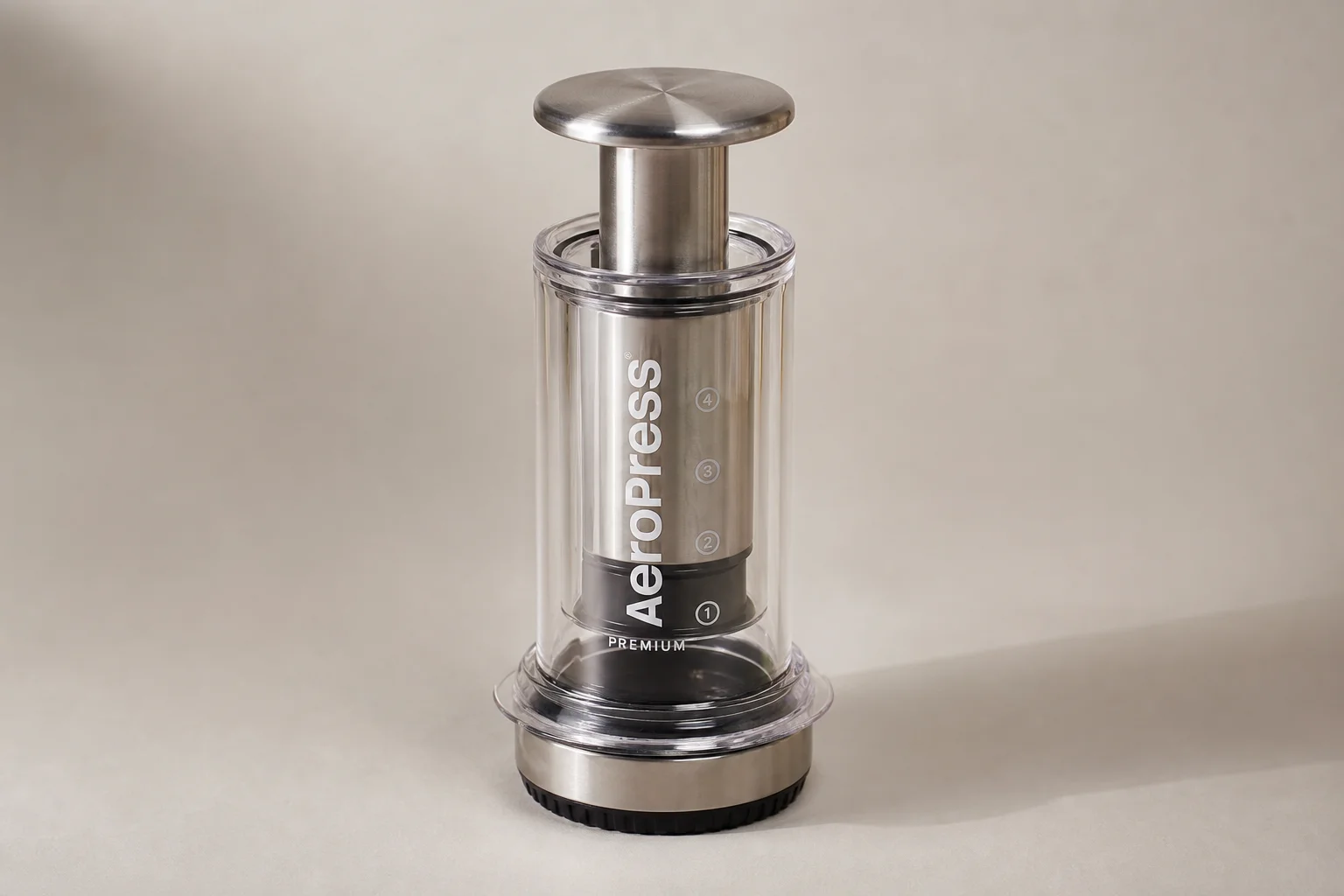
AeroPress Premium Review: Premium Materials, Practical Trade-offs
The AeroPress Premium brings glass and metal construction to a beloved brewer, but trades portability and durability for a more refined feel. Here's what changes in the cup and what matters before you buy.