Running Gear
Hoka Skyward X 2 and Garmin Forerunner Race Test: Three Running Upgrades Compared
A half marathon test of the Hoka Skyward X 2 plus head-to-head GPS and heart rate results from the Garmin Forerunner 170 and Forerunner 970.
Introduction
Testing running gear in a race setting tells you far more than a gentle jog ever will. This test brought a max-cushioned Hoka shoe and two Garmin watches to a busy, energetic half marathon, covering easy cruising paces, half marathon effort, and everything in between. The results were revealing: one shoe that excels at comfort but struggles at speed, and two watches that both handled the course well despite a clear price gap between them.
How We Tested
The venue was the Hackney Half, a lively East London race with big crowds, constant music, and an undulating course with only a few short climbs, all of which you get back on the descents. The plan was simple: run hard for the first nine miles at around half marathon PB pace, then ease off for the final stretch to save something for an upcoming marathon a week later.
The final time landed around 1:26, with PB pace held to about mile nine before pulling back. That mix of paces made it a genuinely useful test bed: the shoe needed to handle top-end pace, marathon effort, and slow recovery-style running, while the watches needed to track it all accurately through crowded, weaving conditions.

Race Morning and Course Conditions
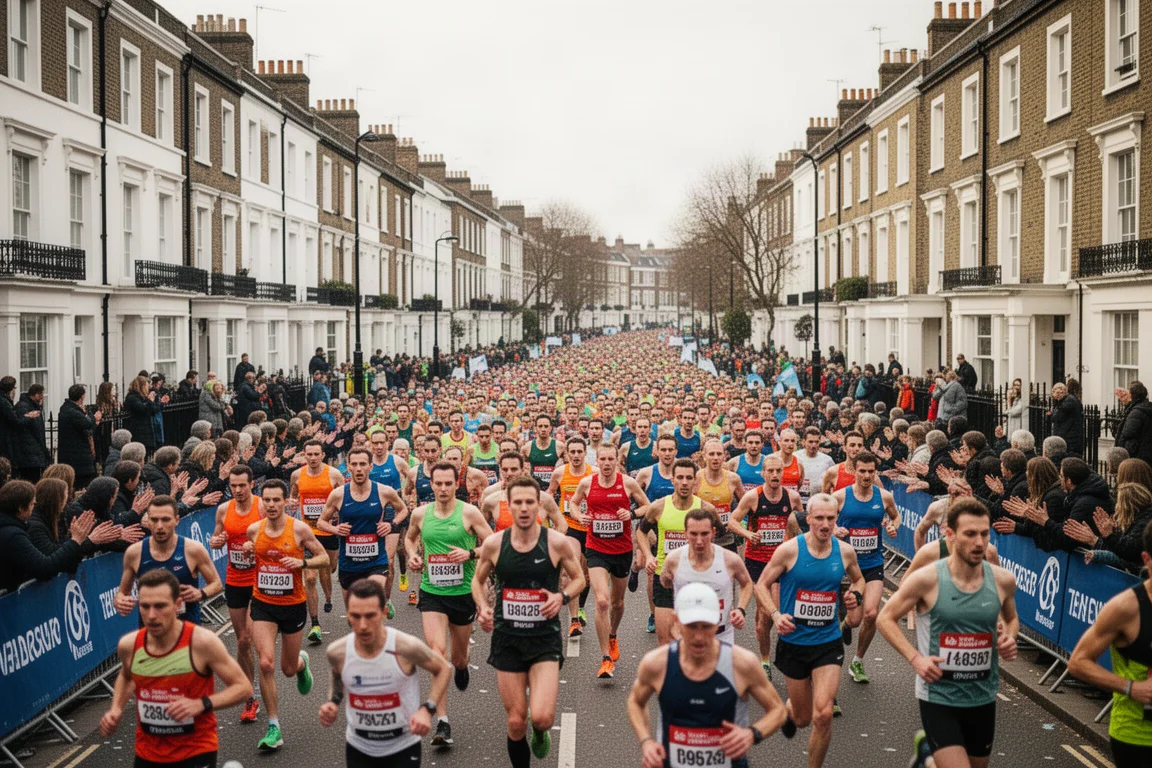
One practical note for anyone considering this race: the start involves a bit of a walk from the train stations, but the area is well signposted and the start zone itself is spacious with a proper festival atmosphere. The main frustration was a bottleneck right before the start mats, which meant a long wait to cross the line even from a front pen, followed by crowded running for most of the course.
That crowding matters for gear testing. Races like this force constant weaving, which pushes GPS watches to their limits and makes distance readings come in slightly long. It is exactly the kind of real-world stress test that separates a good optical heart rate sensor from a great one.
Hoka Skyward X 2: Cushion First, Speed Second
The Hoka Skyward X 2 is a max-cushioned trainer that promises versatility from easy daily miles up to faster paces. On comfort, it delivers: the fit is nice and free, with plenty of airiness in the toe box and lots of room, and the platform feels protective and plush underfoot.
The problem shows up when the pace rises. The midsole feels too soft and too pillowy, without enough bounce or snap coming back. At top-end paces you can work the foam by punching into it from the midfoot and forefoot, but the shoe never really gives enough back, and it ended up taking energy from the legs rather than returning it. At marathon pace it still felt a bit sluggish and labored, and even on easy miles the foam compresses more than ideal.
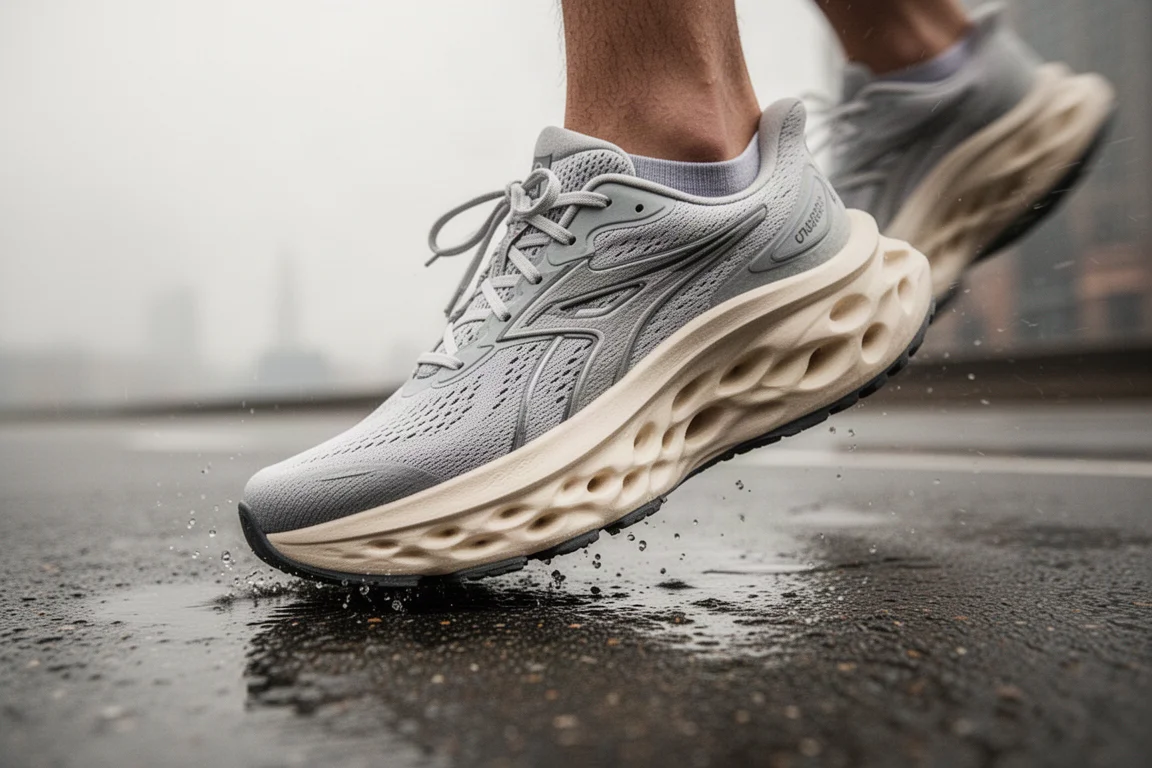
If your running is mostly long miles at slower paces, this shoe will do a good job: the cushioning is genuinely soft and protective. But as a do-it-all trainer that can also handle speedwork, it falls short of what similar-priced options manage, and it is hard to justify the extra spend if faster running is part of your plan.
Watch Test Setup
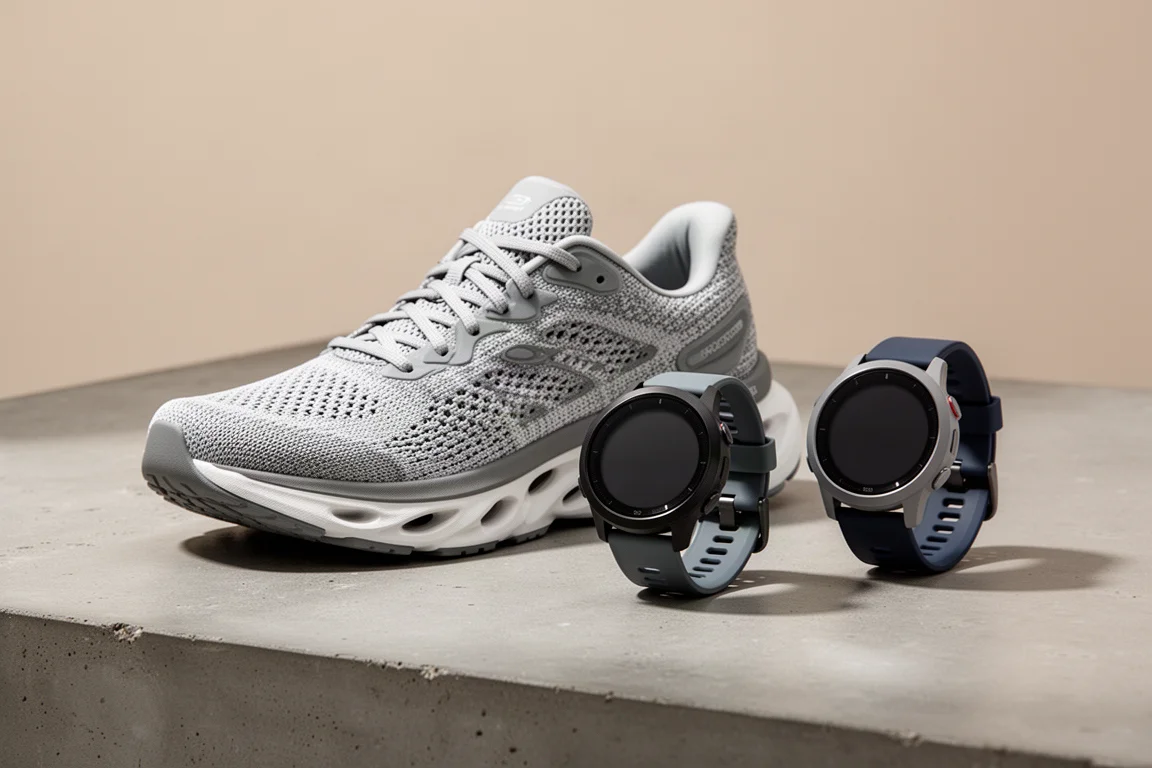
The watch portion of this test compared the newly launched Garmin Forerunner 170, Garmin’s affordable to mid-range release, against the more premium Forerunner 970, with a premium chest strap as the reference for heart rate. Both watches ran the full race on the same wrists, in the same weaving crowds, on the same undulating course, which makes the comparison unusually clean.
Garmin Forerunner 170: Impressive Accuracy on a Budget
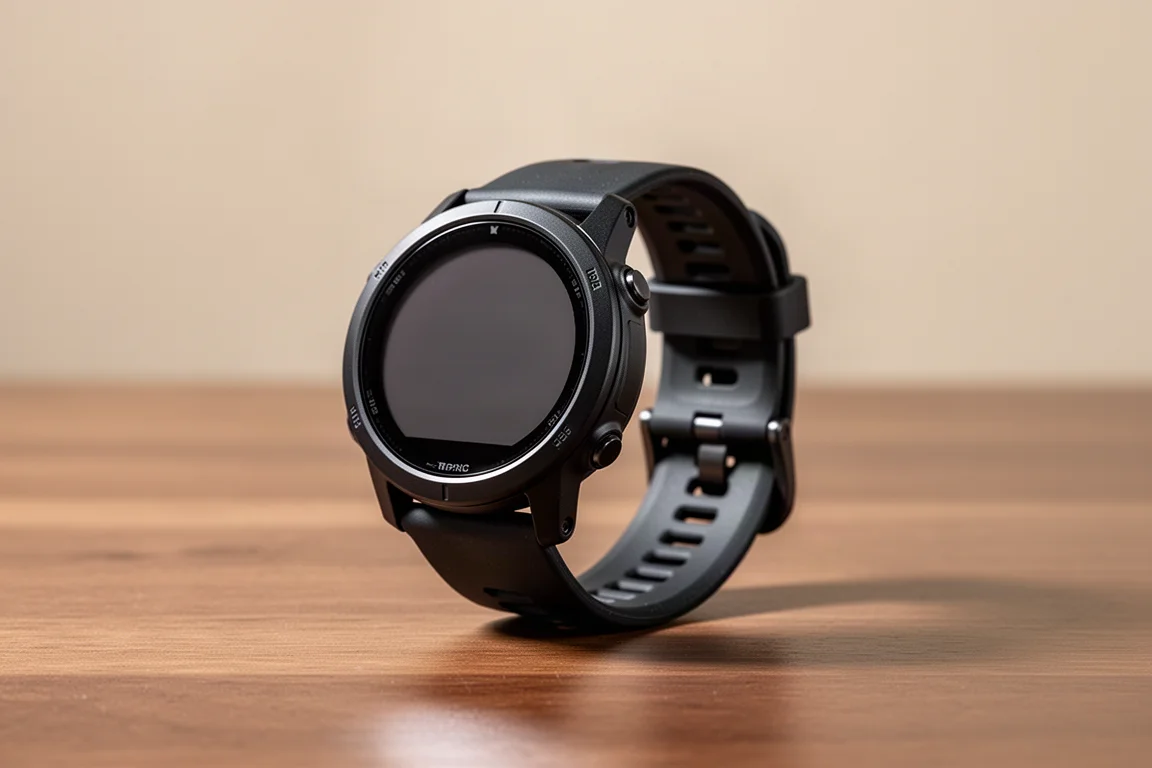
Heart rate tracking was the standout result. The Forerunner 170’s optical sensor matched the chest strap almost beat for beat, with no worrying rogue readings, which is a genuinely solid result for any optical sensor. That is especially notable given the 170 uses the previous-generation sensor setup rather than the newer hardware found in some of Garmin’s current watches.
GPS held up well too. Despite lacking dual-band GPS, the 170 matched the 970, logging 13.28 miles for the race against the 970’s 13.34, a normal outcome for a crowded half marathon where weaving adds distance. Digging into the tracks, both watches stuck to the roads with no major deviations through buildings, and real-time pacing behaved sensibly throughout the race.
For a watch positioned at the affordable end of Garmin’s lineup, matching a premium model this closely on both heart rate and GPS is the headline story.
Battery Life Notes
Battery was the one area with a wrinkle. Despite the 170 being charged only a couple of days before, it was found dead on race morning, having burned through roughly 85% in 24 hours. A quick top-up on the morning saved the day, and that turned out to be a real strength: the watch rapid charges quickly, and a short 20% top-up was enough to last the full 90-minute race, during which it consumed 13% battery.
For context, the Forerunner 970 burned 8% over the same race, and Garmin’s earlier Forerunner 165 burned around 11% in previous half marathon testing, so the 170 is the thirstiest of the three. Race performance overall was still solid, but the overnight drain is worth watching, and frequent charging is part of the deal.
Garmin Forerunner 970: The Premium Benchmark
The Forerunner 970 served as the reference point in this test, and it justified that role. With dual-band GPS and Garmin’s newer sensor generation, it tracked the course cleanly, logged 13.34 miles in the crowded conditions, and posted the most efficient battery use of the test at 8% over the 90-minute race.
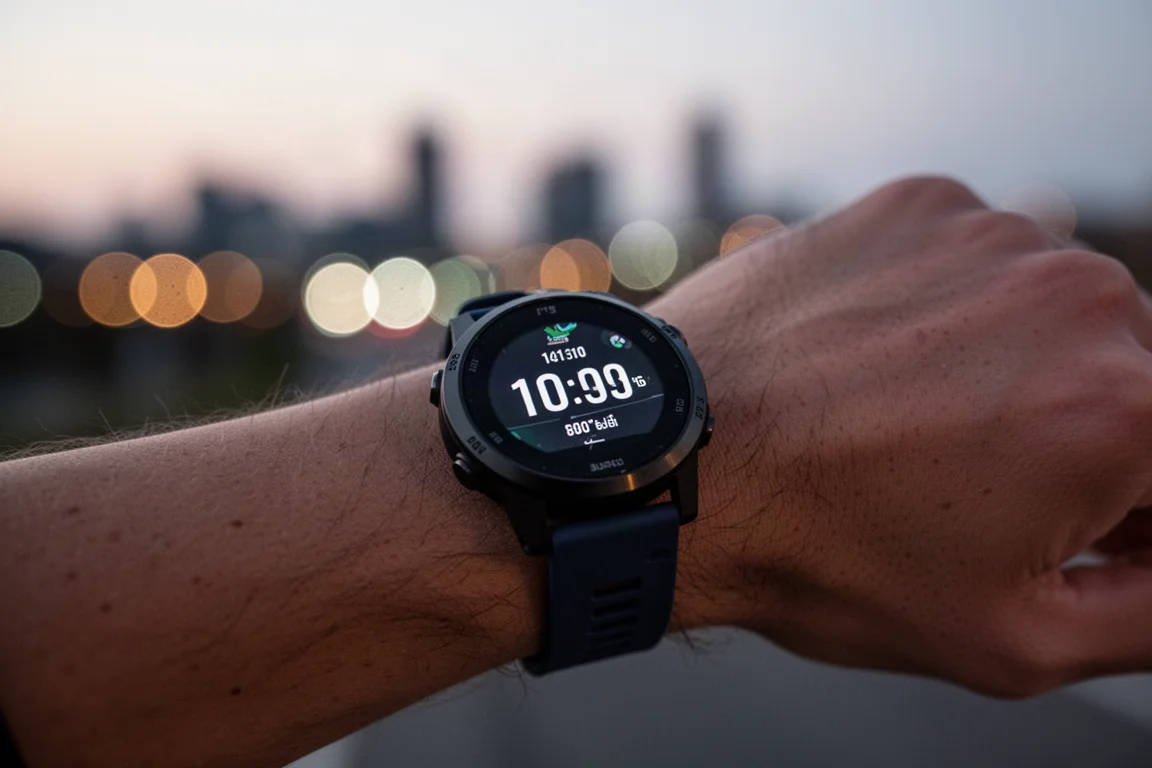
If you want the most accurate and efficient tracking Garmin currently offers and you race or train data seriously, the 970 is the safer long-term pick. If you mainly want reliable pace and heart rate at a friendlier price, the 170 proved it can run very close.
Buying Advice
The Hoka Skyward X 2 makes sense if your priorities are comfort, protection, and slow long miles, and you are happy to do your fast running in something else. If you want one shoe that covers easy days and pace work, there are better options for the money.
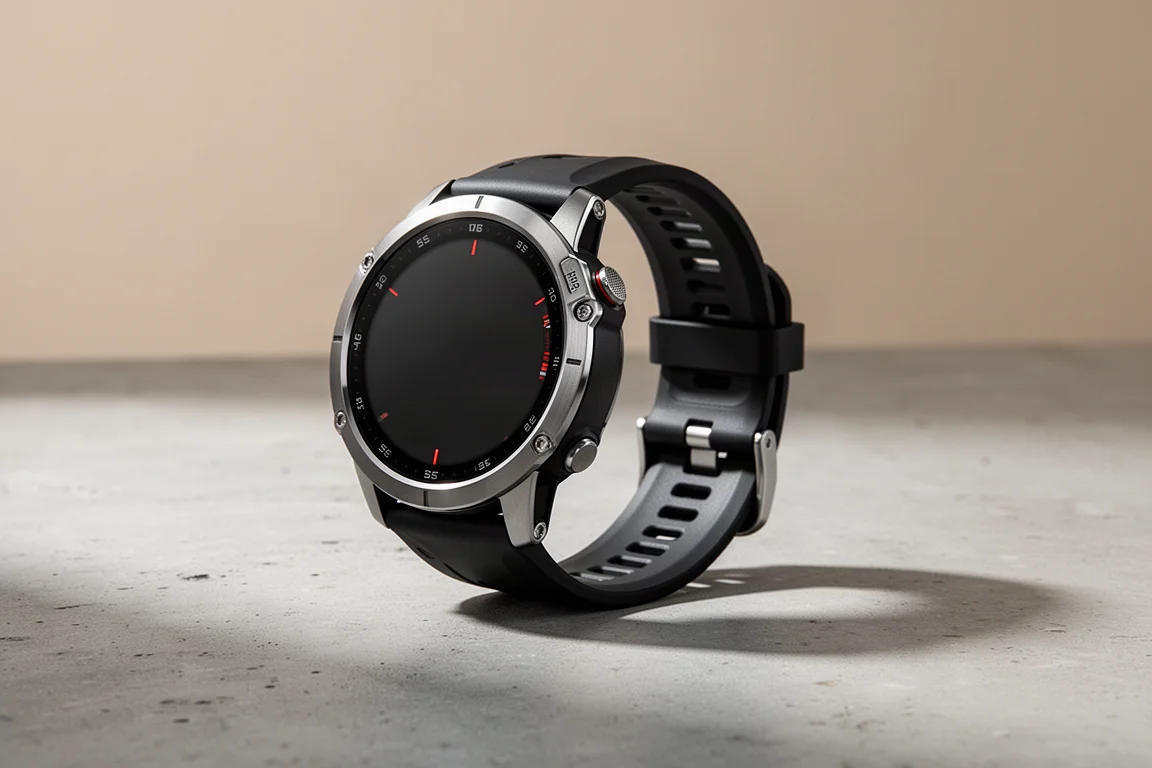
On watches, the Forerunner 170 is a strong pick for runners who want dependable heart rate and GPS accuracy without paying flagship prices, provided you accept faster battery drain and top it up before race day. The Forerunner 970 is the choice for runners who want the newest sensors, dual-band GPS, and the best efficiency, and who will actually use that extra capability week to week.
Conclusion
Race-day testing sharpened the picture on all three products. The Skyward X 2 is a genuinely comfortable, protective cruiser that overpromises on versatility at pace. The Forerunner 170 punches well above its price on accuracy, with battery quirks being the main caveat. And the Forerunner 970 remains the benchmark the others were measured against. Match the shoe to your pace profile and the watch to your budget, and all three have a clear place.
Further reading
Related Reviews

Running Gear
Best Running Caps 2026: Nine Tested Options for Summer and Winter
A comprehensive guide to nine running caps tested across different conditions, from lightweight summer options to waterproof winter choices.

Running Gear
Best Running Caps: A Guide to Summer and Winter Options
A comprehensive review of nine running caps for different conditions, styles, and preferences, from lightweight summer options to waterproof winter choices.
Running Gear
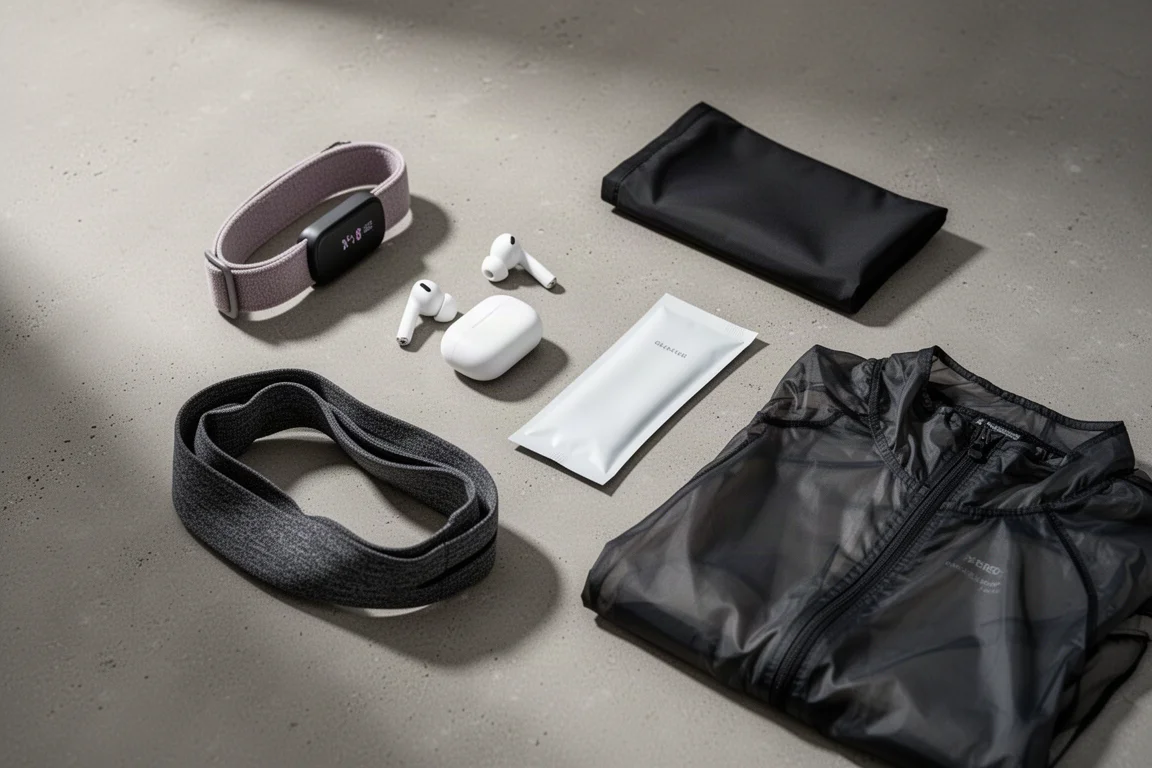
Best Running Gear 2026: Five Picks That Earn Their Place
Five running upgrades covering heart rate, audio, fuelling, carrying and weather protection, with the trade-offs worth knowing before you buy.