Everyday Carry Knives
Hogue Deka MagnaCut Review: The Best Value Premium EDC Knife, Plus Aftermarket Scales That Complete It
A US-made crossbar lock folder with MagnaCut steel may be the strongest value between $100 and $200, and aftermarket aluminum scales take it to another level.
Introduction
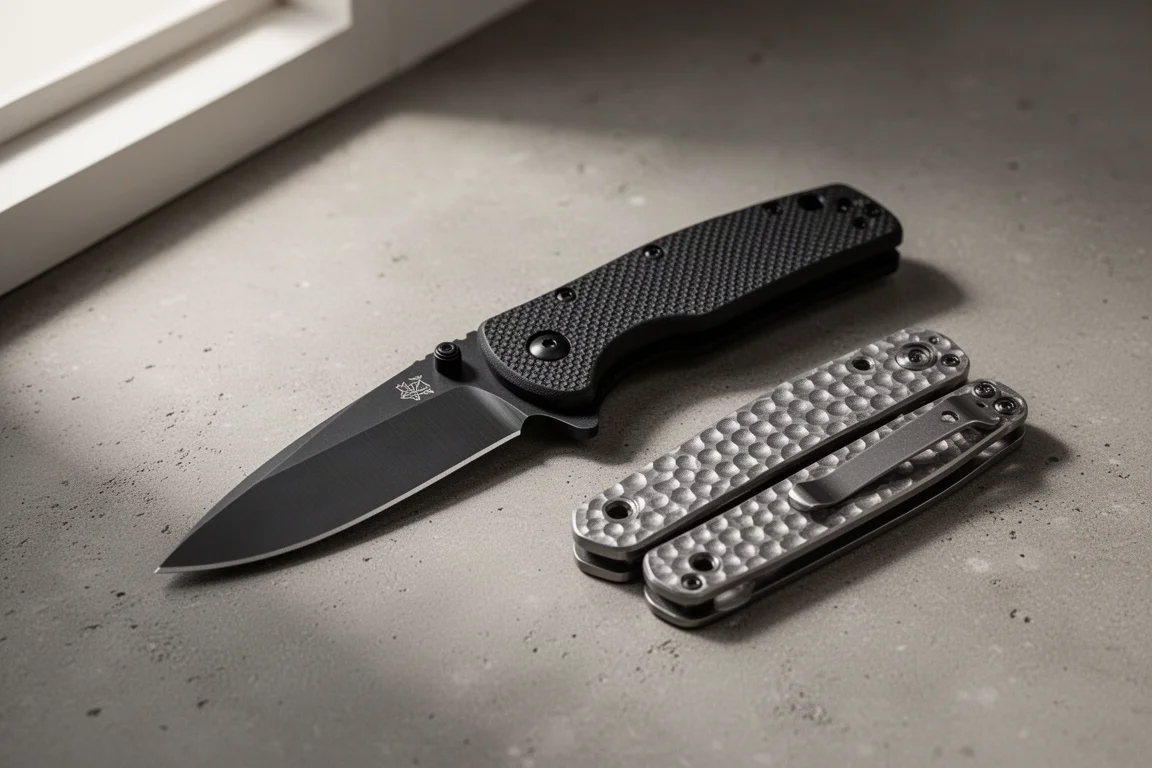
Some knives get hyped for a reason. The Hogue Deka with MagnaCut steel and FRN scales has been discussed endlessly in the knife community, and honestly, the praise holds up. Priced around $127 to $135 for this particular variant, it sits in the $100 to $200 premium range, and it is arguably the best value knife you can currently buy in that bracket. Pair it with a set of aftermarket aluminum scales from Original Goat, and you get a package that comes remarkably close to an ideal everyday carry folder.
Why the Hogue Deka Stands Out
The Deka is made in the United States and uses a crossbar lock, which makes it fully ambidextrous with the standard scales. The blade grind is aggressive and slicey, the kind of geometry that genuinely performs in day-to-day cutting tasks. Construction is all T8 torx screws throughout, including the pocket clip area, which makes maintenance and adjustments straightforward.
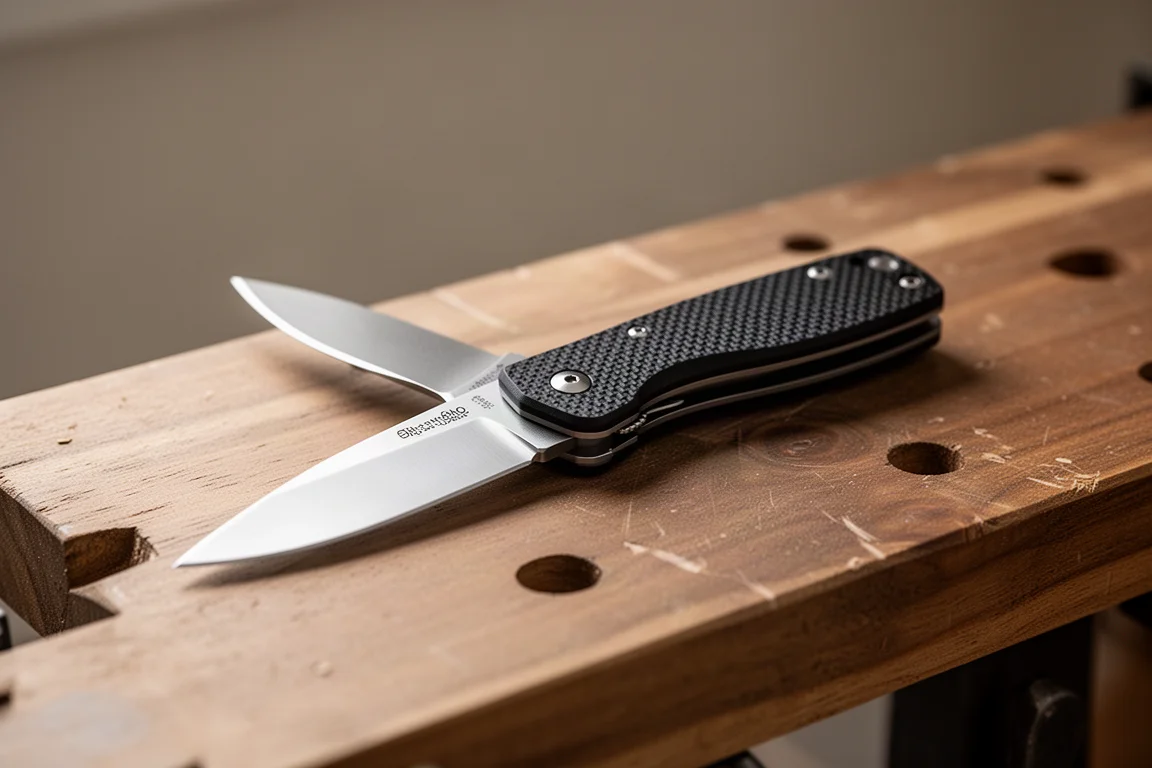
Even the small details are thoughtful. The thumb studs and lock bar pulls are extra grippy. Some people dislike that texture, but if you work in slippery environments, maximum grab is exactly what you want. As a first step into the premium knife range, this is one of the easiest recommendations available: the value is that strong, and using MagnaCut steel daily tends to change how you think about what a knife steel can do.
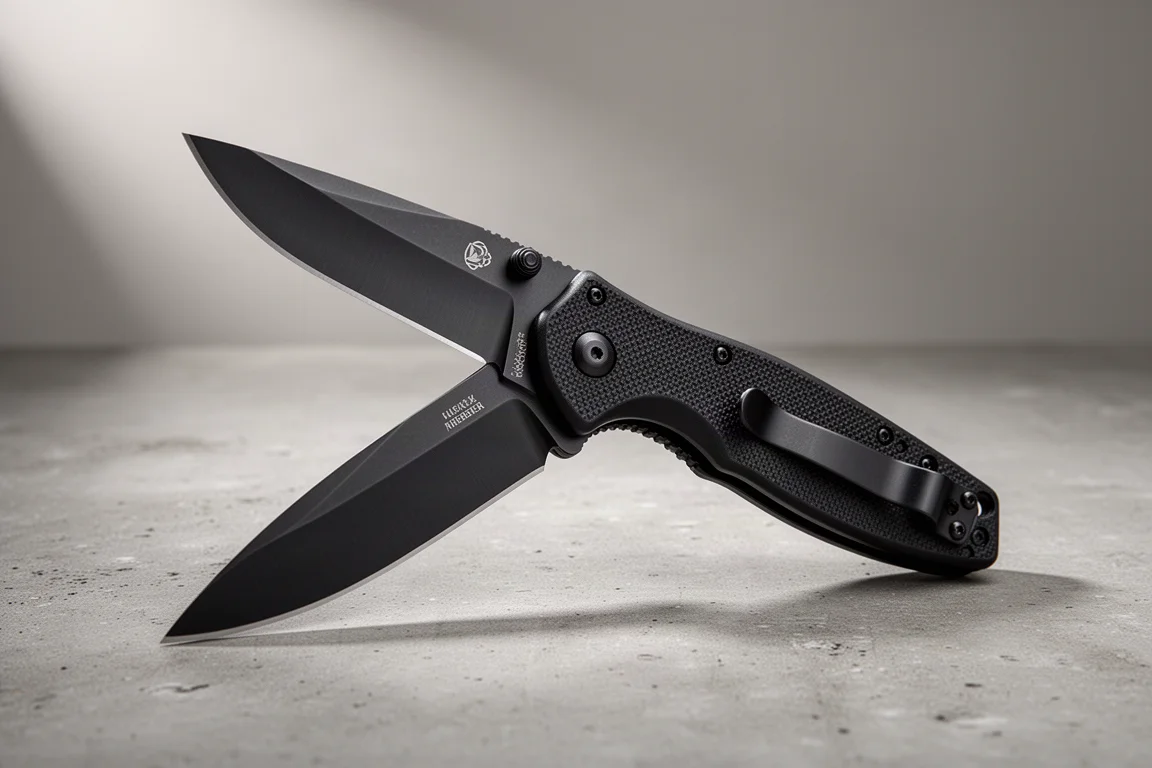
What Makes MagnaCut Special
Knife steels usually involve a trade-off. Of the four key properties, ease of maintenance, corrosion resistance, edge retention, and toughness, you typically have to sacrifice one of the last three to maximize another. MagnaCut, developed primarily by metallurgist Larrin Thomas, breaks that pattern: it is tough, it is corrosion resistant, and it delivers impressive edge retention simultaneously. At a lower hardness, it is also substantially easier to maintain than harder steels like M390, which demand more time and better equipment to keep sharp.
The Hardness Debate: Is Higher HRC Always Better?
There is a persistent argument in the knife community that if a steel is not at a certain hardness, it is garbage, and MagnaCut often gets caught in that discussion. The pressure has been strong enough that the next generation of Hogue Dekas is reportedly planned at 63 to 64 HRC, up from the current 61 to 62. Here is the counterpoint: independent edge-retention testing of this exact knife recorded roughly 800 cuts on twisted tensile rope with a 17-degree edge. Relative to other tested steels, that outperformed the large majority, comfortably more than 80 percent of them.
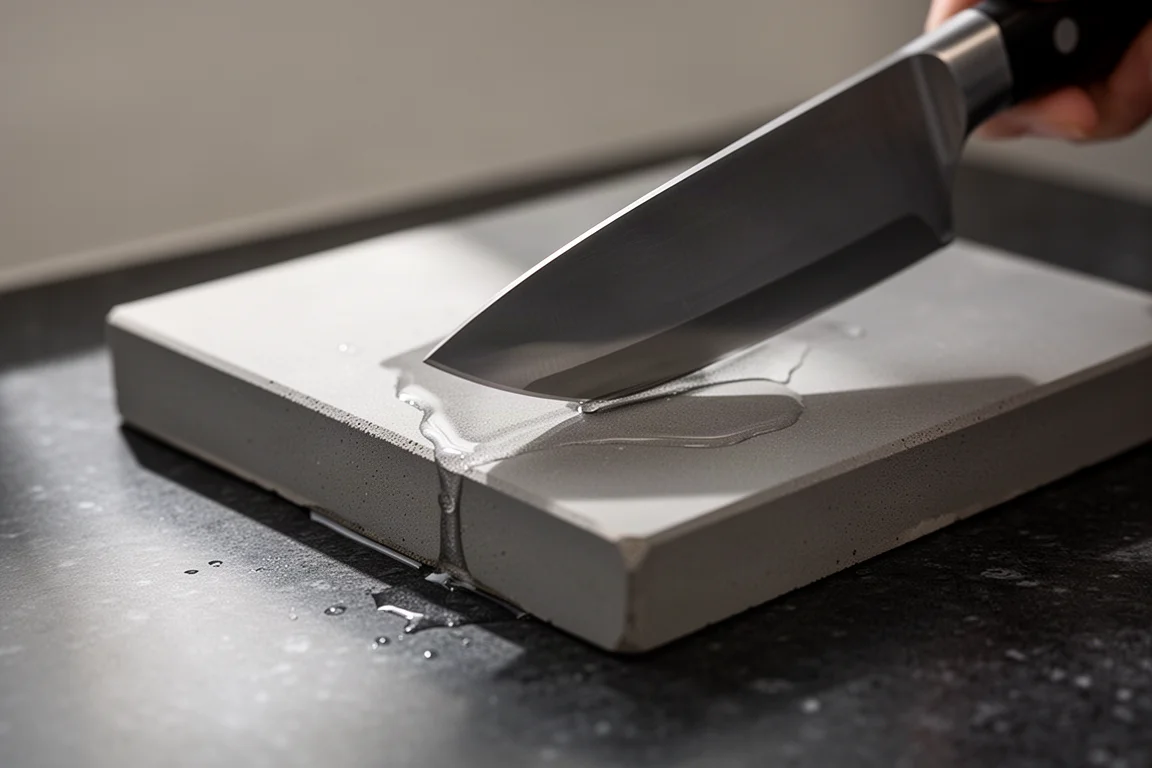
The lower hardness is not a compromise; it is a feature. Slightly lower HRC means more toughness, better corrosion resistance, and easier sharpening on a wider range of implements, including softer stones. And 800 cuts is already far beyond what any realistic daily task demands. There is no ordinary job or application where you would dull this edge in a day unless you were deliberately trying to. Once edge retention passes a certain functional threshold, the smarter move is to maximize toughness, corrosion resistance, and ease of sharpening instead of chasing higher numbers.
Original Goat Scales: Fixing the One Real Drawback
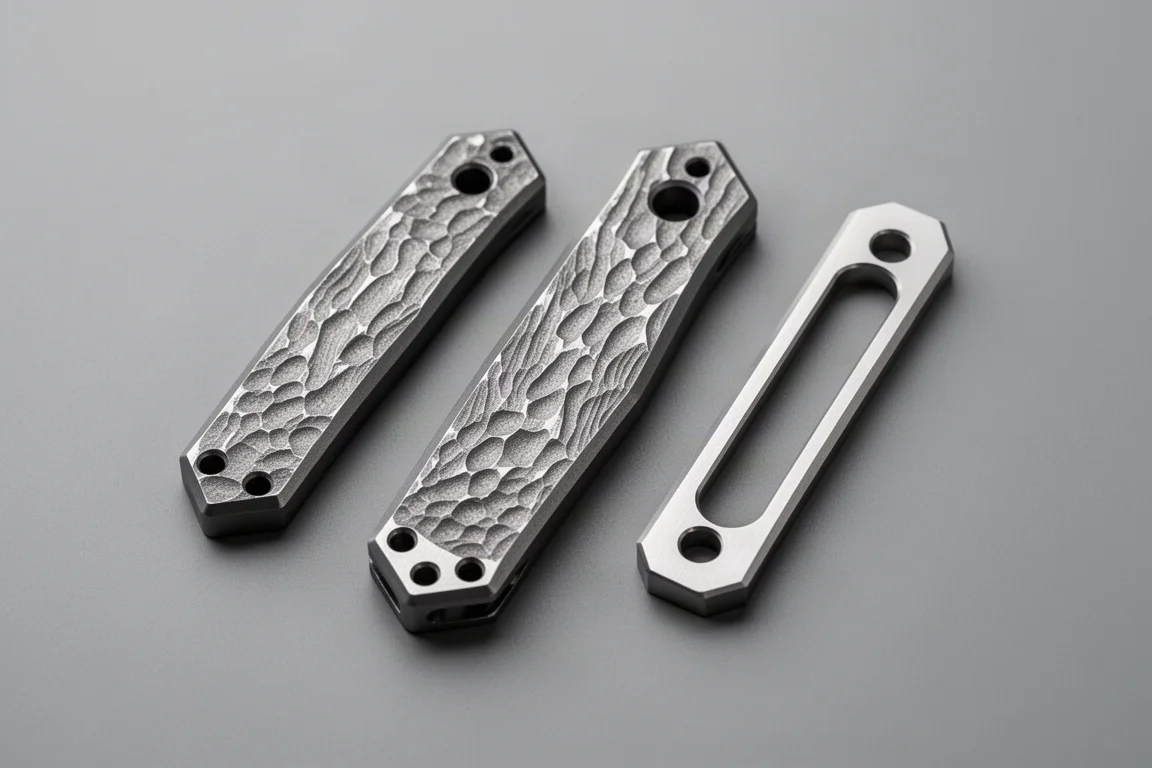
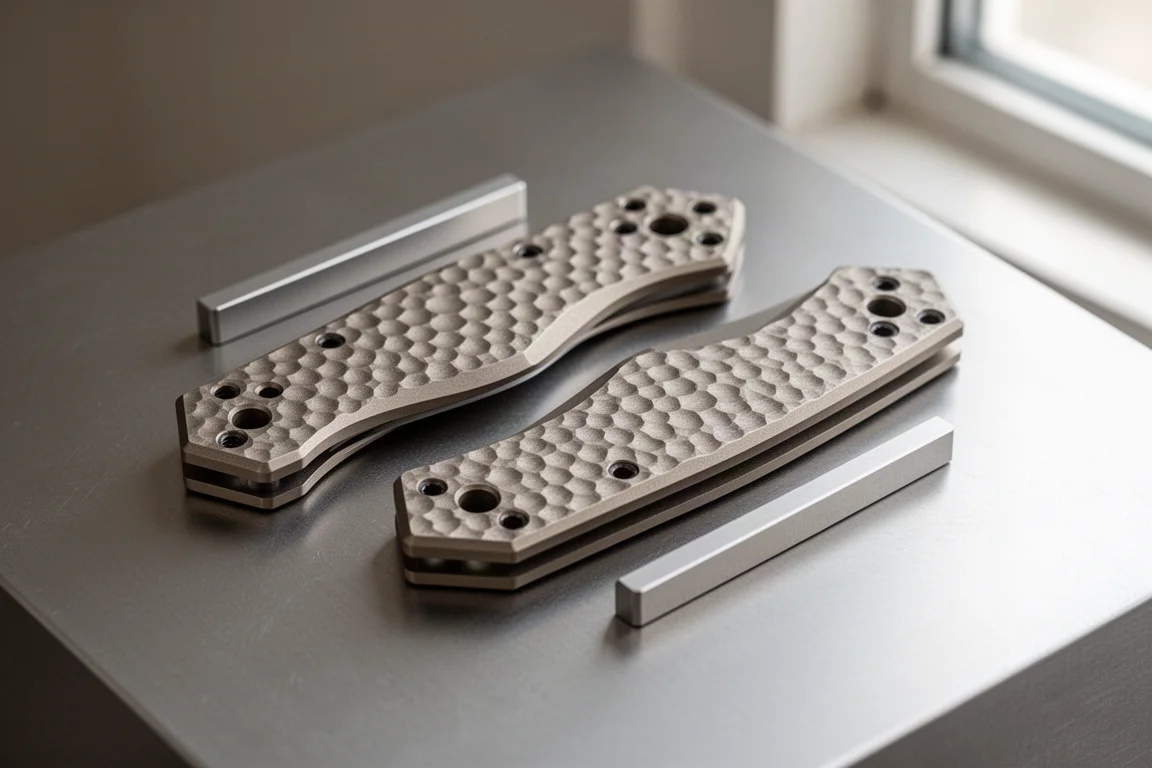
The FRN scales are the Deka’s one significant weakness: there is noticeable flex, especially at the back where there is no metal reinforcement. That is where Original Goat comes in. As far as we know, they are among the only makers producing aftermarket scales for the Deka, and their aluminum scales transform the knife.
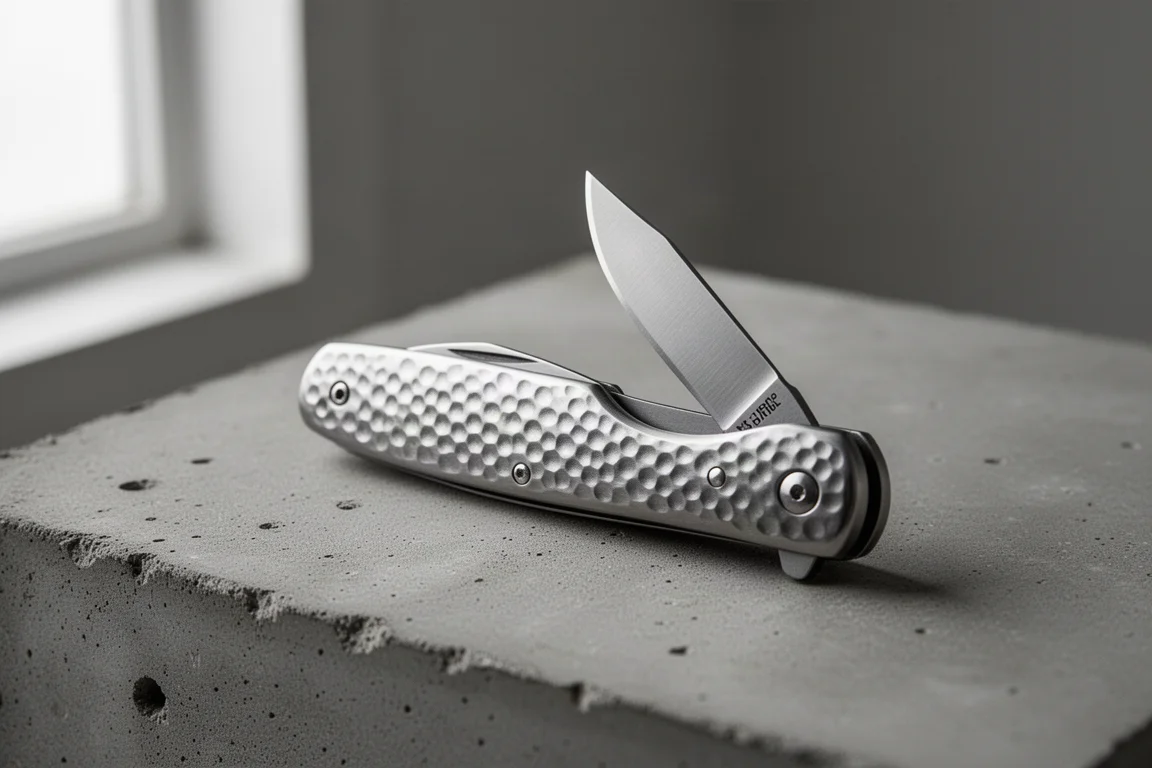
The machining quality is excellent, with a distinctive textured pattern on the faces and fully chamfered edges. The standout detail is the floating back spacer, which is genuinely beautiful and aligns perfectly along the back of the knife. Once installed, there is zero flex. The entire feel of the knife changes, taking it from very good to a completely different level.
Should You Buy the Scales Too?
The smart play is the one the value math already points toward: buy the less expensive FRN version of the Deka, then invest in a premium set of aftermarket scales. That combined setup performs at a level where you do not need to spend more anywhere else. For many owners, this combination ends up at the top of their collection.
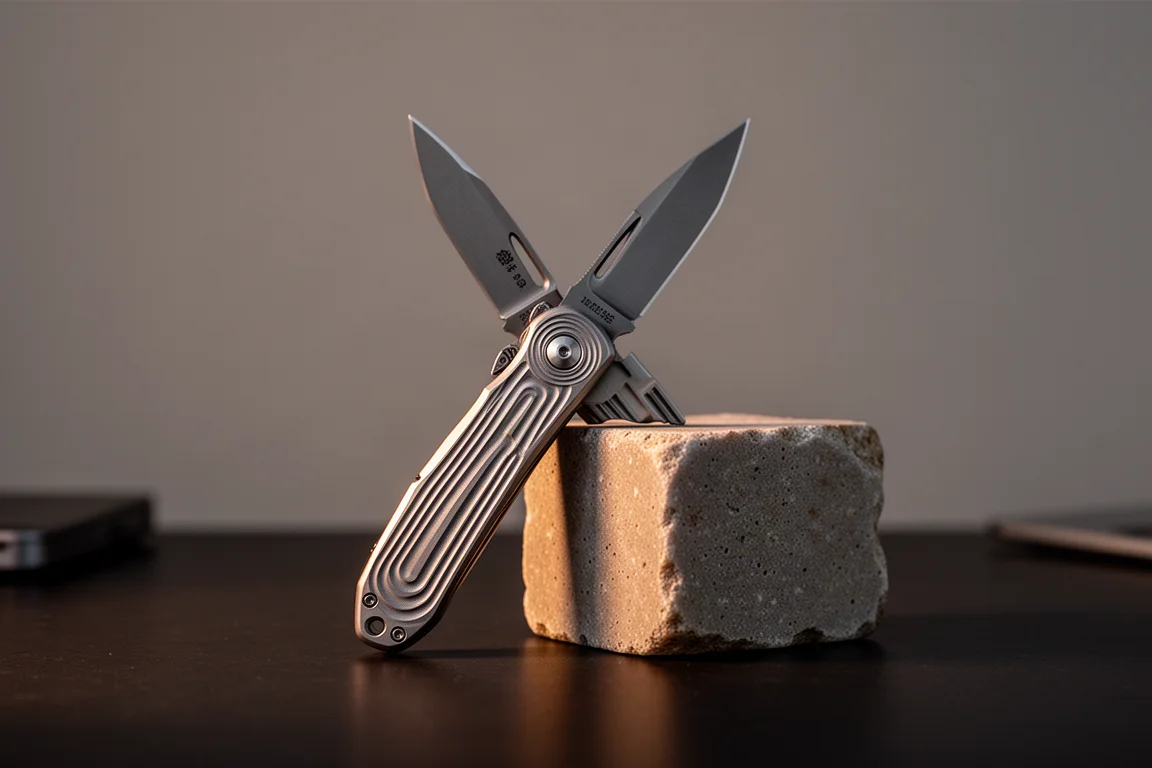
If you buy the Deka, seriously consider the upgrade. It takes the experience from amazing to about as close to perfect as an EDC knife gets.
Conclusion
The Hogue Deka in MagnaCut is a rare thing: a US-made, ambidextrous crossbar lock folder with a genuinely next-generation steel at a price that undercuts nearly everything in its class. The FRN scales flex, but Original Goat’s machined aluminum scales with a floating back spacer fix that completely. Buy the knife, add the scales, and you may well end up with the most satisfying EDC folder at this price point.
Further reading
Related Reviews
Everyday Carry Knives
CJRB Pyrite Review: The Popular Budget Folder Goes Fully Customizable
A closer look at the CJRB Pyrite folding knife, its Kickstarter configurations, materials from G10 to S90V, and who each version makes sense for.
Everyday Carry Knives
CJRB Pyrite Steel Review: A Sub-$60 Button Lock That Almost Gets Everything Right
A new steel-handle variant of the CJRB Pyrite brings powder metallurgy steel, a button lock, and excellent fit and finish under $60. Here's how it compares to the Pyrite XL, Elementum 2, and Vosteed Corgi.
Everyday Carry Knives
Concept Knives Main Street Review: A Budget-Priced EDC That Feels Premium
A 3.41-inch Dirk Pinkerton flipper with 154CM steel, green Micarta, and a crossbar lock. Strong fit and finish, one notable clip shortcoming.