Kitchen Knives
Hitohira Togashi Kasumi 240mm Kiritsuke Gyuto Review: Comfort Above All
A 240mm k-tip gyuto from a master Sakai blacksmith, with premium ebony fittings, a kasumi finish, and one trade-off worth knowing about before buying.
Introduction
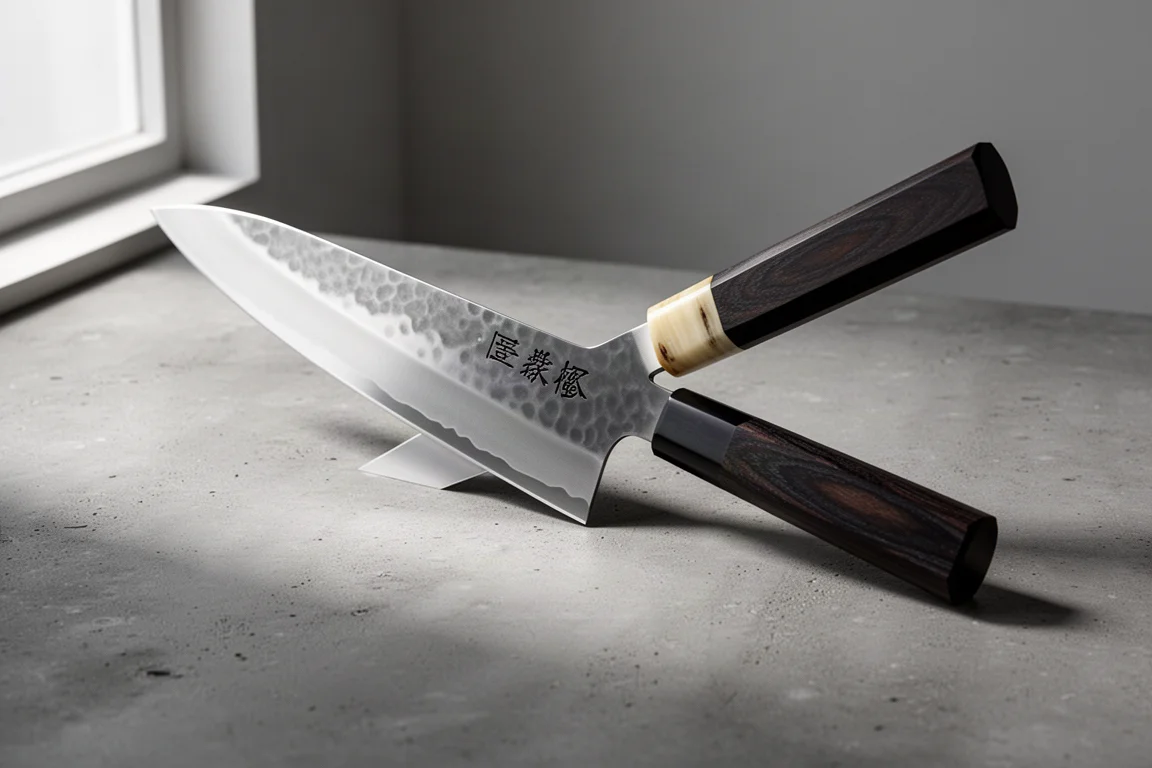
The Hitohira Togashi Kasumi 240mm Kiritsuke Gyuto is a premium Japanese chef knife built by Kenji Togashi, a master smith from Sakai renowned for his honyaki blades. Hitohira operates as a house brand, a master house that brings together the work of different blacksmiths, and this knife comes from the Togashi Kasumi line.
One detail worth noting upfront: Togashi holds the dento kugeishi accolade, the highest honor for Japanese craftspeople in Japan. When a smith of that caliber makes anything, even outside his signature honyaki work, that same level of skill carries through. The knife tested here came through a short hands-on window, with roughly 30 minutes of prep time across different produce, so this is an impressions-style review rather than a long-term report.
Who This Knife Is For
First, the naming. This is a kiritsuke gyuto, not a true kiritsuke. A traditional kiritsuke is single bevel with a flatter edge profile. This knife carries the k-tip shape and a similar profile, but it has more belly height and cuts more like a gyuto. That distinction matters if you have expectations about how a kiritsuke should behave.
As a 240mm blade, this knife suits cooks who want serious reach and a long, sweeping k-tip profile. The advertised 240mm translates to about 228mm of actual blade edge length. It also suits buyers who value fit and finish and craftsmanship pedigree as much as raw cutting performance, given the ebony and buffalo horn handle and the kasumi finish.
Main Strengths
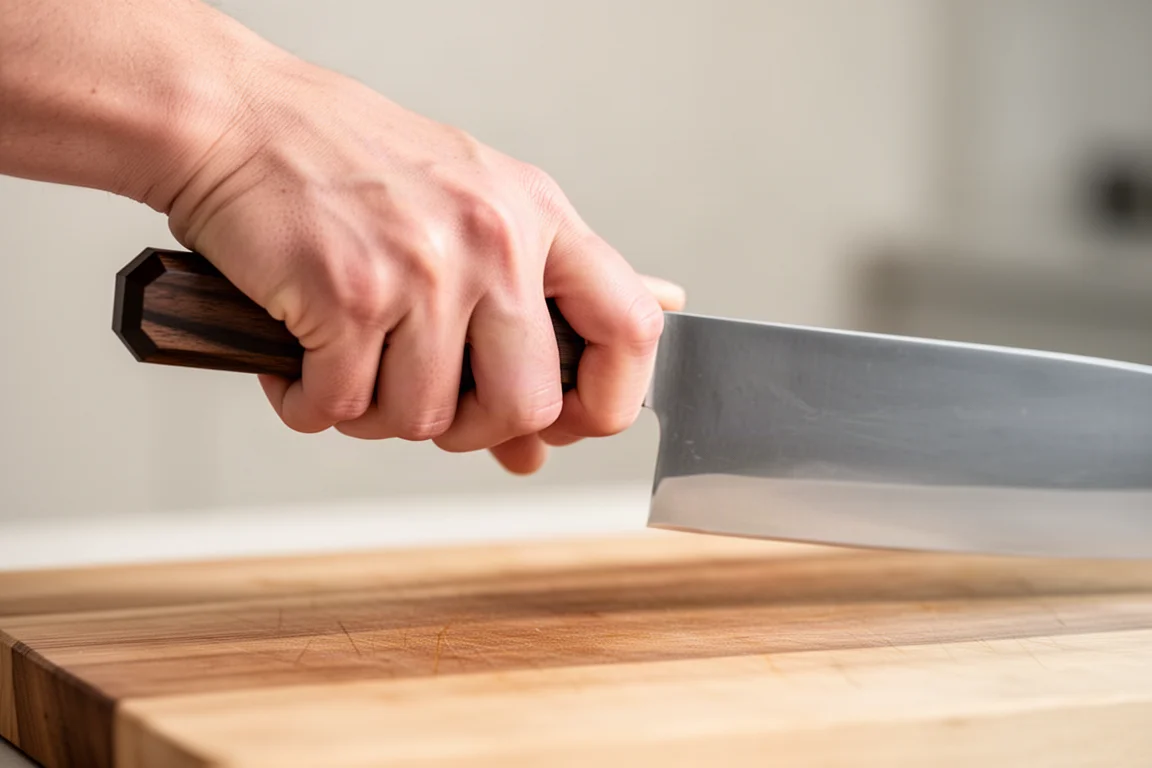
The single biggest takeaway from using this knife is comfort. The Togashi Kasumi is exceptionally comfortable in the hand, so much so that the forward-heavy balance never became a nuisance. It felt light and easy through a full range of produce.
The 240mm length, which intimidates many cooks, turned out to be less of a problem than expected. One tester who normally prefers knives around the 165mm range, and tops out around 210mm, found the 240 barely noticeable while cutting. It was heavier in hand than her usual knives, but not heavy enough to be a hindrance, and it cut through everything very nicely.
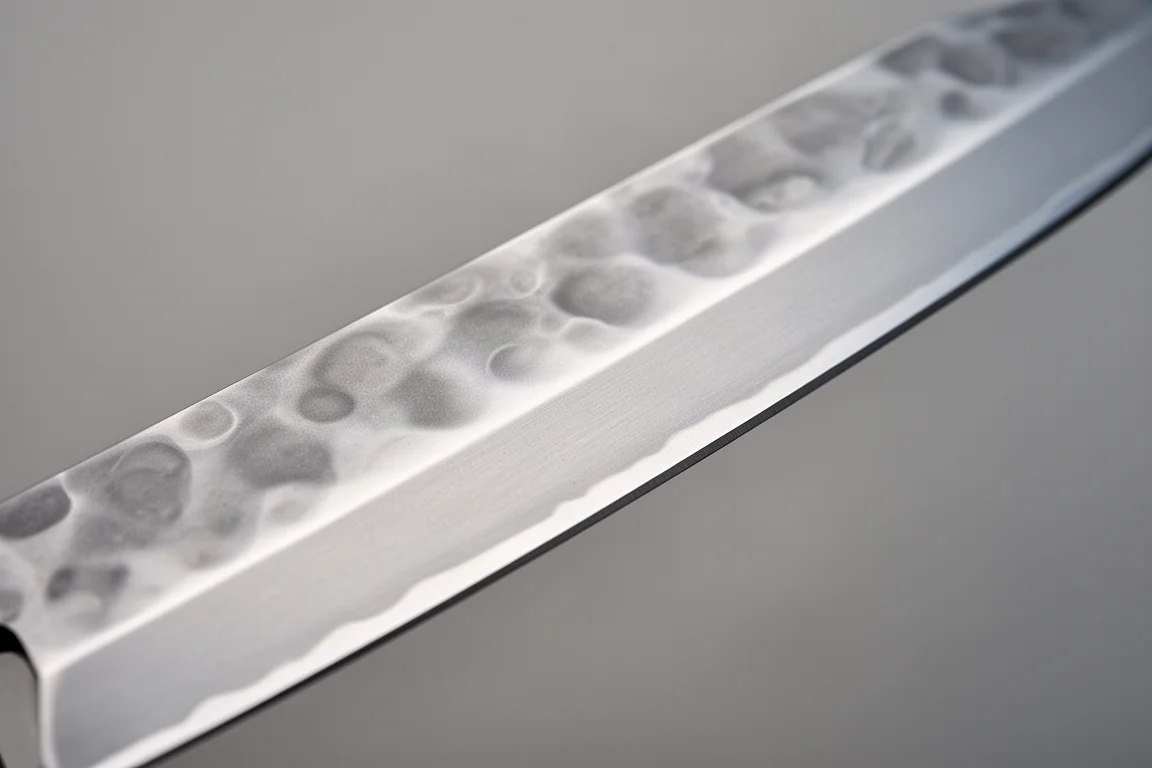
The fit and finish is premium throughout. The ebony and buffalo horn handle is very nicely finished, and the kasumi finish is genuinely beautiful. For anyone drawn to k-tip profiles, the shape alone has strong visual appeal.
Things to Consider Before Buying
The most obvious pitfall is price. At 875 Australian dollars, roughly 750 Canadian dollars at the time of testing, this is not a knife for everyone. It is expensive, even with the master blacksmith pedigree behind it.
The edge also felt a little brittle, a bit like a Fujiwara Denka in character. On a large wood cutting board, with edge resiliency maximized, the concern was less about performance and more about confidence. The natural instinct after this brief experience is to add a small micro bevel for insurance, purely because of how the edge feels.
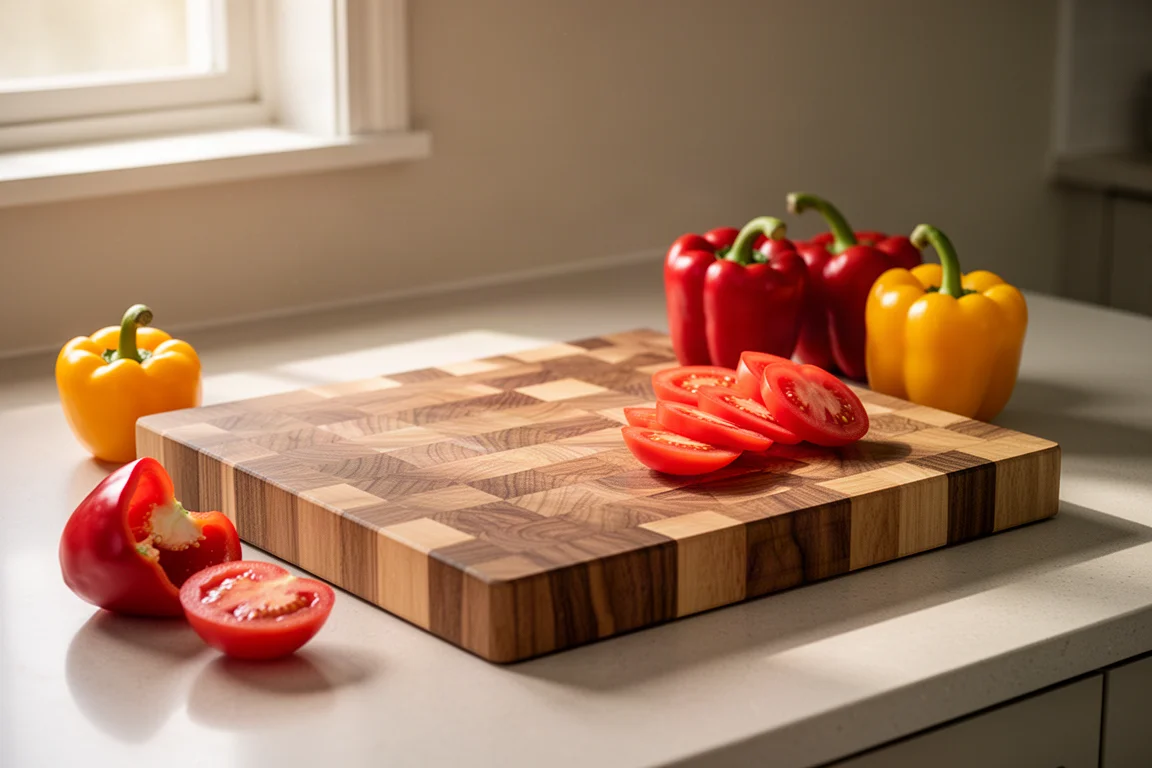
Performance had one notable soft spot: the classic turgid cherry tomato test. A cherry tomato with tight, taut skin needs a bit of bite on the edge, and this edge did not have it out of the box. A different finishing edge, such as a stoned edge on a finer stone, would likely solve that. It is a knife-character issue, not a flaw in the blade itself.
The knife is also not ultra reactive, which is a plus, and the shinogi line sits quite high. That allows a spine that is not razor thin, with more travel along the flat bevel before the blade tapers to a needle point at the tip.
Buying Advice
Before you commit, think about which knife properties matter most to you: how it looks, how it feels in hand, comfort, performance, edge resiliency, edge resistance, and corrosion resistance. This knife scores highest on comfort, fit and finish, and overall enjoyment, and carries some hesitation purely around edge confidence.
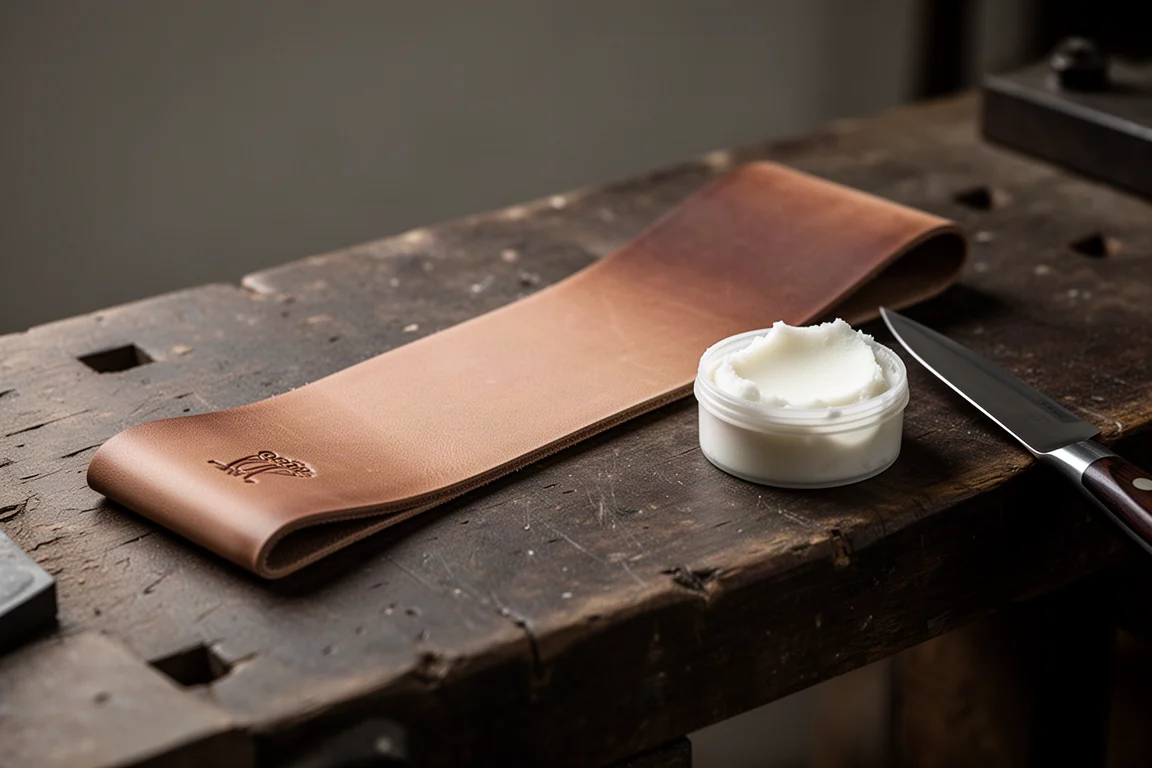
Check the knife carefully when it arrives for any microchips, and consider a quick touch-up on leather with a fine compound to make sure the edge is as straight as possible. If you decide to buy, plan to experiment with your finishing edge to get the bite you prefer on delicate produce.
Conclusion
The Hitohira Togashi Kasumi 240mm Kiritsuke Gyuto is a joy to use: deeply comfortable, beautifully finished, and more manageable than its 240mm length suggests. The price and the slightly brittle edge feel are the two things to weigh carefully, but for buyers who value master craftsmanship and in-hand comfort above all, this is a very easy knife to love.
Product link
View more details for Hitohira Togashi Kasumi 240mm Kiritsuke Gyuto
This product is mentioned in the review. Check the specifications, options, and compatibility before buying.
View more details for Hitohira Togashi Kasumi 240mm Kiritsuke GyutoFurther reading
Related Reviews

Kitchen Knives
Best Chef's Knives 2026: 27 Popular Options Tested and Ranked
A comprehensive review of 27 chef's knives ranging from $18 to $380, with honest assessments of handle comfort, blade balance, and real-world performance.

Kitchen Knives
Best Chef's Knives Under $75: Two Tested Recommendations
Two practical 8-inch chef's knives that balance sharpness, comfort, and durability without premium pricing.

Kitchen Knives
Best Chef's Knives 2026: 27 Options Tested and Ranked
A comprehensive review of 27 chef's knives ranging from $18 to $380, with honest assessments of handle design, balance, blade profile, and real-world performance.