Power Tools
Hilti Nuron Impact Wrenches Tested: SIW 6-22 and SIW 8-22 vs the Competition
The new Hilti Nuron mid-torque and high-torque impact wrenches go head to head with Milwaukee, Ryobi and Ridgid in torque testing.
Introduction
Hilti’s new Nuron line is the company’s biggest cordless refresh in years, and two of its first impact wrenches, the SIW 6-22 mid-torque and SIW 8-22 high-torque, are finally on the test bench. The question is simple: does all the new styling, battery tech and cloud connectivity translate into real performance gains, or is this a line designed mainly to impress procurement departments?
The short answer after testing: performance is genuinely strong, especially from the high-torque model, but the batteries are bulky and the prices are not cheap. Here is how everything stacked up.
The New Hilti Nuron Platform
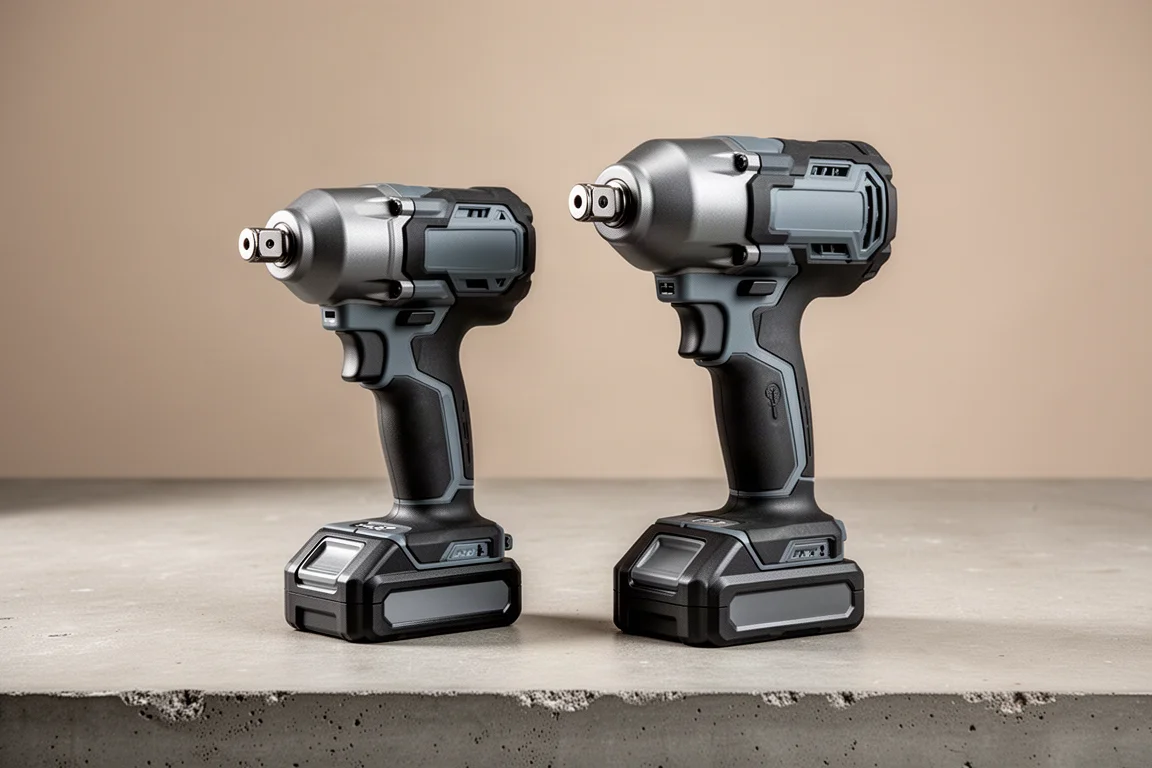
The SIW 6-22 is a 7.2 inch long mid-torque impact wrench set to be priced at $284. That makes it noticeably longer than the shortest mid-torque on the market, the 6 inch Milwaukee 2962, but well within the wheelhouse of modern brushless mid-torques like the equally long 7.2 inch Ryobi P262.
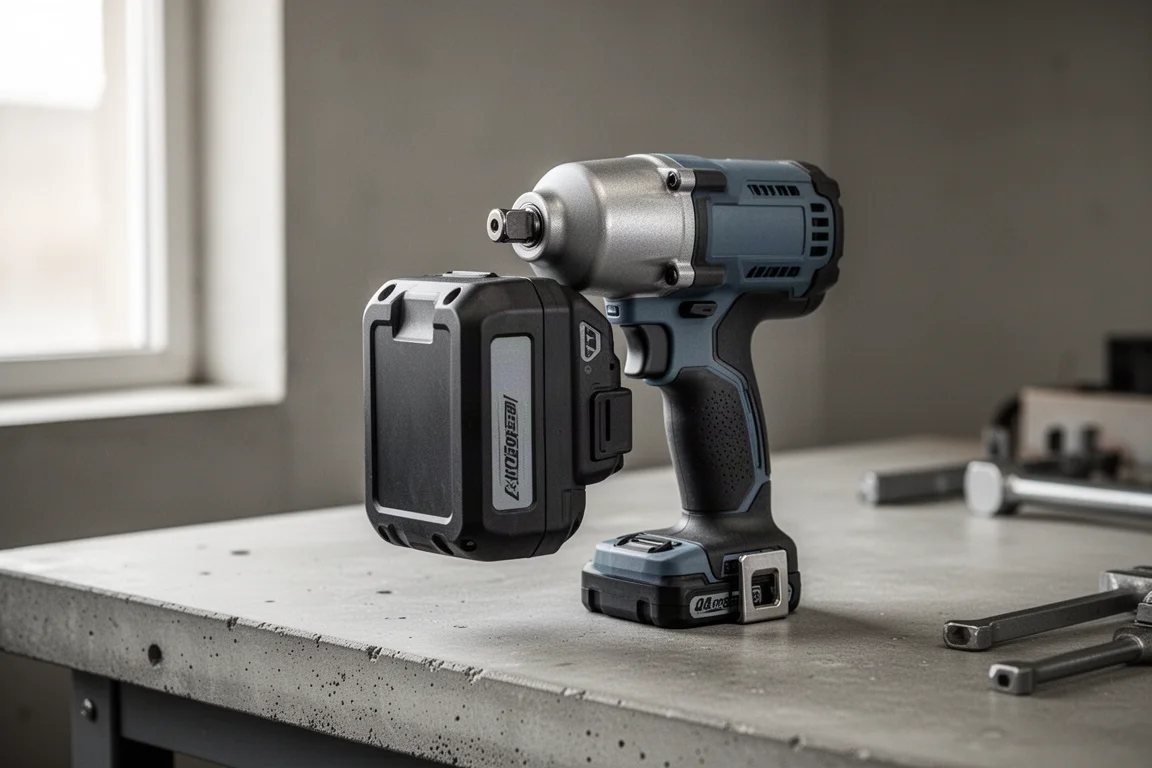
Styling has changed noticeably too. Hilti’s older cordless tools were among the last with smooth, understated contours; the Nuron line is edgier, and the new battery sticks off the tool like a misplaced tetris block. The 4 amp hour pack uses 21700 cells, one more cell than the equivalent Milwaukee pack, and wraps each cell in its own housing for heat and impact protection, with an additional nylon exoskeleton and bumpers.
Battery tech and communication are a large part of what Nuron is about: battery status and health displays, contact and wiring quality monitoring, and uploading battery, tool and usage data to the cloud when charging for job site equipment management. That is clearly tailored for corporate-level fleet management, but for the average user it adds up to a stable yet fairly chunky package to carry around all day.
How the Tests Were Run
Three test series were used: a 5-second forward working torque test, a 10-second max reverse torque test, and a 15-second “best case scenario” run in each tool’s preferred direction. Larger batteries were also strapped on afterwards to see whether extra amperage moved the needle.
One detail worth noting on both new Hilti tools: the trigger squeeze is rather light and travels quite a bit before operating. You get used to it, but it is a different feel from most competitors.
Hilti SIW 6-22 Mid Torque
In forward working torque, the new SIW 6-22 managed 274 foot-pounds, essentially in line with its predecessor’s rating and slightly ahead of the old SIW 22T-A’s 273, though the Ryobi P262 matched the Milwaukee 2962 in that same test.
Where the 6-22 shows its character is in reverse. Its max reverse torque of 382 foot-pounds knocks on the door of the Milwaukee’s 385 and clearly outpaces the Ryobi’s 385-range result curve, meaning this model likes reverse more than forward. In the best case scenario run it hit 432 foot-pounds, well up on the previous generation and close to the Milwaukee.
On the overall rank chart it totalled 290.8 points: certainly better than a Craftsman mid-torque, making P262-type power for more money, but likely to deliver that power consistently and last longer. It is pricey in a Makita 18-volt way rather than a 40-volt Makita way. It is a solid, honest tool, just not a standout in forward work despite the previous generation being built for driving construction anchors.
Hilti SIW 22T-A: The Predecessor
The outgoing SIW 22T-A is also made in China and also 22-volt, but it cannot use the new Nuron battery platform, which is a sore point for anyone who has already invested in Hilti batteries and chargers. It is rated for the same 332 foot-pounds as the new smaller model, but it is much bigger.
In testing it put up 273 foot-pounds in forward working torque and 337 in max reverse, with the new 6-22 essentially matching or edging it despite being smaller. If you already own 22T-class batteries, the old model remains a sensible tool; if you are starting fresh, the new platform is the clear performance step up.
Milwaukee 2962: The Compact Benchmark
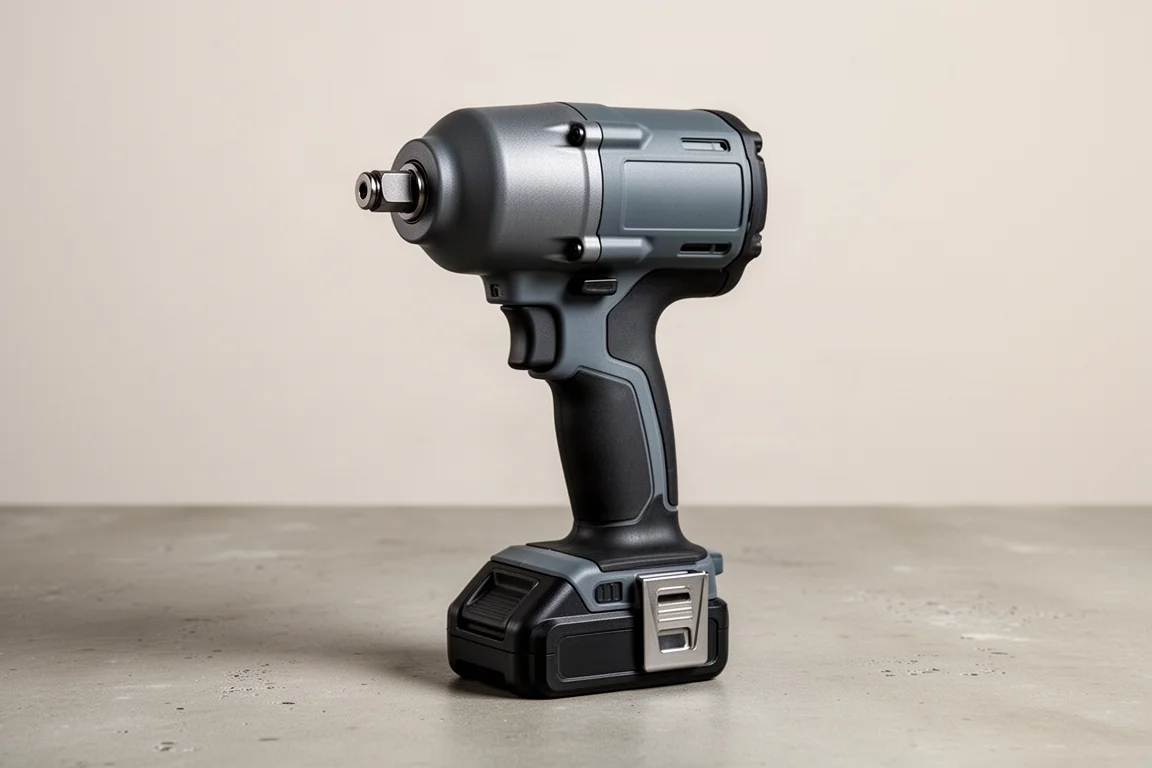
At 6 inches long, the Milwaukee 2962 remains the shortest mid-torque half-inch impact on the market. In testing it posted 370 to 385 foot-pounds in forward and reverse tests, with plenty of area under the curve and strong, consistent runs.
It is the benchmark the new Hilti had to beat, and the 6-22 gets close in reverse without quite matching Milwaukee’s overall curve. If compact size and proven consistency matter most, the 2962 remains a very safe pick.
Ryobi P262: The Budget Wildcard
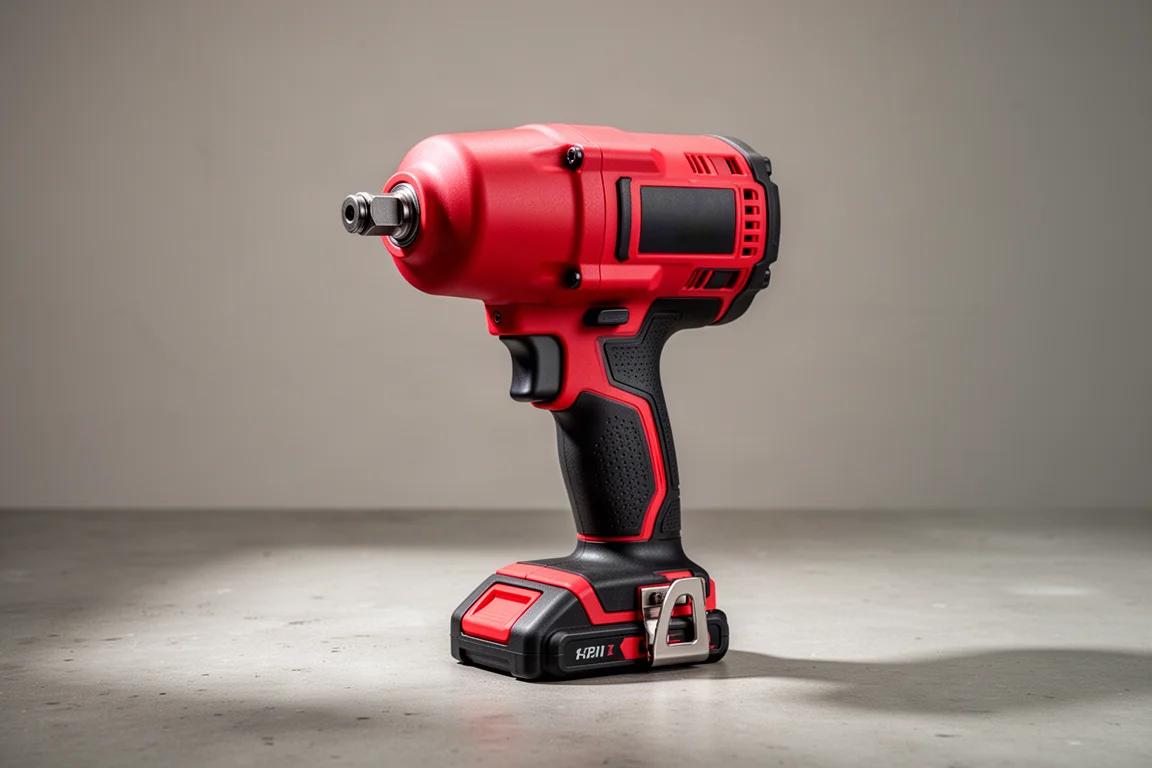
The Ryobi P262 is the same 7.2 inch length as the new Hilti mid-torque and, in past experience, powerful for its class. In the forward test it was able to match the Milwaukee, and it earned solid points for its length and price position.
The caveat is consistency: during the best case scenario runs it was erratic and inconsistent, though the Hilti eventually outpaced it. It lives in a different price area code from the $284 Hilti, and for budget-focused buyers it still delivers serious power per dollar.
Hilti SIW 8-22: A Compact High Torque Contender
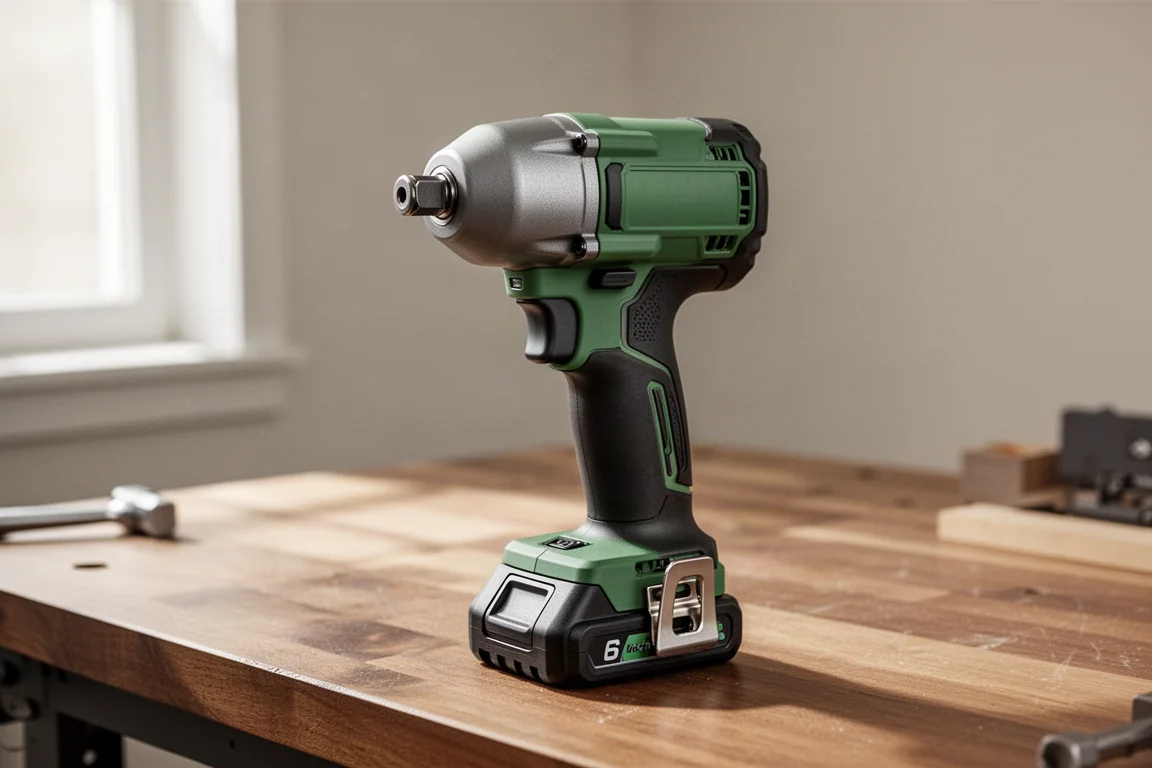
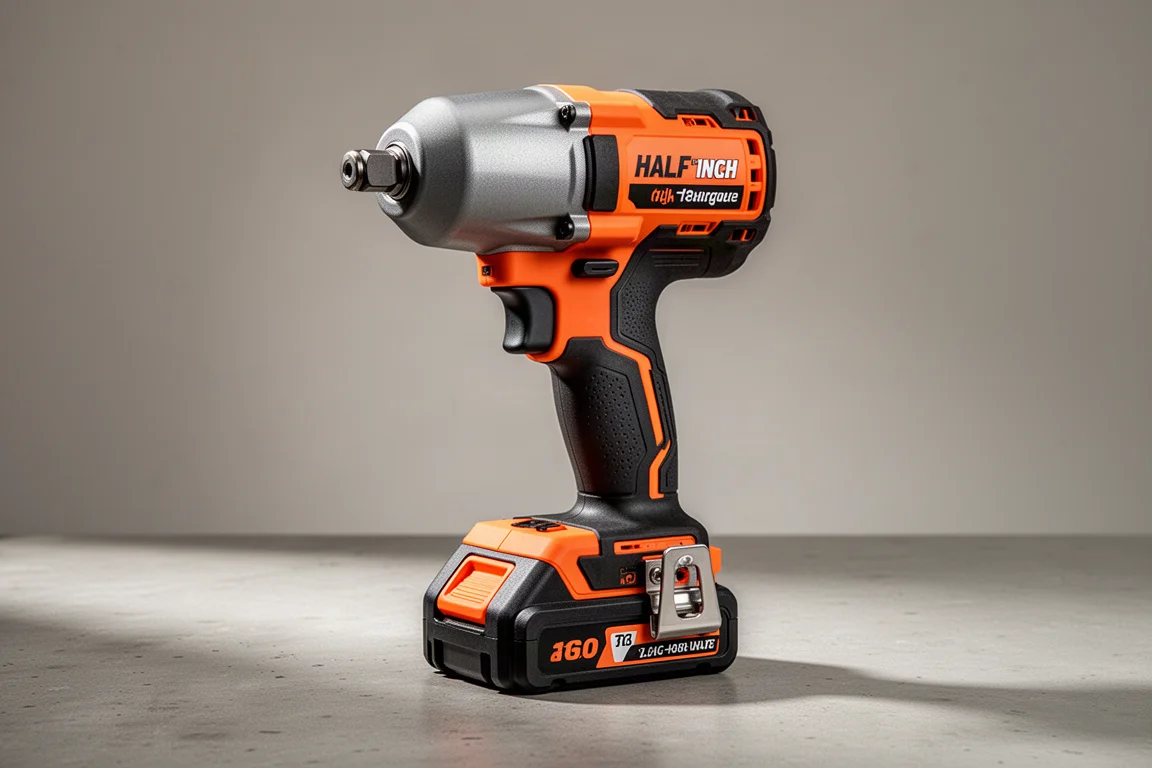
Unlike Hilti’s mid-torque, which is larger than most of the competition, the new SIW 8-22 high-torque is tied for the shortest high-torque cordless ever tested at 8.1 inches long, and it comes in just half a pound lighter than Milwaukee’s offering. Its advertised number is a comparatively modest 738 foot-pounds versus the Milwaukee’s 1,000 to 1,400 class claims, but Hilti’s numbers have historically been honest.
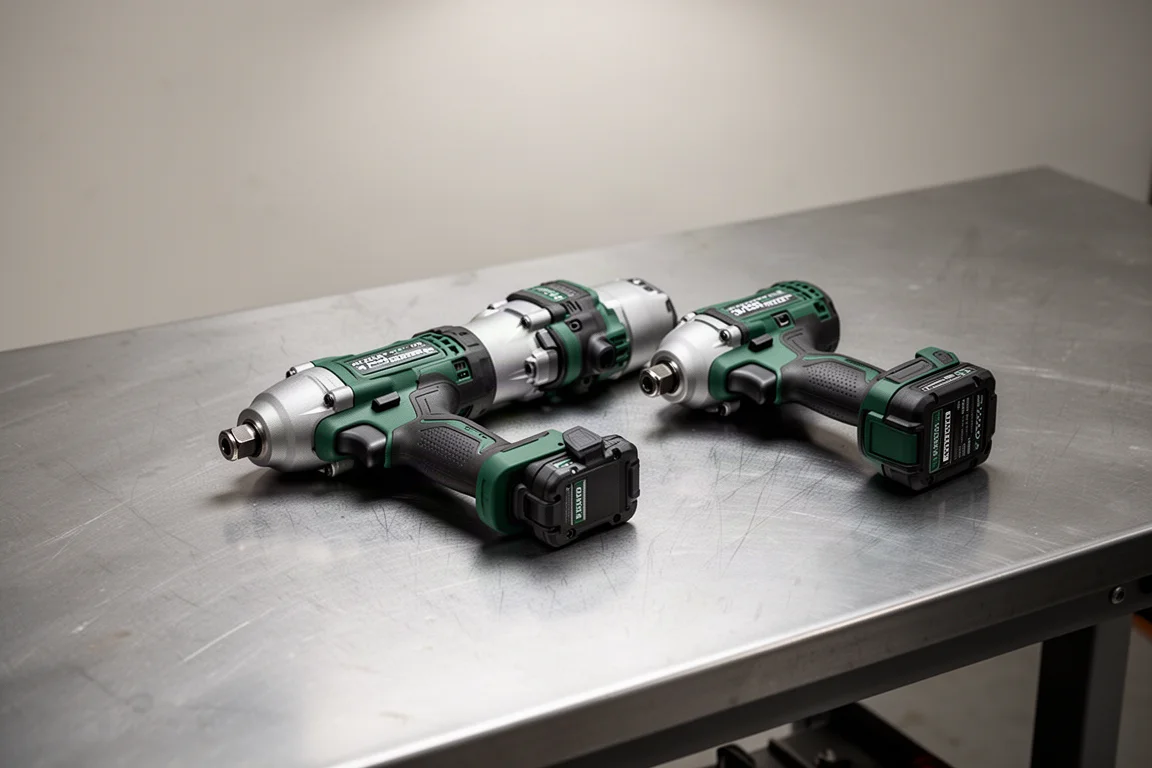
In forward working torque it scored 560 foot-pounds from that smaller package, a strong start. In the max reverse test it put up 718 to 738, a tight 10 foot-pound spread with the curve still looking healthy at the end, essentially matching the Milwaukee 2767 on the curve.
The best case scenario is where things got spicy: 790 foot-pounds, outpacing the Milwaukee 2767 and matching the Ridgid Octane at peak, even though the Ridgid is larger at 8.8 inches. With points tallied at 56, 72 and 79 for power plus a huge 97.5 for its compact length, it totalled 440 points, shooting into fifth place overall and only third among all cordless tools, pushing down the Bosch ProFactor that required an 8 amp hour battery. There is definitely some European modesty going on with that 738 rating. And with larger batteries, its 630 foot-pounds per second average across the run edged out even the Milwaukee with a 12 amp hour pack, putting the two on essentially equal footing, one cheaper and older, the other shorter and newer.
Milwaukee 2767: The Established Heavyweight
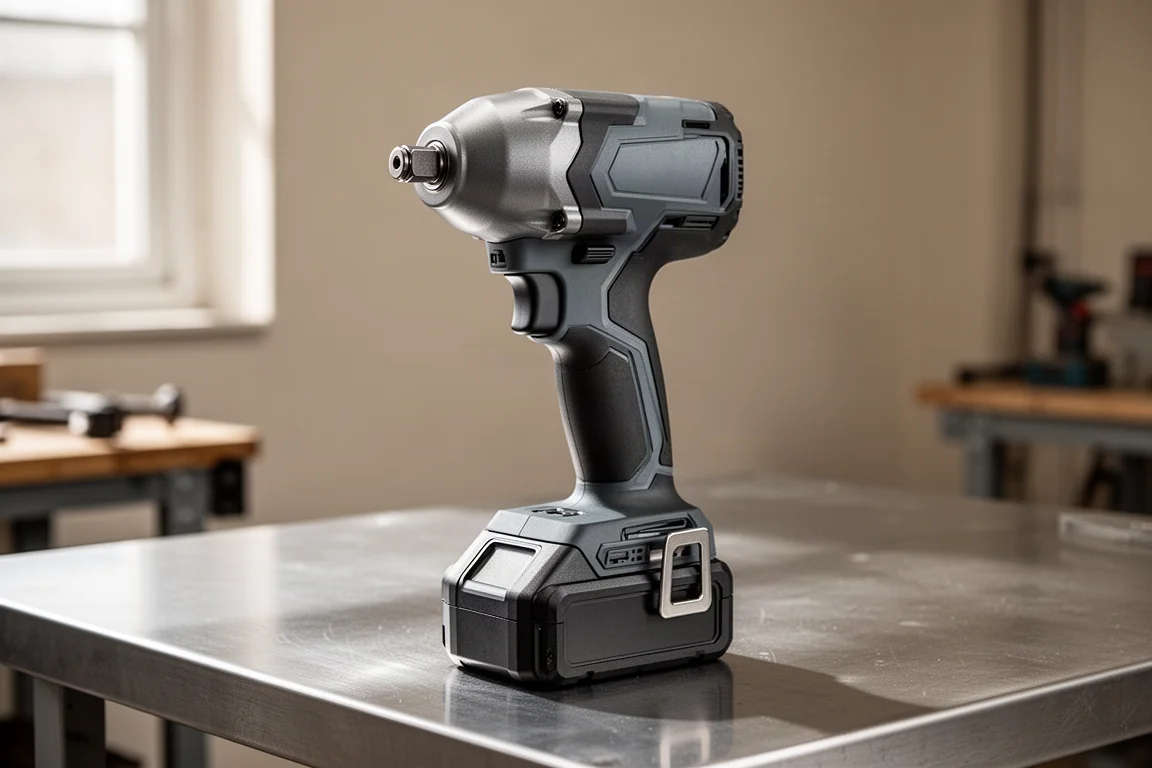
The Milwaukee 2767 high-torque remains the reference point in this class. In head-to-head testing it ran within 10 foot-pounds of the Ridgid Octane with plenty of gains on the curve, and it matched the new Hilti almost blow for blow in reverse.
With a 12 amp hour battery it averaged 834 foot-pounds per second range results, which the new Hilti matched at 801 with its own pack. The Milwaukee is the cheaper and older tool of the two, and it is still a fully competitive choice.
Ridgid Octane: The Retail Power King
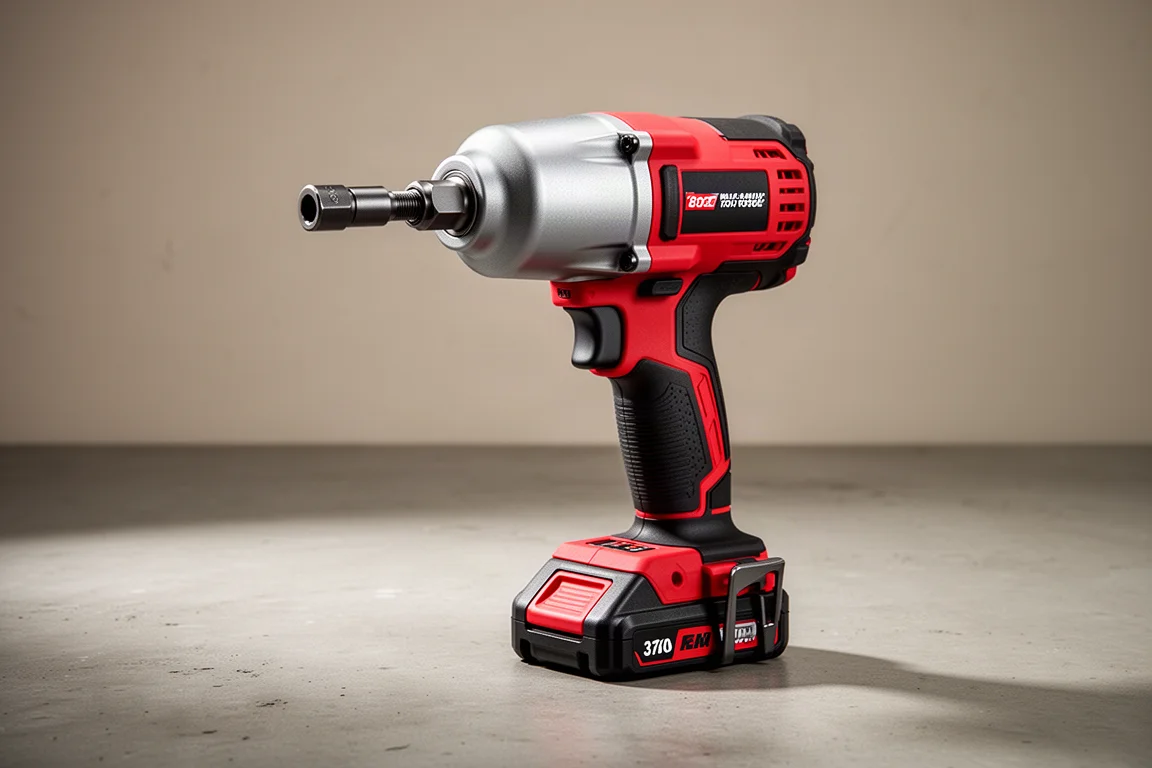
The Ridgid Octane high-torque is described as the most powerful half-inch impact sold in a retail setting. At 8.8 inches long it is bigger than both the Milwaukee and the new Hilti, and it backed that size up with 834 foot-pounds using its largest 9 amp hour battery, narrowly beating the Hilti’s 801 and the Milwaukee’s HD 12.0 run.
It was running in its slightly preferred forward direction for those numbers too. If raw retail-available power is the priority and size is not a concern, the Octane remains the one to beat.
The Battery Question
The 8 amp hour Nuron pack is very shipping container-esque, and it is hard to imagine using it on a smaller tool like a drill; it is presumably meant to pair with larger equipment. The mid-torque showed an unusual result with bigger batteries: its 432 foot-pound best case run became exactly 432 again with a larger pack, repeated multiple times. The brushless motor appears to already get everything it wants from the 4 amp hour pack.
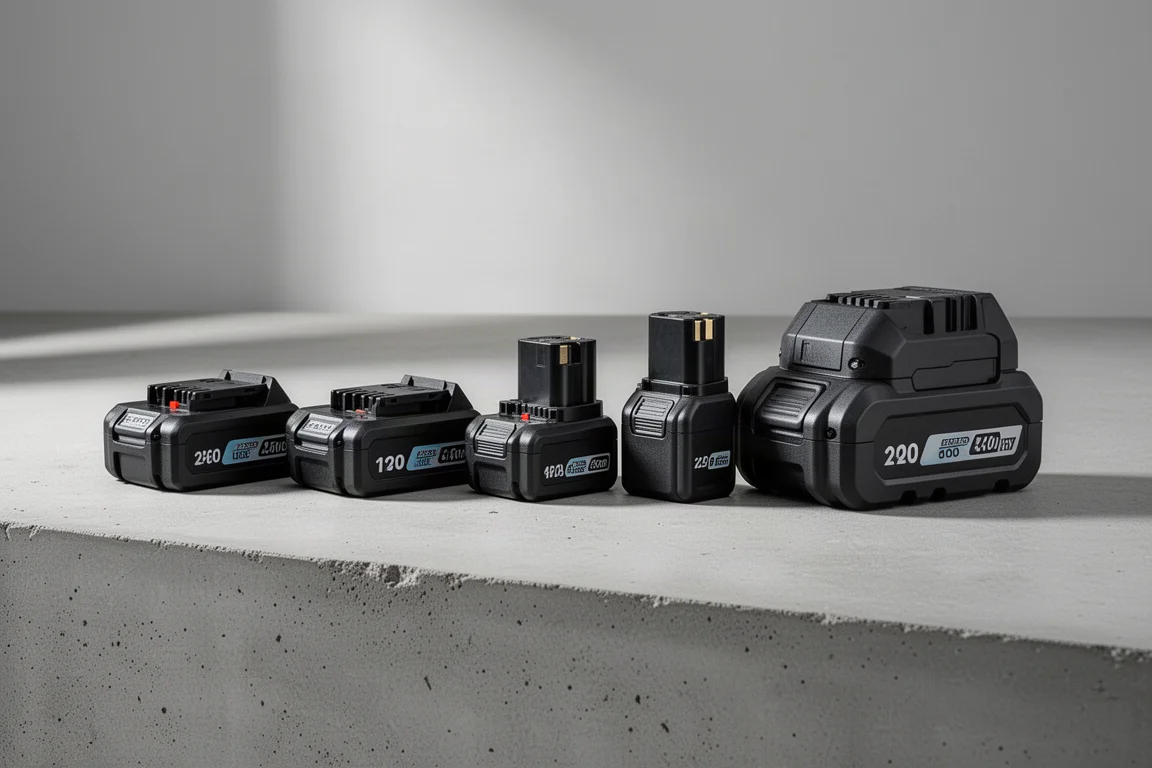
For the high-torque, larger batteries did matter, and that is where the SIW 8-22’s average output climbed to parity with Milwaukee’s best. The overall verdict on the platform: large, cumbersome batteries that fit the tools about as seamlessly as you might fear, plus cloud data integration that a boss’s boss might love but that does little for individual users, and performance that is a huge step over the previous generation.
Buying Advice
If you want the most compact high-torque impact wrench with genuinely top-tier output, the SIW 8-22 at $334 is the disruptor here, ranking third among all cordless tools tested and beating tools with far more aggressive advertised numbers. If you want a proven, cheaper high-torque workhorse, the Milwaukee 2767 is still fully competitive. For raw retail power and size is no object, the Ridgid Octane leads.
At mid-torque, the SIW 6-22 makes P262-level power for more money, but with better expected consistency and Hilti’s durability reputation and massive warranty backing. Budget buyers should look hard at the Ryobi P262, and fans of compact tools should keep the Milwaukee 2962 on the shortlist.
Conclusion
The Nuron line puts Hilti firmly back on the map in the conversation about who makes the top cordless impact wrenches, ignoring even its massive warranty terms and reputation for durability. The mid-torque is good rather than great, the high-torque is genuinely excellent for its size, and anytime the established brands get put on notice, buyers win as everyone is pushed to advance further.
Further reading
Related Reviews
Power Tools
Best 1-Inch Pistol Impact Wrenches: Three Heavy-Duty Options Compared
We compare three 1-inch pistol impact wrenches, from a budget-friendly Harbor Freight model to a premium Caterpillar unit, to help you choose the right one.
Power Tools
Best 3/4-Inch Impact Wrenches 2026: Five Contenders Compared
We compare five 3/4-inch impact wrenches across price and performance, from a budget Amazon option to Snap-on's most powerful model yet.
Power Tools
Best Budget Cordless Tools 2026: Walmart Finds That Punch Above Their Price
We tested five cordless tools from Walmart, including a high-torque impact wrench that trades blows with Milwaukee and a $35 duster that outperforms its price class.