Power Tools
Hikoki WH18DBD2 Hydraulic Impact Driver Review: The Quietest Way to Drive Screws
A closer look at Hikoki's second-generation 18V hydraulic impact driver, tested head to head against the Triple Hammer, DeWalt hydraulic and Makita 173.
Introduction
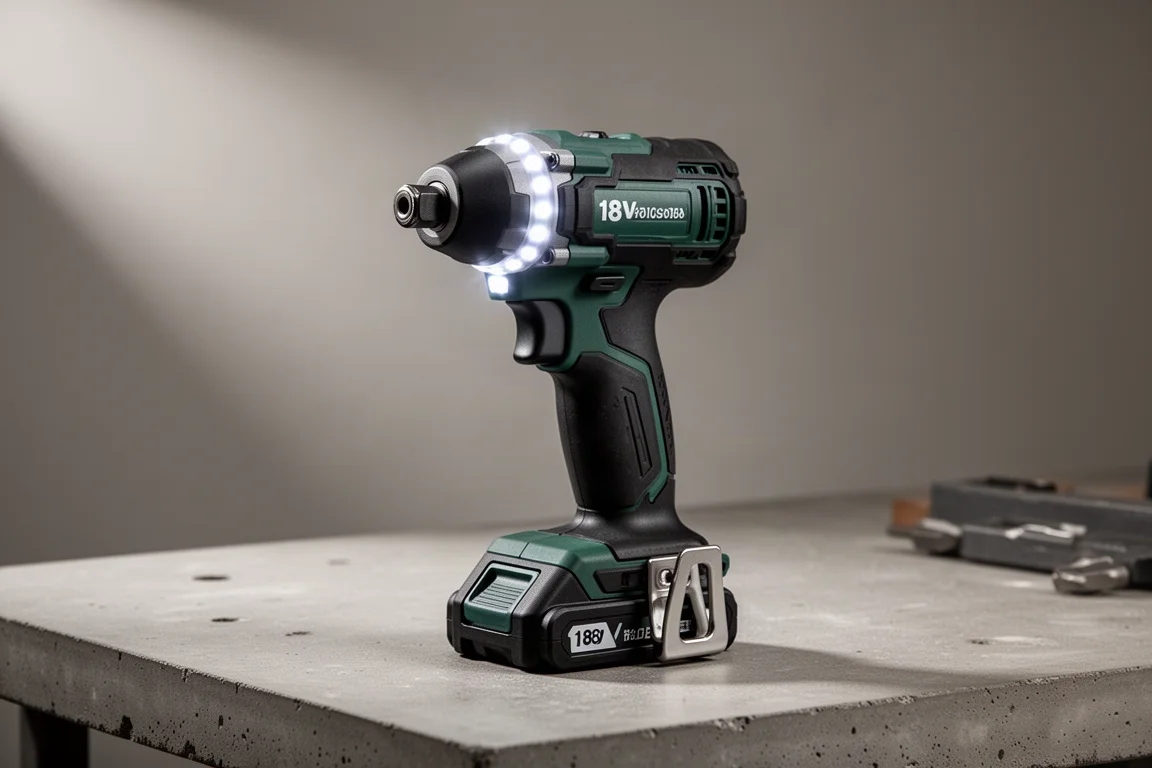
Hydraulic impact drivers are still a rare breed. Makita pioneered the oil impulse mechanism years ago, Milwaukee followed, and DeWalt only recently launched its first. Hikoki, the same company sold as Metabo HPT in the United States, is now one of the few brands offering a second-generation hydraulic model: the WH18DBD2, an 18V impact driver built around quietness rather than raw numbers on a spec sheet.
This review puts it up against Hikoki’s own Triple Hammer drivers, the newer 36V Triple Hammer and the previous-generation WH36DC, plus a standard-impact Makita 173 for reference sound and the recent DeWalt hydraulic for a direct hydraulic versus hydraulic comparison. The short version: the WH18DBD2 is quiet, controlled and pleasant to use on small and medium screws, but it gives up power, speed and heat management to get there.
What You Get with the WH18DBD2
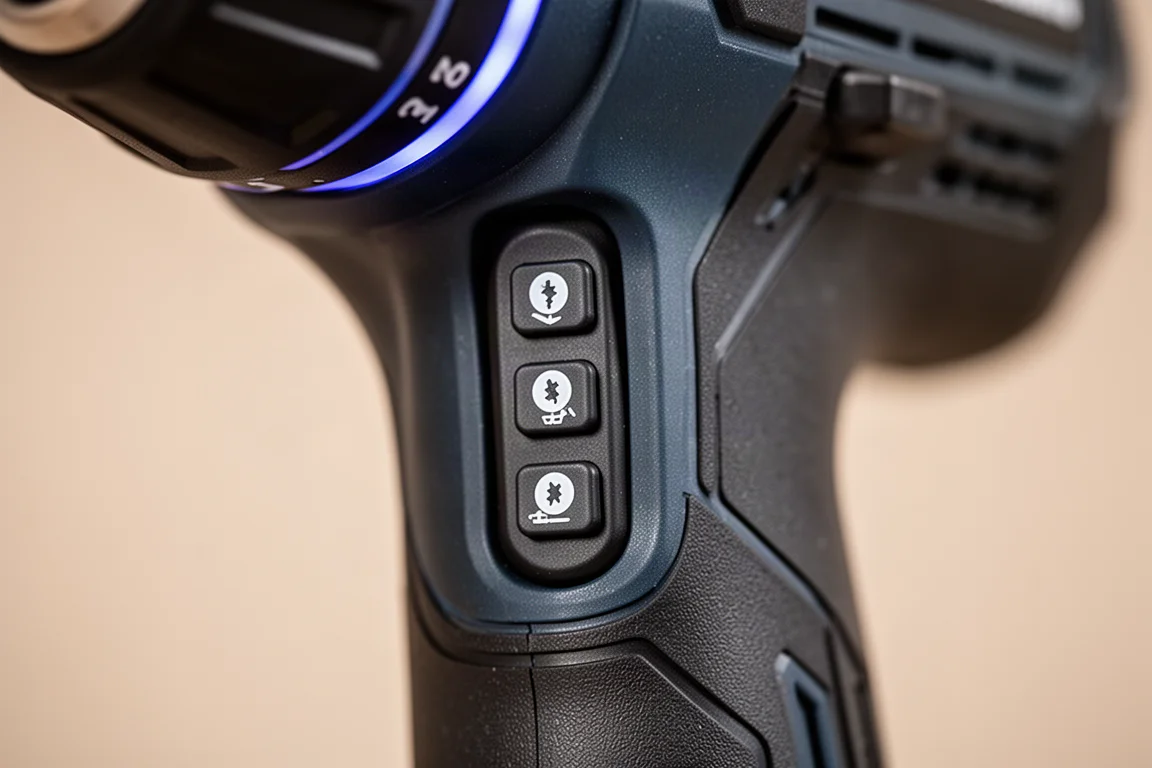
On the bench, the WH18DBD2 weighs about 980g with its belt hook attached, roughly 100g more than the previous-generation WH36DC Triple Hammer it was compared against directly. Tail to tip it measures around 128mm, a touch over 5 inches, while the Triple Hammer is shorter at about 115mm. Width is basically the same, and both carry three front-facing LEDs and similar side control panels with four screw-mode icons.
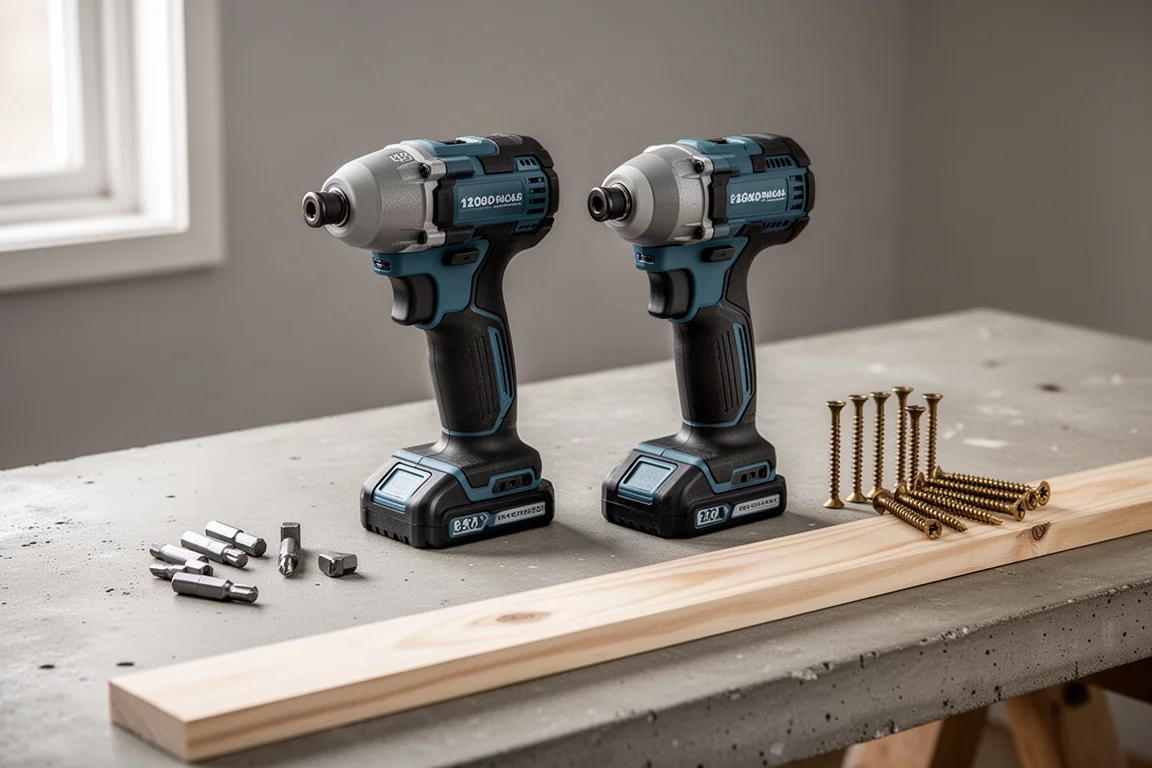
The Triple Hammer adds one extra trick on that panel: Bluetooth. With a compatible Hikoki Bluetooth battery, torque settings can be adjusted through a phone app. That feature is not available on the hydraulic model. Both drivers carry an IP56 rating for dust and water resistance, though the brand does not back the rating with a guarantee and still advises keeping the tools dry, and the batteries themselves are not IP56 rated. The spec numbers also tell the story: the Triple Hammer claims 3,700 rpm, 4,100 ipm and 215 Nm of max tightening torque, while the hydraulic lists 2,800 rpm, 2,900 ipm and just 33 Nm. That last figure looks alarming, but hydraulic mechanisms deliver force differently: instead of one sharp hammer peak, the oil cushion spreads the energy into a smoother, more controlled wave.
Sound Test: Where It Really Shines
Side by side with a Makita 173, which sounds like a conventional two-hammer impact driver, and the Triple Hammer, which has its own unusual three-hammer tone, the difference is immediate. The Makita is loud enough that ear muffs make sense for sustained work. The Triple Hammer is, if anything, more punishing at full whack.
The WH18DBD2 is in a different league. Driving screws bare-eared, it stays quiet enough to hold a conversation over, and removing screws without ear protection is entirely comfortable. Hikoki claims it is the quietest impact driver in its class, and it is plausible, especially against other 18V conventional drivers. Working through the lower speed settings, it stays remarkably hushed even as the screw tightens. The tech-screw style mode also behaves well: it drives fast through the first sheet of metal, then slows right down as resistance changes, protecting thin material from stripped screws.
Driving Big Screws: The Trade-off
This is where the quietness is paid for. Running a ladder of structural screws from 75mm up to 250mm, the WH18DBD2 manages all of them, but it clearly strains beyond expectations around the 125mm mark. The 4-inch screws go in acceptably, though the heads sit proud of the surface rather than sinking flush, and the motor needs a rest afterwards.
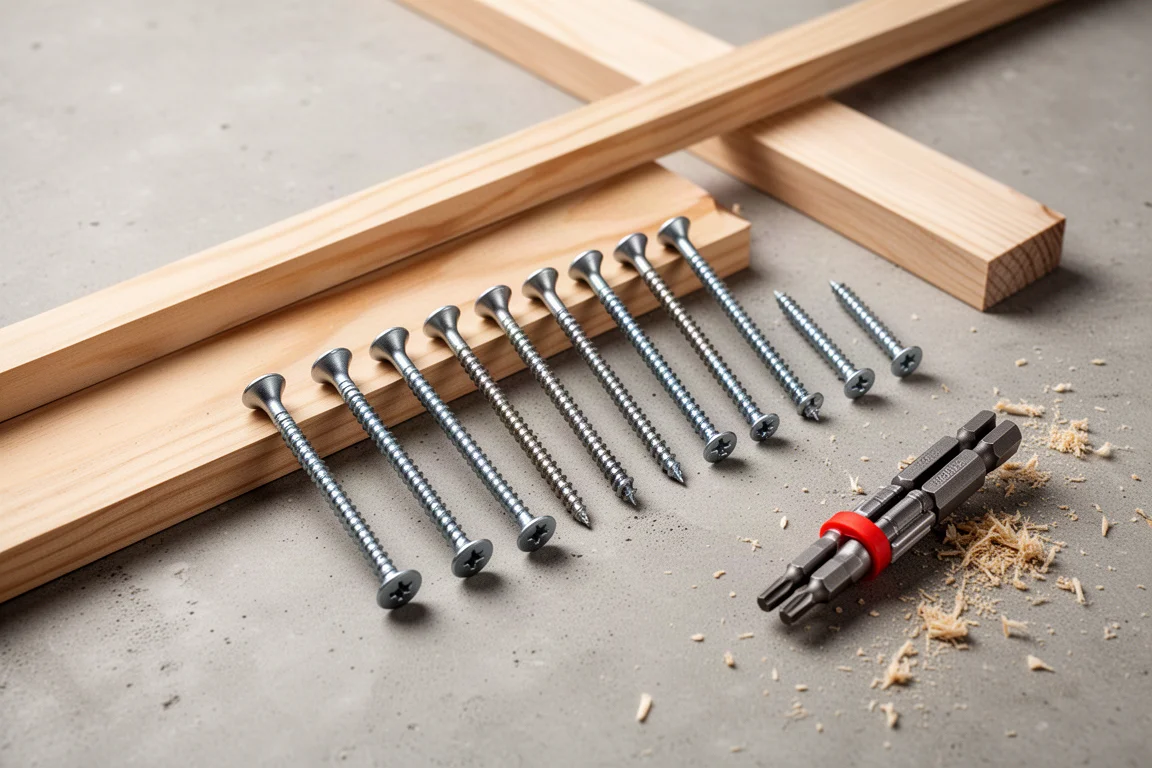
That matches the tool’s real purpose. Hydraulic impact drivers are designed for smaller fasteners, roughly up to 100mm or 4-inch batten screws and decking screws, not repeated long structural screws. During the big-screw run, the rear of the housing got notably hot, while the front stayed cool despite the oil-filled mechanism. The Triple Hammer, by contrast, drove the same screws faster, sank the heads below the surface, and kept going, though it is dramatically louder doing it. In a direct head-to-head with the DeWalt hydraulic, the DeWalt took the lead early, sank the screw head, and held more sustained power, while the Hikoki stayed quieter but dropped into a lower protective gear when overloaded. Interestingly, on a hardwood test, the Hikoki hammered a long screw through without pre-drilling while the Triple Hammer kept shearing soft stainless screws, something the three-hammer mechanism is known for.
Everyday Use and Comfort
For the work this tool is meant for, it is genuinely excellent. Jolt head and smaller screws go in with gentle, baby-soft impacts and almost no vibration. By comparison, the Triple Hammer on a dry test sent a harsh pulse up through the hand and into the chest. The hydraulic’s impacts, as the saying goes, do not travel past the elbow.
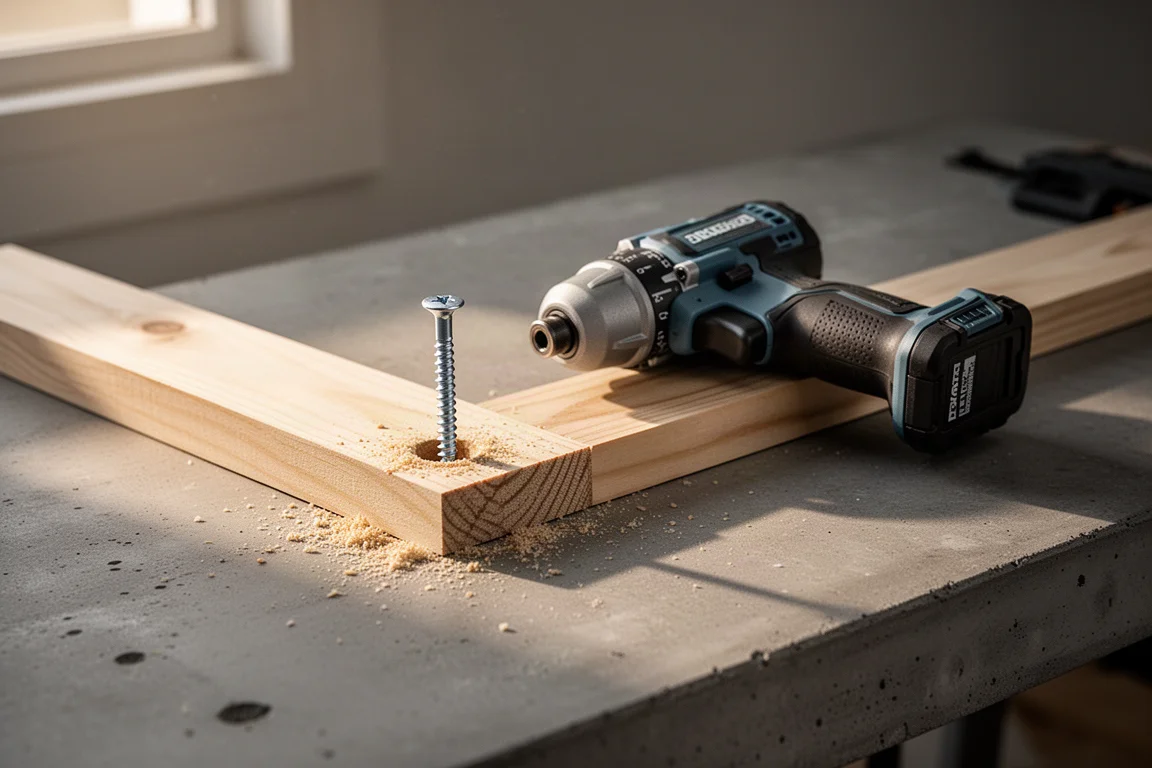
Comfortable grip, a well-sorted trigger and useful electronic modes make it a nice driver to live with, even if the side control panels are not the clearest. There is one mechanical note worth flagging: after heavy use, the bit holder showed some grease from the oil mechanism, and the Triple Hammer has been known to do the same. Price is the other consideration. Hydraulic drivers cost roughly 50% more than a comparable conventional model, which remains the main reason the technology has been slow to spread across the industry.
Buying Advice
Buy the WH18DBD2 if you spend your days in confined spaces: inside cabinets, kitchens, ducting, or anywhere with clients around where noise matters. If you mostly drive small and medium screws, up to about 100mm, it is quieter than anything else on the market and easy on the body. If you regularly sink long structural screws all day, a Triple Hammer or a conventional high-torque driver will do the job faster, deeper and with less heat, at the cost of your ears. Also note the belt hook thread on this unit was prone to spinning inside the housing, a minor but annoying build detail.
Conclusion
The Hikoki WH18DBD2 is not the most powerful impact driver on the bench, and it does not pretend to be. It is the quietest, the gentlest, and the one most likely to keep a worksite pleasant, and for a huge share of everyday fastening work, that is exactly the right trade. If silence is the feature you have been waiting for, this is the driver to buy.
Product link
View more details for Hikoki WH18DBD2
This product is mentioned in the review. Check the specifications, options, and compatibility before buying.
View more details for Hikoki WH18DBD2Further reading
Related Reviews
Power Tools
Best 1-Inch Pistol Impact Wrenches: Three Heavy-Duty Options Compared
We compare three 1-inch pistol impact wrenches, from a budget-friendly Harbor Freight model to a premium Caterpillar unit, to help you choose the right one.
Power Tools
Best 3/4-Inch Impact Wrenches 2026: Five Contenders Compared
We compare five 3/4-inch impact wrenches across price and performance, from a budget Amazon option to Snap-on's most powerful model yet.
Power Tools
Best Budget Cordless Tools 2026: Walmart Finds That Punch Above Their Price
We tested five cordless tools from Walmart, including a high-torque impact wrench that trades blows with Milwaukee and a $35 duster that outperforms its price class.