Power Tools
Hikoki WH12DC Triple Hammer Impact Driver Review: Small Battery, Serious Power
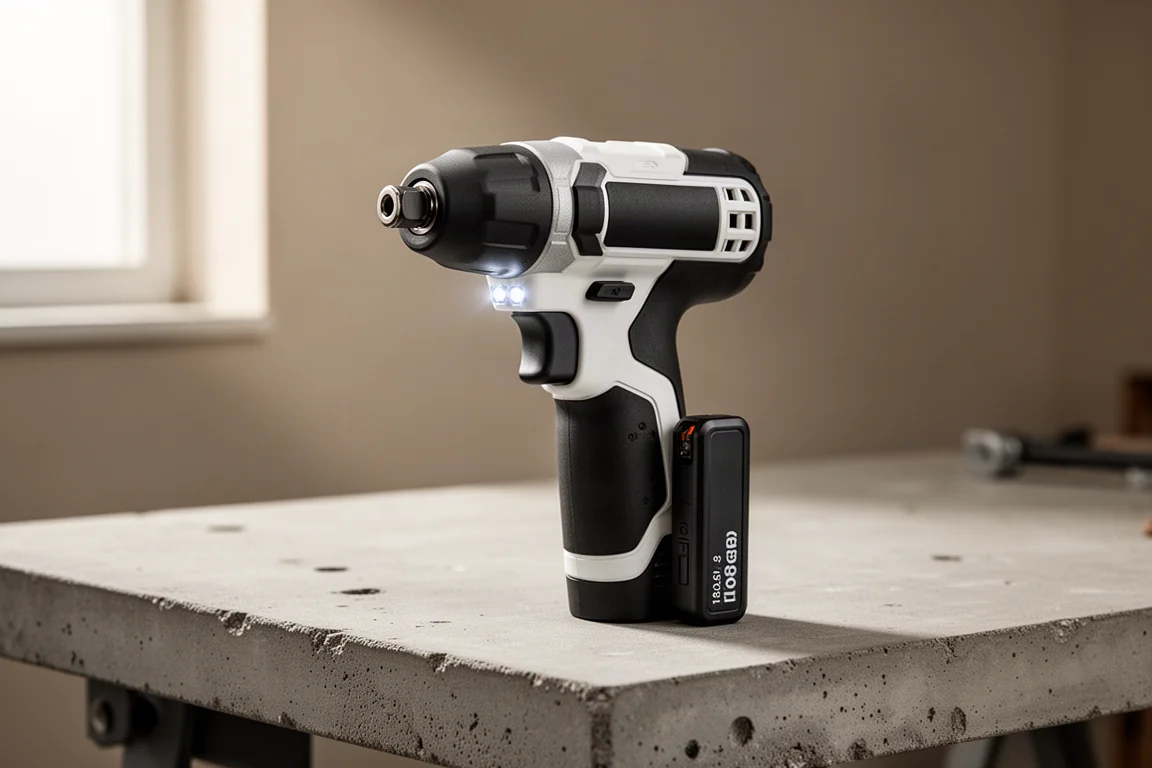
A 10.8V (12V max) triple hammer impact driver that weighs just over 1 kg with the battery, yet comes within 10 Nm of Makita's flagship 18V model.
Introduction
If you have ever picked up a compact impact driver and then had to bolt a bulky battery onto it, you know the frustration. All the weight savings vanish the moment the pack goes on, and for 36V class tools the smallest available battery can weigh almost as much as the driver itself. That is exactly the gap the Hikoki WH12DC Triple Hammer impact driver sets out to fill: a genuinely small tool paired with a genuinely small battery, without giving up as much performance as the specs suggest.
Why Battery Size Matters
Most full-size impact drivers force a compromise. On 36V Hikoki models, the smallest battery you can use makes the tool feel like a brick on the bottom, constantly pulling your hand down while you work. Even on an 18V driver, standard packs are far from compact.
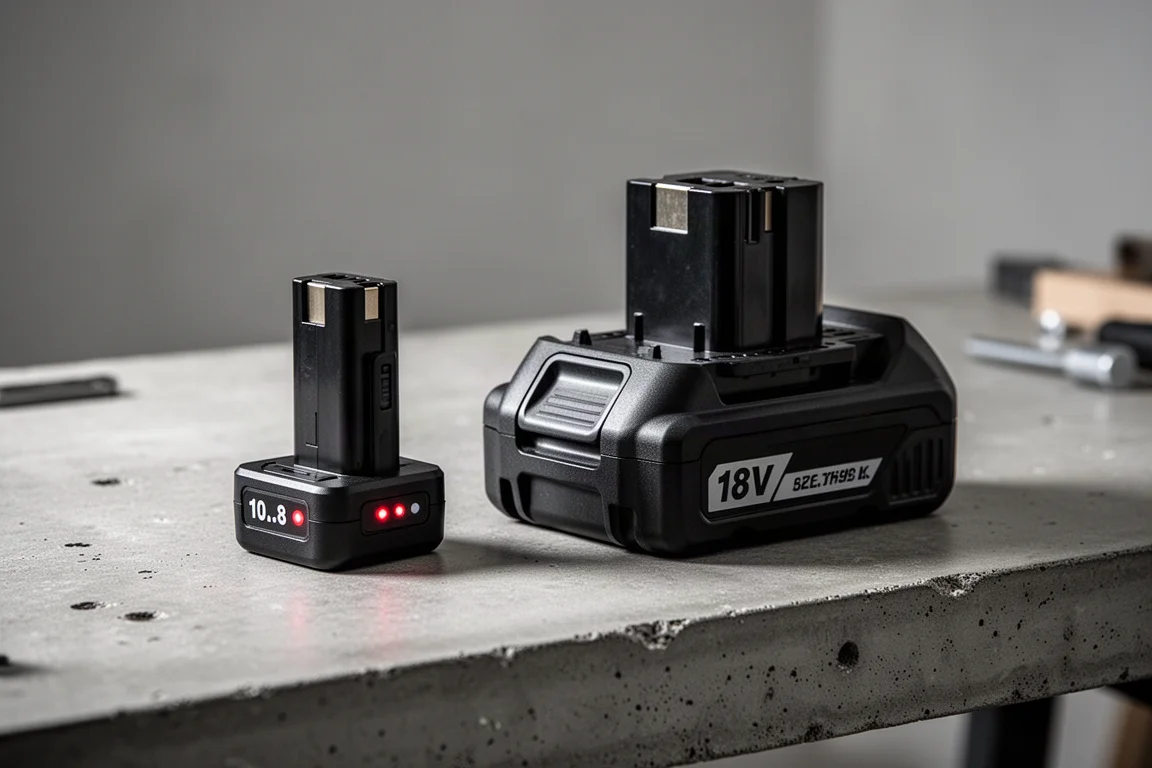
The WH12DC runs on a 10.8V pack, marketed as 12V max in most of the world (Japan simply labels the nominal voltage honestly). The pack supplied is 4.0Ah, and there is an even smaller 2.0Ah option that makes the whole setup even more compact. For anyone who wants a small tool that stays small, this is the real selling point.
Design and Handling
The WH12DC carries the same triple hammer mechanism as Hikoki’s 18V and 36V impact drivers, and its three front-facing LEDs are nearly identical to the previous generation of those larger tools. The big difference is at the base: the narrower battery makes the tool lighter, more nimble, and far easier to slot into tight spaces.
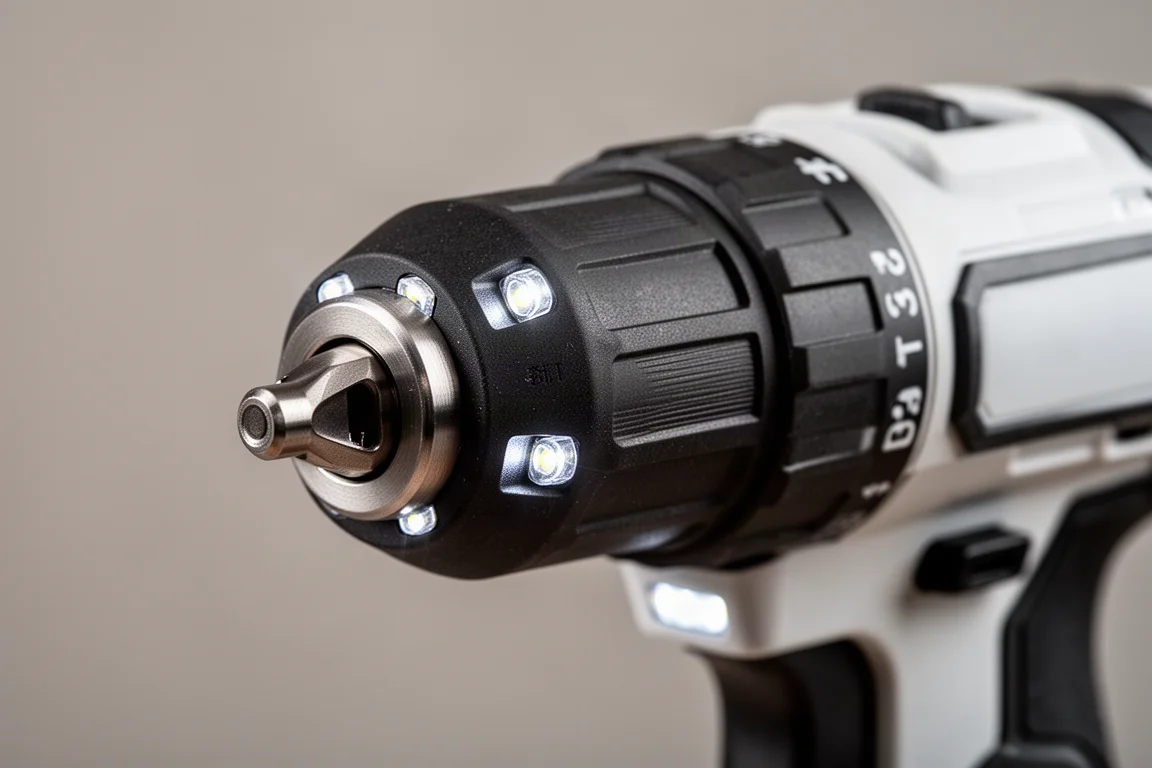
In the hand it is a typical Hikoki in the best sense. It is very comfortable to hold, and the trigger on this latest generation is exceptionally smooth, among the nicest you will find on any impact driver. One feature it does lack is Bluetooth connectivity, since no 12V (10.8V) batteries with that function exist yet.
Specs: Small Tool, Big Numbers
Here is where it gets interesting. Maximum speed is 3,700 RPM, exactly the same as Hikoki’s 36V triple hammer flagship. Impact rate is slightly lower at 3,900 IPM versus 4,100. Maximum fastening torque is rated at 170 Nm, against 215 Nm for the 36V model and 180 Nm for the Makita TD173, Makita’s most recent flagship 18V impact driver (the TD171 and TD172 before it were also rated at 180 Nm).
That means the gap between this tiny driver and Makita’s 18V flagship is just 10 Nm on paper. Considering the difference in size and weight, that sounds remarkably good, so the question becomes whether it holds up in actual use.
Real-World Driving Tests
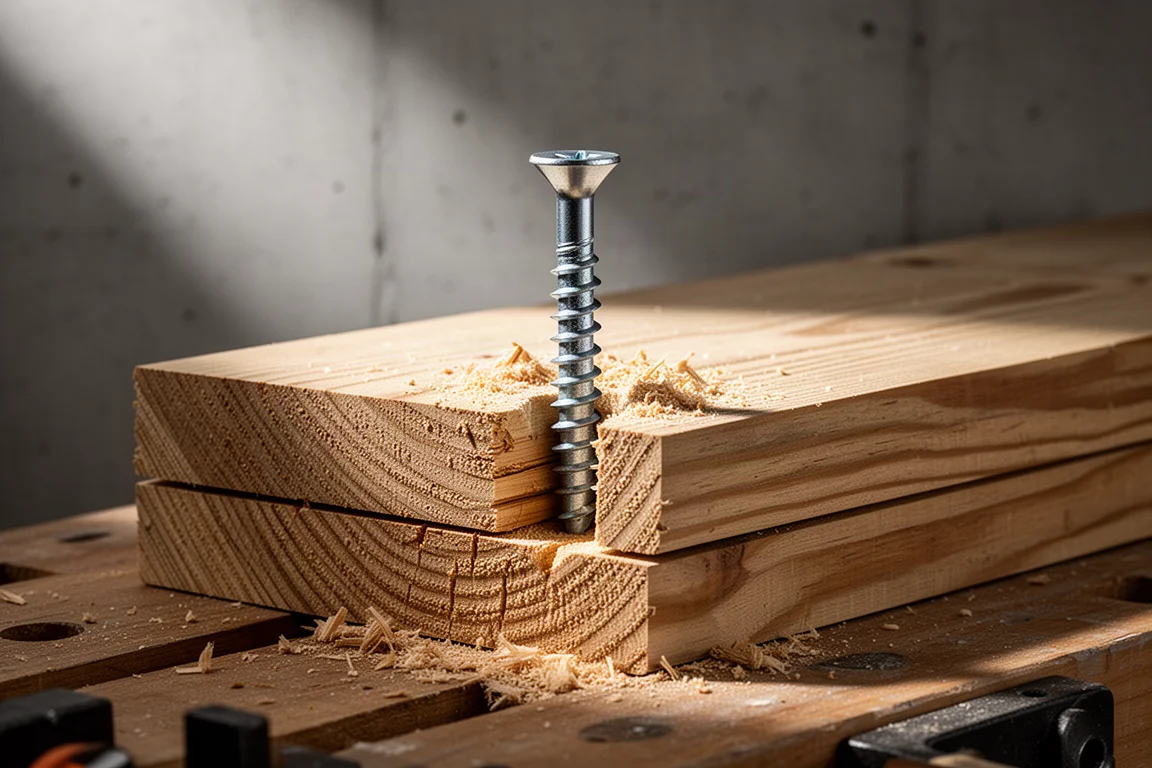
Driving a range of long Simpson structural screws (up to 10 inches), the WH12DC handled 5, 6, and 8 inch screws without any real issue. On the 10 inch screw, it drove the head right to the surface but could not quite sink it fully flush, stopping just shy. The Makita TD173, tested side by side in the same material, managed to seat the head flush, but only just, and both tools struggled noticeably. That extra 10 Nm is exactly the margin that showed up in the final few hits.
Battery life tracks the workload honestly: a freshly charged 4Ah pack dropped a full bar after driving a single oversized stainless steel screw that it could not fully seat. On lighter structural work it barely noticed the effort, still showing four bars after driving a full batch of long screws.
Weight and ergonomics in practice
With the 4Ah battery attached, the WH12DC weighs just 1.1 kg. For comparison, the Makita TD173 body alone weighs 844 g, but with a standard 18V pack (which weigh essentially the same whether 3, 4, 5, or 6Ah, all using ten 18650 cells) it comes to roughly 1.5 kg. Hikoki’s 36V triple hammer with its smallest battery comes in at about 1.6 kg.
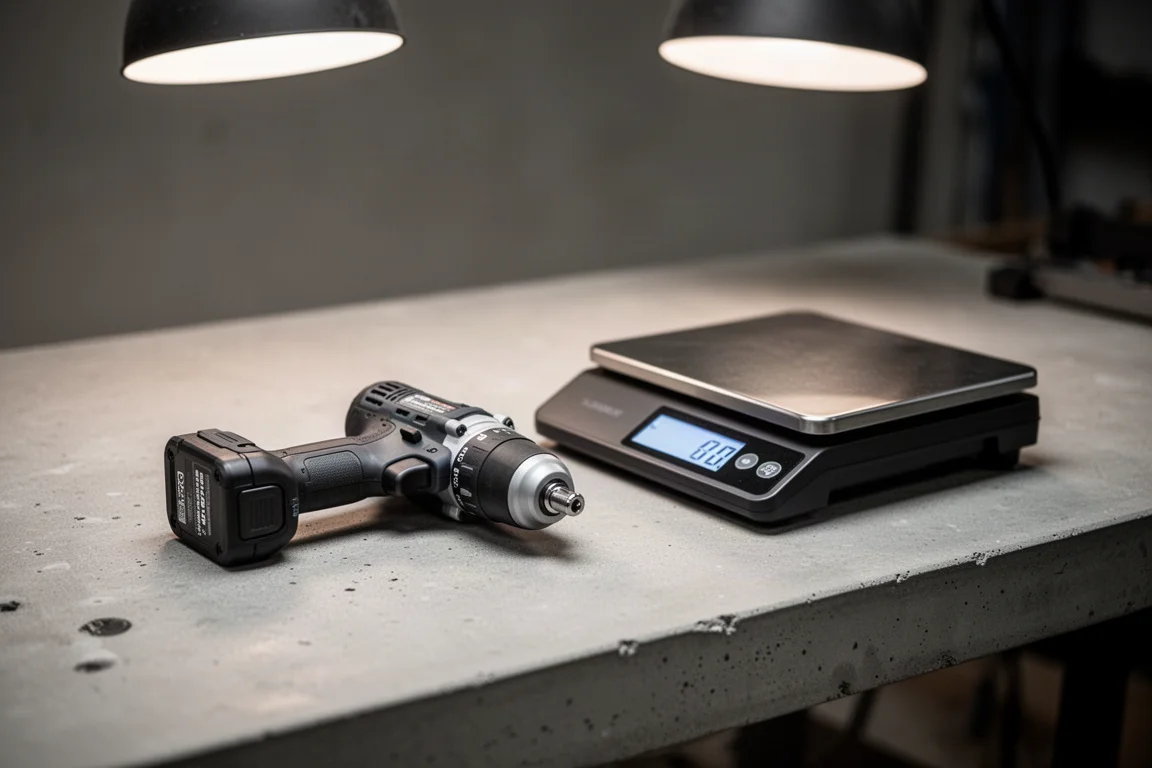
So the compact 12V setup saves you around 400 g compared to an 18V flagship, and around 500 g versus the 36V tool. That is a significant difference over a full day of driving screws, and it is the reason this tool feels so effortless to use.
Things to consider before buying
- If you drive big structural screws all day, a 12V class tool will struggle more, drain batteries faster, and wear out sooner. The 36V Hikoki, at 215 Nm, sank the 10 inch screw 2 to 3 mm below the surface where both the 12V Hikoki and the Makita could not.
- If you buy from Japan, check your local charging requirements. You may need a plug adapter, and in higher-voltage regions a transformer for the charger.
- The battery charge indicator lights are a minor annoyance: the fourth bar sits half-lit at times, making the remaining charge slightly ambiguous.
- No Bluetooth battery function exists in the 12V range yet.
Buying advice
For electricians, handymen, and anyone doing general around-the-house work, 170 Nm covers the overwhelming majority of everyday fastening tasks. The WH12DC handled everything short of the most extreme stainless structural screws with confidence, and it even extracted screws the Makita flagship could not budge. If 95% of your tasks fall in that range, the weight and size savings are worth far more than the rare case where the big tools win.
Conclusion
The Hikoki WH12DC Triple Hammer is a genuinely impressive impact driver: comfortable, light at just over 1 kg with the battery, fast enough to match a 36V flagship on speed, and close enough on torque that most users will never miss it. For small to medium fastening work, it is a strong pick, and possibly the most capable 12V-class impact driver currently available.
Product link
View more details for Hikoki WH12DC Triple Hammer Impact Driver
This product is mentioned in the review. Check the specifications, options, and compatibility before buying.
View more details for Hikoki WH12DC Triple Hammer Impact DriverFurther reading
Related Reviews
Power Tools
Best 1-Inch Pistol Impact Wrenches: Three Heavy-Duty Options Compared
We compare three 1-inch pistol impact wrenches, from a budget-friendly Harbor Freight model to a premium Caterpillar unit, to help you choose the right one.
Power Tools
Best 3/4-Inch Impact Wrenches 2026: Five Contenders Compared
We compare five 3/4-inch impact wrenches across price and performance, from a budget Amazon option to Snap-on's most powerful model yet.
Power Tools
Best Budget Cordless Tools 2026: Walmart Finds That Punch Above Their Price
We tested five cordless tools from Walmart, including a high-torque impact wrench that trades blows with Milwaukee and a $35 duster that outperforms its price class.