Power Tools
Hikoki D36DYA vs Makita XGT Right Angle Drill: Two 36V Tools Compared
A side-by-side look at two 36V right angle drills, covering weight, length, torque limiters, chucks, and how each handles auger and drilling work.
Introduction
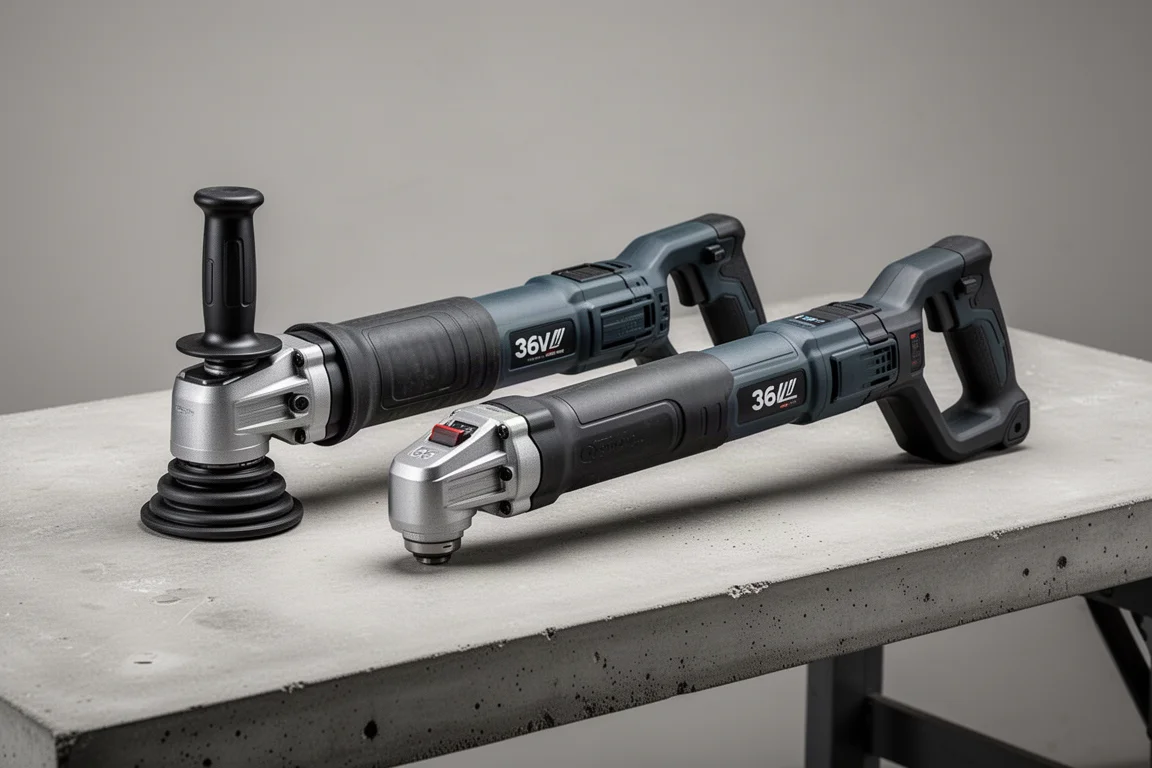
Right angle drills are niche tools, but when you need to reach between joists, studs, or beams, nothing else does the job. Two 36V options worth a close look are the Hikoki D36DYA and the Makita XGT right angle drill. Both are long, heavy, powerful tools that also work well as earth augers, and choosing between them comes down to a handful of practical differences.
First Look: The Hikoki D36DYA
The Hikoki D36DYA barely fits in frame it is so long. Its body is covered in a TPE rubber boot that gives it a tidy look, though there are noticeable gaps and hollow spots underneath if you go looking. The top handle is fixed in place, and there is no safety or power switch: you simply pull the trigger and it goes.
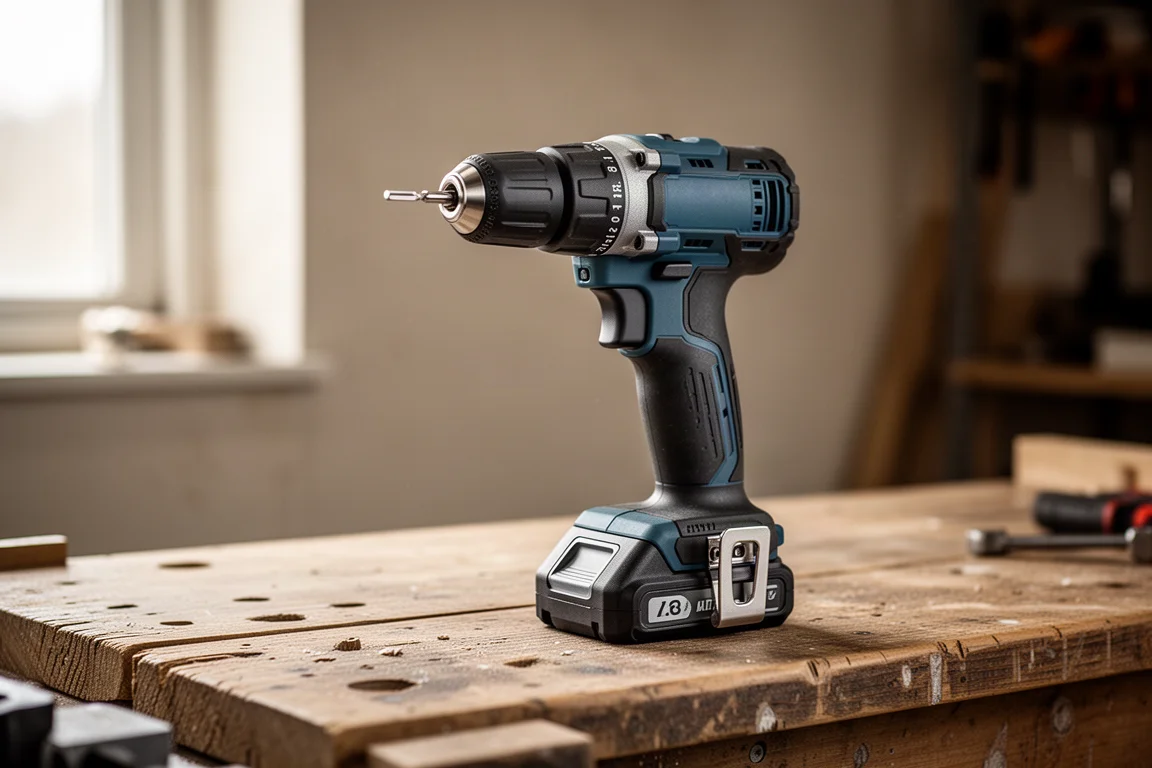
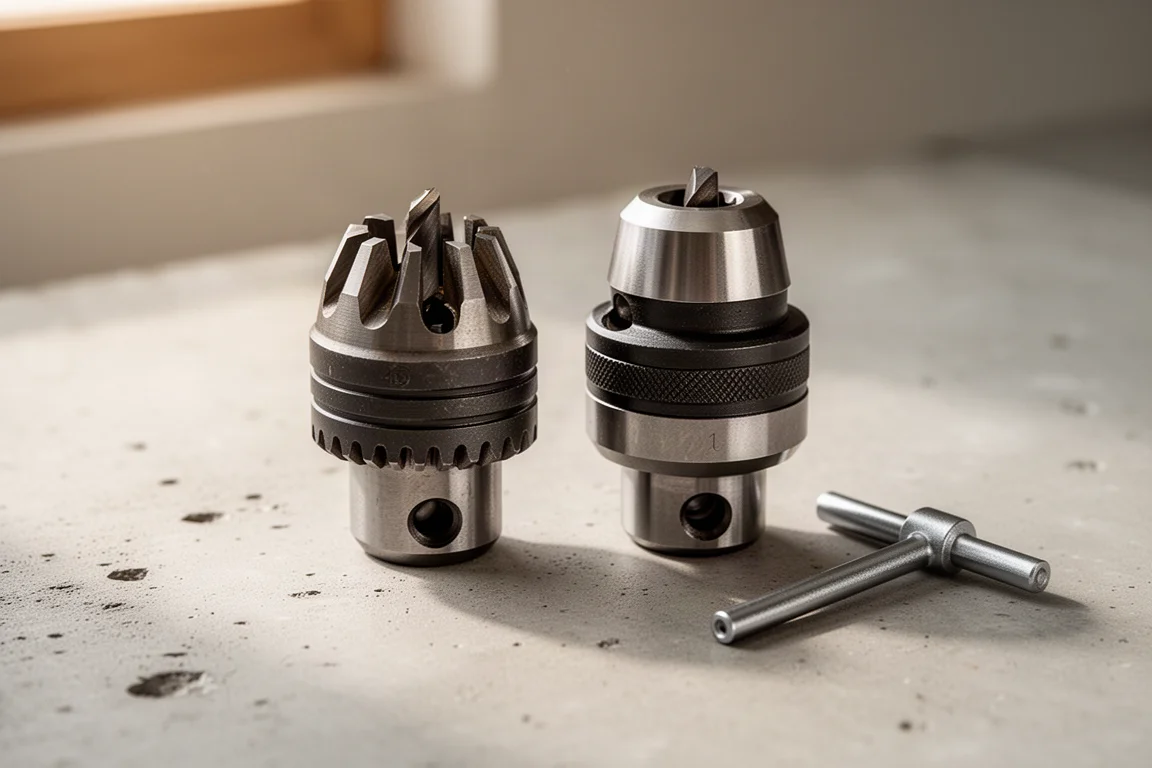
The chuck is a Jacobs chuck, and Hikoki gives you a dedicated storage spot for the chuck key right in front of the battery. One thing to note: the key holder is quite loose, so the key can rattle free and end up in the mud, which is worth avoiding if you are using the tool as an auger.
The Makita XGT Right Angle Drill
The Makita XGT right angle drill is built around a large side handle at the rear, which is why many owners end up using it almost exclusively as an earth auger. Unlike the Hikoki, it has a power switch you need to turn on (with a small green light) before the trigger will do anything. The top handle can be ratcheted round to different positions, which makes it easier to push down on.
The chuck is Makita branded, and the chuck key holder sits on the side of the tool. It is also on the loose side, so most people end up leaving the key off the tool entirely.
Weight, Length, and Everyday Handling
With comparable 4Ah tabless batteries fitted, the Makita comes in at just over 4.6 kg (about 163.6 oz), while the Hikoki tips just over 5 kg. The Hikoki also has a battery guard that the Makita lacks; on the Hikoki platform, that guard makes sense because it uses the biggest battery available, whereas a guard on the Makita would prevent fitting larger 5Ah or 8Ah packs, which are handy for auger work.
Length is where they really diverge. With both touching at the rear end, the Hikoki is roughly 100 mm (about 4 inches) longer than the Makita. That extra length is not necessarily a bad thing: it gives you more to hang on to during auger work and reduces the chance of getting spun around, lessening the need for a big handle like the Makita’s.
Speeds, Chucks, and Build Details
The two drills are remarkably close on paper. Both run two gears with the gear switch in basically the same spot underneath, and RPM figures are identical: 400 in low gear and 1,500 in top gear. Both have forward and reverse operated via the trigger, like most drills.
One detail worth knowing: the Makita is made in Japan, while the Hikoki is made in China. Weight that however you like. Underneath the boot, the Hikoki feels a bit hollow and rugged in places, while the Makita mixes aluminium and plastic construction.
Torque Limiter and Drilling Tests
In timber drilling tests with fresh 4Ah tabless batteries, both tools have serious torque. The Hikoki’s torque limiter clearly works, though the side handle kicking into the hip during a stall is far from comfortable. The Makita’s limiter appears to cut in later than the Hikoki’s, which feels like more torque on tap, though that may come with a trade-off: some users report these tools burning out, so an earlier torque limiter could help the Hikoki last longer.
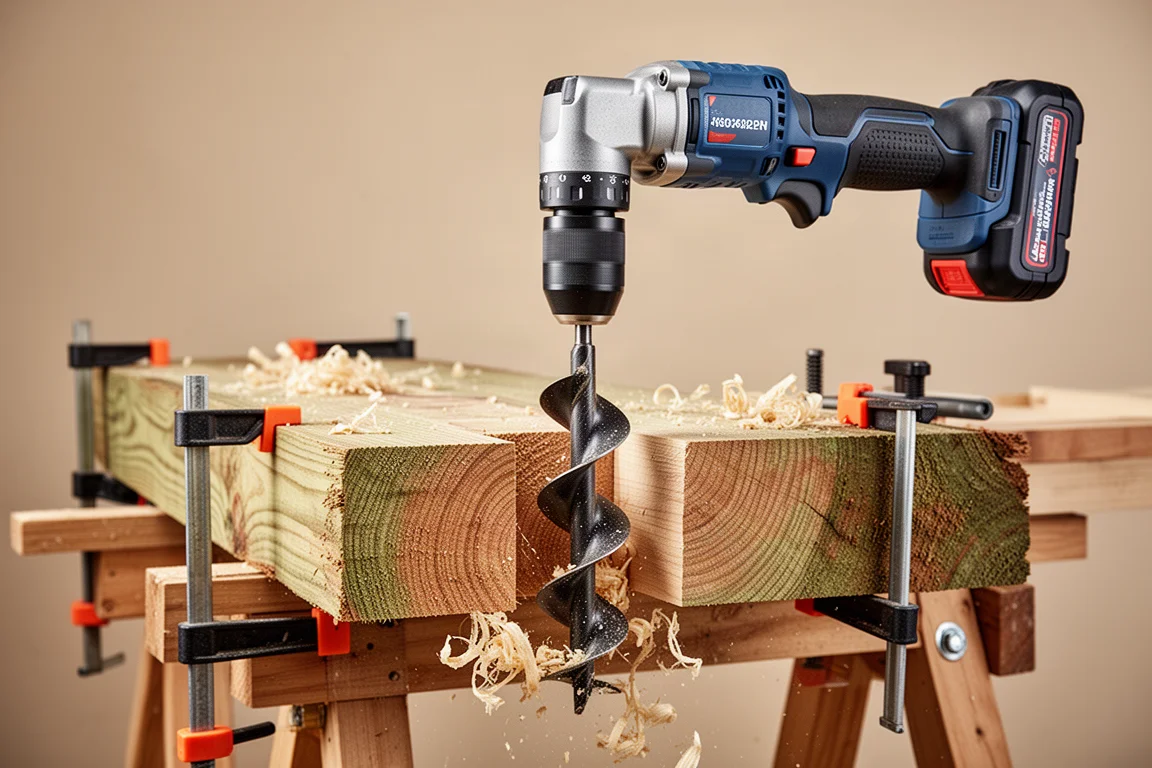
In ground auger tests, the Hikoki worked well in soft soil, though it was a bit trickier to control and drill straight without the Makita’s custom-fitted handle. Both tools smashed through nail-embedded timber in gear two, and the Makita handled a 65 mm self-feed bit through a knot with only a brief struggle.
Buying Advice
Between the two, the Makita edges ahead for drilling: the shorter length, the handle placement, and the later torque limiter all help, especially once you are used to it. The Hikoki’s earlier torque limiter may pay off in long-term durability, and its extra length is genuinely useful for auger work.

Realistically, battery platform decides this for most people. If you already run Makita batteries, buy the Makita. If you are on the Hikoki platform, buy the Hikoki. Both are great tools.
Conclusion
The Hikoki D36DYA and Makita XGT right angle drill share identical gearing, RPM, and two-gear layouts, but differ in weight, length, switchgear, and torque limiter behavior. The Makita is shorter, slightly lighter, and feels stronger on timber, while the Hikoki counters with a battery guard, a Jacobs chuck, and extra leverage for auger work. Match the tool to your battery platform and you will be happy with either.
Product link
View more details for Hikoki D36DYA
This product is mentioned in the review. Check the specifications, options, and compatibility before buying.
View more details for Hikoki D36DYAFurther reading
Related Reviews
Power Tools
Best 1-Inch Pistol Impact Wrenches: Three Heavy-Duty Options Compared
We compare three 1-inch pistol impact wrenches, from a budget-friendly Harbor Freight model to a premium Caterpillar unit, to help you choose the right one.
Power Tools
Best 3/4-Inch Impact Wrenches 2026: Five Contenders Compared
We compare five 3/4-inch impact wrenches across price and performance, from a budget Amazon option to Snap-on's most powerful model yet.
Power Tools
Best Budget Cordless Tools 2026: Walmart Finds That Punch Above Their Price
We tested five cordless tools from Walmart, including a high-torque impact wrench that trades blows with Milwaukee and a $35 duster that outperforms its price class.