Power Tools
Hikoki CV36DMA Starlock Max Multi-Tool Review: Big Battery, Small Head
A slim-headed 36V Starlock Max oscillating multi-tool from Hikoki with excellent vibration control and a wide speed range, plus a few trade-offs worth knowing.
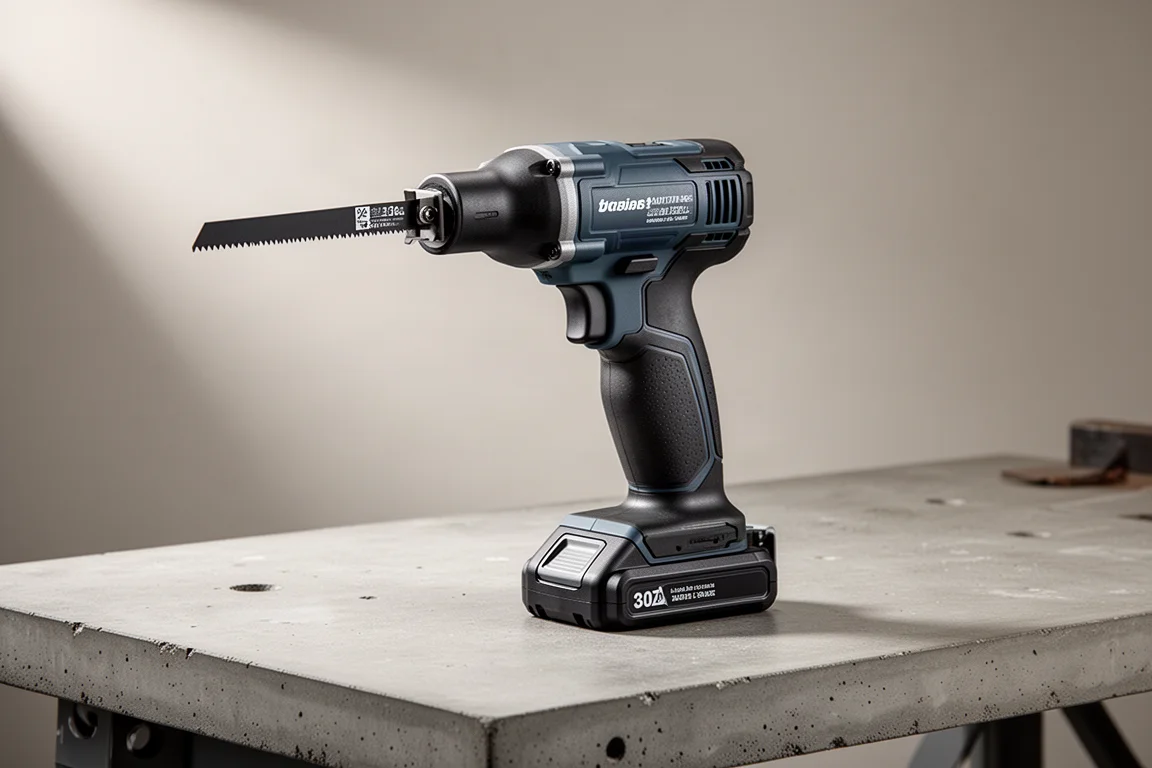
Introduction
The Hikoki CV36DMA Starlock Max multi-tool has been on the market for quite a while, but so far it appears to be available only in Japan, with no confirmed rollout to other markets. That naturally raises the question many buyers ask: can you import a tool like this and run it on your own batteries? For cordless tool batteries in general, the answer is reassuring: battery packs are essentially the same worldwide, with fitments and connections shared across regions. Labels differ (some brands badge the same pack 18V in one market and 20V in another), but the cells and rails are identical, so a tool imported from Japan will work fine with the appropriate batteries in Australia, New Zealand, the UK, Europe, the US, or Canada. Which battery branding currently applies to Hikoki tools is a murkier question, with names like Metabo HPT floating around depending on market.
First Impressions and Design
Out of the box, the CV36DMA is a genuinely good-looking unit: slim through the head and body, with a slide switch on top and a tooth-style blade clamp rather than the removable pin some brands still use. The Japanese-market package includes a small accessory box with one fairly long blade and a sanding attachment with five or six sanding pads.
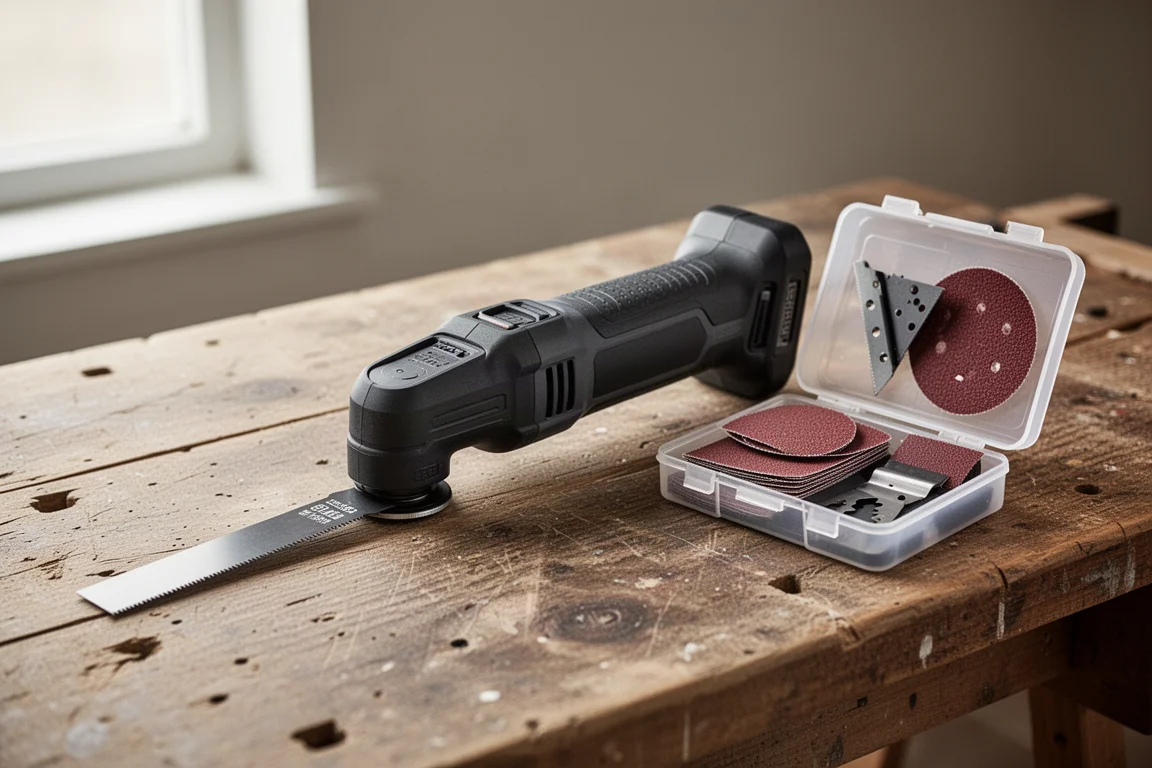
Speed control runs from setting 1 to 6. Setting 6 delivers 20,000 oscillations per minute, which is standard for multi-tools, while setting 1 starts at just 6,000 OPM. That wide low end is a real differentiator: most competing tools start at 10,000. The oscillation angle is 4 degrees total (2 degrees each way), more aggressive than the 3.6-degree or 3.2-degree swings common elsewhere, which translates to faster, more aggressive cutting. Two LEDs light the work area at the front, a small nicety made possible by the slim head design.
Weight, Balance, and Handling
Hikoki claims about 2 kg with an 18V or 36V 2.5Ah battery fitted, and real measurements land just over 2 kg. Side by side with other Starlock tools, it is the longest of the bunch, which matters if you need to reach into tight gaps. The head itself is very slim, ideal for tight spaces, but the grip is on the chubby side. If you want a thin, ergonomic handle, some competitors do it better; the CV36DMA can feel a bit cumbersome in the hand, depending on your hand size.
Balance is good. The battery sticking out rearward counteracts the forward lean of the head, and the weight sits right in the palm, so the tool does not tilt forward or back awkwardly. One practical bonus: it stands upright on its battery without falling over at the slightest touch, something not all rivals manage.
Blade Mounting: Starlock Max Done Right
The tool takes Starlock, Starlock Plus, and Starlock Max blades, but not OIS. The mounting system is quick and reliable: raise the lever, magnetically seat the blade, flick the lever back down. It is far faster and more elegant than pin-based systems, where a loose pin can fall out, vanish down scaffolding, and cost you a hardware store trip.
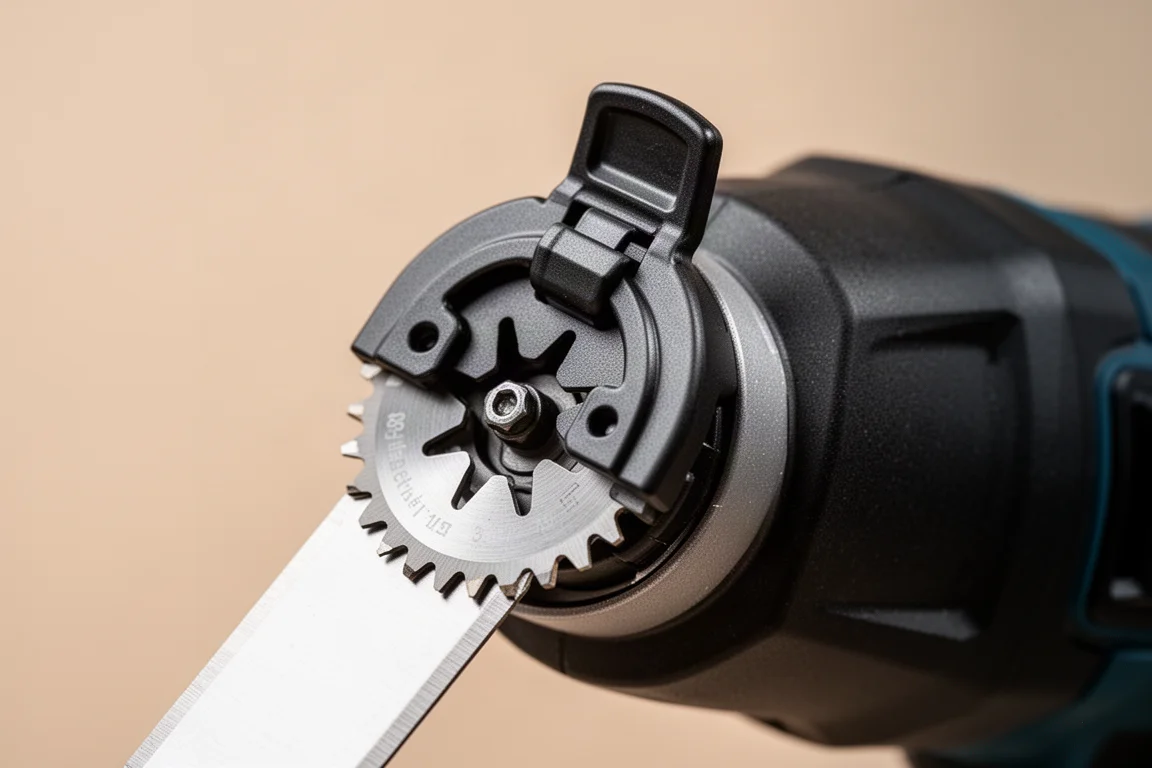
There is one quirk: you have to leave the lever up between blade changes, because once it is down the head is in the lock position. Compared directly with a quick-click competitor system, it is roughly a 50/50 personal preference call. Both are clearly better than the worst-in-class lever systems on the market. After some use, the Hikoki attachment feels quick, reliable, and easy to get the hang of.
Cutting Performance and Vibration
On the highest setting, the tool is remarkably quiet with a soft, gentle start. Vibration through the hand is the standout trait. During general cutting, vibration is barely noticeable, and it may well be the best of the comparable Starlock tools in that respect.
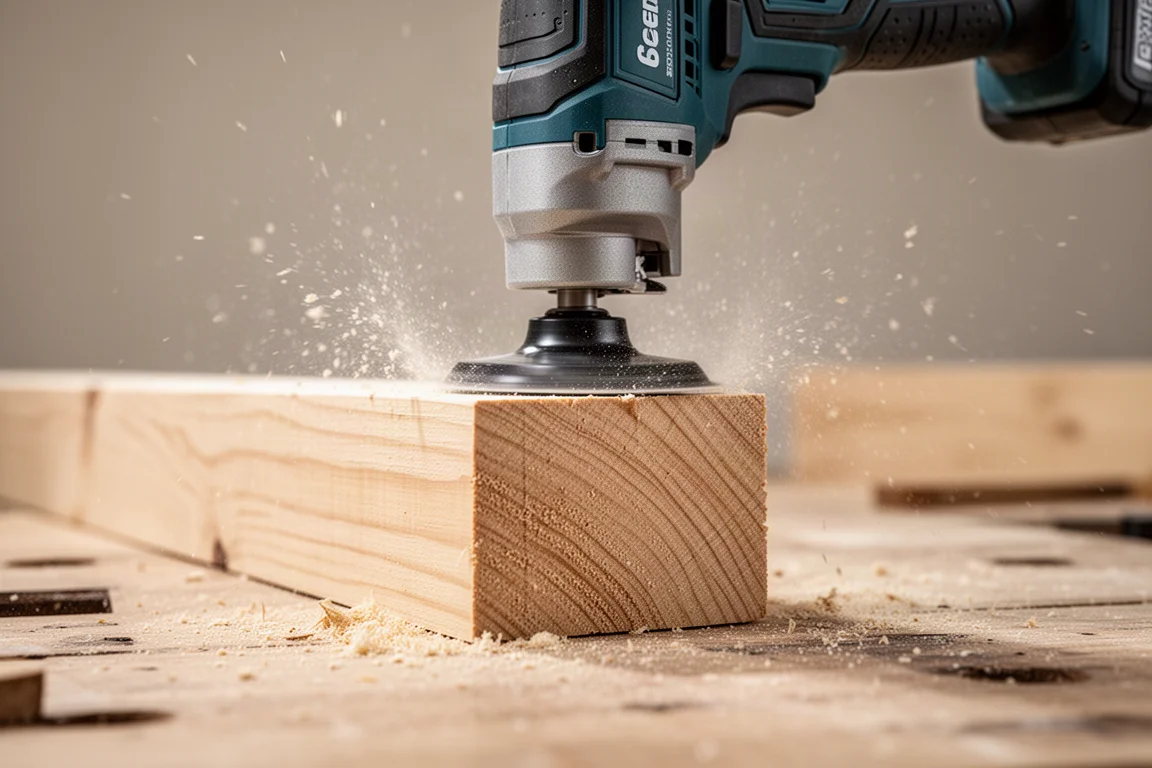
It stalls cleanly too. Under a stall test, it simply cuts out rather than doing anything strange. Some rivals shift into a low-vibration mode and then kick back to life mid-cut, which can ruin a cut when you are trying to back out of timber. A plain, honest stall is preferable. It is not the easiest tool to stall either, suggesting solid power, though one rival may still edge it.
Where the CV36DMA shows its weakness is thin, poorly supported material. On thin strips stacked on top of each other, it tends to grip the material and vibrate it rather than cut, and it struggles even at lower speed settings. Competing tools handle that same scenario without complaint. To be fair, most people rarely cut unsupported thin material with a multi-tool, and this behaves much better than the notoriously poor previous-generation Hikoki multi-tool. On thicker stock it performed well, and on nails it was judged the nicest and quietest of the comparison set.
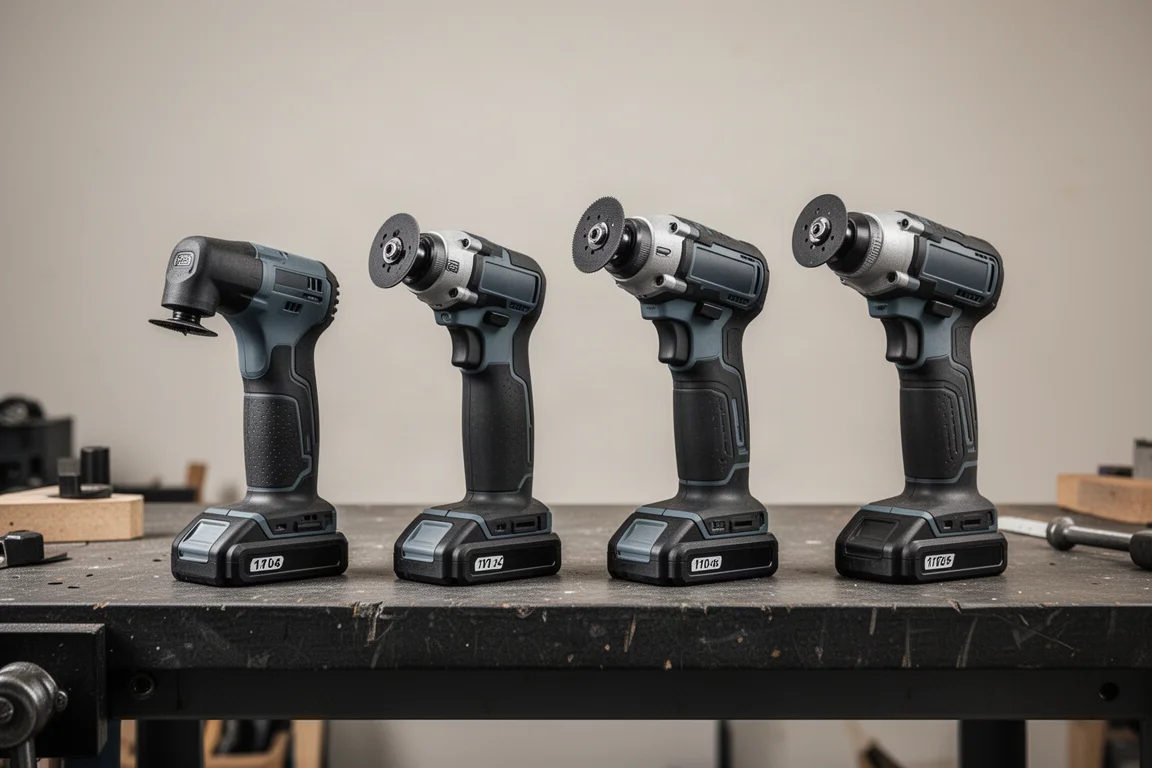
How It Compares on the Bench
Against other Starlock tools (an 18V Makita, a 40V Makita, and a Fein), the CV36DMA is the lightest at just over 2 kg, though the others are only marginally heavier. It is also the longest, with the Fein notably shorter and better suited to cramped gaps. All four tools are well balanced; the 40V Makita is probably the worst of the group.
The Hikoki sits second on idle noise, behind the Makita, though the difference barely matters once cutting starts and every tool sounds rough. The Fein is the loudest of the four.
Things to Consider Before Buying
- Availability: it appears to be Japan-only for now, so importing may be your only route.
- Length: it is long for a multi-tool, so tight-space access is limited compared with the Fein.
- Grip: the handle is thick; great for some hands, uncomfortable for others.
- Thin material: it vibrates unsupported thin stock instead of cutting cleanly.
- Speed range: the 6,000 OPM low end is a genuine advantage for delicate starts.
Buying Advice
If you mostly cut solid material, value the best-in-class vibration control, want a wide low-speed range, and like a quick magnetic blade mount, the CV36DMA is a very appealing tool, and arguably the nicest to use of the comparable Starlock group. If you frequently need to reach into narrow gaps, cut thin unsupported material, or prefer a slim handle, the Fein or Makita alternatives remain strong choices. Importing from Japan is straightforward for batteries, but check current availability and local battery compatibility for the Hikoki/Metabo HPT naming situation in your region before committing.
Conclusion
The Hikoki CV36DMA is a comfortable, quiet, low-vibration Starlock Max multi-tool with an unusually useful 6,000 to 20,000 OPM speed range and a clean stall behaviour. Its main caveats are a long body, a thick grip, and a wobble-prone habit with thin unsupported material. For most general cutting work, it is a genuinely pleasant tool to use, and a big step up from the brand’s earlier multi-tool effort.
Product link
View more details for Hikoki CV36DMA Starlock Max Multi-Tool
This product is mentioned in the review. Check the specifications, options, and compatibility before buying.
View more details for Hikoki CV36DMA Starlock Max Multi-ToolFurther reading
Related Reviews
Power Tools
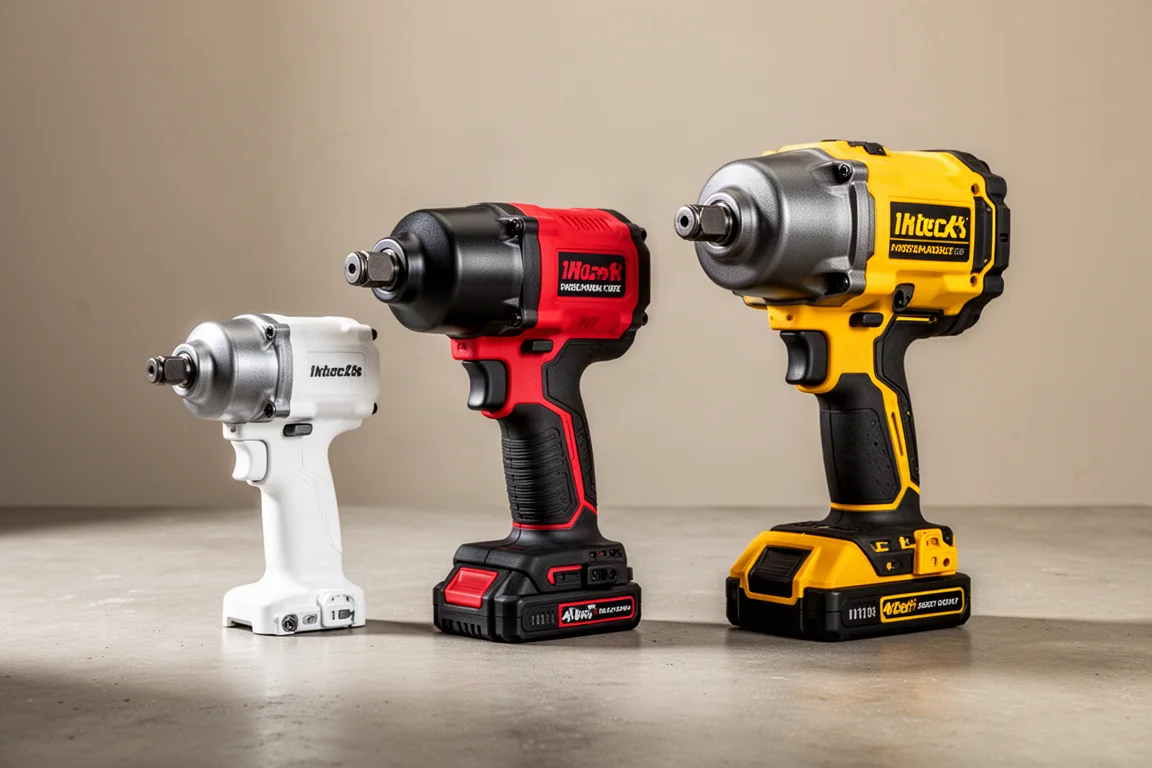
Best 1-Inch Pistol Impact Wrenches: Three Heavy-Duty Options Compared
We compare three 1-inch pistol impact wrenches, from a budget-friendly Harbor Freight model to a premium Caterpillar unit, to help you choose the right one.
Power Tools
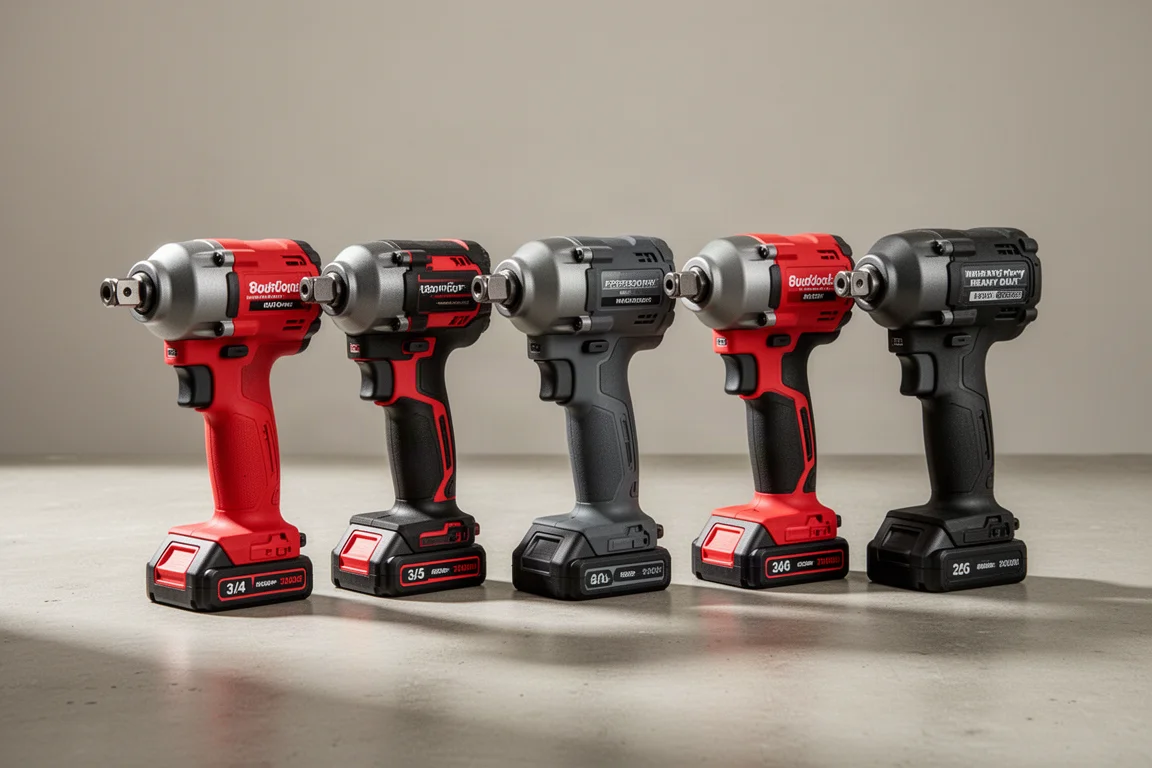
Best 3/4-Inch Impact Wrenches 2026: Five Contenders Compared
We compare five 3/4-inch impact wrenches across price and performance, from a budget Amazon option to Snap-on's most powerful model yet.
Power Tools
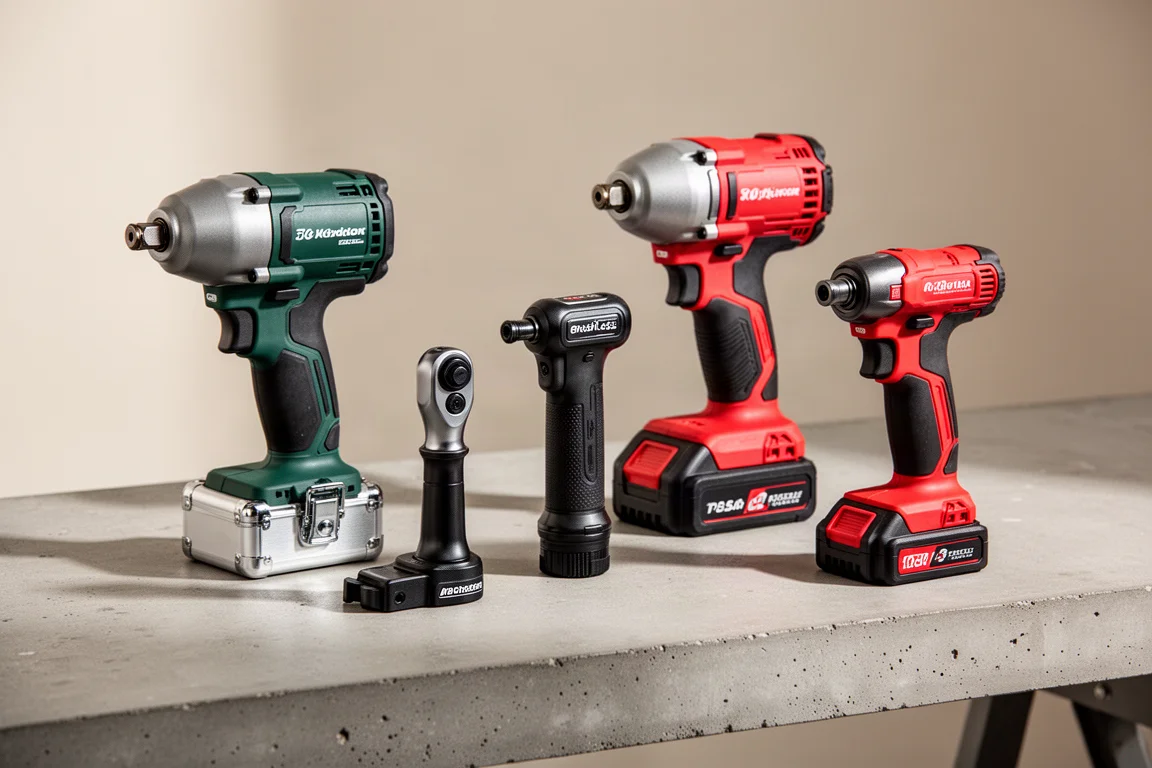
Best Budget Cordless Tools 2026: Walmart Finds That Punch Above Their Price
We tested five cordless tools from Walmart, including a high-torque impact wrench that trades blows with Milwaukee and a $35 duster that outperforms its price class.