Power Tools
HiKOKI CD3605DFA Review: A Compact Cordless Metal Cutting Chop Saw
A small 36V metal cutting chop saw with a removable handheld base, dual speed settings, and cold cuts, with a few setup quirks to know before buying.
Introduction
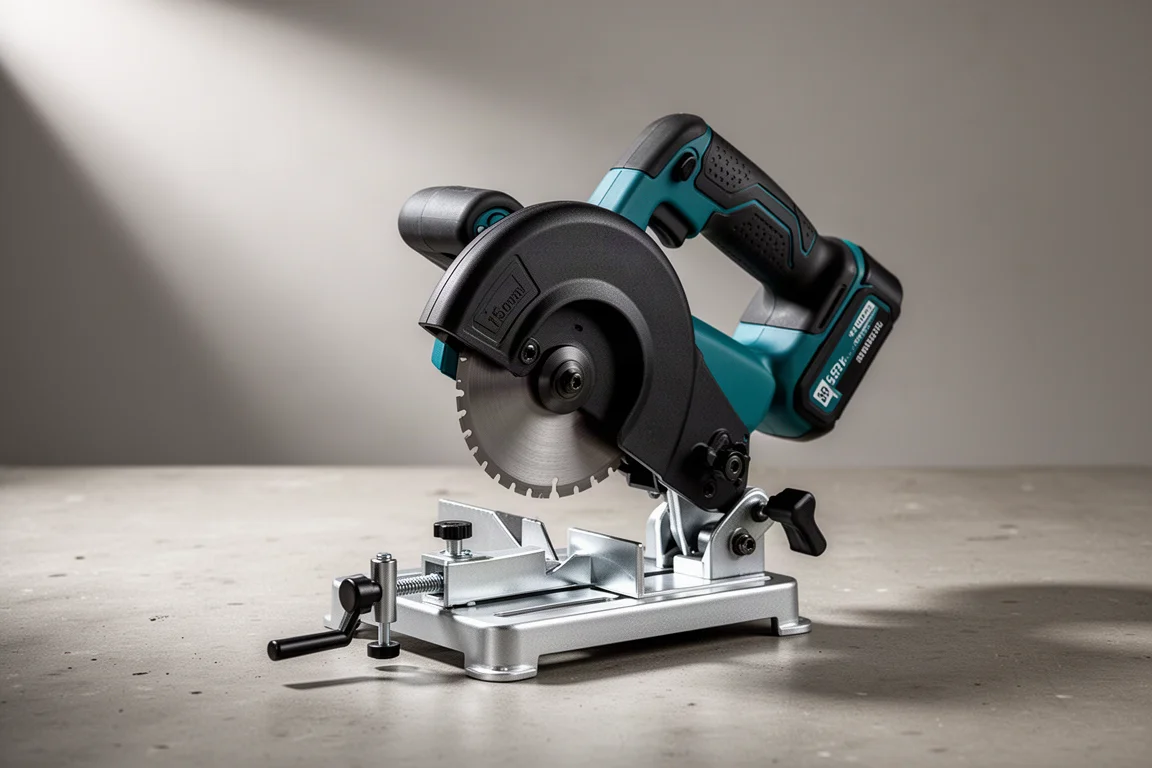
Compact metal cutting saws fill a genuinely useful gap. Full-size chop saws are heavy and cumbersome for quick cuts, and angle grinders leave messy, hot edges. The HiKOKI CD3605DFA aims to be the tool you reach for when you just want to cut a bit of tube, flat bar, or rod quickly, accurately, and without fuss.
After extended real-world use, this little saw turns out to be a mix of genuinely clever design and a few setup frustrations worth knowing about before you buy.
What the HiKOKI CD3605DFA Is
The CD3605DFA is a compact cordless metal cutting chop saw with a 150mm (6-inch) blade. The naming is simple once you know it: the saw itself is the DB, and the DFA designation refers to the included base. That base is essentially an optional accessory. Remove a couple of screws and the saw becomes a handheld metal cutting saw, much like a dedicated handheld cold cut saw.
The size is the headline. It is small enough to pick up with one hand and genuinely charming in its proportions, weighing in at around 2.36kg for the bare tool. With a 2.5Ah 36V battery (HiKOKI’s A-size format), expect roughly 3.1kg. On the base with a larger 5Ah 18V battery, the whole unit lands at around 6.6kg. Depth of cut is 57.5mm, which comfortably handles 50mm square stock.
The Base and Miter Function
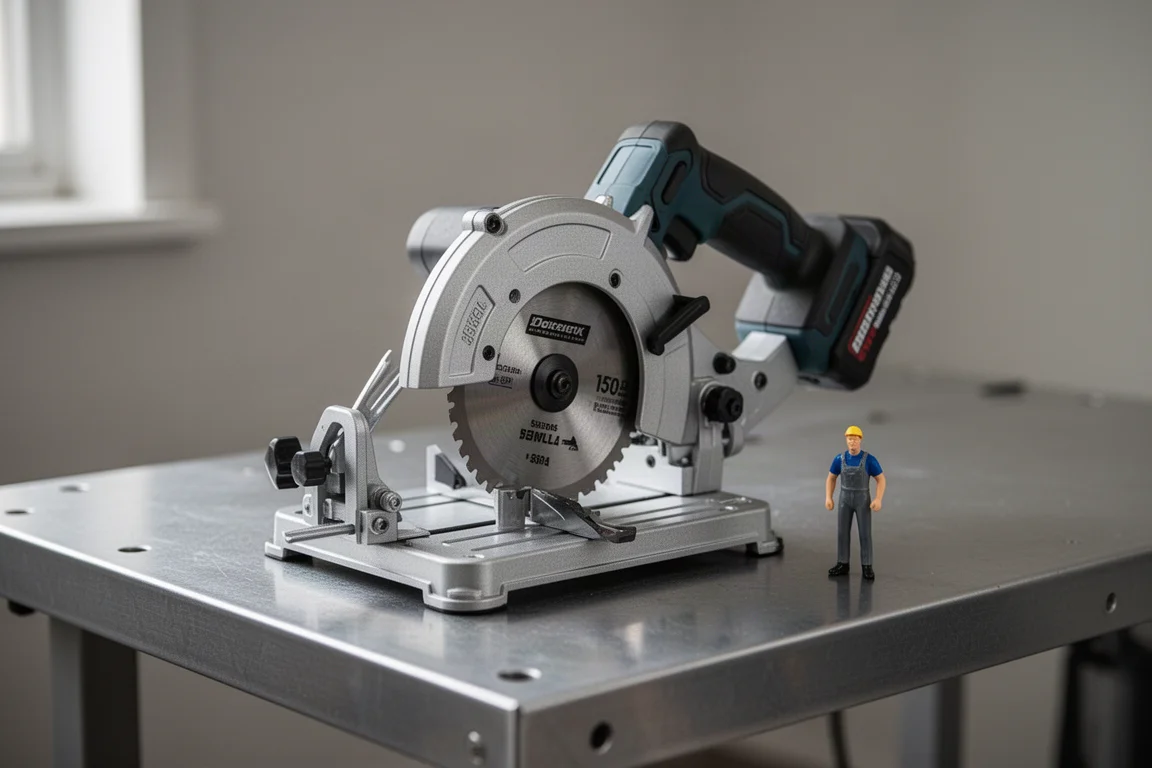
The base lets you make mitered cuts, adjustable up to 45 degrees, with a quick-slide mechanism to set the angle and wind it back in. The stainless base plate is fairly narrow, just over 100mm by the look of it, and there are mounting holes for bolting the unit down if you want a more permanent setup.
One caveat from testing: the miter clamp mechanism flexes under tightening. When clamping a workpiece at an angle, the whole assembly shifted by a couple of degrees or more, and the front of the base lifted noticeably because it is only supported by screws at the back. Getting perfectly tight, accurate miter settings takes some patience or a workaround.
Controls, Speeds and the Work Light
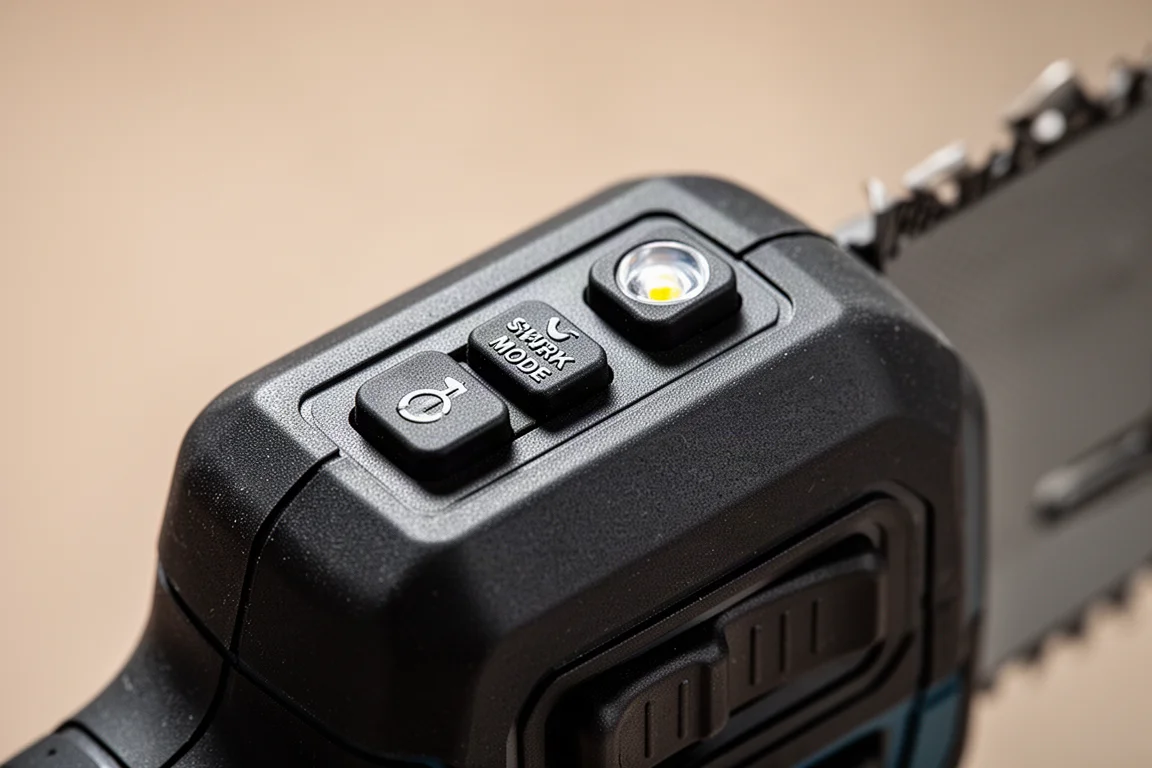
Up top sit the controls: a light button with three states (always on, on while the trigger is pulled with an automatic shutoff after about 10 seconds, and off), plus a speed toggle. Full speed runs at 4,200 RPM, which is high for a metal cutting saw, while “silent mode” drops it to 2,600 RPM for a smoother, quieter feed.
Honest takeaway on silent mode: it is definitely quieter, but once the blade touches metal, noise from the cut itself dominates either way. The mode is more useful as a feed-rate control than a noise solution. The work light placement is also worth noting. It shines down the front of the saw, which is more helpful for handheld use than when the saw is mounted on the base.
Cut Performance: Cold, Clean, and Quick
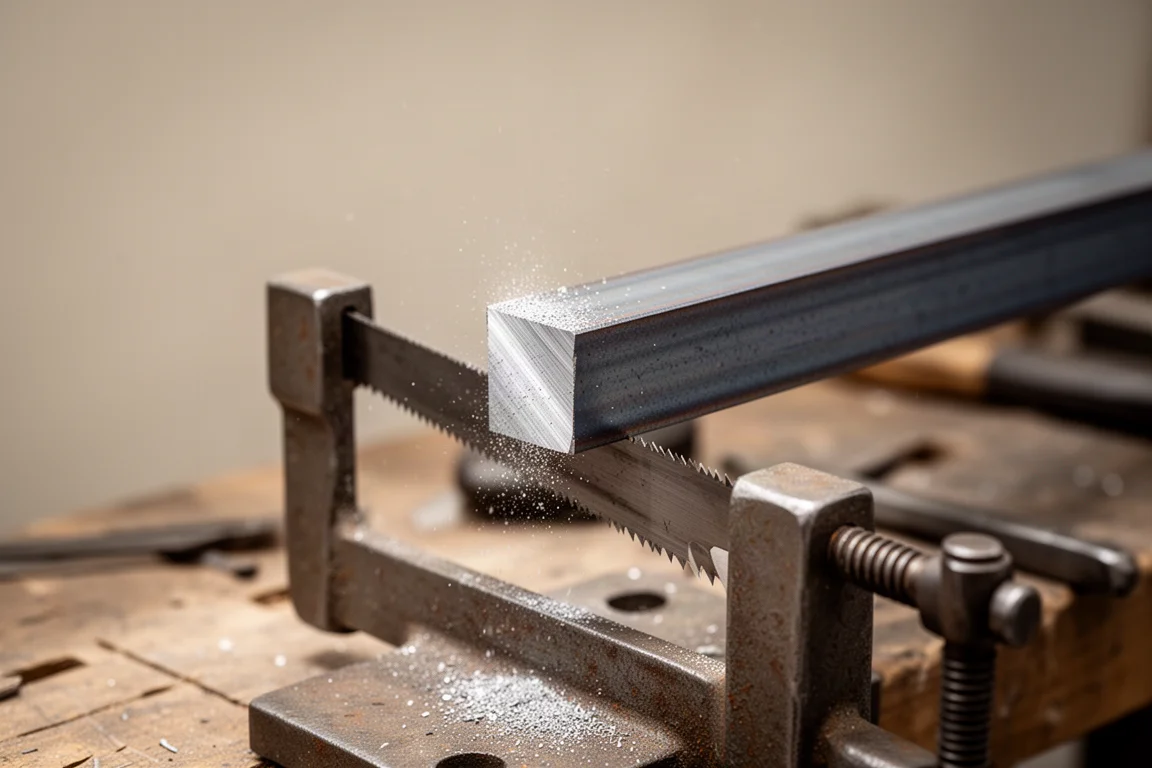
The core appeal of a cold cut saw shows here. Cuts come out completely cold, not even warm, which is a huge advantage over an angle grinder. The 50mm square stock cut went through fine, though with some chatter in places, and rebar cuts were easy at both speeds, though silent mode requires a slower feed.
Accuracy out of the box was not perfect. The blade cut with a slight lean, scraping the back of the blade on the top of the cut. The fix turned out to be simple: a thin shim between the aluminum plate and the galvanized plate on the base brought it very close to square. It is a small frustration, but an easily solved one at this price point.
Chip Collection: Manage Your Expectations
The front of the saw has a polycarbonate chip collection area with a metal deflector to protect the plastic, and you can see when it is full. In practice, collection performance depends heavily on how you use the saw. On the base, the material sits further from the blade entry point and chips get fired outward, so almost nothing made it into the canister during testing.
Freehand, the results improved considerably because the blade enters right at the collection opening. Even then, cutting corrugated iron only collected well on the peaks. If chip containment is a priority for working indoors, this is the weakest area of the design.
Freehand Use: Taking the Saw Off the Base
Removing the saw from the base takes a couple of screws and locating pins, and the bare tool is delightfully light and easy to handle. Once off, you can thread a rip guide through the base slots for straight ripping, though no guide or even the mounting screw is included.
There is a line-of-sight hole for following a cut line, and a hook slot on the front for hanging the tool, though at this size a front handle never really feels necessary. One quirk: a small piece of clear tubing is included, and after digging through the Japanese-language manual, it turns out it covers the pointed metal piece that holds the guard open so you do not cut yourself when the saw is off the base. When the saw is on the stand, the guard stays open by design.
The lighter freehand format was used for all sorts of jobs, including cutting corrugated roofing iron offcuts to line the front of a planter box, and it handled the job well. You do lose some depth of cut in handheld mode, but for sheet metal that rarely matters.
Buying Advice
Priced around 400 New Zealand dollars, or roughly 200 pounds and 280 US dollars, this 36V metal cutting saw on a stand is strong value. It is not a precision instrument out of the box, and the base feels like the cheapest part of the package, but the saw itself is light, quick, and produces cold, clean cuts. If you mostly cut modest stock sizes and want something far more convenient than a full-size chop saw, and much tidier than a grinder, it earns its place.

One thing worth knowing: a competing Makita version of essentially the same tool was announced for release shortly after this one arrived, reportedly with an easier saw-to-stand attachment mechanism. If that matters to you, it may be worth comparing before committing.
Conclusion
The HiKOKI CD3605DFA nails the fundamentals that matter for a compact metal cutting saw: it is small, light, quick to use, and cuts metal cold and clean. The base has real flex issues in the miter mechanism and squareness needs a shim fix, and chip collection is inconsistent at best. But for quick, accurate single-handed cuts of tube, rod, flat bar, and sheet, it is a genuinely handy tool that most metalworkers will find themselves reaching for far more often than a full-size saw.
Product link
View more details for HiKOKI CD3605DFA
This product is mentioned in the review. Check the specifications, options, and compatibility before buying.
View more details for HiKOKI CD3605DFAFurther reading
Related Reviews

Power Tools
Best 1-Inch Pistol Impact Wrenches: Three Heavy-Duty Options Compared
We compare three 1-inch pistol impact wrenches, from a budget-friendly Harbor Freight model to a premium Caterpillar unit, to help you choose the right one.

Power Tools
Best 3/4-Inch Impact Wrenches 2026: Five Contenders Compared
We compare five 3/4-inch impact wrenches across price and performance, from a budget Amazon option to Snap-on's most powerful model yet.

Power Tools
Best Budget Cordless Tools 2026: Walmart Finds That Punch Above Their Price
We tested five cordless tools from Walmart, including a high-torque impact wrench that trades blows with Milwaukee and a $35 duster that outperforms its price class.