Hiking Gear
Hiking Wearables Guide: Eight Pieces Worth Wearing on the Trail
The layers, footwear, socks, footbeds, and watches that stay on your body instead of inside your pack, and how to choose between them.
Introduction
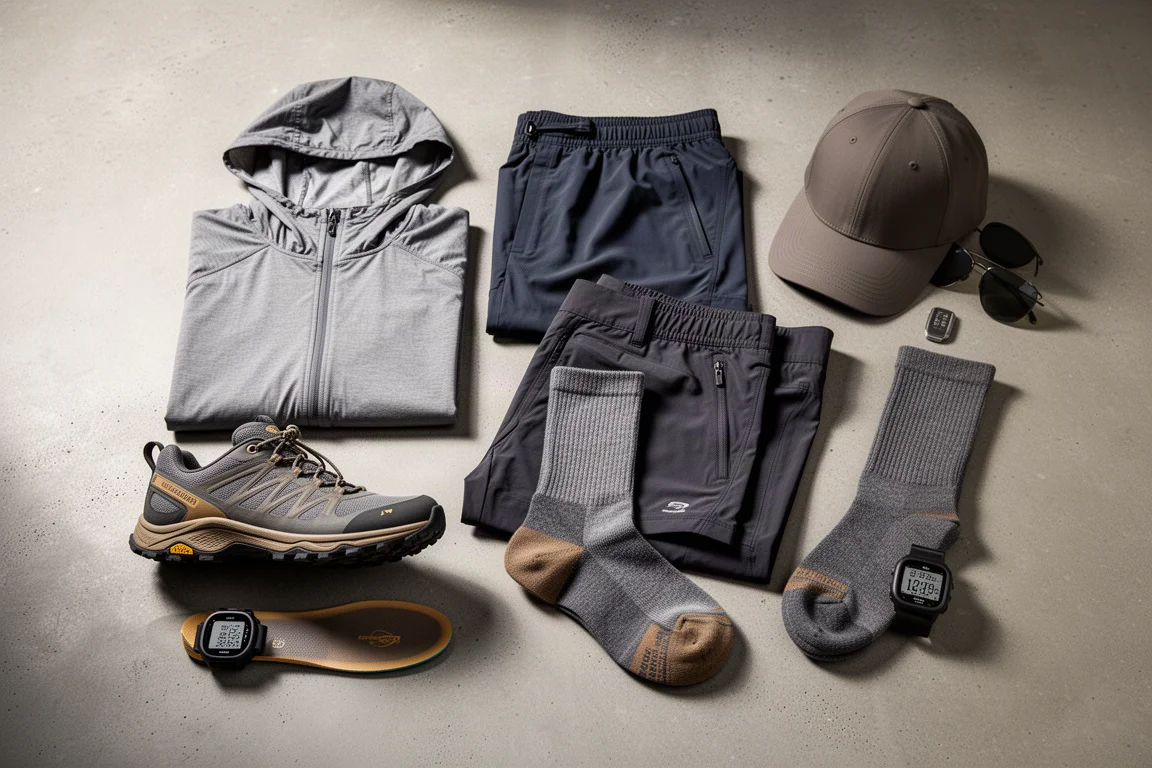
Most backpacking conversations revolve around what goes inside the pack: the shelter, the quilt, the stove, the water filter. The gear you actually wear while you walk gets far less attention, even though it shapes how a long day on the trail feels. A base layer that dries quickly, a pair of shorts that moves air, a sock that holds your foot in place, and a watch that keeps an eye on your effort can each change the experience.
This guide covers eight wearable items that stay on your body rather than in your bag, along with what each one does well and the situations where it makes the most sense.
What Makes Wearable Hiking Gear Worth Choosing
Wearable gear earns its place in a kit by solving a problem a pack item cannot. In hot weather, that usually means lightweight synthetics that move sweat away and dry fast enough that a quick dip in a creek turns into useful evaporative cooling. On exposed terrain, it means sun and bug protection built into the fabric rather than sprayed on top.
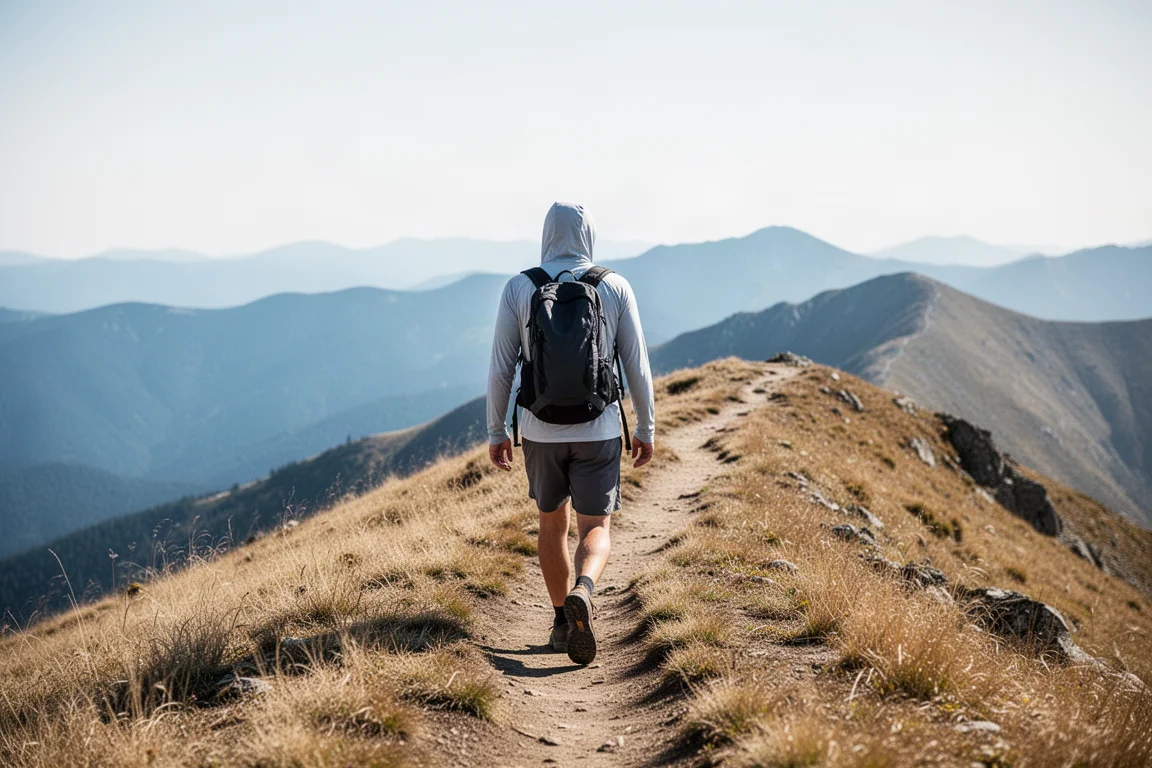
For long days, it means support: an insole that aligns the foot, a shoe that matches your arch and stride, a sock that holds tension around the heel and ankle. Durability and simplicity matter too, because anything you wear every mile has to survive repeated washing, repeated soaking, and repeated packing.
Base Layer: Outdoor Vitals Altitude Hoodie
A lightweight polyester hooded shirt has become the default upper layer for warm-weather hiking, and the Outdoor Vitals Altitude Hoodie is exactly that: a thin, long-sleeve top with a hood that provides sun protection and bug protection without adding meaningful warmth. Because the fabric is so light, sweat dries quickly once a breeze picks up.
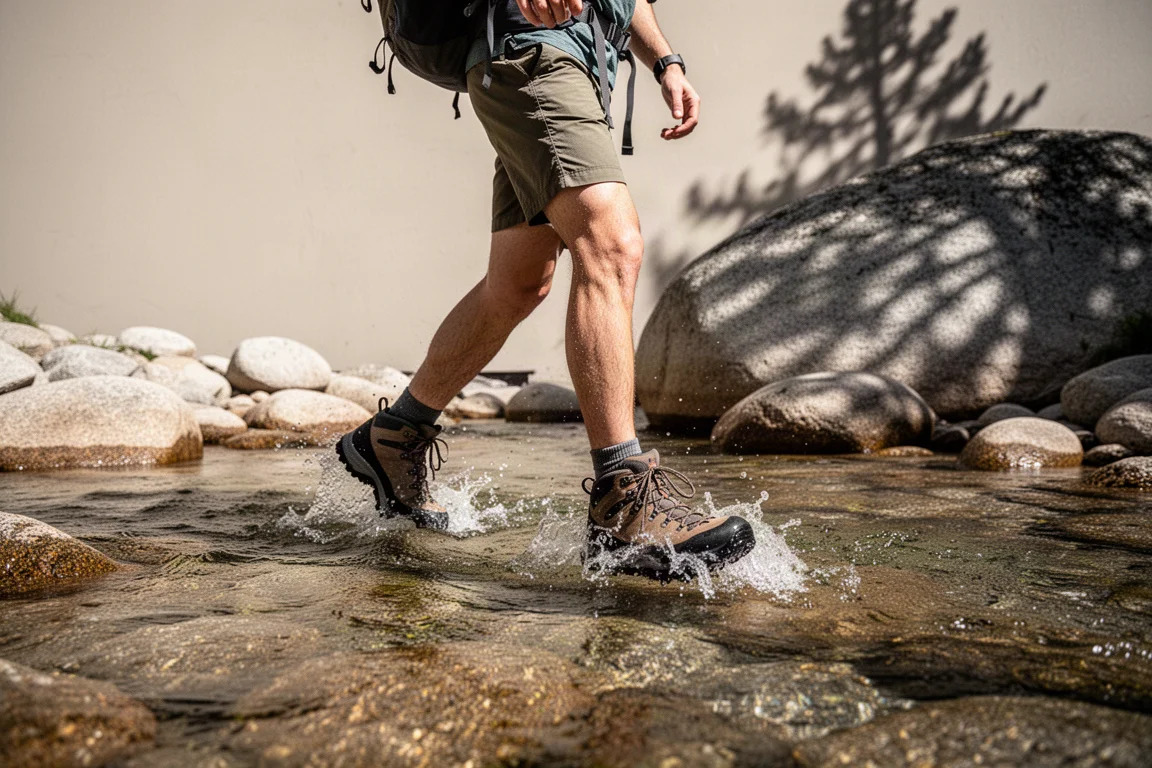
One of the more useful tricks with a hoodie this thin is soaking it in a creek on a hot day and letting evaporation do the cooling work. It also layers easily under a shell when the weather turns, and it packs down small enough to disappear into a side pocket.
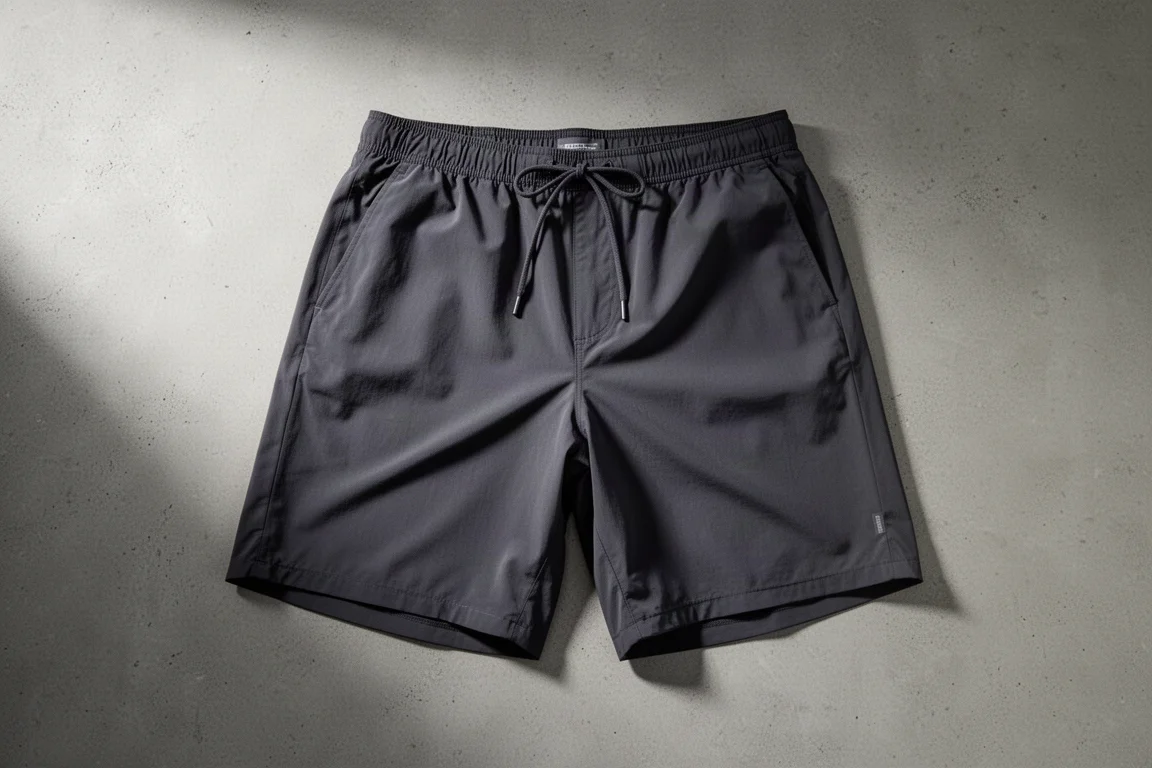
Hot Weather Bottoms: Outdoor Vitals Satu Shorts
For genuinely hot conditions, shorts are the simplest way to maximize airflow and avoid overheating. The Outdoor Vitals Satu Shorts are a breathable, quick-drying synthetic pair with a little stretch, which keeps them comfortable on long climbs and awkward steps. They are built for warm-weather hiking first and foremost, and they work best when the forecast is firmly on the warm side.
When temperatures drop, or when the bugs come out in force, the same quick-dry thinking applies to a full-length option instead.
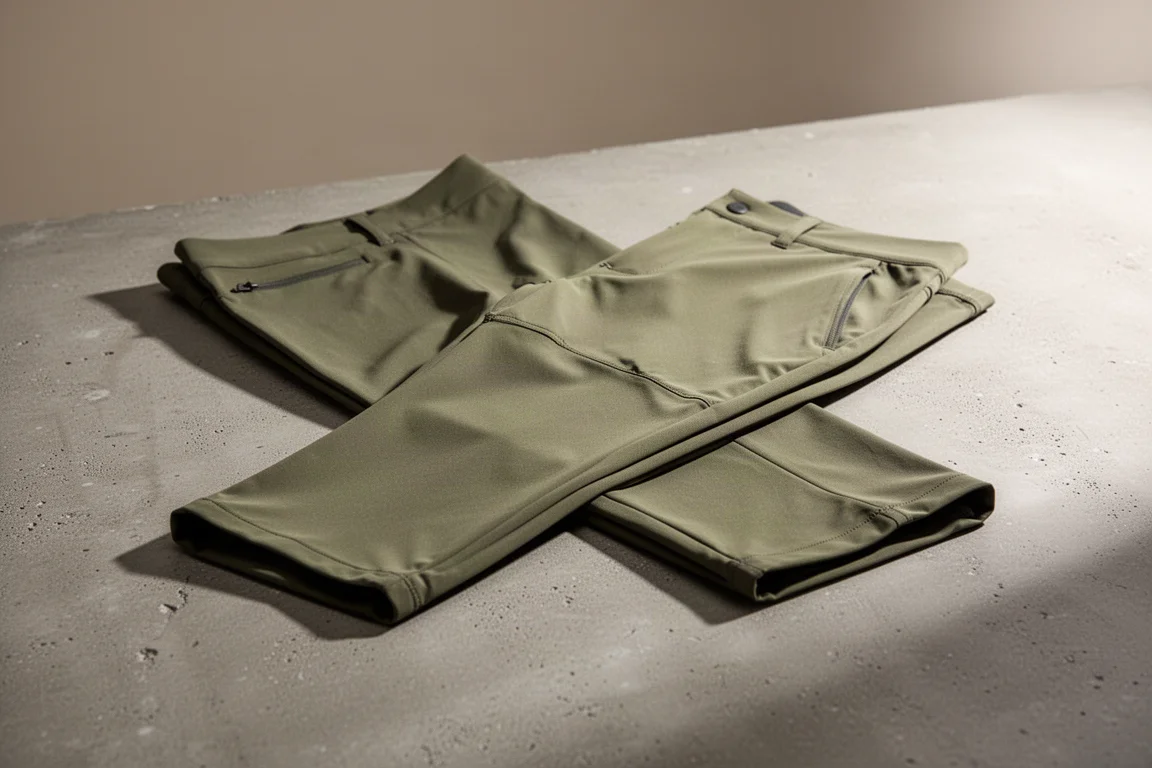
Buggy Conditions: Prana Brion Pants
In the summer months, pants usually only make sense when the bugs are bad enough that exposed legs become miserable. The Prana Brion Pants are a breathable synthetic pair that dries quickly and has a bit of stretch, so they stay comfortable without turning a hot day into an unbearable one. They are the go-to full-length option for warm, buggy trips where coverage matters more than maximum airflow.
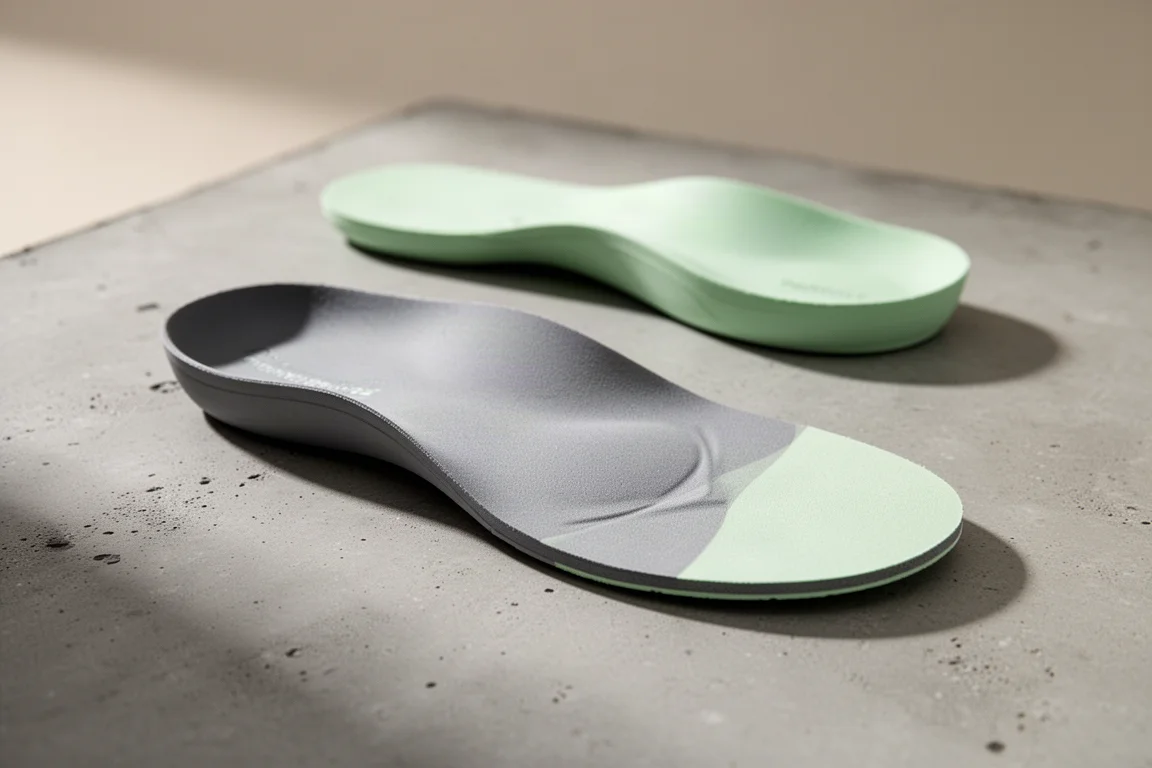
Footbeds: SOLE Active Thin Footbeds
Insoles are easy to overlook, especially if the footbeds that came in your shoes have always felt adequate. The SOLE Active Thin Footbeds are a thin model with a zero-drop profile from heel to toe, designed to put support through the arch and align the foot more naturally. On long days, that support can change how tired your feet feel by the end.
They come in multiple widths and sizes to suit different shoes and feet, and they are available in more than one compound, including an EVA foam version and a recycled cork option. SOLE also focuses on recycled materials and on reducing its carbon footprint, which matters to buyers who weigh sustainability alongside comfort. The design is aimed at common foot complaints as well, including plantar fasciitis, so they are worth trying if sore arches are a recurring problem.
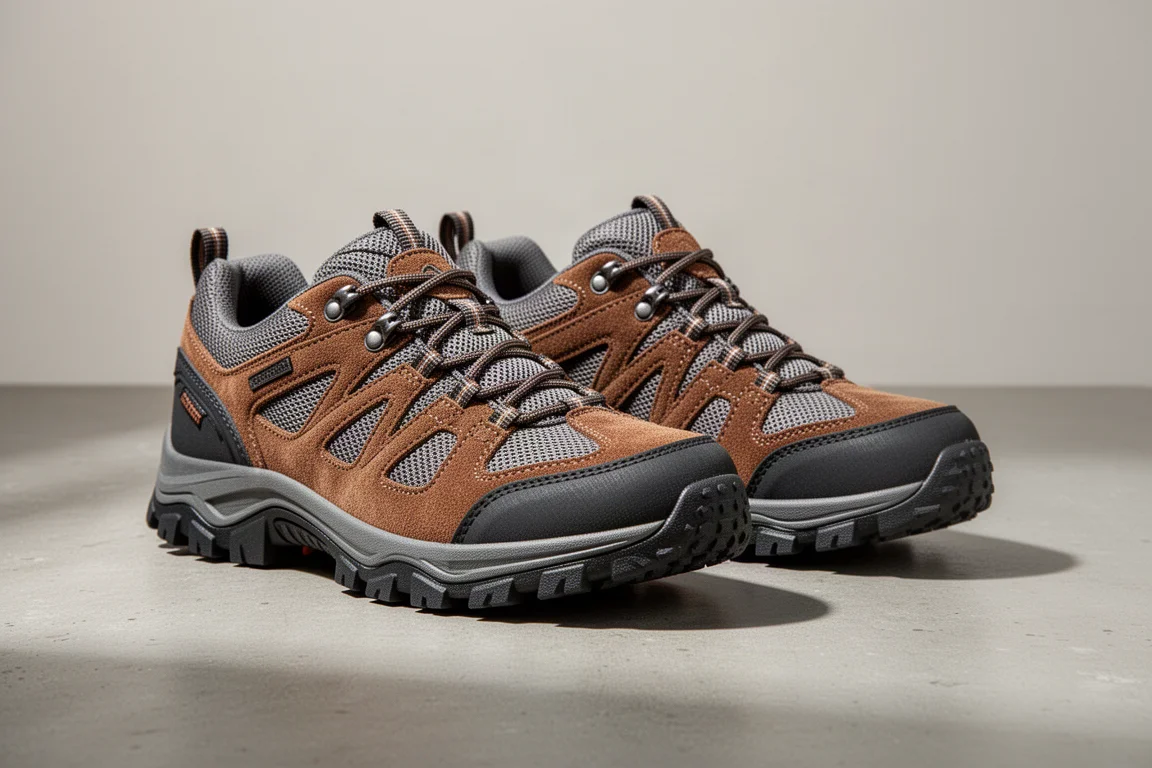
Trail Shoes: Danner Trail 2650
Shoes are the most personal item on this list. Foot shape, arch style, and stride vary enough that no single trail shoe suits everyone, and the right answer is the one that fits your foot. The Danner Trail 2650 is a low-cut hiking shoe that has worked well as a primary trail option across several pairs, pairing a light, agile feel with enough structure for day after day of walking.
Socks: Swiftwick Flite XT Hiking Socks
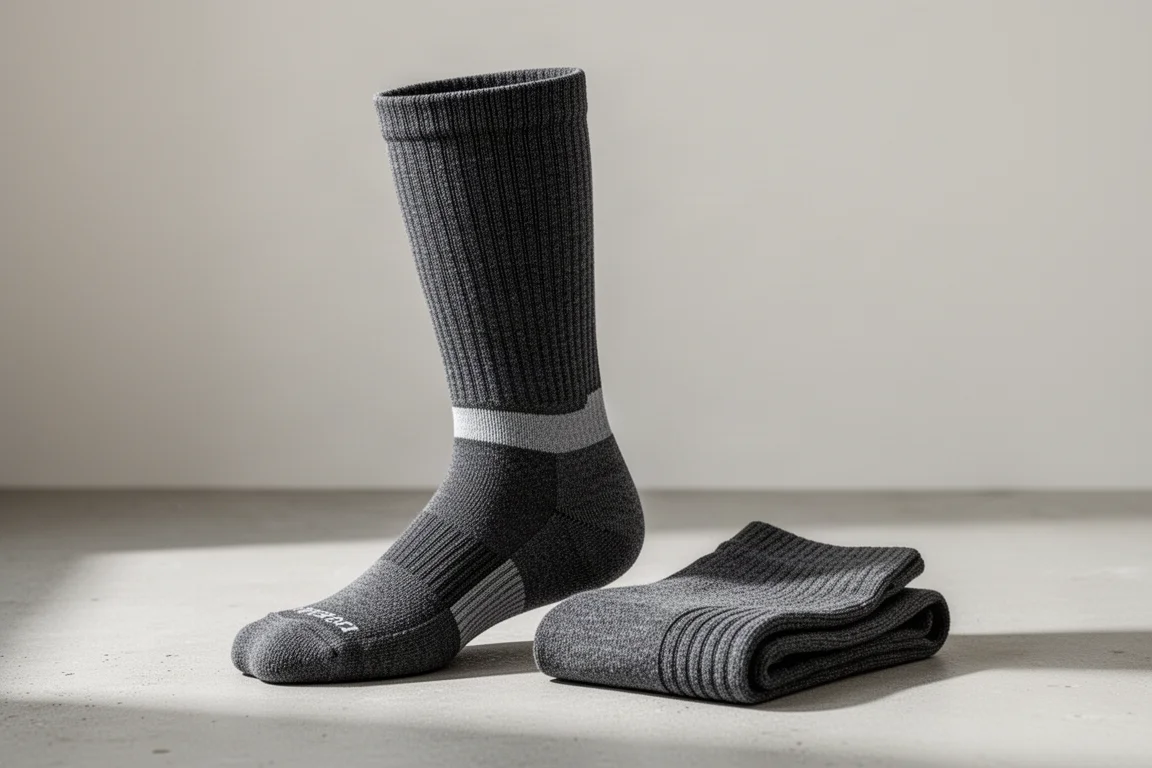
A good sock does more than cushion. The Swiftwick Flite XT Hiking Socks come in different heights, and the taller versions add protection over the ankle when you are stepping over logs or pushing through brush. The design includes a grip compound embedded in the fabric that keeps the sock from sliding around inside the shoe, which is especially useful on wet crossings and long descents.
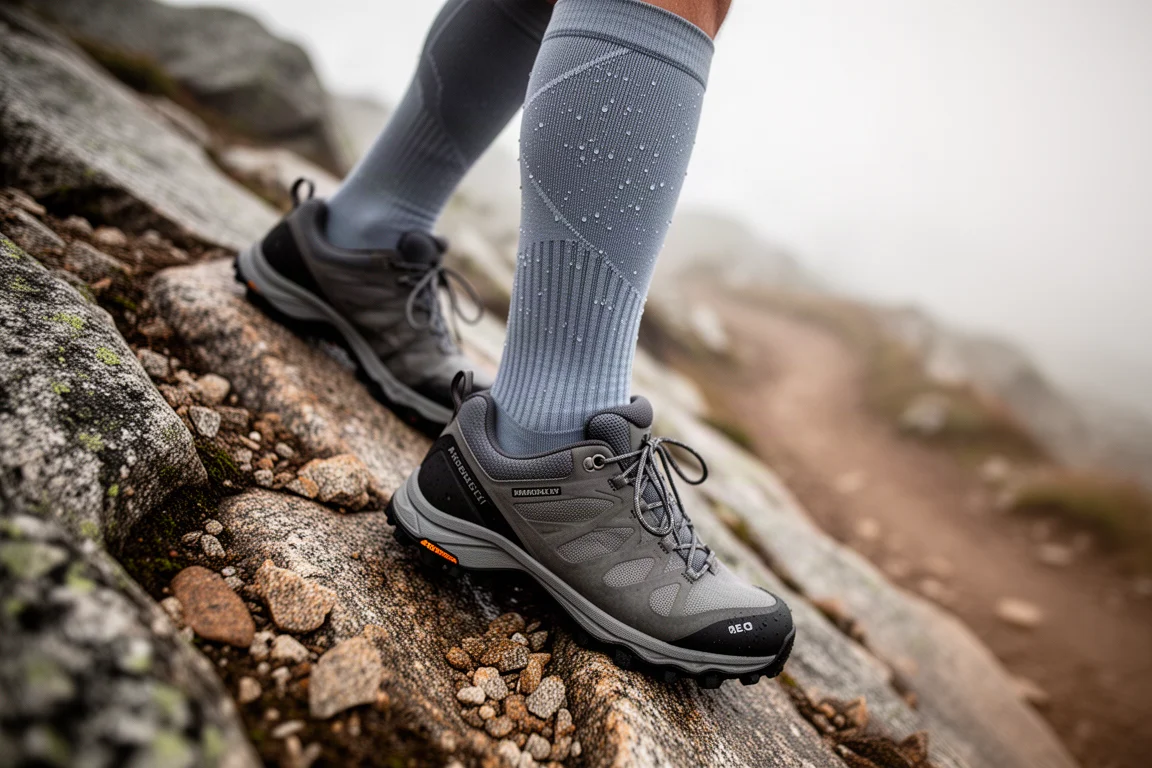
Stitching around the ankle runs in different directions to create tension and support, which helps on off-camber slopes and uneven ground. Pulling the sock on, you can feel it settle around the heel and hold the foot in place.
GPS Watches: Garmin Fenix 7S
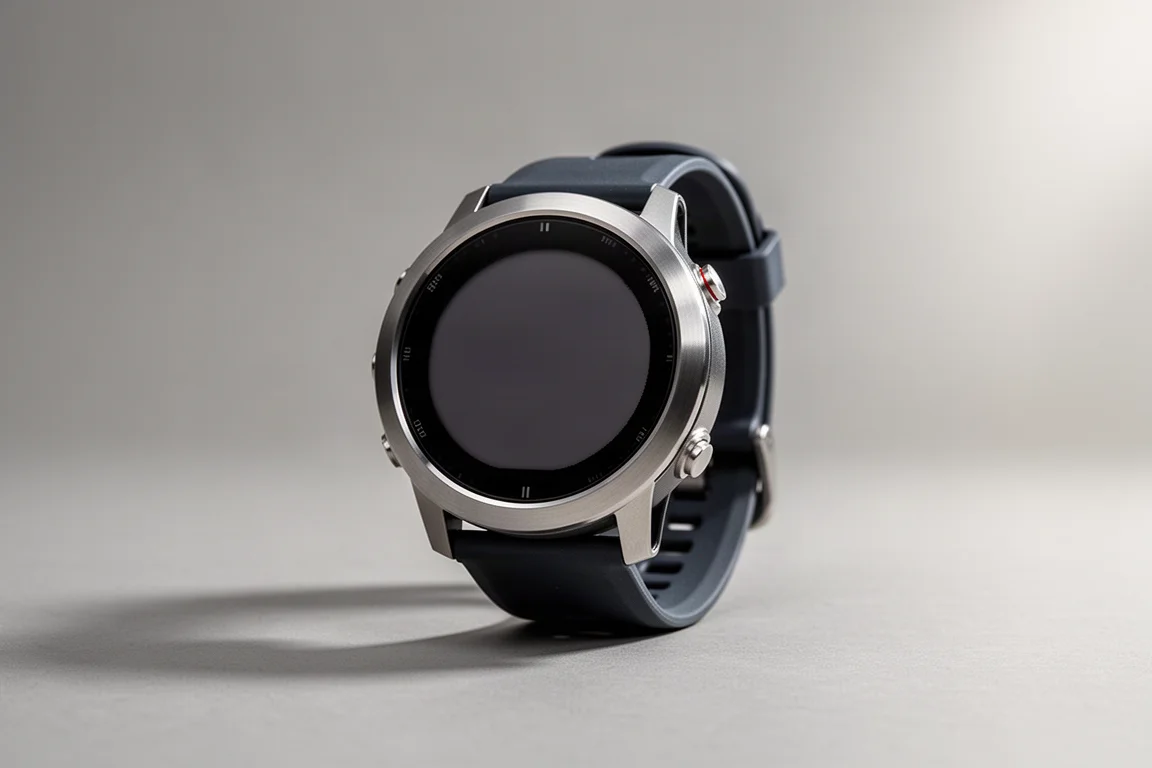
A GPS watch has become one of the bigger quality-of-life upgrades for hiking. The Garmin Fenix 7S tracks and maps routes, monitors heart rate and steps, and records sleep, all from the wrist. Having that information without reaching for a phone keeps navigation and effort tracking simple.
Heart rate is the metric many hikers end up watching most closely. A resting heart rate that keeps climbing can be an early signal of dehydration or of pushing harder than intended, and pulse oxygen readings become useful when you gain elevation. That kind of feedback, available all day without extra devices, is the main reason a watch stays on the wrist for every trip. For anyone moving up from an earlier GPS watch, the Fenix 7S feels like a meaningful step forward in daily trail use.
Barometric Tracking: Suunto 9 Baro
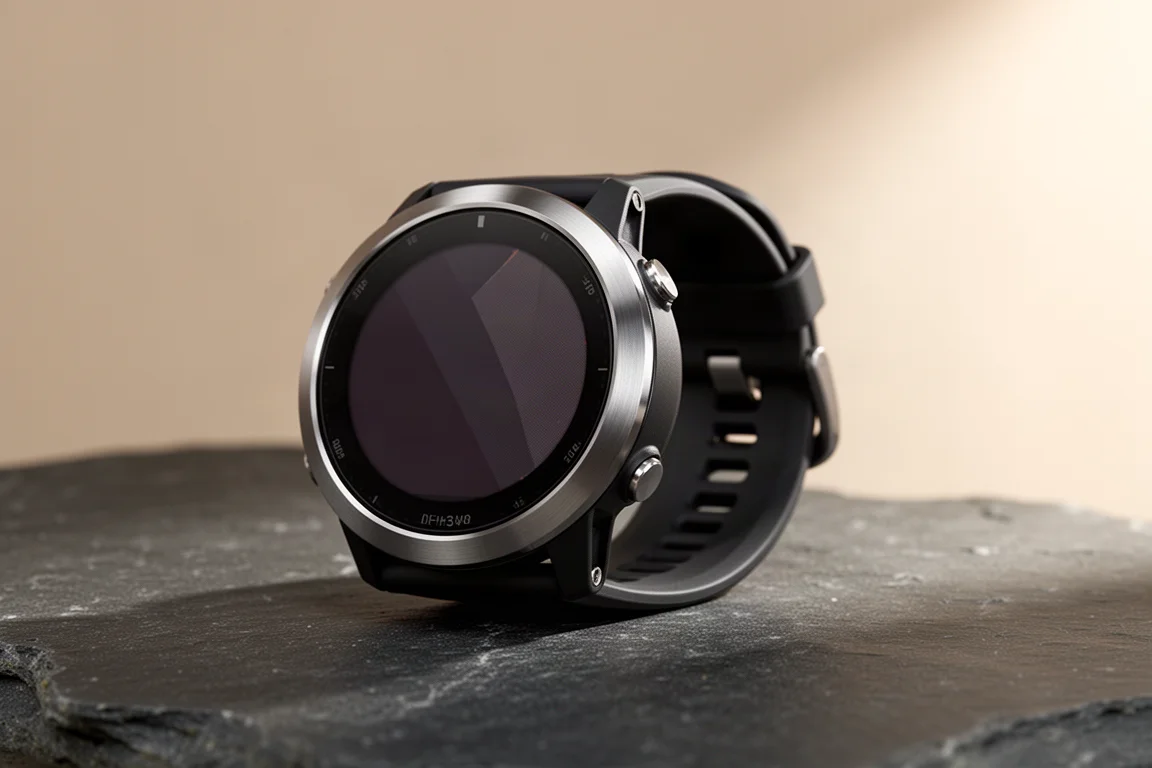
The Suunto 9 Baro is another GPS watch option, and its built-in barometer is the defining feature. It tracks activity and offers the core metrics hikers expect, and it remains a capable choice for anyone who values altitude and pressure awareness on the trail.
Protecting Skin and Eyes on the Trail
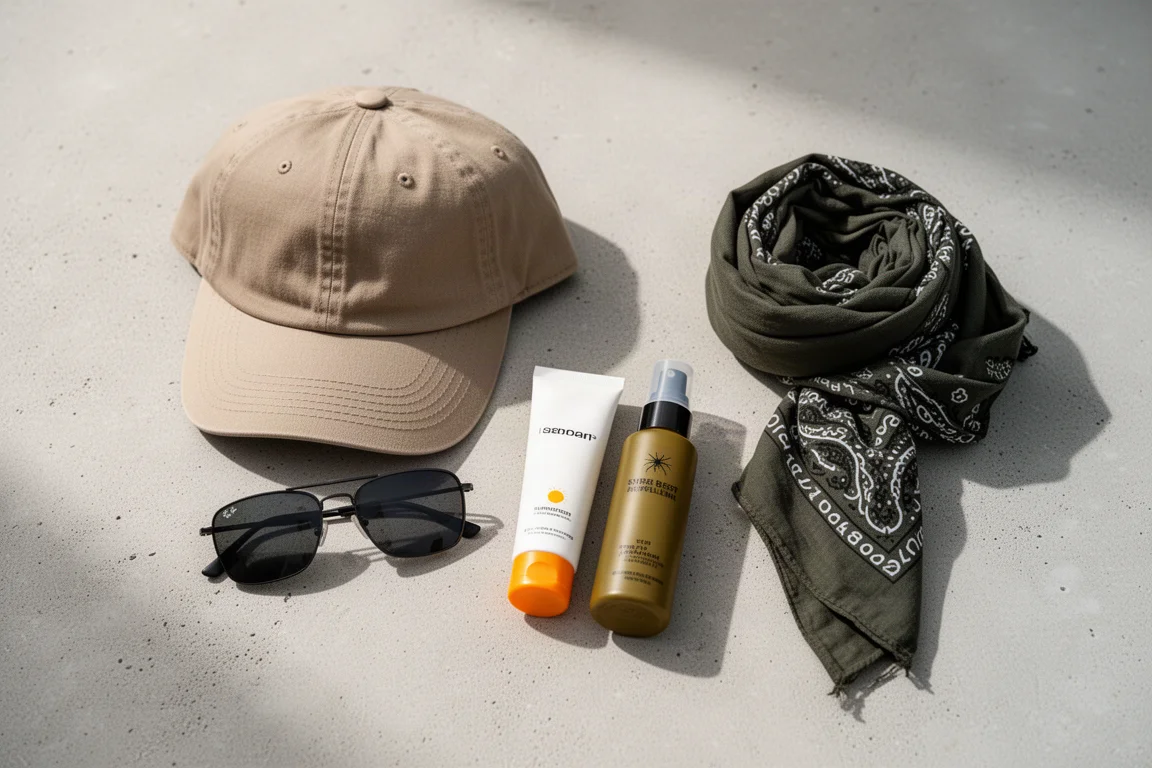
Not every wearable is a garment. Sunscreen and bug spray belong in the kit for most backcountry conditions, and mosquitoes and biting flies can ruin an otherwise good day without them. A plain ball cap keeps sun off your face, and a polarized pair of sunglasses cuts glare. Polarized lenses are particularly handy when walking desert canyon creeks, where reading the bottom of the water makes footing decisions much easier.
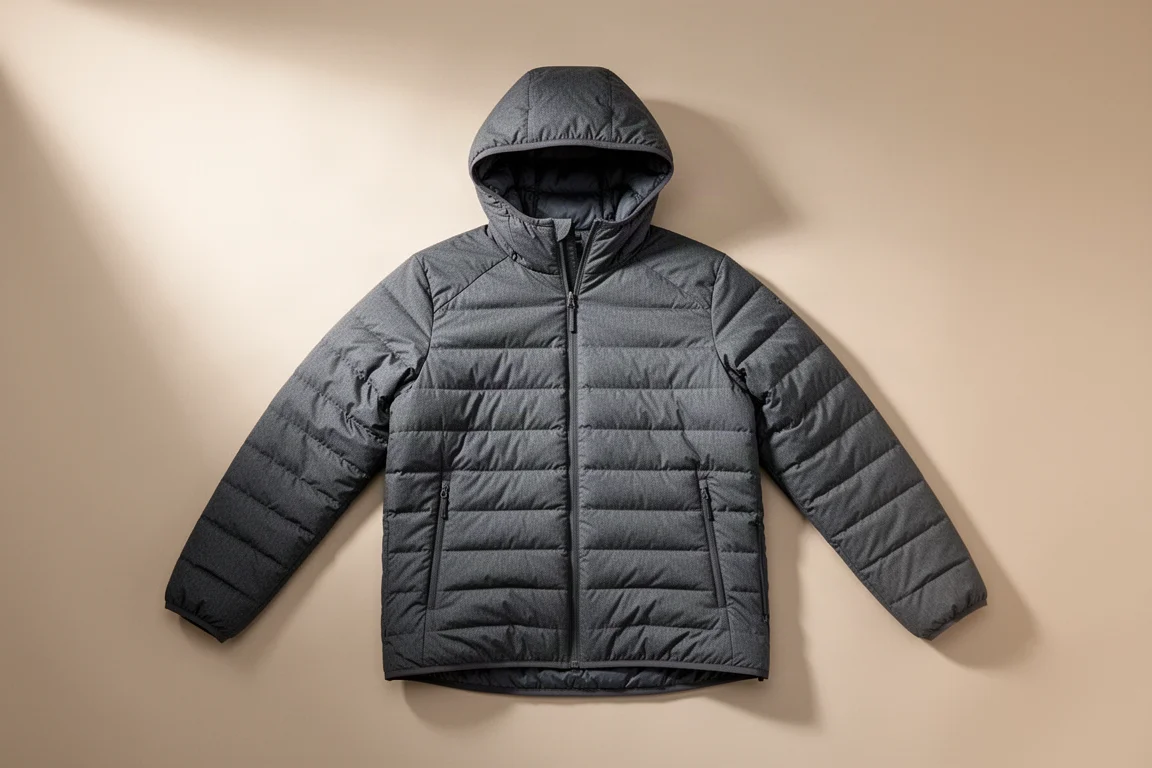
Mid layers and rain jackets are also worn rather than packed, but they are situational items that come out for cold or wet weather rather than living on your body all day, so they sit outside this list.
Buying Advice
Start with the items you wear every single mile: the base layer, the socks, and the shoes. Those three do the most to determine whether a long day feels manageable, and getting them right is worth more than any single upgrade elsewhere. A thin hooded sun shirt covers sun and bugs at once, socks with genuine ankle support and a grip compound reduce movement inside the shoe, and a shoe that matches your foot shape matters more than any specification on a product page.
Footbeds are the least expensive experiment here and often the most surprising. If your feet ache at the end of long days, a supportive insole with proper arch alignment is a low-cost change to test before replacing a shoe you otherwise like.
A GPS watch is a larger purchase, and it makes the most sense if you want route tracking, heart rate, and sleep data without carrying extra devices. Barometric altitude awareness is worth prioritizing if you hike at elevation. Add sun and bug protection, and the wearable side of your kit is essentially complete.
Conclusion
The gear you wear is not an afterthought to the gear you carry. A lightweight hooded base layer, quick-drying bottoms, supportive footbeds, a shoe that fits your foot, socks that hold the ankle, and a watch that tracks effort together cover most of what a hiker needs on the body. Choose based on the conditions you actually hike in, and each piece will earn its place.
Further reading
Related Reviews
Hiking Gear
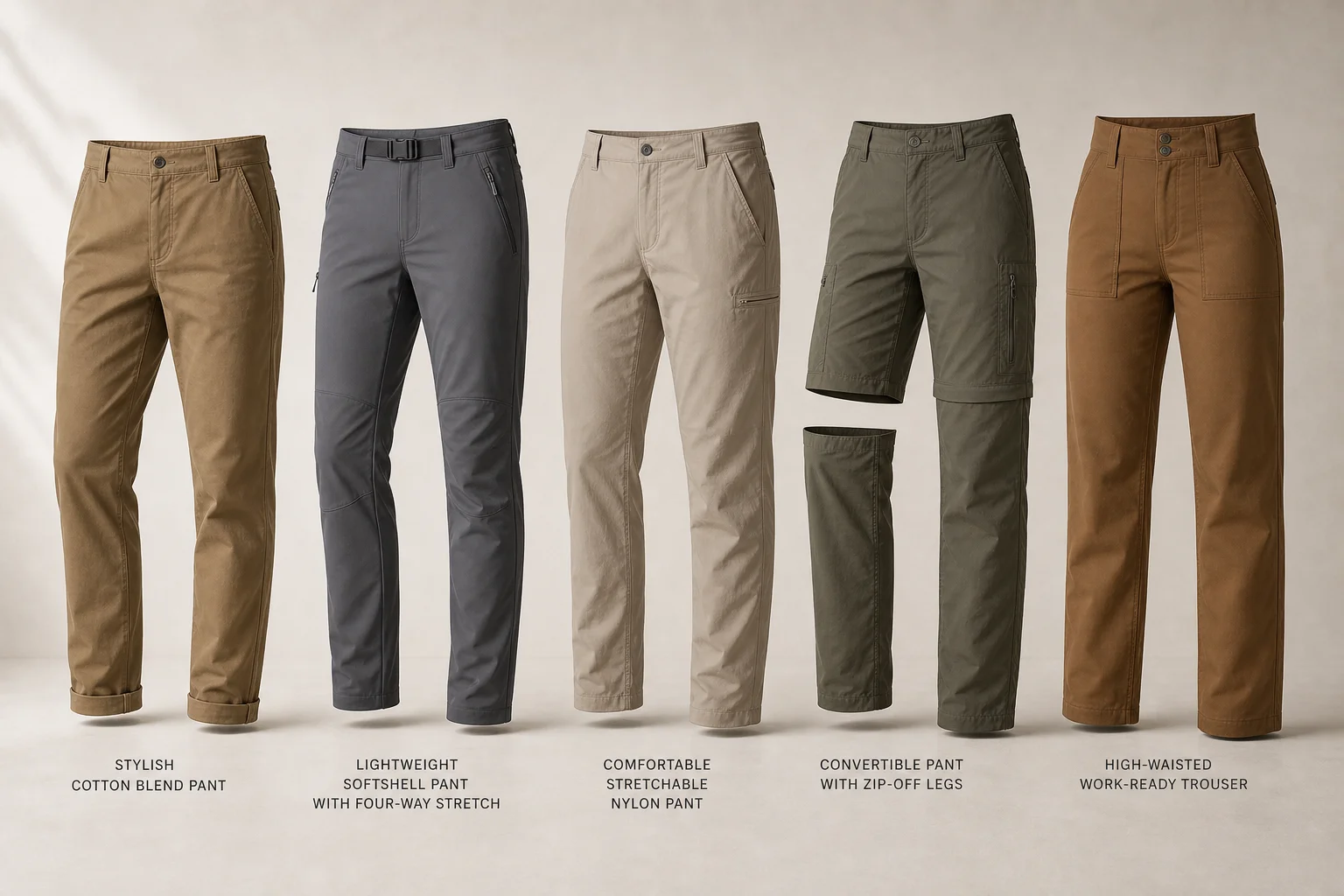
Best Hiking Pants on Amazon: Five Practical Options for Different Needs
A practical review of five hiking pants with clear strengths and trade-offs, from lightweight convertible styles to durable work-ready trousers.
Hiking Gear
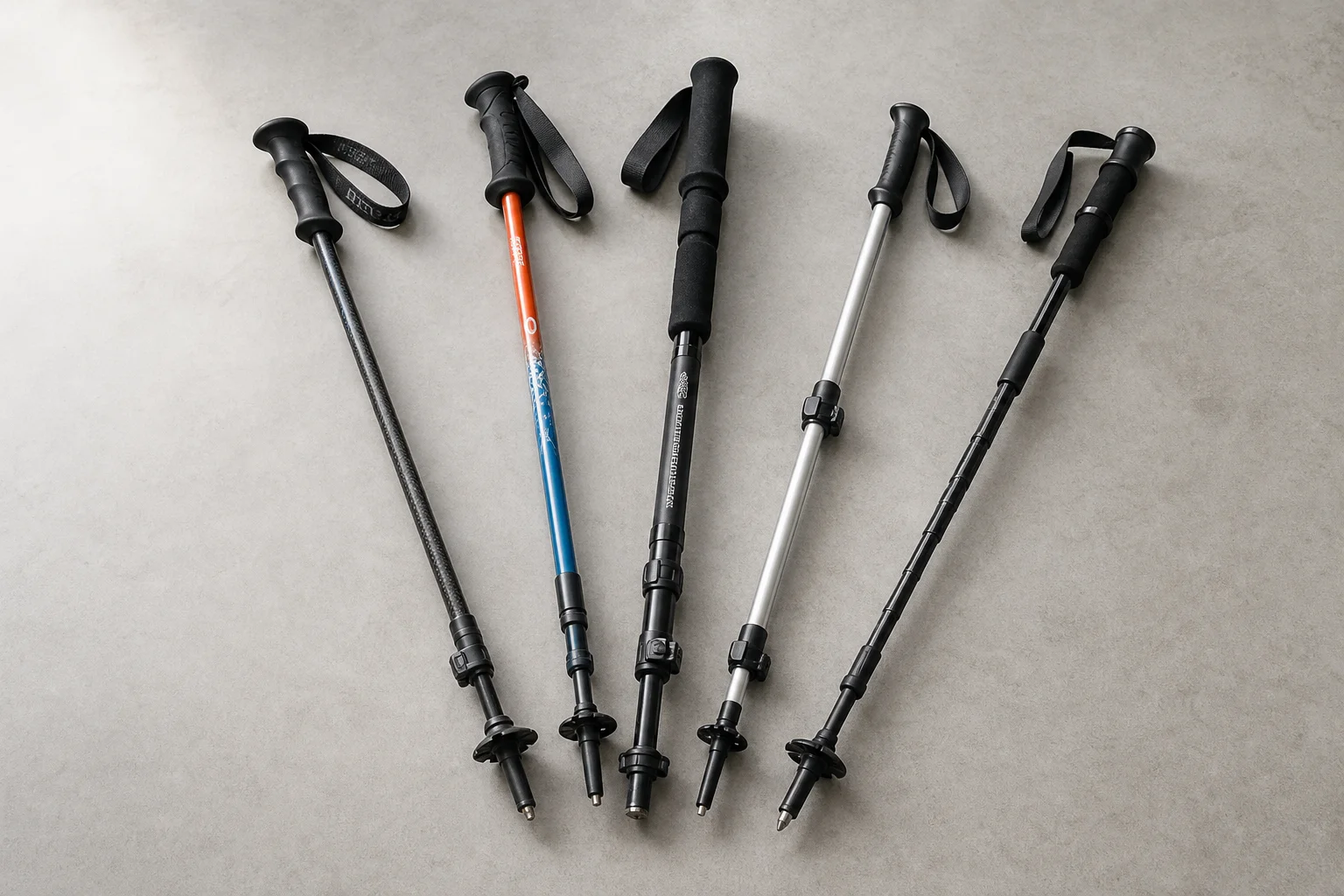
Best Hiking Poles 2026: Five Options for Different Trail Needs
A practical review of five hiking poles, from lightweight carbon designs to versatile all-terrain options, with clear strengths and trade-offs for each.
Hiking Gear
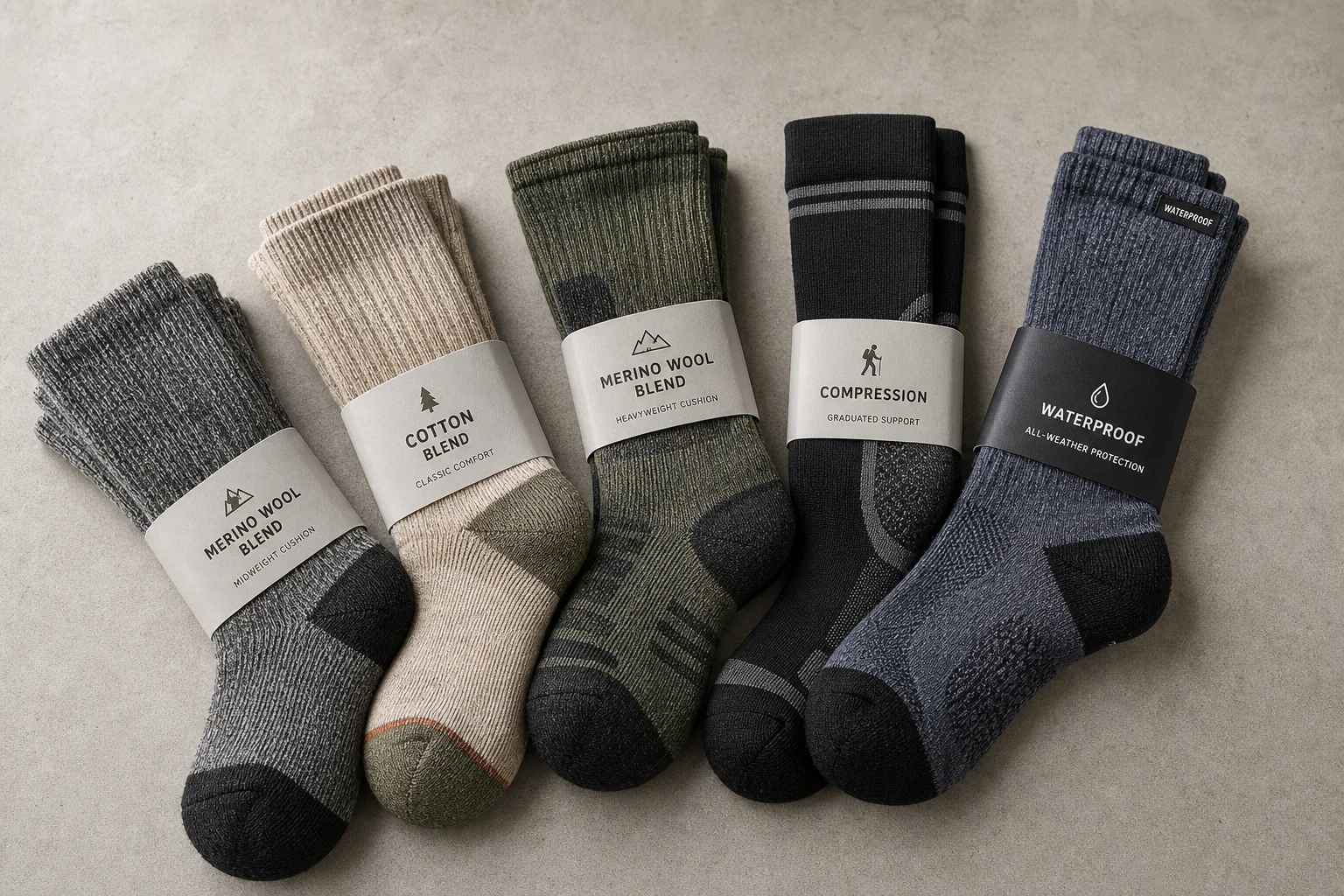
Best Hiking Socks 2026: Five Top Choices for Different Trail Needs
A practical roundup of five hiking socks, from lightweight merino options to heavy-duty compression styles, with clear guidance on which suits your outdoor activity.