Hiking Footwear
Hiking Shoes vs Trail Running Shoes: Three Proven Options for the Trail
How hiking shoes and trail runners differ in weight, durability, and fit, plus three dependable options: Oboz Sawtooth 2, Altra Lone Peak 6, and Merrell Moab 2.
Introduction
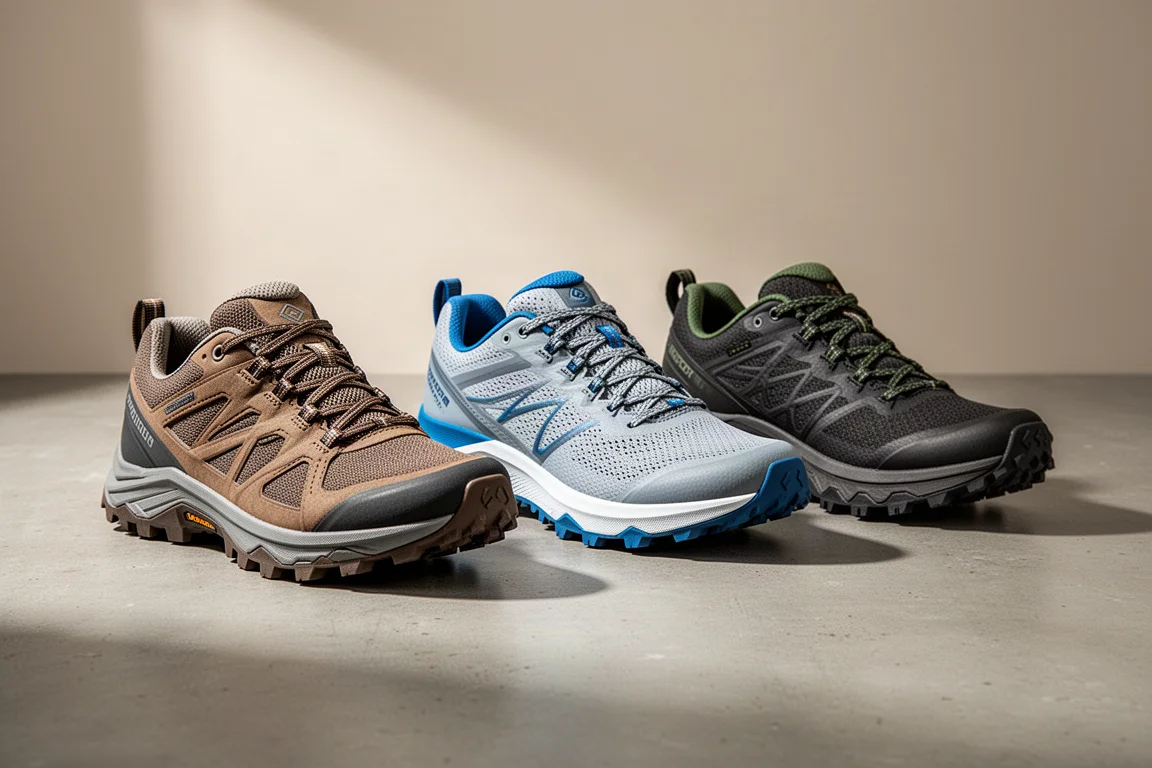
The gap between a hiking shoe and a trail running shoe is narrower than most gear discussions suggest, and even within trail runners there is plenty of variation. The clearest way to understand the difference is to compare two shoes that sit on opposite sides of that blurry line.
The Oboz Sawtooth 2 is a hiking shoe that logged 100 miles of trail use and still looked close to new. The Altra Lone Peak 6 is a lightweight trail runner that many hikers now treat as their default shoe. A third option, the Merrell Moab 2, is another hiking shoe worth keeping on the shortlist. Each one makes sense for a different kind of hiker, and the trade-offs between them come down to weight, durability, and fit.
Hiking Shoes vs Trail Runners: Where the Line Blurs
A hiking shoe is essentially a lighter version of a hiking boot. Your foot goes into the shoe, and the shoe holds its shape around it. A trail runner works the other way around: the shoe adapts to your foot, closer to the way a sock moves with you. That single design difference shapes almost everything else, from how the shoe feels on a groomed path to how it behaves on a rocky descent.
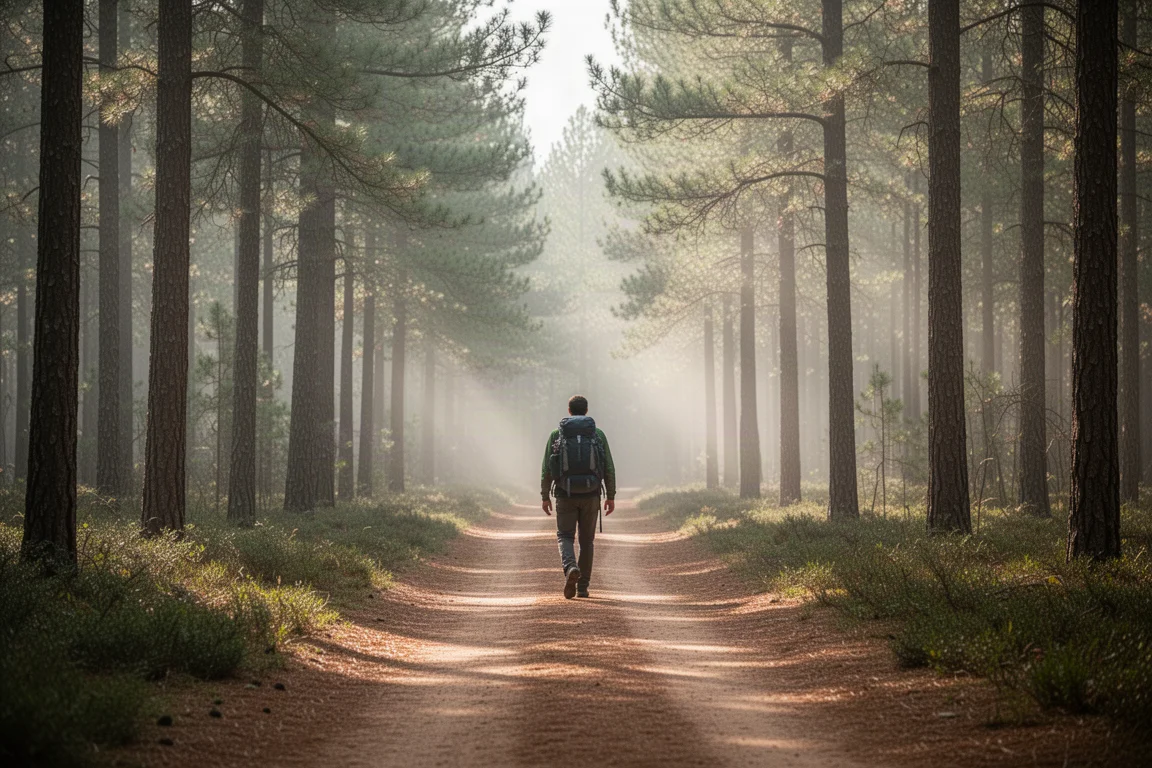
Neither approach is better in the abstract. A stiffer, more structured shoe is reassuring when the ground is uneven and unpredictable, while a flexible, foot-hugging shoe is more comfortable when the trail is smooth and the miles are long. Most hikers end up preferring one feel over the other once they have spent real time in both.
Weight, Durability, and Fit: The Three Real Differences
Weight is the most measurable difference. A typical hiking shoe like the Oboz Sawtooth 2 weighs just under two pounds per pair. A light trail runner like the Altra Lone Peak 6 weighs a little over one pound per pair. Carrying roughly double the weight on each foot is noticeable over a full day of hiking.
The effect adds up quickly. At an average hiking cadence of about 80 steps per minute, each foot lifts about 40 times a minute. A two-pound shoe means roughly 80 pounds of lifting per minute, while a one-pound shoe means about 40 pounds. Spread across an hour, that gap becomes thousands of pounds of extra work.
Durability is the trade-off for the lighter weight. A trail runner is often ready for replacement somewhere between 300 and 500 miles. A hiking shoe generally lasts around twice as long, with 800 to 1,000 miles a realistic expectation before the shoe starts to come apart.
Fit is the third difference, and it is the one hikers feel most immediately. A hiking shoe holds the foot in a firm, structured shell, which feels protective on rough ground but leaves little room for the foot to move. A trail runner with a wide toe box and a snug midfoot lets the foot splay and contract naturally with each step, which is why so many hikers describe a broken-in trail runner as comfortable enough to wear around the house.
Oboz Sawtooth 2: Protection and Long-Term Durability
The Oboz Sawtooth 2 is a strong example of what a hiking shoe does well. Its sole is stiff and hard to bend by hand, and that rigidity translates into real protection on rocky trails, off-trail sections, and messy terrain where grip and stability matter more than lightness.
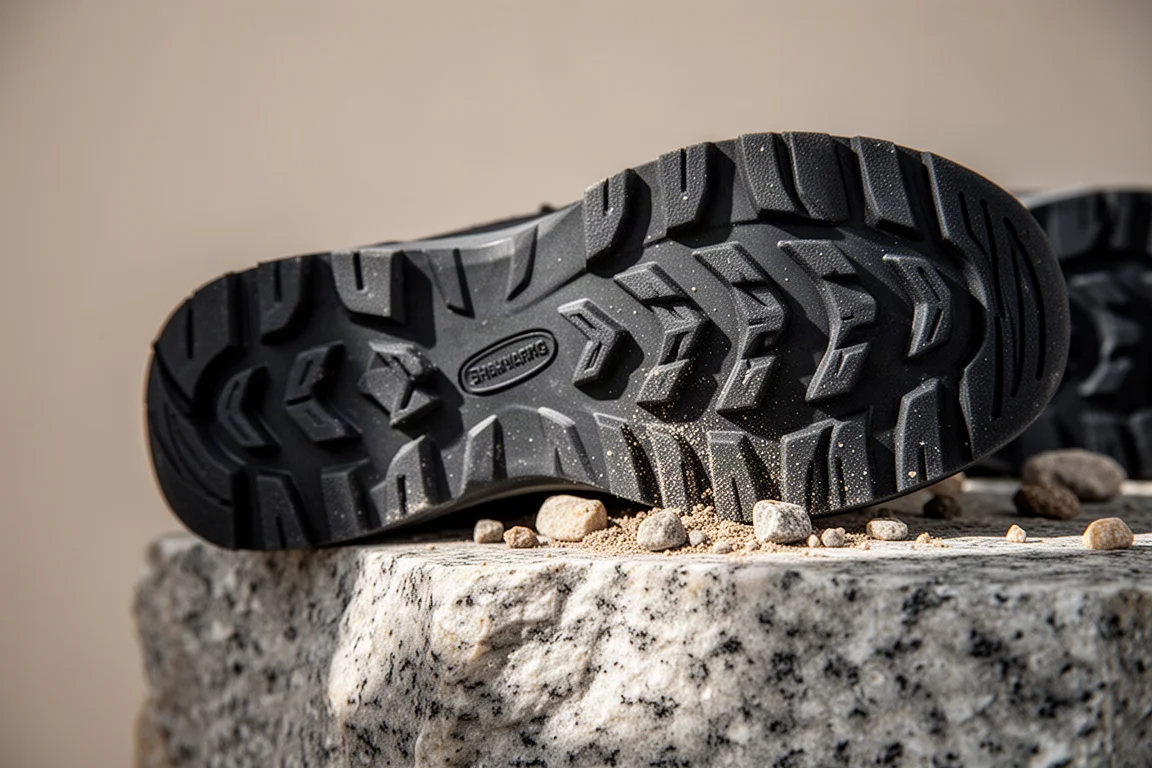
After 100 miles, the shoe still looked close to new, with very little visible wear. That is the durability story in practice: the same construction that makes the Sawtooth 2 feel firm underfoot also keeps it going for a long time. It is a shoe that turns up on long-distance routes as well, which fits with how well it holds up. Hikers who want a boot-like feel without the full weight of a boot will find a lot to like here, and the tread handles a wide range of surfaces confidently.
Altra Lone Peak 6: Comfort That Adapts to Your Foot
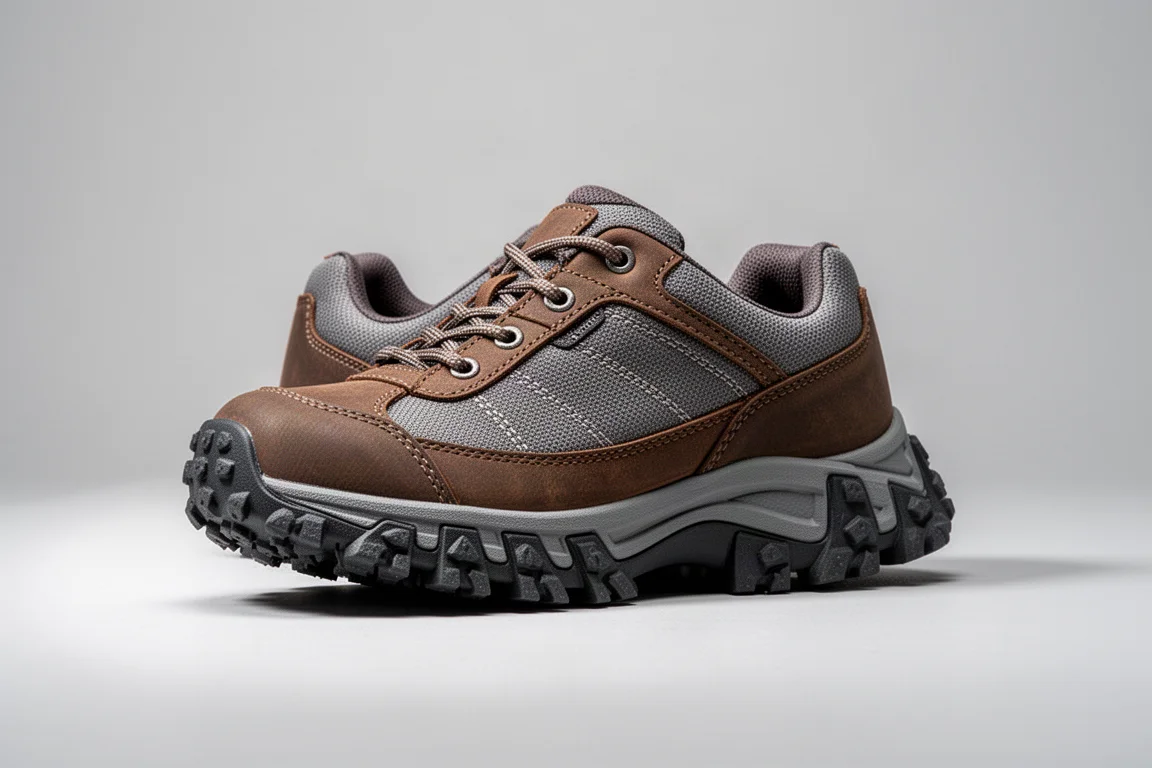
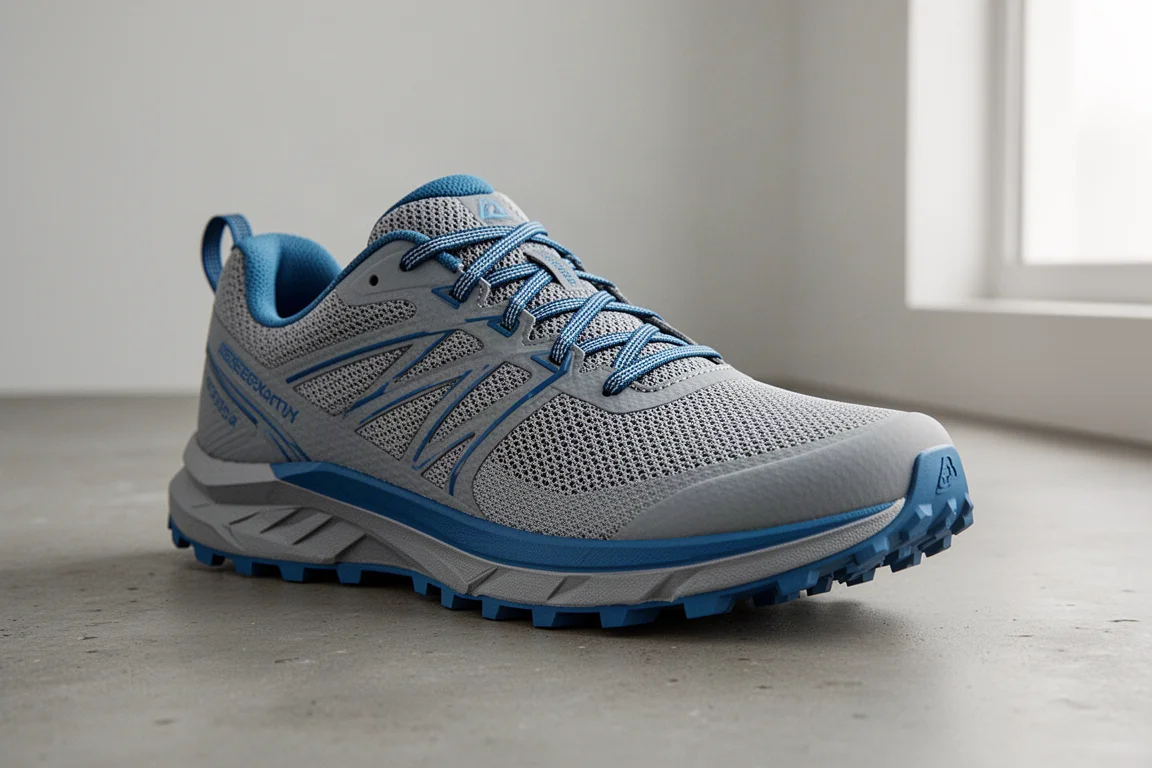
The Altra Lone Peak 6 sits on the other side of the divide. It is light, pliable, and built with a wide toe box that lets the foot spread out under load instead of being held in a fixed position. The upper moves with the foot rather than around it, which is the main reason it feels so different from a hiking shoe.
That comfort does not come at the cost of trail protection. The Lone Peak 6 still shields the foot well enough for most hiking, and the moments when a stiffer shoe would be preferable are rare, mostly limited to extreme conditions where the tread and protection of a hiking shoe have the edge.
The trade-off is lifespan. Expect to replace a pair somewhere around 400 to 500 miles, and one well-used pair at roughly 350 miles already shows worn tread, though it remains in decent shape. For hikers who value comfort above all else and accept more frequent replacement, this is an easy recommendation.
Merrell Moab 2: A Second Dependable Hiking Shoe
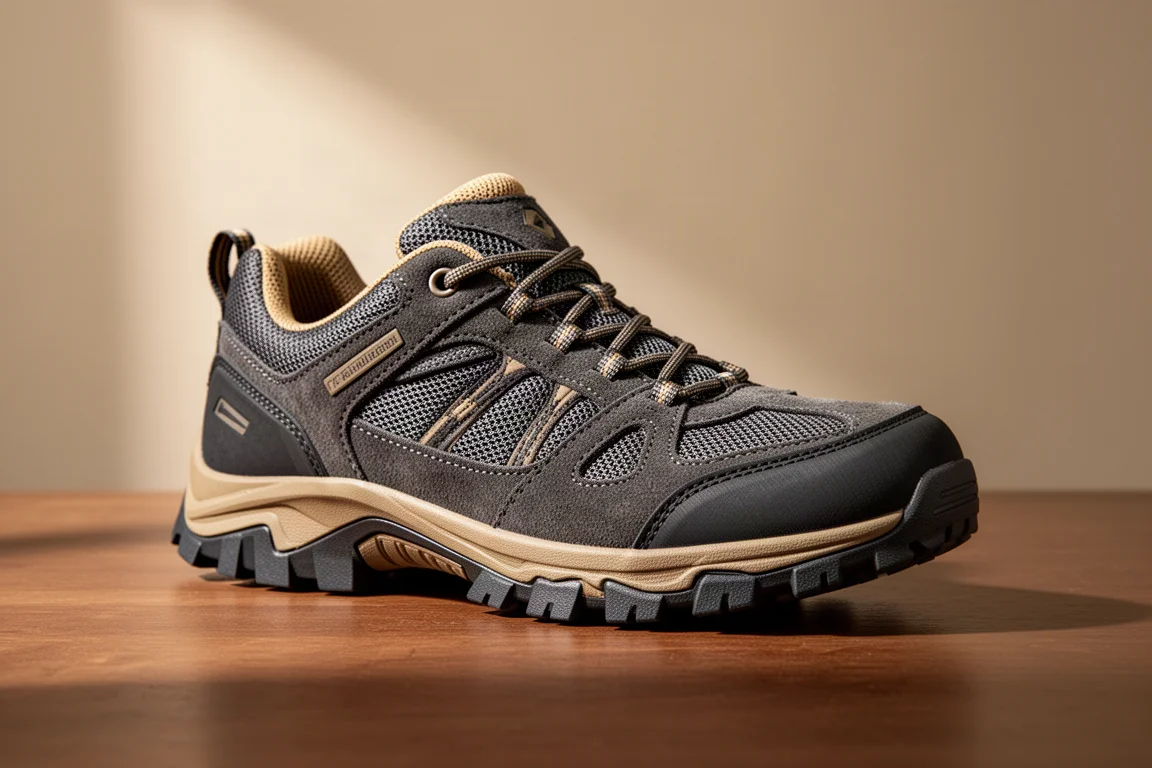
The Merrell Moab 2 is the other hiking shoe that belongs on the same shortlist as the Oboz Sawtooth 2. It follows the same philosophy: a structured, protective build that favors durability and stability over minimal weight.
For hikers who have decided they want the hiking shoe experience, having two well-established options makes it easier to find the shape that suits your foot. The Moab 2 is a reasonable place to start if the Sawtooth 2 fit does not work for you.
Matching the Shoe to Your Terrain and Mileage
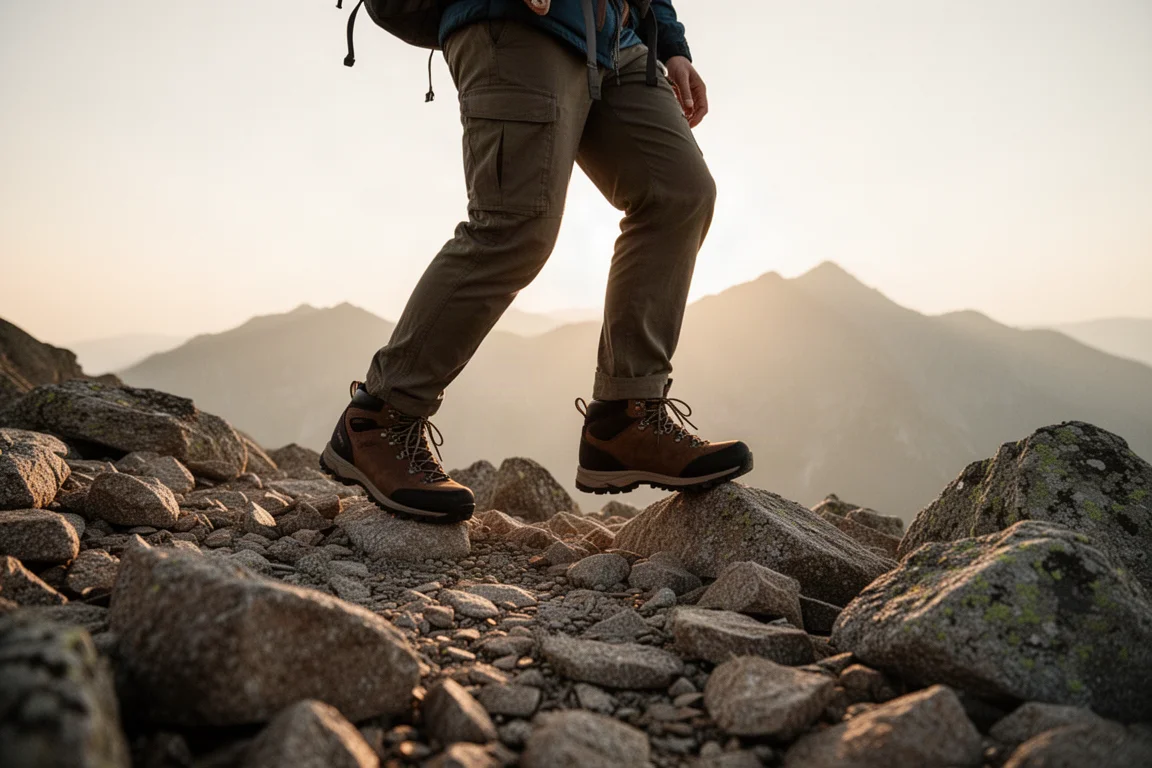
Terrain is the clearest guide. On groomed trails without roots or large rocks, the flexible feel of a trail runner is hard to beat, and the lighter weight makes long days easier on the legs. On rocky, uneven, or off-trail ground, the stiff sole and added protection of a hiking shoe inspire more confidence.
Mileage matters too. Hikers who cover a lot of distance each season may prefer the longer service life of a hiking shoe, while those who prioritize day-to-day comfort may accept replacing a trail runner more often.
Buying Advice: Which Shoe Fits Your Hiking
If you want a hiking boot feel without the weight of a boot, a hiking shoe is the safer choice. The Oboz Sawtooth 2 and the Merrell Moab 2 both deliver protection and long service life, and either can handle a wide range of terrain without much compromise.
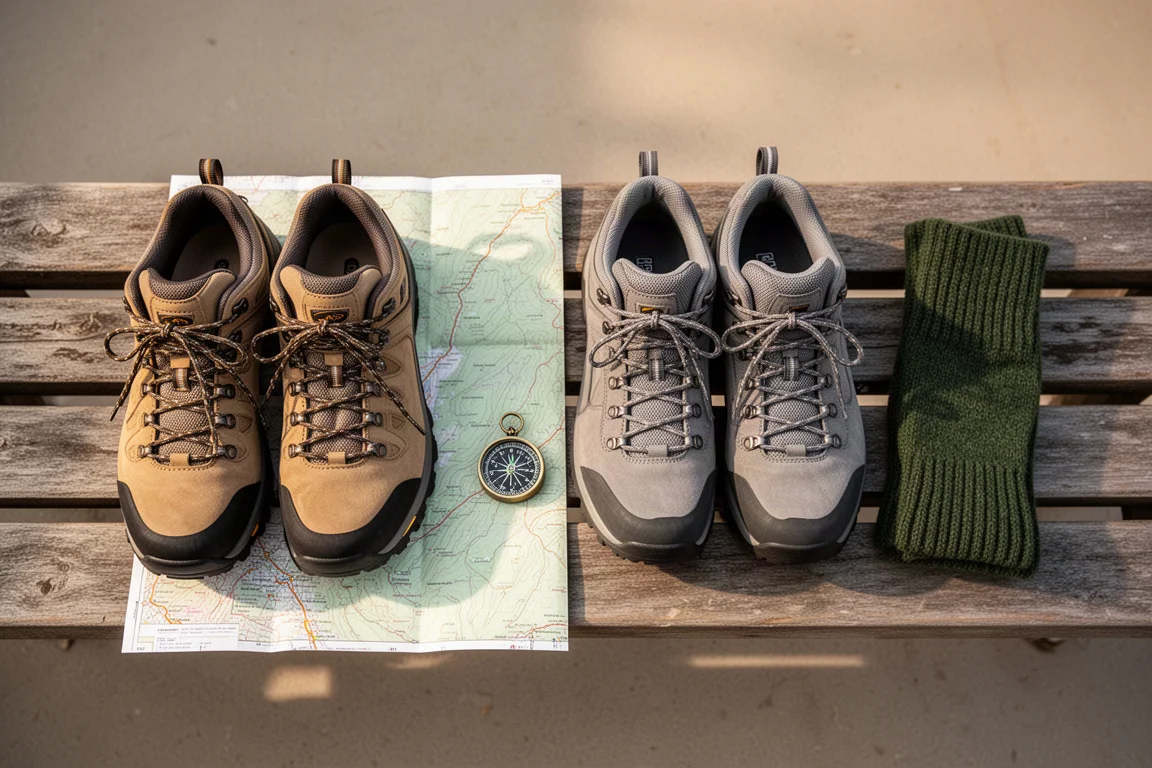
If comfort is the priority, a light trail runner is the better move. The Altra Lone Peak 6 is light, adaptable, and pleasant over long distances on established trails. The main thing to plan for is a shorter lifespan, with replacement somewhere in the 400 to 500 mile range.
Whichever direction you choose, match the shoe to the trails you actually hike most often rather than the most extreme terrain you might encounter once a season.
Conclusion
Hiking shoes and trail runners solve the same problem in different ways. Hiking shoes trade weight for protection and durability, and the Oboz Sawtooth 2 and Merrell Moab 2 both show how well that approach works. Trail runners trade durability for comfort and a fit that moves with your foot, which is exactly what the Altra Lone Peak 6 delivers. Pick the trade-off that matches your terrain, your mileage, and the feel you want underfoot, and either category will serve you well.
Further reading
Related Reviews
Hiking Footwear
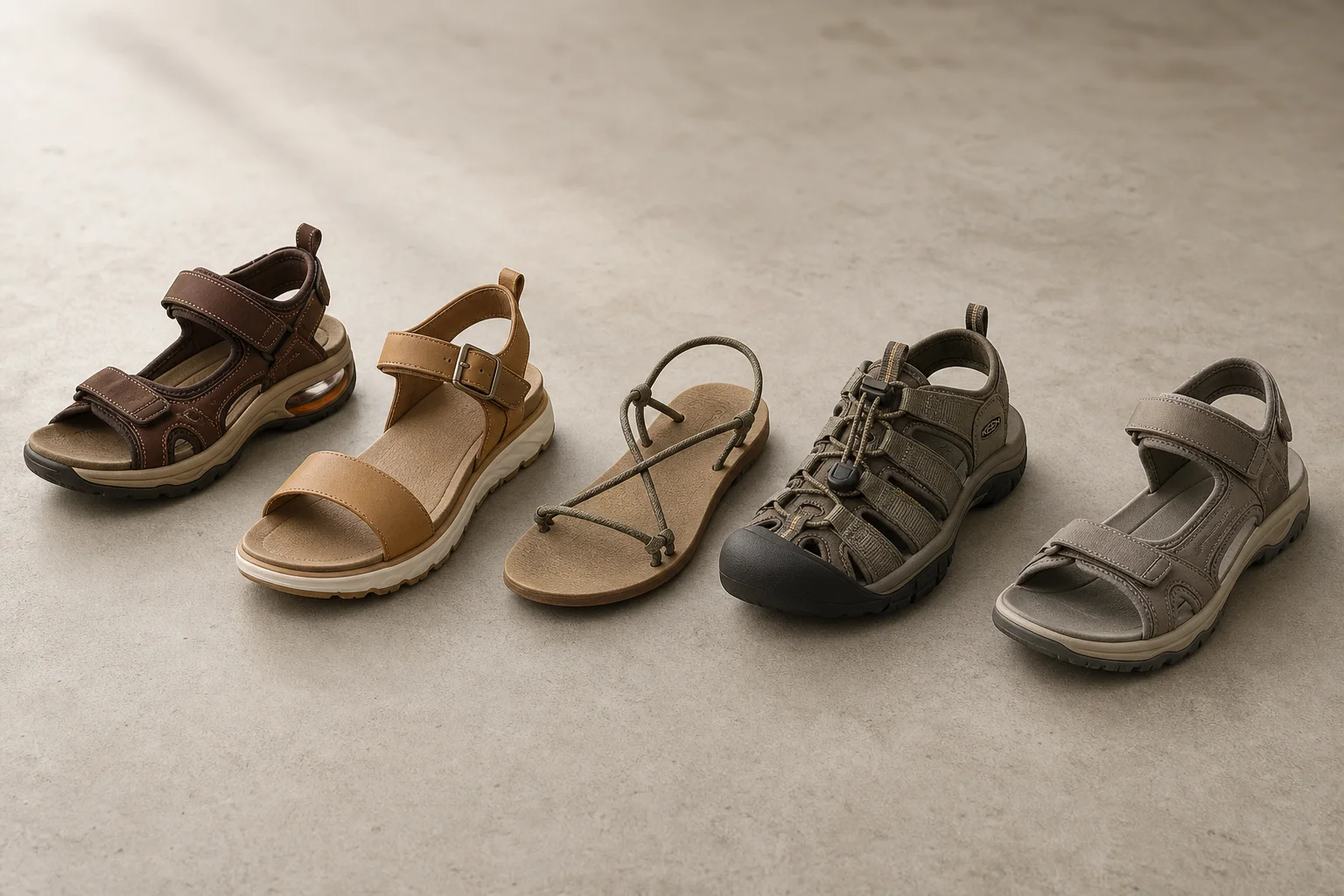
Best Hiking Sandals 2026: Five Options for Different Trail Needs
Five hiking sandals tested for comfort, protection, and versatility. Find the right pair for your hiking style, from minimalist designs to heavy-duty closed-toe options.
Hiking Footwear
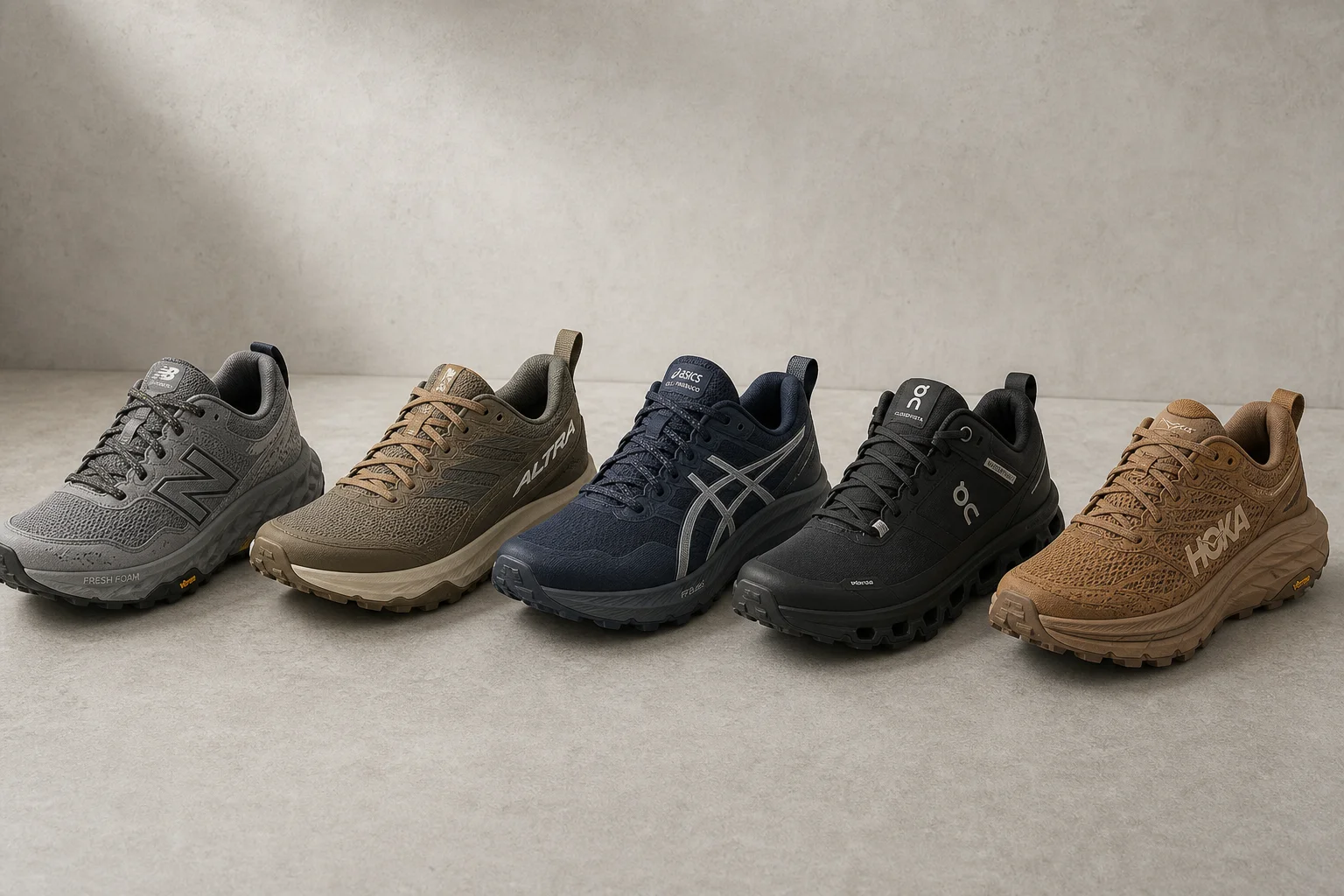
Best Hiking Shoes 2026: Five Options for Different Terrain and Support Needs
A practical guide to five hiking shoes covering max cushioning, zero-drop design, all-around versatility, waterproof protection, and balanced comfort for long-distance trails.
Hiking Footwear
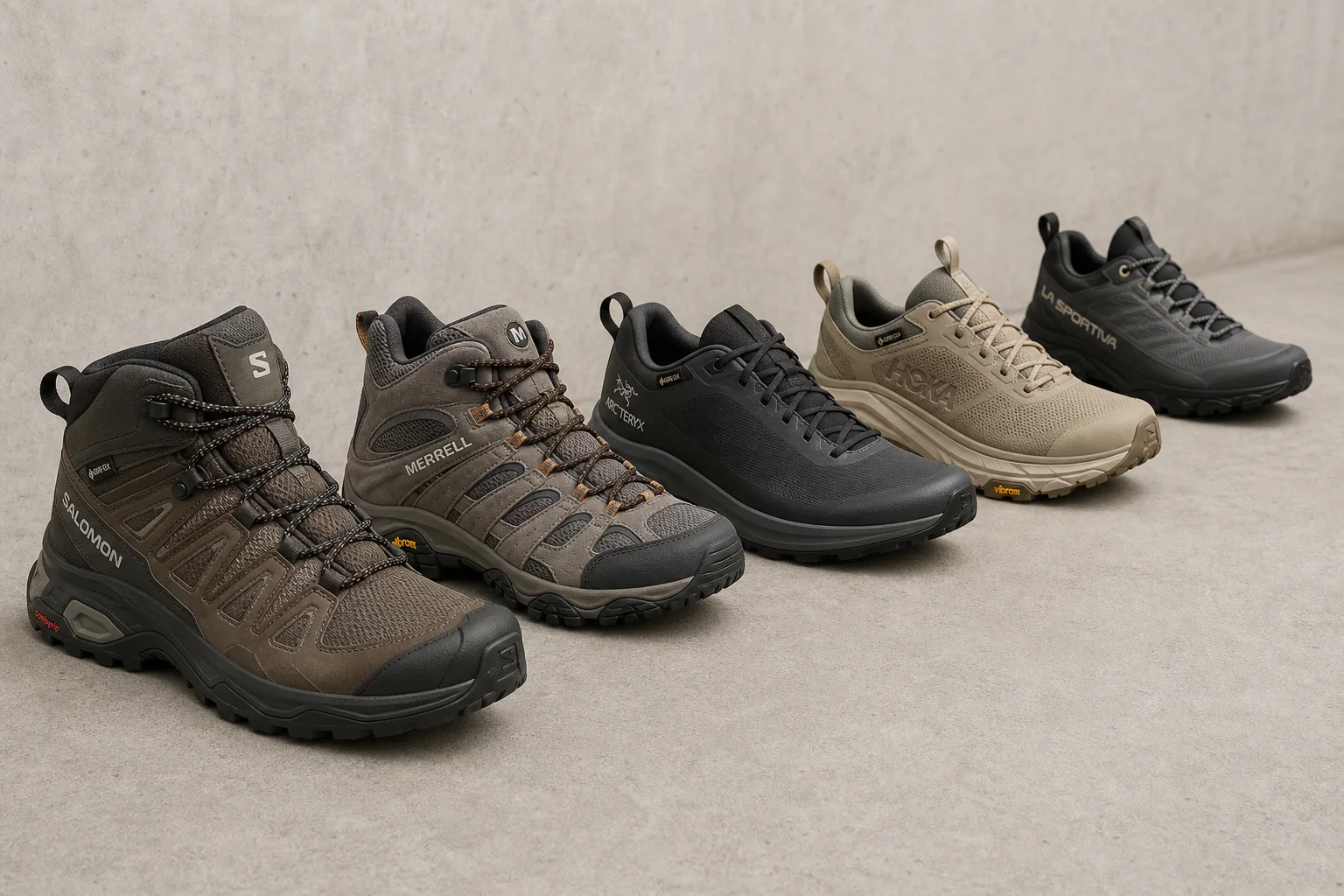
Best Hiking Shoes for Men: Five Tested Options Ranked
A detailed ranking of five hiking shoes tested for comfort, traction, and durability across varied terrain and conditions.