Hiking Gear
Hiking Gear List 2026: What Actually Survived a Full Season
A season-tested hiking gear list covering packs, sleep system, layers, trail runners, water treatment, and filming kit, with honest notes on wear and trade-offs.
Introduction
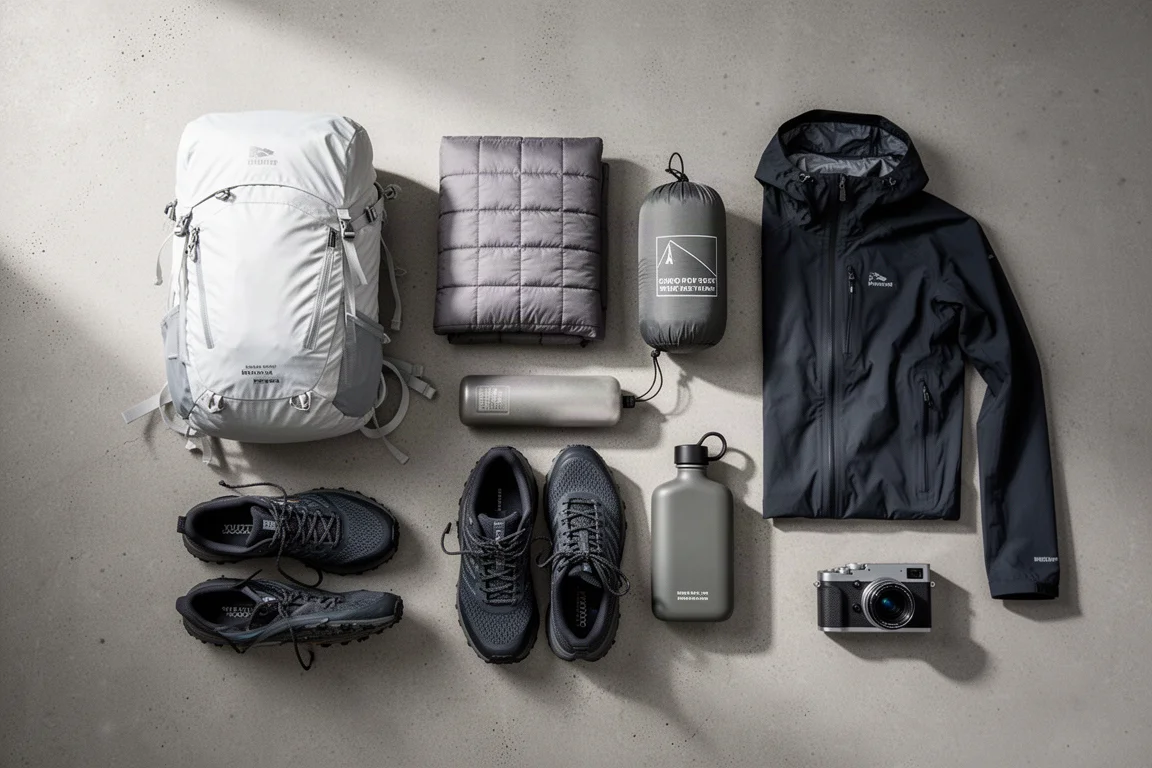
Roughly 600 miles of trail time this year, bringing the running total to about 3,000 tracked miles. That kind of mileage does something useful to a gear list: it separates the pieces that genuinely work from the pieces that only looked good in a product photo. What follows is the kit that went out on repeat trips, including the items showing real wear and the ones still earning their place.
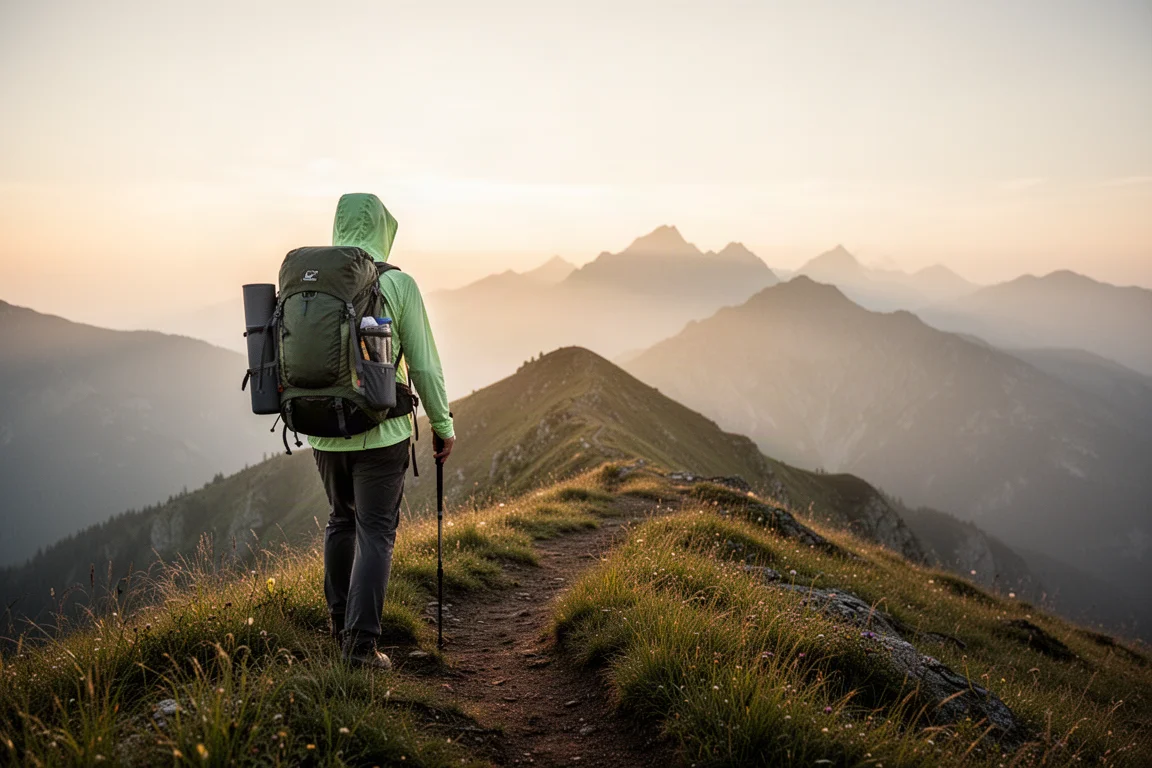
Most of this list has stayed stable year over year. A few things changed: a lighter pack entered the rotation, a different sun hoodie is getting more use, and the camera setup settled back into a full-frame body after a stretch of shooting on a phone. Where something carries a clear trade-off, it is noted rather than smoothed over.
What Matters Most in Three Season Gear
Three criteria drive most of the decisions here. First, does the item still function after a full season of use, including the small failures that reveal where the weak points are? Second, does it stay simple enough to pack, repair, and live with in bad weather? Third, does it match how trips are actually structured: roughly 90 percent of hikes run under four days, which makes a smaller, lighter pack a realistic default rather than a compromise.
Durability is weighted heavily. Gear that survives sun exposure, abrasion, and repeated packing is worth more than gear that saves a few grams and needs replacing every season. Weight still matters, but it is judged against how much use the item delivers.
Hyperlite Southwest 2400
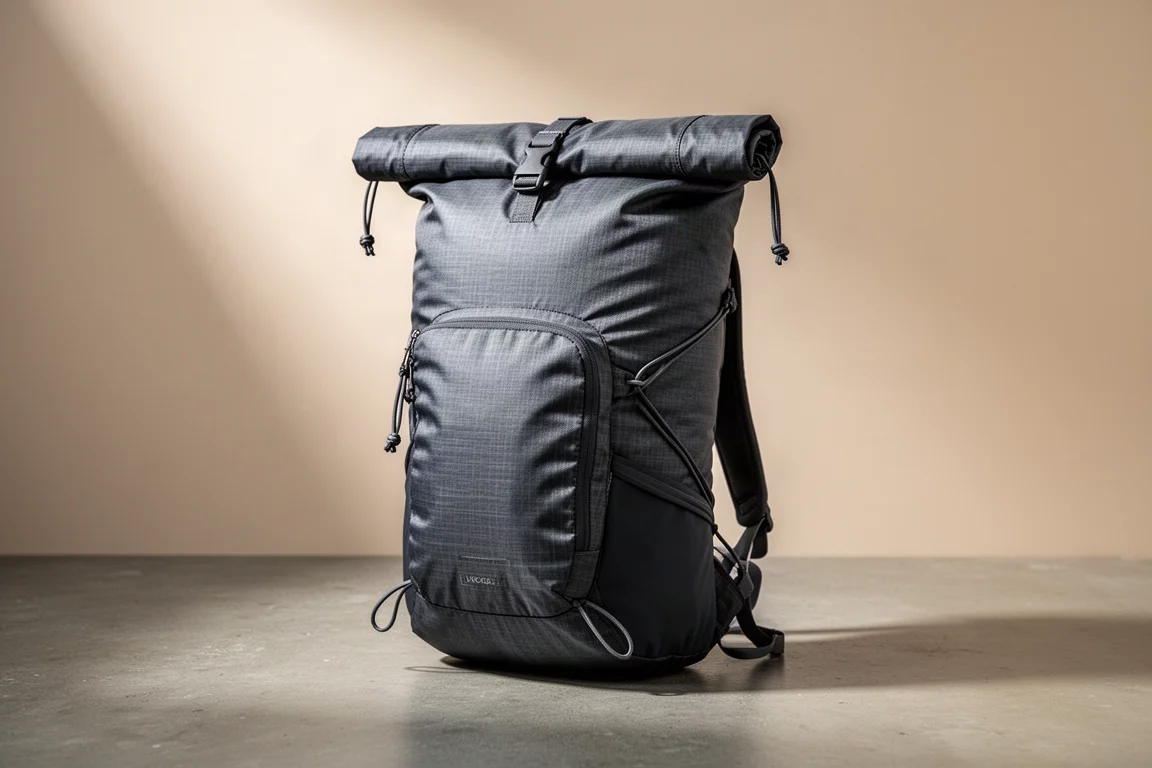
The Southwest 2400 has been the main hiking pack for several seasons and it shows. The fabric carries two distinct tones where the roll-top section has been exposed to sun and the lower body has not, and strap lines are visible across the panels. One pocket zipper has failed and could not be repaired, so that pocket now stays open. Everything else still works.
That wear pattern is informative. The pack has taken years of use without a structural failure, and the damaged zipper is the only real casualty. It remains the choice for trips of three days or longer, where the extra volume is worth carrying.
Hyperlite Waypoint 35
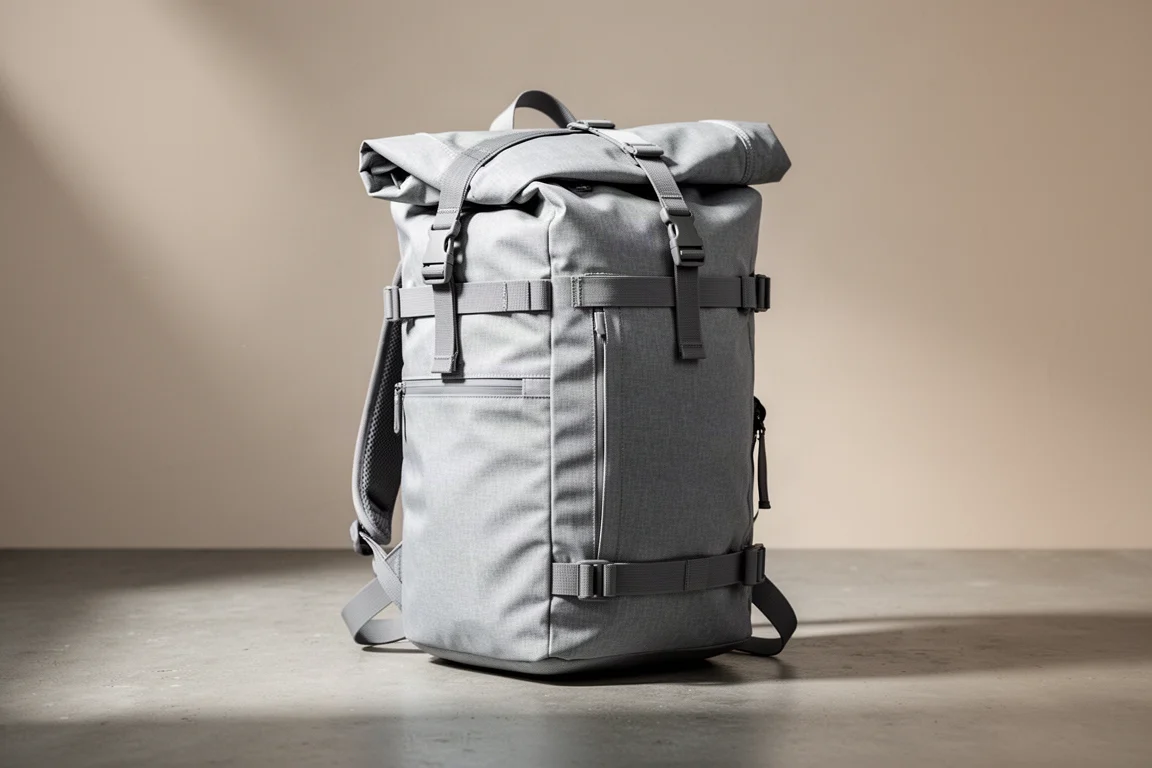
New this season, the Waypoint 35 follows the same design language as the Southwest but in white and with slightly less volume. The differences are small and practical: front pouches, a different pocket material, and a slightly different internal frame. The zippers are new and work smoothly.
Because it is smaller, it suits one to three day trips, which covers the large majority of hikes. Whether it becomes the primary pack depends on how it holds up across a full season, but the volume and layout line up well with how most trips are actually planned.
Nemo Hornet 1P
The original one-person Hornet is still the tent of choice. It packs into a waterproof bag, which means a dew-soaked fly can be stowed in the morning without wetting everything else in the pack. That single habit keeps the rest of the sleep system dry on damp starts.
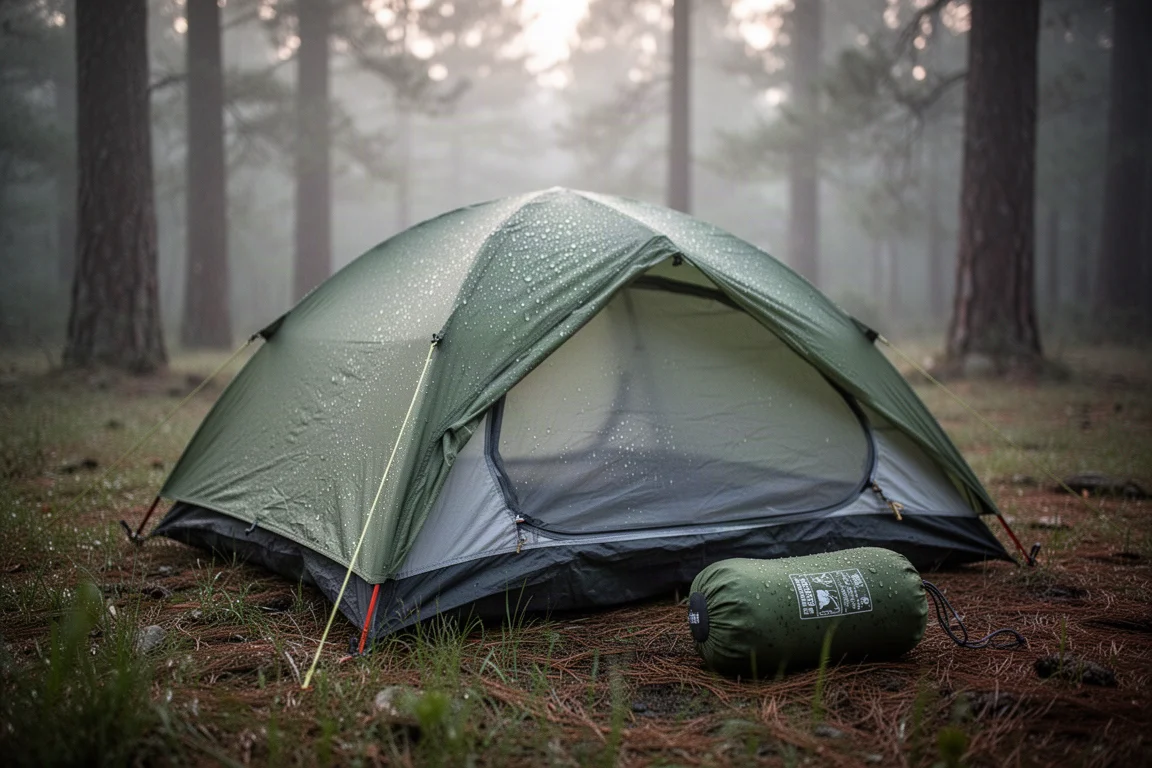
For solo trips the trade-off is straightforward: less interior space in exchange for a shelter that disappears into the pack and takes seconds to set up at the end of a long day.
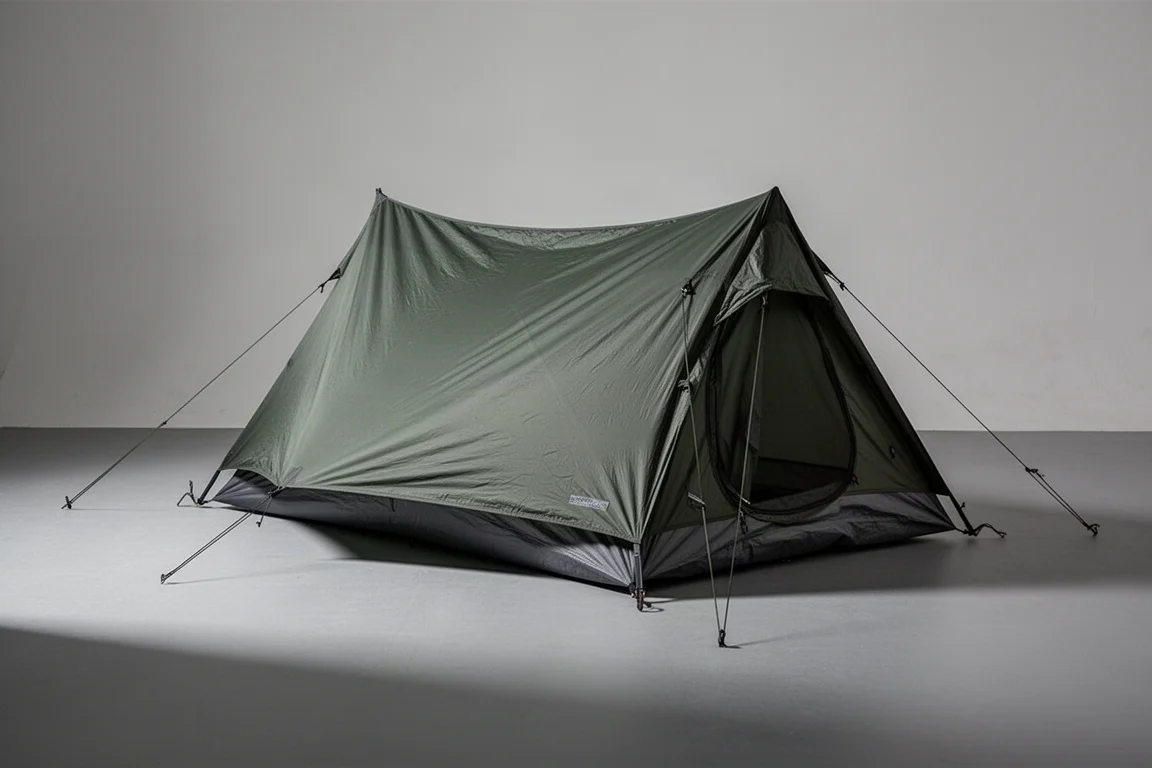
Hyperlite 20° Quilt
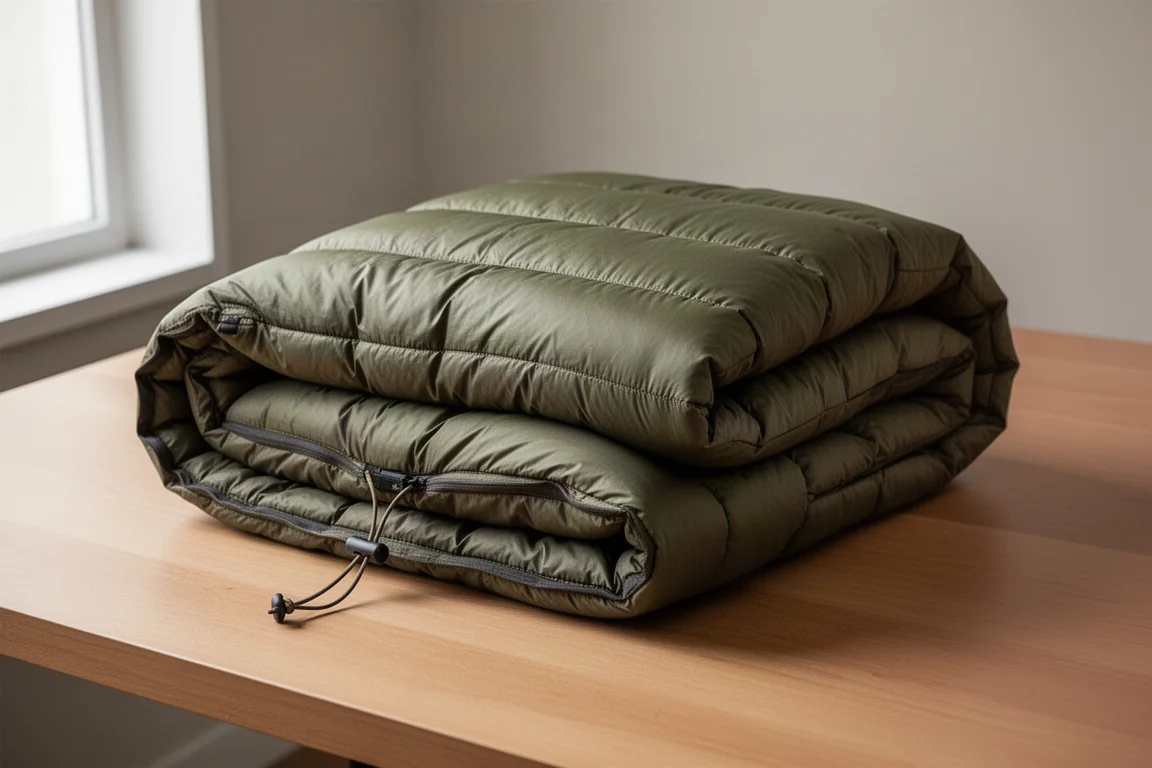
Two quilts are in rotation: a 40-degree version for warmer weather and a heavier, more filled 20-degree version for cold nights. Both are simple, lightweight, and warm, with very little to them beyond the shell and the fill. A liner is used inside to keep the quilts cleaner, and they are aired out and dried rather than machine washed.
The sleep system travels in an 8-litre waterproof stuff sack, which keeps insulation and clothing organised and protected from the rest of the load.
Therm-a-Rest NeoAir
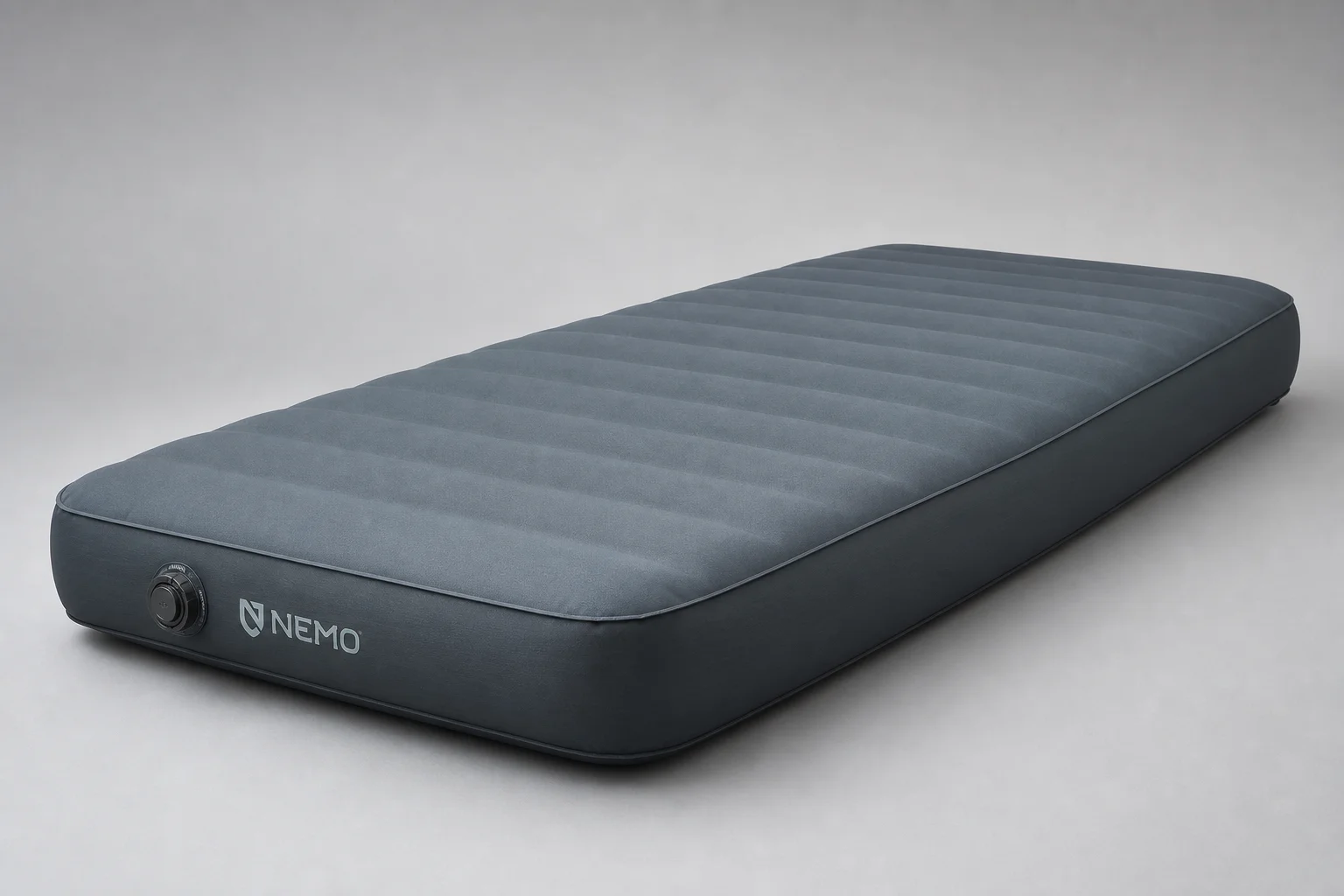
The original NeoAir sleeping mat is still in service. It inflates like an air mattress, stays comfortable through the night, and provides the warmth needed from cold ground. It has outlasted several seasons without being replaced, which is the simplest endorsement a sleeping pad can get.
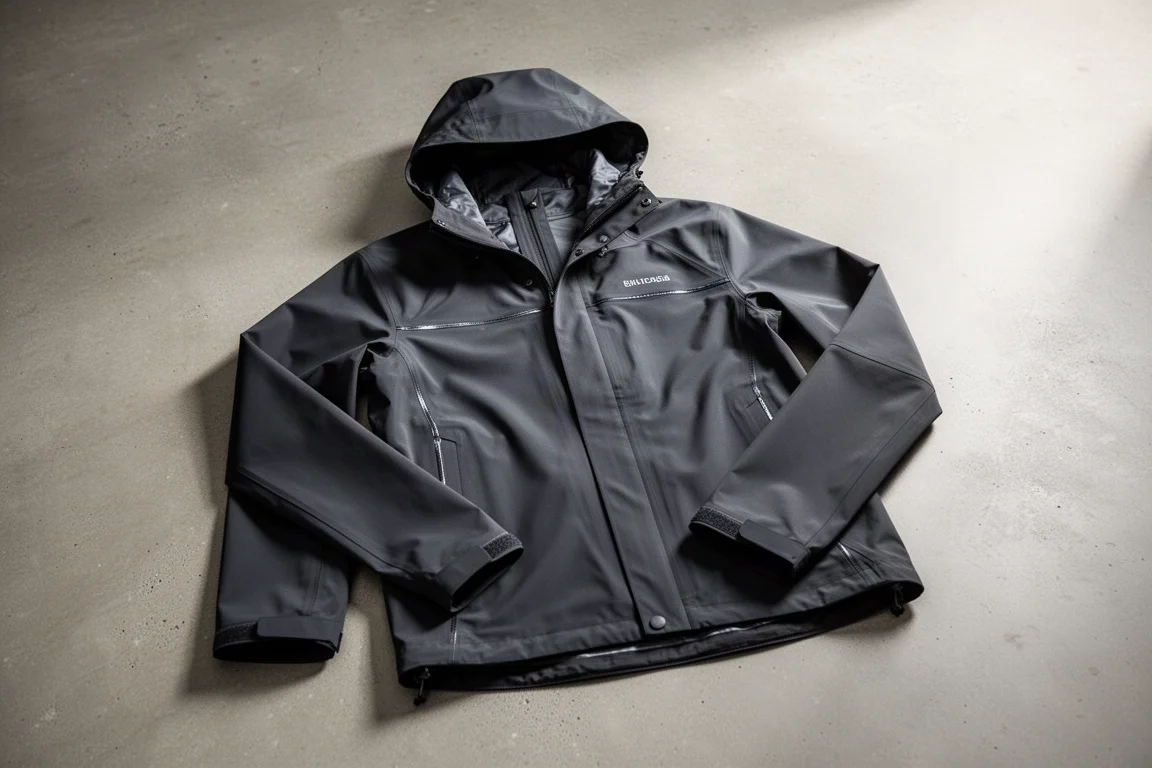
Arc’teryx Beta AR
Worn as the outermost layer while hiking, the Beta AR handles rain and wind. It is a very expensive shell, and it needs periodic reapplication of a durable water repellent finish so that water keeps beading on the surface instead of soaking into the fabric. Maintained that way, it should hold up for years of trips.
Patagonia Nano Puff
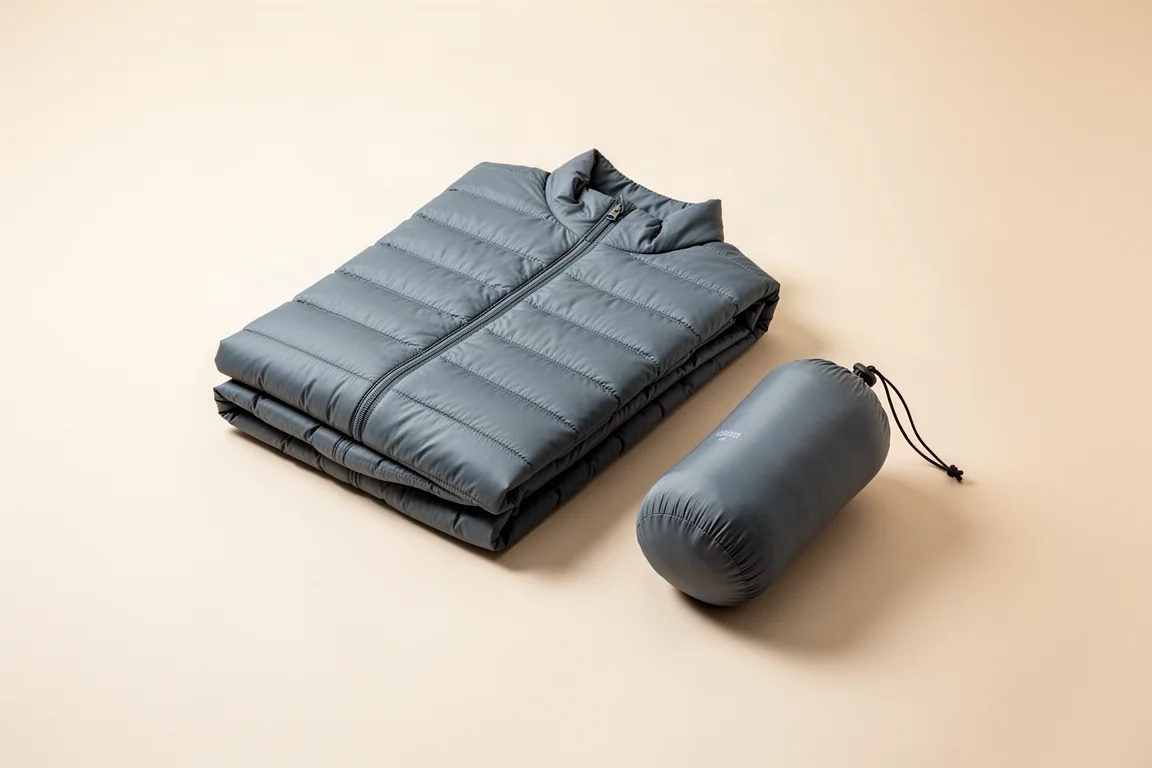
The Nano Puff works as a warm mid layer. Two are in rotation, including an original bright orange jacket that now carries holes from campfire embers, which is the reason a second colour stays in the mix.
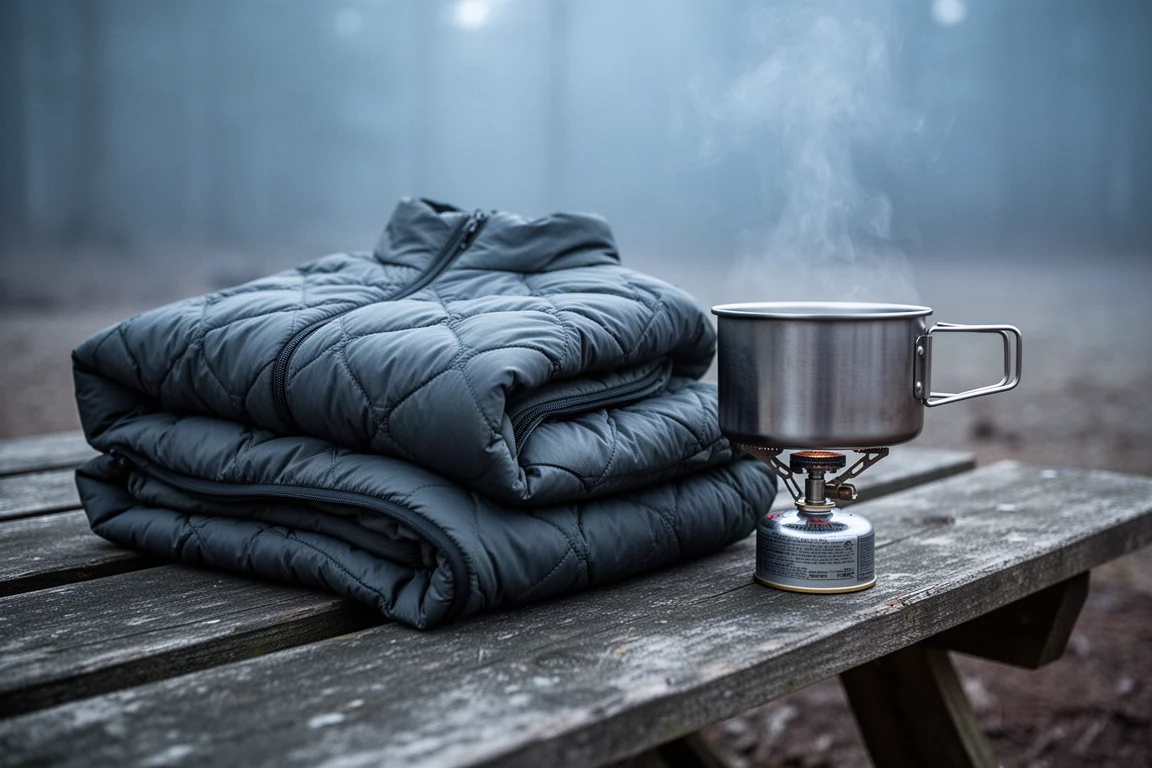
Layered under a shell, the jacket adds meaningful warmth for cold camps without much bulk. The ember damage is a fair reminder to keep synthetic insulation away from open flames.
Salomon Speedcross 5
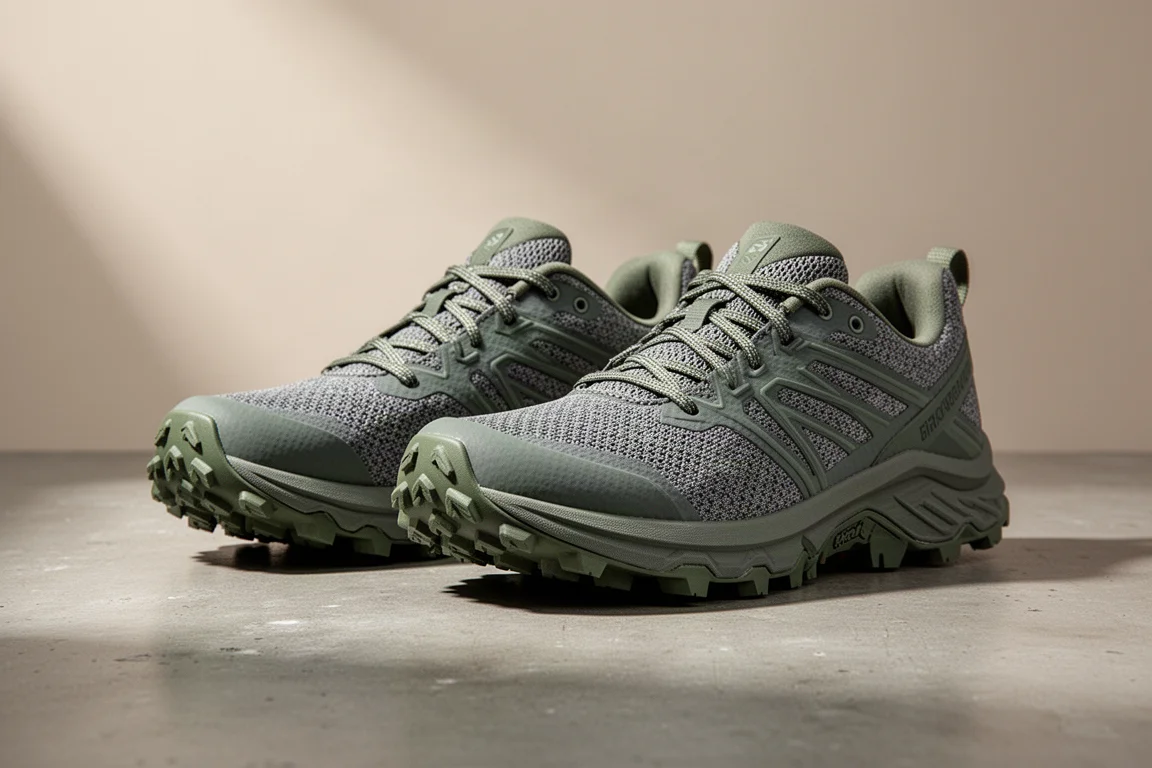
The Speedcross 5 was the most-used trail runner this year, in two colourways. Grip and fit made it the default for technical trails. One quirk: the laces developed a loud squeak at one point, which was resolved by working a little olive oil into them.
Katadyn BeFree
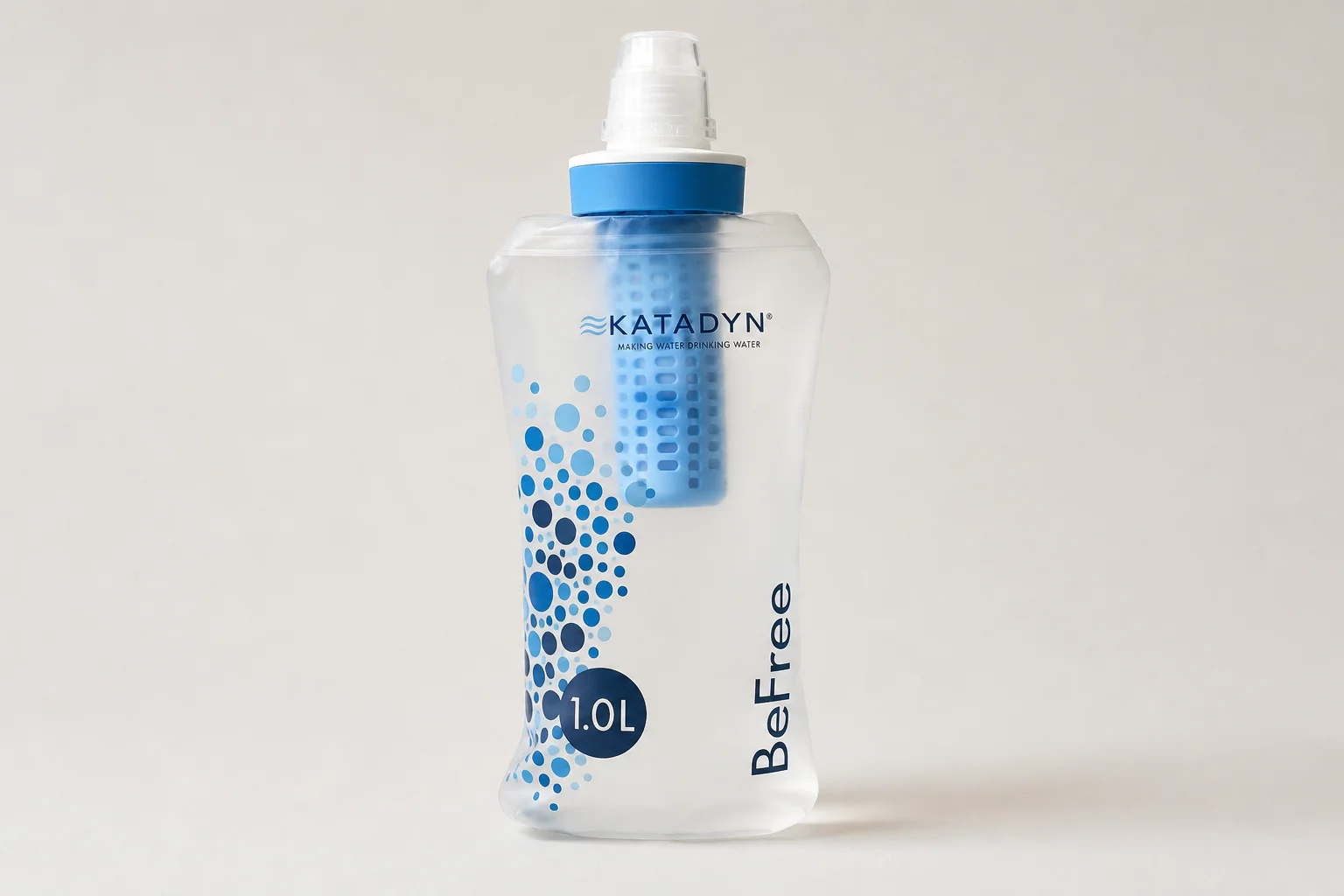
The BeFree flask with an integrated filter on top is a must-have. The 0.6-litre version gets more use than the 1-litre, because it holds roughly the amount of water that is actually wanted between refills, keeping weight and bulk down. It allows water to be filtered while walking rather than stopping to treat it.
Sony A7S III
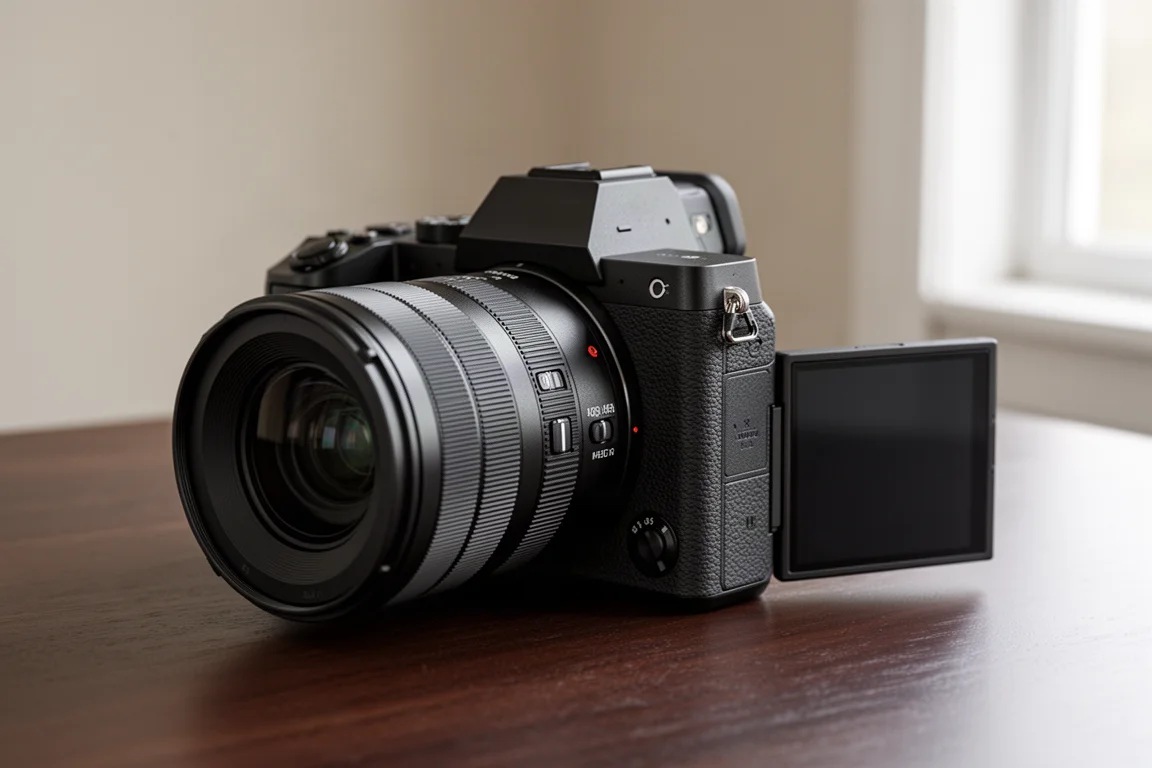
After a stretch of shooting on a phone only, the A7S III is back as the main camera for hiking films. The reasons are low-light performance, image quality, and manual control. The year started with a 20-70mm lens and moved back to a 16-35mm f/4, mainly for the 16mm end, where the difference between 16mm and 20mm is larger in practice than the numbers suggest. A shotgun mic with a wind muff sits on top, and the camera hangs from a strap looped through the front of the pack, so it stays within reach while walking.
Other Gear Still in Rotation
Beyond the headline items, a number of smaller pieces keep earning their place. Sun hoodies do a lot of the work: a basic hooded version with thumb holes has been in use from the start, while a Path Projects Pyrenees hoodie offers a tighter neck opening for better coverage, a watch window on the sleeve, and a softer fabric. Joggers with ankle zips come off without removing shoes, and lightweight shorts with three pockets handle warm days. Darn Tough socks, including a lighter daily pair and a warmer hiking pair, have not produced a single blister.
Shelter and camp extras matter too: a four-section inflatable pillow, a lightweight umbrella that helps in dripping forest but not in wind, microspikes that still grip on snow and ice, and cork-grip trifold trekking poles that stay home when a tripod comes along or when travelling carry-on only. A rechargeable headlamp is simple and reliable, though a red-light mode would be an upgrade. The Jetboil Mini still boils water, but its igniter is unreliable, so a flint and steel striker travels as backup.
For water and power, a compact filter flask and two battery packs cover most trips: a large pack for multi-day expeditions and a smaller one that travels on nearly every hike to top up a phone, earbuds, headlamp, and camera batteries. The phone handles AllTrails and Strava recording, photos, music, and podcasts, and downloaded maps with GPS work in airplane mode, which makes navigation straightforward. Wilderness wipes remain a must for bathroom stops, wiping down cookware, and cleaning up after a muddy day.
For filming, a carbon tripod with clamp-style leg locks replaced a twist-lock model that had started slipping, and a small ball head swap made the top plate quick to adjust with a single twist. A compact drone with long-duration batteries and a controller with a built-in screen covers aerial shots. Editing happens on a MacBook Air running Final Cut, with a 1TB internal drive that is usually enough for one project at a time, plus an external SSD for extra room and a desktop drive for finished exports.
Buying Advice
Match the purchase to trip length first. Since most hikes run under four days, a 35-litre pack covers the majority of outings, and a larger 2400-class pack is only necessary for longer trips or bulkier loads. The same logic applies to sleep insulation: a warmer quilt earns its weight only on genuinely cold trips.
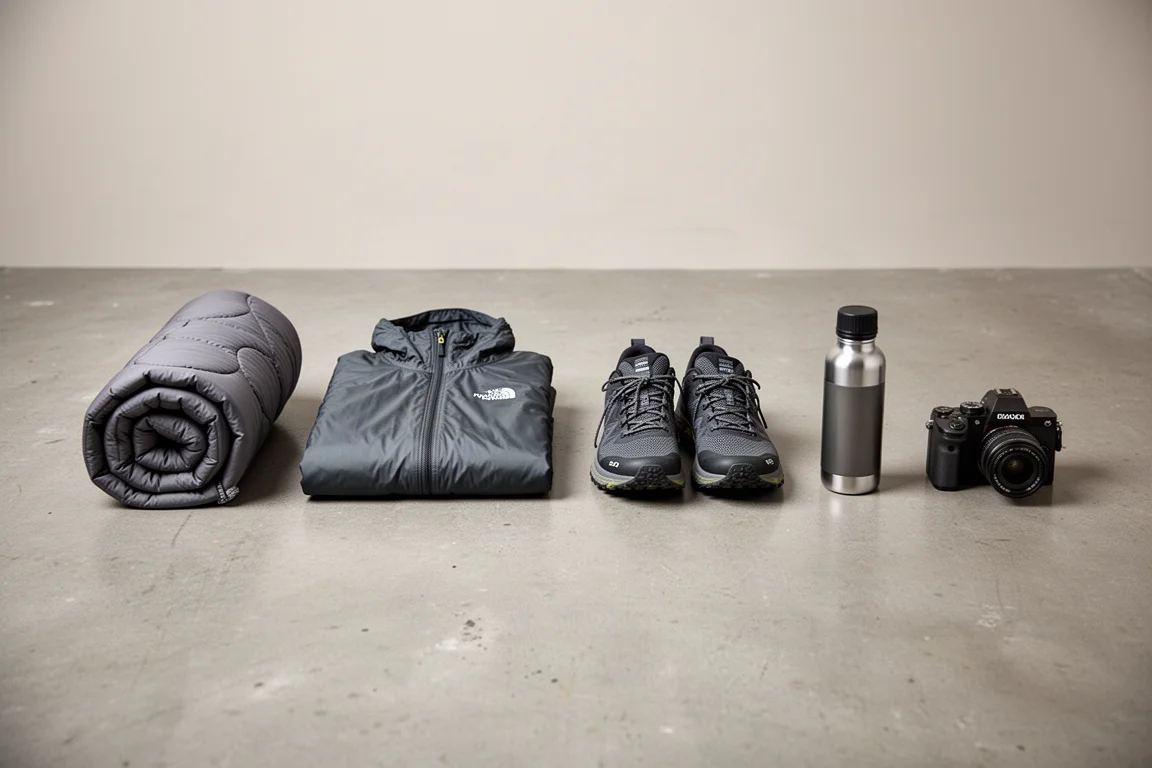
Second, weigh durability against price. The most expensive item on this list, the hardshell, is also one of the longest-serving pieces, maintained with a simple reapplication of water repellent. Inexpensive everyday items such as hats and sunglasses get used on nearly every outing, which makes them easy value. The strongest value tends to sit with gear used constantly rather than gear used occasionally.
Third, favour gear that can be repaired or replaced in parts. A failed pocket zipper is annoying, but it does not retire a pack that still carries a load comfortably. Buying for longevity usually beats buying for the lowest possible weight.
Conclusion
Nothing here is on the list because it photographs well. The kit that survived this season shares a few traits: simple construction, a clear job to do, and enough durability to justify the space it takes in a pack. Start with the pieces that cover the trips you actually take, then add the specialists when a specific route demands them.
Further reading
Related Reviews
Hiking Gear
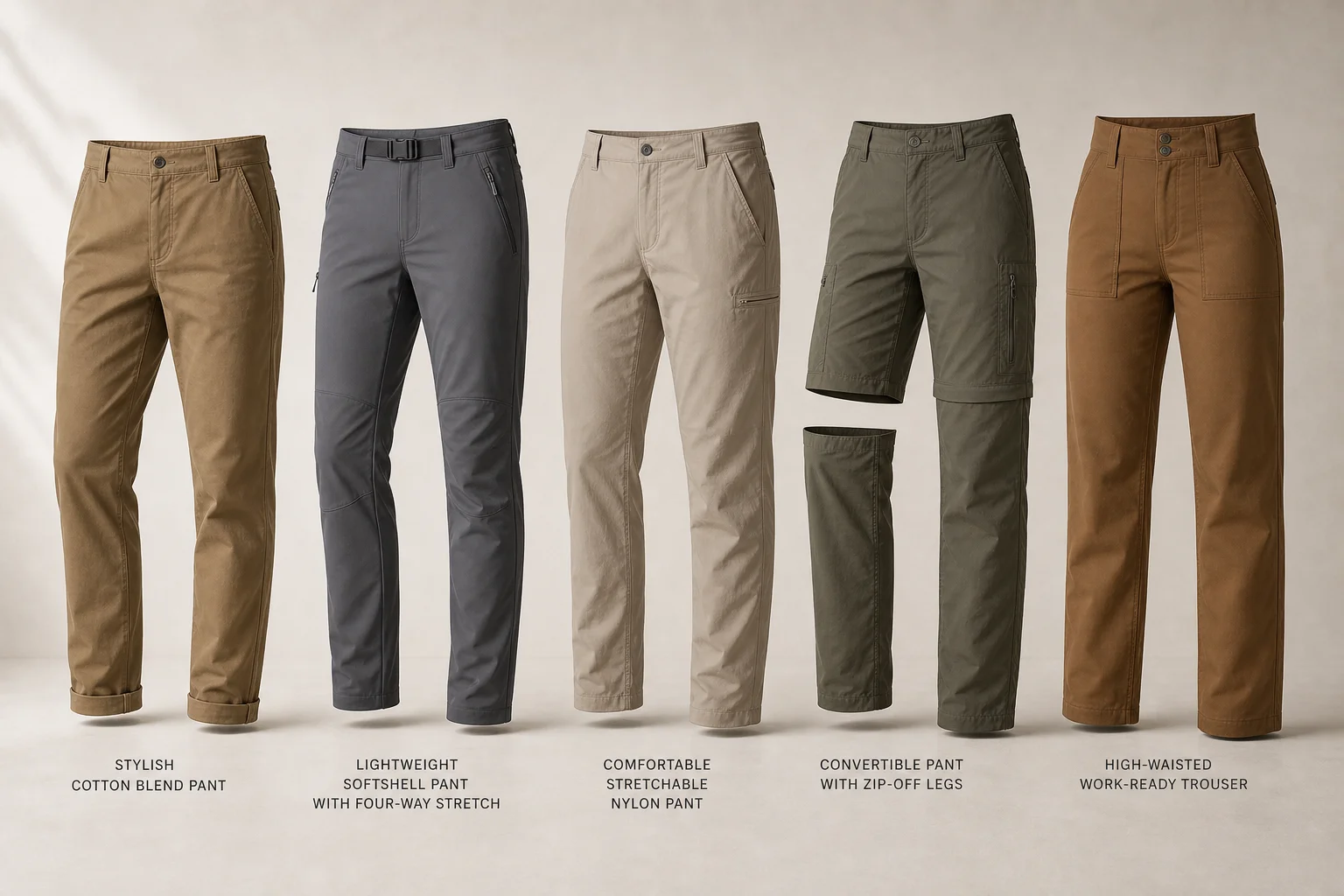
Best Hiking Pants on Amazon: Five Practical Options for Different Needs
A practical review of five hiking pants with clear strengths and trade-offs, from lightweight convertible styles to durable work-ready trousers.
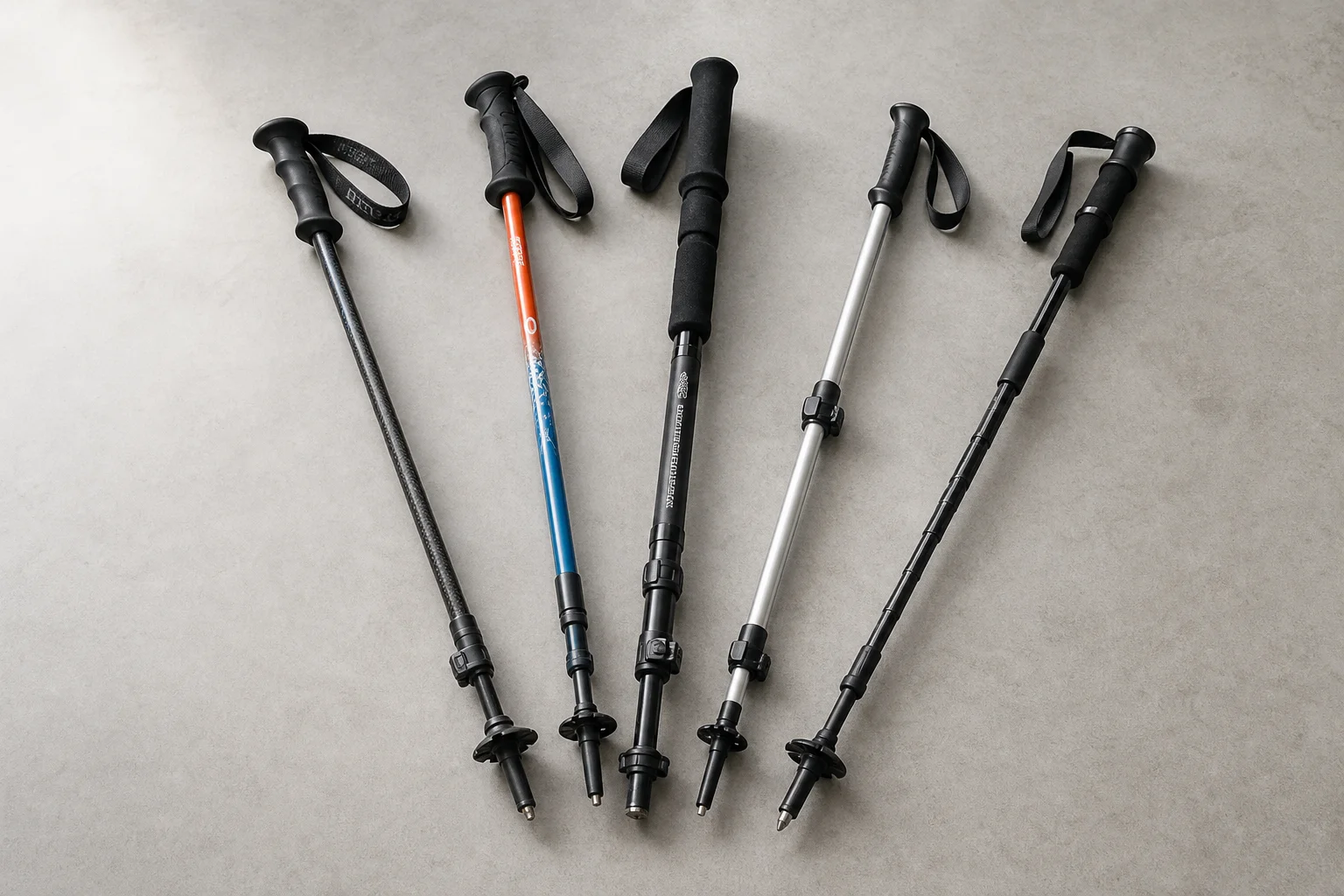
Hiking Gear
Best Hiking Poles 2026: Five Options for Different Trail Needs
A practical review of five hiking poles, from lightweight carbon designs to versatile all-terrain options, with clear strengths and trade-offs for each.
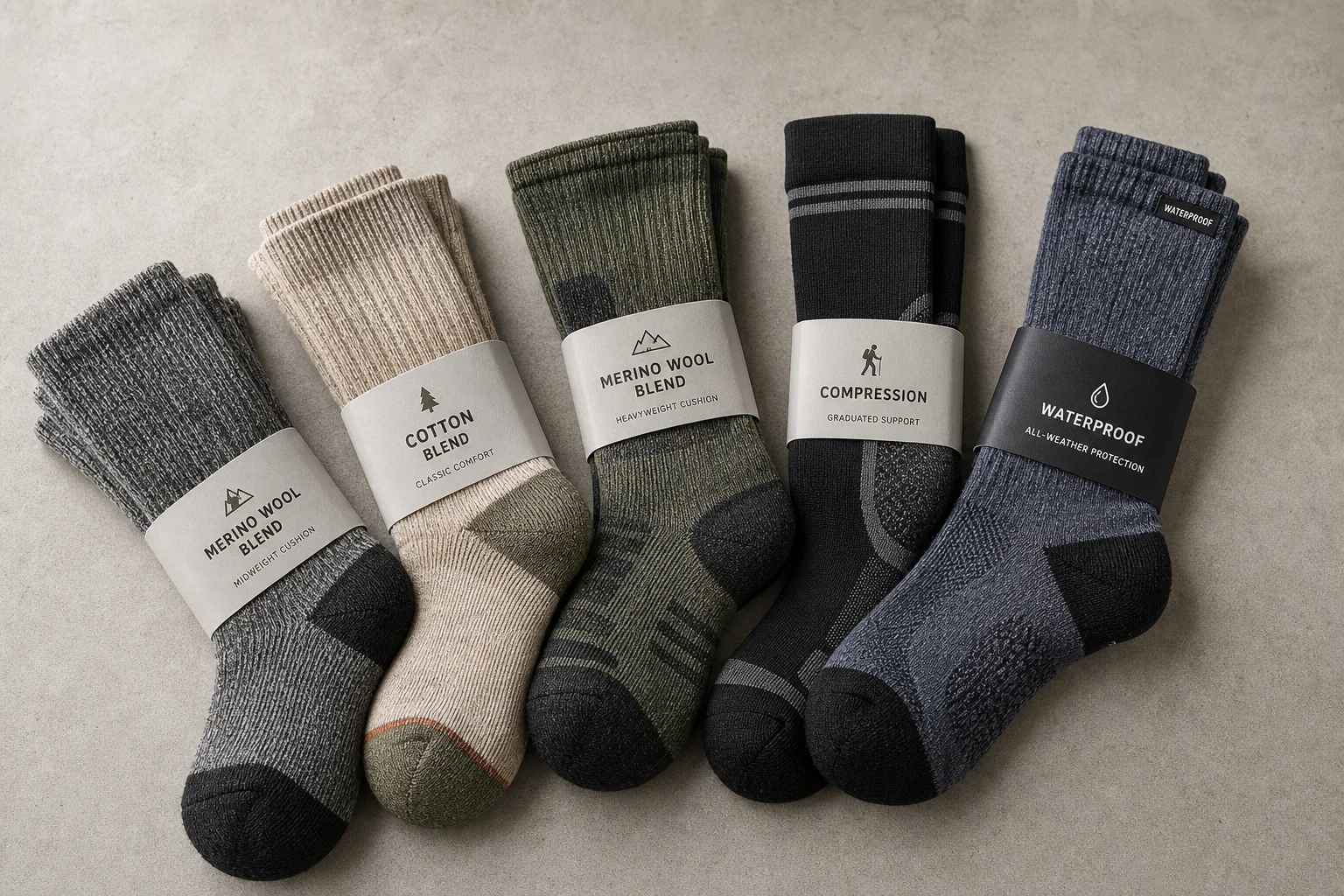
Hiking Gear
Best Hiking Socks 2026: Five Top Choices for Different Trail Needs
A practical roundup of five hiking socks, from lightweight merino options to heavy-duty compression styles, with clear guidance on which suits your outdoor activity.