Hiking Footwear
Hiking Boots and Shoes Compared: Four Pairs for Lightweight Hiking
Four hiking boots and shoes compared on weight, grip, protection and fit, from premium textile boots to a low-cost pair that covers the basics.
Introduction
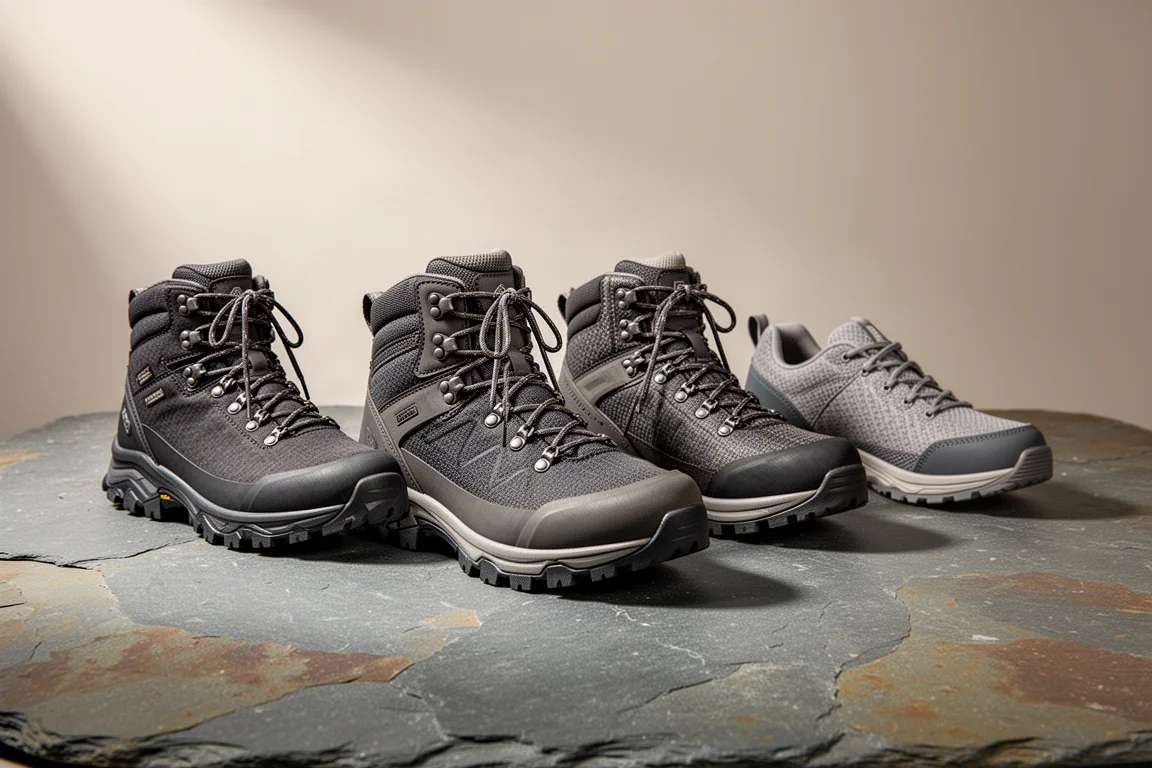
Hiking footwear is one of the few pieces of kit that genuinely changes how a long day on the hill feels. A lighter pair of boots or shoes keeps you fresher over big elevation gains, while a heavier, more protective boot handles stony ground and poor weather with far less drama. The four pairs below sit at different points on that scale, and each one has a clear reason to exist.
This comparison covers two lightweight textile boots with waterproof liners, one mid-cut boot built on a trail running platform, and one low-cut hiking shoe. Where weights and prices are known they are listed, and the trade-offs are spelled out rather than smoothed over.
How to Choose Hiking Footwear for the Year Ahead
Four things matter most: weight, grip, waterproofing and fit.
Weight is the easiest to feel. Lighter footwear reduces fatigue over a long day and is noticeably kinder on sustained climbs, particularly when the rest of your kit is light as well. The trade-off shows up on rougher ground. On stony, rocky terrain late in the day, a light boot transfers more pressure to the sole of your foot, and hot spots appear in places a stiffer boot would have shielded.
Grip depends on the rubber compound as much as the lug pattern. A hard, slow-wearing compound lasts for years and works brilliantly on dry rock, but it can skate on wet rock. A softer compound bites better in the wet and wears faster. Neither approach is wrong; they simply suit different priorities.
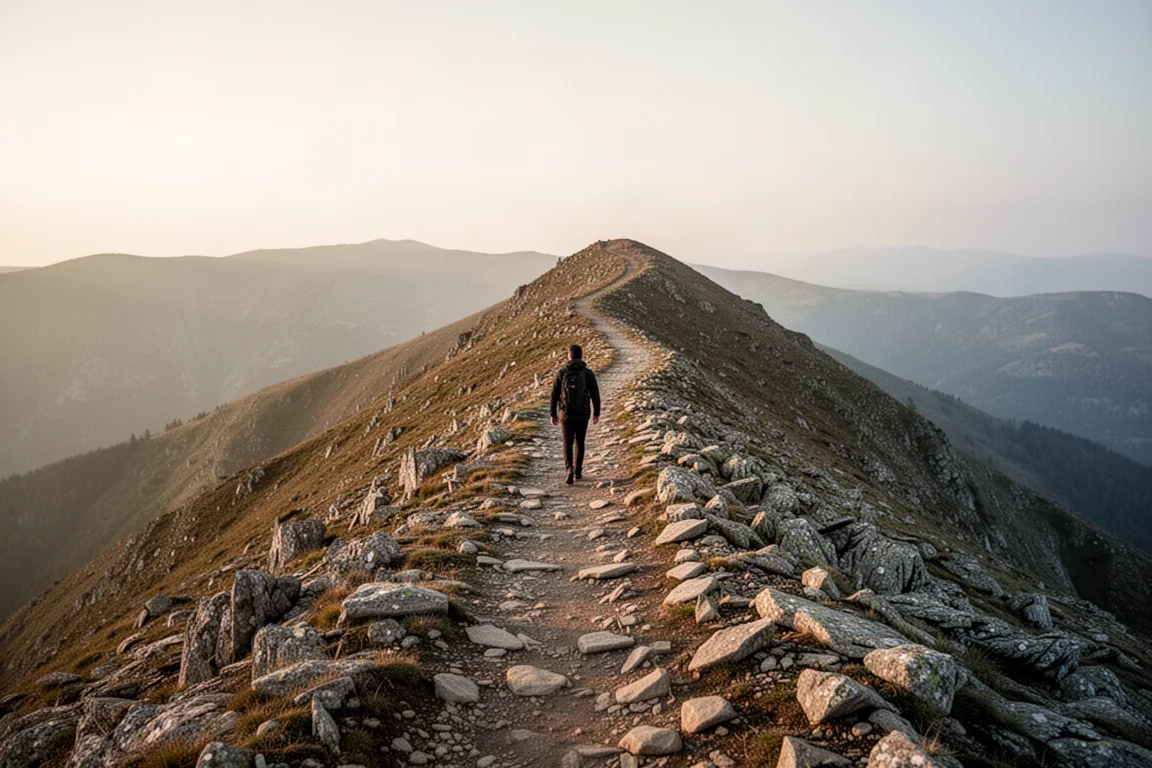
Waterproofing follows a similar logic. A textile boot with a waterproof membrane keeps rain out to a point, and applying a treatment such as Nikwax to the upper raises that level further. A full leather boot with a waterproof membrane remains the more dependable option in sustained bad weather, though it costs weight and restricts how freely the foot moves.
Fit decides everything else. A boot that hugs the foot securely and holds the heel in place feels stable even without a heavily reinforced heel, while a looser fit cannot be corrected with a thicker sock.
Inov-8 Roclite Pro G 400 GTX V2: Light and Fast
The Roclite Pro G 400 GTX V2 is the lightest boot here at 400 g per boot and around £200. The upper is textile with a Gore-Tex liner, the tongue is gusseted, and protection at the toe and heel is deliberately minimal. Even so, it feels more like a proper hiking boot than a trail runner, with a secure, planted feel underfoot. The V2 is noticeably more comfortable than the earlier version it replaces, which matters for anyone who spends consecutive days on the trail.
The standout feature is the graphene-enhanced outsole. Dry grip is superb and the tread wears down very slowly, so the sole holds its character over a long period. The catch is that the rubber is hard, which makes wet rock genuinely slippery and demands caution on descents and stream crossings. As with any textile boot, regular waterproofing treatment pays off.
La Sportiva Ultra Raptor II Mid GTX: Protection With a Longevity Trade-Off
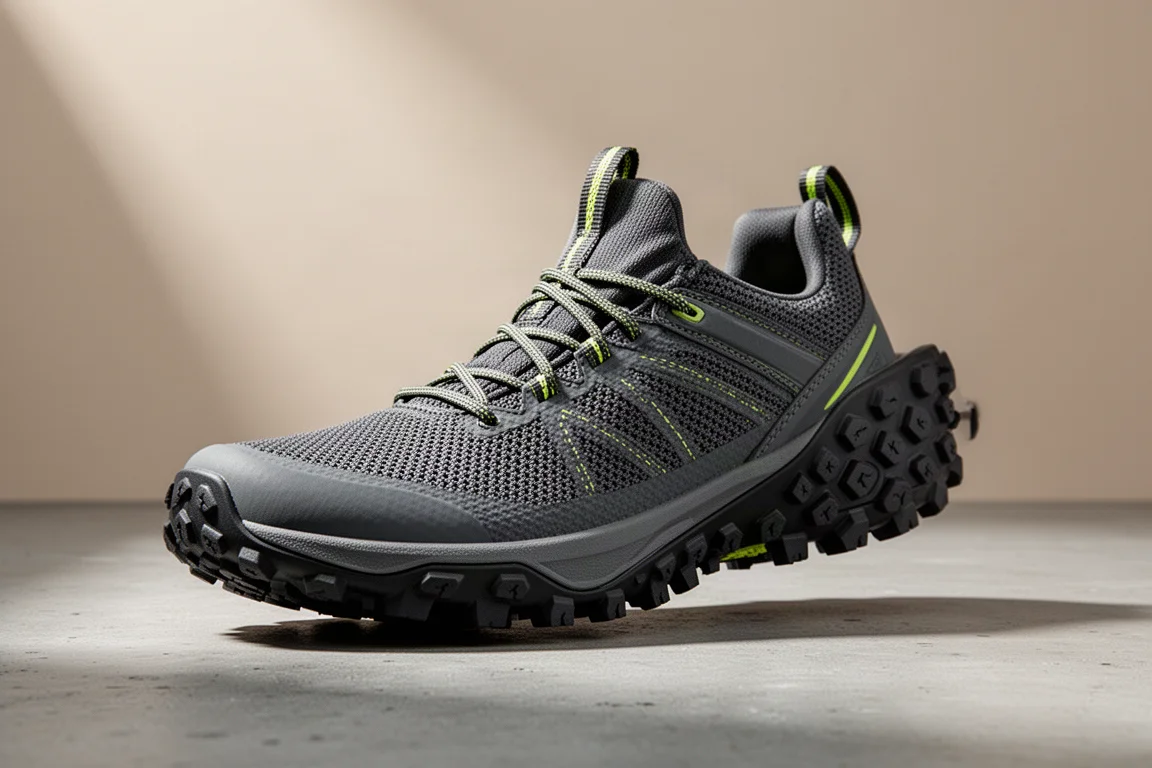
The Ultra Raptor II Mid GTX takes a trail running platform and builds it into a mid-cut hiking boot. At 470 g per boot and around £190, it sits in the same premium bracket as the Inov-8, and it is arguably the best-looking boot of the group, with substantial rubber protection wrapped around both the toe and the heel. The Ortholite footbed makes it comfortable to put on, and it feels light for the protection it offers.
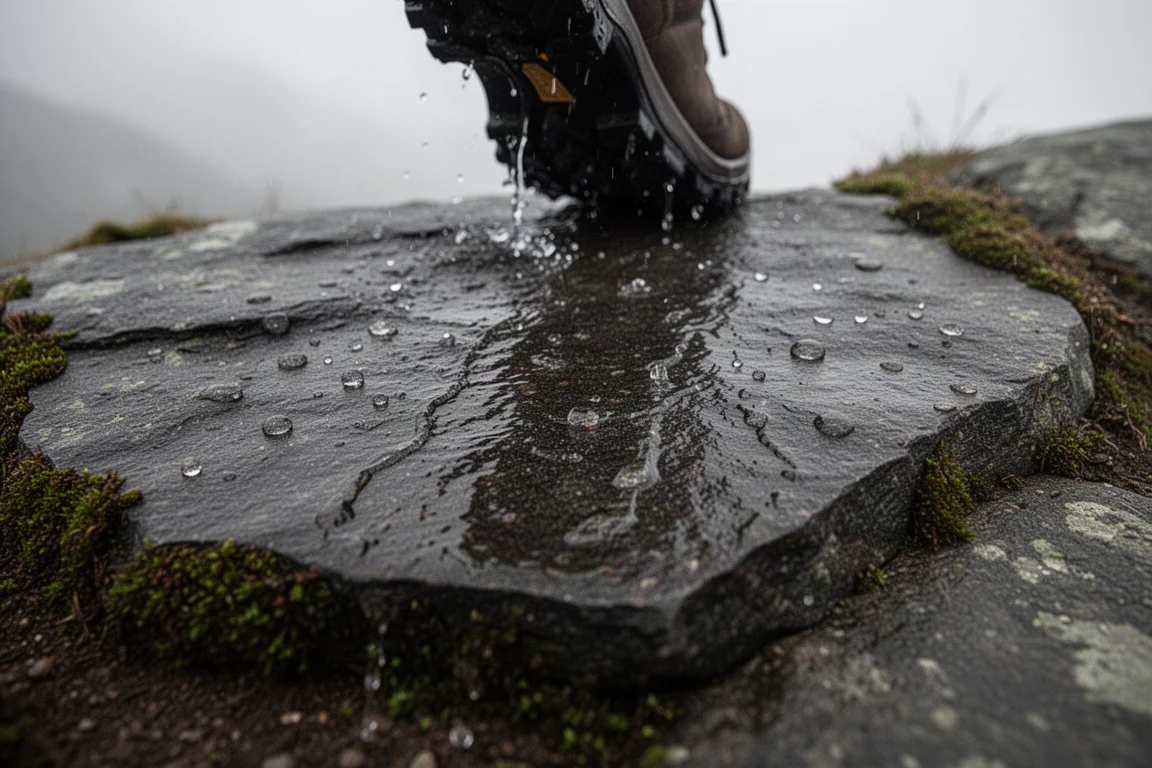
Grip is where opinions split. The lugs use a very soft compound that holds beautifully in the dry and, unusually for soft rubber, also performs well on wet rock. The cost is wear rate. The tread on this pair has worn down quickly, and several of the centre lugs have started to lift away. Anyone wearing them through a full season of regular hill days should expect the sole to be the limiting factor, which makes them difficult to recommend for high mileage.
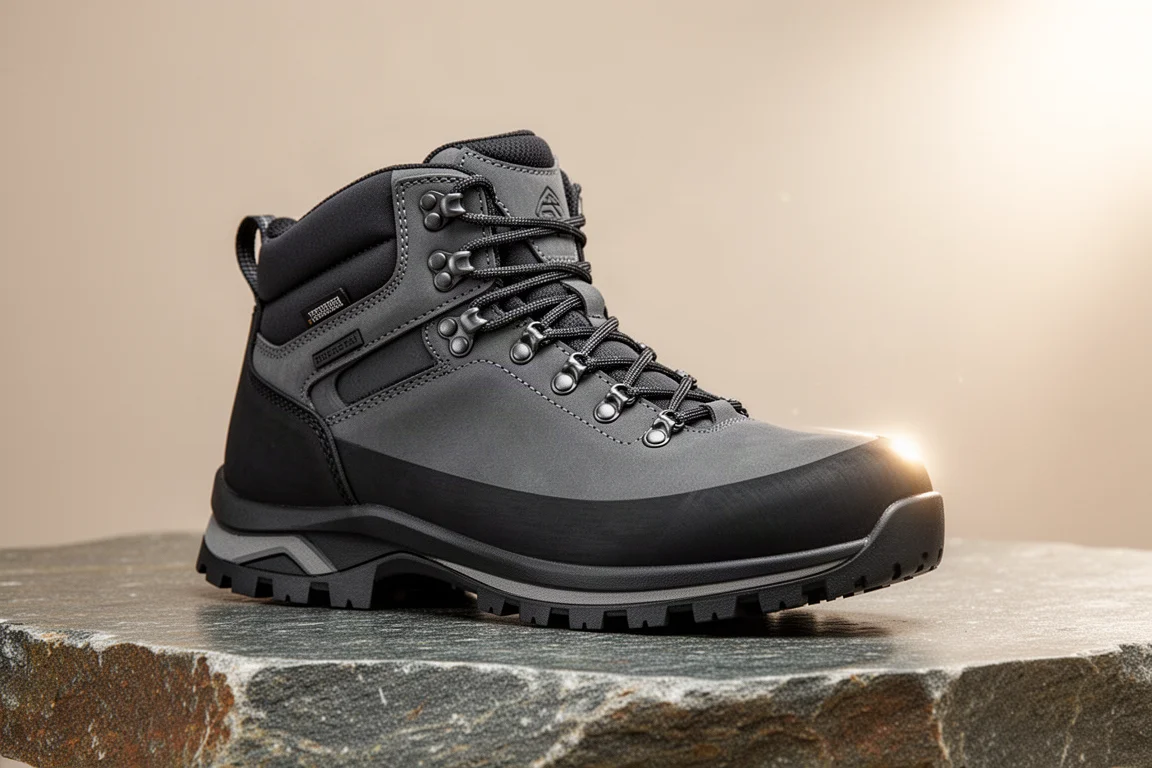
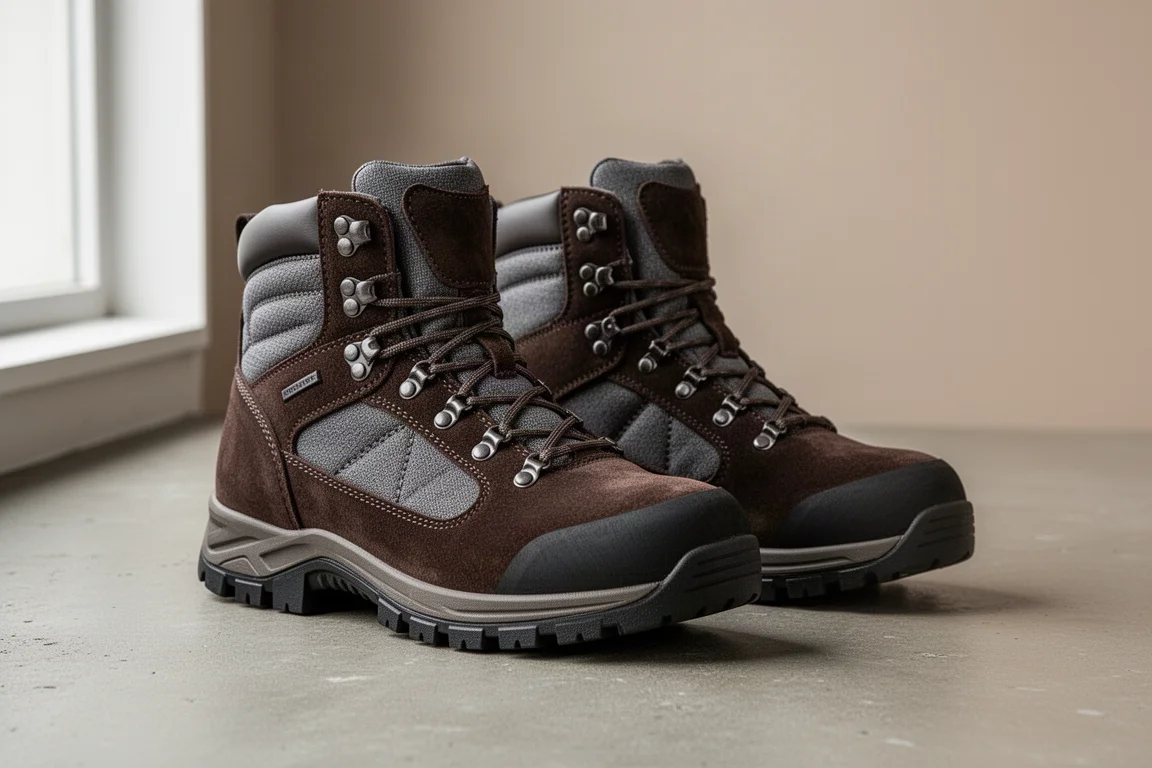
NORTIV 8 Hiking Boots: A Budget Option That Covers the Basics
At £49, the NORTIV 8 boots are the least expensive pair here and among the best-selling hiking boots on Amazon. Expectations should be set accordingly, and they largely meet them. There is plenty of protection at the front and the back, a gusseted tongue, a waterproof liner and a textile and suede build that is put together better than the price suggests. Grip is adequate for straightforward trails.
The compromises are weight and fit. At around 590 g per boot they feel clumpy next to the lighter options, and the fit is looser, so the boot does not hug the foot the way the Inov-8, La Sportiva or Salomon do. The materials also feel less refined in the hand. For occasional walking and gentler routes, that is a reasonable trade for the money.
Salomon X Ultra 4 GTX: The Closest Fit of the Four
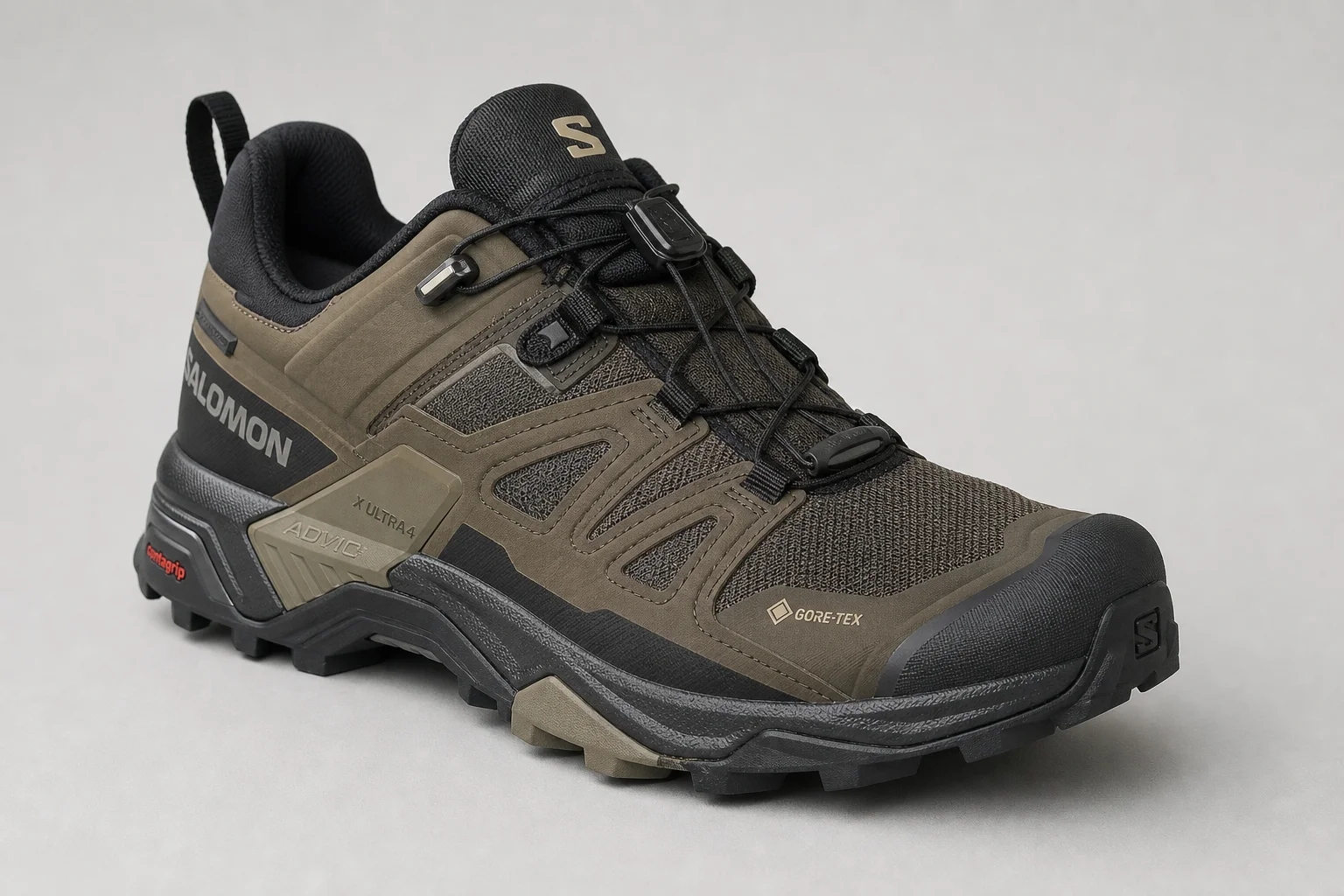
The X Ultra 4 GTX is the low-cut option here, weighing 390 g and built around a fit that holds the foot closely and securely. The lacing system pulls tight in a single motion and then tucks away into the tongue, so there is nothing loose to catch or trip over, and an external gusset keeps grit out. In use the laces have stayed put without ever working loose.
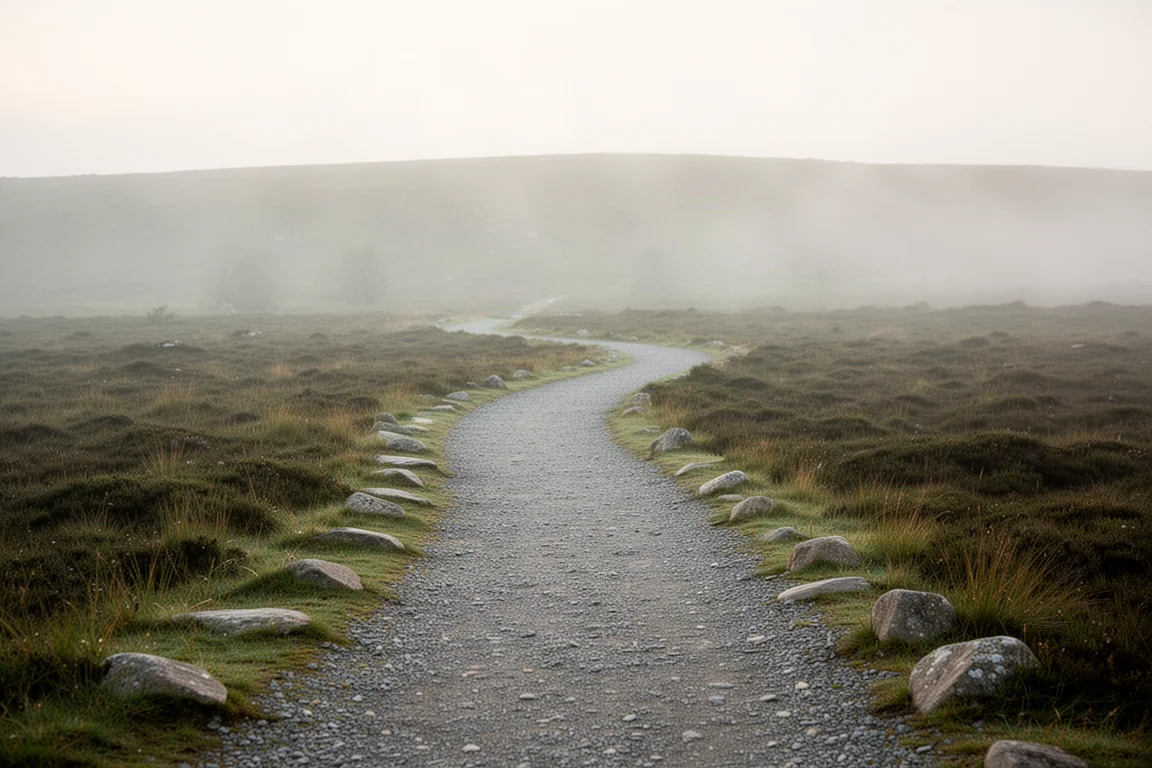
Protection is concentrated at the front, with a reinforced toe area and very little at the heel. Even so, the shoe feels stable underfoot, largely because of how precisely it fits. The natural next step would be a mid-height version of the same shoe, which would add ankle coverage while keeping the fit and the low weight intact.
Lightweight vs Traditional: Matching Footwear to the Terrain
Lightweight boots and shoes have a clear advantage on elevation and over distance. Lighter footwear leaves you feeling fresher at the end of the day, with more energy in reserve, and that benefit grows on multi-day trips. Light boots also shine on grade one scrambles, where a more flexible sole lets you place your feet in better positions on the rock.
The weakness appears on gnarly, stony ground. Toward the end of a long day on rocky terrain, lighter footwear produces pressure points and hot spots that a stiffer traditional boot would have absorbed. Waterproofing is the second gap: a textile boot with a membrane is simply not as dependable as a full leather boot with a waterproof liner when the weather turns.
Traditional full leather boots answer both problems, at the cost of weight and a more restricted feel as the foot rolls through each step. Trail runners deserve particular caution. They are light and quick, but over long days on rough ground the lack of structure tends to leave feet sore, with blisters and hot spots doing the damage.
There is no single boot that covers every scenario well. The practical answer for many hikers is two pairs: a lightweight textile boot or shoe with a waterproof liner for better weather and well-kept trails, and a traditional full-height leather boot for bad weather, stony ground and heavier loads.
Buying Advice
Start with the terrain and the weather you actually walk in, not the terrain you hope to walk in. If most of your days are on maintained trails in reasonable conditions, a lightweight textile boot such as the Inov-8 or a low-cut shoe such as the Salomon will reward you with less fatigue and more energy at the end of the day.
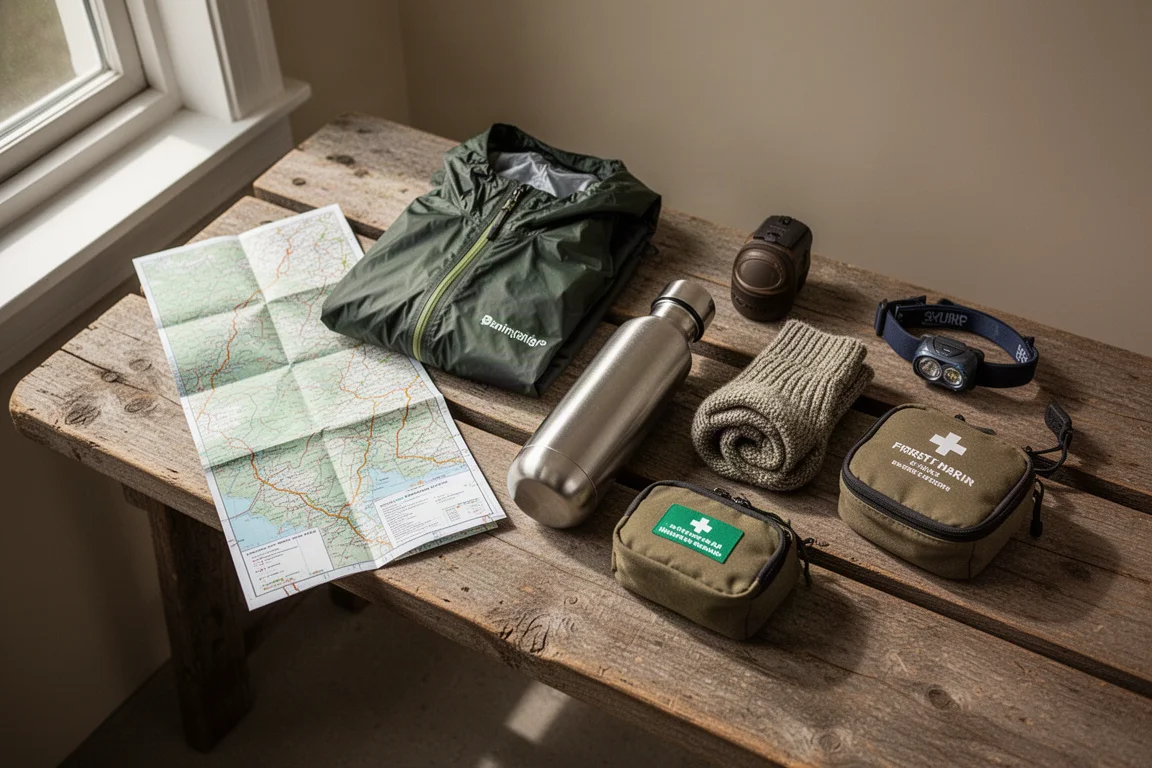
If your routes involve stony ground, sustained wet weather or multi-day loads, the calculation changes. Heavier, stiffer footwear protects the feet better over long, rough days, and the extra weight is easier to justify when the rest of your kit is dialled in.
Two details are worth checking before you commit. First, tread wear. A soft, grippy compound can transform wet rock performance but may need replacing sooner than expected, so factor in how many days a year you actually walk. Second, fit. A boot that holds the heel and hugs the midfoot feels stable even with limited heel reinforcement, while a loose fit stays loose. Try footwear with the socks you intend to wear, and treat textile uppers with a waterproofing product to keep the membrane performing.
Conclusion
Each of these four pairs makes sense in a specific context. The Inov-8 Roclite Pro G 400 GTX V2 is the pick for fast, light days on dry rock, with a hard-wearing outsole and a comfortable fit. The La Sportiva Ultra Raptor II Mid GTX offers the best wet grip and the most protection, but its soft lugs wear quickly. The NORTIV 8 boots deliver the basics at a very low price with a looser, clumpier feel. The Salomon X Ultra 4 GTX wins on fit and stability in a light low-cut shoe.
Match the footwear to the ground under your feet, and any of these four will do the job they were designed for.
Further reading
Related Reviews
Hiking Footwear
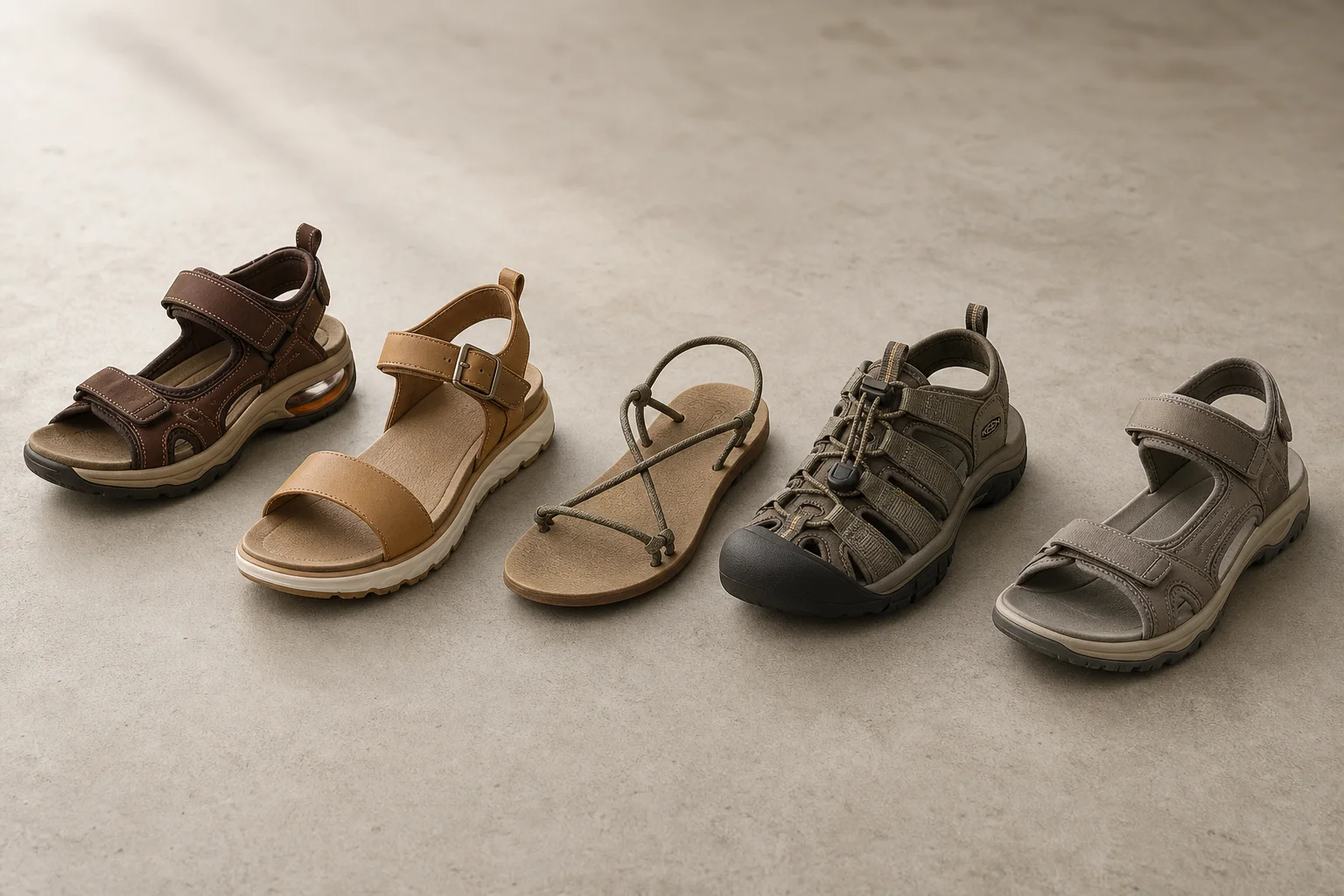
Best Hiking Sandals 2026: Five Options for Different Trail Needs
Five hiking sandals tested for comfort, protection, and versatility. Find the right pair for your hiking style, from minimalist designs to heavy-duty closed-toe options.
Hiking Footwear
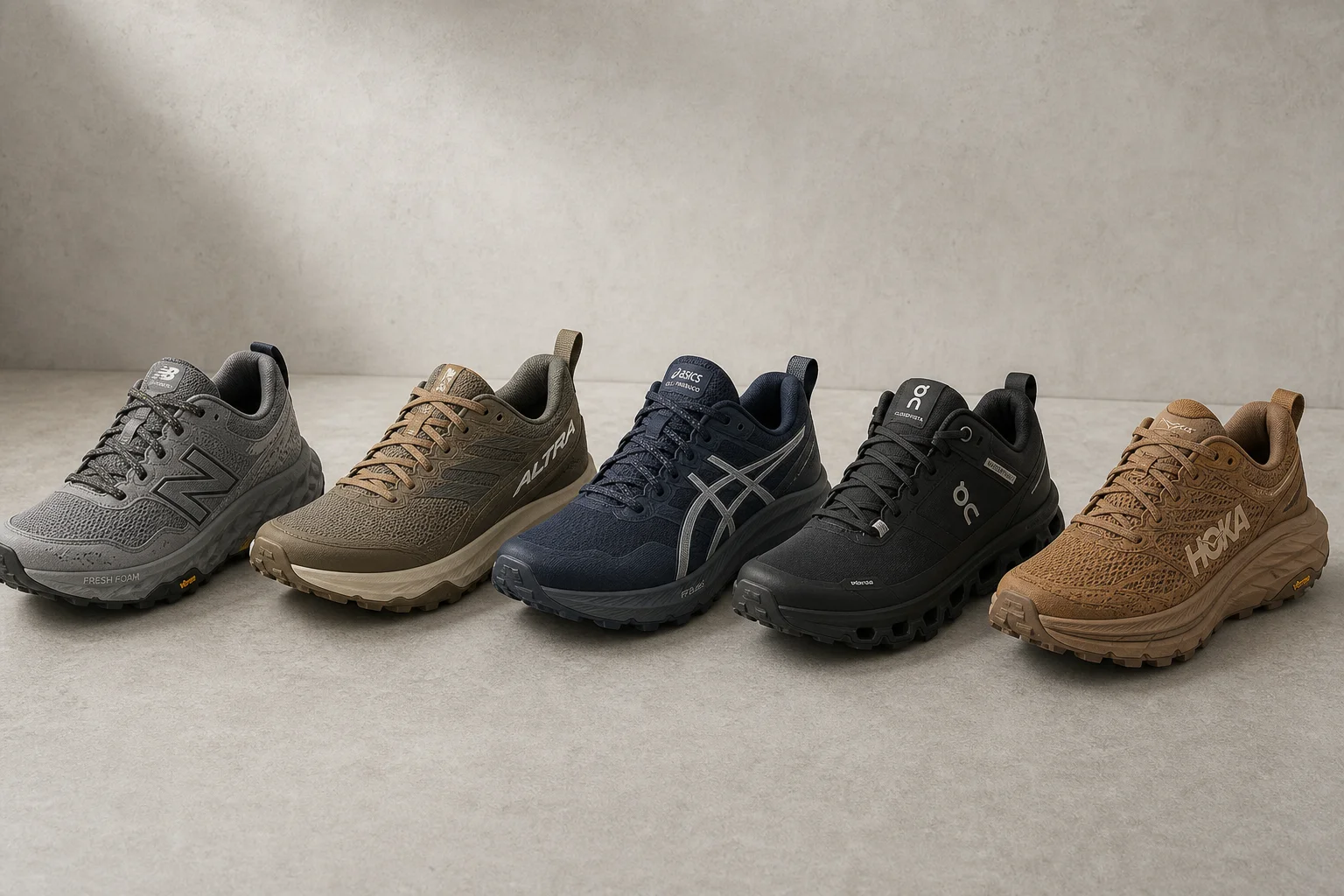
Best Hiking Shoes 2026: Five Options for Different Terrain and Support Needs
A practical guide to five hiking shoes covering max cushioning, zero-drop design, all-around versatility, waterproof protection, and balanced comfort for long-distance trails.
Hiking Footwear
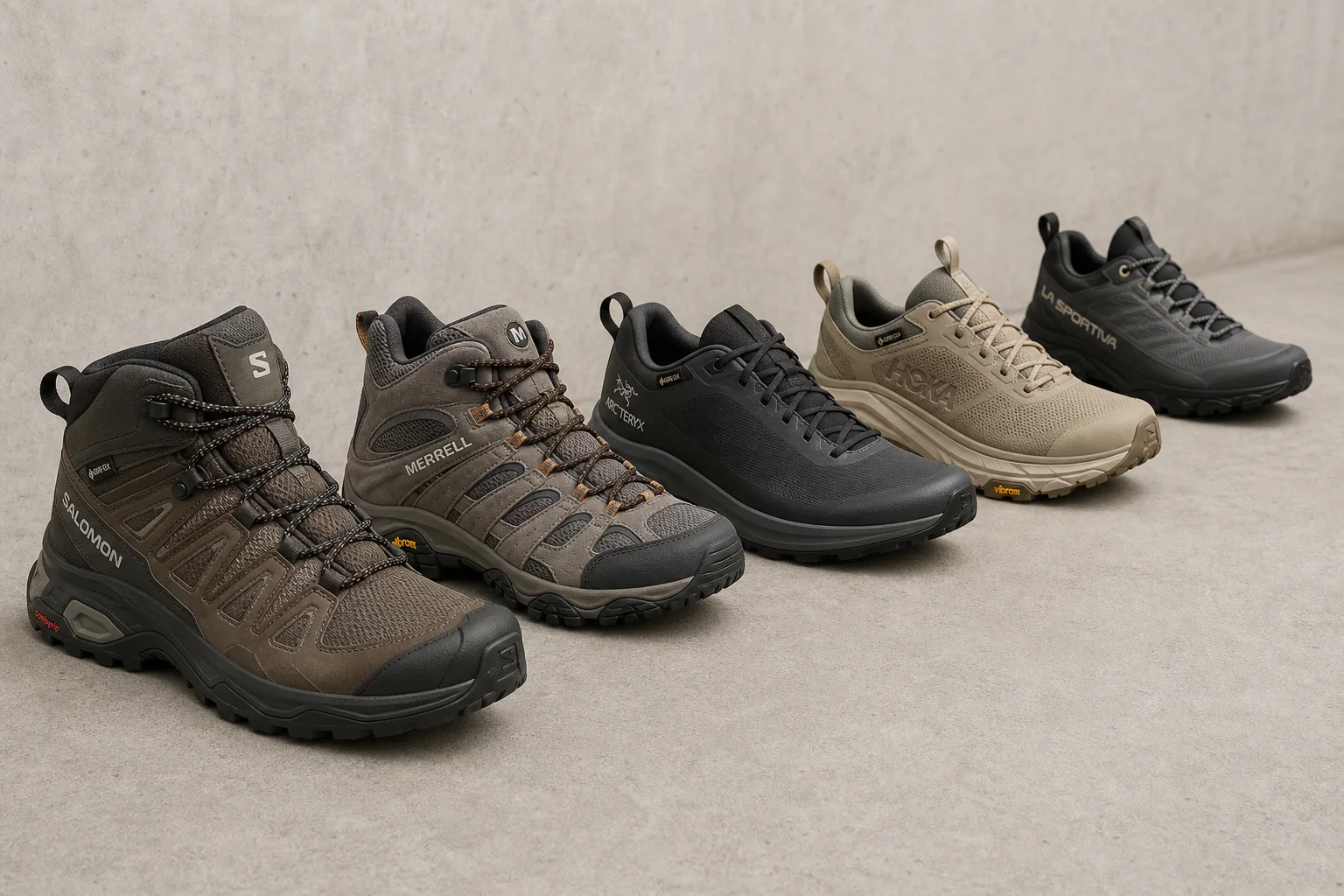
Best Hiking Shoes for Men: Five Tested Options Ranked
A detailed ranking of five hiking shoes tested for comfort, traction, and durability across varied terrain and conditions.