Hand Tools
High Leverage Diagonal Cutters Compared: Knipex Twin Force, Snap-on 87 ACF, and Wiha Adjustable Pivot
Three diagonal cutters put side by side, with real cutting-force observations, design trade-offs, and practical buying advice.
Introduction
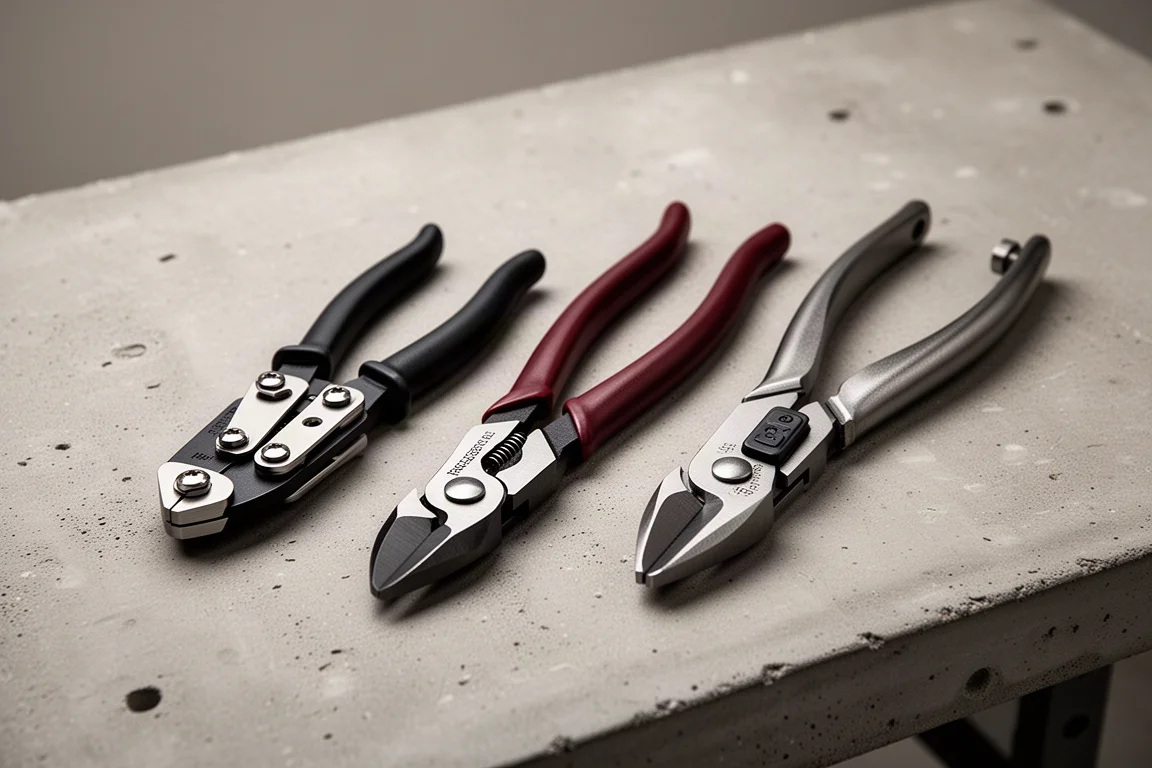
High leverage diagonal cutters all promise the same thing: more cutting power from the same hand effort. Most designs get there by lengthening the handles or reshaping the pivot area, but a few recent designs take a different route. Three cutters stand out for anyone shopping in this space: the Knipex Twin Force 7372180 BK with its unusual twin-linkage design, the long-respected Snap-on 87 ACF, and the Wiha adjustable pivot cutter that switches between a normal and a high leverage mode.
To compare them fairly, we looked at measured cutting force on solid 12-gauge wire, overall cutting feel, tip geometry, ergonomics, and known drawbacks reported by users.
Knipex Twin Force 7372180 BK: High Leverage in a Compact Frame
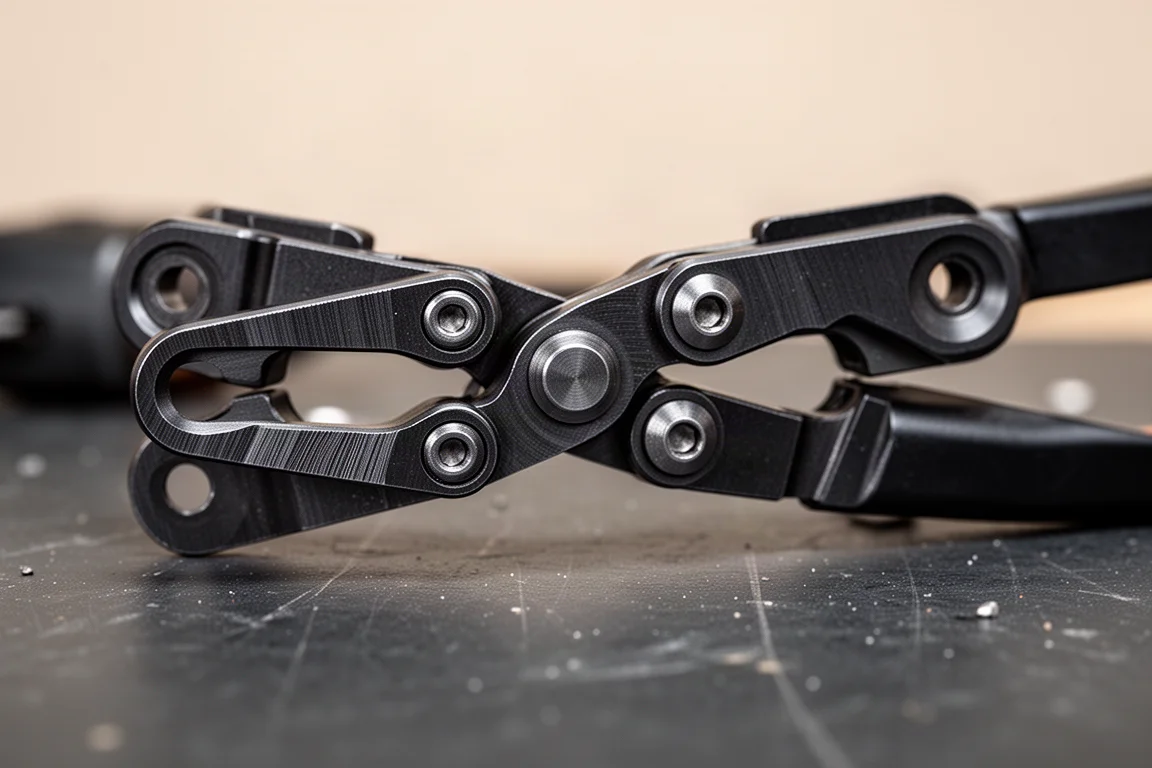
The Twin Force gets its name from the two leverage linkage plates, one on each side of the pivot. Most high leverage cutters add a single extra arm; this design runs one on both sides, in a body that measures only 180mm. Knipex claims 50% easier cutting compared to a plier of the same length, which is the fair benchmark, since longer tools always gain force the easy way.
The tag also lists a capacity of up to 3mm piano wire, which is a striking claim for a cutter this size. In testing on solid core 12-gauge wire, the Twin Force cut with around 102 ounces of applied downward force, less than the longer Snap-on reference and dramatically less than a standard Klein-style diagonal cutter that needed repeated hard pushes. Cuts felt smooth and controlled, with no wire spraying across the bench, and the smaller profile felt comfortable in the hand. The tip is not a full flush cutter, offering a bit less flush-cut ability than the Snap-on, but the cut faces were clean and consistent.
At roughly $65 to $70, it sits at the higher end for a compact cutter, though part of that may be current pricing conditions rather than the tool itself. For anyone who wants a genuine high leverage cutter in a smaller form factor, it is a genuinely interesting new design that also feels like it may be more stable under hard use.
Snap-on 87 ACF: The Smooth Benchmark
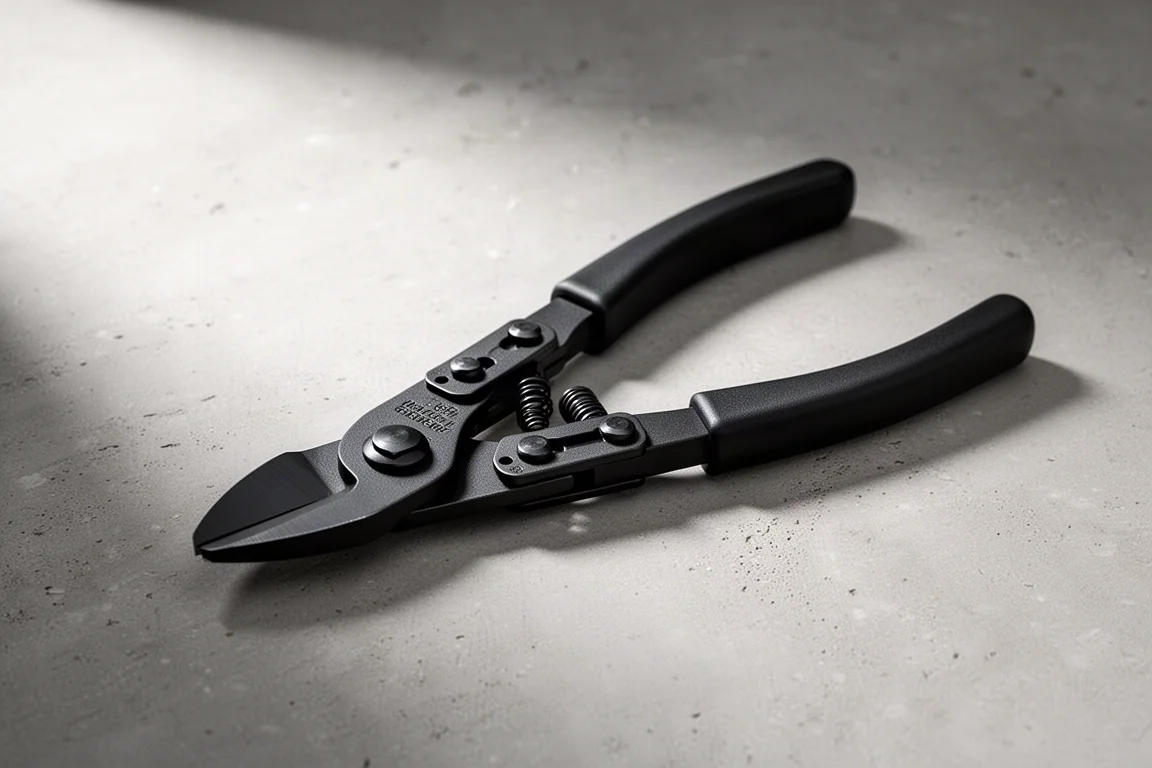
The Snap-on 87 ACF has a long-standing reputation for being among the smoothest, cleanest-cutting diagonal cutters available, and it behaves that way in use. It is a larger tool than the Twin Force, and that extra length showed in the tests: cutting the same 12-gauge wire took around 130 ounces of force on the first pass and about 82 on a repeat cut, with noticeable variation between cuts depending on exactly where the wire sat in the jaws.
The cut quality is excellent, with a tip that approaches flush cutting more closely than the Knipex. If you already own a pair, there is little reason to switch. If you are buying your first serious high leverage cutter, this remains a safe, proven choice, as long as the larger size suits your hand and tool bag.
Wiha Adjustable Pivot High Leverage Cutter: One Plier, Two Modes
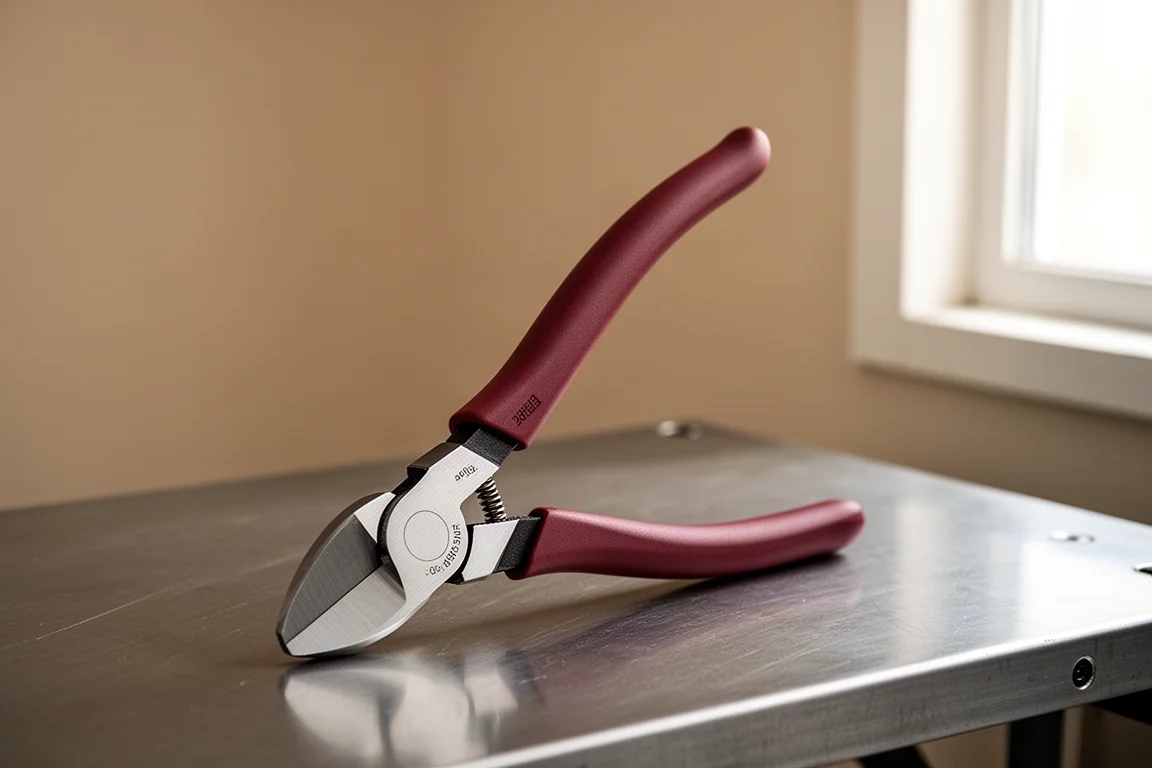
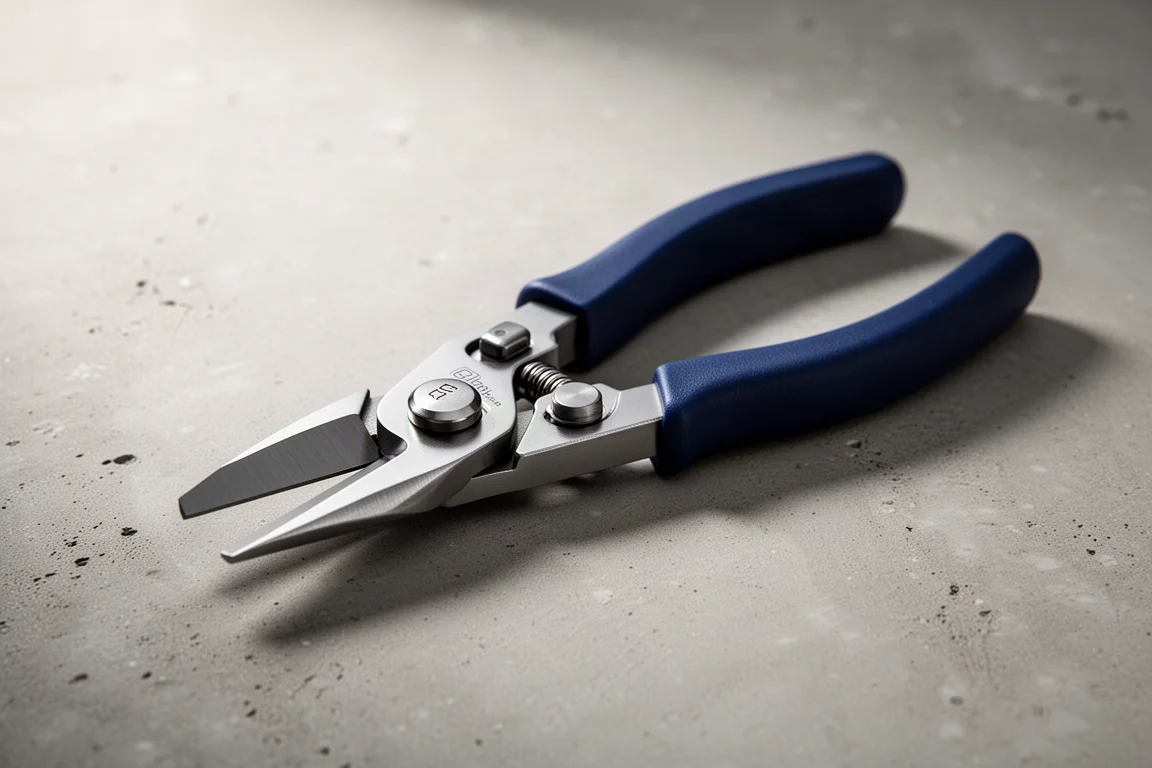
The Wiha takes a clever approach: a sliding pivot mechanism with a push button that repositions the pivot point, converting the plier from a normal cutting mode into a high leverage mode. On the standard setting, it performed about the worst of any cutter tested, at roughly 110 ounces of force. Flip the pivot to the high leverage position and the same wire cut at around 90 to 100 ounces, about a 10 ounce improvement in the measured runs, on a larger-body plier.
That flexibility is the appeal. One tool covers general cutting duty and then delivers extra force when you need it, typically for less money than the Knipex.
The main complaint is the button itself. Users report that it can be fiddly to press, and that in a tool bag the pivot can accidentally shift into a center position where the plier will not open at all. You then have to press the button again and hope you pushed it toward the cutting mode you actually wanted. It is a real quirk, but many users still consider it a sweet little plier.
How the Cutting Force Tests Played Out
Using a precision scale set to ounces, each cutter was pressed into the same solid core 12-gauge wire, with the wire seated near the bottom of the jaws for consistency. The results tell a clear story:
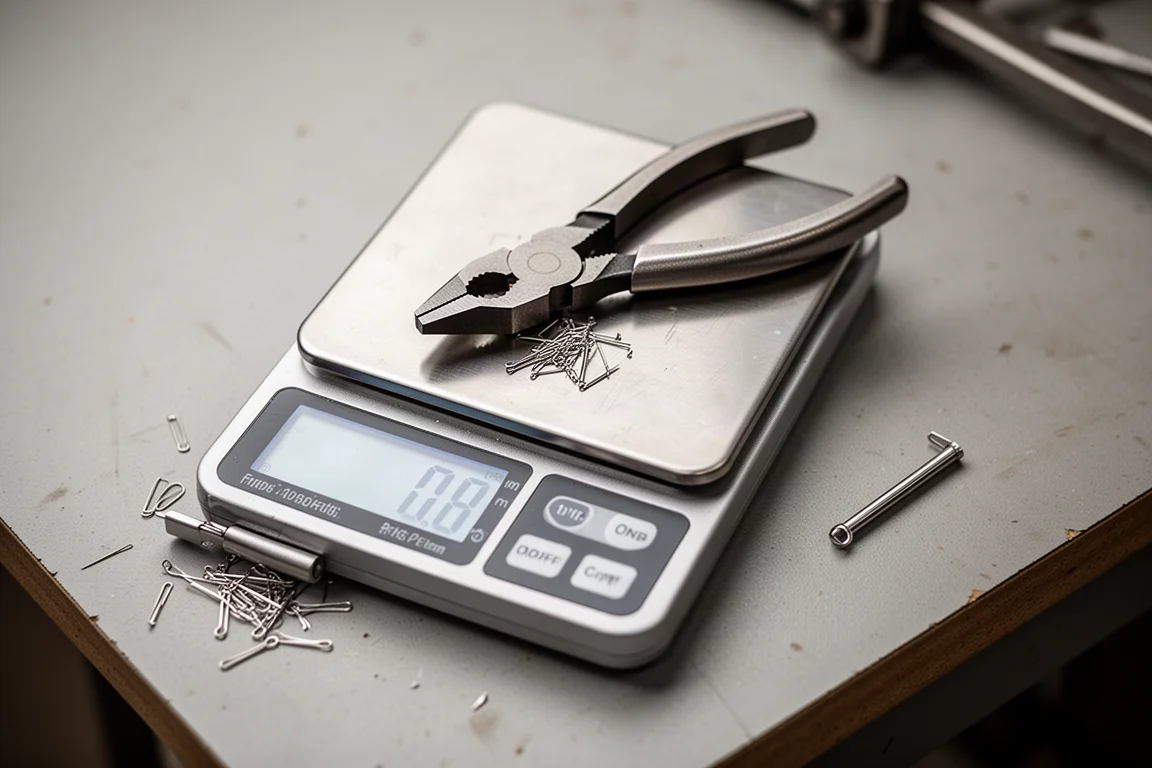
- Knipex Twin Force: about 102 ounces
- Snap-on 87 ACF: about 130 ounces, later around 82 on a fresh pass
- Wiha in high leverage mode: around 90 ounces; around 110 in normal mode
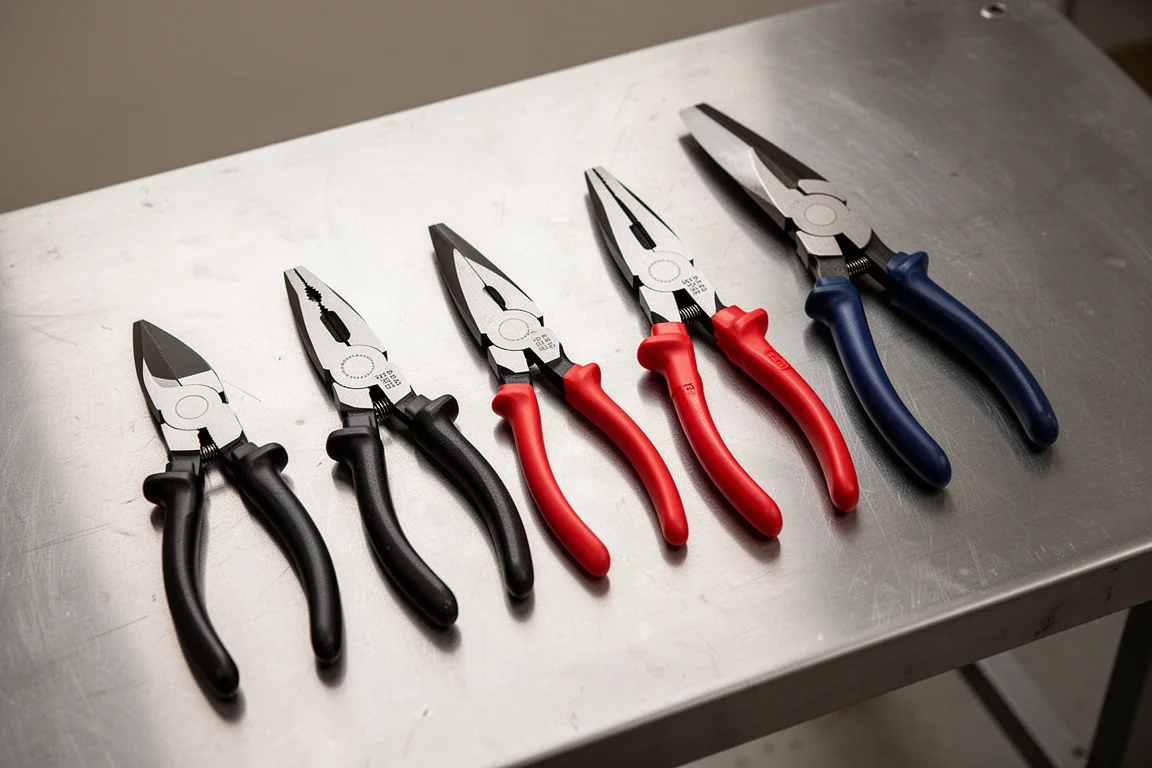
- Long-handled Knipex high leverage model: dramatically lower, near 40 ounces, thanks to a much longer effective leverage arm
- Older Irwin high leverage style: around 100 ounces, with run-to-run variation
- Craftsman and standard Klein-style cutters: needed more force, with some runs failing to complete the cut cleanly
Two things stand out. First, measured force varies noticeably with wire placement and how slowly the jaws bite through, so treat these numbers as directional rather than exact. Second, handle length matters enormously. The longer high leverage designs from Knipex and others achieve their force through sheer length, while the Twin Force does it through the twin-linkage geometry in a 180mm body.
Buying Advice: Which One Fits Your Work
If you want the smallest possible high leverage cutter and like new engineering, the Knipex Twin Force is the most interesting of the three. It cuts comfortably, feels good in the hand, handles piano wire up to 3mm per the manufacturer tag, and avoids flying clippings. The main trade-off is price and a tip that is not fully flush.
If you want the classic, proven option with excellent cut finish and you do not mind a larger tool, the Snap-on 87 ACF is hard to argue with.
If budget matters and you like the idea of one plier that does both normal and high leverage duty, the Wiha is the value pick, provided you can live with the pivot button quirk.
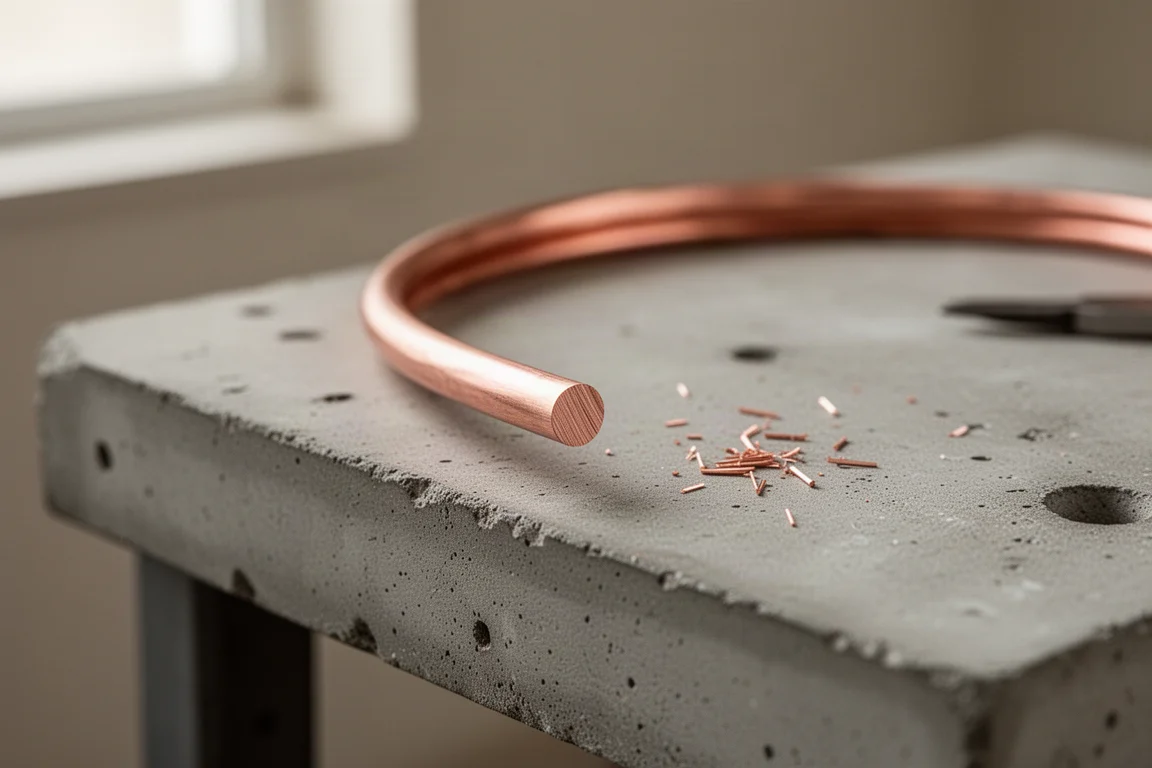
For electrical work with soft copper, all three will feel far easier than a standard diagonal cutter. For repeated hard cuts on tougher wire, the difference between designs becomes more noticeable, and that is where the twin-linkage and long-handle approaches earn their keep.
Conclusion
There is no single winner here, only the right fit. The Knipex Twin Force brings high leverage performance into a compact, thoughtfully engineered body at a premium price. The Snap-on 87 ACF remains the smooth, proven benchmark. The Wiha adjustable pivot offers flexible performance for less, with a small usability compromise. Whichever you choose, moving from a standard diagonal cutter to any of these will make daily wire cutting noticeably easier on your hands.
Further reading
Related Reviews
Hand Tools
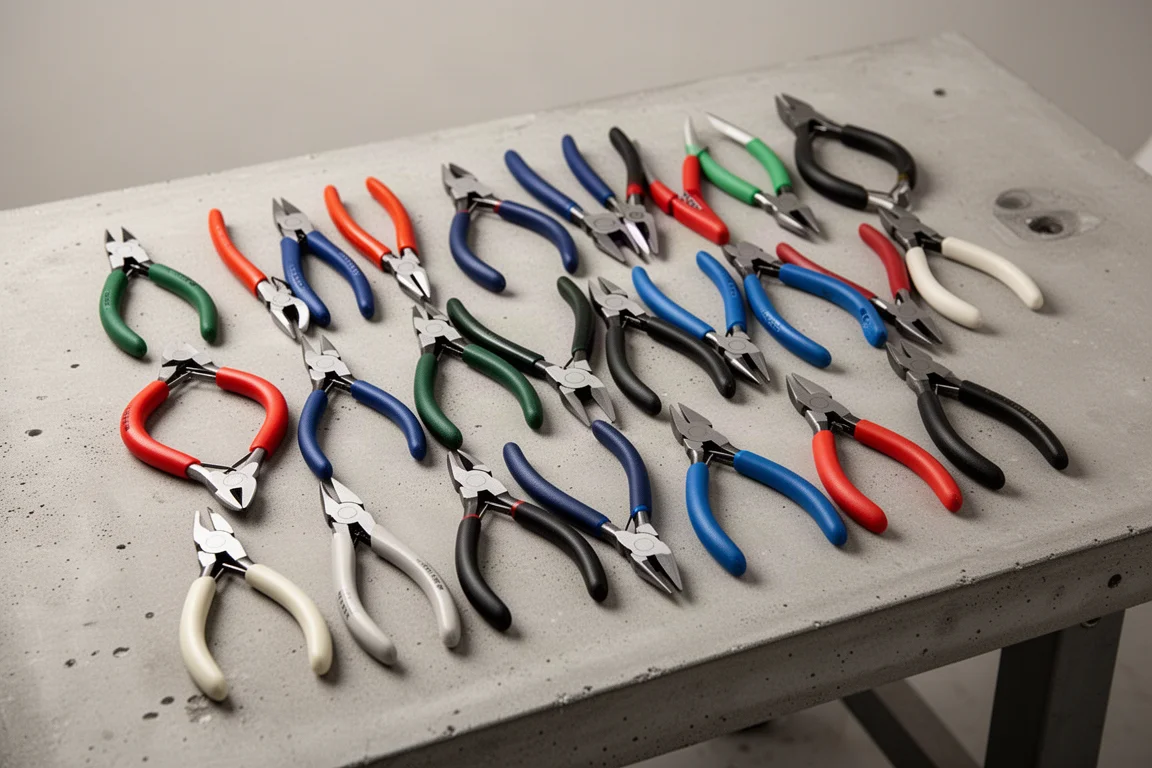
Best Diagonal Cutters 2026: 16 Pliers Tested for Cutting Power and Durability
We put 16 diagonal cutters through nail, screw, drill bit, and hex key tests to find the best value picks for your toolbox.
Hand Tools
Best Hex L Key Sets 2026: Nine Sets Tested for Real-World Torque
Nine hex L key sets from budget to premium, tested for torque, fit, and durability. See which sets deliver real performance and which ones to skip.
Hand Tools
Best Locking Pliers 2026: Top Picks Tested for Grip and Durability
We tested 18 brands of 10-inch locking pliers for grip strength, jaw bite, build quality, and ease of release to find the best options for tough jobs.