Power Tools
Hercules Impact Wrenches Put to the Test: Harbor Freight's Serious Step Up
Two Hercules high-torque impact wrenches and their battery lineup survived abuse, water, and lag-screw torture. Here's how they held up.
Introduction
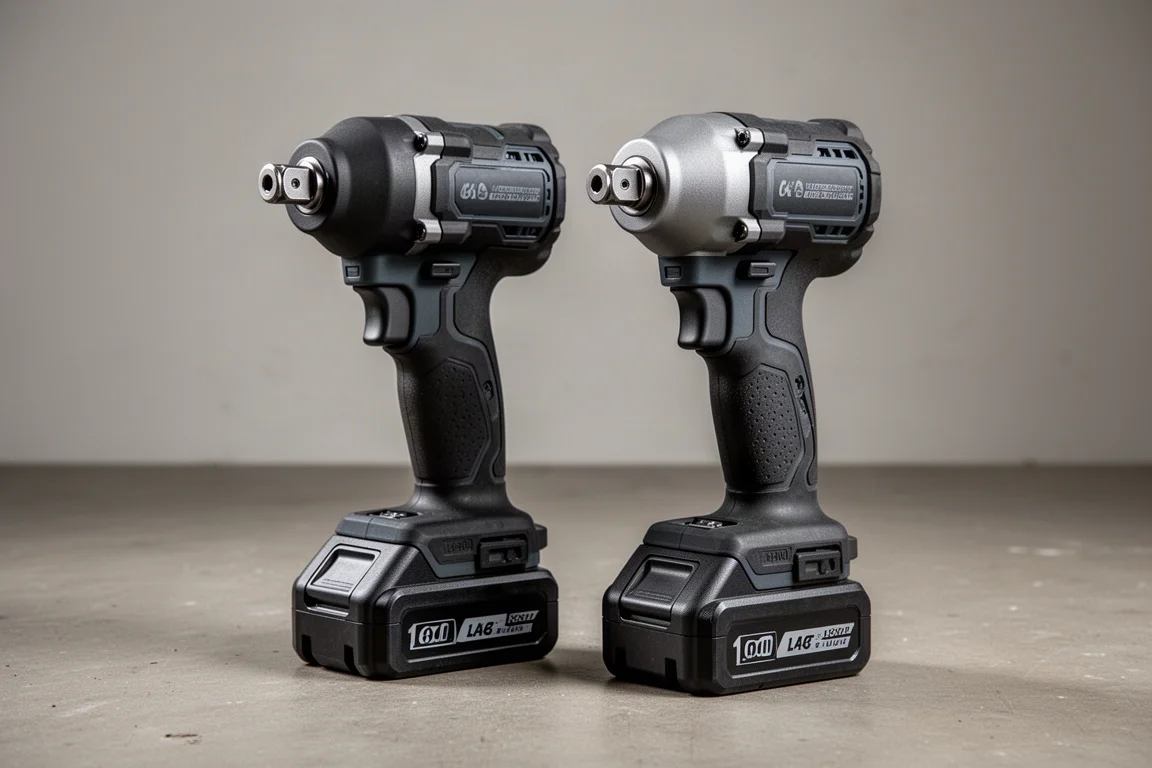
Harbor Freight has long had a reputation problem: tools you buy for a one-off job and don’t expect to last. That reputation is exactly what the Hercules line is trying to change. Two new Hercules high-torque impact wrenches were put through a genuinely brutal test routine: lug nuts and brake jobs, dropped tools, torque benchmarks, dozens of lag screws without pilot holes, and even a full water pour into the motor. Both wrenches kept working through all of it, and the battery system held up better than expected. This is how they performed and who they make sense for.
Everyday Work: Lug Nuts and Brakes
The first test was the most common use case: removing lug nuts and changing brakes. On the low speed, the wrench handled lug removal smoothly and with good control. Second speed added noticeably more power while staying manageable. On speed three, the full torque rating arrives and the wrench simply rips through fasteners.
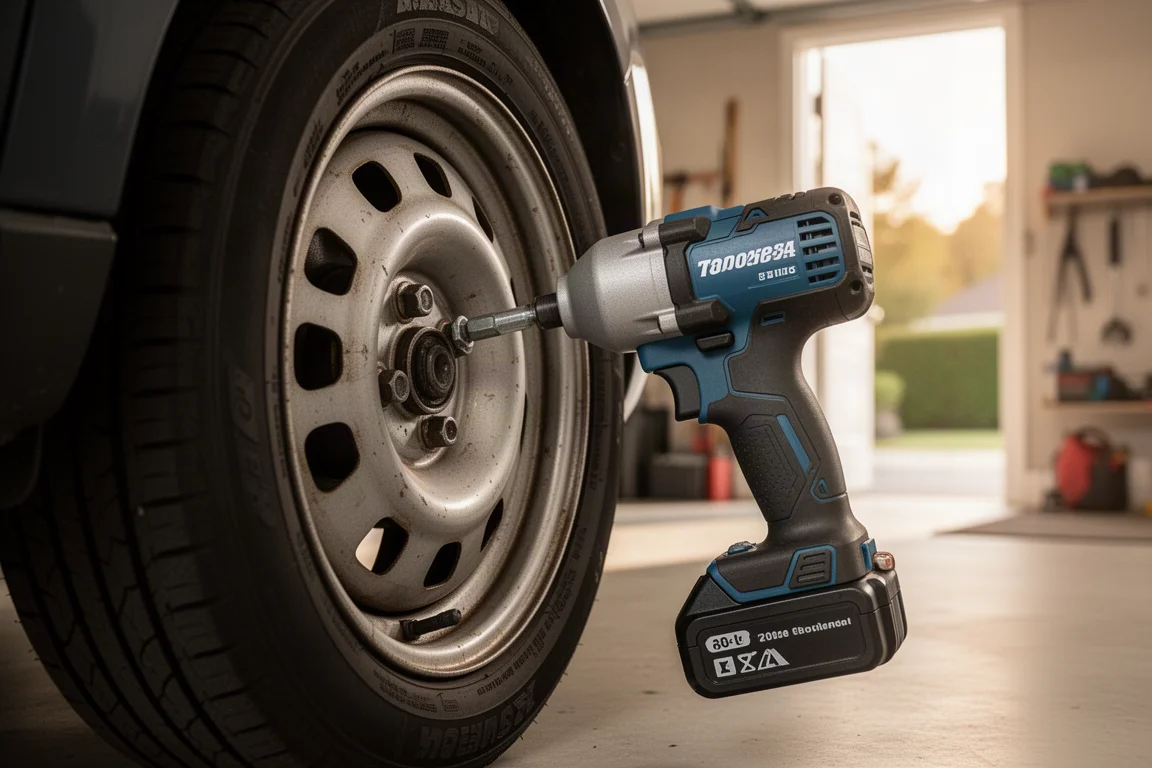
The standout here is the auto mode. Once the fastener reaches its seat, the tool shuts itself down precisely, both when tightening and when breaking loose. There was no concern about stripping or over-torquing, and it consistently stopped exactly where it needed to.
Durability: Dropping and Abuse
Impact wrenches live a hard life. They get dropped under cars, knocked against trucks, and generally abused. To test this, the wrenches were deliberately dropped, including landing directly on the battery pack, which came off a few times. The tools picked up real gouges and scuffs but showed no functional issues afterward. Structurally, they held up to abuse without complaint.
Torque Benchmarks
Next came controlled torque tests with bolts torqued to 200, 230, and 250 foot pounds. The mid-torque Hercules, rated at 1,200 foot pounds, broke all of them loose on speed three without hesitation. Nothing surprising, nothing disappointing: it did exactly what the rating suggests it should.
Battery Life and Heat: The Lag Screw Torture Test
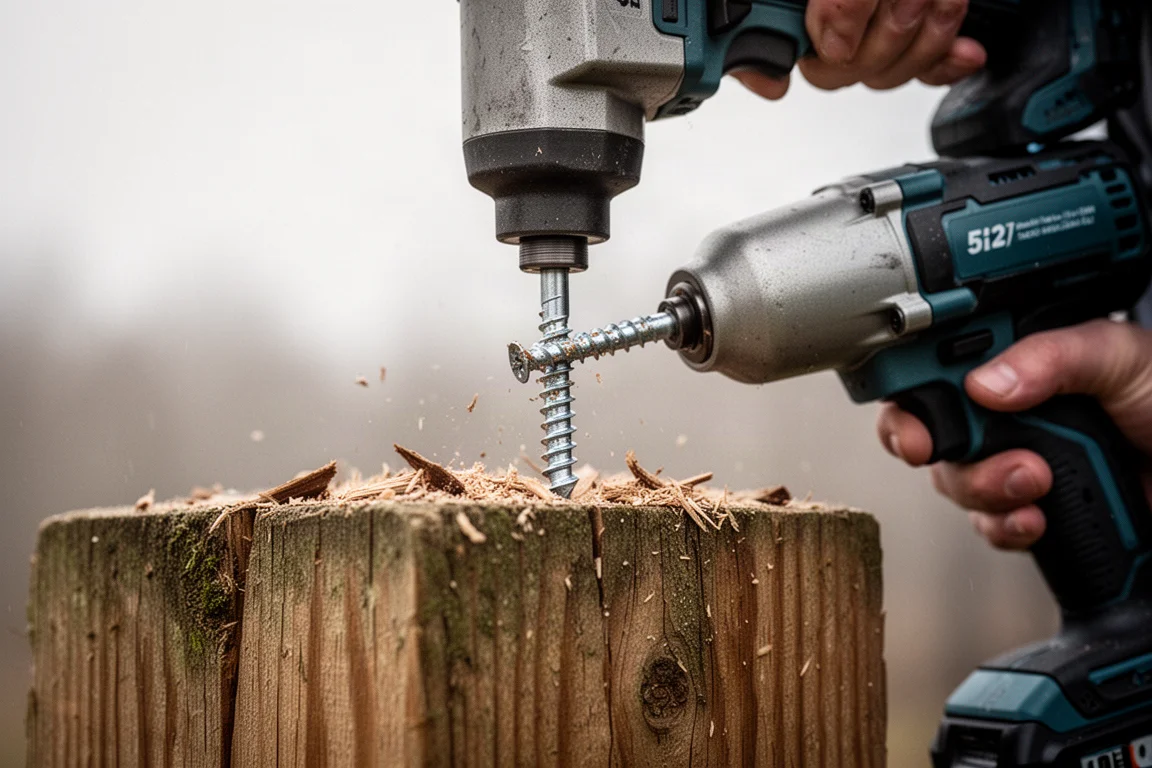
This is where things got serious. The test: driving 25 five-inch lag screws through six-by-six lumber with no pilot holes, using a fully charged Hercules 5Ah battery. The goal was to find out whether the tool and battery would overheat or smoke under sustained load.
With the 5Ah battery on the standard high-torque model, 23 of the 25 lag screws sank fully before the battery died completely. The battery was only slightly warm, and the wrench showed no burning smell, no smoke, and no issues. Then the Ultra Torque model ran the same test with the 8.0Ah battery, which uses 21700 cells for better performance. Every lag screw sank down, all 25 went fully through the post, and the battery still showed two bars afterward. Reversing them all back out, it still had power left. Heat remained present but manageable, with no smoking at any point.
Plenty of tools, including bigger brands, have failed this kind of test. These did not.
The Water Test
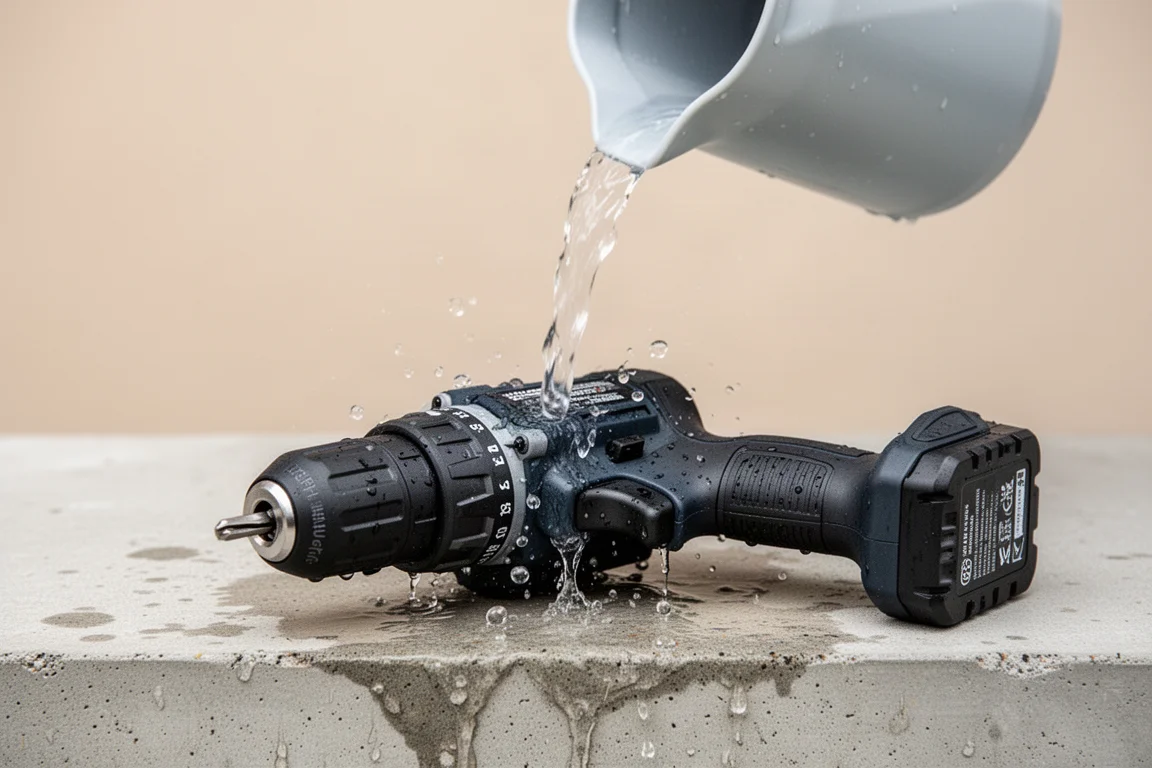
Mechanics don’t always work in good weather. Rain, snow, and standing water find their way into tools, so the final challenge was straightforward: pour water directly into the motors through the triggers until the housing was filled to the two-gallon mark. Water shot back out thanks to the internal fan, and both wrenches kicked back on and ran perfectly fine afterward. That is far beyond what most tools would tolerate.
The Battery System: Smart Details and One Real Flaw
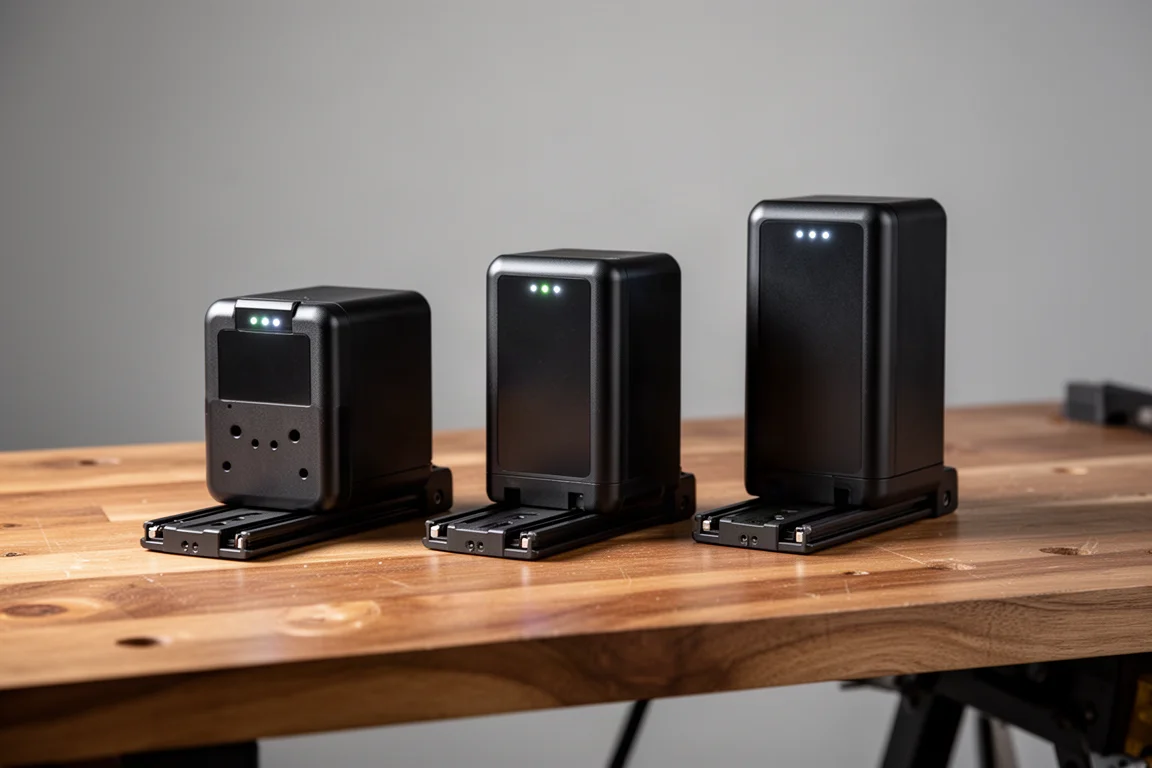
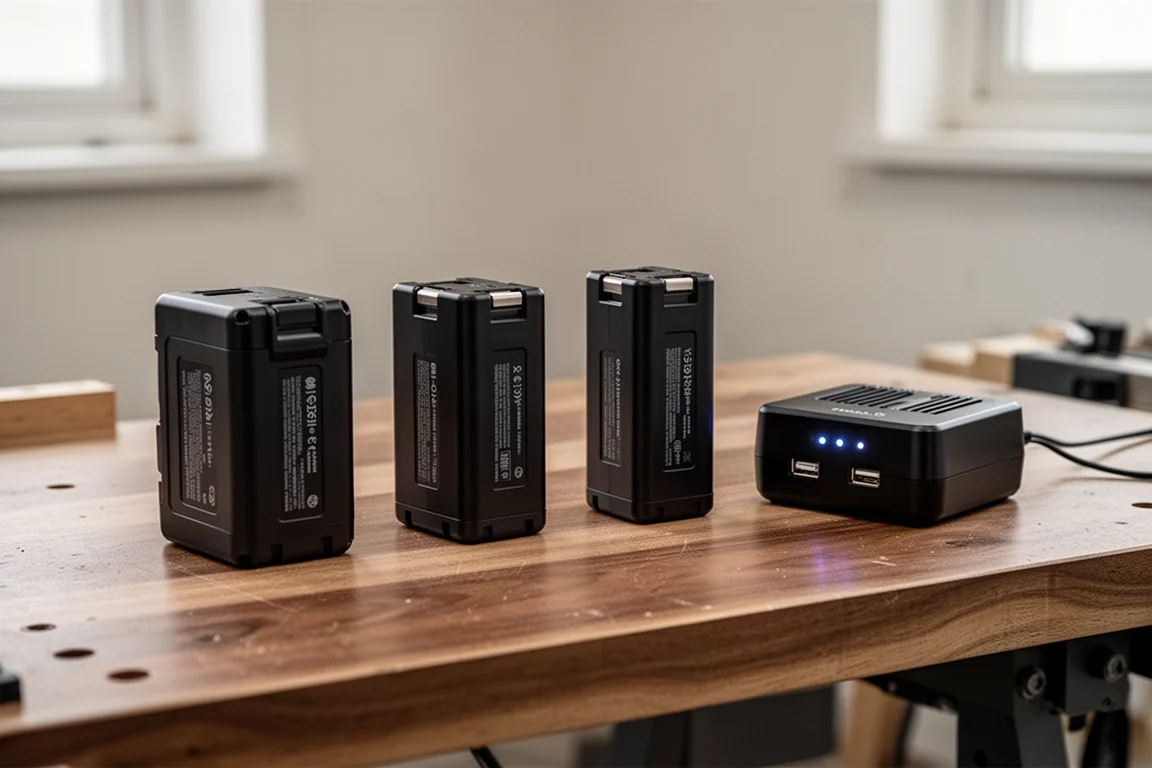
Hercules offers a fairly complete battery line from 5Ah up to 12Ah, and there is a genuinely clever detail on the 8.0Ah and 12Ah packs: drainage holes on the bottom that let rainwater drain out instead of pooling inside and ruining the pack. Oddly, the 5Ah battery does not have this feature, which is a missed opportunity.
The real weakness is charging speed. The dual-battery charger is well designed, with USB ports for charging a phone or radio, but the batteries themselves take a long time to refill: roughly an hour and a half or more for the 12Ah, and around 45 to 55 minutes for the 5Ah. A rapid charger is reportedly in the works, but until it ships, waiting is part of the deal.
There is also a small inconsistency: the charge indicator sits on the front of the 8.0Ah and 12Ah packs but on the back of the 5Ah, which is annoying when charging on a wall-hung charger. Nitpicky, but worth knowing.
Warranty and Price: Where Hercules Wins
This is what really changed the calculus. Historically, Harbor Freight tools carried a 90-day warranty unless you paid extra for extended coverage. Hercules tools now come with a five-year warranty on the tool and a three-year warranty on batteries and chargers, automatically, with nothing to sign up for. If something fails, you walk into the store and get a replacement. That is on par with what Milwaukee offers, which is remarkable for this price tier.
On price: the standard high-torque model lists at $179 and is currently $159.99 for the tool only, while the Ultra Torque with its 1,400 foot-pound rating is $179.99, also tool only. Battery prices are reasonable too. For tools that survived this test with a five-year warranty attached, that is a genuinely strong value.
Final Verdict
Hercules has done something few expected: built impact wrenches that survive abuse, water, and sustained load while backing them with a warranty that rivals the premium brands. The charger speed is the main drawback, and the battery lineup has minor inconsistencies, but on performance, durability, and price, these wrenches are an easy recommendation. For anyone who wants serious torque without paying premium-brand money, this is a good buy.
Buying Advice
Get the standard high-torque model if you mostly do automotive work like lug nuts and brakes; it handles everything in that range comfortably. Choose the Ultra Torque if you want maximum breaking torque and will pair it with the 8.0Ah battery for the best runtime and sustained performance. Whatever you buy, consider starting with the 8.0Ah or 12Ah packs for the drainage holes and longer runtime, and wait for the promised rapid charger if slow charging would frustrate your workflow.
Further reading
Related Reviews
Power Tools
Best 1-Inch Pistol Impact Wrenches: Three Heavy-Duty Options Compared
We compare three 1-inch pistol impact wrenches, from a budget-friendly Harbor Freight model to a premium Caterpillar unit, to help you choose the right one.
Power Tools
Best 3/4-Inch Impact Wrenches 2026: Five Contenders Compared
We compare five 3/4-inch impact wrenches across price and performance, from a budget Amazon option to Snap-on's most powerful model yet.
Power Tools
Best Budget Cordless Tools 2026: Walmart Finds That Punch Above Their Price
We tested five cordless tools from Walmart, including a high-torque impact wrench that trades blows with Milwaukee and a $35 duster that outperforms its price class.