Camping Chairs
Helinox Chair Zero vs Chair Zero High-Back: Which Ultralight Camping Chair Is Right for You?
A practical comparison of the 510 g Helinox Chair Zero and the taller, more supportive Chair Zero High-Back, covering weight, packed size, stability and comfort.
Introduction
A backpacking chair is one of the few luxury items that earns its place in a pack. It adds weight, but it changes how the end of a long day feels. The Helinox Chair Zero has been the benchmark for that trade-off for years: light enough to justify carrying, comfortable enough to be worth it.
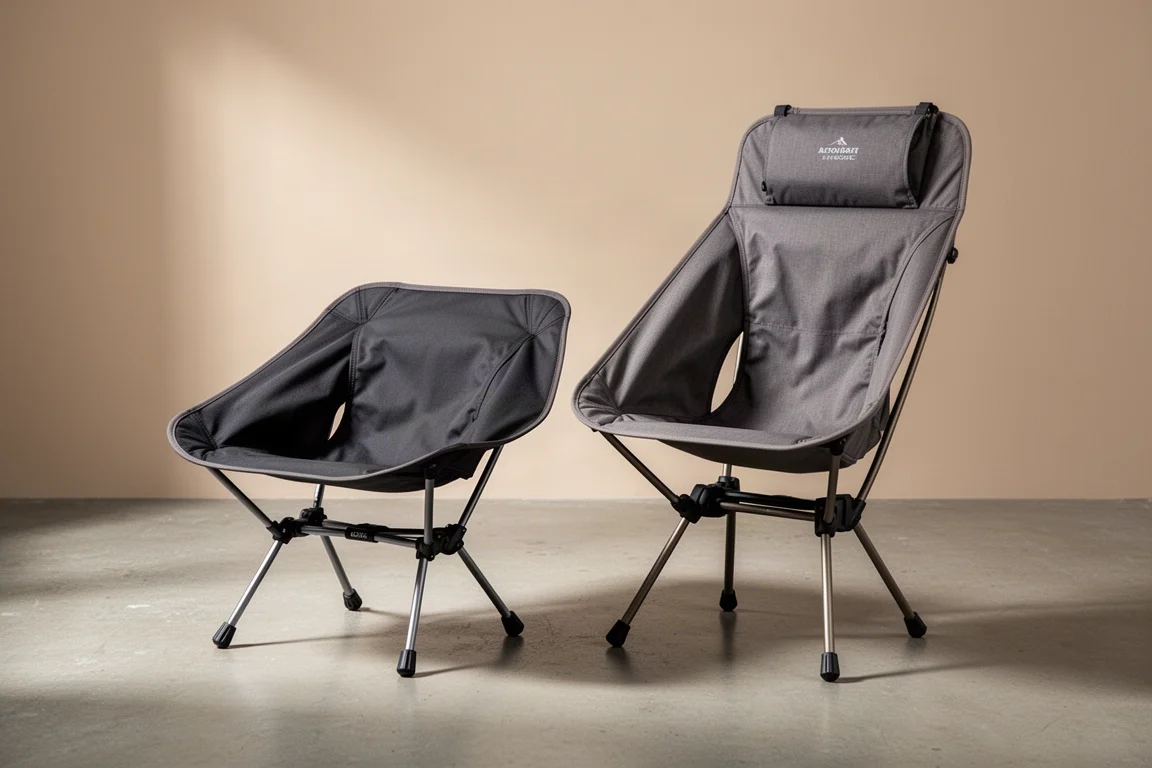
Helinox has now added a second model to the same lineup, the Chair Zero High-Back. It shares the original’s packable frame design but adds a taller backrest and a wider stance. The original Chair Zero costs 130 dollars, while the High-Back costs 170 dollars. The original weighs 510 grams and the High-Back weighs 690 grams.
That extra 180 grams and 40 dollars buy a different seating experience rather than a straight upgrade. This comparison looks at where the two chairs genuinely differ, and which one is likely to suit the way you actually sit at camp.
What Sets These Two Chairs Apart
The headline numbers separate the two chairs quickly.
- Price: 130 dollars for the Chair Zero, 170 dollars for the High-Back
- Weight: 510 grams versus 690 grams
- Packed size: the High-Back is roughly 50 percent bulkier once folded
- Assembled height: 25 inches versus 32.5 inches
- Leg spread at the base: 10.5 inches versus 13 inches
- Advertised weight capacity: 265 pounds for both
Packed bulk comes down to how the poles fold and how the fabric wraps around the resulting bundle. The High-Back does not fold into a longer tube so much as a fatter one, which matters if your pack has a tight side pocket or a narrow internal sleeve.
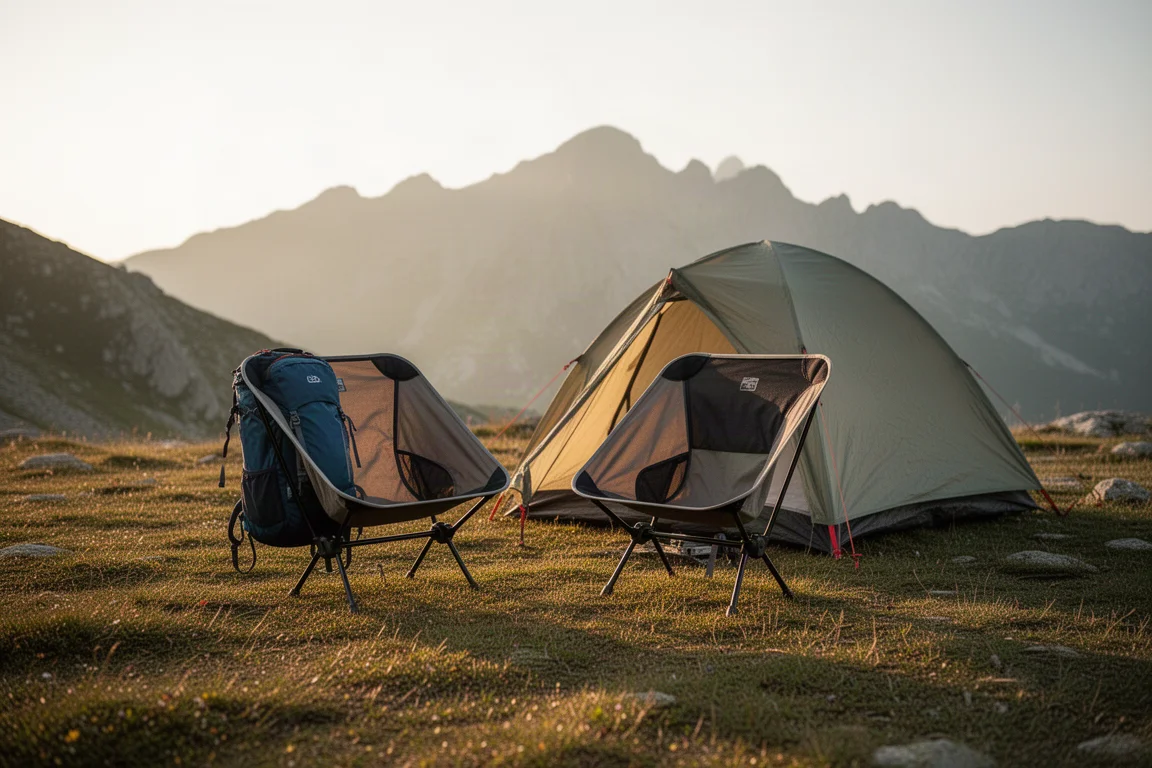
The differences that shape comfort are less obvious than the numbers. Helinox lists the High-Back as sitting 7.5 inches off the ground, but placed side by side the gap between the two chairs looks smaller than that figure suggests. The more meaningful variation is in how the seat narrows as it rises, which is covered further down.
Helinox Chair Zero: The Lightweight Original
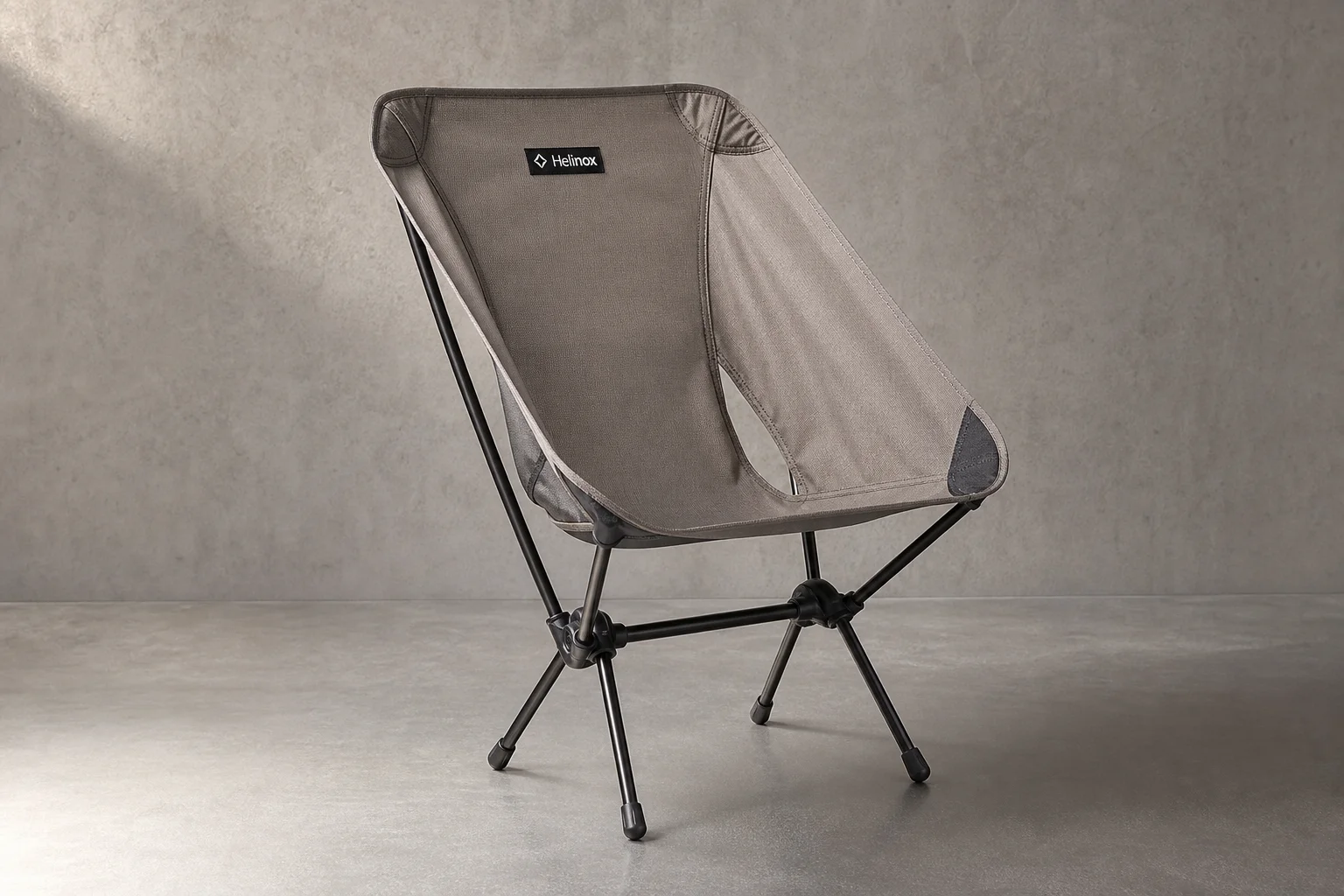
The original Chair Zero is the lighter and more compact of the two, and its geometry leans toward lounging. Its advertised seat width is 20.5 inches, and it holds most of that width all the way up to shoulder level, measuring roughly 20 inches across at the top.
That shape suits people with broader shoulders or a wider back, because there is less structure pressing in from the sides. The trade-off is a backrest that reclines further, which feels relaxed but offers less support when you want to sit upright. The narrower 10.5 inch leg spread also means the chair reaches its tipping point earlier when you lean back hard.
Helinox Chair Zero High-Back: More Support, More Weight
The High-Back is 7.5 inches taller in use at 32.5 inches, and the extra height goes into a backrest that supports the upper back and shoulders. It also holds you in a straighter, more upright position than the original, which is a real benefit for anyone who finds a low reclined chair awkward after a long day.
Its advertised width is 19.5 inches, and it narrows to about 15 inches across the top. That taper is the main compromise: people with broader shoulders can feel a little sandwiched, particularly across the upper back. The seat fabric on the original softened and stretched with use over time, and the same is likely to happen here.
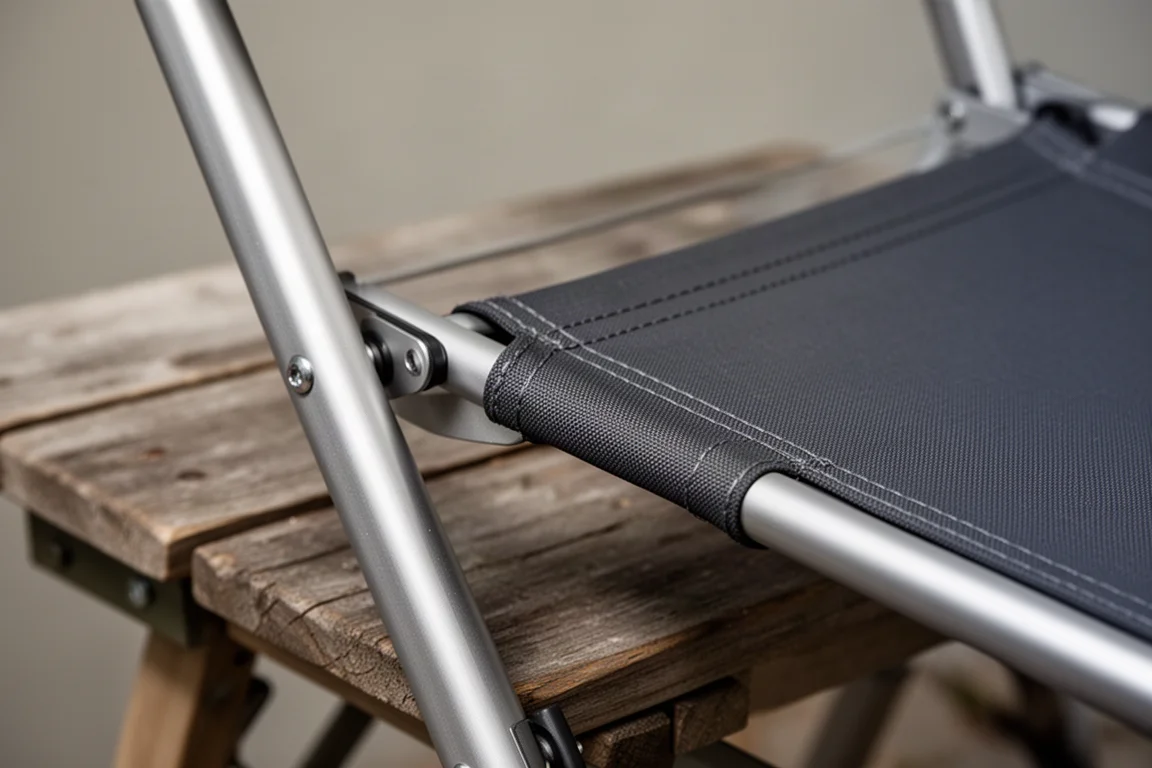
Two design details suggest the High-Back is built with more margin than the shared 265 pound rating implies. The lower legs are thicker than those on the original, and the hub that joins the poles is noticeably beefier. That hardware does not make the chair heavier by accident.
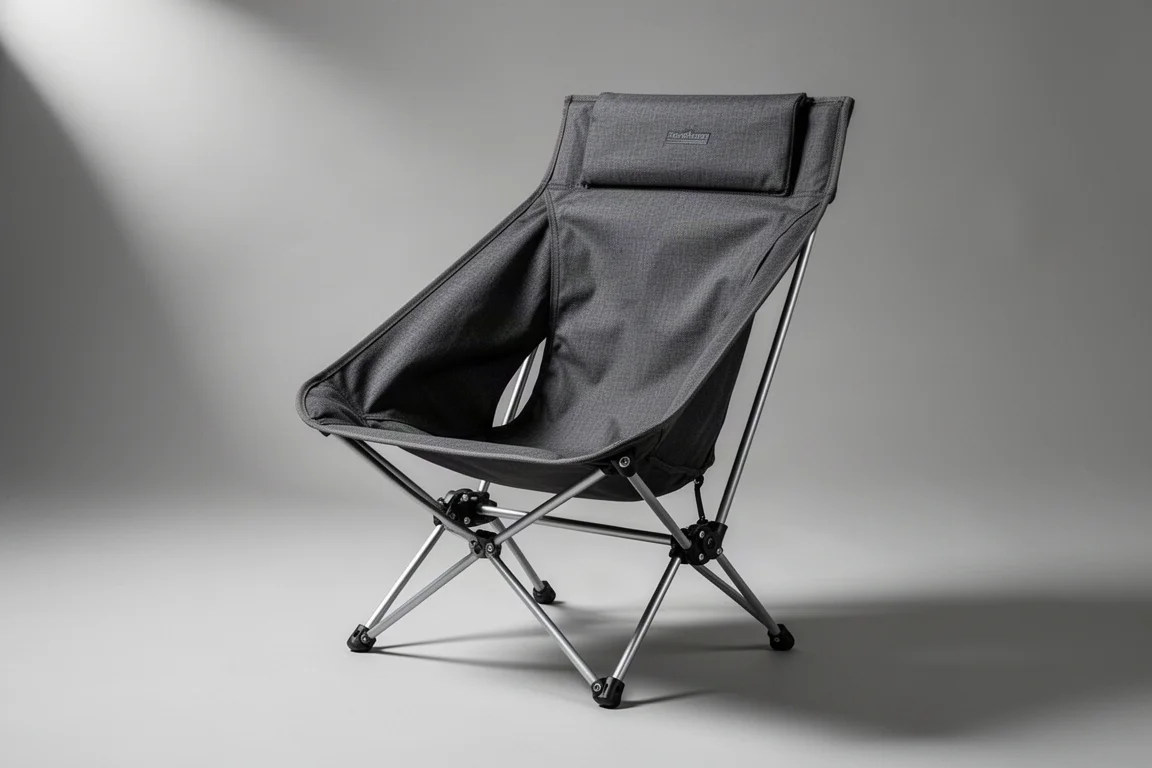
Construction, Durability, and Stability
Both chairs share the same core materials. The poles use a DAC aluminium alloy that is proprietary to Helinox and is advertised as more resistant to stress cracking than comparable pole materials. The seats are 100 denier polyester reinforced with Kevlar, visible as pale reinforcement lines running through the fabric. The hubs are moulded from Nylon 66, a fibre-reinforced nylon.
Stability is where the two diverge. The High-Back’s legs sit 13 inches apart at the base against 10.5 inches on the original, and the taller backrest shifts more of your weight rearward. The result is that you can lean back considerably further in the High-Back before it feels like it might tip. On the original, that limit arrives sooner.
Comfort and Body Fit: Which One Suits You
Comfort here comes down to two variables: your body shape and how you like to sit.
If you are broader across the shoulders, the original Chair Zero is likely the more comfortable chair. It is wider at the base and stays wide up to shoulder height, so there is no taper pressing inward. The High-Back narrows as it rises, and that can feel confining through the upper back, at least until the fabric relaxes with use.

If you prefer to sit upright with your back supported, the High-Back is the stronger choice. Its straighter profile holds your posture rather than letting you sink into a recline. If you would rather sprawl back with your legs out at the end of a hiking day, the original does that better, and the High-Back resists it.
For anyone who falls between those preferences, the two chairs are close enough that the decision may come down to the trip rather than the chair.
Packed Size and Carrying Considerations
The 180 gram difference between 510 grams and 690 grams is meaningful for ultralight backpacking but modest for casual weekend trips. The packed volume is arguably the bigger factor: at roughly 50 percent bulkier, the High-Back takes up noticeably more room and is harder to tuck into a small pack.
If your pack is already tight, or you carry the chair in an outer side pocket, the original is the easier travelling companion. If you have space to spare, the bulk penalty of the High-Back is easier to accept.
Buying Advice
Choose the original Chair Zero if weight and packed size come first, if you like a reclined lounging position, or if you have broader shoulders and want the wider seat and upper back. At 130 dollars and 510 grams it remains the lighter, more packable option.
Choose the Chair Zero High-Back if you want genuine back and shoulder support while sitting upright, if you tend to lean back and want more stability, or if the extra 180 grams and 40 dollars are a fair trade for a taller, sturdier frame. Its narrower upper back is the detail worth checking against your own body shape before committing.
Conclusion
These are not competing versions of the same chair so much as two different answers to the same question. The Chair Zero prioritises low weight, small packed size and a relaxed reclined seat. The Chair Zero High-Back prioritises upright support, a taller backrest and a more stable stance, and asks for more money, more weight and more pack space in return.
Both are comfortable chairs. The right one depends on how you sit, how broad your shoulders are, and how much room you have left in your pack.
Further reading
Related Reviews
Camping Chairs
ALPS Mountaineering Rendezvous Chair Review: Fast Setup, Compact Pack, Real Trade-Offs
A practical look at the ALPS Mountaineering Rendezvous Chair: measured seat dimensions, setup and pack-away speed, materials, and who it genuinely suits.
Camping Chairs
Best Lightweight High-Back Camping Chairs: Helinox Sunset vs REI Flexlite Camp Dreamer vs Big Agnes Big Six
A measured comparison of three lightweight high-back camp chairs, covering setup times, seat dimensions, breathability, storage, materials, warranty, and price positioning.
Camping Chairs
Best Oversized Camp Chairs: ALPS King Kong vs Coleman vs YETI Trailhead
Four of the largest camp chairs compared on seat size, seat support, materials, storage, portability, and price, with clear guidance on which one is worth buying.