Woodworking Tools
Helical Cutterheads: A Decade of Real-World Experience
After ten years of milling lumber with helical cutterheads, here is the honest breakdown of what works, what does not, and what to check before you upgrade.
Introduction
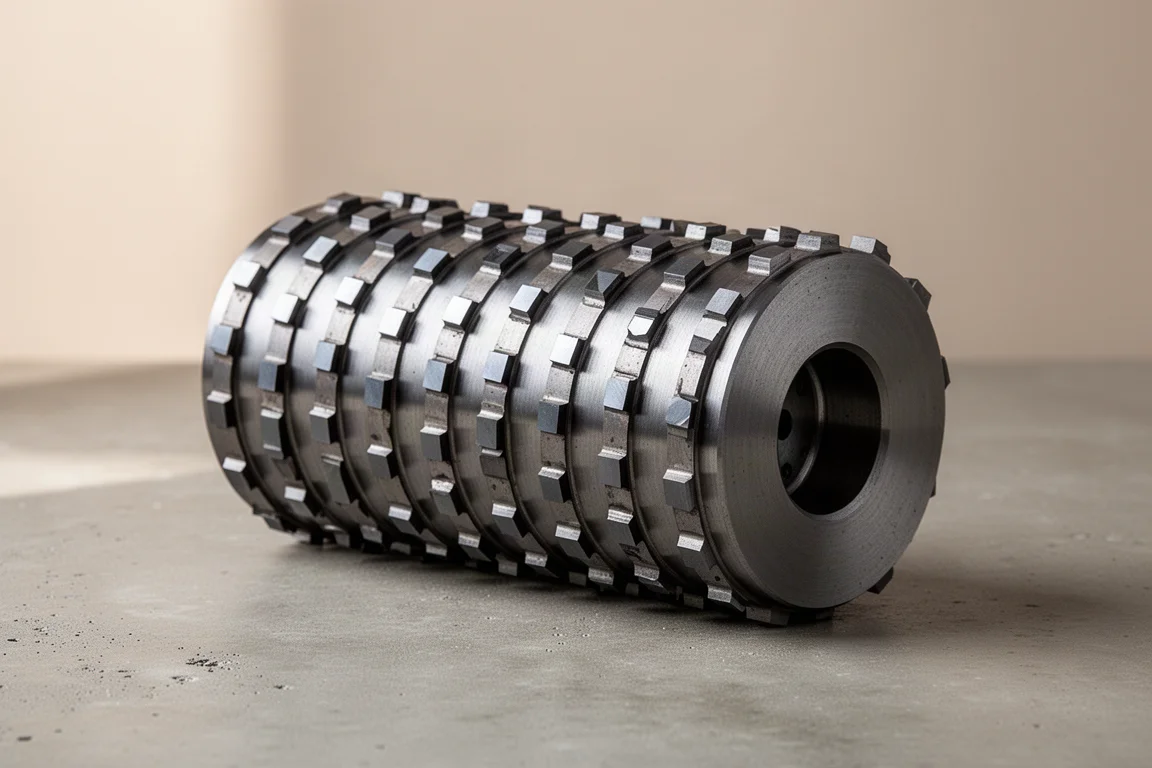
If you own an older jointer or thickness planer, you have probably heard that upgrading to a helical cutterhead with carbide cutters is the way to go. More and more new machines now offer this option as well. The internet is full of opinions on them, but many of those opinions come from people who have only made a few test cuts. That is a problem, because you do not want to spend your money based on someone’s first impression.
This is not one of those first-impression reviews. The experience here spans a full decade of working with these cutterheads. Over that time, half a dozen units have been installed in various machines, including both the popular Shelix version and the heavier duty Lux Cut version. Miles of lumber have been milled. The goal here is to share the good, the bad, and the ugly about helical cutterheads, so you can decide whether an upgrade makes sense for your shop.
Why Cut Quality Stands Out
The most appreciated quality of helical cutterheads, based on a decade of experience, is the quality of the cut. It is spectacular. Tear out is almost never an issue. With old straight knives, tear out happened all the time, especially when cutting against the grain. Sometimes grain direction changes along the length of a board, and you cannot always avoid cutting against it. With a helical cutterhead, that worry mostly disappears, and that has saved more projects than can be counted.
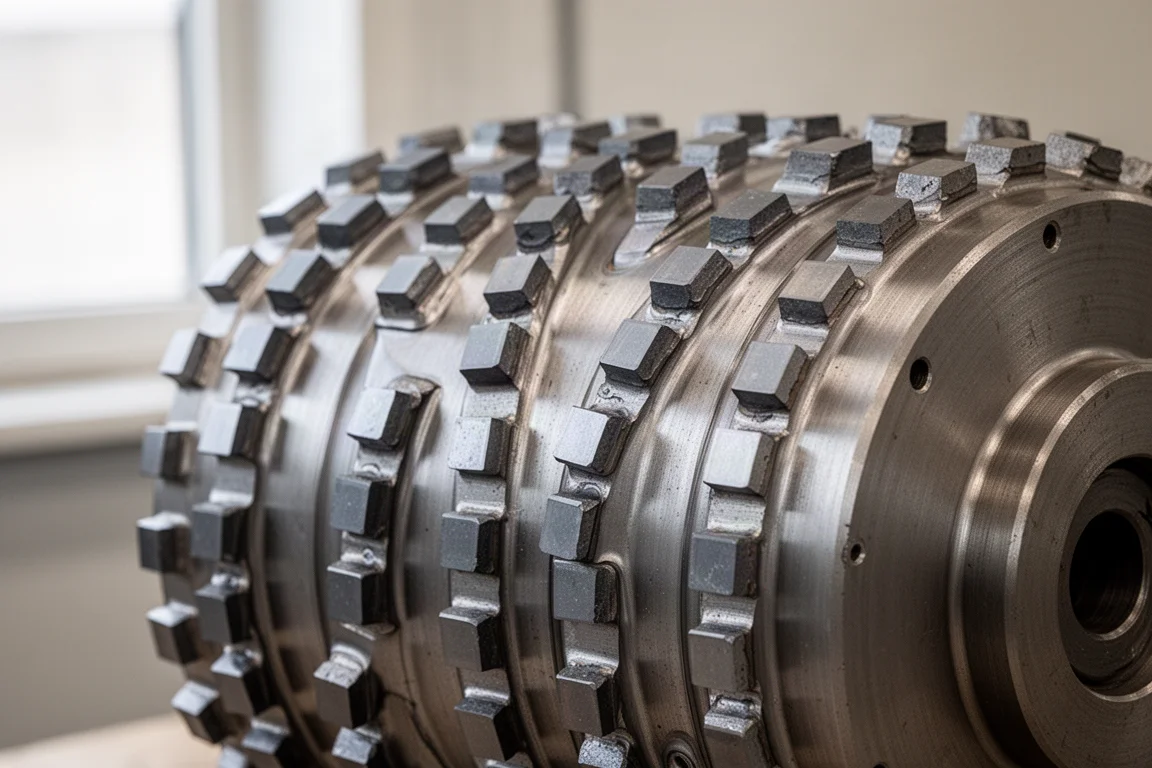
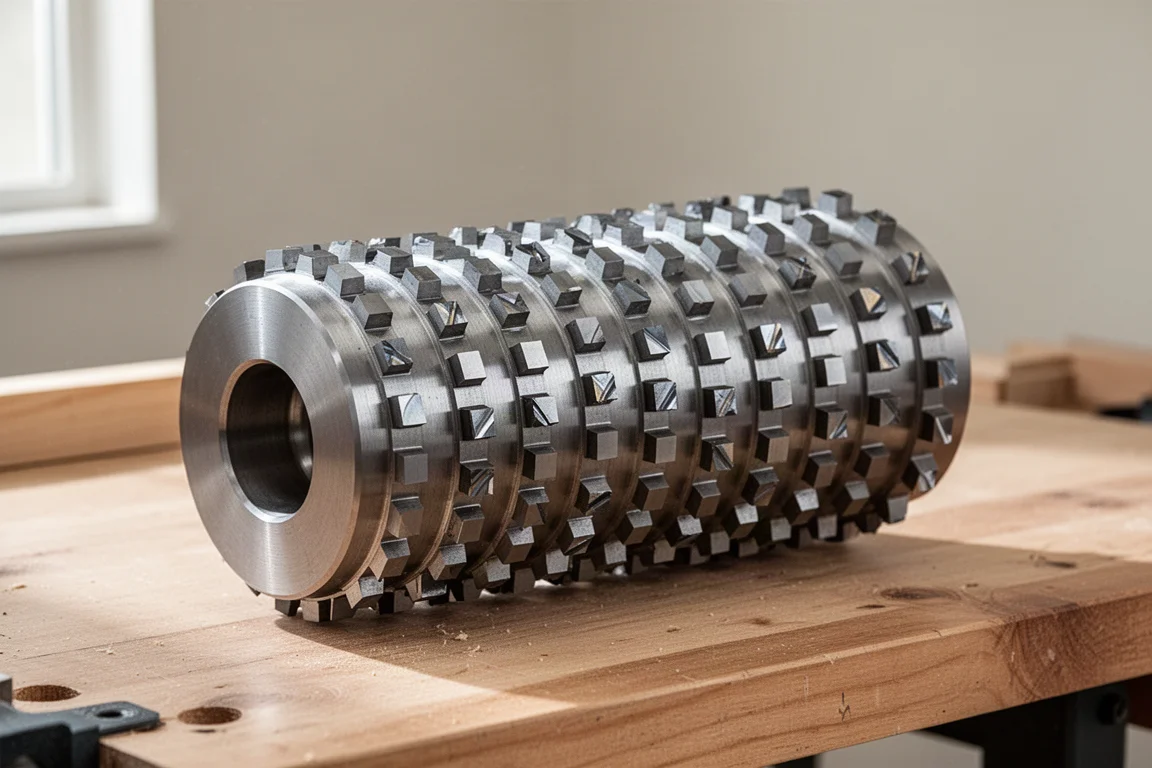
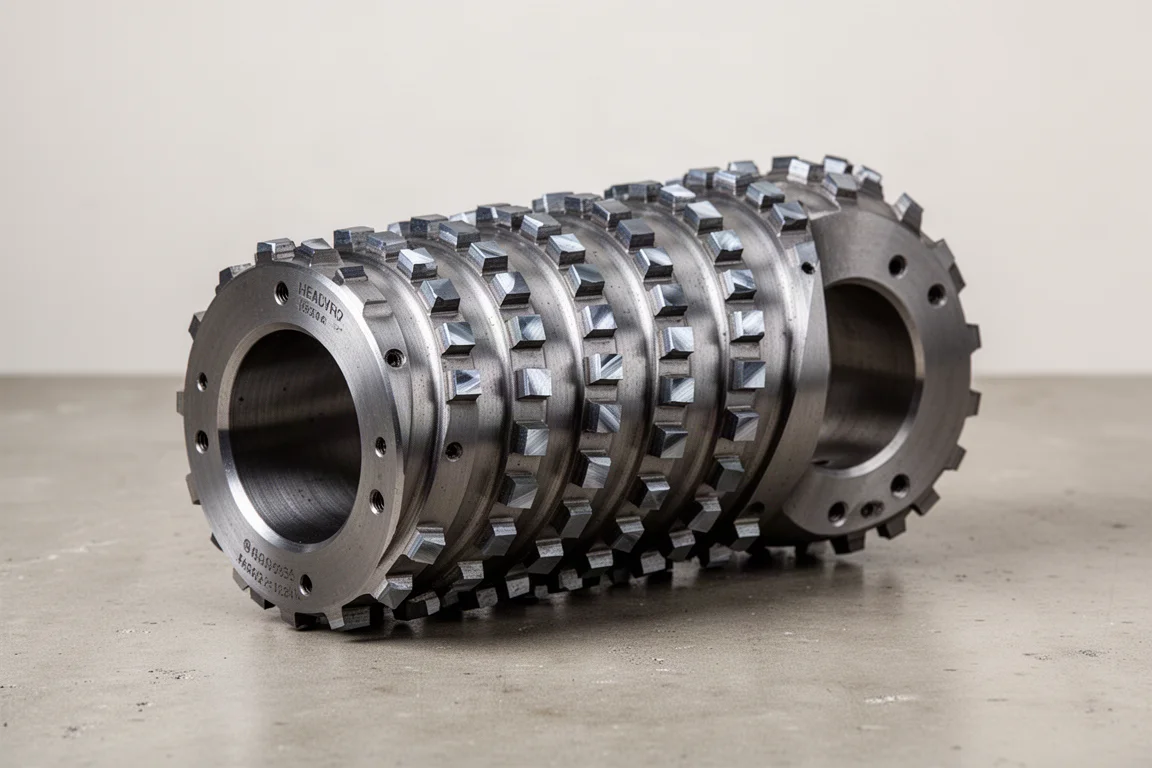
This is possible because of the way the cutters are positioned. They not only wrap around the head in a helical pattern, but each little cutter is also set at a slight angle, so it takes a shearing cut. It is important to look closely at a head you are thinking of buying, especially ones that come pre-installed in some less expensive machines. Some of those might have cutters that wrap around the head in a helix pattern, but they are not angled. They hit the wood square rather than shearing the fibers, and that does not work as well.
The cut quality is also better because carbide cutters stay sharper longer. High-speed steel knives seemed to dull after about ten minutes of use. Carbide cutters not only last many times longer, but they are also four-sided, at least the nice ones are. There are some less expensive heads that only have two-sided cutters, and those are not recommended. In a typical hobby level shop, you can literally go years without having to replace four-sided cutters.
Better Dust Collection
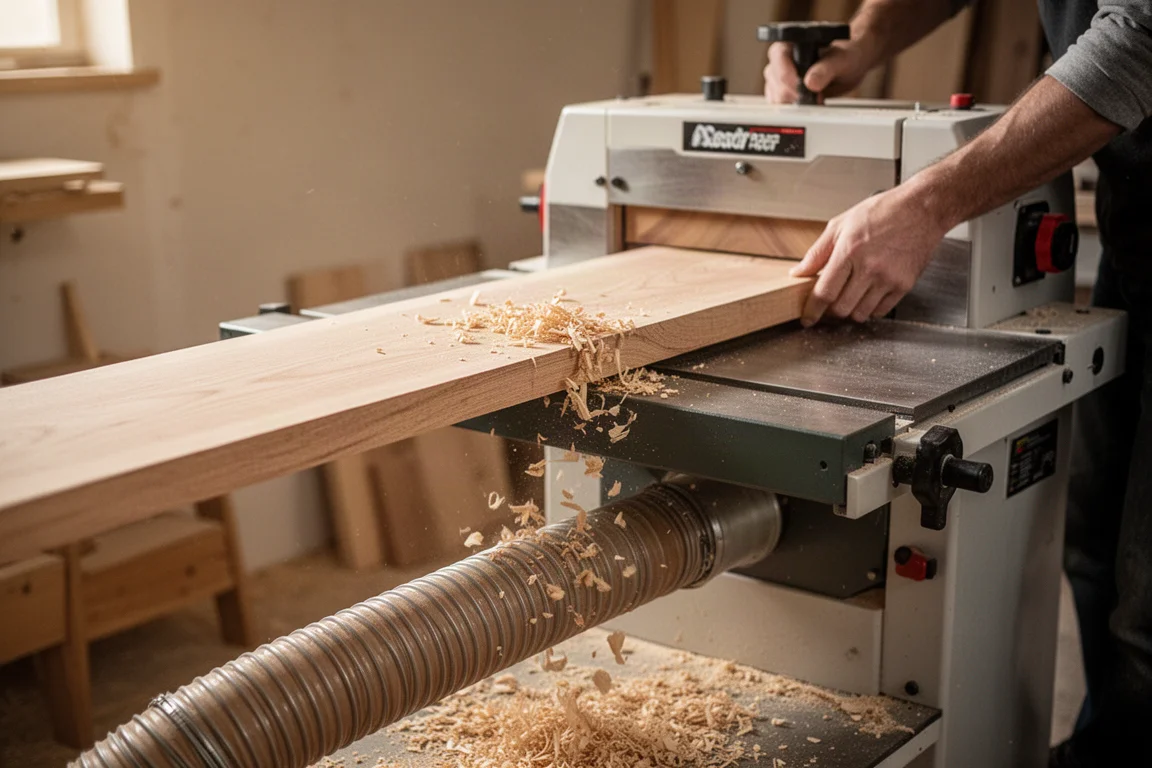
Dust collection is also a lot better with helical cutterheads. The smaller cutters produce little wood chips that are easier to pick up. Old machines used to clog up all the time from the long strips that straight knives produced. After installing a helical head, that problem went away immediately and never came back. The dust collector’s bin also does not fill as quickly, because the little chips are not as fluffy. These might sound like small conveniences, but they have proven significant over the years.
Being able to rotate the cutters also eliminates the heartbreak of hitting a nail or something and nicking a brand new set of knives. With straight knives, that meant a ridge in planed surfaces until the knives were changed again. With carbide cutters, you can just rotate the one or two that got damaged, and the problem is solved without replacing anything.
The Cost Question
The biggest downside is the cost. If you are upgrading an older machine, you are likely to spend more on the new head than you did on the machine itself. That freaks people out. But the math works out over time. Good quality carbide should last about five times as long as good high-speed steel in wood. Some say ten times, but being conservative at five times, and multiplying by the four usable sides on one set of carbide cutters, one set will outlast twenty sets of high-speed steel jointer knives at about twenty-five dollars a set, or ten sets of the double-sided high-speed steel planer knives, which are thirty-five to forty dollars a set. That is a savings of up to five hundred dollars, meaning you will probably recoup your entire cutterhead investment before you go through your second set of carbide cutters. How long that takes depends on how often you use your machine, but it will pay for itself.
Power and Installation Considerations
Another minor downside is that helical cutterheads require a little more power to run. The way the cutters are positioned means there is always at least one engaged in the wood at any given time, so the motor is always working. Regular cutterheads with just two or three straight knives give the motor a little break between each knife strike. On larger machines, this is not noticeable at all. But on a small jointer with a little motor, lighter passes may be needed, especially when milling very hard wood. The upgrade is still worth it because the pros outweigh the cons, but it is something to be aware of.
Perhaps the biggest downside is that the installation process can be a pain in some machines. Not all machines, but some. For example, an old Delta portable lunchbox planer needed special tools to get the pulleys off. A DeWalt planer, which is very common and popular, also took some time to get the job done. This is certainly not beyond the abilities of just about anybody, especially a woodworker, but it is going to be a little bit of a project. Tracking down a manual for your machine online is recommended if you can.
Cutter Rotation and Replacement
The biggest potential issue people seem to have happens when they try to rotate their cutters or change them and end up doing some damage. It is entirely avoidable, but you have to keep some things in mind. First of all, use a proper tool to take the screw out. The screws might be stuck, and you do not want to strip one out. That usually means a T-25 Torx bit, but check with the manufacturer to confirm. If it is too tight, do not force it. Apply some penetrating oil and let it sit a couple of days, not a couple of hours. As long as it takes for those screws to be loosened with reasonable force.
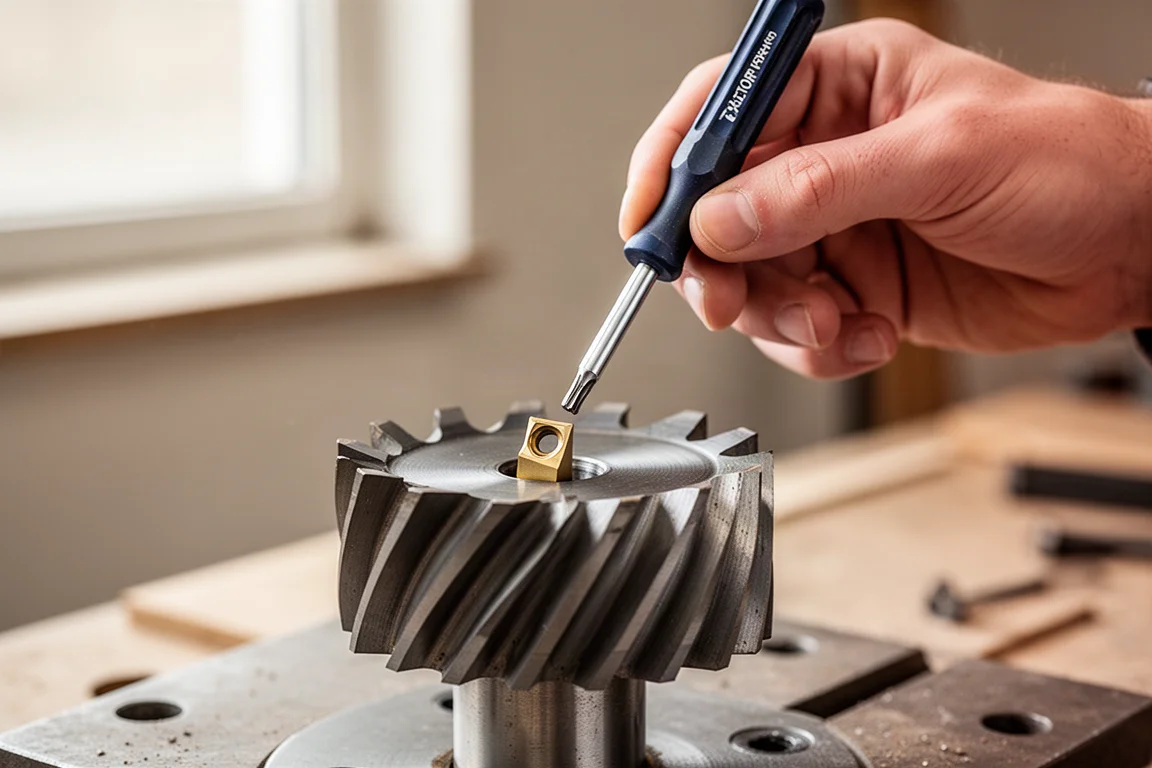
Once the cutter is loose, remove it fully and clean any residue buildup from the cutter itself and any debris that might be under it on the head itself. That stuff can keep your cutter from fully seating when you put it back on, and that can cause you to break it when you tighten it back down. Or your cutter might feel like it is seated, but it is actually sitting proud of the others, and that is going to leave ridges in your wood. For that same reason, when you reinstall any cutter, make sure it does not get caught on the indexing ridge on the head itself. If it does, it is going to feel like it is properly seated, even if it is not. Starting the screw a turn or two, then using two fingers to lift the cutter upward while you draw it down into its proper place is the recommended approach.
Do not use Loctite or any other thread locking compound. It is a terrible idea. However, if you are in a damp shop, you might want to use a tiny bit of anti-seize compound on the threads. Make sure you properly torque each screw. You can use a torque wrench if you want, but the manufacturer says about 45 inch-pounds, and that is basically good and tight with a one-handed screwdriver-like tool. Do not use a ratchet or a power tool to do it.
Shelix Cutterheads
Shelix cutterheads, made by Byrd, are one of the two brands that come highly recommended. They make all sorts of heads for even the obscure machines, which is a big advantage if you have an uncommon jointer or planer. The cutters are four-sided carbide, and the cut quality is excellent.
One thing to be aware of is that wait times can get crazy. This is likely because they prioritize large orders they get from big machine manufacturers. They do a run of just those heads instead of the head you need, and you have to wait a long time. Some folks have reported waiting several months for a Shelix cutterhead. Despite the wait, it is still a great cutterhead and remains a solid recommendation.
Lux Cut Cutterheads
Lux Cut makes what is considered by many to be a better head. The heavier duty construction and the quality of the cut are notable. Lux Cut’s time for wait can often be a lot better than Shelix. However, if you have an uncommon machine, you might have difficulty finding one for Lux Cut. In that case, you would have to get the Shelix, which is still a great cutterhead.
Both Shelix and Lux Cut are available through mywoodcutters.com. Having ordered half a dozen heads through them over the years, it is honestly the only place recommended for something like this, because you want somebody that is going to walk you through the process and be there if you have issues. These are the sort of experts you want in your corner when you pull the trigger on this sort of thing.
Buying Advice
When you are ready to buy, the first decision is whether to upgrade an existing machine or buy a new machine with a helical head already installed. If you are upgrading, check the wait times for both brands. If you have a common machine, Lux Cut is often the faster option. If you have an uncommon machine, Shelix is more likely to have a head that fits.
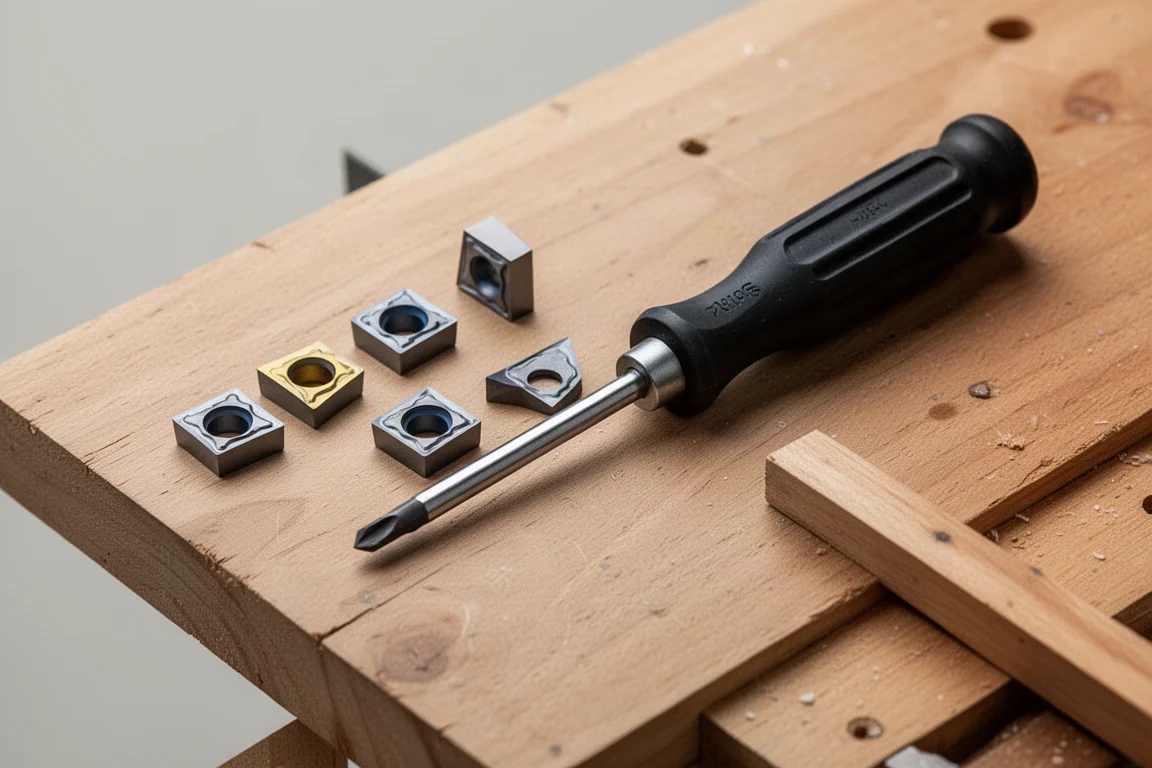
Look closely at the head you are considering. Make sure the cutters are not only arranged in a helix pattern but are also angled for a shearing cut. Confirm that the cutters are four-sided, not two-sided. And buy from a reputable source that will support you if you have issues. The installation is a project, but it is within the abilities of most woodworkers. The cost is significant upfront, but the savings on replacement knives over time will recoup the investment.
Conclusion
After a decade of using helical cutterheads, the pros clearly outweigh the cons. The cut quality is spectacular, tear out is rarely a concern, carbide cutters last much longer than high-speed steel, and dust collection is better. The cost is the biggest hurdle, but the math shows it pays for itself. Power requirements and installation can be minor annoyances, but they are manageable. The potential issues with cutter rotation and replacement are entirely avoidable with the right tools and techniques. If you are considering an upgrade to a jointer or thickness planer, a helical cutterhead is a worthwhile investment that has proven its value over the long term.
Further reading
Related Reviews

Woodworking Tools
123 Blocks and the Hardware Kit That Fixes Their Biggest Flaw
A practical look at 123 blocks, the hardware kit that solves their most common design flaw, and a sharpening station worth considering.

Woodworking Tools
Cool Tools for Woodworking: Seven Upgrades That Earn Their Place in the Shop
A practical roundup of seven woodworking tools and accessories that improve accuracy, safety, and everyday shop efficiency.

Woodworking Tools
Debuke Clamps Review: A Family-Made Aluminum Bar Clamp Worth Knowing
Debuke Clamps are lightweight aluminum bar clamps made by a small Iowa family business. Here is why they stand out from the many knockoffs on the market.