Ski Reviews
Head Super Shape Rally Review: One Ski, Two Bindings, One Clear Winner
A controlled comparison of the Head Super Shape Rally with the Tyrolia PRD 12 and the new Protector 13, covering construction, carving performance, and safety technology.
Introduction
It is not often you get a truly controlled comparison on snow. This test paired the Head Super Shape Rally in 177 cm with two different bindings: one pair mounted on the Tyrolia PRD 12, the other on the new Tyrolia Protector 13. Same ski, same platform, same size, which means the only real variable on the snow is the binding itself.
The Super Shape Rally is a benchmark frontside carving ski from a brand that is extremely established in this category at the World Cup level, and the PRD 12 is a binding that has been serviceable, predictable, and high performing for years across many different skis. The Protector 13 is the new challenger, built around a heel piece designed to reduce knee injury risk. The result is one of the more interesting frontside setups we have spent time on recently.
The Head Super Shape Rally: Construction and Shape
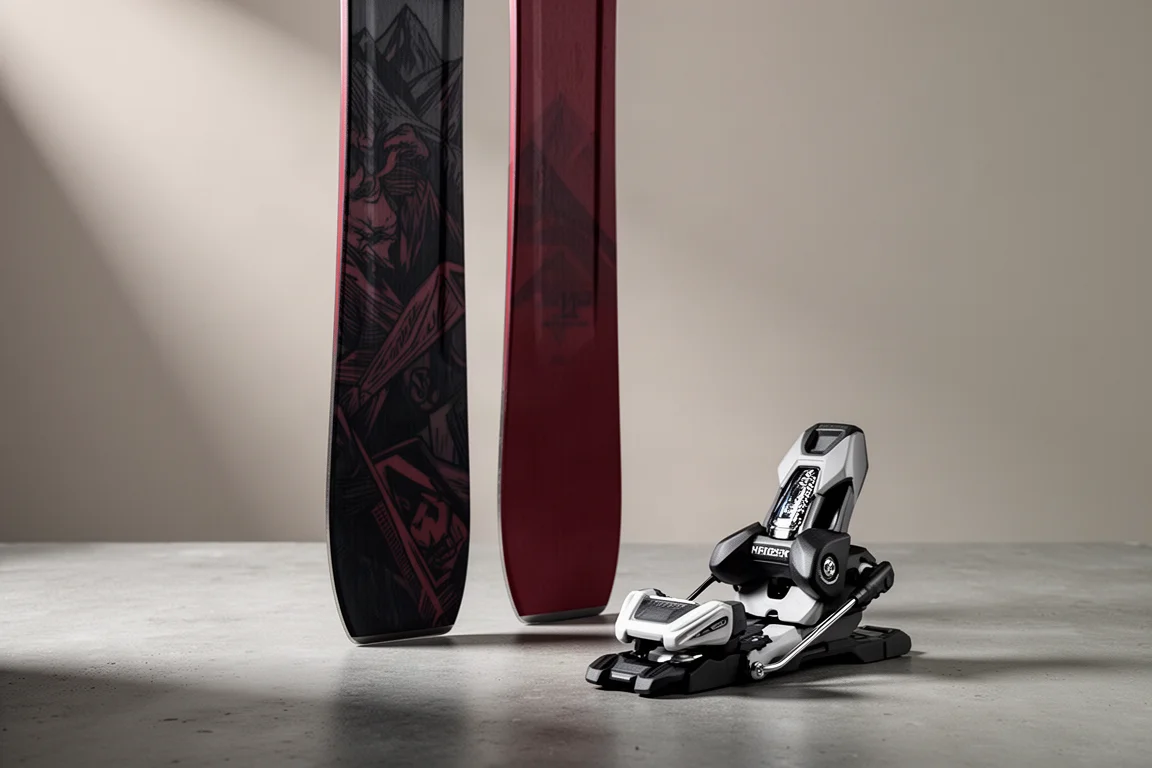
Head builds the Super Shape Rally with its World Cup sandwich construction: a full wood core, two sheets of metal, fiberglass top and bottom, and the same style of damping layers used in its core skis, with two thin strips on the sides and one on the top. That combination makes the ski notably quiet and stable. There is also Head’s energy management circuit, a piece of technology placed front and back of the bindings that absorbs unwanted vibrations and dissipates them, which is the standout feature behind this ski’s damp, stable, strong character.
The shape reads as a modern frontside carving shape with a fully extended sidecut. Visually the tip looks like it juts out because it bends in so abruptly. There is roughly 15 cm of tip rocker, and the tail is essentially flat and squared off with no meaningful tail rocker, so the ski loves to finish a turn with power and precision. The 177 cm length carries a 15.3 m turn radius, with the 170 reportedly dropping to a 14 m radius. That places it right in the sweet spot for an enjoyable frontside ski, comparable in feel to other widebody carving skis with similar radii. At 78 mm underfoot, it also offers a wider, more confidence-inspiring platform than narrower carving skis in the same family.
On-Snow Performance
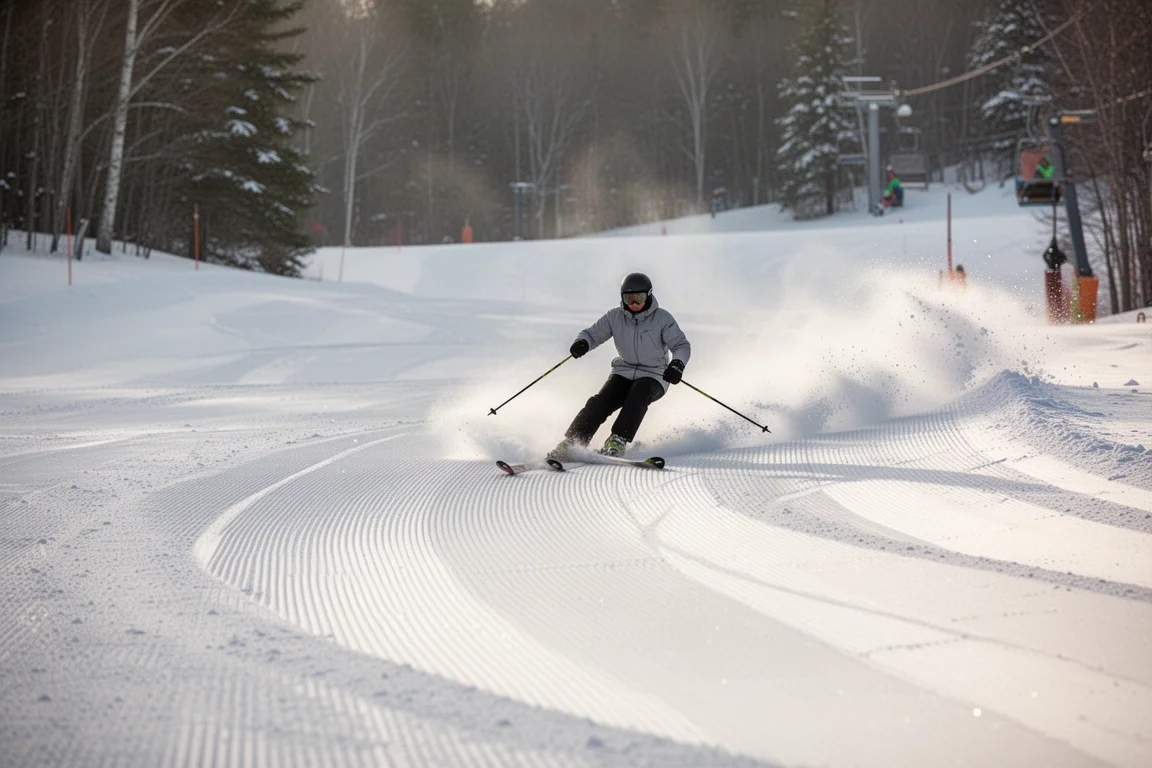
This ski rewards good technique. It prefers to be driven, and when you roll it side to side without driving it, the ski simply feels like it has a bigger radius, happy to make longer turns without punishment. Pushed the other way, it also ran well in huge, nearly flat turns with shallower edge angles, without the hookiness or grabbiness you might expect from a ski with this much sidecut and tail stiffness.
Where it really sings is when you are skiing well: strong body position, proper weighting and pressure, and genuine commitment to high edge angles. Skied that way, it can be pushed almost like a race ski. It is no surprise you see plenty of ski instructors on skis like this, since those are the skiers who spend their time honing exactly these skills. The flip side is that this is not a ski designed to help you progress. If you do not already have that ability, Head would rather you start with its Shape series and step up later.
The trade-offs are predictable for a carving ski. It does not love short, wiggly convenience turns in crowded sections of trail, and the stiff, deeply curved back half of the sidecut means jamming on the tails is high-end carving territory rather than an everyday move. On flatter terrain it can still make satisfying turns, but you have to stay active and engaged, and that gets tiring. Softer snow and powder are outside its element; it is far more at home on groomed runs. In practice, it is the right tool for the vast majority of typical frontside ski days.
Tyrolia PRD 12: The Established Standard
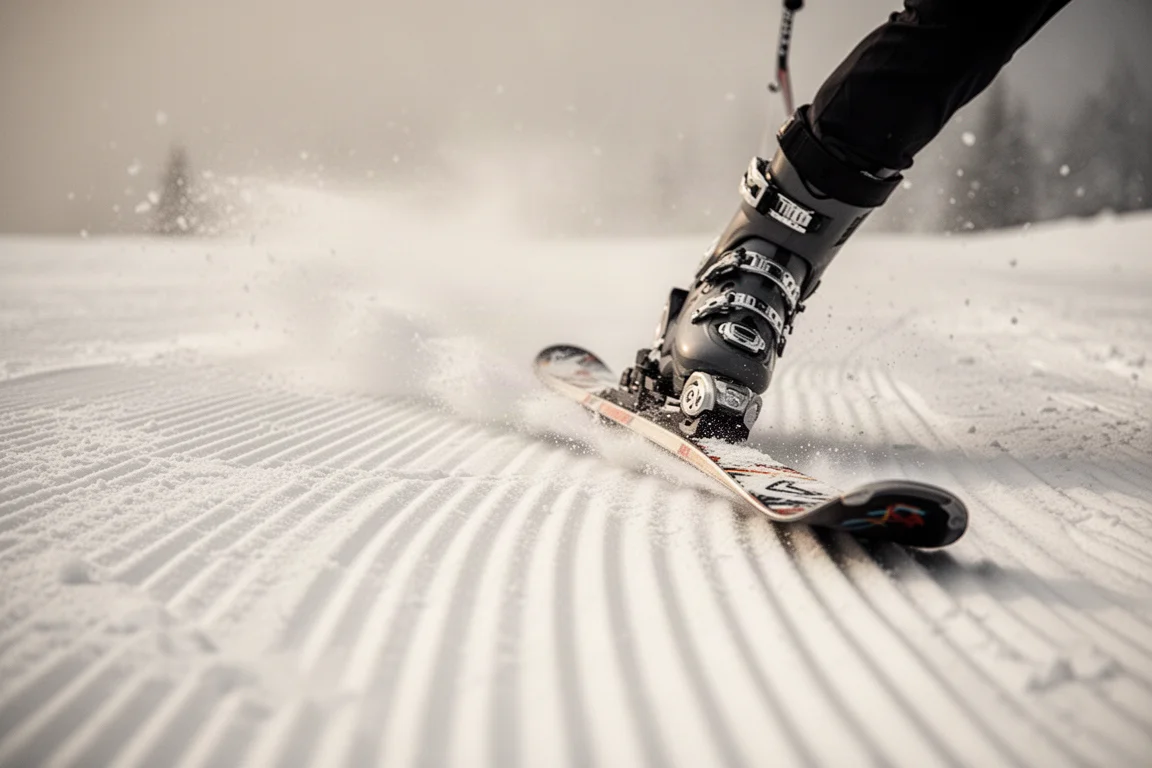
The PRD 12 needs little introduction. It has been on skis like the Atomic Redster and Fischer RC4 platforms for years and has passed the test of time as a serviceable, predictable, high-performance binding. The power rail system works great, and from a user-friendliness perspective it is easier to adjust than some competitors. There is nothing particularly bad to say about it, which is exactly why it has become such a common sight on frontside skis.
If you already own a ski with a power rail system, this binding ecosystem is straightforward to live with. It is the sensible baseline against which any new binding should be judged, and against it, the Protector 13 has a very interesting story to tell.
Tyrolia Protector 13: A New Kind of Heel Piece
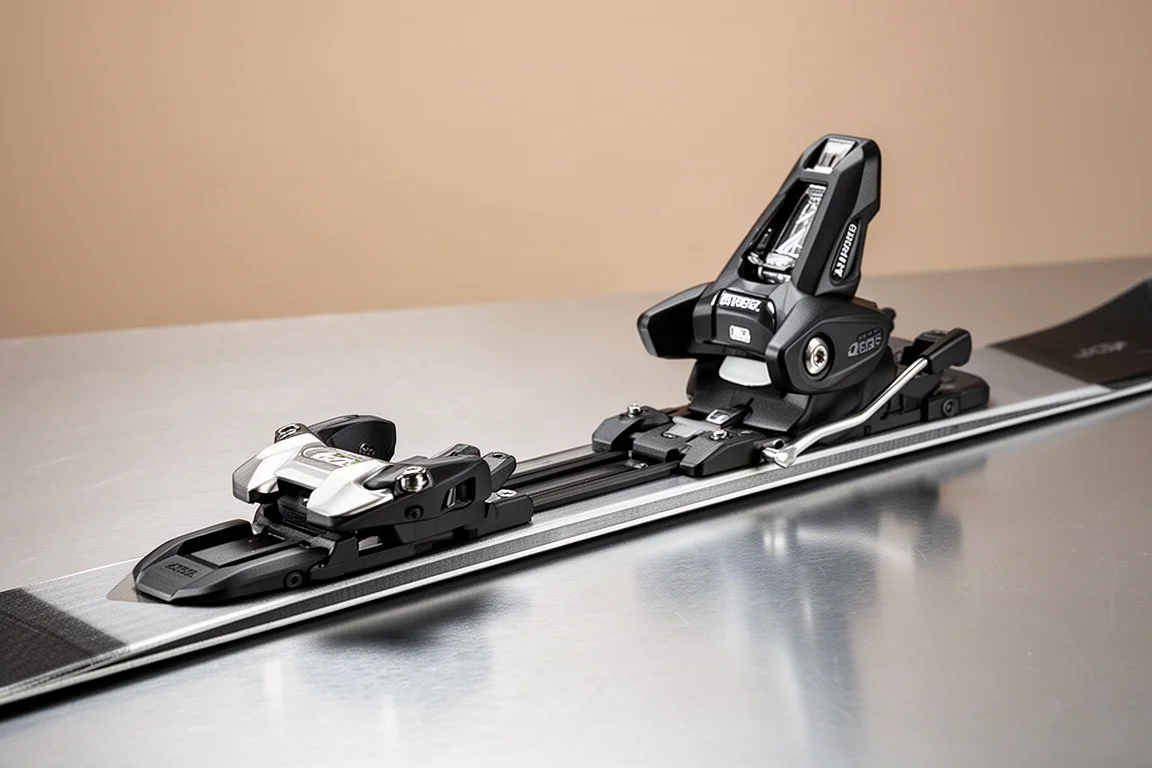
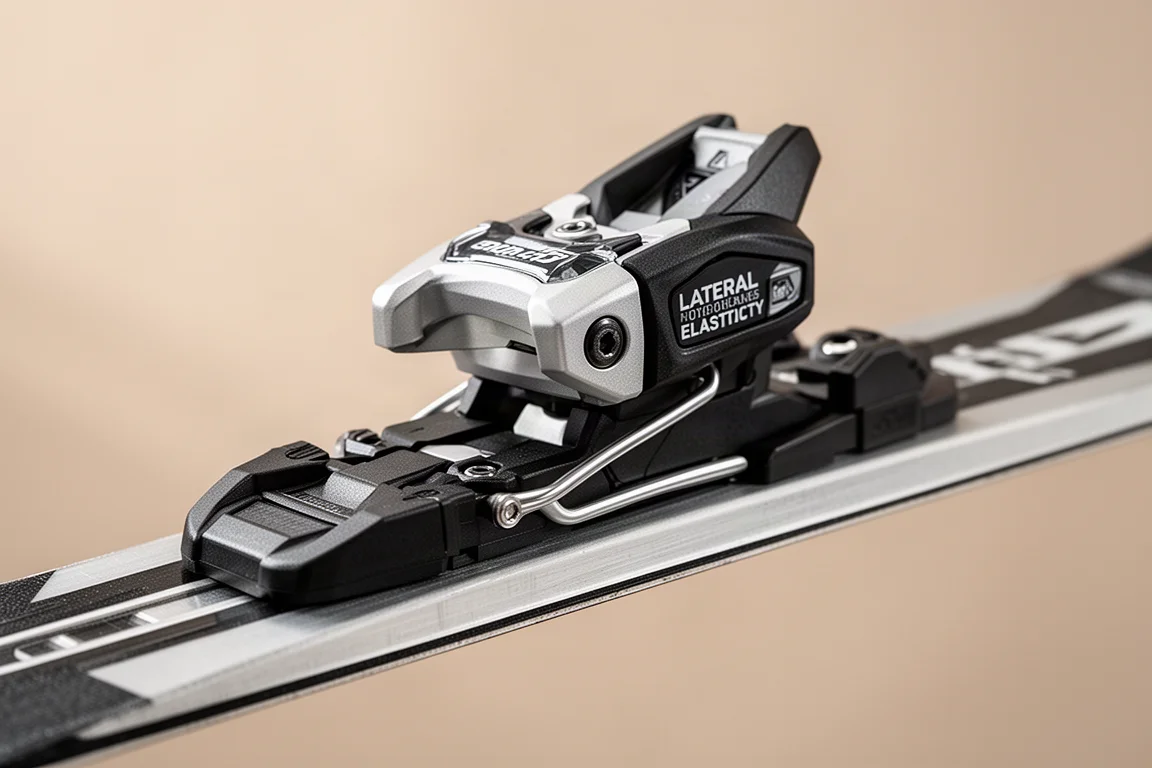
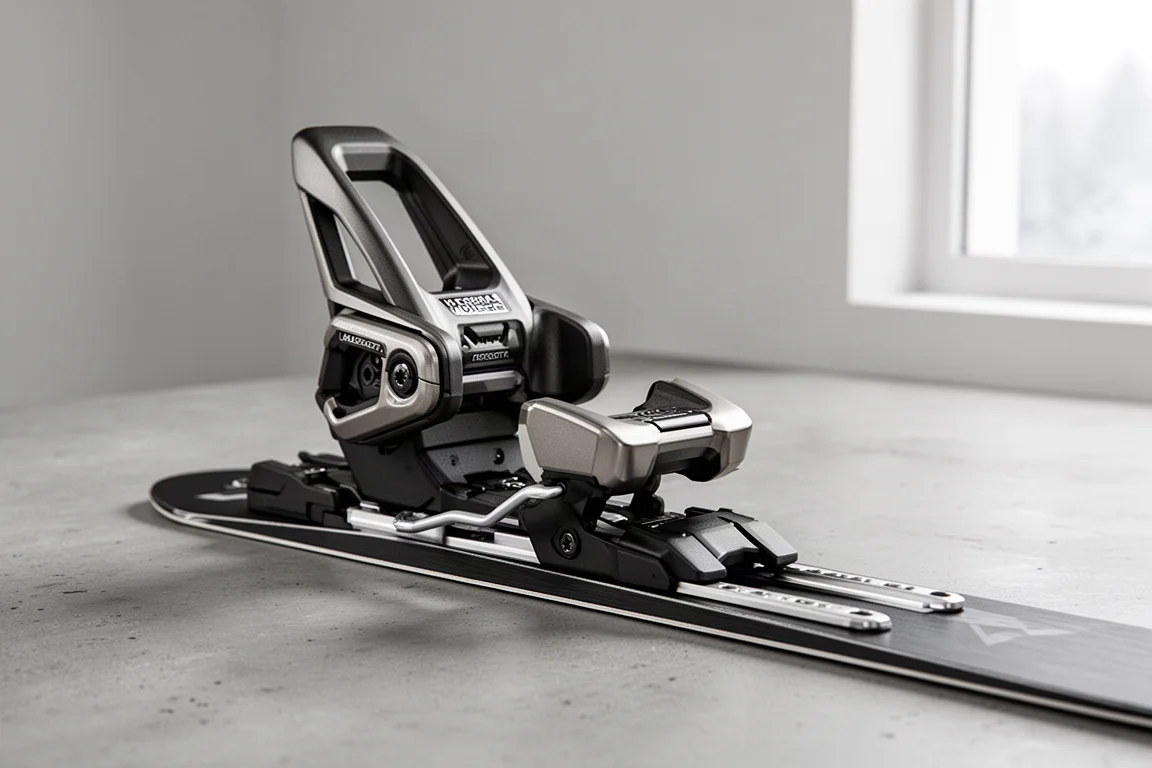
The big story here is the heel piece. The toe is essentially the same as the PRD, and it runs on the same track, meaning you can in theory upgrade an existing power rail mount to the Protector heel. That heel piece is designed to reduce ACL strain, with the company’s literature citing a 50% reduction in forward and rearward twisting falls, and Tyrolia confidently calling it the safest binding they have ever made.
Mechanically, it offers full 180-degree vertical release out of the heel, which is something you have simply not seen before. The entire heel piece moves laterally side to side, about seven millimeters in each direction, and once it reaches the maximum threshold of that lateral elasticity, the whole piece pivots to release. Think of it as a turntable binding on top of a sliding AFD. The only immediate downsides worth noting are a heavier heel, roughly 190 g over the PRD heel, a taller stand height, and a premium price tag, with an attack-toe version listed around $500. Watch your fingers when handling it, too; the moving parts take some learning.
What the Back-to-Back Test Showed
Because both bindings sat on the identical ski, the comparison was as controlled as on-snow testing gets, and both testers came to the same conclusion independently. The Protector heel skied slightly smoother. The extra weight and the elasticity in the heel seemed to soften jarring forces between boot and ski, and one tester even felt the Protector ski held an edge a touch better on identical terrain. Neither ski pre-released at any point, and the elastic travel suggests pre-releases should be far less common than on conventional heels.
That is the counterintuitive takeaway: the expected performance sacrifice never appeared. Coming from a PRD, the Protector feels like a strict upgrade in feel, plus whatever degree of added safety comes with it. A binding that reduces injury risk and pre-release risk while feeling smoother on snow is easy to sign up for.
Which Binding Should You Choose?
If you want the proven, budget-friendlier route, the PRD 12 remains an excellent, well-understood binding that belongs on any shortlist. If you value injury-risk reduction and a smoother ride, and you are prepared to pay a premium for it, the Protector 13 is the more forward-looking choice. Its technology is also becoming accessible across a wide range of skis and ability levels, which is rare for genuinely groundbreaking binding innovation.
The stand height is the one area with room to grow. A future version with a lower stack would be welcome, especially for wider or softer skis where a tall binding is less ideal. For now, on a frontside carving platform like this one, the taller stance is a fair trade for what the heel piece delivers.
Conclusion
The Head Super Shape Rally is a demanding, deeply rewarding frontside carving ski that pays you back exactly as much skill as you bring to it, with a damp, stable, race-inspired feel at a very usable 15.3 m radius in 177 cm. Pair it with the PRD 12 and you get a proven, easy-to-live-with setup. Pair it with the Protector 13 and you gain meaningful safety technology and a slightly smoother ride for a premium price. For skiers with existing technique who want a serious carving tool, this platform makes a compelling case either way.
Further reading
Related Reviews
Ski Reviews
Armada Antimatter 108 Review: A Freeride Ski Built for Speed and Deeper Snow
The Armada Antimatter 108 carries over the beloved Declivity X 108 shape with new construction that adds compliance in soft snow and composure in crud, aimed squarely at strong, aggressive skiers.
Ski Reviews
Armada Antimatter 92 vs Invictus 92: Two All-Mountain Skis Compared
A closer look at two Armada all-mountain skis, one playful and nimble, the other composed and smooth, to help you pick the right one for your skiing.
Ski Reviews
Armada Antimatter 92W Review: A Smoother Take on a Proven All-Mountain Footprint
The Antimatter 92W keeps the trusted Reliance 92Ti footprint but softens the ride with a new metal construction, making it more versatile in softer snow without losing on-trail grip.