Skis
Head Rebels eSL Pro Review: A Semi-Pro Slalom Ski Built for Tight Turns
The Head Rebels eSL Pro delivers slalom-style precision without FIS-level demands. Here is what to know about its edge grip, camber profile, weight, and 12.9 m turn radius.
Introduction
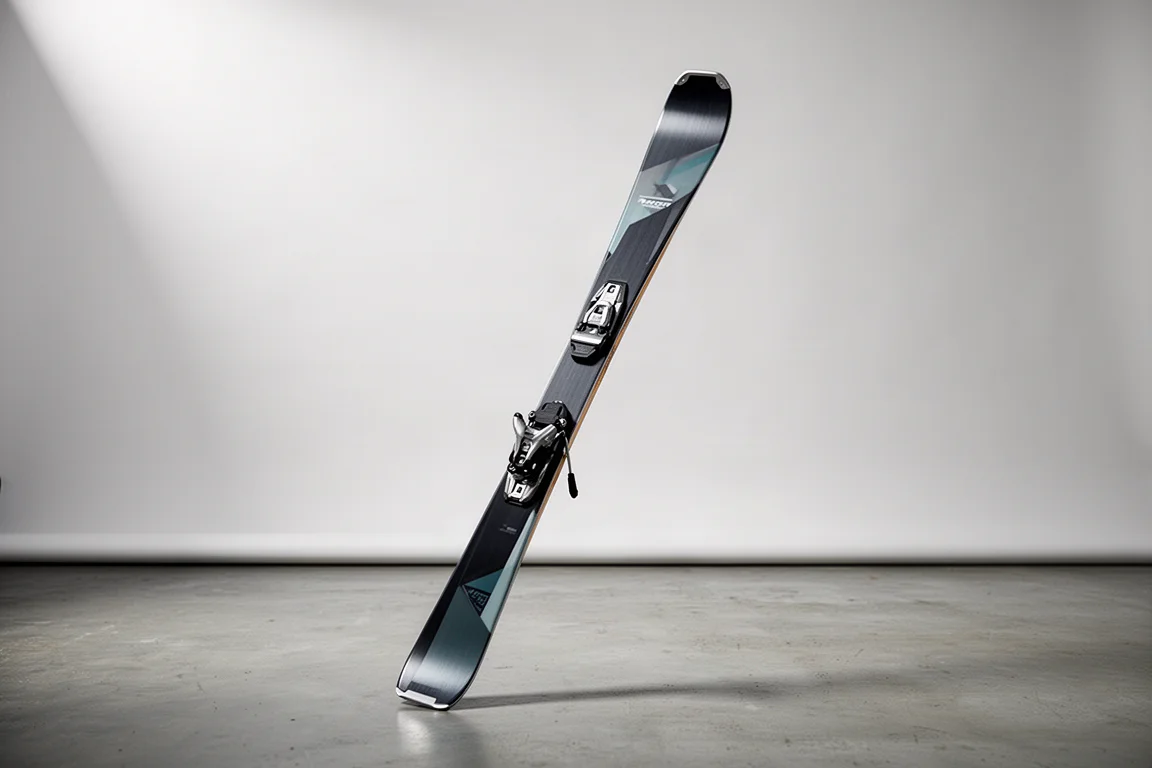
The Head Rebels eSL Pro is a semi-pro ski that delivers the feeling of a slalom ski without carrying FIS certification. That distinction matters, because it opens the ski up to more than one narrow job. The shape is not heavily dimensioned, yet the intent is specific: a slalom-inspired frontside ski that pulls hard from the tip, holds an edge underfoot, and releases energy out of the tail.
This review covers who the ski suits, what it does well, and the practical details worth weighing before you commit.
Who the Head Rebels eSL Pro Is For
This ski is built for skiers who want to make extremely tight turns on very firm snow. It rewards someone who likes to drive the front of the ski, feel the edge bite early, and ride a strong finish out of the turn. If your days are spent on hardpack and groomed frontside terrain, and you enjoy a ski that asks to be worked rather than simply stood on, this is the profile that fits.
It also suits skiers who want race-adjacent precision without the demands of an FIS-rated slalom ski. The ski still loves user input, but it does not require as much of it, which makes it more approachable for a strong skier stepping into a slalom-style build.
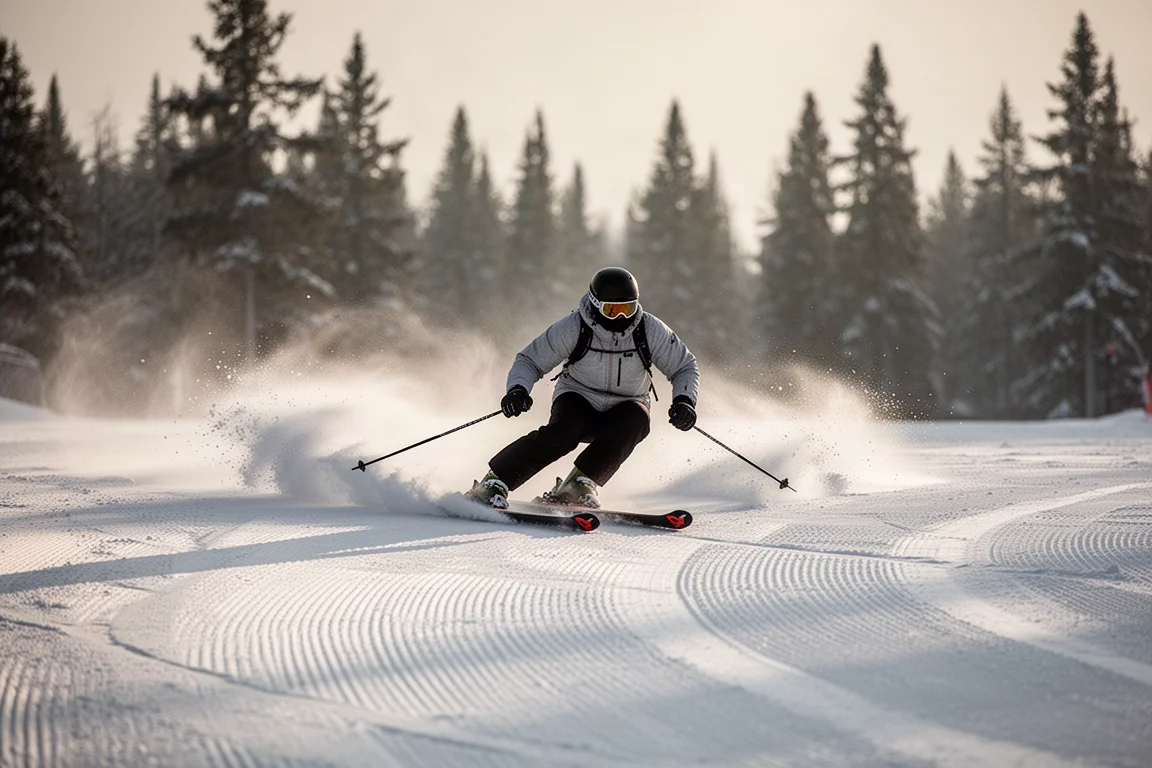
That accessibility is the point of the semi-pro positioning. You can make the ski as demanding as you want it to be, but you are not locked into a single, exhausting way of skiing it.
Main Strengths: Edge Grip, Precision, and Energy
Edge grip underfoot is the headline. The ski is on the stiffer side, which is exactly what generates torsional stiffness and a confident hold on firmer snow. From roughly the front section forward, the tip is notably stiff, and that stiffness gives you the confidence to drive the ski from the tips rather than relying on the mid-body. The result is precision and clear feedback at the front of the turn.
The tail behaves differently. Just behind the binding plate there is more suppleness, and that softer finish provides energy and feedback that helps initiate the next turn. It is a useful contrast in a slalom-oriented ski: grip and power underfoot, a livelier release behind the plate.
The ski is also fast edge to edge. It feels lightning quick regardless of its measured weight, and it is precise and agile in a way that only a tight-radius shape can be. The stated turn radius is 12.9 m, which is very tight, and the ski holds an edge even on sheer ice. It can also be maneuvered into medium turns, so slightly longer arcs are within reach rather than off the table.
Camber, Tip Shape, and Tail Design
This is essentially a fully cambered ski. There is a lot of positive camber through the mid-body, no meaningful tail rocker, and very little in the way of early rise at the tip. What looks like rocker up front is really a spoony tip shape: the widest part of the ski is carried far forward. That geometry is what lets the ski hook up precisely at any edge angle.
At the other end, the tail is squared off. That squared profile produces engagement and feedback from the back of the ski, which is what brings it around so crisply and keeps the finish of the turn sharp.
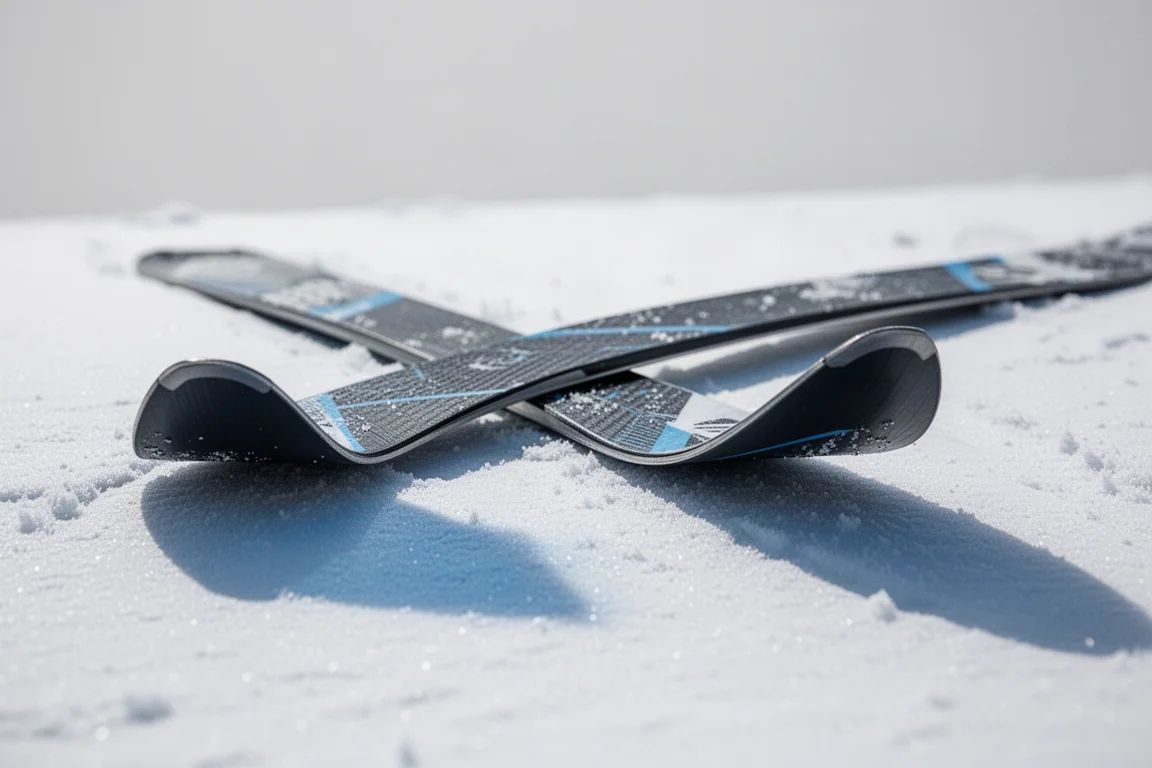
Despite the pronounced camber, the skis are not difficult to squeeze together. That means you can load the ski quickly and efficiently, which supports a fast, rhythmic turn cadence rather than a slow, effortful one.
Weight, Build, and Setup Notes
In the 165 cm length, the ski measures somewhere between roughly 2,000 and 2,284 g with the RPWCR 14 plate fitted. That figure does not include a binding, so a complete on-snow setup will be heavier than the numbers suggest. Even so, the ski reads as quick rather than sluggish on snow.
The flex is on the stiffer side overall, which is what delivers the edge grip and torsional stiffness described above. The tip is where most of that stiffness concentrates, while the section behind the binding plate is softer by comparison.
Where It Works Best: Firm Snow and Tight Lines
This ski belongs on firm groomed terrain where its grip and quickness can be used properly. With a 12.9 m turn radius, it is happiest making the tightest arcs you can produce on hard snow, and it is designed for exactly that kind of skiing.
The good news is that the ski is not limited to one turn shape. Opening it up into slightly longer, medium turns gives it more of a place on the mountain and makes it less demanding from run to run. You can push it hard when you want to, or take a cruisy lap to recover your legs before going at it again.
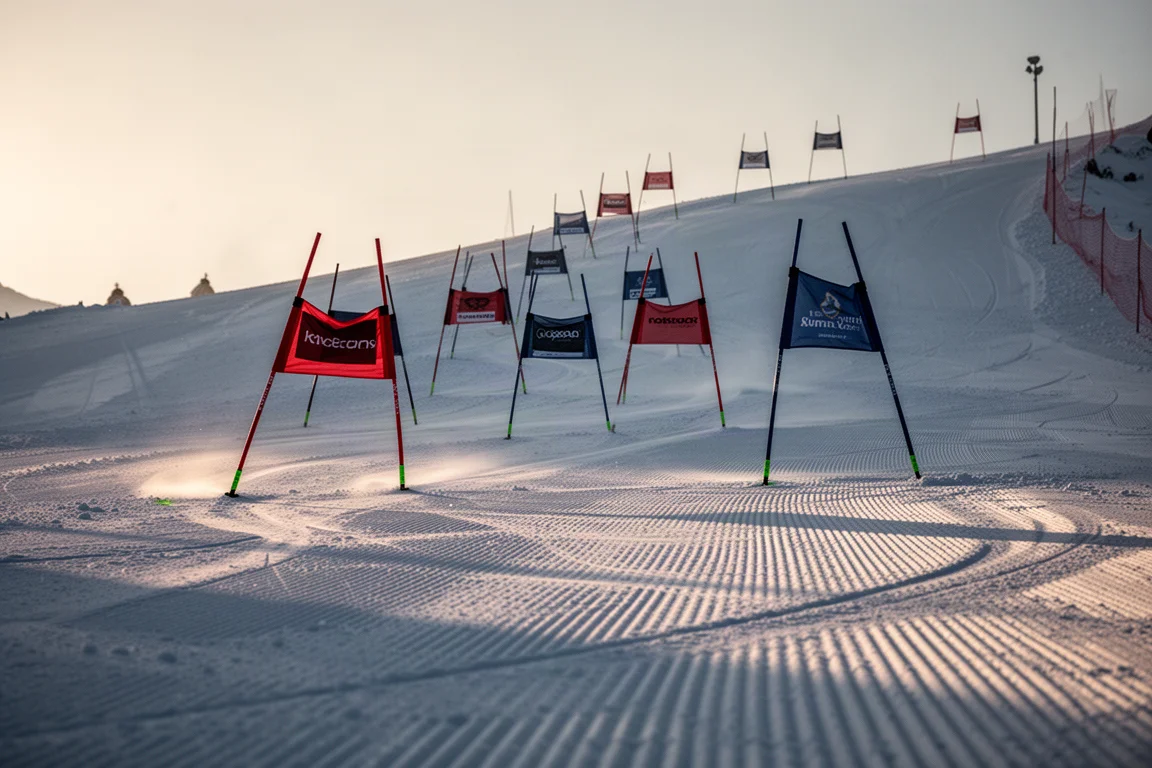
That flexibility is what separates it from a pure race tool. It still has a clear specialty, but it can share a day with other kinds of skiing.
Things to Consider Before Buying
The fully cambered slalom build is aimed at firm snow. This is not a soft-snow or all-mountain ski, and it will not behave like one.
The stiff tip rewards an active, tip-driven style. Skiers who prefer to stand centered and let the ski do the work may find it wants more input than they are used to giving.
The 12.9 m radius favors short turns. You can open it up, but the ski’s natural instinct is to keep turning, and that character stays with you all day.
Finally, remember that the quoted weight excludes bindings. The complete setup will be heavier, so factor that into how you expect the ski to feel on the hill.
Buying Advice
Buy the Head Rebels eSL Pro if you ski firm groomers regularly and want slalom-style precision without stepping up to FIS-level demands. It is a strong fit for confident skiers who like a stiff, grippy ski that responds immediately to the tips and finishes turns with energy. The 165 cm length with the RPWCR 14 plate is the configuration described here, and it is worth thinking about the plate and binding choice as part of the same decision rather than as an afterthought.
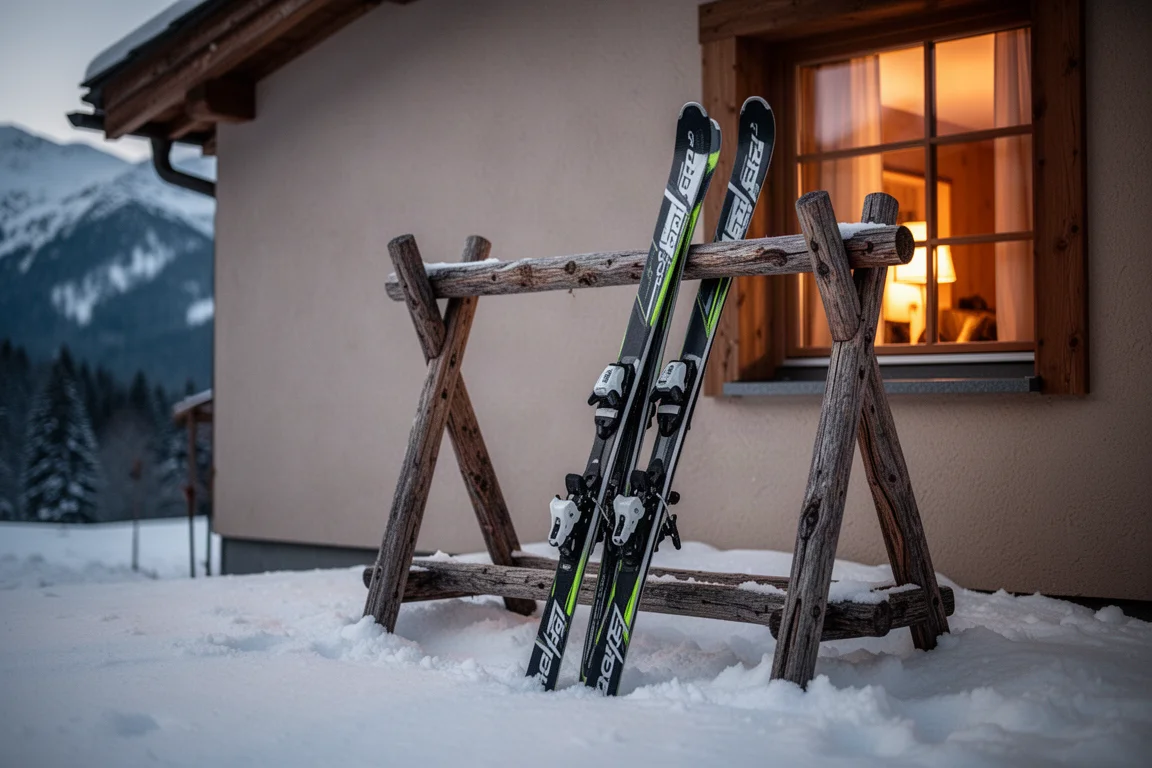
Look elsewhere if your skiing is mostly soft snow, off-piste, or long, lazy arcs. This ski can stretch into medium turns, but its purpose is tight, precise, high-grip skiing on hard surfaces, and that is where it will make you happiest. If that describes your typical day, the ski is a coherent, well-resolved choice rather than a compromise.
Conclusion
The Head Rebels eSL Pro does one thing especially well and does it without demanding FIS-level commitment. Strong tip stiffness, edge grip underfoot, and an energetic tail make it precise and quick on firm snow, while a 12.9 m radius and the ability to open into medium turns keep it usable beyond a single turn shape. If your mountain days are built around tight arcs on hardpack, it is a logical and rewarding pick.
Product link
View more details for Head Rebels eSL Pro
This product is mentioned in the review. Check the specifications, options, and compatibility before buying.
View more details for Head Rebels eSL ProFurther reading
Related Reviews
Skis
Armada Anti Matter 82 W Review: A Light, Approachable All-Mountain Carver
Armada's Anti Matter 82 W pairs a lightweight Karuba and carbon build with an easygoing all-mountain shape, aimed at intermediates through lighter-footed advanced skiers.
Skis
Armada Anti Matter 88W Review: A Light, Playful 88mm All-Mountain Ski Plus Two Alternatives
The Armada Anti Matter 88W returns unchanged in spirit from its Reliance 88C days, and it remains one of the most versatile 88mm skis around. We also look at the Nordica Santa Ana 87 and Anti Matter 92 W as alternatives.
Skis
Armada ARV 100 vs Atomic Bent 100: Which 100mm Freestyle Ski Should You Buy?
Two of the best all-mountain freestyle skis of the season compared: one leans playful and park-ready, the other holds up better everywhere else.