Skis
Head Rebels e-Race Pro Review: A Precision Carving Tool for Firm Snow
A close look at the Head Rebels e-Race Pro, a narrow, metal-layered carving ski built for strong skiers who spend their days on very firm snow.
Introduction
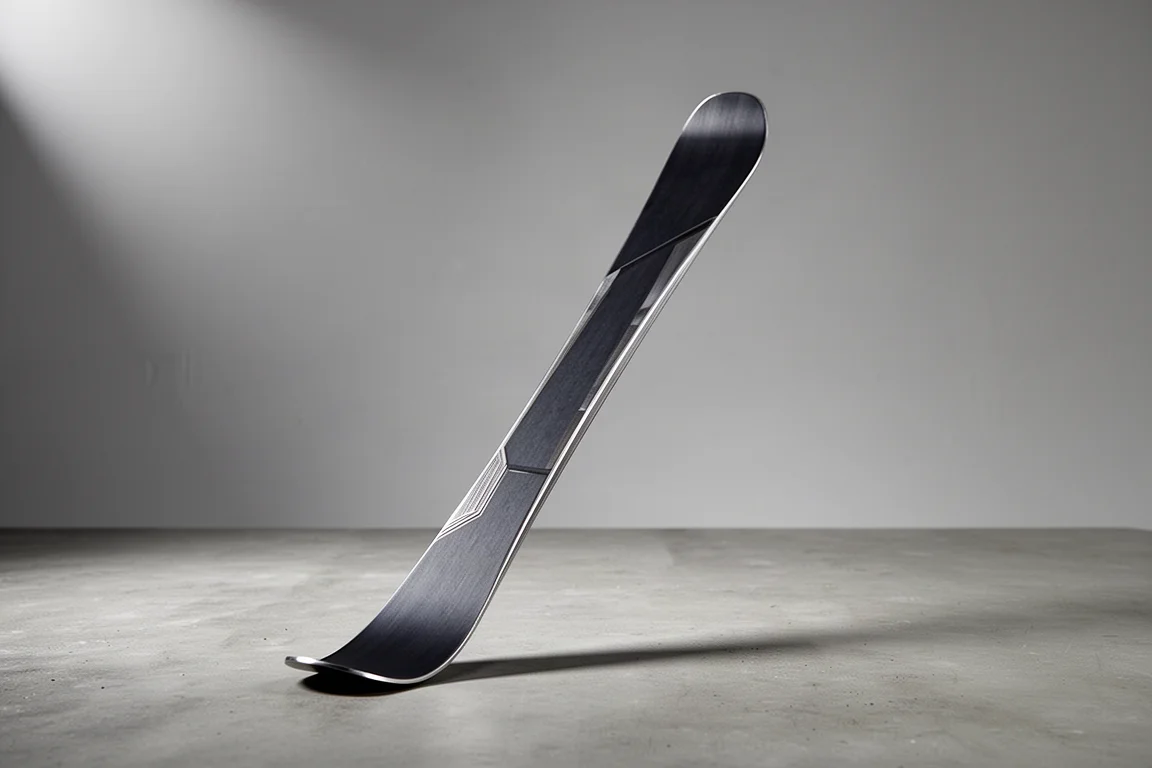
The Head Rebels e-Race Pro sits in the mid-radius slot of Head’s Rebel family of race skis, a shade below the brand’s FIS-level offerings. It is not an all-mountain ski with a racing graphic on top. It is a narrow, fully cambered carving tool that borrows the construction and the intent of a race ski and packages it for recreational skiers who still want that level of precision.
That distinction matters. Nothing on the consumer market matches what a true race ski does on a race course, and this model is positioned for citizen’s races and masters races where eligibility allows, as well as for the kind of high-end frontside carving most skis only gesture at.
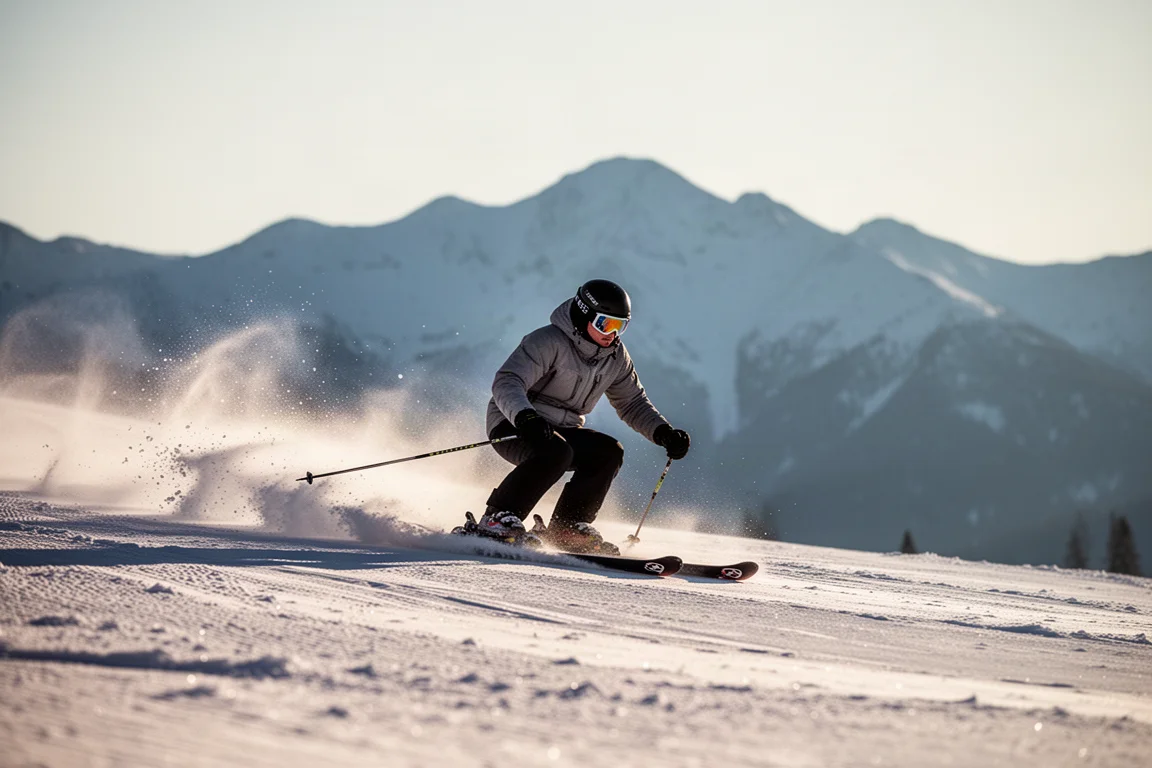
The trade-off is focus. This ski does one job extremely well and is honest about what it is not. If your season involves soft snow, trees, or anything that resembles going off trail, the e-Race Pro is the wrong tool, and Head’s wider frontside carving options are the more sensible place to look. If your season is built around firm, fast, groomed surfaces and you want the most precise mid-radius carve available, this is the ski.
Who This Ski Is For
This is a ski for strong, skilled, experienced riders, and specifically for those with a competitive race background. The construction and the shape reward a skier who already knows how to load an edge early, hold it through the arc, and manage pressure through the finish of a turn.
It also asks something of your home mountain. Because the waist is narrow and the build is stiff, the e-Race Pro needs very firm snow to make sense. Riders who spend their winters on hard, well-maintained groomers will get the most from it, while anyone whose local conditions run softer most of the season will find the ski working against them.
The third requirement is intent. This ski is reserved for a very specific skill set and a very specific purpose. If your days are a mix of carving, bumps, and side hits, there are friendlier shapes in Head’s frontside range that will serve you better.
Build and Construction
Head brings its race room construction to this model: a full World Cup sandwich sidewall build with two sheets of metal and a full sidewall running the length of the ski. There is no lighter-weight shortcut here, and nothing about the way these skis are put together feels improvised. It is about as traditional a performance build as you can buy.
An energy management circuit is layered into the design, with the stated aim of filtering out unwanted vibration. In a build this substantial it is difficult to isolate how much of the smoothness comes from the circuit and how much from the metal and sidewall, but the outcome is clear: the ski is stable and remarkably free of chatter.
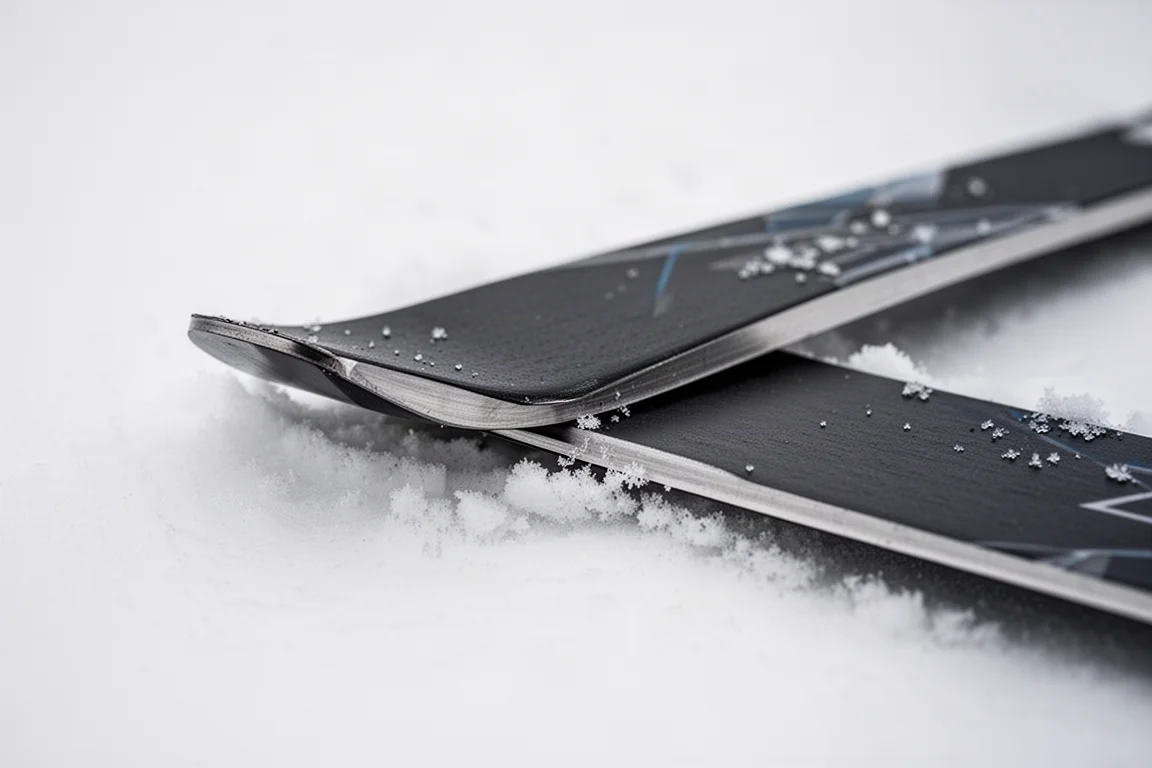
A race plate sits under the binding. It stiffens the underfoot zone and lifts the binding off the ski surface, which lets you generate a higher edge angle and a deeper carve on the way down the hill. In the 170 cm length, the ski measures 68 mm underfoot, carries a 14.8 m turn radius, and weighs 2,275 g with the plate fitted.
Main Strengths
The headline strength is precision and power in a mid-radius carve. Very little else on the market is doing what Head is doing at this end of high-end recreational carving, and the e-Race Pro is a clear example of the brand translating its racing heritage into a consumer-facing ski without diluting the character.
Stability is the second pillar. These skis are extremely smooth, extremely stable, and chatter-free in a way that few shapes manage. Rocker and taper do not enter the conversation here except in reverse: the profile is fully cambered with no taper at all, and the shape keeps widening all the way to the very end to elongate the effective edge. The longer the edge stays in contact with the snow, the smoother the ski feels.
The tail is pure race orientation, with metal inserts and very sharp angles. These skis will not simply release out of a turn. You have to do the work and drive them to rebound into the next one. There is not much wiggle room in the design, and that is the point: it is built to create a true tip-to-tail full carve and nothing else.
Ride Characteristics on Firm Snow
Snow conditions are not a preference with this ski, they are a requirement. There needs to be a minimum of firmness underfoot. Anything softer than boilerplate and the 68 mm waist starts to feel like a liability, because there is simply not a lot of surface to stand on.
On softer snow, the stiffness and the weight work against you. Rather than floating, the ski pushes straight through the snow, and the whole package reads as too stiff and too narrow for the conditions. The firmer the surface, the more the e-Race Pro comes alive.
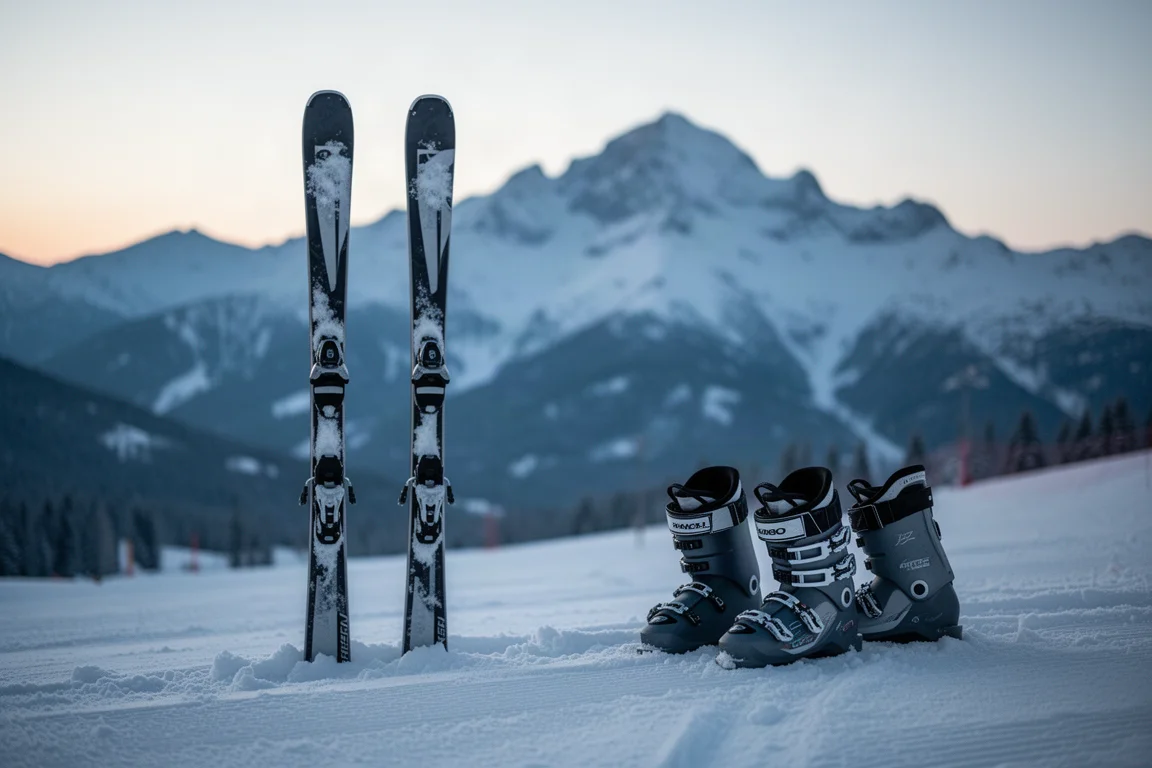
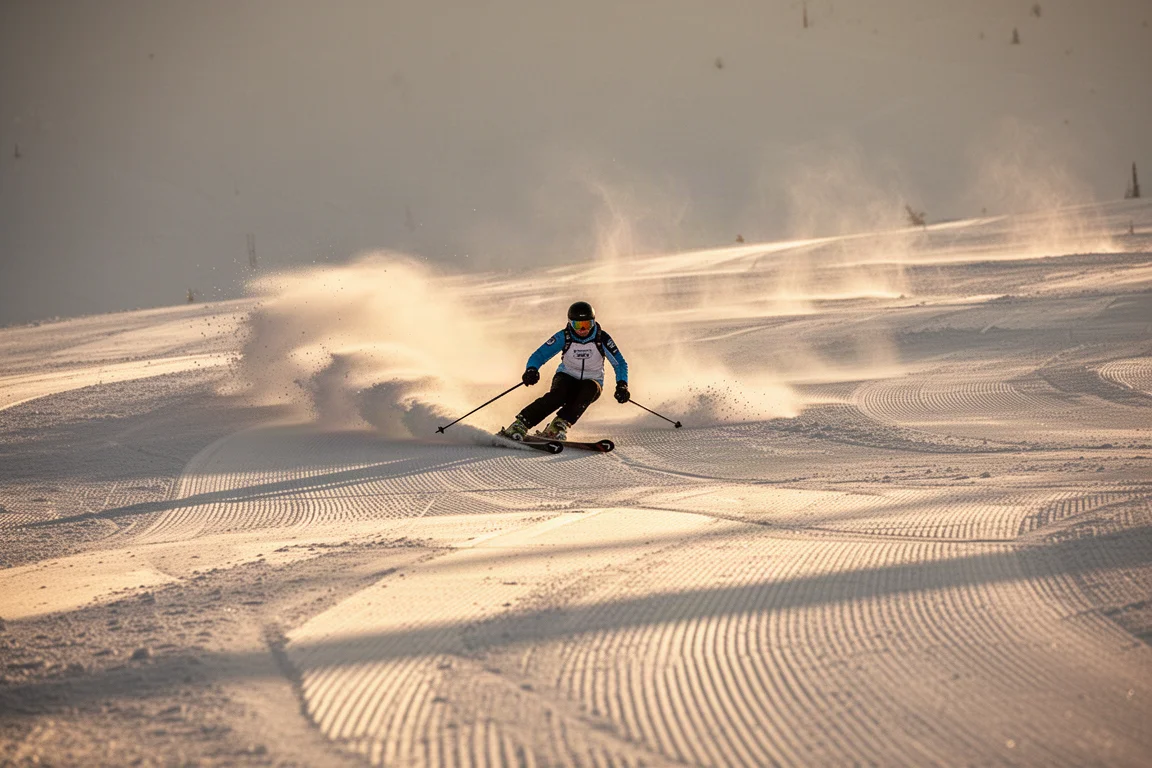
On hard snow, the picture changes completely. The long effective edge holds, the metal build absorbs the rough texture of a scraped race course, and the ski tracks through the arc with almost no deflection. Getting out of the turn is deliberate rather than automatic, and it rewards a skier who stays active and drives the tail around rather than waiting for it to let go.
Things to Consider Before Buying
The first consideration is the waist. At 68 mm underfoot, this is a dedicated carving platform with very little to offer once the surface softens or the terrain tilts off piste. If you want a ski that can leave the groomer, Head’s wider frontside carving models are a better fit.
The second is the weight and stiffness. At 2,275 g in the 170 cm length with the plate, there is real heft here, and it is heft that only pays off when the snow is hard. Skiers who are not already strong and technically solid will find the ski demanding rather than rewarding.
The third is the tail. Because it is so race oriented and will not release on its own, the ski demands continuous input. Even stepping down to something like a moderate GS shape can feel like a handful by comparison, which tells you how specific this tool is. If you are looking for an easier transition out of a high-performance race-oriented ski, there are friendlier options in the range.
Buying Advice
Buy the Head Rebels e-Race Pro if all three boxes are ticked: you are a strong, experienced skier, you have a competitive background or at least the technique of one, and you ski in a place that reliably serves up very firm snow. Under those conditions, it delivers precision and power in a mid-radius carve that few other skis can match.
If any of those boxes is unticked, be honest about it. Skiers who split their time between hard groomers and softer or more varied terrain will get more enjoyment and more usable performance from a wider frontside carving ski, and there is no shame in that choice. This model is reserved for a narrow set of circumstances, and it is excellent precisely because it refuses to compromise for the rest.
For those who do fit the profile, the practical steps are straightforward. Choose your length with the turn radius in mind, since the 170 cm carries a 14.8 m radius, and pair the ski with the race plate it is designed around so the underfoot zone and binding height work as intended.
Conclusion
The Head Rebels e-Race Pro is a specialist, and it succeeds on its own terms. It brings race room construction, two sheets of metal, a full sandwich sidewall, and a fully cambered, taper-free profile to a ski aimed at citizen’s racing and high-end frontside carving, and the result is a platform that is stable, smooth, and almost entirely free of chatter.
It is not a versatile ski, and it does not pretend to be. It wants very firm snow, a strong and experienced pilot, and a rider who is willing to work the tail through every turn. Meet those conditions and it does its job better than almost anything else in its class. Fall outside them, and a wider frontside carving option will make you happier on the hill.
Product link
View more details for Head Rebels e-Race Pro
This product is mentioned in the review. Check the specifications, options, and compatibility before buying.
View more details for Head Rebels e-Race ProFurther reading
Related Reviews
Skis
Armada Anti Matter 82 W Review: A Light, Approachable All-Mountain Carver
Armada's Anti Matter 82 W pairs a lightweight Karuba and carbon build with an easygoing all-mountain shape, aimed at intermediates through lighter-footed advanced skiers.
Skis
Armada Anti Matter 88W Review: A Light, Playful 88mm All-Mountain Ski Plus Two Alternatives
The Armada Anti Matter 88W returns unchanged in spirit from its Reliance 88C days, and it remains one of the most versatile 88mm skis around. We also look at the Nordica Santa Ana 87 and Anti Matter 92 W as alternatives.
Skis
Armada ARV 100 vs Atomic Bent 100: Which 100mm Freestyle Ski Should You Buy?
Two of the best all-mountain freestyle skis of the season compared: one leans playful and park-ready, the other holds up better everywhere else.