Ski Reviews
Head Oblivion 102 vs Oblivion 94: Two Twin Tips, Two Very Different Personalities
The new Head Oblivion 102 is a stiff, fast, freeride-leaning twin tip, while the Oblivion 94 stays playful and forgiving. Here is how to pick the right one.
Introduction
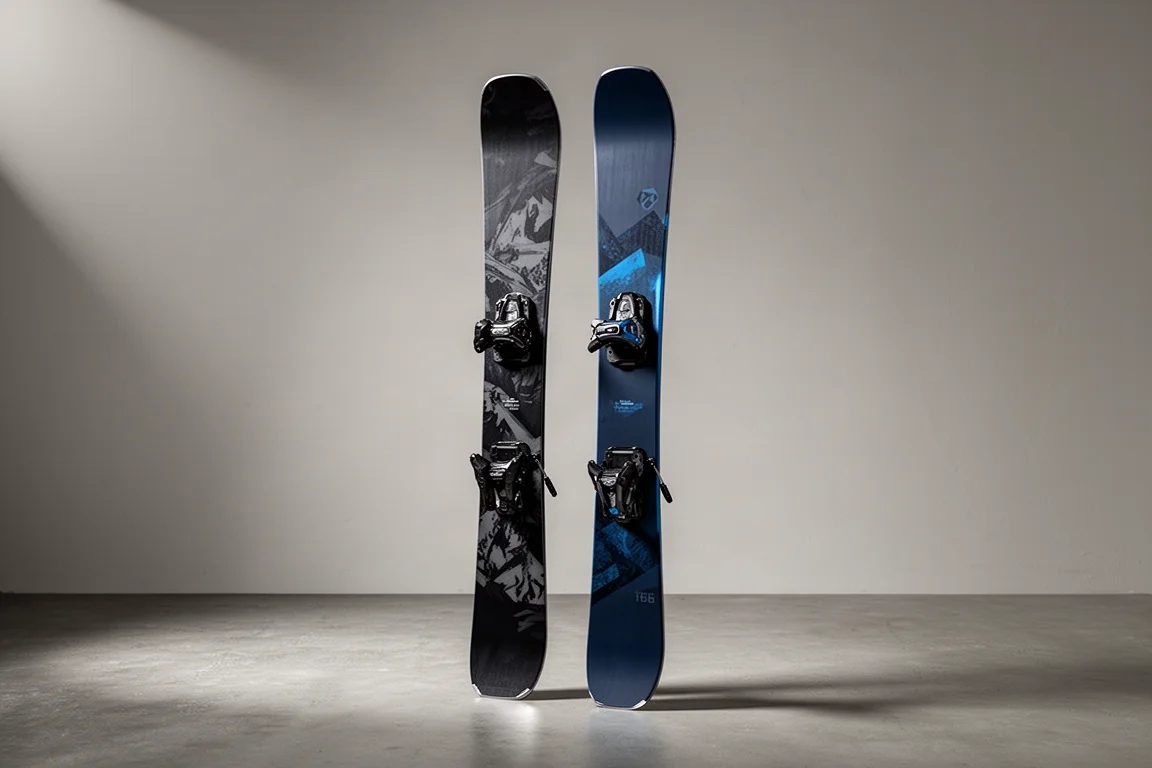
Head expanded the Oblivion line for 2024, adding a 102 and a 116 alongside the existing 79, 84 and 94. The result is a family that is unusually easy to shop within, because each width has a clear role. The 102 is the headline new ski here, a stronger and faster freeride-flavored twin tip, while the Oblivion 94 remains the versatile, easygoing park-and-all-mountain option in the lineup. In this piece we compare the two, because despite sharing very similar shapes, they ski remarkably differently once construction enters the picture.
Head Oblivion 102: Stiff, Strong and Fast
The Oblivion 102 was developed with input from freeride athlete Cole Richardson, whose signature model is the wider 116. Understanding that freeride inspiration helps explain the 102’s intent: this is not another soft, buttery 102-class twin tip, and it does not try to be.
The construction is the biggest differentiator. Head built this ski around a core made partly of poplar wood and partly of PET, which is recycled plastic bottle material, arranged as three vertical stringers. Add three thin carbon laminates, full-width fiberglass with an internally curved 3D shape, and damping layers between the edge and base, and you get a ski that is both lighter and stiffer than it looks. Around 1,850 grams per ski in this length range, it is noticeably lighter than comparable metal-free chargers, yet it feels strong longitudinally, almost race-bike strong in its response.
Shape and Rocker: A Traditional Twin Tip Approach
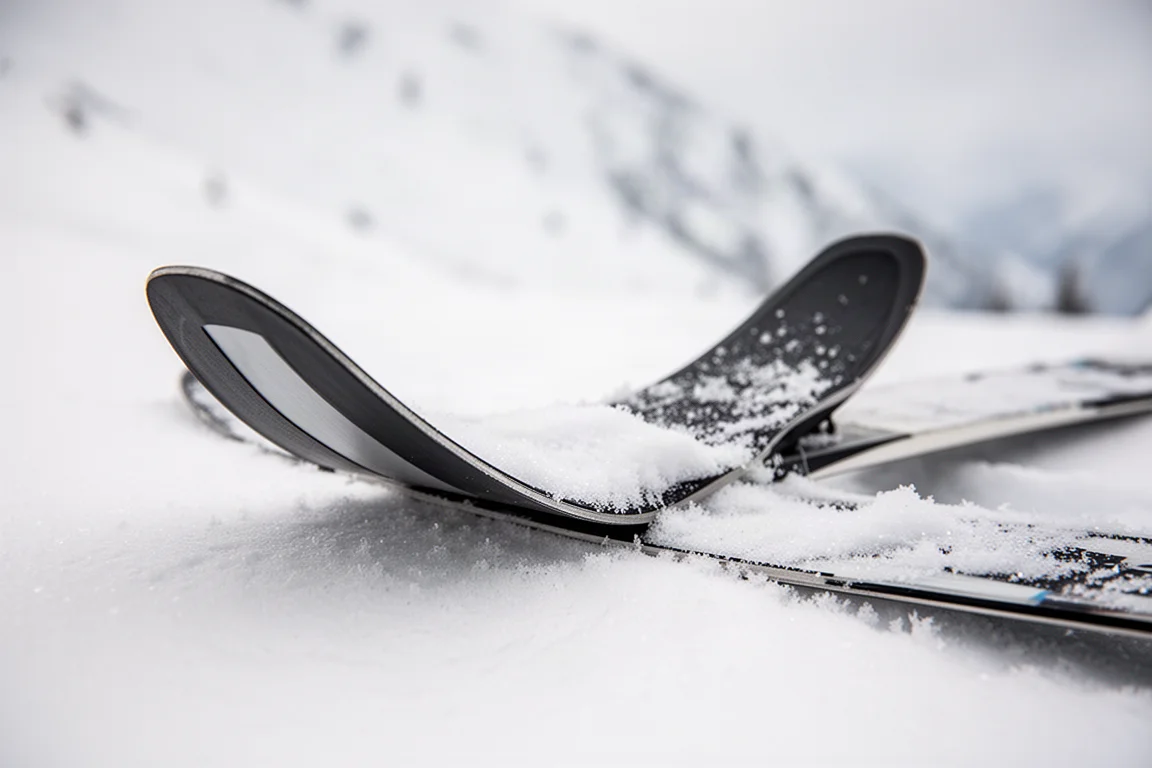
Where many modern 101- and 102-millimeter twin tips lean on early taper and generous rocker for maneuverability, the Oblivion 102 goes the other way. There is no early taper at all, tip and tail rocker is modest and unremarkable, and there is a lot of camber. The 22.8-meter turn radius is long for the category, and combined with a torsionally stiff build it makes the ski feel directional and locked-in rather than loose.
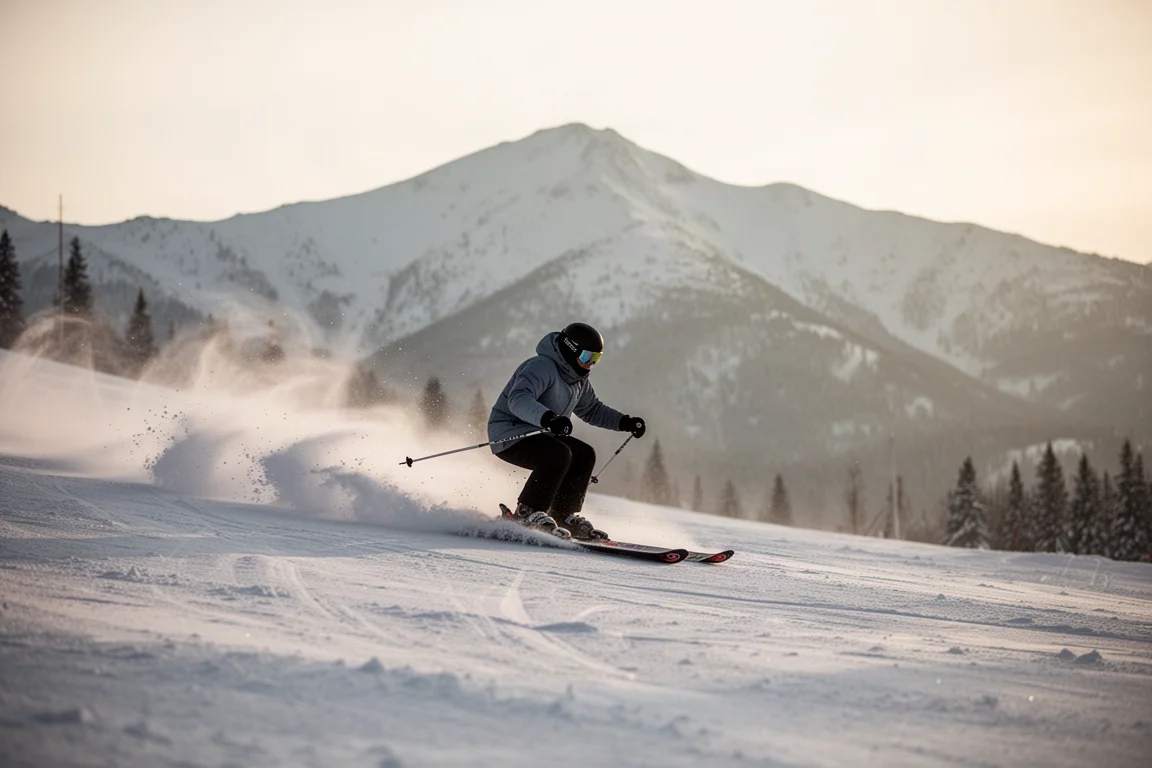
That traditional shape pays off in one important way: the ski is not catchy. In soft snow, off-piste side hits and playful traverses, it stays intuitive and forgiving despite its stiffness. The trade-off shows up on firm snow, where the strong flex can feel like a fight if you are skiing cautiously and calculated. Skied with speed and commitment, it produces clean, round turns and rewards strong skiers generously.
Head Oblivion 94: Playful and Forgiving
The Oblivion 94 is the friendlier sibling. It is easy to ski, intuitive, and forgiving, and it bends and manipulates far more readily than the 102, especially for lighter riders. An intermediate skier could realistically step onto this ski and be fine, which says a lot about its approachability in a twin tip format.
If you want a playful, easygoing twin tip that handles park laps, groomers and sidecountry laps without demanding expert technique, the 94 is the obvious pick in this lineup. It shares the 102’s overall shape philosophy but pairs it with a construction that feels substantially softer and more playful underfoot.
Mount Points and On-Snow Feel
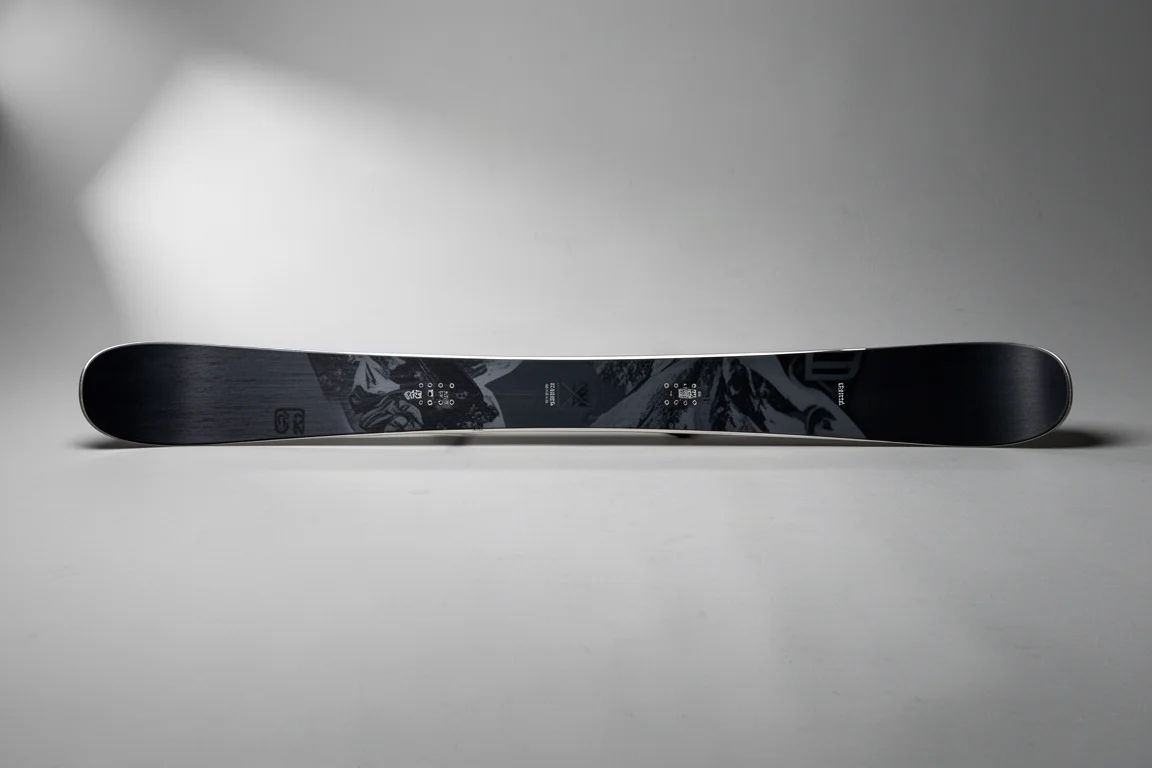
Head offers a five-point mounting range on the Oblivion 102, with a marked true center position and an all-mountain setting at minus five. Most testing was done at minus five, which leans the ski into its directional strengths; skiing closer to center moves it toward a more balanced, park-leaning feel.
The 102 also includes some eco-conscious material choices, most notably the recycled PET stringers in the core, part of a broader trend toward more sustainable ski construction. It is a meaningful detail, but the performance story remains the main event: torsional stiffness that translates every input directly into the snow, and a personality that comes alive the moment snow softens.
Park and Big-Mountain Use
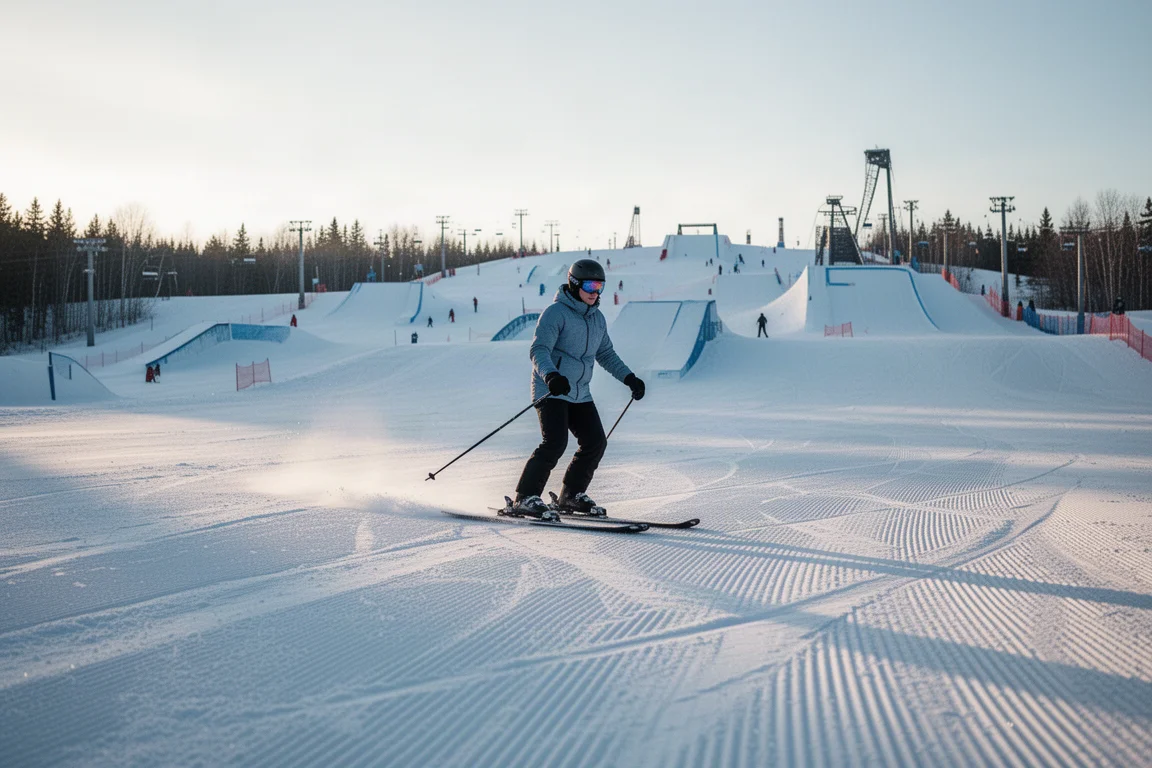
The Oblivion 102 is a park-capable ski with a freeride mentality. Its size, weight and long turn radius make it better suited to big jumps and natural features than to tight technical park laps. Think of a skier who laps large park jumps and then skis fast, big lines off the chair, and the intent becomes clear. If your park skiing centers on smaller features and quick spins, the 94 is the better tool.
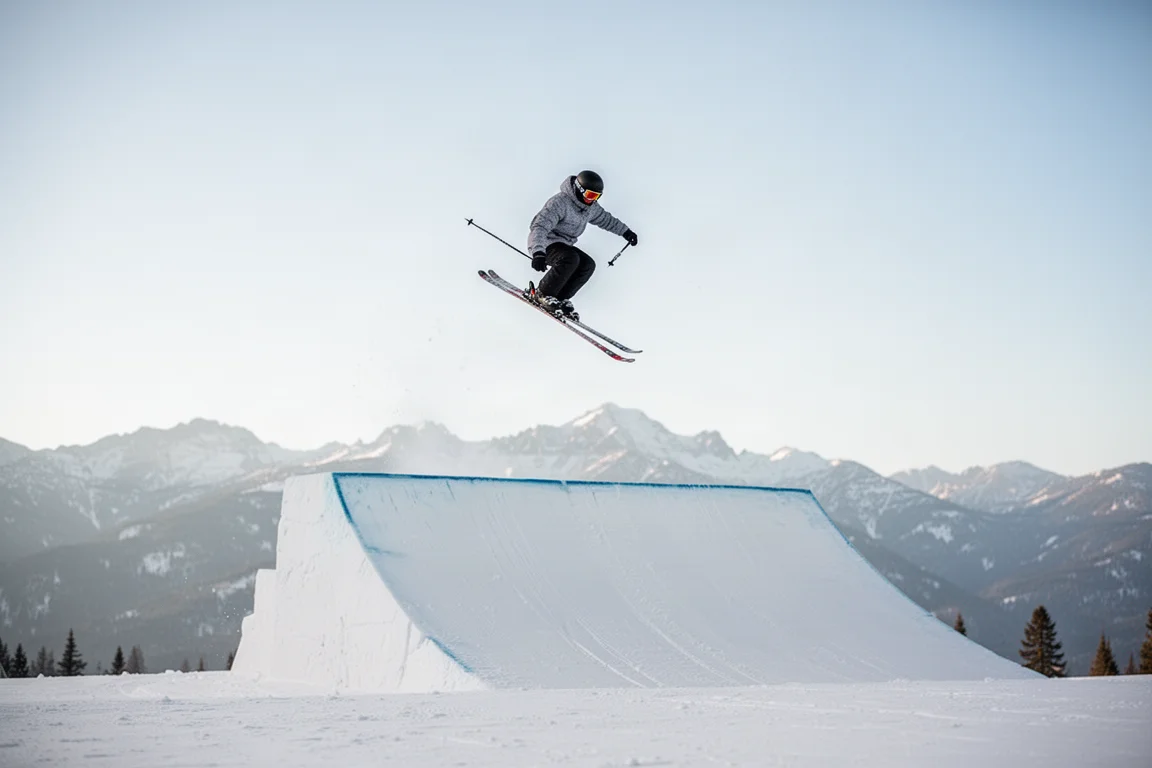
Within the wider line, the logic is clean: the 84 leans competition-style, the 94 is the versatile easygoing twin tip, the 102 is the aggressive higher-speed option, and the 116 is the big-mountain charger.
Buying Advice: Which Oblivion Fits You
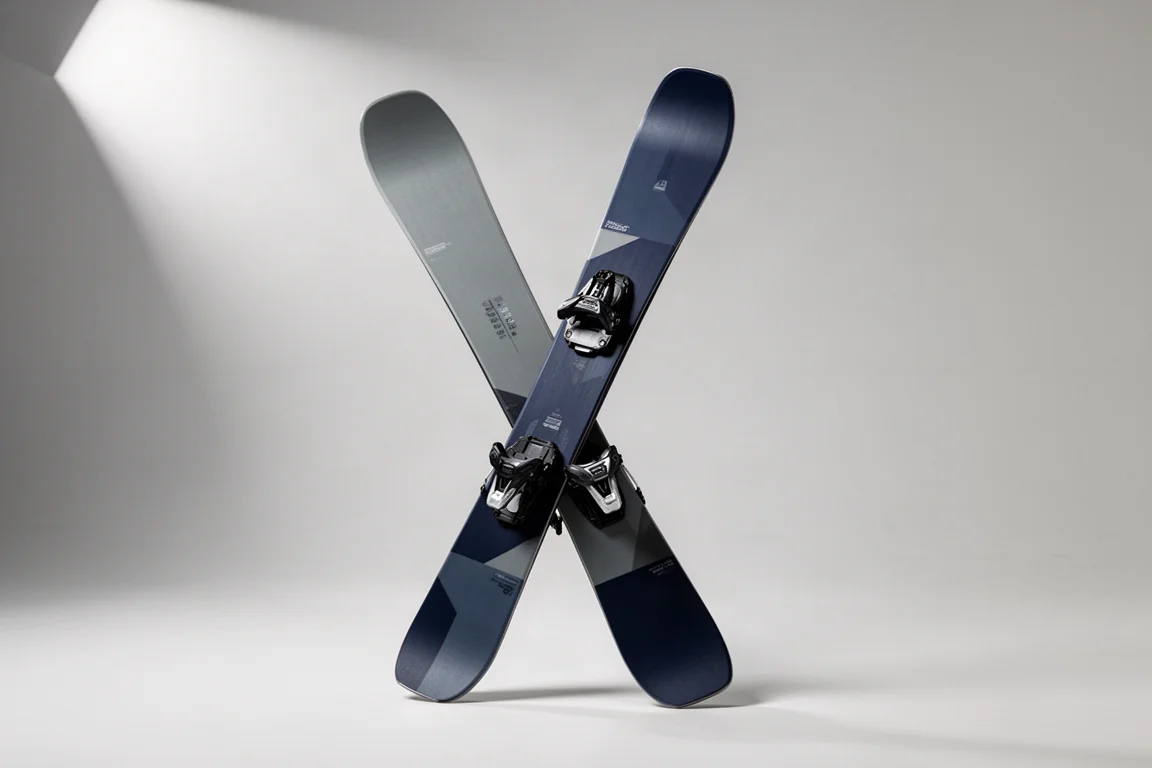
The choice between these two comes down almost entirely to construction and skill level rather than shape. If you are an aggressive, strong skier who skis fast, values stability on landings, and wants a twin tip that feels more like a freeride charger with a park mentality, the Oblivion 102 is a rare thing in the current market: a genuinely stiff, traditional-shaped twin tip that is still light. If you are a progressive skier, a park-focused rider, or simply want something playful and forgiving that does not punish hesitation, the Oblivion 94 is the better match and one of the easier recommendations in the lineup.
Conclusion
Head has done something refreshingly clear with the Oblivion family. The 94 remains the playful, accessible all-mountain twin tip, while the new 102 carves out a distinct identity as a stiff, light, fast freeride-inspired twin tip for expert skiers. Knowing which type of skier you are makes this decision simple, and that clarity alone makes the lineup worth a close look.
Further reading
Related Reviews
Ski Reviews
Armada Antimatter 108 Review: A Freeride Ski Built for Speed and Deeper Snow
The Armada Antimatter 108 carries over the beloved Declivity X 108 shape with new construction that adds compliance in soft snow and composure in crud, aimed squarely at strong, aggressive skiers.
Ski Reviews
Armada Antimatter 92 vs Invictus 92: Two All-Mountain Skis Compared
A closer look at two Armada all-mountain skis, one playful and nimble, the other composed and smooth, to help you pick the right one for your skiing.
Ski Reviews
Armada Antimatter 92W Review: A Smoother Take on a Proven All-Mountain Footprint
The Antimatter 92W keeps the trusted Reliance 92Ti footprint but softens the ride with a new metal construction, making it more versatile in softer snow without losing on-trail grip.